O que são amostras clínicas de cadeia de frio? Compreendendo o controle crítico de temperatura
Amostras clínicas da cadeia de frio são amostras biológicas que devem ser mantidas em temperaturas controladas durante toda a coleta, armazenar, transporte, e testes. Em 2025, a manutenção da temperatura é mais importante do que nunca no diagnóstico, pesquisar, e atendimento ao paciente. O manuseio adequado da cadeia de frio preserva a qualidade da amostra e garante resultados precisos. Sem isso, os testes podem falhar e os resultados dos pacientes podem piorar.
Este artigo irá ajudá-lo a entender:
-
O que são as amostras clínicas da cadeia de frio e por que são importantes, incluindo as principais faixas de temperatura.
-
Como a cadeia de frio é gerenciada passo a passo para evitar a degradação da amostra.
-
Melhores práticas para transporte e logística para laboratórios, Clínicas, e locais de pesquisa.
-
Erros comuns e como evitá -los no manuseio de amostras.
-
Últimas tendências e 2025 insights do setor em bioamostras da cadeia de frio.
O que são amostras clínicas da cadeia de frio e por que são importantes?
As amostras clínicas da cadeia de frio são amostras biológicas que devem ser mantidas dentro de limites rigorosos de temperatura desde o momento da coleta até a análise laboratorial. Estes incluem sangue, tecido, cotonetes, Amostras de DNA/RNA, escarro, e mais. Se as temperaturas variarem fora dessas faixas estreitas, a amostra pode degradar, levando a resultados imprecisos ou dados inutilizáveis.
A manutenção desta cadeia de frio não é opcional – ela preserva integridade da amostra e garante que os testes de diagnóstico reflitam a realidade. Por exemplo, muitos testes moleculares dependem de RNA e DNA intactos. Se essas moléculas se quebrarem devido à exposição ao calor, a sensibilidade do teste cai drasticamente.
Por que a temperatura é importante para amostras clínicas
A temperatura determina a rapidez com que as moléculas biológicas se decompõem ou como os microrganismos mudam. Para a maioria das amostras clínicas da cadeia de frio:
-
Gama refrigerada (2° C - 8 ° C.) é comum para sangue e muitos kits de diagnóstico.
-
Congelado (−20ºC) e ultrafrio (≤−80°C) condições suportam armazenamento a longo prazo, especialmente para culturas celulares e amostras de terapia genética.
Se a cadeia de frio for interrompida – mesmo que brevemente – enzimas como as RNases podem degradar os ácidos nucleicos, invalidando resultados de testes. Isto leva a falsos negativos, amostragem repetida, aumento de custos, e atraso no atendimento.
Como funciona a cadeia de frio para amostras clínicas?
A cadeia de frio para amostras clínicas é uma processo ininterrupto com temperatura controlada isso inclui:
-
Coleção
-
Armazenamento temporário
-
Embalagem e logística
-
Transporte e monitoramento
-
Recebimento e testes de laboratório
Cada etapa deve ser meticulosamente planejada e executada.
Como as amostras clínicas são coletadas e armazenadas inicialmente?
A coleta correta e o armazenamento imediato estabelecem a base para integridade da cadeia de frio. As amostras são coletadas seguindo protocolos rígidos para evitar contaminação e estresse térmico.
-
Dispositivos de coleta como cotonetes e tubos devem ser pré-condicionados, se necessário.
-
As amostras geralmente vão diretamente para o frigorífico (2° C - 8 ° C.) ou armazenamento congelado (± alvo específico).
-
Controles como indicadores de etiqueta de temperatura garantem que as amostras iniciem sua jornada dentro da faixa.
O manuseio inicial adequado evita a degradação precoce e define a qualidade básica para processos posteriores.
H3: Ferramentas e recipientes usados na coleta
Uso de locais de coleta clínica recipientes e meios verificados projetado para preservar a temperatura e proteger a química da amostra:
| Ferramenta | Usar | Principal benefício |
|---|---|---|
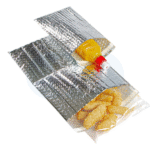
| Pacotes térmicos isolados | Estabilize as condições de refrigeração | Mantém 2–8°C durante as primeiras horas |
| Recipientes ultrafrios | Gelo seco ou materiais de mudança de fase | Suporta ≤−80°C para amostras críticas |
| Registradores de dados | Rastreamento contínuo de temperatura | Detecta desvios em tempo real |
Mesmo com ferramentas de som, erros de manuseio humano – como deixar os tubos em temperatura ambiente – podem quebrar a cadeia de frio antes mesmo de começar.
Quais faixas de temperatura são necessárias para diferentes amostras?
Os requisitos da cadeia de frio variam de acordo com o tipo de amostra e método de teste. Abaixo estão faixas alvo típicas:
-
Refrigerado (2° C - 8 ° C.): Analitos de sangue, kits de sorologia.
-
Congelado (−20ºC): Alguns componentes virais, Amostras de DNA.
-
Ultrafrio (≤−80°C): Culturas celulares, terapia genética, armazenamento de longo prazo.
Como a temperatura afeta a integridade da amostra
As excursões de temperatura podem:
-
Causa desnaturação de proteínas.
-
Reduzir estabilidade de ácido nucleico.
-
Mais baixo sensibilidade dos testes moleculares.
-
Aumentar falsos negativos ou resultados ambíguos.
Em termos práticos, uma amostra de RNA exposta, mesmo que brevemente, a 15°C pode perder integridade suficiente para que a reação em cadeia da polimerase (PCR) testes retornam dados comprometidos.
Como as amostras clínicas da cadeia de frio são embaladas e transportadas?
H2: Quais são as principais técnicas de embalagem em 2025?
A embalagem da cadeia de frio garante que a amostra permaneça dentro da zona de temperatura exigida durante o transporte:
-
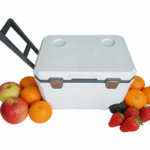
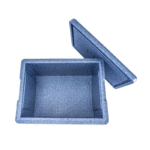
Caixas isoladas com materiais de mudança de fase manter a temperatura por horas ou dias.
-
Gelo seco ou materiais ultrafrios são usados para amostras congeladas.
-
Sensores IoT em tempo real temperatura da pista, umidade, e choque. FedEx
A embalagem é validada – testada para confirmar que mantém as temperaturas durante a duração esperada do trânsito.
Processo de embalagem passo a passo
-
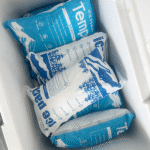
Condicionar compressas frias/gelo seco à temperatura adequada antes de carregar.
-
Coloque a amostra no recipiente primário à prova de vazamentos com absorvente.
-
Adicione isolamento secundário e materiais estabilizadores de temperatura.
-
Inclui registrador de dados ou etiqueta de sensor para registrar as condições ambientais.
-
Selar e rotular de acordo com padrões de risco biológico e cadeia de frio.
Um erro comum é avaliar mal o tempo de trânsito e a temperatura ambiente, especialmente nos meses de verão ou longas distâncias.
Modos de Transporte e Monitoramento
O transporte pode ser por chão, ar, ou logística expressa, dependendo da urgência. Por todo:
-
O monitoramento GPS rastreia a localização.
-
Monitores de temperatura enviam alertas caso ocorram excursões.
-
Planos de backup, como centros regionais de armazenamento refrigerado, protegem amostras de alto valor.
O que acontece na recepção do laboratório?
Quando as amostras chegam ao laboratório:
-
A embalagem é inspecionada para integridade do selo.
-
Registradores de temperatura são baixados para confirmar a conformidade contínua.
-
As amostras são imediatamente processadas ou armazenadas em condições apropriadas.
Qualquer evidência de que a cadeia de frio foi comprometida geralmente invalida a amostra, exigindo lembrança.
Desafios comuns e como superá-los
Manter uma cadeia de frio ininterrupta para amostras clínicas é complexo. Aqui estão problemas e soluções comuns:
Desafio 1 – Excursões de temperatura
As variações de temperatura ocorrem quando as amostras se desviam da faixa exigida. Isso pode destruir rapidamente a integridade da amostra.
Solução: Use monitoramento e alertas em tempo real para poder intervir antes que ocorram danos irreversíveis.
Desafio 2 – Estimativas de duração imprecisas
Subestimar o tempo de trânsito – especialmente em regiões remotas – leva a falhas na cadeia de frio.
Solução: Valide a retenção de embalagens além dos prazos esperados e adicione capacidade de buffer.
Desafio 3 – Conformidade Regulatória
As amostras clínicas estão sujeitas a rigorosos padrões de envio (por exemplo, rotulagem de risco biológico, PIB). A falta de conformidade pode atrasar o transporte ou gerar multas.
Solução: Treine minuciosamente a equipe e use listas de verificação de conformidade pré-criadas para remessas de rotina.
2025 Tendências no manuseio de amostras clínicas na cadeia de frio
A indústria está inovando rapidamente. Aqui está o que você deve saber 2025:
-
Otimização de rotas orientada por IA melhora a precisão da entrega.
-
Rastreabilidade de blockchain melhora a proveniência das amostras e as trilhas de auditoria.
-
Materiais térmicos ecológicos reduzir o impacto ambiental.
-
Gotas laboratoriais diretas ao paciente reduza o tempo e melhore a experiência do paciente.
Últimos destaques do progresso
-
Sistemas avançados de monitoramento de IoT agora integre a umidade, choque, e detecção de inclinação.
-
Logística descentralizada permitir que amostras clínicas passem diretamente da coleta domiciliar para o laboratório.
-
Manutenção preditiva de unidades de refrigeração reduz falhas não planejadas.
Lista de verificação de melhores práticas para amostras clínicas de cadeia de frio
-
Conheça as necessidades de temperatura da sua amostra antes da coleta.
-
Use embalagens validadas e materiais pré-condicionados.
-
Monitore em tempo real, com alertas automatizados.
-
Documente cada etapa—da coleta ao recebimento do laboratório.
-
Treine pessoal regularmente em atualizado 2025 regulamentos.
FAQ – Amostras Clínicas de Cadeia de Frio
O que torna uma amostra uma amostra da cadeia de frio?
Uma amostra que deve permanecer dentro de uma faixa de temperatura específica desde a coleta até a análise para permanecer viável. É fundamental para diagnósticos precisos.
As amostras clínicas podem ser enviadas sem cadeia de frio??
Geralmente não. Alguns meios especializados podem tolerar condições ambientais, mas a maioria das amostras de diagnóstico precisa de temperaturas controladas para resultados válidos.
Quanto tempo as amostras podem permanecer nas embalagens da cadeia de frio?
A embalagem avançada pode manter as temperaturas exigidas por mais de 48 a 96 horas, dependendo dos materiais e das condições ambientais.
E se ocorrer uma violação da cadeia de frio?
Documentação imediata, revisão dos registros de temperatura, e muitas vezes a lembrança da amostra é necessária.
Resumo e Conselho Final
As amostras clínicas da cadeia de frio são amostras biológicas sensíveis à temperatura que exigem um ambiente controlado ininterrupto da coleta ao teste. Mantê-los dentro das faixas de temperatura exigidas preserva a qualidade da amostra e garante resultados confiáveis. As principais estratégias incluem embalagens validadas, monitoramento em tempo real, conformidade regulatória, e treinamento contínuo.
Tome uma atitude:
-
Audite seus processos atuais da cadeia de frio.
-
Implemente sensores em tempo real e empacotamento de buffer.
-
Treinar equipes 2025 padrões e melhores práticas.
Ao seguir estes passos, você protege espécimes valiosos, reduzir o desperdício, e apoiar melhores resultados para os pacientes.
Sobre Tempk
E tempk, somos especializados em soluções de cadeia de frio para amostras clínicas e de ciências biológicas. Nós nos concentramos no monitoramento em tempo real, sistemas validados de preservação de temperatura, e suporte especializado. Nossos sistemas ajudam você a manter a integridade da amostra, atender aos padrões regulatórios, e reduzir o risco em toda a cadeia de frio.
Próximo passo: Contacte-nos para uma consulta adaptada às suas necessidades de logística clínica.