O que é gerenciamento da cadeia de frio? Como o controle de temperatura protege os produtos
Atualizado: novembro 13, 2025
Gestão da cadeia de frio refere-se ao manuseio cuidadoso de produtos sensíveis à temperatura em toda a produção, armazenar, transporte e entrega final. Quando você move vacinas, frutos do mar ou produtos frescos, mesmo uma curta variação de temperatura pode arruinar o produto. Em 2025 o mercado global de logística da cadeia de frio está avaliado em cerca de USD 436 bilhões e prevê-se que ultrapasse o USD 1.3 trilhão por 2034. Se você deseja proteger a qualidade do seu produto, cumprir regulamentos rigorosos e reduzir o desperdício, compreender a gestão da cadeia de frio é essencial.

Por que a gestão da cadeia de frio é crucial para a segurança e a qualidade dos produtos? Descubra como o controle da temperatura em todas as fases evita a deterioração e protege a saúde pública.
Quais são os principais componentes de uma cadeia de frio? Aprenda sobre sistemas de refrigeração, armazenar, transporte e monitoramento, e veja faixas de temperatura típicas para diferentes produtos.
Como as tecnologias modernas transformam a gestão da cadeia de frio? Entenda como os sensores, IoT devices and AI enable real time monitoring and predictive maintenance.
What challenges exist and how can you overcome them? Identify common risk factors and see practical tips to reduce waste and ensure compliance.
Quais são as tendências emergentes em 2025? Explore sustainable packaging, contêineres inteligentes, blockchain traceability and other innovations shaping the cold chain.
How does cold chain management ensure product safety and quality?
Cold chain management keeps temperature sensitive products safe by controlling their environment at every step. It involves managing products in transit, em processo, in storage and in display. Perishable goods like pharmaceuticals, vacinas, Biologics, amostras de laboratório, fresh food and beverages rely on cold chain management to maintain efficacy and quality. Se as temperaturas se desviarem, these goods can spoil, perder potência ou tornar-se inseguro. Effective cold chain management uses thermal packaging, real time monitoring and trained personnel to prevent spoilage.
Manter os produtos dentro das faixas de temperatura especificadas protege a saúde pública e reduz perdas financeiras. A exposição fora da faixa recomendada pode fazer com que as vacinas percam potência ou que os alimentos estraguem. Agências reguladoras como a Organização Mundial da Saúde (QUEM) e a Administração de Alimentos e Medicamentos (FDA) definir padrões rigorosos e faixas de temperatura para garantir a segurança. Seguir essas normas evita multas, recalls e danos à reputação.
Explicação expandida
Você pode pensar na cadeia de frio como uma corrida de revezamento: cada etapa deve entregar o produto na temperatura certa. Começa na produção (por exemplo, uma fazenda leiteira ou fábrica farmacêutica) e continua através de armazéns frigoríficos, caminhões isolados e distribuição local. A gestão moderna da cadeia de frio não é apenas refrigeração. Inclui planejamento, design de embalagem, Treinamento da equipe, sistemas de monitoramento e adesão aos regulamentos.
A integridade das mercadorias depende deste sistema. O uso de embalagens térmicas avançadas e ferramentas de monitoramento de temperatura ajuda a manter produtos como o leite, sorvetes e vacinas em ótimas condições. Monitoramento contínuo da temperatura, umidade, a qualidade do ar e a localização GPS garantem a conformidade e permitem ações corretivas. Reduzir desperdícios e perdas é um dos maiores desafios em qualquer cadeia de abastecimento. Monitorando os produtos em todas as etapas, as empresas podem evitar danos e perdas.
Componentes-chave da gestão da cadeia de frio
Sistemas de refrigeração: O primeiro passo é resfriar os produtos rapidamente após a produção. Nitrogênio líquido, freezers e contêineres refrigerados mantêm temperaturas constantes. Os ultracongeladores reduzem rapidamente a temperatura do produto para preservar a qualidade antes do transporte.
Armazenamento refrigerado: Armazéns refrigerados e câmaras frigoríficas mantêm as mercadorias em temperaturas específicas até serem despachadas. Sensores de temperatura e equipamentos de refrigeração modernos mantêm a consistência e evitam flutuações.
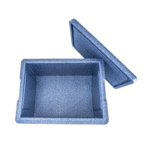
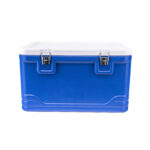
Transporte frio: Veículos especializados, como caminhões refrigerados, navios e aviões transportam produtos enquanto mantêm a temperatura adequada. Boas práticas de carregamento e contêineres isolados evitam choques de temperatura durante o transporte.
Monitoramento: Sensores, Dispositivos IoT, registradores de dados, Etiquetas RFID e rastreadores GPS fornecem dados de temperatura registrados ou em tempo real e alertam os operadores quando ocorrem desvios. O monitoramento contínuo garante a conformidade com a FDA, Diretrizes da OMS e da UE e permite ações corretivas imediatas.
Faixas de temperatura típicas
| Categoria de produto | Faixa de temperatura (°F) | Faixa de temperatura (°C) | Significado para você |
| Produtos frescos ambientais | 57–75 | ~14–24 | Adequado para frutas e vegetais resistentes; manter a qualidade à temperatura ambiente |
| Produtos refrigerados & laticínio | 45–57 | ~7–14 | Mantém frutas, legumes e laticínios frescos sem congelar |
| Produtos farmacêuticos & vacinas | 36–46 | ~2–8 | Evita que vacinas e produtos biológicos percam eficácia |
| Carne congelada & frutos do mar | –0,5–32 | ~–18–0 | Mantém a textura e a segurança de carnes e frutos do mar |
| Produtos ultracongelados | –22––0,5 | ~–30––18 | Necessário para terapias genéticas e carnes ultracongeladas; impede o crescimento microbiano |
Manter as mercadorias dentro dessas faixas é fundamental. Por exemplo, vacinas armazenadas fora de 2–8 °C podem perder potência e podem ter que ser descartadas.
Dicas e sugestões práticas
Use equipamentos confiáveis: Invista em contêineres isolados de alta qualidade, caminhões refrigerados e armazéns com energia de reserva para evitar picos de temperatura.
Treine sua equipe: O treinamento regular garante que a equipe entenda as faixas de temperatura e as respostas a emergências. Um único erro pode arruinar uma remessa.
Implementar ferramentas de monitoramento: Registradores de dados, Sensores IoT e telemática fornecem alertas em tempo real quando as temperaturas divergem. Responder prontamente reduz o desperdício e protege seu produto.
Planeje contingências: Desenvolver procedimentos operacionais padrão e manter uma lista de contatos para reparo de equipamentos ou desvio de produtos. Ter um plano economiza tempo durante emergências.
Caso do mundo real: Em julho 2025 UNICEF entregue 500,000 doses de vacina pneumocócica por via marítima da Bélgica para a Costa do Marfim. A viagem marítima reduziu as emissões de gases de efeito estufa em até 90 por cento e custos de frete por 50 por cento em comparação com o transporte aéreo, mantendo a qualidade da vacina. Este exemplo mostra como o planejamento estratégico de rotas e modos sustentáveis podem melhorar a eficiência sem comprometer a segurança do produto.
Como as tecnologias modernas transformam a gestão da cadeia de frio?
A tecnologia está revolucionando a maneira como você monitora e protege sua cadeia de frio. Soluções de monitoramento de cadeia de frio usam sensores, Dispositivos IoT, registradores de dados, Rastreadores GPS e plataformas em nuvem para monitorar a temperatura, umidade e localização em tempo real. Essas soluções fornecem alertas imediatos quando as condições divergem, allowing corrective action before products are compromised. Advanced systems integrate artificial intelligence and predictive analytics to foresee problems and optimize routes, reduzindo o desperdício e melhorando a eficiência.
Explicação expandida
Cold chain monitoring solutions are designed for industries like food, bebida, produtos farmacêuticos e biotecnologia. Any temperature deviation during production, armazenar, transportation or distribution can compromise product integrity and cause regulatory non compliance. By automating temperature tracking and generating alerts, modern solutions help businesses take immediate corrective action and enhance customer satisfaction.
The global cold chain monitoring market is growing rapidly. It was valued at around USD 5.3 bilhão em 2022 e está projetado para atingir USD 10.2 bilhão por 2026, com um CAGR de 16.6 %. Other analyses estimate the market at USD 35 bilhão em 2024, with an anticipated CAGR of 23 % de 2025 para 2030. Este crescimento é impulsionado por regulamentações mais rígidas, advancements in IoT technology and globalization.
Types of monitoring technologies
Registradores de dados de temperatura e umidade: Dispositivos compactos que registram as condições ambientais ao longo do tempo. Eles fornecem registros históricos de temperatura para auditorias e são acessíveis e fáceis de implantar. A desvantagem é que a maioria dos modelos exige recuperação manual de dados e não pode alertá-lo sobre desvios em tempo real..
Sensores sem fio baseados em IoT: Esses sensores transmitem dados em tempo real via Wi-Fi, redes celulares ou LoRaWAN. Eles eliminam a coleta manual de dados e permitem o monitoramento remoto por meio de painéis ou aplicativos móveis. Alertas em tempo real permitem resposta imediata a desvios, mas os sistemas podem ser caros e exigir conectividade e energia confiáveis.
Sensores de temperatura RFID: Etiquetas RFID com sensores integrados permitem coleta de dados automatizada e sem contato. Eles agilizam o gerenciamento de estoque e reduzem o erro humano. No entanto, a gama de sinais RFID é limitada e o investimento inicial pode ser elevado.
Rastreadores de cadeia de frio baseados em GPS: Esses dispositivos combinam rastreamento de localização com monitoramento de temperatura. Eles fornecem visibilidade em tempo real do movimento e das condições das remessas e enviam alertas sobre desvios de rota ou flutuações de temperatura. Eles exigem fontes de energia e podem envolver custos mais elevados.
A ascensão das embalagens inteligentes e sustentáveis
A cadeia de frio está a adotar soluções de embalagens reutilizáveis e inteligentes para reduzir o desperdício e melhorar a visibilidade. Espera-se que o mercado global de embalagens reutilizáveis da cadeia de frio cresça de USD 4.97 bilhão em 2025 para USD 9.13 bilhão por 2034, com um CAGR de 6.98 %. Empresas adotam recipientes reutilizáveis para reduzir desperdício, reduzir custos a longo prazo e atender aos requisitos regulamentares. Tecnologias como rastreamento habilitado para IoT, painéis isolados a vácuo e materiais de mudança de fase melhoram o desempenho e a visibilidade.
Sustentabilidade & economia circular: Há uma mudança em direção a sistemas de embalagens reutilizáveis e agrupadas para minimizar o impacto ambiental. Modelos de circuito fechado enfatizam a reutilização, retornar, limpeza e redistribuição, e as empresas exploram materiais biodegradáveis, como materiais de mudança de biofase e isolamento à base de plantas.
Inteligente & embalagem ativa: As embalagens reutilizáveis estão se tornando mais inteligentes. Sensores podem medir a temperatura, umidade e localização, enquanto filmes antimicrobianos, eliminadores de oxigênio e etiquetas NFC/RFID prolongam a vida útil e detectam deterioração. Alimentado por bateria, contêineres auto-refrigerados podem manter temperaturas precisas por 48 a 72 horas enquanto transmitem dados ao vivo.
Modelos de pooling padronizados: As empresas estão adotando caixas reutilizáveis compartilhadas, caixas e sacolas para logística circular. Fornecedores cuidam da entrega, recuperação, limpeza e reutilização em todas as indústrias, o que reduz desperdícios e custos.
Inovação material: Materiais de isolamento avançados, como painéis isolados a vácuo e pacotes de gel reutilizáveis, estão sendo otimizados para melhor desempenho térmico e menor peso. Materiais biodegradáveis, como misturas de amido, forros de lã e materiais de mudança de fase derivados de plantas oferecem alternativas compostáveis.
Expedidores de zonas de múltiplas temperaturas: Novos recipientes permitem diferentes compartimentos de temperatura em uma unidade. Eles são úteis para cargas mistas (por exemplo, peixe congelado e legumes frescos) e para o transporte de produtos farmacêuticos com requisitos variados.
Dados em tempo real e rastreabilidade de blockchain: Integração de NFC, RFID, Os sensores BLE e GPS registram dados em tempo real sobre temperatura e localização. Algumas empresas usam blockchain para criar registros da cadeia de frio à prova de adulteração, especialmente para conformidade com a vacina.
Resumo das inovações
| Inovação | Como funciona | Benefício prático |
| Embalagem reutilizável habilitada para IoT | Recipientes com temperatura, sensores de umidade e localização | Monitoramento em tempo real, vida útil estendida e prova de conformidade. |
| Caixas inteligentes auto-refrigeradas | Recipientes alimentados por bateria que mantêm temperaturas precisas e transmitem dados | Elimine pacotes de gelo seco ou gel; ideal para produtos farmacêuticos de alto valor. |
| Sistemas de pooling de circuito fechado | Caixas e sacolas reutilizáveis compartilhadas gerenciadas por meio de um ciclo de devolução e limpeza | Reduz o desperdício e o custo de embalagens; apoia a economia circular. |
| Materiais de isolamento biodegradáveis | Espumas à base de plantas, forros de lã e bio PCMs | Menor impacto ambiental, mantendo o desempenho térmico. |
| Contêineres multizona | Compartimentos separados com diferentes faixas de temperatura | Permite cargas mistas e reduz o número de remessas. |
Dicas práticas
Adote sensores IoT: Implemente sensores sem fio que forneçam dados em tempo real e alertas automatizados. Eles reduzem as verificações manuais e permitem uma intervenção rápida.
Considere contêineres inteligentes reutilizáveis: Para remessas de alto valor ou frequentes, caixas auto-refrigeradas podem manter temperaturas precisas por longos períodos.
Use soluções de embalagem circular: Explore modelos de circuito fechado onde caixas e recipientes são agrupados, limpos e reutilizados para reduzir desperdícios e economizar custos.
Integre blockchain para rastreabilidade: Os registros à prova de adulteração fornecem prova de conformidade e podem prevenir fraudes.
Exemplo: Uma empresa farmacêutica que envia produtos biológicos usa uma caixa inteligente reutilizável que mantém de 2 a 8 °C por 72 horas e transmite dados de temperatura e localização ao vivo. O sistema envia alertas automáticos se a tampa for aberta ou se a temperatura variar. Isso garante a conformidade regulatória e protege produtos de alto valor.
Por que a cadeia de frio quebra e como você pode evitá-la?
Fatores de risco comuns na gestão da cadeia de frio incluem flutuações de temperatura, resíduos de embalagens, treinamento inadequado e não conformidade regulatória. Quedas de energia, mau funcionamento do equipamento e isolamento deficiente podem levar a picos de temperatura que estragam os produtos. Os materiais de embalagem e os pacotes de gel podem ser desperdiçados devido ao mau planejamento. O treinamento inadequado da equipe e a falta de comunicação aumentam a probabilidade de erros. Registros perdidos ou condições inadequadas de armazenamento podem gerar multas e recalls.
Explicação expandida
Regulamentos como os padrões da OMS e da FDA exigem faixas de temperatura e requisitos de monitoramento rigorosos. Por exemplo, as frutas devem ser armazenadas a 32–41 °F (0–5 ° C.) para retardar o amadurecimento, enquanto os produtos farmacêuticos exigem 35,6–46,4 °F (2–8 ° C.). O não cumprimento desses padrões pode levar a responsabilidades legais e perda do produto. No setor farmacêutico, mais da metade dos produtos biológicos exigem gerenciamento da cadeia de frio. O controle inadequado da temperatura pode fazer com que essas terapias caras percam potência ou se tornem inseguras.
Conformidade regulatória e padrões do setor
A OMS e a FDA estabelecem diretrizes para armazenamento e transporte de vacinas e produtos farmacêuticos. A Lei de Modernização da Segurança Alimentar (FSMA) Regra 204 requer disponibilidade de registros 24 horas e rastreabilidade para determinados alimentos. Os Centros de Controle e Prevenção de Doenças (CDC) fornece requisitos detalhados de armazenamento de vacinas. Atender a esses requisitos protege os consumidores e ajuda a evitar problemas legais.
Mesa: Principais reguladores e diretrizes
| Regulador / padrão | Área aplicável | Por que isso importa |
| Diretrizes da OMS | Storage and transport of vaccines | Defines temperature ranges and handling procedures to maintain vaccine potency. |
| Regulamentos da FDA (por exemplo, FSMA) | Food safety and pharmaceutical products | Requires monitoring and record keeping; ensures consumer safety and prevents contamination. |
| Diretrizes de armazenamento de vacinas do CDC | Logística de vacinas | Provides recommended storage temperatures and monitoring protocols. |
| Boas Práticas de Fabricação (GMP) & Boas Práticas de Distribuição (PIB) | Produção e distribuição farmacêutica | Processos validados por mandato, real time monitoring and temperature control. |
| Cold Chain Alliance standards | General cold chain logistics | Define management of temperature for perishable products from origin to final consumer. |
Estratégias práticas para prevenir falhas
Strengthen training and procedures: Forneça treinamento regular sobre manuseio, carregamento e monitoramento. Well trained staff can prevent mistakes and respond quickly to issues.
Invista em manutenção preventiva: Schedule regular maintenance of refrigeration systems and vehicles. Use predictive analytics to foresee equipment failures and avoid unplanned downtime.
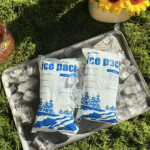
Melhore o planejamento de embalagens: Choose packaging solutions with adequate insulation and phase change materials. Plan the amount of ice packs and gel packs to prevent waste.
Use alimentação e monitoramento redundantes: Backup generators and remote monitoring platforms keep products safe during power outages or equipment failures.
Documente tudo: Maintain accurate temperature records and compliance documentation to satisfy regulators and customers.
Caso em questão: A OMS estima que quase 50 % das vacinas são desperdiçadas anualmente devido ao manejo inadequado da temperatura. This highlights the importance of adequate training, monitoramento e equipamentos.
What are the latest developments and trends for 2025?
A indústria da cadeia de frio está evoluindo rapidamente. Rising demand, new technology and tougher sustainability targets mean operators must run smarter, greener facilities. Here are some key developments shaping the industry in 2025:
Visão geral da tendência
Integração tecnológica e eficiência: Automação, artificial intelligence and Internet of Things devices streamline operations, improve inventory management, reduce operational costs and provide real time visibility. Companies integrate warehouse management and transportation systems to coordinate storage and logistics.
Diversas capacidades de temperatura: Com a expectativa de que o mercado de armazenamento refrigerado cresça em dólares 118.3 bilhão de 2022 para 2027, instalações oferecem congelamento profundo (-20 °F), congelado, refrigerado, espaços de temperatura ambiente e conversíveis para atender diversos produtos. A flexibilidade no gerenciamento de temperatura permite que os operadores mudem rapidamente e atendam às diferentes necessidades dos clientes.
Sustentabilidade e redução do desperdício alimentar: Sustentabilidade agora é um requisito, não é uma escolha. Refrigeração com eficiência energética, a utilização de energias renováveis e estratégias para reduzir o desperdício alimentar são essenciais. Parcerias com bancos alimentares e serviços de redistribuição ajudam a acabar com a insegurança alimentar e a minimizar o desperdício.
Crescimento regional e otimização da rede: A expansão das redes de armazenamento frigorífico com instalações estrategicamente localizadas reduz as distâncias e os custos de transporte. Os fornecedores combinam experiência local com operações em escala nacional para atender às demandas regionais, mantendo uma qualidade consistente.
Serviços de valor agregado: Fornecedores de armazenamento refrigerado agora oferecem congelamento rápido, remoção de calor, kitting, rotulagem e integração EDI para simplificar operações e agregar valor.
Último progresso em um olhar
Otimização de rotas orientada por IA e manutenção preditiva: A IA analisa dados históricos e em tempo real para prever falhas de equipamentos e otimizar rotas de entrega, reduzindo atrasos e uso de energia.
Recipientes inteligentes auto-refrigerados: Os contêineres alimentados por bateria mantêm temperaturas precisas por mais de 48 a 72 horas e transmitem dados ao vivo, eliminando a dependência de gelo seco.
Expedidores de zonas de múltiplas temperaturas: Contêineres com compartimentos para diferentes faixas de temperatura permitem cargas mistas e reduzem o número de remessas.
Rastreabilidade habilitada para Blockchain: Seguro, registros à prova de adulteração mantêm o histórico do produto e simplificam as auditorias.
Energia renovável e refrigeração verde: Painéis solares, refrigerantes naturais e sistemas de recuperação de calor reduzem as pegadas de carbono e os custos operacionais.
Insights de mercado
O mercado global de logística da cadeia de frio valia cerca de USD 436.3 bilhão em 2025 e espera-se que atinja USD 1.36 trilhão por 2034. O mercado global de monitoramento da cadeia de frio pode ultrapassar o dólar 10 bilhão por 2026. O mercado farmacêutico da cadeia de frio, avaliado em USD 6.4 bilhão em 2024, está projetado para crescer de forma constante com um CAGR de cerca de 3.8 %. Enquanto isso, o mercado de embalagens reutilizáveis da cadeia de frio, vale USD 4.97 bilhão em 2025, está previsto para atingir USD 9.13 bilhão por 2034. Esses números mostram a rapidez com que a indústria está se expandindo em todos os setores.
Perguntas frequentes
Qual é a diferença entre a cadeia de frio e a gestão da cadeia de frio?
A cadeia de frio refere-se ao sistema físico de manter os produtos dentro de faixas de temperatura específicas, desde a produção até o consumo.. A gestão da cadeia de frio envolve planejamento, controlando e monitorando cada link nesse sistema. Inclui design de embalagem, Treinamento da equipe, logística de transporte e conformidade regulatória.
Por que as faixas de temperatura são tão rigorosas na gestão da cadeia de frio?
Cada produto tem uma faixa de temperatura ideal para segurança e qualidade. Por exemplo, frutas frescas devem ser mantidas entre 32–41 °F (0–5 ° C.), enquanto as vacinas requerem 35,6–46,4 °F (2–8 ° C.). Desvios podem causar deterioração, crescimento microbiano ou perda de potência. Faixas rigorosas garantem a segurança do consumidor e cumprem os regulamentos.
Como a IoT melhora o monitoramento da cadeia de frio?
Sensores baseados em IoT transmitem dados de temperatura e umidade em tempo real para plataformas em nuvem. Eles geram alertas quando as condições divergem, permitindo ação corretiva imediata e reduzindo desperdício. Os sensores IoT também permitem análises preditivas para manutenção e otimização de rotas.
Quais regulamentos regem o gerenciamento da cadeia de frio?
Os principais reguladores incluem a OMS, FDA, CDC e autoridades nacionais de segurança alimentar. As diretrizes da OMS e da FDA definem faixas de temperatura e procedimentos de manuseio para vacinas e produtos farmacêuticos. A regra FSMA 204 requer rastreabilidade e disponibilidade de registros 24 horas para alimentos de alto risco. Boas Práticas de Fabricação (GMP) e Boas Práticas de Distribuição (PIB) os padrões exigem processos validados e monitoramento em tempo real em operações farmacêuticas.
Quais tendências estão moldando a logística da cadeia de frio em 2025?
Operadores estão adotando automação, Dispositivos de IA e IoT para melhorar a eficiência. Eles oferecem diversas capacidades de temperatura, investir em refrigeração sustentável e reduzir o desperdício de alimentos. Recipientes inteligentes reutilizáveis, rastreabilidade blockchain e transporte multitemperatura são inovações emergentes.
Resumo e recomendações
O gerenciamento da cadeia de frio significa controlar produtos sensíveis à temperatura desde a produção até o cliente final. Você aprendeu que preserva a qualidade e segurança do produto, protege a saúde pública e reduz o desperdício. Os principais componentes incluem sistemas de refrigeração, armazenar, transporte e monitoramento contínuo. Tecnologias modernas, como sensores IoT, IA e embalagens inteligentes permitem visibilidade em tempo real e manutenção preditiva. Desafios como flutuações de temperatura, desperdício de embalagens e lacunas de treinamento podem ser mitigados com equipamento adequado, treinamento e planejamento de contingência. Regulamentos estabelecidos pela OMS, A FDA e outras autoridades garantem que os produtos permaneçam dentro de faixas rigorosas de temperatura e mantenham sua integridade. Práticas sustentáveis e embalagens inovadoras estão a impulsionar o futuro da cadeia de frio, e a indústria está se expandindo rapidamente.
ACTO ACEDIVO PRÓXIMO PASSOS
Avalie as necessidades dos seus produtos: Determine a faixa de temperatura e a sensibilidade necessárias de cada produto e escolha a solução de embalagem certa.
Implemente monitoramento em tempo real: Adote sensores e registradores de dados para rastrear condições e receber alertas imediatos.
Treine sua equipe: Forneça treinamento regular sobre manuseio, procedimentos de carregamento e emergência para reduzir erros.
Plano para a sustentabilidade: Explore opções de embalagens reutilizáveis e biodegradáveis e procure sistemas de energia renovável para reduzir a sua pegada ambiental.
Faça parceria com especialistas: Se suas operações são complexas, trabalhar com fornecedores experientes de cadeia de frio que entendem os requisitos regulamentares e podem oferecer serviços de valor agregado.
Sobre Tempk
A Tempk é fornecedora líder do setor de produtos de isolamento e soluções de embalagem para cadeia de frio. Projetamos e fabricamos embalagens de gel, caixas isoladas, coberturas de paletes e transportadores inteligentes para remessas de alimentos e produtos farmacêuticos. Nosso centro de pesquisa e desenvolvimento melhora continuamente os materiais de mudança de fase e os painéis isolados a vácuo para fornecer controle de temperatura confiável. Priorizamos a sustentabilidade oferecendo produtos reutilizáveis e recicláveis e desenvolvendo materiais ecologicamente corretos. Com presença global e foco na qualidade, ajudamos clientes de todos os setores a manter a integridade dos produtos e cumprir os padrões regulatórios.
Pronto para melhorar sua cadeia de frio? Fale hoje mesmo com nossos especialistas para obter uma solução personalizada que proteja seus produtos, reduz o desperdício e atende às suas metas de sustentabilidade.