Última atualização: Janeiro 9, 2026
An insulated box quotation should tell you more than a unit price. It should show what you’re buying, what it protects, and what assumptions make it “work.” Em 2026, many buyers are shifting to performance-based quoting, because two boxes can look identical but perform very differently. In many builds, insulation materials can account for about 40–55% of total cost, so small spec changes move price fast.
Este artigo vai te ajudar:
Read an insulated box quotation line-by-line (so nothing is “assumed”)
Control the biggest insulated box quotation cost drivers (without cutting protection)
Copy/paste an accurate insulated box quotation RFQ template
Compare insulated box quotations using a simple scorecard
Planejar 2026 trends that affect cost, conformidade, and lead time
Resposta direta: A usable insulated box quotation includes the build, the performance target, and the assumptions behind that target. If the assumptions are missing, you don’t have a “quote.” You have a guess. You should see materials, inner/outer dimensions, payload limits, refrigerant type and quantity, expected hold time under a defined profile, Níveis MOQ, tempo de espera, and what’s included vs excluded.
Explicação expandida: Think of a quotation like an insurance plan. The price is meaningless without coverage details. If one supplier assumes summer heat, a heavier payload, and a stricter pass/fail rule, their quote will be higher. You want all suppliers pricing the same “cobertura,” so you can negotiate fairly and avoid failures later.
The line items you should demand (not assume)
| Quote line item | What suppliers may write | What you should clarify | Significado prático para você |
|---|---|---|---|
| Box material | EPS / PPE / VIP / liner kit | Grade, densidade, espessura da parede | Durabilidade, isolamento, damage risk |
| Dimensões | “Standard size” | Interno + dimensões externas | Freight cost can change dramatically |
| Carga útil | “Up to X kg” | Product format + densidade | Impacts refrigerant need and stability |
| Tempo de espera | “48–72 horas” | Perfil, ambient range, regra de aprovação/reprovação | Impede “paper performance” |
| Banda de temperatura | “2–8 ° C.” | Allowed excursion + no-freeze rule | Prevents freeze damage and complaints |
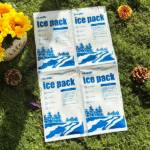
| Refrigerante | Gel / PCM / gelo seco | Quantidade + colocação + condicionamento | Drives real cost and compliance |
| Evidência | “Validated” | Método + escopo + report type | Proof you can defend in QA reviews |
| Empacotar | “Assembly included” | Diagrama + SOP steps | Consistency across teams and sites |
| Inclusions | “Full set” | Fita, separadores, rótulos, caixas? | Avoids surprise add-ons |
| Quantidade mínima & breaks | Tiered pricing | 100 / 500 / 2,000 preços | Helps budgeting and negotiation |
| Tempo de espera | “2–4 semanas” | Sample vs mass production | Protects your launch schedule |
| Trade terms | EXW / FOB / DDP | Which Incoterms version | Garante “apples-to-apples” custo |
Dicas práticas que você pode usar hoje
Ask for assumptions in writing: ambient range, duração, carga útil, and pass/fail limits.
Solicitar a “what’s excluded” seção: frete, refrigerante, rótulos, testando, and assembly.
Force comparability: every supplier quotes the same lane and same performance target.
Caso real: A food shipper thought they were buying “48-hora” proteção. Once summer lane assumptions and payload mass were clarified, o “barato” quote stopped being cheap.
Why does an insulated box quotation vary so much?
Resposta direta: Big gaps usually mean suppliers imagined different shipments. When your request is vague, the supplier pads risk with thicker insulation, more refrigerant, or extra services. That creates quotes you can’t compare.
Explicação expandida: Quoting without lane details is like pricing a taxi ride without a destination. You’ll get three numbers, but they won’t describe the same trip. Most differences come from these three buckets:
Construir & materiais: what the shipper is made of and how it’s assembled
Performance proof: testando, relatórios, packout instructions, validation scope
Service scope: amostras, personalização, inventário, controle de mudanças, treinamento
A 2-minute “quote gap” scan
If the price gap is >20%, check outer dimensions and refrigerant quantity first.
If lead times differ, ask what is in stock vs what must be tooled.
If performance claims look similar, ask what counts as a fail (one spike or average?).
Insulated box quotation cost drivers you can control
Resposta principal: You can’t control resin prices or labor rates. But you can control how clear your RFQ is and how much waste you ship. Tight inputs reduce “padding” and prevent you from paying for protection you don’t need.
Plain-language breakdown: The easiest savings are usually in right-sizing and matching hold time to real transit, not in cutting insulation blindly. Even your transit-duration assumption can swing price noticeably (often around ±15%).
| Gerador de custos | What changes the cost | Typical quote impact | O que isso significa para você |
|---|---|---|---|
| Tamanho da caixa | Internal volume + espaço vazio | Bigger = higher | Oversizing burns refrigerant and freight |
| Tempo de espera | 24h vs 72h + buffer de atraso | Longer = higher | Extra hours can force a higher tier |
| Banda de temperatura | 2–8°C vs frozen | Tighter = higher | Narrow windows need better control |
| Lane realism | summer peak + winter low | Extremes = higher | “Average lanes” often under-protect you |
| Proof level | claim vs report | More proof = higher | Fewer deviations later |
| Reuse plan | single-use vs returnable | depends | Only wins if returns are reliable |
| Dimensões externas | peso dimensional | can dominate | Freight can beat materials cost |
EPS x EPP x VIP: what changes your quote most?
| Estilo de construção | Pontos fortes | Tradeoffs | Melhor para você quando… |
|---|---|---|---|
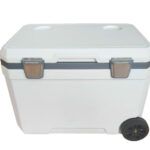
| EPS molded cooler | low unit price, comum | volumoso, can crack | pistas curtas, low-risk products |
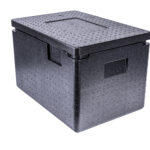
| EPP reusable shipper | durável, reutilizável | higher upfront | frequent shipping + return loop |
| VIP-enhanced shipper | Isolamento forte, espera longa | highest unit cost | pistas longas, extreme seasons, tight size |
| Liner kit in carton | armazenamento fácil, luz | limited performance | pistas suaves, velocidade é importante |
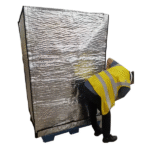
| Pallet cover system | stabilizes pallets | not for parcels | pallet shipping with lane consistency |
Practical cost moves (safe and repeatable)
Right-size first: less air means less refrigerant and less freight volume.
Standardize sizes: custom tooling and SKU sprawl inflate cost and lead time.
Pedir 3 volumes: 100 / 500 / 2,000 units to make pricing usable.
Request two versions: um “lean” quote and a “seguro” quote with buffer.
Caso real: A seafood distributor reduced cost by 18% after switching from “72-hour by habit” to validated 48-hour performance that matched real delivery time.
How to request an accurate insulated box quotation (RFQ template)
Resposta direta: You get an accurate insulated box quotation when you provide real shipping conditions. The supplier stops guessing, and you stop paying for safety margins you didn’t ask for.
What to share (minimum inputs):
Faixa de temperatura (exemplo: 2–8 ° C., “não deve congelar,” ou congelado)
Door-to-door time + buffer de atraso
Tamanho da carga útil, peso, e formato (líquido, gel, sólido)
Lane details (origem → destino), sazonalidade, e intensidade de manuseio
Modo de envio (ar, parcela, chão, palete) and service expectations
Ferramenta de decisão: define your target in 90 segundos
Answer these and paste them into your RFQ:
What is your target temperature range and non-negotiables (como “no freeze”)?
What is your true door-to-door time, plus your delay buffer?
What is your worst-case summer and winter ambient risk?
What is the payload mass and product format?
Do you need a report for customers, QA, or regulators?
Practical tips to speed your quote
Pedir “bom / melhorar / melhor” opções, not one single number.
Ask for delivered cost lines: caixa + refrigerante + acessórios + conjunto.
Ask for outer dimensions + ship weight to estimate freight early.
How to compare insulated box quotations fairly (cartão de pontuação + matemática rápida)
Resposta direta: Compare performance per dollar, not unit price alone. A cheaper insulated box quotation can become the most expensive option after spoilage, reenvios, and freight.
Apples-to-apples checklist:
Same payload and internal packaging
Same duration target and buffer
Same hot/cold assumptions
Same pass/fail rule
Same included items (box-only vs full kit + conjunto)
Insulated box quotation comparison scorecard
| Categoria | 0 pontos | 1 apontar | 2 pontos |
|---|---|---|---|
| Assumptions documented | Ausente | Parcial | Claro + escrito |
| Performance evidence | Nenhum | Claim only | Método + relatório |
| BOM clarity | Vague | Mostly clear | Fully itemized |
| Supply reliability | Unclear | Stated | Stated + contingência |
| Qualidade & rastreabilidade | Ausente | Básico | Documented system |
| Packout guidance | Nenhum | Básico | Detalhado + treinamento |
How to use it: A quote scoring 10–12 is usually safer than one scoring 5–7, even with a higher unit price.
Quick sanity check (simple buyer math)
Landed cost = unit price + refrigerante + acessórios + conjunto + frete
Cost per protected hour = landed cost ÷ validated in-range hours
This keeps the negotiation honest, because it ties spend to verified protection.
Hidden landed-cost traps: frete, Incoterms, e “excluded” items
Resposta direta: The biggest hidden cost is often freight. Outer dimensions and ship weight can swing landed cost more than materials. If the quote says “EXW” and you need “DDP,” you’re not comparing the same thing.
Common exclusions that inflate your real cost
| Exclusion | Por que isso importa | O que perguntar |
|---|---|---|
| Frete | Can exceed material cost | Ask for DDP or delivered pricing |
| Refrigerante | Gel/PCM adds cost and weight | Ask for full-kit pricing |
| Acessórios | Fita, rótulos, separadores | Ask for itemized BOM |
| Conjunto | Labor at your site | Ask for packout labor estimate |
| Teste | Validation reports | Ask if included or extra |
Dica prática
Ask every supplier to quote the same Incoterms and the same “full kit” escopo. That makes the comparison real.
O que está mudando em 2026? Trends that affect your insulated box quotation
Resposta direta: Two forces are reshaping insulated box quotations: (1) cost pressure from materials and logistics, e (2) expectativas de sustentabilidade. Many buyers are also reducing dry ice dependence where possible, and asking for clearer documentation up front.
Últimos desenvolvimentos para assistir
More performance-based pricing: you pay for validated protection, not just dimensions
More reuse where returns work: reusable systems win when reverse logistics are reliable
More scrutiny on materials: Reciclabalidade, rotulagem, and substances documentation matter more
More dry ice pressure: custo, airline handling, e requisitos de documentação
More standardized test profiles: making comparisons easier when assumptions are written
Insight de mercado: Cold chain packaging demand continues to grow, and more buyers are focusing on total cost of ownership instead of unit price. That pushes suppliers to itemize and justify costs more clearly.
Insulated Box Quotation Readiness Score (interativo)
Adicione seus pontos. Then choose how detailed your next insulated box quotation request should be.
Q1: How strict is your temperature window?
Wide (15–25ºC): 1
Médio (2–8 ° C.): 3
Very strict (não deve congelar / congelado): 5
Q2: How long is door-to-door time?
≤24 horas: 1
24–48 horas: 3
≥72 hours or frequent delays: 5
Q3: How harsh are your lanes?
Mostly mild climates: 1
Hot summers or cold winters: 3
Both extremes or many handoffs: 5
Q4: How costly is one failure?
Baixo: 1
Médio: 3
Alto (perda, compliance impact, customer risk): 5
Q5: How many shippers do you send monthly?
<100: 1
100–1,000: 3
>1,000: 5
Significado da pontuação:
5–9: Start with standard options and a crisp RFQ.
10–17: Request semi-custom tuning and proof data.
18–25: Request a custom insulated box quotation with lane profiles and validation scope.
Frequently asked questions about insulated box quotation
Q1: What makes an insulated box quotation accurate? Clear temperature range, duração, carga útil, and realistic hot/cold assumptions—plus a stated delay buffer.
Q2: Why do insulated box quotations vary so much? Because suppliers assume different lanes, cargas úteis, proof levels, and included items. Missing inputs create padding.
Q3: Is a higher insulated box quotation always better? Não. Higher only helps when it matches your real lane risks and includes evidence you actually need.
Q4: Can I negotiate insulated box pricing without increasing risk? Sim. Standardizing sizes, reduzindo o espaço vazio, and committing volume tiers often lowers cost safely.
Q5: What is the biggest hidden cost in comparing quotations? Frete. Outer dimensions and total ship weight can change landed cost more than materials.
Q6: How often should I re-quote? At least yearly, and anytime your lane, carga útil, sazonalidade, or compliance requirements change.
Resumo e recomendações
A strong insulated box quotation is a performance-based offer, not a number on page one. Defina sua pista, carga útil, faixa de temperatura, and hold time first. Then demand itemized scope and written assumptions so quotes are comparable. Use the scorecard to rank evidence, BOM clarity, and reliability—not just unit price. Finalmente, optimize by cutting waste (void space and freight), not protection.
Seu próximo passo (simple action plan)
Copy the RFQ template and fill it out today.
Send it to 3 suppliers and request the same Incoterms and the same assumptions.
Ask for three volume tiers and a “lean vs safe” option set.
Score each quote, then run a pilot shipment before scaling.
Sobre Tempk
Tempk (Xangai Huizhou Industrial Co., Ltda.) foi estabelecido em 2011 and is headquartered in Shanghai. We provide temperature-controlled packaging products for food and pharmaceutical cold chain logistics, incluindo bolsas de gelo em gel, Pacotes de gelo seco, caixas isoladas, forros de caixa isolados, and thermal bags. Our focus is simple: clear assumptions, itemized quotations, and performance you can validate.
Chamado à ação: Compartilhe sua pista (origem → destino), carga útil, meta de temperatura, e espere o tempo. We’ll help you turn that into an insulated box quotation request that is clear, comparable, and procurement-ready.