Pacote de gelo seco no atacado para logística de insulina: From Product Label to Controlled Scale-Up
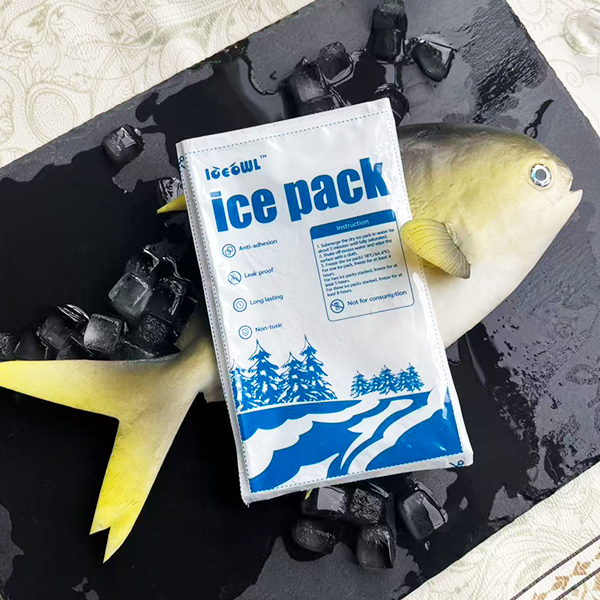
Buying a wholesale pacote de gelo seco for insulin logistics should begin with a terminology check and end with an approved operating system. Nesse contexto, the product is a water-activated sheet that is hydrated and frozen. Não é dióxido de carbono sólido. The frozen sheet can supply cooling inside an insulated package, but it can also create a cold spot beside freeze-sensitive insulin.
The purchasing objective is therefore precise: source a consistent coolant component, integrate it into a packout designed around the exact insulin label, prove the complete configuration under justified conditions, and preserve that state during routine distribution.
Decisão Um: Confirm What Must Be Protected
Insulin is not a single logistics specification. Many unopened products are labeled for refrigerated storage around 2°C to 8°C and include a do-not-freeze warning, but the current instructions for the exact formulation and presentation control. In-use storage, approved excursions, and handling may differ.
Create a product requirement brief before contacting suppliers. Deve identificar:
- Product name and presentation
- Labeled storage and transport conditions
- Approved internal guidance for excursions, se disponível
- Shipment unit and payload range
- Origin and destination storage
- Rota, transferências, e atrasos credíveis
- Exposição sazonal
- Required monitoring and records
- Receiving and quarantine procedure
This brief separates three responsibilities. The medicine manufacturer or product owner defines the product requirement. Packaging engineering develops the system. Quality approves evidence and disposition procedures. The coolant supplier provides a controlled component and relevant information; it does not authorize insulin use after an excursion.
A direct answer for buyers
A frozen hydration sheet can be considered for an insulin packout, but it should not be placed in direct contact by assumption. Um separador, controlled coolant condition, and qualified arrangement are usually central to evaluating freeze-sensitive payloads. More cooling is not automatically safer.
Decisão Dois: Separate the Component From the System
A hydration sheet begins as a dry cellular pack. After it absorbs clean water and freezes, it becomes a flexible heat sink. This format may simplify inbound storage and allow placement around a payload. It also makes on-site preparation part of the controlled process.
The sheet cannot establish a refrigerated range alone. System behavior depends on insulation, encerramento, quantidade de refrigerante, estado preparado, separação, carga útil, espaço vazio, condições iniciais, desafio ambiental, e tempo. A hold-time claim that does not identify these variables cannot be applied responsibly to insulin.
The language used in purchasing documents should reflect this boundary:
- Coolant component: the prepared hydration sheet
- Remetente isolado: a caixa, forro, or container that resists heat transfer
- Passive temperature-controlled system: the defined combination of shipper, refrigerante, carga útil, e método de embalagem
- Qualified configuration: a specific system supported by documented testing for defined conditions
- Registrador de temperatura: a device that records evidence but does not protect the payload
Solid carbon dioxide belongs outside this equivalence. It has different physical behavior, transport controls, and very-low-temperature use cases. Never substitute it for a water-based sheet, or substitute a sheet for it, based on the shared words "dry ice."
Decisão Três: Control the Cold Boundary
Heat enters a expedidor passivo through walls, costuras, tampas, e aberturas. Frozen coolant absorbs that heat as it warms and melts. Ao mesmo tempo, the coolant draws heat from nearby objects. This second path is what creates insulin freeze risk.
Direct conduction can overcool the carton next to a frozen sheet even while central air remains within the expected range. Overlapping sheets can create another concentrated cold region. A small payload can be more vulnerable than a full load because it has less thermal mass relative to the coolant.
Design controls may include:
- A defined spacer or thermal barrier
- A controlled coolant-conditioning method
- Fixed sheet pockets or orientation
- Separate packouts for minimum and maximum payloads
- Regras de preenchimento de vazios
- Limits on packing time and coolant exposure before closure
- Seasonal variants supported by evidence
Each control must appear in both the test configuration and the warehouse instruction. Replacing a separator with whatever corrugated sheet is available can change heat transfer. Adding a "safety pack" during hot weather can create freezing. Removing a pack from a partial order can create late-route warming. Controlled systems avoid such improvisation.
Why sensor placement is part of design
A single central sensor answers a narrow question about that location. It may not detect a carton surface against coolant or a warm region near the lid. Qualification should place sensors where thermal reasoning predicts cold and warm hazards. Routine monitoring placement can then follow the evidence and risk plan.
A Five-Gate Path From Inquiry to Wholesale Release
Wholesale purchasing works best when commercial approval follows technical gates rather than running ahead of them.
| Portão | Evidence to produce | Condição de parada |
|---|---|---|
| 1. Product and route definition | Current insulin requirements, casos de carga útil, mapa de rotas, Critérios de aceitação | Exact product or required condition is unclear |
| 2. Component screening | Identidade do produto, especificação, método de ativação, prepared fit, integrity observations | Sheet is confused with solid CO2 or cannot be prepared consistently |
| 3. Desenvolvimento de pacotes | Defined insulation, separadores, posições de refrigeração, carga útil, encerramento, lógica do sensor | Direct-contact or minimum-load risk remains unresolved |
| 4. Qualification and operational trial | Protocolo aprovado, thermal results, instrução de embalagem, trained-user observations | Evidence does not represent intended conditions or staff cannot reproduce it |
| 5. Lançamento de produção | Especificação aprovada, cheques recebidos, controle de lote, notificação de alteração, contingency path | Production material differs materially from the evaluated sample |
The gates prevent an attractive unit quote from becoming an uncontrolled system commitment. They also create a common language for procurement, engenharia, qualidade, operações, e o fornecedor.
Write the Supplier Request Around Prepared-State Performance
Dry dimensions are important for storage and handling, but insulin packouts use the product after hydration and freezing. The request for quotation should address both states.
Component information
Ask for dimensions and tolerances, padrão de célula, descrição da construção, embalagem seca, instruções de armazenamento, método de hidratação, freezing guidance, identificação do lote, critérios de inspeção, e prática de notificação de alterações. If customization is discussed, identify which attributes will change and how new material will be evaluated.
Prepared-state information
Ask how hydration is controlled, what preparation variation users should watch for, how the sheet should be arranged in a freezer, and what handling can damage it. Review hydrated fit, grossura, flexibilidade, tensão de costura, and condition after thawing.
Evidência do sistema
If the supplier provides thermal data, determine whether it covers the complete proposed shipper. The report should make the insulation, carga útil, arranjo de refrigerante, preparação, perfil ambiente, duração, posições dos sensores, and success criteria understandable. A generic chart without those details is not a basis for release.
Commercial and quality controls
Clarify order packaging, amostragem, rastreabilidade de lote, acceptance of nonconforming goods, corrective-action communication, e escalar. Treat minimum order quantity and lead time as quoted commercial variables rather than permanent product properties. Ask what happens if a raw material, processo de vedação, geometria celular, or production location changes.
Make Hydration and Freezing Reproducible
The operating site adds water and removes heat, so the final coolant state depends partly on local execution. Build preparation controls before the first commercial shipment.
A workable instruction covers:
1. Release status of the dry sheet lot
2. Clean preparation area and water source
3. Batch size and hydration arrangement
4. Drainage or handling after activation
Ferramentas úteis de decisão
Verifique os detalhes antes de escolher a embalagem
Essas ferramentas rápidas podem ajudá-lo a comparar o risco da rota, necessidades de dimensionamento, escolhas de refrigerante, e detalhes da embalagem antes de solicitar um orçamento.
Forro de caixa & Dimensionamento da cobertura de paletes
Verifique a lógica de dimensionamento do forro da caixa e da tampa do palete para projetos de embalagens isoladas.
Dimensionamento estimadoRefrigerante & Referência PCM
Compare as opções de refrigerante e PCM quando uma rota precisar de suporte adicional de temperatura.
Comparar opçõesReferência de material de isolamento
Compare as opções de materiais de isolamento para diferentes necessidades de embalagens da cadeia de frio.
Compare materiais5. Freezer loading pattern and identification
6. Verification that preparation is complete
7. Conditioning method if required
8. Maximum handling time before packing
9. Segregation of damaged or questionable sheets
10. Storage and rotation of prepared inventory
Training should explain why these steps matter. A packer who understands that overlapped frozen sheets can create a cold spot is less likely to "melhorar" a configuration during a busy shift. Visual aids can show correct orientation, colocação do separador, and payload variants, but the controlled written instruction remains the reference.
Freezer capacity should be evaluated at peak demand, not average volume. Sheets need the qualified arrangement and adequate time to reach their required state. Manutenção, ciclos de descongelamento, and power interruption belong in contingency planning. If the site cannot prepare the coolant consistently, a different component or supply model may be more appropriate.
Qualify the Lane Without Pretending It Is Predictable
Route information is essential, but a route profile is not a guarantee. It describes observed or expected conditions that help build a justified challenge.
Map the stages: packing room, collection dock, primeiro veículo, sort center, transporte de linha, transferir, destination depot, veículo de entrega, and receiving area. Include missed connections, entrega atrasada, weekend closure, and external cold as relevant. Identify who has custody and whether temperature-controlled storage is actually available at each handover.
Qualification should define acceptance criteria in advance and represent the intended packout precisely. It should consider both warm and cold challenges, relevant payload extremes, and operating variation. Instrumentation must be suitable and placed to examine predicted hot and cold spots.
The final report should link to an approved packing instruction. If the test team used careful manual adjustments that do not appear in the instruction, routine shipments will not reproduce the result.
Shipment monitoring then checks actual journeys according to a risk-based plan. Set device configuration, colocação, data association, recuperação, revisão de alarme, escalada, and product disposition responsibilities. Temperature data are evidence; only an authorized process decides what an excursion means for the insulin.
Control Scale, Mudar, and Exceptions
Moving from pilot to wholesale volume changes the process even if the sheet stays the same. More shifts, larger hydration batches, fuller freezers, multiple payload variants, and additional sites can introduce variation.
Antes da expansão:
- Confirm that each site has suitable preparation and freezer capacity
- Compare prepared-state output across equipment and shifts
- Verify production lots against the approved sample
- Train packers and receiving staff
- Establish batch and shipment records
- Define periodic review of defects, excursões, and packing deviations
- Approve backup components or packouts where necessary
Change control should cover the sheet, isolamento, separador, caixa externa, registrador, arranjo de carga útil, instruções, e rota. Not every change requires the same response, but every material change deserves assessment. A new sheet with the same footprint may absorb water differently. A new carrier may alter dwell and handover conditions. A new pharmacy order pattern may increase minimum-load shipments.
Exceptions need a simple workflow. If a sheet leaks, the wrong payload variant is packed, a collection is missed, or a logger alarms, staff should know whether to stop, quarentena, escalar, or re-pack. Speed comes from predefined authority, not from bypassing review.
Cost and Sustainability Follow Control
Hydration sheets can reduce inbound water weight and dry-storage volume. Those potential efficiencies should be weighed against hydration labor, água, energia do congelador, preparation losses, separadores, materiais danificados, e controles operacionais.
Compare alternatives at the shipment-system level:
- Material and outer packaging
- Preparation and packout labor
- Equipment and freezer use
- Monitoring and data handling
- Expected reverse-logistics burden
- Waste from damage or incorrect preparation
- Cost of qualification and controlled changes
- Consequence of delay or excursion
Reuse may make sense on a closed, predictable loop, but only with inspection, higiene, rastreabilidade, reidratação, armazenar, e regras de aposentadoria. An open parcel network may not return enough sheets to justify that model. Do not claim environmental benefit solely from the word "reutilizável." Measure material flow and preserve the same thermal acceptance criteria.
Perguntas frequentes
What is the first question to ask a dry ice pack wholesaler?
Ask the supplier to confirm whether the product is a water-activated hydration sheet or actual solid carbon dioxide. Then provide the exact insulin requirements and intended packout. Product identity must be settled before price, quantidade, or thermal claims can be compared.
Why is direct contact risky for insulin?
Many insulin labels warn against freezing. A frozen water-based sheet can pull heat rapidly from an adjacent carton, creating a local cold condition that a central air logger may not show. Use the separator, condicionamento, colocação, and payload arrangement established by the approved packout.
Can one qualified box cover every order size?
Only if evidence supports the defined range of configurations. Minimum payload may be severe for freezing, while a larger load can challenge warm-side protection. Do not improvise with coolant count or void fill. Qualify the payload cases and name each approved configuration clearly.
Which supplier changes matter most?
Changes to cell geometry, dimensões, estrutura absorvente, filme, selos, instruções de preparação, or production process may affect hydration, ajustar, integridade, e comportamento térmico. Packaging and logistics changes can also matter. Require notification and assess each change through the customer's quality process.
Does a temperature logger make an unqualified packout acceptable?
Não. A logger records conditions at its location; it does not prevent heat transfer or freezing. Use qualification to establish the packout and monitoring to provide shipment evidence. Connect alarms and excursions to a defined review and disposition process.
Conclusão: Approve the Process, Não apenas o pacote
A hydration dry ice pack can be a practical coolant component for some insulin routes, but its commercial name does not establish suitability. Confirm that it is not solid CO2, follow the exact insulin label, prevent uncontrolled frozen contact, and qualify the entire shipping configuration.
Wholesale success comes from reproducibility. Controlar a hidratação, congelando, embalagem, monitoramento, lotes de produção, and changes with the same care used to select the sheet. That is how a sample becomes a dependable operating system.
Sobre Tempk
Tempk provides hydration coolant sheets and insulated embalagem da cadeia de frio options for business buyers. Para logística de insulina, we can review the physical pack format, método de preparação, proposed insulation, layout de carga útil, condições da rota, and wholesale handling needs to support a focused sample evaluation. We avoid treating one component as a universal solution. Final configuration, qualificação térmica, monitoramento, and product release should follow the customer's approved requirements and quality system.
CTA: Envie para Tempk a condição do seu produto, casos de carga útil, desenho de embalagem, perfil de rota, and preparation constraints to plan a technically useful wholesale sample review.