Pacote de gelo seco no atacado para envio de frutos do mar: Especifique antes de dimensionar
A maneira mais segura de comprar no atacado gelo seco pacote para transporte de frutos do mar é adiar a comparação de preços até que a especificação técnica esteja clara. Primeiro indique se os frutos do mar devem chegar refrigerados ou congelados. Em seguida, identifique se “bolsa de gelo seco” significa dióxido de carbono sólido ou uma camada congelada ativada por água. Finalmente, definir o pacote isolado, desafio de rota, controles de segurança, e evidência de aceitação. Esta sequência evita três erros dispendiosos: comprando a tecnologia de refrigerante errada, baseando-se em uma reivindicação de duração de um teste não relacionado, e dimensionar um pacote que a transportadora ou equipe de recebimento não consegue lidar de forma consistente.
Portão 1: Escreva o resultado da entrega
Uma especificação de compra deve começar com a condição dos frutos do mar no momento do envio, durante todo o período de risco, e no recebimento. "Fresco," "frio,” e “congelado” não são termos de aceitação suficientes.
Para produto refrigerado, documentar a faixa refrigerada necessária ou outro limite específico do produto, se o congelamento da superfície é permitido, e quais riscos à segurança dos frutos do mar dependem do controle do tempo e da temperatura. Para produto congelado, definir a condição de congelamento aceitável e as regras da organização para evidências de descongelamento ou excursões. Para frutos do mar vivos, usar uma especificação de transporte biológico separada que atenda às espécies, oxigênio, umidade, temperatura, dióxido de carbono, e manuseio.
A base da segurança alimentar é importante. A regulamentação HACCP de frutos do mar da FDA exige que os processadores cobertos analisem os perigos e, quando apropriado, implementar controles em um plano escrito. A orientação da FDA discute controles refrigerados para crescimento de bactérias patogênicas e formação de toxinas e controles específicos para peixes formadores de esmbrotoxinas. A embalagem deve ajudar a executar a estratégia de controle estabelecida. Não deve criar um novo limite genérico desvinculado do produto e do processo.
Defina também o limite de tempo. Incluir condicionamento, embalagem, preparação pré-portadora, escolher, transferir, alfândega ou inspeção, entrega final, e o manuseio interno do receptor. Adicione uma contingência justificada em vez de assumir que cada remessa segue o tempo de trânsito publicado.
Neste portão, a saída é um requisito do usuário, não é um produto escolhido.
Portão 2: Remova a ambiguidade do “pacote de gelo seco”
Peça ao fornecedor para classificar o item oferecido em linguagem simples.
O dióxido de carbono sólido é verdadeiro gelo seco. É extremamente frio e sublima em gás. Geralmente é fornecido separadamente do pacote isolado como blocos, fatias, ou pelotas. A embalagem deve liberar gás com segurança, e o movimento aéreo ou de embarcações pode exigir marcas de mercadorias perigosas, rótulos, arranjos do operador, documentação, e preparação treinada.
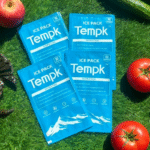
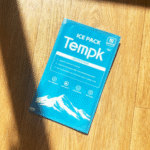
UM hidratar gelo seco é um termo de fornecedor para um produto diferente. Instrução publicada de Tempk, por exemplo, descreve uma folha embebida em água e congelada e a distingue explicitamente do gelo seco. É uma folha de refrigerante à base de água, não E 1845 dióxido de carbono. Não cria gás de sublimação, mas pode expandir durante a hidratação, vazamento se estiver danificado, e produzir pontos frios quando congelado.
Os pacotes de gel e PCM também são distintos. Um pacote de gel geralmente contém um gel aquoso selado. PCM é uma ampla categoria de engenharia para materiais que absorvem calor durante uma mudança de fase; PCMs formulados especificamente podem ser selecionados em torno de um ponto de fase alvo. O ponto de mudança de fase, estado de condicionamento, forma de embalagem, e a evidência do teste determina a adequação.
A classificação deverá constar na ficha técnica aprovada e no pedido de compra. Os nomes dos produtos podem permanecer para continuidade do catálogo, mas a identidade material real deve impulsionar a segurança, declaração, armazenar, e qualificação.
Portão 3: Projete o pacote completo
O pacote é uma lista de materiais mais um método de montagem. Inclui:
embalagem primária de frutos do mar;
qualquer revestimento secundário resistente a vazamentos;
material absorvente ou separador;
refrigerante ou refrigerante por item exato e condição definida;
disposição da carga útil e faixa de carga permitida;
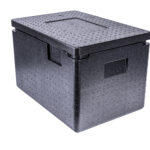
Recipiente isolado e tampa;
pacote externo estrutural;
fechamentos, evidência de adulteração, e etiquetas;
monitor de temperatura quando necessário;
embalagem e instruções de recebimento.
Cada componente pode alterar a transferência de calor. Um revestimento pode introduzir um entreferro. Um separador pode proteger uma bolsa do gelo seco, mas reduzir o resfriamento direto. O preenchimento de vazios pode impedir o movimento, mas consumir espaço de carga útil. Uma caixa maior pode adicionar área de superfície e carga térmica. Até mesmo o posicionamento da fita é importante se restringir o caminho pretendido de liberação do gás.
Para frutos do mar resfriados, mapear o risco de calor e frio. O líquido refrigerante imediatamente contra um filete pode congelar a superfície enquanto o centro do transportador aquece. Para frutos do mar congelados com gelo seco sólido, estudar colocação de gelo seco, espaço de sublimação, contato de carga útil, isolamento, e ventando. Uma embalagem deve permanecer estruturalmente segura sem se tornar hermética.
O controle de vazamento merece seu próprio desenho. Frutos do mar podem liberar líquido de purga ou descongelamento, mesmo que o gelo seco sólido não produza água derretida. Uma folha à base de água ou pacote de gel também pode vazar após perfuração ou falha na vedação. Use contenção primária e secundária apropriada à fonte confiável de líquido, em seguida, garanta que a construção permaneça compatível com o desempenho térmico e a liberação de dióxido de carbono.
O Portão das Evidências: O que um comprador deve exigir
A tabela a seguir pode servir como anexo técnico a uma solicitação de orçamento.
| Item de especificação | O que o fornecedor ou a equipe do projeto deve declarar | O que não deve ser assumido |
|---|---|---|
| Identidade do refrigerante | Dióxido de carbono sólido, lençol de hidratação, gel, PCM, ou outro material; inclua instruções atuais e informações de segurança | Que todos os produtos chamados “bolsa de gelo seco” se comportem como gelo seco |
| Condição de frutos do mar | Refrigerado, congelado, ou outro estado definido, com critérios de aceitação específicos do produto | Que “mantém frio” é um limite de aceitação |
| Dimensões condicionadas | Tamanho e massa nas condições utilizadas para embalagem, incluindo expansão de hidratação | Que uma amostra plana e seca representa espaço de carga útil |
| Configuração de pacote | Recipiente, carga útil, colocação de refrigerante, forros, separadores, fechamentos, e exterior | Esse desempenho do refrigerante é transferido para qualquer caixa |
| Suporte térmico | Perfil de teste, duração, carga útil, condições iniciais, mapa de sensores, instrumento estatal, dados brutos, e passar critérios | Um tempo de espera universal de um folheto |
| Suporte físico | Teste de distribuição ou avaliação relevante para queda, vibração, compressão, e riscos de resistência úmida | Que uma passagem térmica comprova a sobrevivência estrutural |
| Documentação de alimentos e materiais | Documentos aplicáveis ao item exato, contato pretendido, e mercado de destino | Essa “qualidade alimentar” é globalmente autoexplicativa |
| Revisão de mercadorias perigosas | Requisitos específicos do modo para gelo seco sólido, incluindo ventilação, Marcas, quantidade, documentos, treinamento, e aceitação do operador | Essa é uma aula 9 o rótulo por si só completa a conformidade |
| Controle de produção | Especificação aprovada, rastreabilidade de lote, inspeção, aviso de alteração, e processo de amostra até produção | Que todos os lotes futuros correspondam à amostra de vendas |
| Fim de vida ou reutilização | Disposição, reciclagem, retornar, limpeza, inspeção, e instruções de aposentadoria, conforme aplicável | Que reutilizável ou reciclável significa que será realmente reutilizado ou reciclado |
Este anexo transforma as declarações de marketing em obrigações revisáveis. Valores desconhecidos não precisam ser inventados para completá-lo. Eles podem ser listados como “a serem estabelecidos por testes” ou “fornecedor para confirmar,”com um proprietário responsável e data de vencimento antes da aprovação.
Qualifique o desempenho térmico sem inventar uma quantidade
Não existe uma proporção universal de gelo seco para frutos do mar e nenhum número fixo de folhas de hidratação que funcione para cada pacote. A quantidade depende da entrada de calor, rota, carga útil, isolamento, condições iniciais, comportamento do refrigerante, colocação, contingência, e restrições da operadora.
Use um processo de qualificação em etapas.
Caracterize a pista
Colete informações de trânsito planejadas e reais. Identificar docas, pontos de transferência, períodos não refrigerados, segmentos de aeronaves ou veículos, exposição de fim de semana, alfândega, e atraso no recebimento. Escolha um perfil de teste ambiental compatível com métodos padrão, Dados da pista, ou uma avaliação de risco documentada. Perfis térmicos ISTA podem apoiar avaliação de pacotes, mas um perfil padrão não representa automaticamente todas as rotas de frutos do mar.
Mapeie a carga útil
Use frutos do mar representativos ou um simulador justificado com massa comparável, geometria, propriedades térmicas, embalagem primária, e condição inicial. Coloque sensores calibrados em locais quentes e frios confiáveis. A temperatura do refrigerante por si só não é a temperatura do produto.
Desafie a configuração
Teste o pacote definido em relação a critérios predeterminados. Examine excursões altas e baixas, não apenas a média. Incluir uma faixa de carga útil justificada e condições sazonais. Se uma configuração for destinada a vários produtos, documentar a lógica do agrupamento.
Verifique a integridade física
Aplique tensões de manuseio relevantes e inspecione a caixa, isolamento, vedações de refrigerante, forros, pacotes de frutos do mar, ventilação, e movimento de componentes. Um pacote que mantém a temperatura, mas vaza ou não consegue sobreviver à classificação, falhou em sua finalidade operacional.
Execute um piloto de operador
Faça com que pessoal treinado hidrate ou condicione os componentes, montar a caixa, marque, oferecê-lo, receba, recuperar dados, e tomar uma decisão de disposição. Grave o tempo e os erros comuns. Revise o POP ou o projeto quando a execução for frágil.
A quantidade aprovada e a duração reivindicada são resultados deste trabalho. Eles devem estar vinculados à configuração exata, não apresentados como propriedades inerentes de um pacote.
Alinhe os controles de frutos do mar com as evidências de remessa
A segurança dos frutos do mar é específica do produto. A equipe de embalagem deve revisar a análise de perigos e o plano HACCP com o responsável pela segurança alimentar antes de definir critérios térmicos.
Para frutos do mar refrigerados, o controle de tempo-temperatura pode abordar o crescimento de patógenos. Para peixes formadores de esmbrotoxina, o resfriamento insuficiente antes ou durante o trânsito pode contribuir para a formação de histamina. O re-resfriamento não demonstra que a exposição anterior foi aceitável. O recebimento de evidências pode incluir registros da transportadora, um recorde de tempo-temperatura, medição do produto, condição do gelo, condição do líquido refrigerante, ou outro controle estabelecido no plano.
Frutos do mar congelados devem ser carregados no estado exigido. A embalagem passiva é geralmente projetada para manter a condição, não congelar uma carga útil quente. Se frutos do mar parcialmente descongelados estiverem embalados com mais gelo seco, a leitura fria final pode ocultar o problema de despacho.
O receptor precisa de um caminho de ação escrito:
inspecione o exterior em busca de danos, umidade, aberturas bloqueadas, ou fechamentos alterados;
Ferramentas úteis de decisão
Verifique os detalhes antes de escolher a embalagem
Essas ferramentas rápidas podem ajudá-lo a comparar o risco da rota, necessidades de dimensionamento, escolhas de refrigerante, e detalhes da embalagem antes de solicitar um orçamento.
Avaliador de risco da rota
Revise as condições da pista antes de selecionar a embalagem para requisitos operacionais reais.
Verificar risco da rotaSeletor de embalagens
Compare opções de embalagens isoladas por produto, rota, e necessidade de temperatura.
Encontre embalagensCalculadora de acumuladores de frio
Estime a quantidade de bolsas de gelo em gel para remessas refrigeradas e planejamento prático de rotas.
Estimar bolsas de gelomanusear gelo seco sólido em uma área ventilada com proteção adequada;
verificar a identidade da remessa e os registros necessários;
recuperar o monitor ou fazer medições definidas;
isolar remessas que falham ou apresentam evidências incertas;
escalar a disposição para a função autorizada de segurança alimentar ou qualidade;
reter dados e documentar a decisão.
Não peça à equipe receptora que avalie a segurança pelo cheiro, tocar, ou refrigerante residual sozinho.
Controle o gelo seco sólido da sala de embalagem até o transportador
O gelo seco sólido apresenta dois perigos interligados: contato frio e gás dióxido de carbono. Luvas apropriadas, Proteção para os olhos, e ferramentas de manuseio ajudam a prevenir lesões por frio. A ventilação e o armazenamento seguro ajudam a prevenir o acúmulo de dióxido de carbono nos ambientes, veículos, e outros espaços confinados. Os controles ocupacionais devem ser baseados em uma avaliação do local e em orientações de segurança atuais.
A ventilação da embalagem é obrigatória nas regras de transporte relevantes porque a sublimação do dióxido de carbono pode aumentar a pressão. Nos Estados Unidos, os requisitos de ar e água exigem embalagens projetadas para liberar gás. As remessas aéreas exigem acordos com o operador e incluem marcação de massa líquida e outras informações sobre mercadorias perigosas. A identidade de envio adequada é dióxido de carbono, gelo sólido ou seco, E 1845, Aula 9.
Marcas exatas, rótulos, documentação, exceções, e os limites de quantidade dependem da embalagem e do transporte. Regras aéreas internacionais, implementação nacional, variações de companhias aéreas, e a aceitação do correio deve ser verificada para a pista. Somente funcionários treinados devem preparar remessas quando for necessário treinamento em mercadorias perigosas.
O planejamento do armazém deve levar em conta o gelo seco recebido antes da embalagem, sublimação durante a encenação, e quantidade líquida no leilão. Uma quantidade de compra não é necessariamente a quantidade de remessa declarada. A organização precisa de uma forma controlada de medir e registrar a quantidade no pacote concluído.
Escala desde amostra aprovada até produção no atacado
A transição do piloto para o pedido em massa é onde muitos programas de embalagem perdem o controle. A amostra aprovada pode ser selecionada manualmente, enquanto a produção introduz variação normal no filme, selos, hidratação, dimensões, cartão de papelão, isolamento, ou impressão.
Crie uma especificação de componente aprovada com tolerâncias importantes para o pacote. Para uma folha de hidratação, que pode incluir dimensões secas e condicionadas, construção celular, filme ou tecido, conteúdo absorvente, padrão de selo, método de hidratação, e defeitos visuais. Para embalagens de gel ou PCM, incluir identidade da formulação, preencher, selo, dimensões, condicionamento, e marcação de lote. Para um contêiner isolado, identificar materiais, construção de parede e tampa, dimensões internas, e interfaces críticas.
Concordar com amostras de pré-produção e inspeção de entrada. A inspeção deve ser baseada no risco: identidade, contar, dimensões, massa onde significativo, selos, vazamento, imprimir, informações sobre lote, e o ajuste condicionado pode ser verificado. Registrar não conformidades e definir segregação.
Exigir aviso prévio antes de alterações que possam afetar o ajuste, status de contato com alimentos, segurança, desempenho térmico, ou descarte. Uma pequena mudança no filme ou no processo de vedação pode alterar a durabilidade do congelamento. Uma substituição da caixa pode afetar a compressão ou a resistência a úmido. Avalie as alterações em relação à linha de base qualificada e teste novamente quando o risco justificar.
Termos de atacado, como pedido mínimo, tempo de espera, embalagem de componentes, padrão de palete, vida útil de armazenamento, e a personalização deve ser solicitada em vez de assumida. A impressão personalizada pode melhorar a identificação da embalagem, mas não deve ocultar as marcas exigidas de mercadorias perigosas em uma remessa finalizada.
Calcular o custo total entregue
O preço unitário é apenas uma linha em um modelo de custo de embalagem de frutos do mar. Incluir:
pacote isolado e componentes de refrigeração;
aquisição e sublimação de gelo seco sólido antes do uso;
hidratação, congelando, e armazenamento de energia;
embalagem de mão de obra e equipamentos de proteção;
perda de espaço de carga útil e peso dimensional do pacote;
treinamento em mercadorias perigosas, documentação, e taxas da operadora;
monitores de temperatura e tratamento de dados;
dano ao pacote, vazamentos, detém, e frutos do mar rejeitados;
frete de retorno, limpeza, inspeção, e perdas para sistemas reutilizáveis;
eliminação ou valorização no destino;
requalificação após material, faixa, ou alterações de serviço.
Compare candidatos com o mesmo resultado de entrega. Uma embalagem reutilizável pode ter um preço de compra mais elevado e um menor consumo de componentes, mas apenas se o trabalho de devolução e inspeção. Uma folha de hidratação pode ser armazenada de forma compacta antes do condicionamento, mas expandir-se para o espaço de carga útil. O gelo seco sólido pode suportar uma pista congelada, ao mesmo tempo que cria obrigações adicionais de manuseio e transporte. A métrica apropriada é o custo total por entrega aceita, com perda e segurança alimentar tratadas como riscos materiais.
Piloto Hipotético: Da palavra-chave ao pacote controlado
Um comprador procura uma embalagem de gelo seco no atacado para envio de frutos do mar porque um novo varejista deseja a entrega de pacotes de porções de peixe resfriado. Vários fornecedores oferecem “Pacotes de gelo seco,”mas uma oferta é dióxido de carbono sólido e outra é uma folha de hidratação.
O comprador rejeita a ideia de escolher entre eles com base no preço. A equipe de segurança alimentar confirma que as porções devem permanecer refrigeradas e que o congelamento contra o produto é indesejável. Isso torna o contato direto não qualificado com gelo seco e sólido um ponto de partida ruim. A equipe obtém amostras de folhas de hidratação e um candidato a PCM com finalidade específica.
Engenheiros de embalagem hidratam, congelar, e meça a folha, em seguida, crie modelos de carga útil no pretendido caixa isolada. Eles definem a colocação do forro e do absorvente para vazamento de frutos do mar, mapear locais frios e quentes, e desafiar os candidatos sob um perfil de rota justificado. Nenhuma quantidade ou duração é assumida; ambos são determinados durante o desenvolvimento.
A equipe de recebimento analisa remessas de teste cego usando regras de aceitação escritas. Os empacotadores relatam que um formato de folha dobra de forma inconsistente e ocasionalmente pressiona contra um selo primário, então o design é revisado antes da qualificação formal. O Procurement então bloqueia a configuração bem-sucedida, obtém amostras de produção, e concorda com os controles de lote e mudança.
Este exemplo é hipotético, mas o caminho da decisão é transferível. A palavra-chave abriu uma pesquisa de fornecedor; o requisito do usuário e a evidência criaram a compra.
Perguntas frequentes
O que é melhor para frutos do mar, gelo seco sólido ou folhas de refrigerante de hidratação?
Nenhum dos dois é universalmente melhor. Gelo seco sólido pode caber em uma remessa congelada projetada adequadamente, enquanto uma folha de hidratação condicionada pode caber em certas embalagens refrigeradas ou outros usos testados. O estado dos frutos do mar, rota, isolamento, operadora, obrigações de segurança, risco do lado frio, e os resultados da qualificação determinam a resposta. Confirme se um produto chamado bolsa de gelo seco é realmente identificado pelo material.
O relatório de tempo de espera de um fornecedor pode substituir os testes do comprador??
Pode reduzir a incerteza se a caixa testada, carga útil, refrigerante, temperaturas iniciais, perfil ambiente, mapa de sensores, e os critérios de aceitação correspondem exatamente à remessa proposta. Raramente responde a todas as perguntas específicas da pista. Revise a relevância e conduza a qualificação ou verificação apropriada ao risco antes de dimensionar. Documente qualquer lacuna.
Por que um pacote de gelo seco deve ser ventilado se o vazamento de frutos do mar deve ser contido?
As funções são diferentes. Frutos do mar e líquidos confiáveis precisam de um caminho de contenção, enquanto o gás dióxido de carbono precisa de um caminho de liberação seguro. Uma embalagem bem projetada pode usar embalagens primárias de frutos do mar seladas, uma barreira líquida secundária, e uma construção ventilada de gelo seco e embalagem externa. Não faça o pacote completo hermeticamente.
O registrador mais frio está lendo o resultado mais importante?
Não. Para frutos do mar resfriados, o local mais frio pode revelar congelamento indesejado; para todas as cargas úteis, o local mais quente e confiável pode revelar perda de controle. Revise a distribuição mapeada ao longo do tempo e aplique critérios específicos do produto. Um registrador ao lado do refrigerante não representa toda a carga útil durante o trânsito.
O que deve ser congelado antes de embalar?
A resposta depende do POP aprovado. Os frutos do mar devem entrar na embalagem nas condições de expedição especificadas. Lençóis de hidratação, pacotes de gel, ou componentes PCM precisam do estado de condicionamento definido em todo. O gelo seco sólido é fornecido como refrigerante e perde massa por sublimação. Não use o remetente como um método não documentado para retirar frutos do mar quentes de acordo com as especificações.
Aprovar o sistema, Então faça o pedido
Uma embalagem de frutos do mar pronta para compra tem um resultado de entrega definido, uma identidade inequívoca do refrigerante, uma lista de materiais controlada, evidência térmica e física relevante, alinhamento de segurança de frutos do mar, aceitação de transporte, e procedimentos repetíveis. Gelo seco sólido requer ventilação, proteção contra contato frio, controles de dióxido de carbono, e revisão de mercadorias perigosas específicas do modo. As folhas de hidratação são refrigerantes à base de água congelada, não é dióxido de carbono sólido; eles precisam de hidratação, condicionamento, ajustar, e controles de vazamento. Escala atacadista deverá seguir qualificação e controle de produção, não os preceda.
Sobre Tempk
A linha publicada da Tempk inclui folhas de refrigeração de hidratação descritas como hidratar bolsas de gelo seco para usos de resfriamento de alimentos, como frutos do mar. As instruções de usuário da empresa distinguem essas folhas do gelo seco sólido e orienta os usuários a hidratá-las e congelá-las.. Esse limite verificado é útil para especificação: os compradores podem avaliar o produto como um componente flexível de refrigeração à base de água, em vez de dióxido de carbono. A Tempk pode fornecer informações sobre produtos candidatos e discutir necessidades de volume ou formato, enquanto o comprador permanece responsável por confirmar a documentação relevante e qualificar a embalagem de frutos do mar acabada para o seu produto, rota, e processo operacional.
Envie ao Tempk sua necessidade de usuário, desenho de embalagem, estado de frutos do mar, detalhes da rota, e volume de atacado esperado. Solicite a amostra condicionada exata e a documentação necessária para tomar uma decisão de qualificação controlada.