Detalhe do blog
Cadeia de frio norte-americana enfrenta nova pressão de importações de frigoríficos e restrições de capacidade no interior
Atualização do mercado da Maersk na América do Norte

O que aconteceu
As cadeias de abastecimento norte-americanas com temperatura controlada estão a entrar num período de maior complexidade operacional, à medida que os padrões de importação, a capacidade de transporte terrestre e a incerteza comercial continuam a evoluir.
De acordo com a última atualização do mercado da América do Norte da Maersk, as cadeias de abastecimento permanecem geralmente fluidas, mas as condições estão a tornar-se mais dinâmicas devido a uma época de pico de navegação mais precoce e mais concentrada, importações antecipadas, mudanças nas condições comerciais, incerteza de combustível e capacidade de transporte terrestre mais restrita.
Para operadores da cadeia de frio, essas mudanças são particularmente importantes porque a carga refrigerada tem menos flexibilidade do que a carga comum. Alimentos congelados, produtos frescos, frutos do mar, remessas de produtos lácteos e produtos farmacêuticos exigem controle confiável de temperatura em todos os portos, terminais, armazéns e redes de entrega final.
O desafio não é apenas movimentar contêineres mais rapidamente. Está mantendo a integridade da cadeia de frio enquanto gerencia os fluxos de carga em constante mudança e as restrições de transporte.
Como funciona
A logística oceânica com temperatura controlada depende da coordenação entre vários sistemas conectados:
- Disponibilidade de contêineres frigoríficos
- Operações em terminais portuários
- Capacidade de armazém refrigerado
- Disponibilidade de transporte terrestre
- Conexões ferroviárias
- Programação do centro de distribuição
Quando os volumes de importação chegam mais cedo ou ficam concentrados em períodos mais curtos, a pressão aumenta em toda a cadeia.
Para carga refrigerada, atrasos criam riscos adicionais porque os contêineres devem manter as configurações de energia e temperatura enquanto aguardam a coleta, inspeção, desembaraço aduaneiro ou movimento interior.
Ao contrário dos recipientes secos, recipientes refrigerados exigem:
- Conexões elétricas confiáveis
- Monitoramento de frigoríficos
- Verificação de temperatura
- Suporte de manutenção
- Procedimentos de manuseio qualificados
Se a capacidade interna ficar limitada, carga refrigerada pode sofrer tempos de permanência mais longos em portos ou terminais. Isso aumenta a importância da visibilidade da remessa e do planejamento de contingência.
Os sistemas de monitoramento digital podem ajudar os operadores a identificar:
- Tempo de espera estendido do terminal
- Risco de desvio de temperatura
- Janelas de retirada atrasadas
- Interrupções de rota
No entanto, a visibilidade por si só não resolve a escassez de capacidade. A resiliência da cadeia de frio depende da combinação de dados com alternativas operacionais.
Por que isso importa
A cadeia de frio norte-americana está cada vez mais exposta à variabilidade.
Os importadores de alimentos e as empresas farmacêuticas operam num ambiente onde:
- A demanda muda rapidamente
- Mudança de rotas comerciais
- As condições do porto flutuam
- A capacidade de transporte é desigual
Para cargas sensíveis à temperatura, pequenos atrasos podem ter consequências maiores.
Um contêiner frigorífico atrasado por vários dias ainda pode manter a temperatura, mas o prazo de validade restante do produto pode diminuir. Para alimentos frescos, isso pode afetar a qualidade e a disponibilidade no varejo. Para produtos farmacêuticos, atrasos podem afetar o planejamento de estoque e cronogramas de suprimentos clínicos.
A última atualização da Maersk destaca uma tendência mais ampla do setor: os operadores da cadeia de frio estão migrando do planejamento de rotas fixas para o gerenciamento de rede flexível.
As empresas precisam cada vez mais de múltiplas opções:
- Portas alternativas
- Operadoras de backup
- Capacidade adicional de armazenamento refrigerado
- Recursos de transporte de emergência
- Gerenciamento de exceções em tempo real
As cadeias de frio mais resilientes não são simplesmente aquelas com o caminho mais rápido. Eles são os que têm maior capacidade de recuperação quando as operações normais são interrompidas.
Impacto B2B
Para importadores de alimentos:
- A reserva do frigorífico deve ser concluída mais cedo
- Estratégias portuárias alternativas devem ser consideradas
- A capacidade de backup de armazenamento frio se torna mais valiosa
Para fornecedores de logística refrigerada:
- A demanda por planejamento de capacidade flexível aumentará
- Os clientes esperarão melhor visibilidade da remessa
- A capacidade de gerenciamento de exceções torna-se uma vantagem competitiva
Para operadores de câmaras frigoríficas:
- A capacidade refrigerada adjacente ao porto pode tornar-se estrategicamente importante
- A demanda de armazenamento excedente de curto prazo pode aumentar durante períodos de pico
Para fornecedores de tecnologia:
- Existem oportunidades de crescimento em:
- monitoramento de frigoríficos
- sistemas ETA preditivos
- análise de risco de temperatura
- alertas de exceção automatizados
Para fornecedores de embalagens:
Janelas de transporte mais longas ou menos previsíveis aumentam a demanda por:
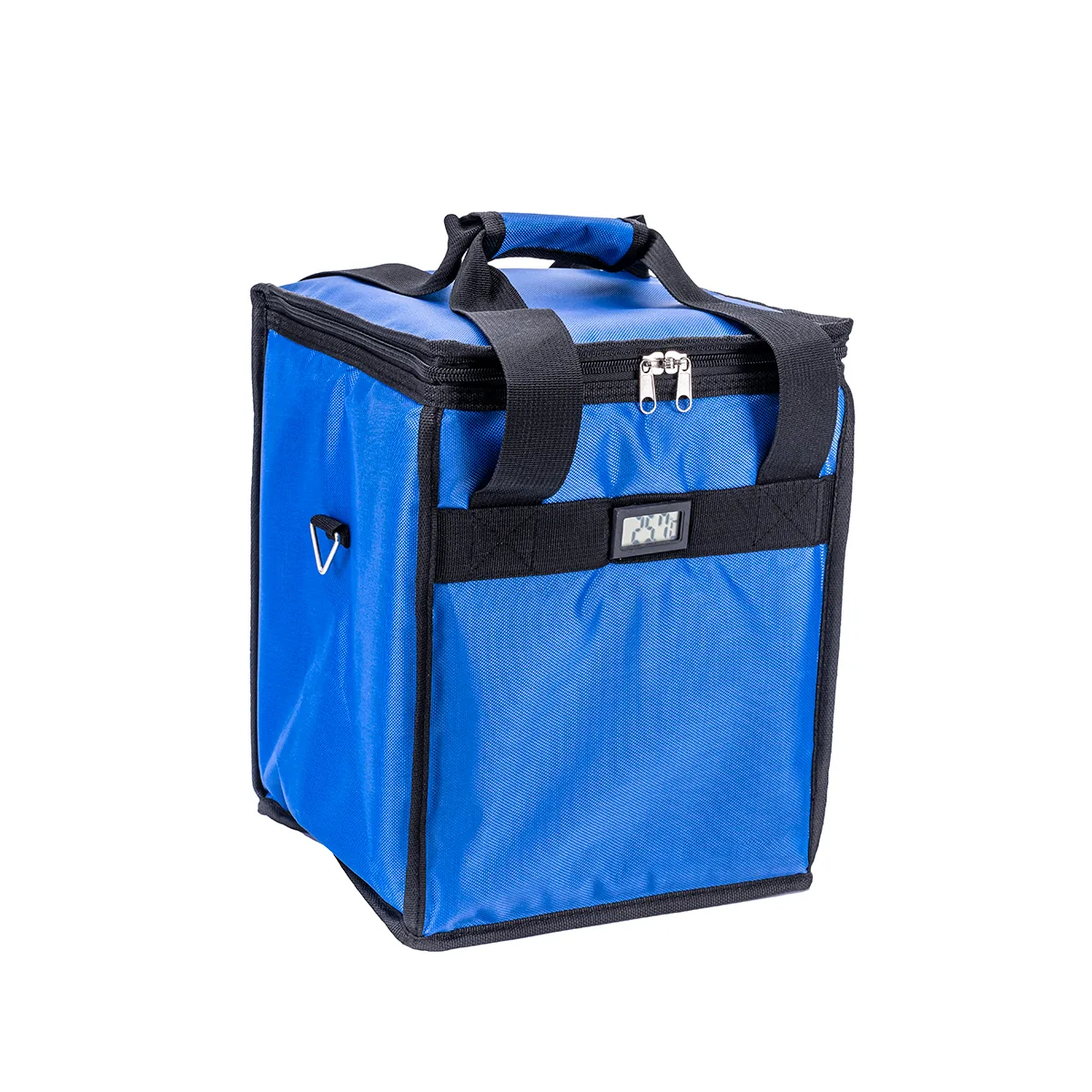
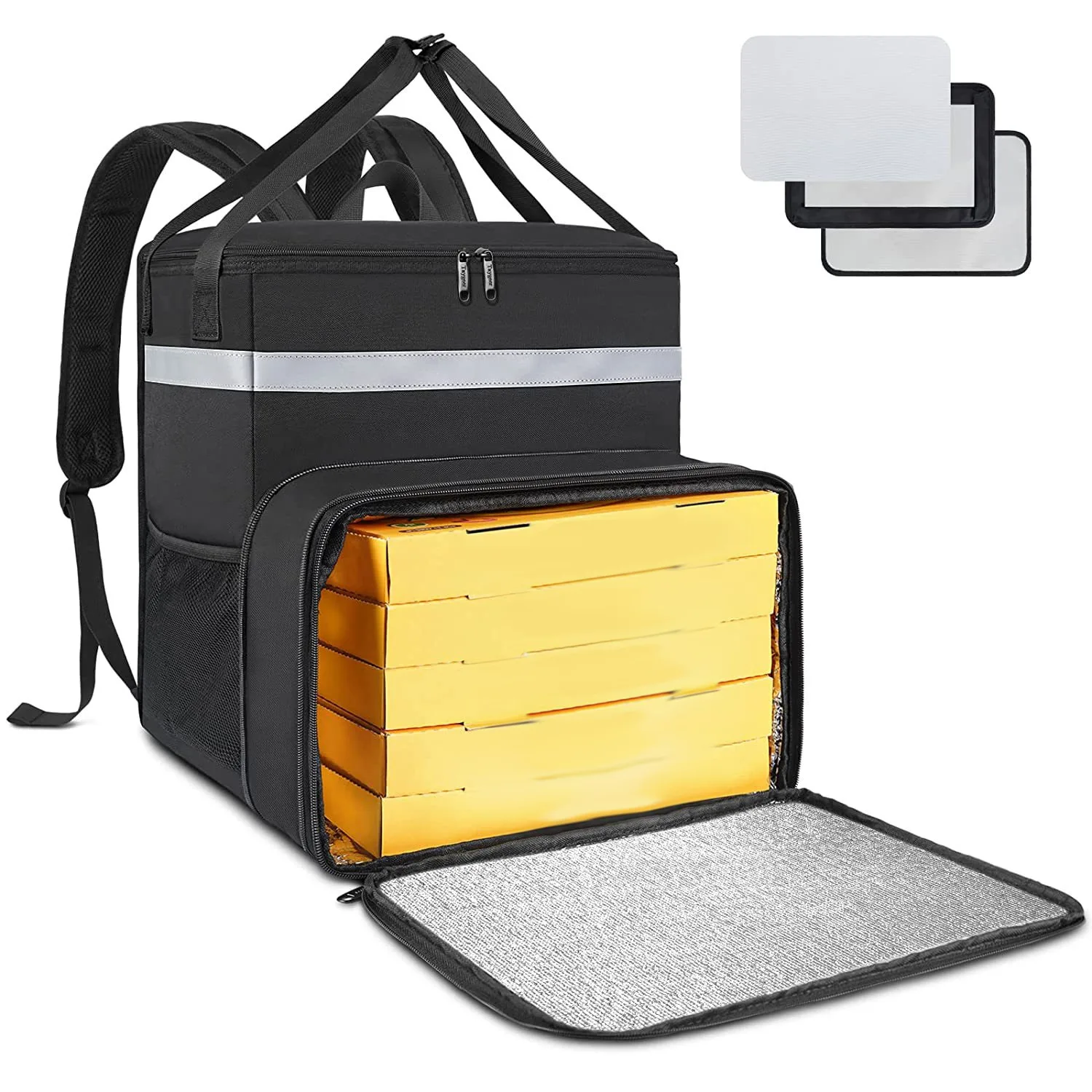
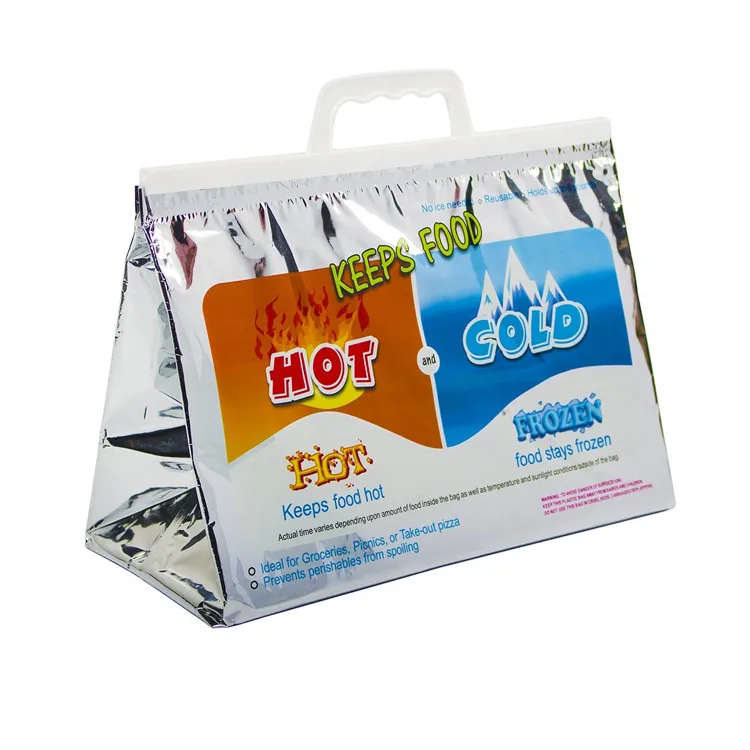
- embalagem isolada de alto desempenho
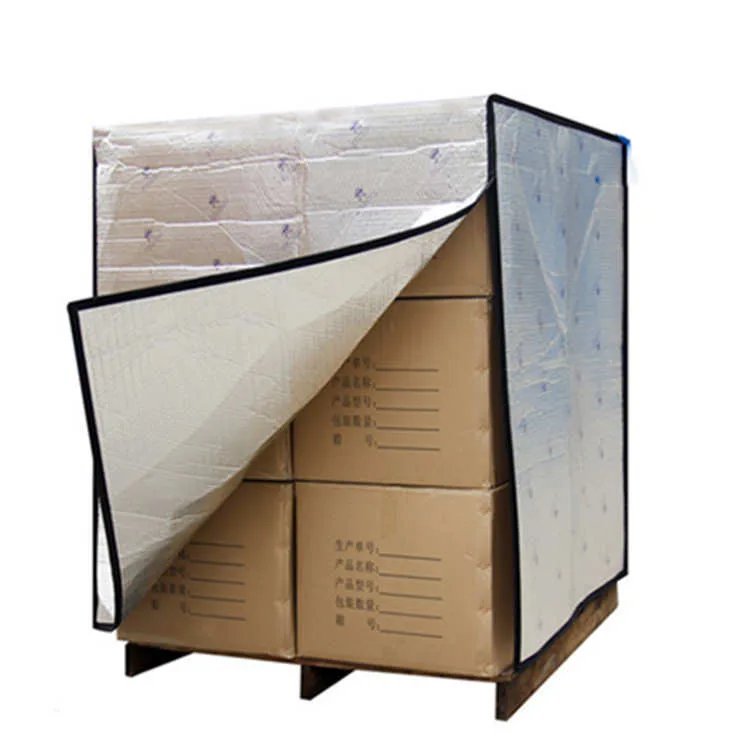
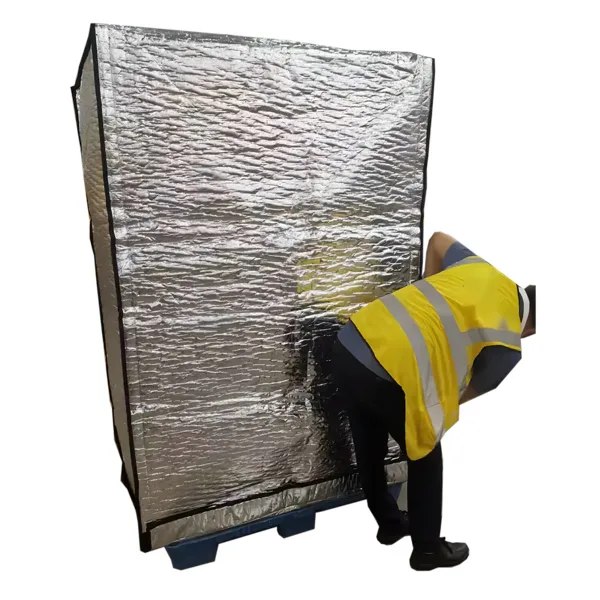
- capas térmicas para paletes
- Sistemas PCM
- monitoramento adicional de temperatura
A lição mais ampla da indústria é que o desempenho da cadeia de frio é cada vez mais definido pela resiliência, não apenas pela tecnologia de refrigeração.