تفاصيل المدونة
تستثمر HHS وUSDA في البنية التحتية لسلسلة التبريد لتوزيع البروتين

ماذا حدث
الولايات المتحدة. أعلنت وزارة الصحة والخدمات الإنسانية أ $7.5 مليون دولار لتوسيع الوصول إلى البروتين عالي الجودة, تقليل هدر الطعام, ودعم الأمن الغذائي الوطني. ويتم تنفيذ المبادرة من خلال اتفاقية جديدة مع HATCH for Hunger, بهدف إعادة توجيه البروتين الفائض إلى الأسر المحتاجة.
في نفس الوقت, الولايات المتحدة. أعلنت وزارة الزراعة عن نيتها تمويل برنامج منح تنافسي يركز على تعزيز البنية التحتية لسلسلة التبريد لعمليات المساعدات الغذائية الطارئة. قالت وزارة الزراعة الأمريكية إنها ستوفر ما يصل إلى $7.5 مليون دولار لمساعدة المنظمات غير الربحية المؤهلة على توزيع الأطعمة الغنية بالبروتين بأمان مثل اللحوم, بيض, المأكولات البحرية, والألبان.
كيف تعمل
تم تصميم البرنامج لمعالجة فجوة البنية التحتية العملية في توزيع المواد الغذائية الخيرية: تتطلب منتجات البروتين الحساسة لدرجة الحرارة تخزينًا باردًا موثوقًا به, قدرة التوزيع المبردة, وإجراءات التعامل المنضبطة للحفاظ على سلامة المنتج.
على عكس فئات المواد الغذائية المستقرة على الرف, لحمة, بيض, المأكولات البحرية, وتتطلب منتجات الألبان سلسلة تبريد خاضعة للرقابة بدءًا من التجميع وحتى التوزيع النهائي. وهذا يعني أن بنوك الطعام وشبكات التوزيع غير الربحية تحتاج إلى أكثر من الإمدادات المتبرع بها. إنهم بحاجة إلى غرف باردة, النقل المبرد, القدرة على التحميل, رؤية المخزون, وإجراءات تشغيل واضحة لمنع تغيرات درجة الحرارة وتقليل فقد المنتج.
بحسب إعلان وزارة الصحة, وتواجه شبكات الغذاء الخيرية فجوة بروتينية تقدر بنحو 800 مليون جنيه سنويا, مدفوعة إلى حد كبير بالتحديات المتعلقة بالبنية التحتية والخدمات اللوجستية. وهذا يجعل قدرة سلسلة التبريد عاملاً مقيدًا فيما إذا كان من الممكن إعادة توجيه البروتين الفائض بأمان إلى المجتمعات التي تحتاج إليه.
لماذا يهم
ويظهر هذا التطور أن البنية التحتية لسلسلة التبريد أصبحت جزءًا من سياسة الأمن الغذائي, ليست مجرد مسألة لوجستية تجارية. يعد توزيع البروتين أحد أكثر قطاعات المساعدات الغذائية طلبًا بسبب جودة المنتج, سلامة الأغذية, وتعتمد مدة الصلاحية على التحكم المستمر في درجة الحرارة.
لشبكات المساعدة الغذائية الطارئة, يمكن أن يؤدي عدم كفاية القدرة المبردة إلى تحويل الإمدادات الغذائية المتاحة إلى مخزون غير صالح للاستخدام. بدون أنظمة التخزين والتوزيع المناسبة, قد تضطر المنظمات إلى رفض التبرعات, تقصير نوافذ التوزيع, أو مواجهة مخاطر تلف أعلى.
من خلال تمويل البنية التحتية لسلسلة التبريد, قد يعمل البرنامج على تحسين قدرة الشبكات غير الربحية على التعامل مع المنتجات القابلة للتلف ذات القيمة الأعلى, وخاصة فئات البروتين التي تتطلب إدارة أكثر صرامة لدرجة الحرارة.
تأثير B2B
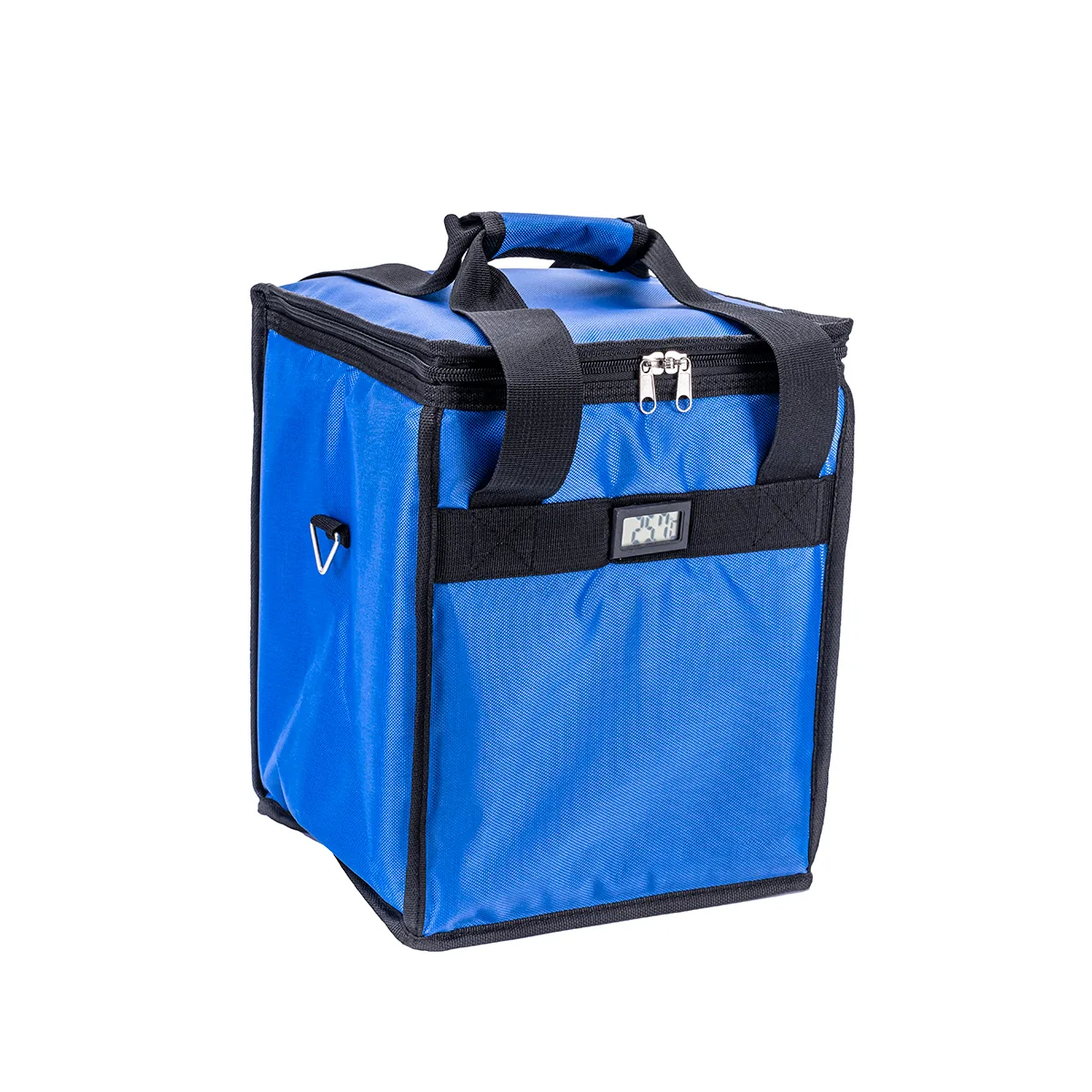
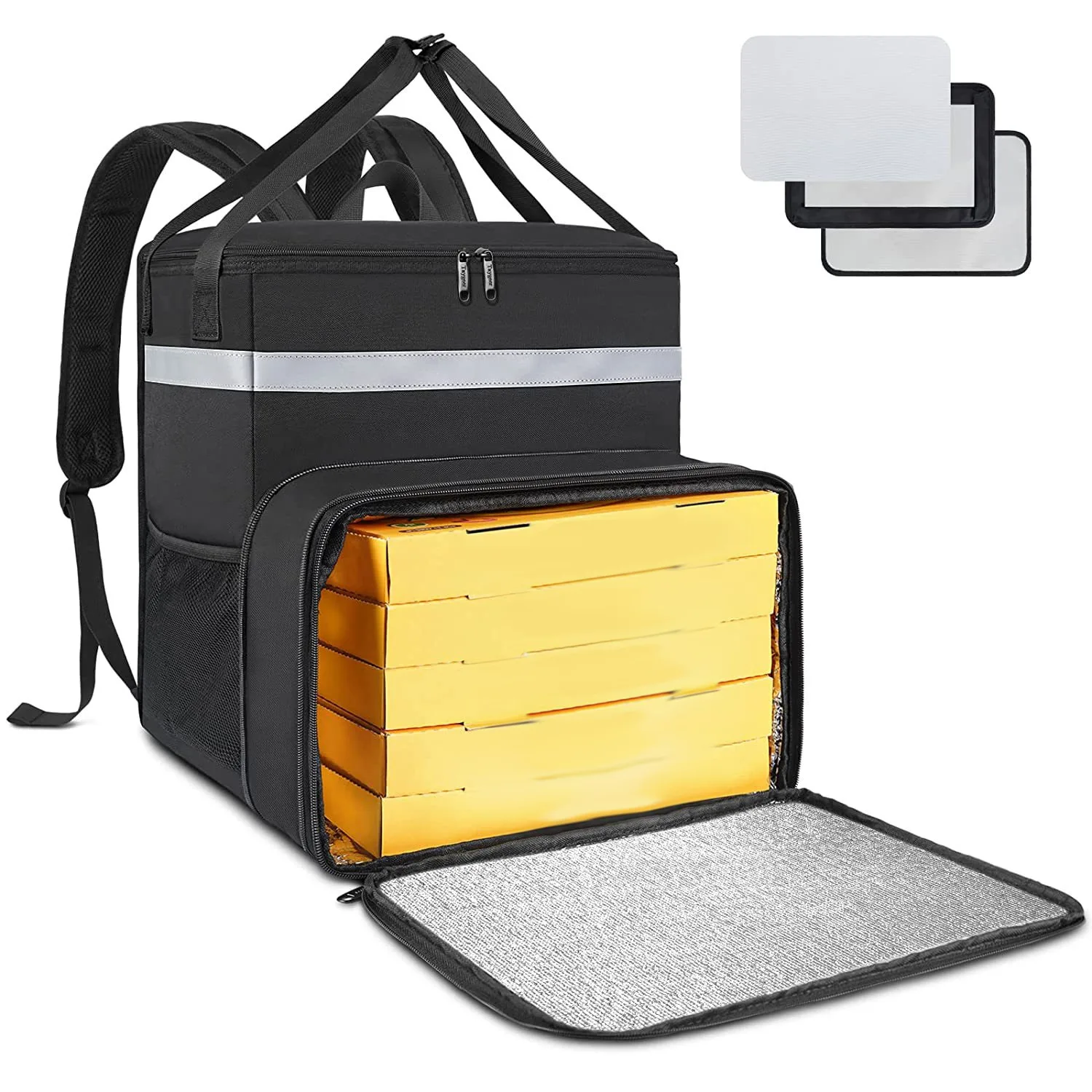
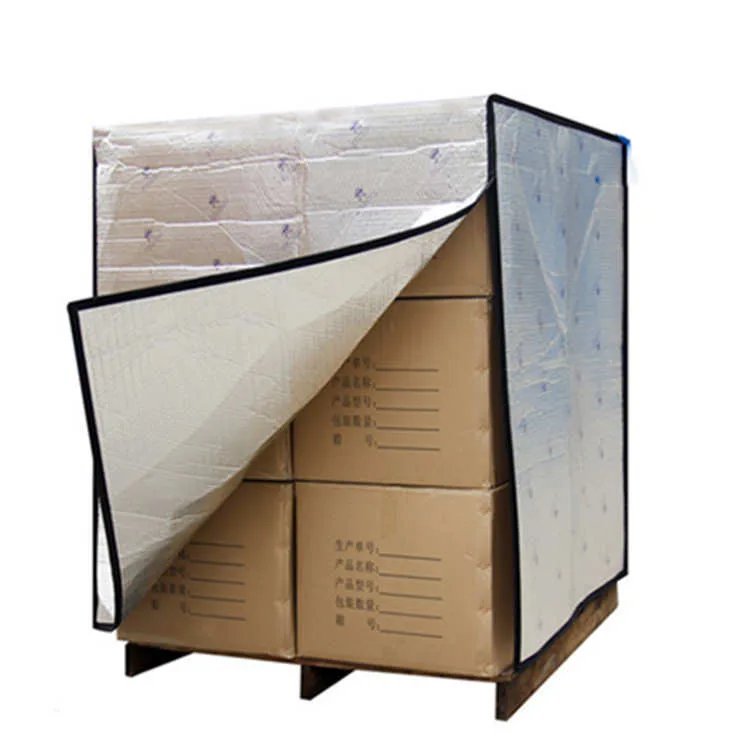
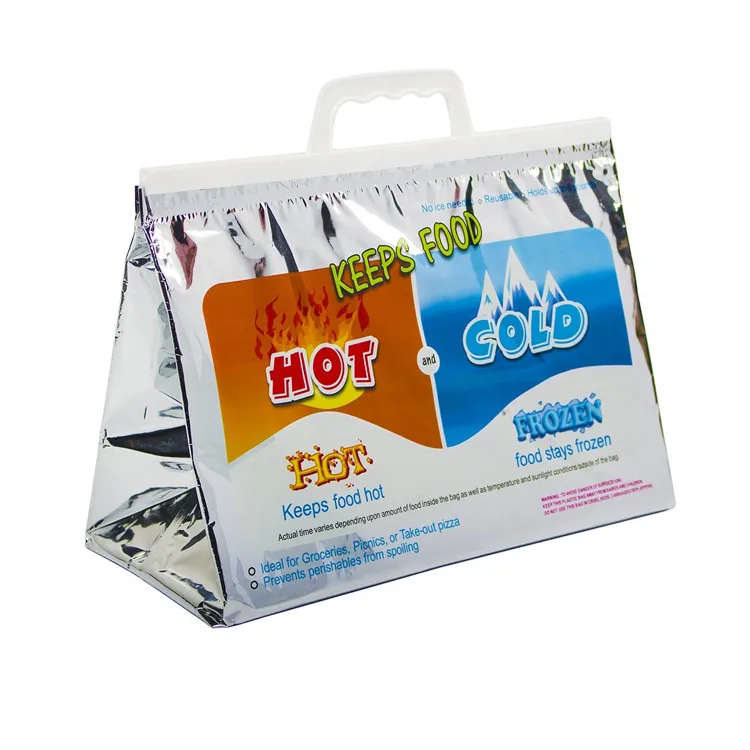
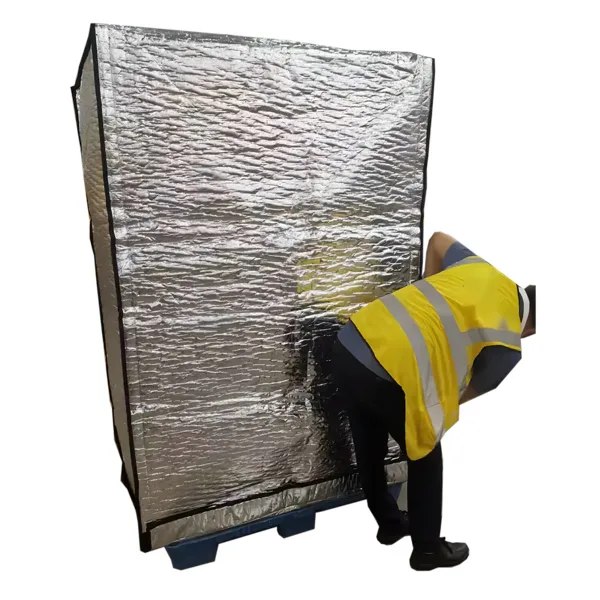
لموردي معدات سلسلة التبريد, وهذا يخلق طلبًا محتملاً على مبردات المقصورة, المجمدات, المركبات المبردة, قوة احتياطية, معدات قفص الاتهام, أنظمة العزل, مراقبة درجة الحرارة, وأدوات مراقبة المخزون.
لبنوك الطعام ومشغلي الخدمات اللوجستية غير الربحية, سيكون المطلب الرئيسي هو موثوقية سلسلة التبريد الشاملة. لن يحل التمويل وحده المشكلة ما لم تتمكن المنشآت من الحفاظ على سلامة المنتج عبر الاستلام, تخزين, اختيار, تحميل, ينقل, والتوزيع النهائي.
لمقدمي خدمات سلسلة التبريد B2B, وتتمثل الفرصة في دعم شبكة توزيع الغذاء في حالات الطوارئ الأكثر مرونة. مقدمي الخدمة الذين يمكنهم الجمع بين المعدات, تصميم الطريق, يراقب, تدريب الموظفين, وستكون وثائق الامتثال في وضع أفضل لخدمة مشاريع سلسلة التبريد في القطاع العام وغير الربحية.