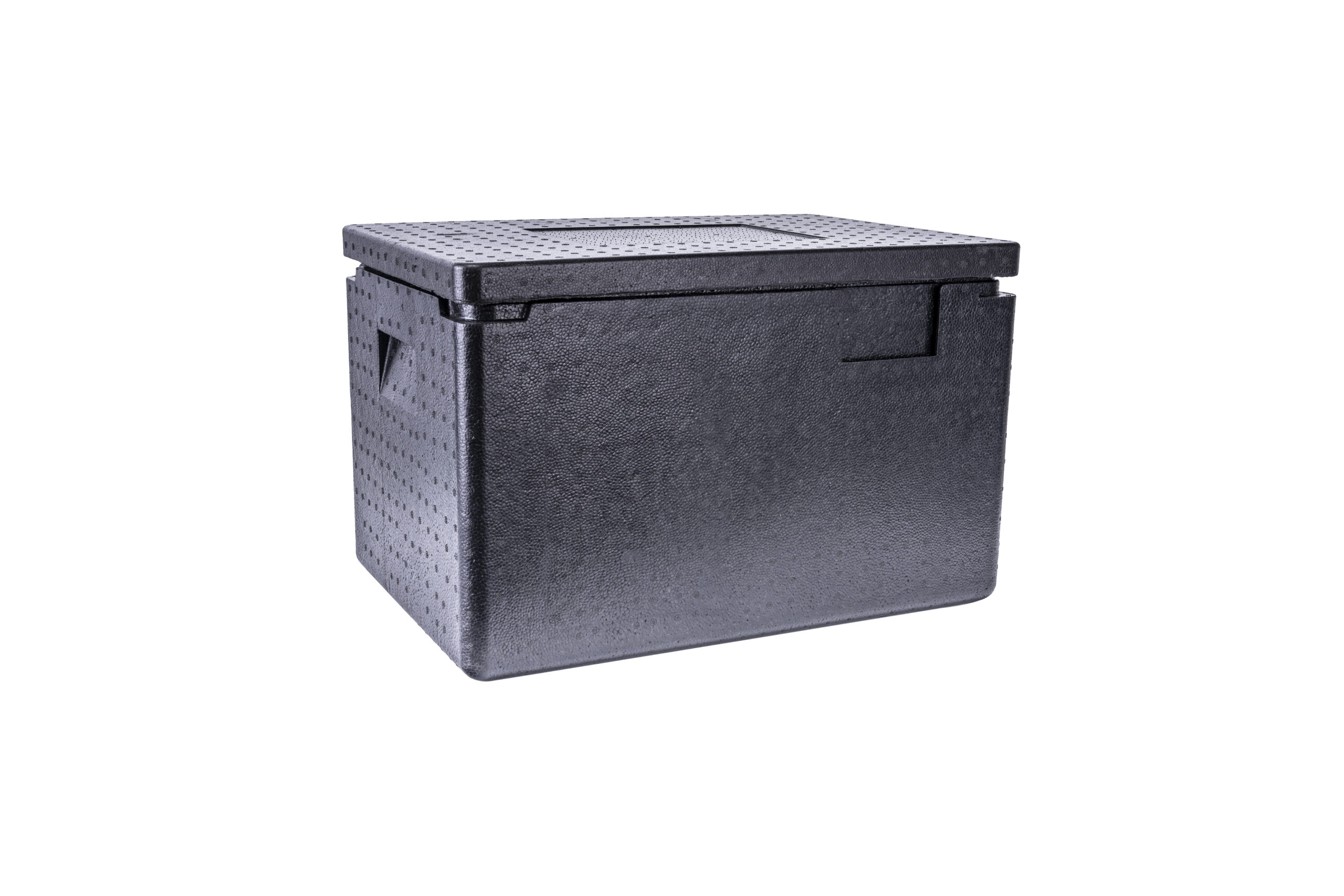
30 مورد صندوق ثلج لتر: كيفية اختيار الحق 30 صندوق لتر للطرق الحقيقية
When buyers search for 30 liter ice box supplier, they are usually trying to solve more than one problem at once. They want dependable temperature hold, a box that operators can actually use without friction, and a supplier relationship that still makes sense when volumes rise, routes change, or customization becomes necessary. That is why a strong decision starts with use case definition rather than a quick price comparison.
The most practical way to read the market is to separate three layers of value. First comes thermal fit: can the box and packout protect the payload for the real duration and ambient profile? Second comes operational fit: will the box load well, stack well, clean well, and move through the workflow without waste? Third comes sourcing fit: can the supplier control dimensions, مواد, أوقات الرصاص, and repeatability from sample approval to production runs? Buyers who check those three layers usually avoid both under-specification and expensive overbuying.
This article breaks 30 liter ice box supplier down from that perspective, so you can decide what matters, what does not, and what evidence to ask for before placing a bulk order.
What This Product Category Really Includes
أ 30 liter ice box sits in a useful middle zone. It is usually large enough for short-route food delivery, a field service kit, temperature-sensitive replenishment, or a modest quantity of medical goods, yet still small enough for one-person handling in many workflows. That makes the size class attractive, but it also creates one of the most common sourcing mistakes: buyers assume that every 30 liter box behaves the same.
في الواقع, nominal capacity does not tell you usable volume, payload footprint, lid geometry, coolant intrusion, وزن فارغ, أو تحمل الراحة. Public product pages for 30-quart and 30-liter coolers show major differences in external dimensions, interior dimensions, سمك العزل, and empty weight even when the size label looks similar.
How These Boxes Work in Real Transport
Every passive cold box works through the same basic mechanism. The shell and insulation slow heat transfer from the outside environment, while ice, حزم هلام, water-based coolants, or phase-change materials absorb incoming heat. Performance is therefore the result of a system, ليست مادة واحدة. The outer shell matters, but so do insulation thickness, غطاء مناسب, gasket integrity, كتلة المبرد, packout arrangement, payload temperature at loading, and how long the shipment sits in warm conditions.
This is why buyers should be careful with marketing claims such as long ice retention, extended cold life, or pharmaceutical use. Those statements can be directionally useful, but they do not tell you the actual test setup. A box can look excellent in an empty consumer test and underperform badly in a real route once product load, أحداث الباب المفتوح, التعامل المتكرر, or higher ambient exposure are introduced.
For commercial food and general cold distribution, the same logic still applies even when the regulatory burden is lower. A reusable box that opens easily, closes positively, and keeps coolant positioned correctly can outperform a nominally thicker container that is awkward to pack or seal. Operational simplicity is part of thermal performance because poor handling creates real excursions.
Reference Points That Help Separate Good Specs from Weak Ones
Published guidance and product pages are useful because they reveal what experienced buyers already watch. In vaccine transport guidance, على سبيل المثال, the accepted language is not simply “cool box.” It includes qualified container and packout, مراقبة درجة الحرارة, اختيار المبرد, والانضباط الحزمة. That tells you the industry expects the full system to be controlled, not merely the shell to be purchased.
Qualification frameworks for time- and temperature-sensitive pharmaceutical shipments make the same point in a different way. They describe the shipping system as the outer container plus the internal packaging components and the temperature-stabilizing medium. They also frame qualification in stages, which reinforces the idea that performance needs to be defined, تم اختباره, and documented against the intended use.
Public product pages from established cooler brands also show why buyers should ask for more than nominal volume. Similar-size products can differ significantly in interior dimensions, وزن فارغ, سمك العزل, والمواد. That means the buying decision should focus on usable space, التعامل, and route fit rather than headline liters or quarts alone.
Material Options and What They Change
Most products in this category fall into a few broad construction families. Lightweight molded foam boxes, such as EPS-based formats, are often chosen for lower cost and better insulation per unit weight. EPP formats are valued for reuse, صمود, and impact recovery. Hard plastic shells may use polypropylene, HDPE, or LLDPE depending on the manufacturing route and expected abuse. Some premium systems add polyurethane foam, لوحات عزل فراغ, or purpose-tuned PCM packs when longer hold times or tighter control bands are required.
The right material choice depends on how the box will actually be used. A high-abuse return loop may justify a sturdier shell even if insulation per kilogram is not the best. A one-way short route may favor a lighter and cheaper format. A medical lane may require a design that supports cleaning, وضع المسجل, and stable packout geometry better than a consumer-style cooler would.
Size class adds another layer. Published 30-quart product pages from major brands show that two products with similar nominal volume can differ substantially in insulation thickness, usable internal footprint, handle layout, and empty weight. بعبارة أخرى, the size label is only the starting point.
Buyers should therefore ask for material and construction details in plain language: راتنج القشرة, نوع العزل, nominal wall thickness, gasket design, hinge or latch construction, drain design if applicable, and whether the lid geometry allows stable stacking. Those details influence not only performance but also service life and replacement rates.
How to Shortlist the Right Supplier
A good supplier conversation should move quickly from generic claims to controlled details. Ask what materials are standard, what can actually be customized, which dimensions are critical tolerances, how samples are approved, and how changes are communicated after approval. Strong suppliers can usually explain their normal build logic instead of improvising answers around each inquiry.
للصناديق القابلة لإعادة الاستخدام, consistency matters more than buyers sometimes expect. Small changes in wall fill, غطاء مناسب, ضغط الحشية, hinge hardware, or coolant cavity layout can change the field experience even if the product still looks visually similar. That is why sample-to-production consistency and change control deserve explicit discussion.
Commercial terms also matter. اسأل عن موك, مهلة, spare components if relevant, logo application method, carton configuration, and whether replacement parts or matching coolants are available later. A supplier that can support continuity often creates more value than one that simply offers the lowest opening quote.
How to Buy a 30 Liter Box Without Guessing
أ 30 liter class box is often chosen because it appears versatile. It can fit daily route payloads, mobile kits, short-haul replenishment stock, or mixed-product deliveries without becoming as cumbersome as a very large chest. That flexibility is real, but it only creates value if the internal shape matches the load and the loaded box can still be handled safely by one operator when coolant is included.
Published product pages show why buyers need more than the size label. Similar nominal volumes can come with very different empty weights, insulation thicknesses, handle positions, and internal dimensions. في الممارسة العملية, that changes how many product units actually fit, how much coolant intrudes into usable space, and how tiring the box becomes in stairwells, المركبات, and repeated stop routes.
ل 30 liter supplier inquiry, the most useful request is not simply volume. Ask for internal dimensions at the narrowest point, lid opening clearance, empty and loaded weight, coolant placement options, and whether the footprint supports your shelf, حمل, رف, or vehicle layout.
Where the Right Box Spec Pays Off
Mid-size boxes are common where operators want one versatile format rather than a full size ladder. That includes prepared-food distribution, fresh grocery routes, field maintenance kits, specimen transfer, and smaller-scale commercial replenishment. The size is attractive because it can carry a meaningful payload without becoming as awkward as a large high-wall chest.
The market pattern, لكن, is fragmentation. بعض 30 liter products are lightweight utility coolers. Others are premium hard chests. Others are shipping-style boxes optimized for coolant and payload rather than for carrying beverages. Buyers should decide which family they are actually buying into before negotiating supplier terms.
بمجرد أن يكون ذلك واضحا, the size class becomes much easier to use. A well-selected 30 liter box can improve route standardization, simplify storage positions, and reduce operator uncertainty.
Questions Smart Buyers Ask Before the Order Is Placed
The best checklist is the one that reflects your actual route. ما زال, most buyers can improve decisions quickly by asking the following questions early instead of waiting until after a sample looks good:
- What are the external dimensions, الأبعاد الداخلية, and real usable volume once coolant or inserts are in place?
- At the narrowest internal point, what payload footprint actually fits without deforming the packout?
- Which shell resin and insulation materials are standard, and which parts of the build can change without triggering a new approval?
- How does the lid close and seal, and what evidence shows that the closure stays reliable after repeated use?
- Can the box stack safely when loaded, and does the design nest or return efficiently when empty?
- What are the empty weight and the expected loaded weight for the intended packout?
- How easy is the surface to clean, جاف, and relabel between trips?
- How will labels, باركود, or route identifiers be applied and protected during handling?
- What is the MOQ, normal lead time, and sample-to-production approval process?
- How are design changes, material substitutions, and quality exceptions communicated after the first order?
- Is the proposed design genuinely suited to the product, مدة الطريق, and handling conditions you described?
أخطاء شائعة لتجنب
- Buying by nominal size alone and ignoring internal dimensions, coolant intrusion, or loaded weight.
- Assuming a rugged shell automatically means the thermal design is right for the route.
- Comparing quotes without checking whether they include the same scope of accessories, التغليف, والتخصيص.
- Approving a sample visually without defining how production changes will be managed later.
- Selecting the box before defining the temperature target, مدة, and handling sequence.
التعليمات
يكون 30 liters the right size for one-person handling?
أحيانا, ولكن ليس دائما. Once coolant and payload are added, the loaded weight may be much higher than buyers expect.
Do all 30 liter boxes have similar usable space?
لا. Interior dimensions, lid geometry, and coolant placement can change usable volume significantly.
Should I choose by volume or by route?
الطريق أولا, then volume. The correct size is the one that fits the payload and keeps handling practical.
Final Take
The strongest decision around 30 liter ice box supplier comes from matching the box to the route, الحمولة, and the operating model instead of buying from photos or headline claims. When buyers define the real job clearly, the right specification becomes easier to see, and supplier conversations become much more productive.
حول Tempk
و Tempk, we focus on cold-chain packaging solutions for food, الأدوية, وغيرها من الشحنات الحساسة لدرجة الحرارة. Our published product range includes gel ice packs, PCM ice bricks, صناديق معزولة EPP, صناديق الشحن الباردة, بطانات معزولة, and related packaging materials. We try to support practical packaging choices by looking at the box, المبرد, and the transport scenario as one working system.
الخطوة التالية
If you are comparing options for a real lane, ask for a recommendation based on your target temperature range, مدة, حجم الحمولة, وشروط التعامل. That will lead to a far more useful conversation than asking for a generic box alone.