Keeping seafood fresh from ocean to plate isn’t just a matter of throwing ice on a catch; it’s a science that balances temperature, oxygen and timing. With the global seafood market projected to reach US$270.43 billion in 2025 and consumer expectations for quality and transparency rising, cold chain mastery has become a competitive advantage. This tutorial reveals the best practices for maintaining chilled fish at 0–5 °C, protecting frozen shipments at –18 °C or colder and harnessing digital tools like IoT sensors and blockchain to trace every batch. You’ll learn practical steps, get access to decision tools and discover 2025’s most important trends—all written in clear, conversational language.
سيجيب هذا المقال:
كيف cold chain standards protect seafood جودة? – explains temperature limits (0–5 °C for fresh, ≤–18 °C for frozen) and the regulations behind them.
What packaging and equipment work best for different seafood products? – compares insulated bags, 10أكياس الانكماش الفراغي K OTR, vacuum skin packs and recyclable boxes, وتسليط الضوء على فوائدها.
Which protocols and technologies keep seafood safe? – shows how oxygen control, تحليل المخاطر ونقاط المراقبة الحرجة, IoT sensors and blockchain maintain quality and compliance.
What market trends will shape the seafood cold chain in 2025 وما وراءها? – explores growth forecasts, تحسين مسار الذكاء الاصطناعي, sustainable packaging and more.
How can you assess your readiness and choose reliable partners? – includes a decision matrix, self assessment tool and actionable tips for businesses and consumers.
What are the key cold chain standards for seafood products?
Maintaining correct temperature ranges is non negotiable. Fresh fish deteriorates quickly because enzymes and bacteria break down tissue; international standards require you to keep fresh fish between 0 درجة مئوية و 5 درجة مئوية while frozen fish must be stored at -18 درجة مئوية أو أكثر برودة. الولايات المتحدة. FDA Food Code classifies seafood as a high risk food that must be held at 41 ° f (≈5 °C) أو أدناه to slow microbial growth. اتفاقية النقل الدولي للمواد الغذائية القابلة للتلف (اعبي التنس المحترفين) يذهب أبعد من ذلك, setting a maximum transport temperature of 2 درجة مئوية for fish. Exceeding these thresholds accelerates spoilage and can allow Clostridium botulinum to produce toxins.
لماذا يهم التحكم في درجة الحرارة
Microorganisms thrive when seafood is kept warm or without oxygen. Slight deviations above 5 °C allow pathogens like C. botulinum لتتكاثر. Rapid chilling to 0 °C immediately after harvest preserves texture. Frozen fish remain safe only when maintained below –18 °C; the ATP allows brief rises to –15 °C during transport but recommends returning to –18 °C for retail display. Domestic freezers vary: three star units reach below –18 °C, two star stay below –12 °C and one star only reach –6 °C. Keeping product cold is essential, but freezing isn’t a biocide—other physical and biochemical reactions still occur.
Key temperature ranges and what they mean
| نطاق درجة الحرارة | أمثلة على المنتجات & منصة | فائدة | ماذا يعني لك |
| 0 درجة مئوية -5 درجة مئوية | الأسماك الطازجة, شرائح مبردة | Maintains texture, slows bacterial growth | Use refrigerated rooms or ice; مراقبة بشكل مستمر |
| ≥ -18 درجة مئوية | أسماك مجمدة, كتل | Stops microbial activity and extends shelf life | Invest in validated freezers; never allow product to thaw during transport |
| 2 درجة مئوية (ATP max) | Transport of fish | International maximum during transport | استخدم موازين الحرارة المُعايرة; avoid temperature abuse |
| 41 ° f (≈5 °C) | High risk foods (المأكولات البحرية) | Keeps foods out of the danger zone | Check storage units regularly to stay within 0–5 °C |
Practical tips for meeting standards
Chill immediately: Perennia’s guidelines (referenced by Tempk) suggest chilling seafood to 0 °C upon capture and keeping it there throughout the supply chain.
المراقبة بشكل مستمر: Data loggers and IoT sensors record temperature in real time. Alerts notify you when readings drift outside safe ranges.
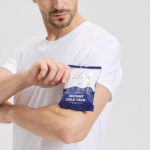
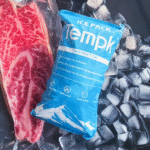
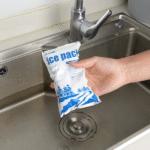
استخدم المبرد المناسب: Melting ice keeps fresh fish near 0 درجة مئوية; gel packs are reusable and avoid excess water; dry ice supports ultra cold shipments but requires safety precautions.
Calibrate devices: Check thermometers and sensors at least every four hours.
الامتثال للوثيقة: تحليل المخاطر ونقاط المراقبة الحرجة, ممارسات التصنيع الجيدة (ممارسات التصنيع الجيدة) and Sanitation SOPs complement temperature controls, بينما الولايات المتحدة. FSMA 204 rule demands record keeping of key data elements within 24 ساعات.
مثال على ذلك: A seafood processor implemented QR codes and digital temperature logs for each catch. When a shipment’s temperature deviated during transport, the system traced the issue to a specific batch and contacted distributors within minutes. This targeted recall saved them from pulling an entire shipment.
How to choose and use seafood packaging and equipment effectively?
Packaging isn’t just a container; it’s part of the cold chain. Improper materials or low oxygen exchange can cause botulism or spoilage. في 2025, a range of solutions exists—from basic insulated bags to hybrid systems combining passive and active cooling. Selecting the right option depends on product form, طول الطريق, المتطلبات التنظيمية وأهداف الاستدامة.
Comparing key packaging options
| نوع التغليف | سمات | ملاءمة | فائدة عملية |
| أكياس الأسماك المعزولة | Portable bags with thick insulation, zippers and drain plugs; sizes from 35 ل 205 الكوارت | المصيد الصغيرة, التسليم المحلي | الحفاظ على الأسماك بالقرب 0 درجة مئوية, preserve weight and limit odor |
| 10أكياس الانكماش الفراغي K OTR | Oxygen permeable film with skin tight fit; meets FDA guidance (≥10 000 سم مكعب/م²/24 ساعة عند 24 درجة مئوية) | شرائح وأجزاء طازجة | Enables rapid chilling, maintains color without CO, prevents leaks and facilitates branding |
| حزم الجلد فراغ & صواني الخريطة | High barrier films with EVOH/PA layers; tight fit or modified gas mixtures | شرائح ممتازة, sushi-grade products | يطيل العمر الافتراضي, enhances presentation, supports vertical display |
| الحقائب القابلة لإعادة الإغلاق (ففس) | Resealable pouches produced via vertical form fill seal machines | سلطعون ممزق, جمبري متبل, سمك السلمون المدخن | التحكم بالجزء, أحجام مرنة, تقليل النفايات |
| صناديق الألياف القابلة لإعادة التدوير | Paper based boxes with moisture resistant coating (على سبيل المثال, Greencoat®) | الشحنات المجمدة أو المبردة | 100 % قابل لإعادة التدوير; حسابات ل 37 % of seafood packaging market |
| الأنظمة الهجينة & التبريد النشط | Combine insulation with active elements like Peltier modules or battery powered compressors | High value or long distance shipments | التحكم في درجة الحرارة الدقيقة; added sensors trigger fans when needed |
How to match packaging to product and route
Define product & route requirements: تحتاج الأسماك الكاملة إلى أكياس أو صواني معززة, whereas fillets fit standard 10K OTR bags. Map your routes—short trips may use insulated bags; exports require vacuum shrink bags and skin packs.
Assess insulation & مدة: Choose materials with high R value; polyurethane outperforms EPS. تحافظ عبوات الجل 0 درجة مئوية, while dry ice supports ultra cold shipments. Match refrigerant mass and insulation thickness to transit time.
Check oxygen transmission & امتثال: Refrigerated raw fish packages must have an OTR ≥10 000 سم مكعب/م²/24 ساعة. If using low permeability packaging, keep product below 3.3 °C and attach time temperature indicators.
إعطاء الأولوية للاستدامة: Reusable packaging and recyclable boxes cut waste. المواد الورقية موجودة بالفعل 37 % سوق تغليف المأكولات البحرية, and bio based foams further reduce carbon footprint.
Evaluate automation & راحة: Resealable pouches and thermoforming trays support automated lines and consumer convenience, improving efficiency and branding.
Practical packaging tips and consumer advice
Source responsibly: Buy seafood from trusted suppliers and ensure proper labeling. Fresh fish should have clear eyes, firm flesh and a mild scent.
يبقيه باردا: Consumers should refrigerate seafood at or below 40 °F and freeze it if not consumed within one to two days. Frozen fish remain safe indefinitely at 0 °F but are best when consumed within 3–8 months.
Prevent cross contamination: Keep raw and cooked seafood separate and sanitize surfaces and utensils.
Choose packaging with clear OTR ratings: Check that packages for chilled fish meet the 10K OTR standard; إذا لم يكن كذلك, keep them below 3.3 °C or freeze immediately.
مثال في العالم الحقيقي: قدم معالج متوسط الحجم في ولاية أوريغون أكياسًا مفرغة من الهواء سعة 10 آلاف OTR ومراقبة في الوقت الفعلي بعد حالة ذعر طفيفة من التسمم الغذائي. Within six months they reported zero temperature excursions and fresher fish with brighter colour.
Which protocols and technologies ensure seafood safety and traceability?
Cold chain protocols encompass procedures that maintain temperature and oxygen levels from harvest to plate. Effective protocols limit the growth of pathogens like Clostridium botulinum, which thrives when oxygen levels are low and temperatures rise above 3.3 درجة مئوية. They also ensure compliance with regulations such as HACCP, الولايات المتحدة. FSMA and EU hygiene rules.
Temperature and oxygen control protocols
The interplay between temperature and oxygen is critical. يجب تخزين المأكولات البحرية النيئة والجاهزة بينهما 2 درجة مئوية و 8 درجة مئوية for chilled products or below -20 درجة مئوية للبضائع المجمدة. Packaging with an OTR of at least 10 000 سم مكعب/م²/24 ساعة prevents reduced oxygen conditions that promote botulism. إذا تم استخدام عبوات ذات نفاذية أقل, يجب أن يبقى المنتج أدناه 3.3 درجة مئوية أو المجمدة, وينبغي إرفاق مؤشرات درجة الحرارة والوقت.
Monitoring equipment and digital tools
أجهزة استشعار إنترنت الأشياء ومسجلات البيانات: Real time monitoring across warehouses, trucks and last mile vehicles enables operators to track temperature, الرطوبة والموقع. Alerts allow corrective actions before spoilage occurs.
منصات متكاملة (WMS, TMS, تخطيط موارد المؤسسات): Linking warehouse, transportation and enterprise systems provides end to end visibility and simplifies regulatory audits.
Time–temperature indicators (TTIs): These small devices record the temperature history of a product and display changes via color. TTIs provide simple, low cost assurance that fish has stayed within safe limits.
RFID and wireless sensor networks (WSN): RFID tags record temperature fluctuations but have limited sensing ability; combining RFID with WSN extends range and provides continuous data. These technologies improve real time shelf life reporting and reduce waste.
Smart logistic units (SLUs): Advanced containers equipped with GPS and 3G connections track vehicles and predict shelf life based on temperature and volatile organic compounds.
IoT based route planning systems: These systems monitor real time temperatures and estimate efficient routes and packaging models. Studies show that IoT route planning reduces food waste, increases customer satisfaction and improves delivery performance.
Traceability and blockchain
Traceability is central to food safety. According to Folio3, the seafood traceability software market, بقيمة دولار أمريكي 705 مليون في 2024, is projected to surge to USD 1.84 مليار من قبل 2033. Traceability protects public health, prevents mislabeling and combats illegal, الصيد غير المبلغ عنه وغير المنظم. تتضمن أفضل الممارسات:
توثيق الصيد الدقيق: تاريخ التسجيل, وقت, طريقة الصيد, الأنواع والموقع عند الحصاد.
Unique identifiers: استخدام أرقام الدفعة, QR codes or RFID tags for each catch. Update parent–child relationships when splitting or merging batches.
Standardized data formats: Adopt GS1 standards and GSSI benchmarks to ensure interoperability across the supply chain.
تتبع في الوقت الحقيقي: دمج نظام تحديد المواقع, cold chain sensors and blockchain to track movement and temperature.
Education and collaboration: Train boat crews, processors and distributors on how traceability protects quality and comply with regulations.
Regulatory frameworks and compliance
ال تحليل المخاطر ونقطة التحكم الحرجة (تحليل المخاطر ونقاط المراقبة الحرجة) system requires processors to identify hazards, establish critical control points and monitor procedures. ممارسات التصنيع الجيدة (ممارسات التصنيع الجيدة) و Sanitation Standard Operating Procedures (SSOP) supplement HACCP with detailed hygiene rules. في الولايات المتحدة, ال FSMA Sanitary Transportation Rule mandates that carriers use equipment capable of maintaining safe temperatures and keep records of cleaning and training. ال قاعدة تتبع الأغذية (FSMA 204), finalised in 2022, requires businesses to maintain key data elements at critical tracking events and provide records within 24 ساعات. The compliance date may extend to July 20 2028, but preparation is essential.
In the European Union, أنظمة 852/2004 states that maintaining the cold chain is essential for foods that cannot be stored safely at ambient temperature. EU fisheries control regulations require vessel tracking, electronic catch reporting and phased digital traceability for domestic and imported seafood. Exporters must provide documents like bills of sale, certificates of origin and health certificates to avoid delays.
التقييم الذاتي التفاعلي: Rate yourself on a scale of 1–5 (1 = لا أوافق بشدة, 5 = أوافق بشدة). Do you know the required temperature ranges (0–5 °C for fresh, ≤–18 °C for frozen)? Are you HACCP certified and preparing for FSMA 204? Can you allocate budget for IoT sensors? Is sustainability a priority? عشرات أعلاه 20 تشير إلى الاستعداد للتعامل مع كبار الموردين; عشرات أدناه 15 suggest more preparation is needed.
How do you select reliable cold chain partners and solutions?
With global seafood consumption rising, choosing the right logistics providers and packaging suppliers can make the difference between premium sashimi and costly spoilage. Reliable suppliers combine temperature control expertise, الامتثال التنظيمي والوصول الجغرافي.
Factors to evaluate
التغطية & يصل: تعمل العمليات العالمية على تقليل وقت العبور والحفاظ على الجودة المتسقة.
التحكم في درجة الحرارة & الحفظ: Assess storage systems, الحاويات المبردة وتكنولوجيا المراقبة. Suppliers should demonstrate the ability to keep fish near 0 درجة مئوية أو أقل 5 °C across road, البحر والهواء.
التكامل التكنولوجي: Look for providers that use IoT sensors, data loggers and GPS to monitor temperature and location in real time.
امتثال & الشهادات: Verify HACCP certification, FSMA readiness, ISO 22000 and membership in the Global Cold Chain Alliance.
ممارسات الاستدامة: Evaluate commitment to reusable containers, الطاقة المتجددة وتحسين المسار لخفض الانبعاثات.
Customer service & المرونة: تسعير شفاف, الدعم سريع الاستجابة ومستويات الخدمة القابلة للتخصيص تعزز الشراكات طويلة الأمد.
Decision matrix for comparing suppliers
The following matrix helps you evaluate suppliers based on weighted criteria. Score each vendor from 1 ل 5 on coverage, تكنولوجيا, امتثال, الاستدامة, cost and customer service, then multiply by the weights and sum the total. The highest score identifies the best fit.
| عامل | وزن | المورد أ | المورد ب | المورد ج | تفسير |
| التغطية & يصل | 20 % | 4 | 5 | 3 | Higher scores mean broader networks and shorter transit times |
| التحكم في درجة الحرارة | 25 % | 5 | 4 | 3 | Ability to maintain 0–2 °C for chilled fish |
| التكامل التكنولوجي | 20 % | 3 | 4 | 5 | Use of real time sensors and IoT alerts |
| امتثال & الشهادات | 20 % | 4 | 3 | 3 | تحليل المخاطر ونقاط المراقبة الحرجة, FSMA 204 readiness and 10K OTR packaging compliance |
| الاستدامة | 10 % | 3 | 4 | 5 | عبوة قابلة لإعادة الاستخدام, fuel efficiency and renewable energy |
| Customer service & يكلف | 5 % | 4 | 3 | 3 | Transparent pricing and responsiveness |
Practical advice for businesses
Match partners to product value: High value shipments justify investing in providers with advanced sensors and hybrid cooling systems.
Leverage predictive route planning: AI driven software adjusts routes based on traffic, نوافذ الطقس والتسليم, reducing fuel consumption and temperature deviations.
Integrate supply chain data: Combine warehouse, transportation and enterprise systems to gain end to end visibility and enable quick recalls.
Negotiate sustainability goals: Choose providers committed to recyclable packaging and energy efficient refrigeration.
سيناريو: An exporter used melting ice in insulated containers to maintain fish at 0 °C while deploying IoT sensors for real time tracking. When temperature rose, the team adjusted routing and avoided spoilage.
2025 market trends and future outlook
Growth of the seafood and cold chain markets
The food cold chain market is valued at 70.55 مليار دولار أمريكي 2025 ومن المتوقع أن يصل 121.77 مليار دولار أمريكي 2030, معدل نمو سنوي مركب قدره 11.53 %. Meat and seafood account for 26.46 % من مبيعات سلسلة التبريد في 2024. الجزء المبرد (0-4 درجة مئوية) يحمل 60.15 % الإيرادات, while frozen shipments are forecast to grow at 15.49 % CAGR. Road transport remains dominant, but air cargo is set for rapid growth at 14.97 % CAGR. Paper based packaging holds 37 % سوق تغليف المأكولات البحرية.
International trade continues to expand. In Brazil, farmed fish exports reached US$18.5 million in the first quarter of 2025, أ 112 % زيادة على 2024. Tilapia represents 95 % of the total exported, with the United States purchasing 90 %. Diversifying export markets and improving logistics efficiency are key to mitigating tariff risks and supply chain disruptions.
التقنيات والابتكارات الناشئة
AI-driven route optimisation and predictive analytics: Artificial intelligence adjusts routes in real time based on traffic and delivery windows, تحسين الكفاءة وتقليل استهلاك الوقود.
Blockchain لإمكانية التتبع من النهاية إلى النهاية: تقوم تقنية Blockchain بإنشاء سجلات غير قابلة للتغيير لرحلات المنتج, enhancing transparency and simplifying audits. عند دمجها مع أجهزة استشعار إنترنت الأشياء, blockchain documents temperature, location and handling conditions at each stage.
Sustainable and lightweight packaging: Eco friendly materials such as biodegradable or recyclable insulation, and solar powered refrigeration units, reduce waste and energy use.
Real time monitoring and integrated visibility: Advanced IoT devices provide continuous data, while integrated platforms allow immediate corrective actions.
الأتمتة والروبوتات: أنظمة التخزين والاسترجاع الآلية (AS/RS) and robotic handling improve efficiency and maintain consistent temperatures; عن 80 % of warehouses are still unautomated, leaving room for growth.
Consumer focused e commerce growth: Demand for on demand deliveries of perishable goods is driving the need for reliable last mile cold chain solutions and micro fulfilment centres.
IoT and AI in processing: IoT based route planning systems reduce food waste and improve delivery performance; AI driven machinery enhances cutting and filleting efficiency, reducing fish waste.
رؤى السوق
Sustainability and regulation will remain intertwined: stricter environmental and food safety rules push companies to invest in energy efficient refrigeration, الطاقة المتجددة, recyclable packaging and digital record keeping. The Asia–Pacific region, especially India, is poised for strong growth due to urbanization and healthcare investment. في أثناء, influencer driven food trends and social media are boosting demand for diverse seafood products.
الأسئلة المتداولة
Why must fresh fish be kept between 0 درجة مئوية و 5 درجة مئوية? Keeping fish within 0–5 °C slows enzymatic and microbial activity. Temperatures above this range accelerate bacterial growth and spoilage.
What is the difference between 10K OTR bags and regular vacuum packaging? 10K OTR bags allow oxygen transmission of at least 10 000 سم مكعب/م²/24 ساعة, preventing anaerobic conditions that could support ج. البوتولينوم. Regular vacuum bags restrict oxygen and require storage below 3.3 °C or freezing.
Do I need HACCP if I only transport seafood? نعم. HACCP principles apply to all stages of the seafood supply chain, including storage and transport, to identify hazards and implement controls.
How long can I store frozen fish at home? Frozen seafood remains safe indefinitely when stored at 0 ° f, but for best flavour and texture you should consume cooked fish within three months and raw fish within three to eight months.
How does blockchain improve seafood traceability? Blockchain creates tamper proof records of each step, from harvest to delivery. عند دمجها مع أجهزة استشعار إنترنت الأشياء, it documents temperature and location, enabling quick recalls and building consumer confidence.
ملخص وتوصيات
Maintaining a reliable seafood cold chain requires التحكم في درجة الحرارة الدقيقة, التعبئة والتغليف المناسبة, robust monitoring, traceability protocols و well chosen partners. Fresh fish must be kept between 0 درجة مئوية و 5 درجة مئوية, while frozen products belong at –18 °C or colder. Choose packaging that balances oxygen permeability and insulation—insulated bags for local catches, 10K OTR vacuum bags or skin packs for commercial shipments and recyclable boxes for eco conscious customers. Equip your operation with IoT sensors, data loggers and TTIs to monitor conditions and integrate traceability records with GS1 standards and blockchain. Apply HACCP, FSMA and EU regulations diligently, and prepare for FSMA 204 حفظ السجلات. Use AI driven route optimisation and sustainable packaging to stay competitive in 2025 وما وراءها.
الخطوات التالية القابلة للتنفيذ
تحديد نقاط التحكم الحرجة: Identify where temperature or oxygen deviations could occur and install sensors at each point.
Invest in the right equipment: Purchase insulated packaging, عبوات هلامية أو ثلج جاف, and IoT sensors for continuous monitoring. Calibrate devices regularly.
Implement integrated platforms: Link your WMS, TMS and ERP for end to end visibility and easy compliance audits.
تدريب فريقك: Provide scenario based training and digital SOPs to reduce human error.
خطة للاستدامة: Choose recyclable packaging, optimise routes and consider solar powered refrigeration.
Pilot innovations: Test AI route optimisation, blockchain traceability and hybrid cooling systems to reduce waste and improve efficiency.
حول Tempk
في Tempk, we specialise in sustainable cold chain solutions for seafood and other temperature sensitive goods. Our insulated containers and phase change gel packs keep fish at 0–5 °C for over 48 ساعات, while dry ice alternatives maintain –18 °C for frozen products. We design reusable packaging made from recyclable materials, helping you cut costs and reduce environmental impact. Our portfolio includes IoT enabled monitoring devices and compliance services. Our experts help you implement HACCP, FSMA and EU requirements and provide training so your team can handle seafood safely. Whether you need custom solutions for mixed temperature shipments or long distance exports, لدينا ص&D centre continuously develops innovative refrigerants to improve performance and safety.