Are Biodegradable Dry Ice Blocks Best for Fish Shipping?
Biodegradable dry ice blocks for fish are transforming seafood logistics. These blocks leverage carbon dioxide’s ultra cold sublimation at −78.5 °C to keep fish frozen without puddles, while biodegradable films reduce plastic waste. By integrating recycled CO₂ and plant based casings, they offer reliable, تبريد خالي من الرطوبة لمدة 24-72 ساعة. This guide explores why this innovation matters, كيفية استخدامه بشكل صحيح, وماذا 2025 trends mean for your business. You’ll learn how these blocks compare to gel packs, how to size them for different shipments, and how biodegradable sensors and smart packaging will shape the future.
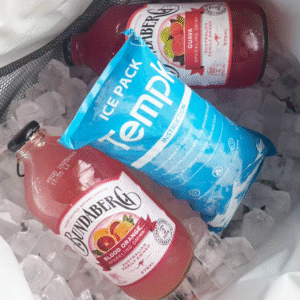
How biodegradable dry ice blocks keep fish ultra cold without leaks? – using long lasting sublimation and biodegradable casings.
What materials make a biodegradable dry ice block for fish eco friendly? – plant based films, compostable resins, recycled CO₂ and breathable vent designs.
How to select, activate and pack a biodegradable dry ice block for fish shipments? – step by step instructions, sizing rules and safety tips.
ماذا 2025 innovations are changing fish packaging? – biodegradable sensors, مراقبة إنترنت الأشياء, hybrid PCM systems and regulatory trends.
Why these blocks align with sustainability goals and consumer expectations? – benefits for carbon footprint reduction, cost savings and compliance.
How Does a Biodegradable Dry Ice Block Keep Fish Ultra Cold and Dry?
It works by combining dry ice’s ultra low temperature with a biodegradable casing. يتصاعد الثلج الجاف مباشرة من ثاني أكسيد الكربون الصلب إلى الغاز عند -78.5 درجة مئوية, استيعاب 571 kJ of heat per kilogram and leaving no water behind. A biodegradable dry ice block for fish encases these pellets within a paper, cellulose or plant based polymer film that breaks down naturally. This design ensures fish stay frozen for 24–72 hours without moisture that could compromise texture or safety. The vents built into the casing allow CO₂ gas to escape, preventing pressure build up and satisfying hazardous material regulations.
شرح متعمق: على عكس عبوات الجل التي تذوب عند 0 درجة مئوية وإطلاق الماء, a biodegradable dry ice block for fish maintains sub zero temperatures throughout the shipment. Each block contains cells filled with solid CO₂ that sublimate, drawing heat away from fish fillets while generating dry CO₂ gas. The outer casing uses biodegradable films—often derived from paper pulp, cellulose acetate or compostable polymers—that degrade naturally after use. This eliminates microplastics and reduces landfill waste. Ventilation channels or perforations ensure the CO₂ gas does not build up inside the packaging, which could otherwise cause swelling or ruptures. مع العزل المناسب, these blocks maintain fish at or below −20 °C for two to three days, يتفوق على عبوات الثلج والجل التقليدية.
Selecting the Right Biodegradable Dry Ice Block Size
Choosing the correct block size is essential for maintaining temperature without waste. A general rule is to match the weight of dry ice to the weight of the fish product; على سبيل المثال, 1 kg of fish requires roughly 1 kg of dry ice to stay frozen for 24 ساعات. Thicker blocks (18 mm or 24 مم) توفير فترات تبريد أطول, حتى 48 أو 72 ساعات على التوالي. Always pre chill your container and fish to reduce initial thermal load, and use vented, insulated containers to slow sublimation. A table below summarizes block thickness and appropriate shipment duration.
| Block Thickness | مدة نموذجية | أفضل حالة استخدام | فائدة عملية |
| 12 مم | حتى 24 ساعات | Overnight fish deliveries or short haul shipments | خفيف الوزن, less CO₂ required |
| 18 مم | تقريبًا 48 ساعات | Domestic exports and longer regional routes | Balances weight and duration |
| 24 مم | حتى 72 ساعات | International seafood shipments or remote destinations | Maximum frozen time, يقلل من التلف |
Practical Tips and Safety Guidelines
هيدرات وتجميد بشكل صحيح: For sheet style biodegradable blocks, immerse the sheet in warm water and massage it until the cells expand, ثم تجميد لمدة على الأقل 24 ساعات. For pre formed blocks, pre chilling and freezing at −20 °C ensures maximum sublimation energy.
حماية نفسك: قم دائمًا بارتداء القفازات والنظارات الواقية المعزولة عند التعامل مع الثلج الجاف لتجنب قضمة الصقيع.
ضمان التهوية: Use vented lids or leave a small gap so CO₂ gas can escape, preventing pressure build up or container rupture.
Pre chill and insulate: Chilling fish and the container before packing reduces sublimation rate. Insulated foam, vacuum panels or reflective liners cut sublimation loss to 3 % يوميا.
اتبع اللوائح: قم بتسمية العبوات بـ "الثلج الجاف" أو "ثاني أكسيد الكربون"., صلب,"تشمل الوزن الصافي والأمم المتحدة 1845 شفرة, and comply with IATA and DOT quantity limits.
التخلص بمسؤولية: بعد التسليم, allow remaining dry ice to sublimate in a well ventilated area. Recycle or compost the biodegradable film according to local guidelines.
حالة حقيقية: A seafood exporter in the Pacific Northwest installed a CO₂ capture unit at a nearby brewery to produce dry ice locally. By coupling locally sourced dry ice blocks with biodegradable casings and upgraded insulation, the company maintained fish at −30 °C for 60 hours while cutting dry ice usage by 30 %. This approach reduced emissions and improved cost efficiency.
What Makes Biodegradable Dry Ice Blocks Eco Friendly?
They use plant based materials and repurposed CO₂ to eliminate plastic waste. The outer layer of a biodegradable dry ice block for fish often consists of paper, cellulose or compostable polymers that decompose naturally. Some manufacturers use biodegradable grades of expandable polystyrene (EPS) that degrade 92 % in four years in wet landfill conditions. The CO₂ inside comes from industrial processes such as bioethanol or ammonia plants, converting waste gas into refrigerant. معاً, these innovations reduce reliance on virgin plastics, lower greenhouse gas emissions and support circular economy goals.
التفسير الموسع: Traditional fish packaging relies on rigid foam coolers and gel packs made from petroleum based plastics that persist for centuries. في المقابل, biodegradable dry ice blocks use renewable or recyclable materials. Biodegradable films made from cellulose or PLA (حمض بولييلاكتيك) provide barrier protection while breaking down into harmless compounds over time. Some producers employ biodegradable EPS resin that microbes can digest in active landfills, reducing long term environmental impact. These blocks often incorporate plant based coatings that slow sublimation and reduce frost buildup, تحسين الأداء. By sourcing CO₂ from renewable feedstocks or waste capture, manufacturers further cut carbon footprints.
Environmental Benefits and Cost Advantages
Biodegradable dry ice blocks offer multiple environmental and economic benefits:
تقليل النفايات البلاستيكية: The biodegradable casing eliminates plastic liners and microplastics that harm oceans.
إعادة توجيه ثاني أكسيد الكربون: Dry ice production often uses CO₂ captured from fermentation or ammonia plants, turning industrial emissions into a useful refrigerant.
Water conservation: على عكس حزم الهلام, dry ice production requires little water, preserving resources.
Lower carbon emissions: Locally sourcing CO₂ and reducing dry ice quantity through hybrid systems can cut emissions by 30 %.
وفورات في التكاليف: Lightweight biodegradable blocks reduce dimensional weight and shipping costs. Reusable or compostable versions decrease reorder frequency and waste management fees.
تحسين تصور العلامة التجارية: Consumers increasingly value sustainable packaging; using biodegradable dry ice signals environmental responsibility.
| فائدة | البيانات/الوصف | المعنى العملي |
| Plastic waste reduction | Biodegradable casings replace petroleum based plastics, التخلص من التلوث الدقيق | Protects oceans and aligns with consumer expectations |
| إعادة توجيه ثاني أكسيد الكربون | CO₂ sourced from industrial waste streams lowers reliance on fossil fuels | يقلل من البصمة الكربونية, qualifies for CO₂ neutral certifications |
| Water conservation | Dry ice production uses minimal water compared to gel packs | Saves resources and prevents water waste |
| كفاءة التكلفة | Lightweight design and reusability cut shipping and waste management costs | Improves profitability and supply chain efficiency |
| Consumer appeal | 43 % of consumers consider packaging sustainability when purchasing seafood | Enhances brand loyalty and meets regulatory requirements |
السيناريوهات والتوصيات العملية
تصدير المأكولات البحرية المجمدة: Use biodegradable dry ice blocks with thick insulation for long haul shipments. Blocks maintain fish at −50 °C for 48 hours and appeal to eco conscious buyers.
Domestic fish delivery: For regional markets, combine medium thickness blocks with PCMs for extended cooling and cost savings.
مجموعات وجبة التجارة الإلكترونية: Offer subscription boxes with smaller biodegradable blocks for frozen components; pair them with wool liners for chilled items.
دراسة حالة: A fishery shipping tuna internationally switched to biodegradable dry ice blocks and paper based films. The fish arrived at −50 °C for 48 ساعات, and customers appreciated the plastic free packaging. This transition also reduced the fishery’s packaging waste by 40 % في غضون عام.
How to Select, Activate and Pack a Biodegradable Dry Ice Block for Fish Shipments
Follow a step by step process for optimal cooling and safety. The preparation and packing of a biodegradable dry ice block for fish are critical to achieving long lasting freezing. أولاً, match the block’s weight to the fish weight (1:1 نسبة) and choose thickness based on transit time. التالي, hydrate the polymer cells (for sheet style blocks) and freeze them until they reach at least −20 °C. Pre chill the fish and container to reduce thermal load. عند التعبئة, place the block around or on top of the fish, leaving space for CO₂ gas to vent. أخيراً, label the package with the dry ice weight and UN 1845 شفرة, and use vented, حاويات معزولة.
التوجيه الموسع: The success of a biodegradable dry ice block for fish depends on proper hydration (إن أمكن) والتجميد. Hydration activates the super absorbent polymer cells and improves flexibility. Freezing at the lowest possible temperature increases the energy stored in the block. Pre chilling fish reduces the initial heat load and extends the block’s cooling duration. عند التعبئة, place the block or sheet with the fabric or biodegradable side facing the product to prevent direct contact with extreme cold and to absorb moisture. Ensure ventilation channels are unobstructed to allow CO₂ escape, preventing container rupture. للشحنات متعددة الأيام, layer blocks above and below the fish or combine them with phase change materials (PCMS) to buffer temperature swings.
Step By Step Table
| خطوة | فعل | لماذا يهم | حصيلة |
| 1 | Determine required duration and weight | Align block size with shipment time (12 ملم ل 24 ح, 18 ملم ل 48 ح, 24 ملم ل 72 ح) and match CO₂ weight to fish weight | Ensures sufficient cooling without waste |
| 2 | Hydrate polymer cells (if using sheets) | Activates absorbent cells, enhancing flexibility and sublimation control | Prevents cracking and improves block contact |
| 3 | Freeze fully at ≤ −20 °C | Maximizes energy storage and sublimation capacity | Provides longer cooling duration |
| 4 | Pre chill fish and container | Reduces initial thermal load | Extends block’s performance and limits sublimation loss |
| 5 | Pack with vent space | Position block around or above fish; leave ventilation pathways for CO₂ gas | Avoids pressure build up and ensures even cooling |
| 6 | التسمية والامتثال | ضع علامة "الثلج الجاف".,” net weight and UN 1845; اتبع قواعد IATA/DOT | Ensures legal compliance and safety |
Helpful Tips and Advice
Use hybrid systems: Combining biodegradable dry ice blocks with PCMs can reduce dry ice consumption by 40 % and extend shipping windows.
ترقية العزل: Vacuum insulation panels and reflective liners cut sublimation loss from 8 % ل 3 % يوميا.
مراقبة درجة الحرارة: Integrate low power sensors or data loggers to track temperature and location; alerts allow corrective action when excursions occur.
تثقيف المتلقين: توفير تعليمات للتعامل الآمن والتخلص منها; encourage consumers to compost or recycle the casing.
Test pack out: Conduct small trial shipments to fine tune block thickness and insulation; adjust based on real world temperature data.
مثال: A meal kit company shipping regional seafood used 18 mm biodegradable blocks for frozen fish and wool liners for chilled vegetables. Sensors revealed that CO₂ levels remained safe and fish stayed below −20 °C for 36 ساعات. Customer complaints about soggy packaging dropped significantly, and the company saved 20 % on refrigerant costs by using hybrid cooling systems.
2025 Innovations and Trends in Biodegradable Dry Ice for Seafood
نظرة عامة على الاتجاه
The cold chain industry is experiencing rapid innovation. في 2025, biodegradable sensors and smart packaging are moving from prototypes to commercial products. Flexible sensors printed on molded fiber trays or PLA films monitor oxygen, ثاني أكسيد الكربون والرطوبة, extending fish shelf life from seven to fourteen days. Active layers infused with natural extracts like green tea and silver nanoparticles are integrated into biodegradable trays to slow microbial growth. Regulations such as the EU Packaging and Packaging Waste Regulation (ص) require all food packaging to be reusable or recyclable by 2030 and mandate digital IDs for traceability. في أمريكا الشمالية, laws prohibit hazardous substances in food packaging and require traceability records for high risk foods.
آخر تقدم في لمحة
أجهزة استشعار قابلة للتحلل: Researchers developed stretchable, battery free sensor systems that monitor gas changes in fish packaging and double shelf life.
Active antimicrobial layers: Incorporating oxygen scavengers and anti fungal compounds into biodegradable trays reduces spoilage for high risk foods like seafood.
IoT enabled dry ice packs: Low power sensors embedded in blocks transmit temperature and location data, enabling real time tracking and regulatory compliance.
Hybrid PCM systems: Combining dry ice with phase change materials stabilizes temperature and reduces total dry ice use.
مصادر ثاني أكسيد الكربون المستدامة: CO₂ captured from biogas plants replaces fossil derived carbon, lowering the carbon footprint of dry ice production.
رؤى السوق واتجاهات المستهلك
Market data reveals growing demand for sustainable packaging. Biodegradable dry ice blocks and sheets are moving from pilot trials to mainstream adoption. Analysts project the global dry ice and alternative refrigerant market to grow from USD 1.54 مليار في 2024 إلى USD 2.73 مليار من قبل 2032. At least twelve U.S. states and two territories have enacted bans on expanded polystyrene foam (EPS) by mid 2025, prompting companies to adopt biodegradable alternatives. Consumer surveys show that nearly half of U.S. buyers are extremely concerned about packaging waste. Certifications from the Biodegradable Products Institute (BPI) and Forest Stewardship Council (FSC) help identify truly sustainable packaging. Businesses that embrace biodegradable dry ice blocks can differentiate themselves and capture eco conscious consumers.
الأسئلة المتداولة
س 1: How long does a biodegradable dry ice block for fish last?
A properly sized block maintains ultra cold temperatures for 24–72 hours, اعتمادا على سمك والعزل. يختار 12 mm for overnight deliveries, 18 mm for 48 hour trips, و 24 mm for 72 hour shipments.
Q2: Can biodegradable dry ice blocks be reused?
لا. بمجرد تسامي الجليد الجاف, the cooling capacity is gone. لكن, the biodegradable casing can be composted or recycled according to local guidelines, تقليل النفايات.
س 3: Are biodegradable dry ice blocks safe for air transport?
نعم, but they are regulated as Class 9 المواد الخطرة. Packages must display the “Dry Ice” or “Carbon Dioxide, التسمية الصلبة, و 1845 identification and net weight. Ventilation and weight limits must be respected.
س 4: What’s the difference between biodegradable dry ice blocks and gel packs?
Dry ice blocks provide extreme cold (−78.5 °C to −20 °C) for 24–72 hours and leave no moisture. Gel packs maintain 0–5 °C for 12–48 hours, melt into water and are easier to handle but produce plastic waste.
س 5: How do I know if packaging is truly biodegradable?
Look for certifications from the Biodegradable Products Institute (BPI) or the Forest Stewardship Council (FSC). Check whether the outer film and fillers meet compostability standards such as EN 13432 أو ASTM D6400.
ملخص وتوصيات
Biodegradable dry ice blocks for fish deliver ultra cold temperatures while reducing plastic waste. They use plant based films or biodegradable EPS resin and repurposed CO₂, offering moisture free cooling for up to 72 ساعات. By matching block thickness to transit time and following proper hydration, freezing and packing steps, you can ensure fish arrive frozen and safe. رفع مستوى العزل, integrating sensors and exploring hybrid PCM systems further enhance performance and sustainability. As regulations tighten and consumers demand greener packaging, adopting biodegradable dry ice blocks positions your business at the forefront of sustainable seafood logistics.
الخطوات التالية القابلة للتنفيذ
تقييم احتياجات الشحن الخاصة بك: Determine typical transit times and fish weight. Use the sizing table to select appropriate block thickness and quantity.
Invest in sustainable supplies: Source biodegradable dry ice blocks from suppliers that use renewable CO₂ and certified compostable films.
ترقية العزل: Switch to vacuum panels or recyclable foam to reduce sublimation and weight.
دمج المراقبة: Adopt IoT sensors and digital platforms to track temperature and optimize logistics.
تثقيف فريقك والعملاء: Provide clear handling, ventilation and disposal instructions. Highlight certifications and sustainability benefits to build trust.
حول Tempk
Tempk is a leader in cold chain solutions with a focus on sustainability and innovation. Our team combines industry expertise with cutting edge technology to deliver eco friendly refrigerants, including biodegradable dry ice blocks, flexible sheets and hybrid PCM systems. We source CO₂ responsibly and design packaging that meets global safety and environmental standards. Partnering with Tempk means access to knowledgeable consultants, high performance products and a commitment to reducing carbon footprints.
دعوة إلى العمل: Ready to enhance your fish shipping sustainability? Contact Tempk for a personalized consultation on biodegradable dry ice blocks and other cold chain solutions.