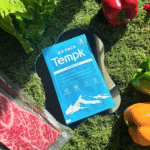
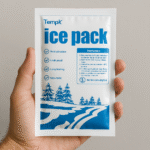
يعد نقل وتقديم الأطعمة القابلة للتلف أمرًا صعبًا عندما لا يمكنك الاعتماد على الثلاجة. أ catering dry ice pack solves this problem by delivering ultra cold temperatures without messy meltwater. Within the first sentences you learn that dry ice sublimates directly from solid to gas, reaching −78.5 °C, which keeps frozen goods intact for up to 48 ساعات. This guide explains how these flexible dry ice sheets work, why they are ideal for catering services, وكيفية الحجم, pack and handle them safely.
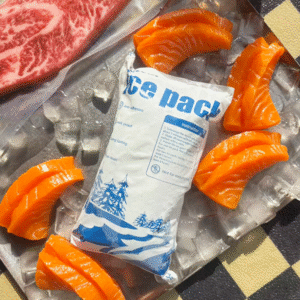
What makes catering dry ice packs different from regular ice or gel packs? سوف تتعلم عن التسامي, ultra low temperatures and why they prevent soggy packaging.
How do you choose the right size and quantity? We provide simple formulas based on event duration and food type.
What are the best practices for packing and handling? Follow step by step guidelines to keep your food safe and your staff protected.
Which foods benefit most from dry ice sheets? Explore case based recommendations for frozen meats, seafood and dairy.
What new innovations are emerging in 2025? Discover smart logistics, sustainable packaging and automation trends.
Why are catering dry ice packs ideal for catering services?
Ultra low temperatures and dry cooling: Catering dry ice sheets are flexible multi cell blankets filled with high purity carbon dioxide. When the carbon dioxide sublimates (يتغير مباشرة من الصلب إلى الغاز), it absorbs heat without creating liquid water. This process maintains temperatures as low as −78.5 °C (-109.3 درجة فهرنهايت), ensuring that frozen foods, such as ice cream or seafood, stay well below freezing throughout transport. على عكس حزم الجليد أو الهلام التقليدية, الجليد الجاف لا يذوب في الماء, so there is no risk of soggy packaging or water damage.
مدة التبريد الممتدة: A single dry ice sheet can provide cooling for 24-48 ساعة, whereas gel packs typically last only 6–12 hours. For multi day events or long distance deliveries, this extended cooling duration prevents last minute temperature spikes and reduces the need to restock cooling agents mid event. Caterers often use the sheets inside insulated containers so the ultra cold environment persists until service time.
Cost efficiency and sustainability: At first glance dry ice may appear more expensive, but preserving food quality reduces spoilage and waste, تعويض التكلفة. Dry ice is produced from captured carbon dioxide emissions, making it a more sustainable option than using synthetic refrigerants. بالإضافة إلى ذلك, flexible dry ice sheets conform to trays and coolers, meaning you can use fewer packs than rigid bricks or gel packs while still maintaining the desired temperature.
Improved reliability: لأن الثلج الجاف يتسامى بدلا من أن يذوب, it maintains a consistent low temperature throughout its useful life, giving caterers peace of mind. The multi cell blanket design covers the entire surface of food trays or boxes, distributing the cold evenly and preventing warm pockets that could compromise food safety.
The science behind dry ice: sublimation and ultra cold performance
How sublimation works: When dry ice warms up, it transitions directly from a solid to carbon dioxide gas, absorbing latent heat in the process. This is different from melting ice, which first becomes liquid. The sublimation process creates no liquid residue, so your packaging stays dry and food doesn’t become watery.
Comparing temperatures: Regular ice melts at 0 درجة مئوية (32 ° f), while dry ice maintains temperatures around −78.5 °C (-109.3 درجة فهرنهايت). The extremely low temperature means dry ice can keep goods frozen rather than merely chilled. Gel packs generally keep food near freezing (-21 درجة مئوية). Choosing between these options depends on whether you need your food chilled or completely frozen.
Dry ice versus regular ice: الاختلافات الرئيسية
| ملكية | حزمة الثلج الجاف للضيافة | Regular ice pack | ماذا يعني لك |
| درجة حرارة | -78.5 درجة مئوية (-109.3 درجة فهرنهايت) | 0 درجة مئوية (32 ° f) | الثلج الجاف أكثر برودة بكثير, which keeps frozen items solid. |
| تغيير المرحلة | يتسامى إلى غاز ثاني أكسيد الكربون | يذوب في الماء السائل | Sublimation avoids puddles or soggy packaging. |
| مدة التبريد | حتى 48 ساعات | 1-ساعاتين | Dry ice provides longer cooling, important for multi day events. |
| فوضى | لا المياه الذائبة | Leaves water puddles | Cleanup is easier with dry ice. |
These differences show why catering dry ice packs are invaluable for events: they offer significantly longer cooling, maintain lower temperatures, and avoid messy runoff.
Additional benefits and use cases
Besides the performance advantages listed above, dry ice adds a dramatic visual effect when exposed to warm water, producing a low lying fog that can enhance a party’s atmosphere. This makes dry ice packs a unique choice for special events such as weddings, Halloween parties or product launches where presentation matters as much as function.
Choosing the right size and quantity of dry ice sheets
Sizing your dry ice correctly is crucial to ensure food safety and avoid unnecessary waste. The amount of dry ice you need depends on the volume of food, the insulation quality of your container, and the duration of your event. Here’s a straightforward rule of thumb drawn from cold chain logistics guidelines:
Small shipments or short events (على سبيل المثال, أطباق المأكولات البحرية): خطة على 1–2 pounds (0.5-1 كجم) من الجليد الجاف لكل 24 ساعات. This keeps small quantities frozen for a full day without excessive sublimation. For a three hour reception, you can use less, but always round up to avoid temperature spikes.
Larger shipments or multi day events (على سبيل المثال, weddings or festival catering): تخصيص 5– 10 جنيه (2-5 كجم) من الجليد الجاف لكل 24 ساعات. The upper range is essential for bulky items like meat roasts or whole salmon that require deep cooling.
شحنات مميزة: pharmaceutical or biotech products often need 5–10 pounds per 24 hours due to stringent temperature requirements. لكن, for catering purposes, consider whether the product needs to remain frozen or simply chilled.
When calculating quantity, always account for ambient temperature and container insulation. Hot climates and poor insulation accelerate sublimation and require more dry ice. على العكس من ذلك, high quality insulated boxes or coolers reduce the amount needed.
طاولة: dry ice weight guidelines for catering events
| نوع الحدث | الأطعمة سبيل المثال | مدة | أوصى الثلج الجاف لكل 24 ح | ملحوظات |
| استقبال كوكتيل | كوكتيلات الروبيان, ألواح الجبن | 3-6 ساعات | 0.5-1 رطل | Use small sheets placed around trays; pre chill food. |
| عشاء الزفاف | شرائح اللحم, أطباق المأكولات البحرية, الحلويات | 6-12 ساعة | 2–5 lbs | قم بدمج صفائح الثلج الجاف مع عبوات الجل للسلطات والحلويات. |
| مهرجان في الهواء الطلق | لحوم مشوية, قضبان الآيس كريم | 12-24 ساعة | 5-10 رطل | استخدم مبردات معزولة; layer dry ice at bottom and between trays. |
| حدث متعدد الأيام | Meal prep for tours or multi day conferences | 24-48 ساعة | 10-15 رطلا | Use multiple layers of dry ice and monitor with a temperature sensor. |
These guidelines give you a starting point. For extra peace of mind, اعتبر أ dry ice weight calculator: an interactive tool that asks you about container size, درجة الحرارة المطلوبة ومدة الحدث, then suggests the number of sheets needed. Implementing this on your website encourages user engagement and reduces guesswork.
Best practices for packing and handling catering dry ice packs
Packing dry ice correctly ensures maximum cooling efficiency and protects handlers from harm. Below is a step by step approach drawn from cold chain best practices:
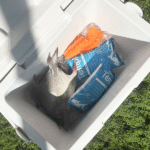
Prepare your container: Use an insulated cooler or shipping box with a tight sealing lid. Pre chill the container by placing it in a freezer or adding reusable gel packs for an hour beforehand. كلما كان العزل أفضل, كلما قلت كمية الثلج الجاف الذي ستحتاجه.
Layer at the bottom: Place a layer of cardboard or corrugated plastic at the bottom of the container to prevent the extreme cold from directly touching food packages. Then arrange your dry ice sheets evenly across the bottom.
Add food and separation layers: Stack your food containers on top of the dry ice. Use additional layers of cardboard or foam between food and ice to allow for controlled cooling and easy unpacking. Keep perishable items like meats and seafood closest to the ice, and more resilient items (على سبيل المثال, خضروات) slightly higher.
ملء الفراغات: Avoid empty spaces by adding packing materials such as crumpled paper or reusable foam blocks. A tight pack slows down sublimation and maintains a uniform temperature.
التهوية أمر بالغ الأهمية: يطلق الثلج الجاف غاز ثاني أكسيد الكربون أثناء تساميه, والتي يمكن أن تزيد الضغط في حاوية محكمة الإغلاق. Always ensure your cooler has a vent or crack open the lid slightly. Never seal dry ice in a completely airtight container.
Label appropriately: Mark your container with “Dry Ice (و 1845)” and the net weight of dry ice inside. This is not only required for transportation but also alerts staff to handle the package carefully.
تعامل بعناية: Always wear insulated gloves when touching dry ice. Use tongs or a scoop to move sheets. الاتصال المباشر بالجلد يمكن أن يسبب قضمة الصقيع.
مراقبة درجة الحرارة: Use temperature monitoring devices such as Bluetooth or NFC enabled sensors so you can track the internal conditions of your cooler in real time. This ensures compliance with food safety standards and offers reassurance to clients.
من خلال اتباع هذه الخطوات, you minimize the risks of CO₂ buildup, frostbite and food spoilage. Incorporating a short training video or interactive quiz on your website can further engage readers and reduce accidents.
Foods that benefit most from catering dry ice sheets
Not all menu items require the same degree of cooling. The following categories particularly benefit from dry ice:
الأطعمة المجمدة: Products such as ice cream, frozen meats and poultry must remain at sub zero temperatures to prevent thawing. Dry ice ensures they stay solid until consumption.
المأكولات البحرية: Shellfish and fish are highly sensitive to temperature changes. Even slight thawing can affect quality and safety. Dry ice prevents thawing and bacterial growth.
منتجات الألبان: جبن, milk and cream require consistent refrigeration. Dry ice helps maintain quality during extended transport.
Hybrid use for less sensitive items: للفواكه, salads or baked goods that only need chilling, قد تكون عبوات الجل كافية. A hybrid approach—using dry ice for frozen meats and gel packs for delicate desserts—optimizes cost and ensures each item is kept at its ideal temperature.
The key takeaway is to match the cooling method to each food’s sensitivity. This not only reduces waste but also demonstrates professionalism to your clients.
Combining dry ice with other cooling methods
Although dry ice is powerful, pairing it with other cooling agents can provide a tailored solution for diverse menus. على سبيل المثال:
الجليد الجاف + حزم هلام: Use dry ice for frozen meats and gel packs for salads or fruit platters. This hybrid technique prevents over cooling items that only need to be chilled and can reduce your overall dry ice consumption.
الجليد الجاف + جليد الماء: In rare cases where humidity is desirable (على سبيل المثال, keeping vegetables crisp), you might incorporate minimal amounts of regular ice above the dry ice. لكن, be careful not to trap moisture around products.
نهج الطبقات: ضع الثلج الجاف في الأسفل, then a divider, then gel or water ice. This approach allows each layer to serve its unique purpose without interfering with the other.
Hybrid cooling not only optimizes cost but also demonstrates a tailored approach to catering client needs. To help readers determine which combination suits their event, consider offering a simple quiz that asks about menu items and then recommends a cooling mix.
2025 trends shaping catering and cold chain logistics
Staying ahead of industry trends helps caterers improve service quality and sustainability. التطورات الرئيسية ل 2025 يشمل:
Smart logistics and temperature monitoring: Real time sensors and IoT devices allow caterers to monitor temperature throughout transport. These systems send alerts if temperatures drift out of range, ضمان اتخاذ إجراءات تصحيحية فورية.
التغليف المستدام: There’s increasing adoption of biodegradable and recyclable materials to complement dry ice cooling. Using recyclable insulation and reusable containers reduces environmental impact.
الأتمتة في الخدمات اللوجستية لسلسلة التبريد: Automated packaging lines and robotic handling reduce labor costs and errors. لمقدمي الطعام, this means faster preparation and more consistent packing.
إنتاج الثلج الجاف الصديق للبيئة: Dry ice is created from captured CO₂ that would otherwise be released into the atmosphere. Innovations in carbon capture and storage make dry ice even more sustainable, aligning with corporate social responsibility goals.
By adopting these trends, caterers can distinguish themselves in a competitive market. Highlight your use of sustainable dry ice and monitoring technology in your marketing materials to appeal to eco conscious clients.
اعتبارات السلامة: handling dry ice responsibly
يعتبر الثلج الجاف آمنًا عند التعامل معه بشكل صحيح, but it poses hazards if misused. Follow these safety guidelines:
تهوية: Always allow CO₂ gas to escape. لا تقم أبدًا بتخزين الثلج الجاف في حاويات مغلقة. Leave a small gap in the cooler lid or use containers with built in vents.
معدات الحماية الشخصية: Wear insulated gloves or tongs when handling dry ice to prevent frostbite.
Labeling and signage: ضع علامة على العبوات بـ "الثلج الجاف". (و 1845)” and the net weight to comply with regulations and alert handlers.
يُحفظ بعيدًا عن الأطفال والحيوانات الأليفة: Dry ice is extremely cold and can cause injury if touched. Store it out of reach and avoid leaving it unattended.
تصرف: Let remaining dry ice sublimate in a well ventilated outdoor area. Do not pour it down drains or into enclosed spaces, as the gas can displace oxygen and create a suffocation hazard.
Transportation rules: Airlines often limit passengers to 2.5 كجم (5.5 رطل) of dry ice in checked baggage, while cargo shipments can allow greater amounts when labeled properly. Always check local regulations before shipping.
Incorporating a printable safety checklist or short training module on your site encourages safe practices and demonstrates commitment to employee welfare.
Frequently asked questions about catering dry ice packs
- How long do catering dry ice sheets last?
Properly packed sheets typically last between 24 و 48 ساعات. Duration depends on insulation quality, ambient temperature and the amount of dry ice used. - Are dry ice packs suitable for all types of food?
Dry ice is ideal for frozen foods, seafood and dairy. For items that only need chilling (على سبيل المثال, fruits and salads), combine dry ice with gel packs or use gel packs alone to avoid over freezing. - Can I reuse catering dry ice sheets?
Unlike gel-based packs, dry ice itself sublimates and cannot be reused. لكن, some dry ice sheet products use a superabsorbent polymer core that can be rehydrated and refrozen multiple times. Check the manufacturer’s instructions. - كيف أتخلص من بقايا الثلج الجاف بطريقة آمنة؟?
Allow dry ice to sublimate in a ventilated area. Do not throw it in the trash or pour it down drains. Avoid enclosed spaces where CO₂ could accumulate. - Can I transport dry ice on a plane?
نعم, but passenger baggage is usually limited to 2.5 كجم (5.5 رطل)من الجليد الجاف, ويجب تنفيس العبوة ووضع علامة عليها. لرحلات الشحن, حتى 200 kg may be permitted under proper labeling and training. Check airline guidelines before traveling.
ملخص وتوصيات
في ملخص, catering dry ice packs provide the ultra cold, moisture free environment needed to keep food fresh and safe for hours or days. They maintain temperatures as low as −78.5 °C, last 24–48 hours, and prevent water damage, making them superior to regular ice and gel packs for many catering applications. لاستخدامها بفعالية:
Match the amount of dry ice to your event’s duration and menu, using 1–2 lbs per day for small trays and up to 10 lbs for large or multi day events.
Follow packing best practices—layer dry ice with protective barriers, ملء الفراغات, and vent your containers.
Combine dry ice with gel packs when appropriate to tailor the cooling for each menu item.
Adopt smart monitoring and sustainable packaging trends to stay competitive.
By implementing these guidelines, caterers can deliver food that is both delicious and safe, while reducing waste and cost.
خطة العمل
Estimate your needs: Use the dry ice weight guidelines to calculate how much dry ice you need. Consider building a simple online calculator for your clients to use when ordering.
تدريب موظفيك: Provide hands on training about safe handling and packing procedures. Encourage them to use gloves and to never seal dry ice in airtight containers.
ترقية التعبئة والتغليف الخاصة بك: Invest in high quality insulated containers and consider adding IoT sensors for temperature monitoring.
تعزيز الاستدامة: Highlight your use of recyclable packaging and carbon captured dry ice in marketing materials to attract eco conscious customers.
ابق على اطلاع: Monitor emerging cold chain technologies, such as automated packing lines and biodegradable insulation, and adopt them when feasible.
حول Tempk
نحن تيمبك, an industry leader in cold chain logistics solutions. Our dry ice products, insulated packaging and smart monitoring systems help businesses transport temperature sensitive goods safely and efficiently. مع التركيز على الابتكار والاستدامة, we continuously develop eco friendly packaging materials and carbon capture based dry ice production. Whether you’re a caterer, pharmaceutical company or biotech firm, we provide tailored solutions that ensure your products arrive in perfect condition.
دعوة إلى العمل: Contact us today for a customized consultation on integrating catering dry ice packs into your operations. سيساعدك فريقنا في اختيار المنتجات المناسبة, calculate quantities and implement best practices so that you can deliver exceptional service.