كيفية اختيار حزمة الثلج الجاف الموزع لشركة الجبن اللوجستية
لا تحتاج شحنة الجبن إلى أبرد سائل تبريد متاح. انها تحتاج الى مستقرة, بيئة قابلة للتكرار تتوافق مع مواصفات المنتج دون تجميد المنتج, ترطيب عبوته, أو خلق مخاطر التعامل التي يمكن تجنبها. يجب أن يوجه هذا المبدأ أي بحث عن موزع حزمة الثلج الجاف للخدمات اللوجستية الجبن. أولا توضيح الاسم: الثلج الجاف الحقيقي هو ثاني أكسيد الكربون الصلب, في حين أن "عبوة الثلج الجاف" الهيدراتية عبارة عن صفيحة منشطة بالماء يتم تجميدها مثل مبرد آخر قابل لإعادة الاستخدام. ثم قم بتقييم الجبن, طريق, العزل, وضع الحزمة, موقع التشغيل, وضوابط الموردين معًا. الحزمة الكاملة, ليست الحزمة ذات العلامات التجارية, يحدد النتيجة.
اكتب ملخصًا عن الجبن والطريق
ابدأ بالجبن. سجل النمط, مستوى الرطوبة أو وصف التركيبة ذات الصلة, حالة القشرة والنضج, تنسيق التعبئة والتغليف, أبعاد القضية, كتلة الحمولة, والقابلية للتجميد, سحق, رائحة, أو التكثيف. يجب أن تكون حالة التخزين والنقل المعتمدة من قبل الشركة المصنعة هي مصدر متطلبات درجة الحرارة. طازج, ناعم, صعب, تمزيقه, ولا ينبغي تخصيص إعداد عالمي واحد للأجبان المعالجة.
تحديد حالة البيع عند الوصول. سلامة الغذاء أمر أساسي, لكن الجودة التجارية تشمل الملمس, سطح, رائحة, حالة التسمية, العمر الافتراضي المتبقي, وعرض البيع بالتجزئة. إن العبوة التي تحمي درجة الحرارة أثناء سحق الأحواض أو نقع الكراتين لا تلبي متطلبات المستخدم.
قم برسم خريطة للمسار من التخزين الخاضع للرقابة إلى ثلاجة المتلقي أو الغرفة الباردة. تضمين وقت التجميع, انطلاق قفص الاتهام, بيك اب الناقل, محاور, مسافة الخط, التفتيش أو الجمارك, الميل الأخير, التسليم غير المراقب, والتفريغ. لاحظ المدة العادية, تأخيرات موثوقة, التعرض الموسمي, وضع الشحن, وأيام الإرسال. قد يتم حل مشكلة عطلة نهاية الأسبوع المتوقعة بشكل أفضل عن طريق الجدولة بدلاً من إضافة مادة التبريد.
إمكانية أصل المستند والوجهة. هل يمكن لموقع التعبئة ترطيب وتجميد الأوراق بشكل ثابت عند ذروة الحجم? هل لديها تخزين حزمة مكيفة نظيفة? هل يمكن للمستلم استرداد المسجل وعزل التسليم المشكوك فيه? يجب أن تكون عملية التغليف قابلة للتنفيذ بواسطة الموقع الأقل تجهيزًا في الشبكة المخطط لها.
اختر المبرد عن طريق وضع الفشل
الثلج الجاف الحقيقي هو ثاني أكسيد الكربون الصلب. يوفر مصدرًا باردًا جدًا ويتحول مباشرة إلى غاز. للجبنة المعدة للبقاء مبردة, يمكن أن يشكل هذا البرد خطرًا خطيرًا عند الحد الأدنى, وخاصة في نقاط الاتصال المباشرة. يتطلب ثاني أكسيد الكربون الصلب أيضًا تهوية, إطلاق الغاز من العبوة, التعامل الوقائي, وضوابط النقل الجوي المعمول بها. يجب أن يتم اختياره فقط عندما تبرر حالة الجبن والنظام المختبر ذلك.
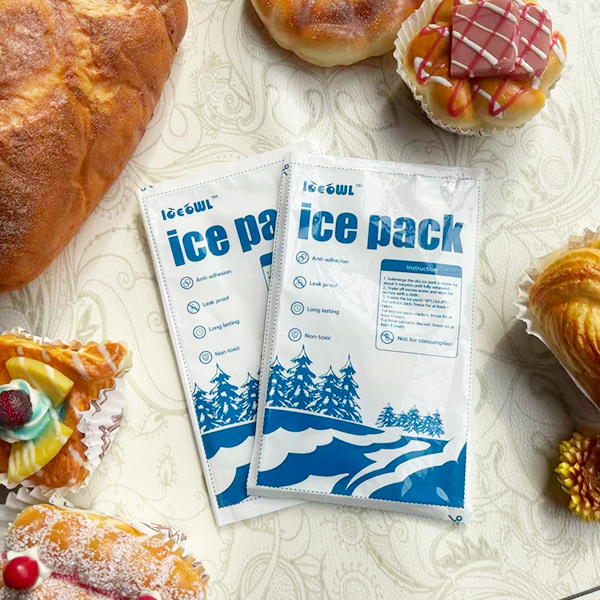
تصل طبقة الهيدرات المنشطة بالماء بشكل مسطح وجاف, يمتص الماء, ويتم تجميده قبل التعبئة والتغليف. يمكن للخلايا المتعددة توزيع الكتلة الحرارية والانحناء حول علب المنتج. قد يكون هذا مفيدًا لهندسة الطرود وتخزين ما قبل الاستخدام, لكن التنشيط والتكييف يقدمان اختلافًا في العملية. كلمة "الثلج الجاف" في الاسم التجاري لا تنتج ثاني أكسيد الكربون, تحديد وقت الانتظار, أو إثبات صلاحية الغذاء.
مملوءة مسبقًا حزم هلام تقليل خطوات التنشيط, بينما جامدة طوب الجليد تقديم هندسة ثابتة. يمكن لمواد تغيير الطور المصممة لهذا الغرض أن تستهدف منطقة انتقالية محددة. كل تنسيق يتاجر بالتخزين, تَعَب, مساحة الحمولة, منطقة الاتصال, تسرب, ومتطلبات التكييف. قارنها بالفشل المحتمل:
| الفشل المحتمل | استجابة التصميم للفحص | الأدلة المطلوبة |
|---|---|---|
| يسخن الجبن في زاوية الغطاء | وصلة عزل أفضل أو سائل تبريد مُعاد توزيعه | خريطة درجة الحرارة تحت ملف تعريف محيط مبرر |
| يتجمد المنتج بجانب العبوة | حالة سائل التبريد أكثر اعتدالًا, المخزن المؤقت, أو تغير موضعه | بيانات النقطة الباردة باستخدام عبوات الجبن التمثيلية |
| تصبح الملصقات والعلب الكرتونية مبللة | التحكم في التسرب, بطانة, طبقة ماصة, أو خطة التكثيف | تجربة الحزمة من خلال التعبئة والاستلام |
| تتشوه الوحدات الناعمة | علبة الهيكلية وضبط النفس المبرد | فحص المناولة الميكانيكية مع حمولة كاملة |
| تختلف الحزمة حسب العامل | العد أبسط, توجيه, والتعليم البصري | يتم إنشاء الحزمة المتكررة بواسطة المشغلين الروتينيين |
| التأخير يتجاوز الهامش الحراري | تغيير الجدول الزمني, تغيير الطريق, أو الطوارئ المؤهلة | بيانات الطريق والتحدي الممتد الخاضع للتحكم |
تمنع هذه الطريقة التي يقودها الفشل الفريق من التعامل مع كمية سائل التبريد باعتبارها رافعة التصميم الوحيدة. في بعض الأحيان تفاصيل الغطاء, جدول الإرسال, أو يعمل الإدخال الهيكلي على إصلاح المشكلة الحقيقية باستخدام مواد أقل.
هندسة المسافة بين المبرد والجبن
تعبر الحرارة الكرتون الخارجي والعزل من خلال وجوه واسعة, زوايا, المفاصل, والفتحات. يمتص المبرد تلك الطاقة, لكنه يخلق التدرج في الداخل. تكون الأسطح القريبة من العبوة المجمدة أكثر برودة في البداية; تصبح المواقع القريبة من تسرب الحرارة أكثر دفئًا لاحقًا. ويجب أن يظل كلا الطرفين مقبولين.
الاتصال المباشر يزيد من نقل الحرارة الموصلة. للحصول على جبن حساس للتجميد, استخدم جدارًا كرتونيًا مصممًا, فاصل, أو مخزن مؤقت لفصل مادة التبريد عن عبوة البيع بالتجزئة. حدد المادة وموقعها في قائمة المواد. إن الورقة السائبة من الورق المقوى التي أضافتها إحدى شركات التعبئة لا تعادل فاصلًا يمكن التحكم فيه, خاصة عندما تكون الرطوبة قادرة على تليينها.
تعمل مساحة الرأس على تغيير حركة الهواء الداخلي وحجم الحمولة النافعة. قد يؤدي وجود فراغ كبير جدًا إلى السماح لسائل التبريد بالانزلاق أو يتطلب سعة حرارية غير ضرورية. التعبئة الزائدة يمكن أن تسحق الجبن أو تمنع الترتيب المقصود. تطوير أنماط التحميل الثابتة لأحجام الطلبات الشائعة, بما في ذلك الحمولات الأدنى والأعلى التي سيتم تقديمها.
إدارة الرطوبة دون إغلاق مشكلة جديدة في الصندوق. تأكيد سلامة التماس الحزمة, حماية الهياكل المموجة من التسرب, وفكر في التكثيف عندما تلتقي المنتجات الباردة بالهواء الرطب. يمكن للوسادة الماصة أن تلتقط السائل ولكنها قد تغير أيضًا الاتصال الحراري. اختبر ملصقات البيع بالتجزئة الفعلية, منديل, الأكمام, والفواصل لأن مواد العرض يمكن أن تتصرف بشكل مختلف عندما تكون باردة ورطبة.
الجبن شرط مسبق وفقا للعملية المعتمدة. لا ينبغي أن يُتوقع من الحزمة السلبية أن تسحب الحمل الدافئ إلى الأسفل بشكل موحد. قم بتعيين الحد الأقصى لتعرض طاولة التعبئة وتنسيق استرجاع سائل التبريد حتى لا ينتظر أي مكون دون داع.
إثبات التكوين الدقيق
يبدأ التأهيل بفاتورة المواد الخاضعة للرقابة ورسم التعبئة. تحديد الكرتون, العزل, بطانة, نموذج وكمية سائل التبريد, المخزن المؤقت, مقسم, حطام, حمولة الجبن, المسجل, والإغلاق. سجل حالة تحضير الحمولة وكل مبرد. يجب أن يسمح تقرير الاختبار لشخص مدرب آخر بإعادة بناء التكوين.
حدد التحديات المحيطة التي تجيب على سؤال المسار. يمكن استخدام ملفات تعريف ISTA 7E للاختبار والمقارنة الحرارية للطرود. قد تكشف بيانات المسار الفعلية عن المركز المحلي, التعرض عتبة الباب, أو برد الشتاء الذي لا يلتقطه المظهر العام. اشرح أساس كل تحدٍ ولا تقم بتمديد المرور إلى المسارات غير المختبرة تلقائيًا.
ضع أجهزة الاستشعار المعايرة في المواضع الدافئة والباردة المحتملة. يمكن أن يفشل المسبار المركزي فقط في التجمد بجانب العبوة والتدفئة بالقرب من الغطاء. حدد ما إذا كان المستشعر يقيس الهواء, سطح المنتج, أو محاكاة. قم بمراجعة كل موقع مقابل معايير القبول; لا تعتمد على متوسط يخفي فشلًا محليًا.
تقييم الحدود القصوى للحمل الواقعي وتنوع التشغيل. الصندوق الفارغ تقريبًا له كتلة حرارية أقل; صندوق كامل قد يغير تدفق الهواء. يمكن للتعبئة المختلفة أن ترطب, بالُوعَة, المشرق, وإغلاق النظام بشكل مختلف. قم بتجربة الإجراء مع المشغلين الروتينيين وقم بتحديث التعليمات عندما يواجهون الغموض.
يمكن لتجارب الشحن أن تؤكد المناولة والتسليم بعد الاختبار الخاضع للرقابة. قم بقياسها وتوثيق التأخيرات بدلاً من استدعاء إثبات التسليم الهادئ. تظل أدلة التأهيل مرتبطة بالمكونات والعملية المحددة. تغيير في الورقة, العزل, حمولة, المخزن المؤقت, أو الطريق يجب أن يؤدي إلى تقييم موثق و, حيث يتطلب الخطر, اختبارات إضافية.
أدوات اتخاذ القرار مفيدة
تحقق من التفاصيل قبل اختيار التغليف
يمكن أن تساعدك هذه الأدوات السريعة في مقارنة مخاطر المسار, احتياجات التحجيم, خيارات المبرد, وتفاصيل التعبئة والتغليف قبل أن تطلب عرض أسعار.
مرجع المواد العازلة
قارن بين خيارات المواد العازلة لاحتياجات التعبئة والتغليف المختلفة لسلسلة التبريد.
قارن الموادحاسبة علبة الثلج
تقدير كمية عبوات الثلج الهلامي للشحنات المبردة والتخطيط العملي للمسار.
تقدير عبوات الثلجبطانة الصندوق & تحجيم غطاء البليت
تحقق من منطق تحديد حجم بطانة الصندوق وغطاء منصة التحميل لمشاريع التغليف المعزولة.
تقدير الحجمتحويل مطالبات الموزع إلى ضوابط الشراء
يجب أن يطلب طلب عرض الأسعار هوية فنية, ليس مجرد اسم تجاري. حدد ما إذا كان العنصر المعروض هيدرات, هلام, بي سي إم, الجليد الصلب, أو ثاني أكسيد الكربون الصلب. طلب الأبعاد والتفاوتات, تخطيط الخلية أو الحاوية, الكتلة ذات الصلة, مواد, تعليمات التنشيط والتكييف, ظروف التخزين, معايير العيوب البصرية, ترميز الكثير, والتعبئة الكرتون.
قم بمراجعة الوثائق المادية لسيناريو استخدام الغذاء المقصود والوجهة. عادةً ما يبقى سائل التبريد خارج عبوات الجبن المختومة, ولكن تسرب, الطباعة, ولا تزال نظافة السطح مهمة. يجب دعم بيان "درجة الغذاء" في نطاق محدد. لا ينبغي أن يعني إذن الاتصال المباشر في كل مكان.
ربط العينات بأوامر الإنتاج. يجب أن يحدد عرض الأسعار ورمز الشراء نفس المراجعة المستخدمة في الاختبار. اسأل كيف تتغير إلى الفيلم, وسط ماص, نمط الختم, يملأ, أبعاد, موقع, أو يتم إرسال تعليمات التحضير. إنشاء الشيكات الواردة وعملية تقديم الشكاوى التي تلتقط النموذج, كثير, صور, وسجلات التنشيط.
التقييم التجاري يأتي بعد التحكم في التكوين. مناقشة كميات الطلب, عينات, تنبؤ بالمناخ, التعبئة الإنتاج, التخطيط للمهلة الزمنية, والاستمرارية. حساب التكلفة الإجمالية للموقع باستخدام المدخلات المقاسة: سعر الوحدة, الحجم الوارد, عمالة التنشيط, سعة الفريزر, وقت التعبئة, تأثير الصندوق الصادر, خسائر, يعود, والتخلص منها. تجنب النسب المئوية لتوفير التكاليف غير المدعومة.
لإمدادات بديلة, مقارنة السمات الهامة واختبار الأدلة. يمكن لصفحتين من نفس الأبعاد الخارجية امتصاص مياه مختلفة, ينحني بشكل مختلف, أو إنشاء جهة اتصال مختلفة. يجب أن يتطلب الاستبدال في حالات الطوارئ مراجعة فنية وجودة.
تشغيل, يستلم, وتحسين
لحزم الهيدرات, يجب أن تغطي تعليمات العمل التنشيط النظيف, الصرف, تحميل في الثلاجة, استعداد, الفصل, والتفتيش. يمكن أن يؤثر تدفق هواء الفريزر وحجم الدفعة على الاتساق. تسمية المخزون المشروط حسب النموذج والحالة, ورفض التسرب, تلوث, طبقات ضعيفة, أو خلايا غير طبيعية.
يجب أن تكون تعليمات التعبئة مرئية وموجزة. أظهر كل طبقة, اتجاه المبرد, عدد المنتجات, موقف فاصل, موقع المسجل, والإغلاق. قم بتسجيل مراجعة الحزمة وأي معلومات مطلوبة عن الكمية. إذا تم استخدام الثلج الجاف الفعلي, احتفظ بوثائق المناولة والنقل المدربة الخاصة بها متميزة عن أعمال حزمة المبرد العادية.
عند الاستلام, فحص الحالة الخارجية, الرطوبة, ختم, تغليف المنتج, سائل التبريد, وحالة المراقبة. انقل الجبن على الفور إلى مخزنه المحدد. عندما لا يتم استيفاء المعايير, قم بفصل الحمولة واتبع عملية سلامة وجودة الأغذية المعتمدة. إن بقاء العبوة مجمدة يدعم الملاحظة, ليس قرار الافراج.
مراجعة أداء التسليم بشكل دوري. الاتجاه أجهزة الإنذار الدافئة, عيوب الجودة الجانب البارد, تسرب, حزم سحقت, الطرق المتأخرة, وانحرافات التعبئة. قد يشير النمط الموجود بالقرب من إحدى الزوايا إلى وجود جسر حراري. قد يتطلب تلف الملصق المتكرر إدارة الرطوبة. تشير حالات الفشل المتكررة في وقت متأخر من يوم الجمعة إلى الجدولة. قم بإعطاء دليل خاص بالموزع عند الاشتباه في وجود سائل التبريد.
المطالبات البيئية تحتاج إلى حدود كاملة
الحجم الصحيح يمكن أن يقلل من الكرتون, العزل, المبردات, ومساحة فارغة, لكن كل تنسيق تحميل يحتاج إلى تباعد تم اختباره. يمكن لألواح الهيدرات المسطحة أن تقلل من حجم الوارد والمستودعات قبل تنشيطها. هذه خاصية لوجستية ملموسة, ليس دليلاً على انخفاض التأثير البيئي الإجمالي.
المقارنة العادلة تشمل إنتاج المواد, الشحن الداخلي, ماء التنشيط, طاقة التجميد, الوزن الصادر, إعادة الاستخدام الناجح, نقل العودة, تنظيف, ضرر, فقدان المنتج, ونهاية الحياة. استخدم بيانات التشغيل من المسار الفعلي. قد تكون الحزمة القابلة لإعادة الاستخدام من الناحية النظرية خيارًا سيئًا في شبكة المستهلكين المفتوحة ذات العائدات القليلة, في حين أن نفس الحزمة يمكن أن تعمل بشكل جيد في حلقة مراقبة من منتجات الألبان إلى المطعم.
صمم عملية إعادة الاستخدام قبل المطالبة بالمزايا. يعود الحجر الصحي, فحص التسرب والتلوث, تنظيف وفقا لتعليمات المواد, تجفيفها وتخزينها, تجديد لهم, وتعريف التقاعد. قم بإحصاء الاستخدامات الناجحة بدلاً من الدورات الموعودة. للطرق ذات الاستخدام الواحد, ابحث عن أقل المواد التي لا تزال تحمي الجودة الغذائية والتجارية.
يجب أن تعكس مطالبات التخلص وإعادة التدوير البنية التحتية المحلية والبناء الكامل. قد لا تدخل الأفلام متعددة الطبقات والمحتويات الماصة في المجموعة العادية. امنح المستخدمين معلومات مادية دقيقة وتجنب المطالبة الواسعة القابلة لإعادة التدوير وغير المدعومة في الوجهة.
الأسئلة المتداولة
ما الذي يجب على منتج الجبن اختباره أولاً؟?
ابدأ بأحمال التحميل القصوى الأكثر صلة وتحدي المسار الموسمي. قم بتخطيط النقاط الدافئة والباردة باستخدام عبوات البيع بالتجزئة الفعلية, العزل, سائل التبريد, والفواصل. فحص التكثيف أيضًا, تسميات, سحق, والحركة. التمريرة الحرارية التي تلحق الضرر بالعرض التقديمي القابل للبيع ليست تمريرة كاملة. قم بتضمين الحزم الروتينية في التجربة.
هل تتطلب عبوة الثلج الجاف الهيدراتي ملصقات للبضائع الخطرة?
ليس فقط بسبب اسمها. و 1845 ينطبق على ثاني أكسيد الكربون, صلب. تأكيد التكوين الفعلي من المواصفات. إذا كان المبرد هو الثلج الجاف الحقيقي, اتبع متطلبات الناقل والوضع المعمول بها; إذا كانت عبارة عن ورقة هيدرات مائية, استخدم معلومات السلامة والشحن لتلك المواد.
يمكن أن تغطي العبوة الواحدة كل حجم طلب الجبن?
ربما, ولكن لا ينبغي افتراض ذلك. تنتج كتل الحمولة المختلفة وأحجام الفراغ سلوكًا وحركة حرارية مختلفة. يمكن أن تغطي التكوينات المعيارية العديد من أحجام الطلبات إذا تم اختبار كل نمط تحميل محدد ويمكن للمشغلين تحديد الإصدار الصحيح بشكل موثوق. احتفظ بكل نسخة مشفرة بشكل واضح.
يجب أن يلمس مسجل درجة الحرارة الجبن?
يعتمد التنسيب على هدف الرصد وبيانات رسم الخرائط. قد يتم توصيل الجهاز بحزمة منتج تمثيلية أو وضعه في موقع معين, لكن الاتصال المباشر يمكن أن يغير الاستجابة. تحديد الطريقة, اجعلها متسقة, ولا تضع المسجل بجانب المبرد لمجرد أنه مناسب.
خاتمة
يبدأ اختيار كيس الثلج الجاف الموزع للخدمات اللوجستية للجبن بحدود صانع الجبن وأوضاع فشل المسار. تحديد المبرد بشكل صحيح, تصميم الواجهات الحرارية والمادية, تأهيل التكوين الدقيق, وربط إمدادات الإنتاج بمواصفات خاضعة للرقابة. تحافظ عملية الأصل المتكررة وروتين الاستلام المنضبط على تلك الأدلة في التشغيل اليومي. ومن ثم يأتي التحسن البيئي من القياس الصحيح للحجم, تخزين مدمج قبل الاستخدام, إعادة استخدام قابلة للحياة, ومعلومات صادقة عن نهاية العمر وليس من مطالبة مادية واحدة.
حول Tempk
يصف Tempk نطاق صفائح التبريد الهيدراتية بأنه منشط بالماء, مسطحة قبل التحضير, ومكيفة بالفريزر للاستخدام في عبوات سلسلة التبريد المعزولة. يمكننا مساعدة فرق لوجستيات الجبن في مناقشة تخطيط الخلية, تناسب الورقة, التنشيط على نطاق واسع, تنسيق مخصص, التعامل مع العينات, وتفاصيل الطلب المتكرر. ويظل مالك الجبن مسؤولاً عن وضع معايير المنتج وإثبات التعبئة الكاملة والطريق بموجب نظام سلامة وجودة الأغذية الخاص به.
أحضر Tempk لمحة الجبن الخاصة بك, مصفوفة حجم الطلب, بيانات الطريق, رسم العزل, وسير عمل الموقع عند طلب تكوين عينة للتقييم الخاضع للرقابة.