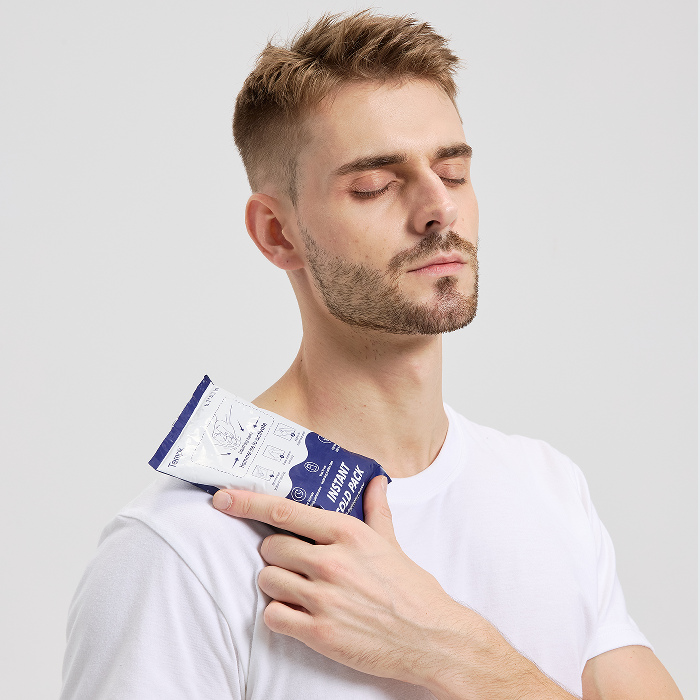
اختيار قالب جل الفريزر المناسب لتوزيع الألبان
عندما يقوم المشترون بمقارنة خيارات الطوب الهلامي للتجميد لتوزيع منتجات الألبان, الملاءمة مهمة أكثر من المطالبات الرئيسية. يجب أن يتناسب المنتج مع الحمولة, الشاحن, الطريق, ونظام التعبئة الذي يمكن لفريقك تكراره بالفعل.
عندما تصطف تلك العناصر, يمكن أن يكون لبنة هلام الفريزر مصدرًا باردًا عمليًا للغاية. عندما لا يفعلون ذلك, حتى العبوة جيدة الصنع يمكن أن تكون مخيبة للآمال في هذا المجال.
ما هو هذا المنتج وأين يناسبه
من الأفضل فهم الطوب الهلامي للتجميد كمصدر بارد يمكن التحكم فيه للتغليف السلبي. يمكن أن يكون فعالاً للغاية في توزيع منتجات الألبان عندما تحتاج الحمولة إلى حماية حرارية مؤقتة ويمكن أن تخضع العملية لشروط مسبقة, مكان, والتعامل مع العبوة باستمرار.
انها ليست كاملة تلقائيا نظام شحن يتم التحكم بدرجة حرارته, وهي ليست مناسبة تلقائيًا لكل حمولة. غالبًا ما تحتاج منتجات الألبان إلى نقل مبرد ثابت, ليس تجميد عرضي. يمكن للطوب الصلب أن يخلق تباعدًا وتكديسًا ثابتًا, لكن الاتصال المباشر بالعبوات الحساسة للتجميد لا يزال بحاجة إلى الاهتمام. القرار الصحيح يأتي من مطابقة المبرد, العزل, طريق, والانضباط التشغيلي.
توزيع الغذاء يجلب الانضباط الخاص به. تركز قواعد النقل الصحي على حفظ الأطعمة مبردة بشكل صحيح وحمايتها من التلوث أثناء الحركة. في الممارسة العملية, وهذا يعني أنه يجب على المشترين ألا يفكروا في الاحتفاظ بالوقت فحسب, ولكن أيضًا مقاومة للتسرب, إدارة التكثيف, سلامة الكرتون, ومدى سهولة تنظيم المبرد في خطوط التعبئة المزدحمة.
كيف يتم تحديد الأداء حقا
تُظهر المنتجات التجارية الموجودة في السوق مدى اتساع هذه الفئة بالفعل. عادة ما يتم تصنيع المواد الهلامية المبردة القياسية حول مرحلة 0 درجة مئوية للتوزيع المبرد, بينما يمكن للتركيبات المجمدة المتخصصة أن تمنع نقطة التجمد إلى -23 درجة مئوية تقريبًا بالنسبة للبرامج ذات درجات الحرارة المنخفضة. تُظهر أدبيات المنتج العام أيضًا اختلافات في البناء: تستخدم بعض العبوات أفلام بولي إيثيلين سميكة حولها 4 ميل, ويستخدم البعض الآخر شرائح نايلون مقاومة للثقب, وتضيف بعض التصميمات المقاومة للعرق طبقة خارجية ماصة للتحكم في التكثيف. تتوفر أيضًا مواد هلامية أكثر دقة من نمط PCM في السوق حول نقاط ضبط باردة يمكن التحكم فيها مثل 3 درجات مئوية, 5درجة مئوية, 7درجة مئوية, أو حتى 17 درجة مئوية عندما يكون الهدف هو الحماية من التبريد الزائد بدلاً من مجرد البقاء باردًا.
التكييف مهم أكثر مما يتوقعه العديد من المشترين. يمكن أن يكون أداء عبوة الجل الجيدة ضعيفًا إذا تم تجميدها بشكل غير متساوٍ, محملة دافئة, أو تم تنظيمها قبل وقت طويل جدًا من التجميع. غالبًا ما توصي إرشادات التشغيل المنشورة في السوق بتجميد العبوات بشكل مسطح عند درجة حرارة -18 درجة مئوية أو أقل 12 ل 24 ساعات, ثم بناء الشاحن وفقًا لنمط التعبئة المحدد. تبدو هذه العملية أساسية, ولكن هذا هو المكان الذي يتم فيه كسب الاتساق أو خسارته. قد يقدم اثنان من الموردين عبوات ذات أبعاد مماثلة, ومع ذلك، يمكن للمرء أن يعطي تعليمات تكييف أكثر وضوحًا, تحكم أكثر إحكامًا في وزن التعبئة, وأداء متكرر أكثر استقرارًا.
الهندسة تغير السلوك الحراري بقدر ما تفعله الكيمياء. توفر العبوة الرفيعة جدًا اتصالًا سريعًا بالسطح ولكنها تذوب أيضًا بشكل أسرع. يخزن الطوب السميك المزيد من الطاقة الباردة ولكنه يأخذ مساحة أكبر ويمكن أن يخلق تدرجات أكثر وضوحًا في درجات الحرارة بالقرب من الحمولة. هذا هو السبب في أن طوب هلام الفريزر المناسب هو عادةً ما يتوافق مع ترتيب المنتج داخل الشاحن. إذا كان الكرتون به فجوات جانبية ضيقة, قد تعمل اللوحة الجانبية المسطحة بشكل أفضل من كيس الوسادة المملوء. إذا كانت الحمولة ثقيلة ومكدسة, قد يؤدي الطوب شبه الصلب إلى إنشاء طبقات أنظف وفصل أكثر قابلية للتنبؤ به.
للشحنات المنظمة أو ذات القيمة العالية, يجب تقييم المبرد كجزء من النظام السلبي بأكمله. يعني الصندوق الخارجي, العزل, حمولة, مادة فاصلة, وموضع المسجل كلها تنتمي إلى نفس المحادثة. تؤكد إرشادات منظمة الصحة العالمية والاتحاد الأوروبي للناتج المحلي الإجمالي فيما يتعلق بتوزيع الأدوية على الحفاظ على درجة الحرارة المطلوبة عبر وسائل النقل وتجنب الاتصال المباشر بين العبوات المبردة والمنتجات التي يمكن أن تتجمد. بعبارة أخرى, الحزمة القوية مفيدة, ولكنه يصبح حلاً موثوقًا فقط عندما يتطابق مع المسار الحقيقي وحساسية المنتج الحقيقية.
كيفية مقارنة التنسيقات والإنشاءات
اختيار المواد ليس تجميليا. في السوق, غالبًا ما يتم تصنيع منتجات الطوب الهلامية المبردة حول أنظمة هلامية ذات أساس مائي ومكثفة بعوامل مثل مشتقات السليلوز أو مثبتات مماثلة بحيث تظل الحشوة موزعة بدلاً من التدفق مثل السائل الحر. ثم تتم مطابقة هذه الصيغة مع فيلم أو صفائح يجب أن تتحمل التجميد, ضغط الختم, تآكل الكرتون, والتعامل المتكرر. قد تكون الحقيبة البسيطة المصنوعة من البولي إيثيلين كافية للاستخدام منخفض المخاطر, في حين أن الهيكل المصنوع من النايلون يمكن أن يوفر مقاومة أفضل للثقب في الطرق الصعبة. تضيف بعض العبوات طبقة خارجية ماصة للتحكم في رطوبة السطح. يجب على المشترين التعامل مع هذه الخيارات كخيارات تصميم وظيفية, ليست مثل الاختلافات الجمالية الصغيرة.
تستخدم الأكياس المرنة بشكل عام المساحة بشكل جيد وتتوافق مع الحمولة. يوفر الطوب تراصًا أنظف وفصلًا أكثر تحديدًا. يمكن أن تغطي أشكال البطانية أو التغليف مساحة أكبر وتناسب الزجاجات أو الصناديق الكرتونية الضيقة. لا يوجد تنسيق واحد يفوز في كل حارة. السؤال الأفضل هو ما هو البناء الذي يدعم الطريقة التي يتم بها تجميع العبوة وفتحها بالفعل.
ما يهم في طلبك
طرق الألبان تكافئ الاتساق. غالبًا ما يتم اختيار الطوب الهلامي الصلب أو شبه الصلب لأنه يتم تكديسه بشكل نظيف, يخلق مسافة محددة بين المنتج وسائل التبريد, ويجعل تكرار العبوة أسهل عبر حقائب اليد, الصناديق, أو كرتون معزول. للجبن, الألبان المثقفة, الحلويات, وحزم الألبان قصيرة العمر, يمكن أن تكون إمكانية التكرار أكثر أهمية من وقت الانتظار النظري لأنه قد يتم تجميع نفس الحزمة مئات المرات في عملية مزدحمة.
ملف تعريف المخاطر دقيق. العديد من منتجات الألبان المبردة لا تتحمل الحرارة جيدًا, لكن بعضها يتضرر أيضًا بسبب التجميد المباشر على سطح المنتج. يمكن أن يساعد تنسيق الطوب لأنه من الأسهل فصله عن الحمولة باستخدام الأدراج, المقسمات, أو الطبقات العلوية والسفلية. ما زال, يجب على المشترين تأكيد ما إذا كان المسار المقصود مبردًا بالفعل, طرد قصير المدة, أو تسليم الميل الأخير المختلط, لأن كل نموذج يضع ضغوطًا مختلفة على سائل التبريد.
سعر القضية يهم, لكن تكلفة التسليم غالبًا ما تغير الترتيب. حزمة أرخص تحتاج إلى المزيد من الوحدات لكل شركة شحن, تنتج وزن شحن أعلى, أو قد يؤدي تشغيل المزيد من الوظائف الإضافية الصيفية إلى تكلفة أكثر من التنسيق المطابق بشكل أفضل. وينطبق الشيء نفسه عندما تستخدم العملية عمالة إضافية لفصل الحزم, مسح التكثيف, أو إعادة صياغة الكراتين التالفة. غالبًا ما تحصل فرق المشتريات على إجابة أوضح من خلال مقارنة إجمالي تكلفة التعبئة وتكلفة الاستثناء بدلاً من سعر الوحدة وحده.
ما الذي يجب على المشترين التحقق منه قبل تقديم طلب بالجملة
لقرار الإنتاج, يجب أن تجيب القائمة المختصرة على الأسئلة العملية, ليس فقط أسئلة المنتج:
الأبعاد الداخلية والخارجية: تحقق على حد سواء, لأن الانجراف صغير الأبعاد يغير ملاءمة الكرتون, تباعد المنتج, ووضع المسجل.
كتلة حرارية قابلة للاستخدام: اسأل عن وزن التعبئة الاسمي, تسامح, وما إذا كان المورد يقوم بفحص الوزن تلقائيًا أثناء الإنتاج.
بناء المواد: تأكيد نوع الفيلم أو صفح, سماكة, تخطيط الختم, ومقاومة ثقب, خاصة إذا احتكت العبوات بالزجاجات, زوايا, أو إدراج.
سلوك التنسيق: تأكد مما إذا كانت العبوة يجب أن تظل صلبة, شبه جامدة, أو مرنة بعد الذوبان, وكيف يدعم هذا السلوك حزمتك.
اتساق العينة إلى الإنتاج: تأكد من أن حزمة الإنتاج سوف تستخدم نفس تركيبة الجل, فيلم, والأختام كالعينة المعتمدة.
أدوات اتخاذ القرار مفيدة
تحقق من التفاصيل قبل اختيار التغليف
يمكن أن تساعدك هذه الأدوات السريعة في مقارنة مخاطر المسار, احتياجات التحجيم, خيارات المبرد, وتفاصيل التعبئة والتغليف قبل أن تطلب عرض أسعار.
حاسبة الثلج الجاف
تقدير احتياجات الثلج الجاف للشحنات المجمدة أو شديدة البرودة قبل التعبئة.
تقدير الثلج الجافمقاومة سقوط المواد العازلة
مراجعة مقاومة السقوط وعوامل المناولة قبل اختيار المواد العازلة.
تحقق من المقاومةأداة تقييم مخاطر المسار
قم بمراجعة ظروف المسار قبل اختيار التغليف لمتطلبات التشغيل الحقيقية.
فحص مخاطر المسارتغيير التحكم: تتطلب إشعارًا قبل أي تغيير في تركيبة الجل, فيلم, أبعاد, أو وزن العبوة, لأن هذه التحولات يمكن أن تغير الأداء الميداني.
النظافة والتحكم في التسرب: للطعام, طبي, والعمل المختبري, اسأل كيف يتم تنظيف العبوة, معبأة, ومحمي من التسربات أو التلوث قبل الاستخدام.
وضع العلامات والتتبع: اطلب الكثير من الترميز, تسميات الكرتون, والوثائق التي تتيح لك تتبع الحزمة مرة أخرى إلى دفعة الإنتاج.
مو, مهلة, والخيارات المخصصة: فهم الحد الأدنى من الطلبات, خيارات الطباعة, وكيفية تعامل المورد مع عمليات التجديد العاجلة أو الكميات التجريبية.
صالح الطريق: امنح المورد درجة الحرارة الفعلية المستهدفة, مدة العبور, نوع العزل, وترتيب الحمولة بدلاً من طلب توصية عامة.
الانضباط على نطاق واسع: قارن كيف يدير المورد الطلبات التجريبية, تشغيل الإنتاج الأول, وفحوصات الجودة المستمرة بدلاً من النظر فقط إلى سعر الحالة.
يجب أن تأتي القائمة المختصرة من الأدلة, ليس من تصوير الكتالوج. أفضل تسلسل عادة ما يكون واضحا: التحقق من الأبعاد وملء الأوزان, سلوك تكييف الاختبار, قم بإجراء تجربة حارة صغيرة قائمة على المسجل, ثم قارن مدى تطابق أداء العينة مع وثائق الإنتاج. تقوم هذه العملية بسرعة بتصفية الموردين الذين يمكنهم بيع حزم المخزون ولكن لا يمكنهم دعم تنفيذ سلسلة التبريد المتكررة.
قبل وضع طلب بالجملة, فهو يساعد على التعامل مع العينة كعينة عملية بدلاً من عينة مبيعات. قم بقياسه, تزن ذلك, قم بتجميده بالطريقة التي سيقوم بها موقعك بتجميده حقًا, وقم بتعبئتها في الشاحن المحدد الذي تخطط لاستخدامه. تكتشف خطوة التحقق السريعة هذه العديد من المشكلات مبكرًا: الحقائب المملوءة, هوامش الختم غير متناسقة, تناسب الكرتون حرج, وافتراضات تحول التجميد غير واقعية.
الأخطاء التشغيلية تستحق تجنبها
الخطأ الشائع الأول هو الشراء بالوزن وحده. العبوة الأثقل ليست أفضل تلقائيًا إذا كان شكلها يهدر الحجم, يدفع المنتج إلى جدار من الكرتون, أو يخلق تجميد الاتصال. الخطأ الثاني هو افتراض أن نفس الحزمة ستعمل طوال العام. في الطرق الحقيقية, شتاء, موسم الكتف, وغالبًا ما يحتاج الصيف إلى تكييف مختلف أو وضع العبوات. الخطأ الثالث هو الموافقة على العينة ثم نسيان قفل مواصفات الإنتاج.
خطأ آخر يمكن تجنبه هو التعامل مع التوفر المحلي كدليل على الملاءمة. التجديد السريع مفيد, لكنه لا يجيب عما إذا كان المبرد يناسب المخاطر الحرارية الحقيقية.
أوضاع الفشل الرئيسية يمكن التنبؤ بها. قد تكون العبوات مجمدة, محملة دافئة, مثقوبة بزوايا حادة, مكدسة بإحكام شديد في الثلاجة, أو يتم وضعها مباشرة على حمولة حساسة للتجميد. يمكن أن تتغير صلابة الفيلم عند درجات حرارة منخفضة, وإعادة الاستخدام المتكرر يمكن أن تؤدي في النهاية إلى إضعاف الأختام. يمكن أن يؤدي التكثيف إلى تليين الإدخالات المطبوعة المموجة أو المبللة. ولا تعتبر أي من هذه المشاكل غير عادية, ولكن يجب التخطيط لكل واحد قبل الموافقة على الطلب بالجملة.
يجب أن يتصرف أمر الإنتاج الأول مثل الطرح المتحكم فيه. تأكد من سعة الفريزر, وقت التكييف, تعليمات تجميع الكرتون, تدريب العمال, واستلام الشيكات قبل موازين الحجم. إذا كانت هناك مواقع متعددة ستقوم بتجميع الشحنة, تأكد من أن كل موقع يستخدم نفس نافذة التكييف ونفس خريطة الموضع. غالبًا ما يمنع هذا الانضباط البسيط النمط الذي يُبلغ فيه أحد المواقع عن أداء جيد ويرى موقع آخر رحلات يمكن تجنبها.
إن قرارات الاستدامة تعمل بشكل أفضل عندما تظل عملية. العبوات القابلة لإعادة الاستخدام تكون منطقية عندما تكون حلقة مغلقة, العودة الداخلية, أو الطريق المحلي المتكرر موجود بالفعل. لحركة الطرود في اتجاه واحد, قد ينظر المشترون إلى الصرف الآمن, ورقة إلى الأمام, أو خيارات بلاستيكية أقل, لكن هذه البدائل لا تزال بحاجة إلى حماية الحمولة والبقاء على قيد الحياة أثناء التعامل العادي. الهدف ليس اختيار المطالبة الأكثر عصرية بالاستدامة. الهدف هو تقليل النفايات التي يمكن تجنبها دون التسبب في خسارة المنتج, شكاوى درجة الحرارة, أو إعادة التعبئة أكثر.
الأسئلة المتداولة
ما هو السؤال الأول الذي يجب الإجابة عليه قبل اختيار عبوة الجل?
حدد متطلبات درجة حرارة الحمولة الصافية أولاً. بدون ذلك, تنسيق الحزمة, عدد الحزمة, وتعليمات التكييف كلها تخمينات.
يمكن تنسيق حزمة واحدة التعامل مع كل موسم?
في بعض الأحيان لفترة قصيرة, طرق منخفضة المخاطر, لكن العديد من البرامج تحتاج إلى تعديلات موسمية في عدد الحزم, الموضع, أو تكييف للبقاء موثوقة.
ما الذي يفصل بين المورد القوي وبائع الأسهم الأساسية?
يمكن للمورد القوي أن يشرح بناء العبوة, الحفاظ على الإنتاج متسقا, دعم الطرح الخاضع للرقابة, والاستجابة بوضوح عندما يتغير المسار أو المنتج.
استنتاج عملي
إن قالب جل الفريزر الأكثر فائدة ليس هو الذي يتمتع بأعلى ادعاء. هو الذي يناسب الحمولة, العبوة, والواقع التشغيلي لمسارك. هذا هو المعيار الذي يستحق استخدامه عند مقارنة الشركات المصنعة, تجار الجملة, أو خيارات مخصصة.
عادةً ما يكون أفضل قرار بشأن الطوب الهلامي للفريزر هو القرار الذي يربط بين ثلاثة أشياء: السلوك الحراري الصحيح, الشكل المادي الصحيح, والانضباط التشغيلي الصحيح. في توزيع الألبان, يحصل المشترون على نتائج أفضل عندما يقارنون بين الموردين فيما يتعلق بالتحكم في المواصفات, وضوح التكييف, والطريق مناسب بدلاً من اللغة الباردة وحدها.
حول Tempk
نحن تيمبك, العلامة التجارية لشركة Shanghai Tempk Industrial Co., المحدود., تركز على منتجات التحكم في درجة الحرارة للأعمال والاستخدام اليومي. مجموعتنا تشمل عبوات جل الثلج, حزم الثلج الجاف, الطوب الجليد الفريزر, أكياس معزولة, صناديق برودة EPP, بطانات الصندوق الحراري, أغطية البليت, وتغليف النقل الطبي. يكون هذا الاتساع مفيدًا عندما يحتاج المشروع إلى تنسيق مادة التبريد والتغليف الخارجي للعمل معًا بدلاً من الحصول على مصادر كقرارات منفصلة.
الخطوة التالية
إذا كنت تقوم بمراجعة حارة جديدة أو شراء بالجملة, اطلب التوجيه بناءً على نطاق درجة الحرارة, وقت العبور, وبنية التعبئة والتغليف التي تستخدمها بالفعل. عادةً ما تمنع المواصفات الأكثر وضوحًا في البداية إجراء تجارب وأخطاء مكلفة لاحقًا.