التحكم في درجة حرارة الكعك ذو السلسلة الباردة يعد جزءًا مهمًا من عمليات المخابز وخدمات تقديم الطعام. بحلول نهاية هذا الدليل، ستعرف بالضبط سبب أهمية الإدارة الدقيقة لدرجة الحرارة, كيفية تخزين, نقل وعرض الكعك بأمان, ما هي اللوائح التي تحكم المعجنات عالية المخاطر في 2025 وما هي الابتكارات التي تعيد تشكيل لوجستيات الكعك. الحفاظ على درجات حرارة مستقرة يمنع المماطلة, يحافظ على قوام التثليج ويحمي عملائك- كل ذلك مع الالتزام بقوانين سلامة الأغذية الصارمة. تم التحديث إلى ديسمبر 2025, توفر هذه المقالة أحدث البيانات والنصائح.
ما الذي يتضمنه بالضبط التحكم في درجة حرارة سلسلة الكعك البارد ولماذا يهم مخبزك? تعلم الأساسيات والكلمة الرئيسية ذات الذيل الطويل "إرشادات درجة حرارة تخزين الكعكة".
ما هي درجات الحرارة ومستويات الرطوبة التي تحافظ على أنواع مختلفة من الكعك طازجة؟? فهم "عرض درجة حرارة الثلاجة للكعك" و"رطوبة تخزين المخبوزات المبردة".
كيف يمكنك نقل الكعك دون كسر سلسلة التبريد؟? استكشف "النصائح العملية لنقل الكعك بالسلسلة الباردة" وخيارات التعبئة والتغليف.
ما هي اللوائح والمعايير المطبقة في 2025? تعرف على تحديثات FSMA, لوائح المملكة المتحدة ومناطق الخطر.
ما هي التقنيات والاتجاهات التي ستشكل لوجستيات الكعك؟? المضي قدمًا في مراقبة إنترنت الأشياء, blockchain والاستدامة.
الأسئلة المتداولة والنصائح القابلة للتنفيذ - بدءًا من مدة الاحتفاظ بكعكة الموس إلى ما إذا كانت أقراص الفوندان تحتاج إلى التبريد.
لماذا يعد التحكم في درجة حرارة سلسلة الكعك البارد أمرًا بالغ الأهمية في 2025?
إن التحكم في درجة حرارة الكعك ذو السلسلة الباردة يعني الحفاظ على درجات حرارة منخفضة ثابتة عبر الإنتاج, تخزين, النقل والعرض, ضمان بقاء الكعك آمنًا ولذيذًا. يعد الكعك من الأطعمة عالية الخطورة عندما يحتوي على الكريمة, الكسترد أو الفاكهة الطازجة; فهي توفر بيئة خصبة للبكتيريا إذا تركت في "منطقة الخطر" أعلاه 5 درجة مئوية. تحذر الهيئات التنظيمية مثل إدارة الغذاء والدواء الأمريكية (FDA) ووكالة معايير الغذاء (FDA) من حفظ الأطعمة بين هذه الأطعمة 5 درجة مئوية و 63 تسمح درجة الحرارة المئوية لمسببات الأمراض بالتكاثر بسرعة. عن طريق الحفاظ على الكعك أدناه 5 درجة مئوية وما فوق درجة التجمد, أنت تمنع نمو الميكروبات مع الحفاظ على الملمس.
عندما تنكسر سلسلة التبريد - ربما أثناء نقل السيارة أو في علبة عرض دافئة - يمكن أن تحمض الكريمة, يمكن أن تتسرب حشوات الفاكهة ويمكن أن يتعرق الفوندان. تؤكد اللوائح الحديثة الآن على المراقبة والتتبع في الوقت الفعلي: ال 2025 قانون تحديث سلامة الأغذية (FSMA) تتطلب التحديثات أجهزة استشعار معايرة, مسجلي البيانات وحفظ السجلات لضمان بقاء الكعك ضمن الحدود الآمنة. بدون هذا الاجتهاد, زلة واحدة يمكن أن تؤدي إلى التلف, سحب المنتج أو الغرامات. المخاطر كبيرة لأن الكعك غالبًا ما ينتقل بعيدًا، من المخابز التجارية إلى المقاهي, الفنادق والمناسبات. تعمل سلسلة التبريد المُدارة بشكل جيد على حماية صحة المستهلك, يقلل من الهدر ويبني سمعة علامتك التجارية.
منطقة خطر درجة الحرارة والنطاقات الآمنة
ال منطقة الخطر لنمو البكتيريا يمتد من 5 درجة مئوية إلى 63 درجة مئوية (41 درجة فهرنهايت إلى 145 ° f). ضمن هذا النطاق, يمكن أن تتضاعف مسببات الأمراض كل 20 دقائق. للحفاظ على الكعك آمنة, تتطلب المراحل المختلفة لسلسلة التبريد نطاقات محددة:
| نوع المرحلة أو الكعكة | نطاق درجة الحرارة الموصى بها | الرطوبة الموصى بها | ماذا يعني لك |
| تحضير & التبريد السريع | الكعك بارد من درجات حرارة الخبز إلى <4 درجة مئوية خلال ساعتين. | رطوبة معتدلة لتجنب الجفاف. | التبريد السريع يمنع نمو الميكروبات ويحافظ على الرطوبة. |
| التخزين المبرد | 0-4 درجة مئوية (32-39 درجة فهرنهايت); الرطوبة ≥85 %. الكعك والمعجنات تبقى طازجة 3-7 أيام. | الرطوبة العالية تمنع تشقق السطح وتحافظ على الفتات الرطبة. | يحافظ على سلامة حشوات الكريم ويمنع تعرق أقراص الفوندان; العمر الافتراضي الممتد يقلل من النفايات. |
| عرض التبريد | 2-8 درجة مئوية (35.6-46.4 درجة فهرنهايت). كعك كريمة طازجة: 2-4 درجة مئوية; موس/تشيز كيك: 2-6 درجة مئوية; كعك الفوندان أو كريمة الزبدة: 5-8 درجة مئوية; الكعك المغطاة بالفواكه: 2-6 درجة مئوية. | رطوبة معتدلة. | يقدم الكعك بشكل جذاب مع إبقائه باردًا; يمنع التكثيف. |
| ينقل | 8-12 درجة مئوية (46.4-53.6 درجة فهرنهايت) للرحلات القصيرة التي تقل مدتها عن ساعتين; أقل 8 درجة مئوية للكعك على أساس كريم. | التحكم في الرطوبة من خلال العبوة المعزولة. | يسمح بالتسليم الآمن عند استخدام المبردات المحمولة أو المركبات المبردة. |
| التجميد على المدى الطويل | ≥ -18 درجة مئوية (0 ° f). | رطوبة منخفضة لمنع حرق الفريزر. | تخزين ممتد للكعك غير المتجمد لمدة تصل إلى ثلاثة أشهر. |
أكثر من مجرد درجة الحرارة: الرطوبة والتغليف
درجة الحرارة ليست سوى نصف القصة. مستويات الرطوبة مهمة لأن الهواء الجاف يتسبب في تلف الكعك أو تشققه بينما تؤدي الرطوبة الزائدة إلى قوام رطب. تشير الدراسات إلى أن التعبئة والتغليف ذات الثقوب الدقيقة يمكن الحفاظ عليها 85-90 % رطوبة وتقليل فقدان الماء عن طريق 60 %, الحفاظ على النعومة. تساعد الرطوبة العالية مع درجات الحرارة الباردة في الحفاظ على الكريمات والزجاج دون السماح بتكوين العفن. عند تخزين الكعك, استخدم صناديق محكمة الغلق أو قم بلف طبقات من ورق التغليف الغذائي لحبس الرطوبة. للعرض, اختر الخزانات المزودة بمروحة تبريد وزجاج مقسى لضمان التوزيع المتساوي لدرجة الحرارة ومنع التكثيف.
كيفية تخزين الكعك بشكل صحيح في الظروف المبردة أو المجمدة?
التخزين السليم هو العمود الفقري للتحكم في درجة حرارة سلسلة الكعك البارد. الكعك هي هياكل حساسة: طبقات الاسفنج, كريمات الزبدة, يستجيب الموس والفوندان بشكل مختلف للبرد والرطوبة. إن حفظها في درجة الحرارة المناسبة لا يمنع الأمراض المنقولة بالغذاء فحسب، بل يحافظ أيضًا على الطعم والملمس.
التخزين المبرد: تحقيق التوازن بين السلامة والجودة
ضعي الكعك بالكريمة, حشوات الكسترد أو الفاكهة الطازجة في الثلاجة 0 درجة مئوية و 4 درجة مئوية. الحشوات عالية الخطورة مثل كريمة الجبن, يعتبر الكاسترد والغاناش المعتمد على الحليب عرضة بشكل خاص لنمو البكتيريا; يجب أن يبقوا بالأسفل 4 درجة مئوية لتبقى آمنًا. تجنب الإفراط في التبريد: إذا انخفضت درجة الحرارة أدناه 0 درجة مئوية, يمكن أن تتشقق أقراص الفوندان الرقيقة أو تتعرق عند إحضارها إلى درجة حرارة الغرفة. للحصول على أفضل النتائج:
استخدم موازين الحرارة المُعايرة. قم بتركيب مقياس حرارة رقمي داخل كل ثلاجة. تحقق بانتظام باستخدام مقياس حرارة مسبار منفصل للتحقق من الدقة. بموجب إرشادات FSMA, ينبغي تسجيل سجلات درجات حرارة الثلاجة يوميا.
الحفاظ على رطوبة عالية. يحتفظ الكعك بفتاته الناعمة عندما تبقى الرطوبة أعلى 85 %. ضع وعاءً صغيرًا من الماء النظيف في الثلاجة أو استخدم أجهزة الترطيب لتقليل الجفاف.
تنظيم حسب المخاطر. قم بتخزين المكونات الخام بشكل منفصل عن الكعك النهائي لمنع التلوث المتبادل. كن مستعدًا لتناول الكعك على الرفوف العلوية لتجنب انسكابات المواد الخام.
إبقاء العبوة مختومة. استخدم صناديق المخبوزات أو ورق التغليف الغذائي لإغلاق الكعك. هذا يمنع امتصاص الروائح وفقدان الرطوبة.
التجميد والتخزين على المدى الطويل
يؤدي تجميد الكعك أو الطبقات الإسفنجية غير المجمدة إلى إطالة مدة صلاحيتها لمدة تصل إلى ثلاثة أشهر. لف الطبقات بشكل فردي في غلاف بلاستيكي ورقائق معدنية, ثم ضعها في حاويات محكمة الإغلاق. يجب الحفاظ على المجمدات -18 درجة مئوية أو أكثر برودة, على النحو الموصى به من قبل وكالة معايير الأغذية. تجنب الفتح المتكرر للحفاظ على استقرار درجات الحرارة. عندما تكون جاهزة للاستخدام, قم بإذابة الكعك في الثلاجة لمنع التكثيف من التشكل على السطح.
حماية أقراص الفوندان والزينة
زخارف الفوندان والسكر حساسة للرطوبة. إذا تم تخزينها باردة جدًا, قد "يتعرق" الفوندان عند نقله إلى بيئات أكثر دفئًا. لمنع هذا:
ضع ثلاجات العرض والتخزين في الطرف الأعلى من النطاق الآمن (5-8 درجة مئوية) للكعك فندان. وهذا يتجنب التكثيف مع الحفاظ على الحشوات آمنة.
استخدم عبوات هلام السيليكا في حالات العرض لامتصاص الرطوبة الزائدة.
اسمح للكعك أن يصل إلى درجة حرارة الغرفة ببطء قبل التقديم. التغيرات السريعة في درجات الحرارة تؤدي إلى التعرق أو التشقق.
تطبيق العالم الحقيقي
دراسة حالة: قام متجر المعجنات البوتيكي بتطبيق مراقبة درجة الحرارة في الوقت الفعلي عبر الثلاجات والمجمدات الخاصة به. من خلال الحفاظ على الكعك المحشو بالكريمة عند درجة حرارة 2-4 درجات مئوية ومراقبة الرطوبة, لقد خفضوا التلف عن طريق 25 % وتمديد مدة الصلاحية من ثلاثة أيام إلى خمسة. لاحظ العملاء القوام الطازج, وتم التخلص من عدد أقل من الكعك. كما أدت السجلات الصارمة إلى تبسيط عملية المراجعة السنوية بموجب شهادة BRCGS.
كيفية نقل الكعك بأمان مع الحفاظ على سلسلة التبريد?
غالبًا ما يكون النقل هو الحلقة الأضعف في التحكم في درجة حرارة سلسلة الكعك الباردة. يمكن أن تفسد الكعكة المبردة بشكل جميل أثناء رحلة قصيرة بالسيارة إذا ارتفعت درجات الحرارة. اتبع هذه الإرشادات:
التحضير للنقل
قم بتبريد السيارة مسبقًا. قبل التحميل, قم بتشغيل مكيف الهواء أو وحدة التبريد لخفض درجة الحرارة الداخلية 8 درجة مئوية. تنص إرشادات سلامة الأغذية للأطعمة عالية المخاطر على أن درجات حرارة الثلاجة ووسائل النقل يجب أن تظل منخفضة 8 درجة مئوية.
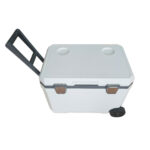
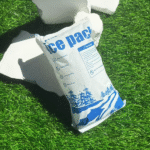
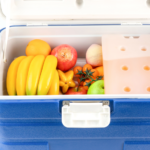
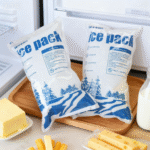
استخدم الحاويات المعزولة. قم بتأمين الكعك في صناديق متينة موضوعة داخل ناقلات معزولة أو صناديق تبريد. قم بتعبئة أكياس الثلج حول الكعكة ولكن لا تلمسها مباشرة لتجنب تلف الرطوبة. تأكد من بقاء درجة الحرارة الإجمالية بالداخل 8-12 درجة مئوية للرحلات القصيرة أو أقل 8 درجة مئوية للكعك على أساس كريم.
ضع الكعك على سطح مستو. استخدم سطحًا مستوًا في السيارة — ويفضل أن يكون في صندوق السيارة/صندوق السيارة بدلاً من وضعه على المقعد أو الحجرة. يمكن أن يؤدي موطئ القدم إلى إمالة الكعكة والإضرار باستقرارها.
مراقبة مع ميزان الحرارة المحمول. أدخل مسبارًا رقميًا في زاوية غير مرئية من الصندوق أو استخدم مقياس حرارة لاسلكيًا يتصل بهاتفك.
أثناء العبور
اجعل الرحلات قصيرة وخطط للطرق. استخدم نظام تحديد المواقع العالمي (GPS) وأدوات تخطيط المسار لتجنب حركة المرور وتقصير أوقات العبور. تشجع تحديثات FSMA على تحسين المسار لتقليل وقت التوقف عن التبريد.
تجنب أشعة الشمس المباشرة. أبقِ الكعكة بعيدًا عن الشمس لمنع النقاط الساخنة.
التقليل من فتح الحاوية. فتح الصندوق يسمح للهواء البارد بالخروج والهواء الدافئ بالدخول. تحقق من الكعكة فقط إذا لزم الأمر.
التسليم والمناولة
فحص درجة الحرارة عند الوصول. استخدم مقياس حرارة للقراءة الفورية للتأكد من بقاء الكعكة ضمن النطاق الآمن. يجب أن تظل الكعك عالي الخطورة عند مستوى أو أقل 5 درجة مئوية عند التسليم.
اتركي الكيك ليرتاح قبل التقديم. للكعك فندان, دعهم يجلسون في غرفة باردة (حول 20 درجة مئوية) على الأقل 30 دقائق قبل القطع. تمنع هذه الخطوة تكوين التكثيف على طبقة التزيين.
مثال العالم الحقيقي: شركة تموين تقوم بتوصيل كعكات الزفاف التي كانت تعاني من التلف والذوبان المتكرر. لقد تحولوا إلى الشاحنات الكهربائية المبردة مسبقًا 5 درجة مئوية ووضع كل كعكة في صندوق معزول مخصص به أكياس ثلج. كما قاموا بمراقبة درجات الحرارة عبر أجهزة استشعار البلوتوث أثناء النقل. نتيجة ل, لقد قاموا بإزالة الشكاوى وتحسين تقييماتهم الخمس نجوم.
ما هي درجة الحرارة التي يجب أن تحافظ عليها ثلاجات عرض الكيك؟?
إن عرض الكعك أمام العملاء يجذب المبيعات ولكنه يقدم مخاطر جديدة. يجب أن تكون ثلاجات العرض أكثر دفئاً قليلاً من ثلاجات التخزين لتجنب تكثيف الزينة ولكن بارد بدرجة كافية لمنع التلف. تُظهر الأبحاث التي أجريت على خزانات عرض الكعك الاحترافية الإعدادات المثالية:
كعك كريمة طازجة: 2-4 درجة مئوية
موس و تشيز كيك: 2-6 درجة مئوية
كيكة الفوندان أو الكريمة: 5-8 درجة مئوية
الكعك المغطاة بالفواكه: 2-6 درجة مئوية
تختلف خزائن العرض عن ثلاجات التخزين في التصميم وتدفق الهواء. إنهم يعطون الأولوية حتى للتبريد والجماليات. ثلاجات تخزين, في المقابل, يحافظ على 0-4 درجة مئوية للحفظ على المدى الطويل. استثمر في وحدات العرض المزودة بالتبريد بمساعدة المروحة وأجهزة تنظيم الحرارة الرقمية, وتنظيفها بانتظام لمنع تراكم الصقيع. يضيف هلام السيليكا أو مزيلات الرطوبة للسيطرة على الرطوبة, وقم بتدوير المخزون بانتظام حتى يتم بيع الكعك القديم أولاً.
2025 الإرشادات والمعايير التنظيمية للتحكم في درجة حرارة الكيك
تحديثات FSMA وBRCGS
قانون تحديث سلامة الأغذية (FSMA) تطلب حكومة الولايات المتحدة من الشركات التي تتعامل مع الأطعمة عالية المخاطر تنفيذ تحليل المخاطر والضوابط الوقائية القائمة على المخاطر. في 2025, ال شددت قاعدة النقل FSMA المتطلبات الصحية: يجب على شركات النقل استخدام أجهزة استشعار معايرة, الاحتفاظ بالسجلات والتحقق من أن الوحدات المبردة تحافظ على درجات الحرارة. يجب على شركات شحن الأغذية ومستقبليها تطوير إجراءات وبرامج تدريب مكتوبة. عدم الامتثال يمكن أن يؤدي إلى عقوبات.
خطط إصدار الشهادات مثل BRCGS (سمعة العلامة التجارية من خلال الامتثال للمعايير العالمية) و قدم مربع (أغذية آمنة ذات جودة) التأكيد أيضًا على سلامة سلسلة التبريد. تتحقق عمليات تدقيق الشهادات من تخزين الكعك في 0-4 درجة مئوية, تحتوي الثلاجات على شهادات معايرة ويحتفظ الموظفون بالسجلات. تساعد عمليات التدقيق الداخلي المنتظمة على ضمان تحديث الوثائق.
لوائح المملكة المتحدة والاتحاد الأوروبي
في المملكة المتحدة, ال وكالة معايير الغذاء تنص على ذلك يجب أن تبقى الأطعمة عالية المخاطر عند مستوى أو أقل 5 درجة مئوية. يؤكد FSA على أنه لا ينبغي أبدًا ترك الطعام في المطبخ 8-63 درجة مئوية منطقة الخطر لأن البكتيريا تتكاثر بسرعة. بموجب قانون المملكة المتحدة, يجب أن تعمل الثلاجات بين 0-5 درجة مئوية والمجمدات في -18 درجة مئوية أو أكثر برودة. غالبًا ما تقدم المجالس المحلية إرشادات محددة لمنتجي الكعك الصغار: على سبيل المثال, ينص دليل نظام تحليل المخاطر ونقاط التحكم الحرجة (HACCP) التابع لمجلس أوركني على ضرورة وضع الثلاجات أدناه 8 درجة مئوية ودرجة حرارة الهواء التي يتم رصدها بين 0-4 درجة مئوية. إذا تم قياس درجة حرارة الهواء فقط, يجب أن تكون الثلاجة أكثر برودة لضمان بقاء الطعام بالأسفل 8 درجة مئوية.
قانون الغذاء والدواء FDA
قانون الغذاء FDA, اعتمد على نطاق واسع من قبل العديد من الولايات المتحدة. الدول, ينصح بذلك يجب الاحتفاظ بالأطعمة الباردة عند مستوى أو أقل 41 ° f (5 درجة مئوية) وأبقى بعيدا عن منطقة خطر درجة الحرارة. يؤكد الكود على التبريد المناسب, عقد الباردة والنقل. تعتبر قطعة من الكعك مع كريمة الألبان أ التحكم في الوقت/درجة الحرارة من أجل السلامة (TCS) طعام, مما يتطلب الالتزام الصارم بهذه الحدود. يوضح الكود أيضًا أنه يجب تبريد أطعمة TCS منها 135 درجة فهرنهايت إلى 70 درجة فهرنهايت خلال ساعتين ومن 70 درجة فهرنهايت إلى 41 درجة فهرنهايت خلال أربع ساعات.
نصائح للامتثال التنظيمي
كتابة إجراءات التشغيل القياسية (SOPS). توثيق كيفية تبريد الكعك, مخزنة, عرضها ونقلها. قم بتضمين إجراءات مراقبة درجة الحرارة والإجراءات التصحيحية.
تدريب الموظفين بانتظام. تأكد من أن الجميع يفهم أهمية التحكم في درجة الحرارة ويعرف كيفية استخدام مقاييس الحرارة والسجلات.
استخدم أجهزة الاستشعار المعايرة واحتفظ بالسجلات. احتفظ بشهادات المعايرة الخاصة بمقاييس الحرارة وأجهزة الاستشعار لديك. الاحتفاظ بالسجلات لمدة عامين على الأقل (كما تتطلب العديد من هيئات التصديق).
الاستعداد لعمليات التدقيق. مراجعة السجلات بانتظام, إجراءات التشغيل القياسية وسجلات الصيانة. إجراء عمليات تدقيق وهمية لتحديد الثغرات.
التقنيات والاتجاهات الناشئة في إدارة درجة حرارة كعكة السلسلة الباردة
تشهد صناعة سلسلة التبريد ثورة رقمية. الابتكارات التي كانت مخصصة في السابق للأدوية تصل الآن إلى المخابز وشركات تقديم الطعام. من خلال احتضان التكنولوجيا, يمكنك تقليل النفايات, تعزيز الجودة واكتساب ميزة تنافسية.
مراقبة إنترنت الأشياء, بلوكتشين والذكاء الاصطناعي
أجهزة استشعار إنترنت الأشياء والمراقبة في الوقت الحقيقي: إنترنت الأشياء (إنترنت الأشياء) توفر الأجهزة تتبعًا مستمرًا لدرجة الحرارة, الرطوبة والموقع. ترسل هذه المستشعرات تنبيهات عند حدوث انحرافات, السماح باتخاذ إجراءات تصحيحية فورية. كما أنها تقلل من حفظ السجلات اليدوية وتدعم الصيانة التنبؤية. على سبيل المثال, يمكن للمخبز إرفاق علامات إنترنت الأشياء بصناديق التسليم; إذا ارتفعت درجة الحرارة أعلى من ذلك 8 درجة مئوية, يتلقى السائق إشعارا.
التتبع blockchain: يتم دمج Blockchain في عمليات سلسلة التبريد لإنشاء سجلات ثابتة لكل خطوة في رحلة الكعكة. إنه يعزز الشفافية ويضمن الامتثال لقوانين سلامة الأغذية. إذا واجه المستهلك مشكلة, يمكن للمخبز تتبع الدفعة الدقيقة, تاريخ الإنتاج وتاريخ التخزين.
تحسين المسار القائم على الذكاء الاصطناعي: الذكاء الاصطناعي يحلل أنماط حركة المرور, نوافذ الطقس والتسليم لاقتراح الطرق الأكثر كفاءة. وهذا يقلل من استخدام الوقود, يقصر أوقات التسليم ويحافظ على برودة الكعك. إلى جانب بيانات إنترنت الأشياء, يمكن للذكاء الاصطناعي إعادة جدولة عمليات التسليم في حالة تعطل وحدة التبريد في السيارة.
التغليف المستدام والتبريد بالطاقة الشمسية
التحول نحو التعبئة والتغليف الصديقة للبيئة والطاقة المتجددة يتسارع. تقوم الشركات بتطوير خفيفة الوزن, حاويات معزولة مصنوعة من مواد قابلة للتحلل. تدمج بعض حلول التغليف أجهزة استشعار إنترنت الأشياء التي تراقب درجة الحرارة والرطوبة. يستخدم البعض الآخر ثقوبًا دقيقة للحفاظ على الرطوبة وتقليل فقدان الماء 60 %, كما ذكر سابقا. وحدات التبريد التي تعمل بالطاقة الشمسية تكتسب أيضًا قوة جذب, وخاصة في المناطق التي لا يمكن الاعتماد عليها في إمدادات الكهرباء.
المركبات الأخف والوفاء الجزئي
المركبات التجارية الخفيفة المبردة (المركبات التجارية الخفيفة) تظهر باعتبارها القطاع الأسرع نموًا في مجال النقل بسلسلة التبريد. إنها توفر كفاءة في استهلاك الوقود والقدرة على التنقل في المناطق الحضرية المزدحمة. تعمل مراكز التنفيذ الصغيرة الموجودة بالقرب من العملاء على تقليل المسافة التي يقطعها الكعك, تحسين النضارة وخفض الانبعاثات.
نمو السوق والفرص العالمية
سوق سلسلة التبريد مزدهر. وتشير التوقعات إلى نموها من دولار أمريكي 278 مليار في 2023 إلى USD 428 مليار من قبل 2028 وإلى دولار أمريكي 372 مليار من قبل 2029. ارتفاع صادرات منتجات المخابز - وصلت صادرات السلع المخبوزة الأمريكية إلى الدولار الأمريكي 4.21 مليار دولار في عام 2022 - وقد غذت اتجاهات وسائل التواصل الاجتماعي الطلب العالمي. ويشجع هذا النمو الاستثمار في التكنولوجيات والبنية التحتية الجديدة. الشركات تتحول من -18 درجة مئوية إلى -15 درجة مئوية للتخزين البارد تهدف إلى تقليل استهلاك الطاقة والبصمة الكربونية, مما يشير إلى التحول نحو الاستدامة.
البقاء في صدارة المنحنى
أن تظل قادرة على المنافسة:
اعتماد المراقبة والتحليلات في الوقت الحقيقي. استخدم أجهزة استشعار إنترنت الأشياء, دمجها مع لوحة القيادة المركزية وتحليل البيانات للتنبؤ بالمشكلات.
استكشاف خيارات الطاقة المتجددة. يعمل التبريد بالطاقة الشمسية والمعدات الموفرة للطاقة على تقليل تكاليف التشغيل وتحسين الاستدامة.
تثقيف العملاء. تعزيز التزامك بسلامة الأغذية, الشفافية والاستدامة. انشر قصصًا حول ممارسات سلسلة التبريد الخاصة بك وقم بتضمين رموز QR التي ترتبط ببيانات blockchain.
المشاركة في مبادرات الصناعة. انضم إلى الجمعيات التجارية وتعاون مع الموردين في البحث في ابتكارات التعبئة والتغليف والمعايير الجديدة. من المرجح أن تزيد خطط الاعتماد المتطورة مثل SQF وBRC من تركيزها على التتبع الرقمي وتقليل البصمة الكربونية.
الأسئلة المتداولة
س 1: هل تحتاج جميع أنواع الكعك إلى التبريد؟?
لا تتطلب كل كعكة نفس المستوى من التبريد. يمكن تخزين الكعك الإسفنجي بدون الكريمة في درجة حرارة الغرفة في حاوية محكمة الإغلاق لمدة يومين إلى ثلاثة أيام. لكن, كعك بالكريمة, يجب تبريد الكاسترد أو الفاكهة الطازجة في الثلاجة 1-5 درجة مئوية ويتم استهلاكها خلال ثلاثة إلى أربعة أيام. إذا كنت في شك, تعامل مع الكعكة على أنها طعام عالي الخطورة واحتفظ بها باردة.
Q2: كيف يمكنني تخزين كعكة فندان بين عشية وضحاها؟?
من الأفضل حفظ كعك الفوندان في غرفة باردة, بشكل مثالي حولها 20 درجة مئوية, لمنع التعرق. إذا كانت الكعكة تحتوي على حشوات قابلة للتلف, قم بتبريده عند 5-8 درجة مئوية. نغطي الكيك بصندوق أو قبة لحمايته من الغبار والرطوبة.
س 3: ما هي درجة الحرارة المثالية لنقل كعكة الموس؟?
نقل كعك موس أدناه 8 درجة مئوية واستخدم حاويات معزولة بها أكياس ثلج. للرحلات التي تزيد مدتها عن ساعتين, هدف ل 2-6 درجة مئوية. مراقبة درجات الحرارة باستخدام مقياس الحرارة الرقمي.
س 4: هل أحتاج إلى خزانة عرض خاصة للكعك؟?
نعم. تم تصميم خزائن العرض للمحافظة عليها 2-8 درجة مئوية ومنع التكثيف, مع تدفق الهواء حتى والزجاج المقسى. الثلاجات المنزلية القياسية باردة جدًا وتتسبب في تعرق الصقيع.
س 5: ما هي منطقة الخطر للكعك?
منطقة الخطر تتراوح من 5 درجة مئوية إلى 63 درجة مئوية (41 درجة فهرنهايت إلى 145 ° f). ضمن هذا النطاق, تتكاثر البكتيريا بسرعة. تجنب ترك الكعك في نطاق درجة الحرارة هذا لأكثر من ساعتين.
س6: هل هناك لوائح محددة لنقل الكعكة في 2025?
بينما تغطي اللوائح جميع الأطعمة عالية المخاطر, ال 2025 تقوم FSMA بتحديث وسائل النقل الصحي والمراقبة في الوقت الفعلي للسلع القابلة للتلف. يجب على شركات النقل توثيق الإجراءات, صيانة المعدات, تدريب الموظفين والاستجابة السريعة لرحلات درجة الحرارة.
ملخص ونصائح قابلة للتنفيذ
الوجبات الرئيسية
الحفاظ على نطاقات درجة الحرارة الآمنة. احتفظ بالكعك المبرد بين 0 درجة مئوية و 4 درجة مئوية; عرض لهم في 2-8 درجة مئوية; نقلهم أدناه 8 درجة مئوية وقم بتجميد الكعك غير المتجمد في -18 درجة مئوية أو أكثر برودة.
التحكم في الرطوبة والتغليف. رطوبة عالية (≥85 %) يمنع الجفاف والتشقق, في حين أن التغليف المثقوب الدقيق يقلل من فقدان الماء بنسبة 60 %.
المراقبة بشكل مستمر. استخدم موازين الحرارة المُعايرة, أجهزة استشعار إنترنت الأشياء وسجلات التسجيل للامتثال لمتطلبات FSMA وFSA.
استثمر في المعدات المناسبة. اختر خزائن العرض المصممة للكعك, حاويات النقل المعزولة ووحدات التبريد الموفرة للطاقة.
ابق على علم بالاتجاهات. احتضان blockchain, الذكاء الاصطناعي والتعبئة المستدامة لإثبات عملياتك في المستقبل.
خطة العمل
تدقيق سلسلة التبريد الخاصة بك. خريطة كل مرحلة من الخبز إلى التسليم. تحديد نقاط الضعف التي تتجاوز فيها درجات الحرارة 5 درجة مئوية وتنفيذ الإجراءات التصحيحية.
ترقية أجهزة الاستشعار والتتبع. تثبيت مراقبة إنترنت الأشياء على الثلاجات, المجمدات وصناديق التسليم. إعداد التنبيهات التلقائية.
مراجعة إجراءات التشغيل الموحدة وتدريب الموظفين. تحديث الإجراءات لتعكس 2025 أنظمة. إجراء تدريب منتظم على التحكم في درجة الحرارة, النظافة والتوثيق.
قم بتجربة العبوة الجديدة. جرب الصناديق المعزولة الصديقة للبيئة, بطانات مثقوبة صغيرة وحزم ثلج قابلة لإعادة الاستخدام. تقييم الأداء من خلال الشحنات التجريبية.
التعامل مع الخبراء. حضور الندوات عبر الإنترنت, انضم إلى الهيئات المهنية وعقد شراكة مع متخصصين في سلسلة التبريد للبقاء في صدارة المعايير الناشئة.
حول Tempk
Tempk هي شركة رائدة في مجال توفير حلول التعبئة والتغليف والمراقبة لسلسلة التبريد. نحن متخصصون في مساعدة شركات الأغذية والأدوية على الحفاظ على سلامة المنتج من خلال التغليف المعزول المبتكر, عبوات ثلج قابلة لإعادة الاستخدام وأنظمة تتبع درجة الحرارة التي تدعم إنترنت الأشياء. لدينا ص&يقوم فريق D باستمرار بتطوير مواد صديقة للبيئة تقلل من النفايات وتحسن الأداء الحراري. نحن ملتزمون بمساعدتك على تلبية المعايير التنظيمية, خفض التكاليف وإسعاد عملائك بمنتجات طازجة.
بحاجة الى نصيحة? يمكن لخبرائنا إرشادك خلال اختيار العبوة المناسبة, تصميم خطة سلسلة تبريد أو دمج المراقبة في الوقت الفعلي. اتصل بنا اليوم لمعرفة كيف يمكننا تصميم حلول تناسب احتياجات مخبزك.