Dark chocolate is prized for its rich flavour and smooth texture, but these qualities are easily ruined by heat or humidity. To help you keep your bars pristine, this guide explains everything you need to know about cold chain dark chocolate monitoring. You’ll learn why temperature and humidity matter, how modern sensors and data loggers work, and what the latest trends mean for your business. Recent studies show that chocolate warehouses should be kept at 54–68 °F (12-20 درجة مئوية) مع الرطوبة النسبية أدناه 50 %, and that dark chocolate softens at 34–38 °C and melts completely around 113–120 °F. Using clear language and real world examples, this article empowers you to prevent bloom, reduce waste and delight customers.
سيساعدك هذا الدليل على الفهم
Why cold chain monitoring is crucial for dark chocolate quality – including how temperature and humidity control prevent fat and sugar bloom, and why real time data is your best friend.
How to set up effective monitoring – from selecting IoT sensors and data loggers to preconditioning shipments and integrating alerts.
Best practices for transport, storage and last mile delivery – with recommended temperature ranges, packaging strategies and actionable tips.
2025 industry trends and innovations – including AI route optimisation, إمكانية تتبع blockchain, sustainable packaging and global market growth.
Frequently asked questions and answers – to address common challenges such as bloom, condensation and at home storage.
Why is dark chocolate cold chain monitoring essential in 2025?
Dark chocolate is more stable than milk or white chocolate because it contains higher cocoa solids and less dairy fat, but it still requires precise temperature and humidity control to prevent bloom. When chocolate experiences heat spikes or humidity swings, cocoa butter migrates to the surface and crystallises as a grey film (ازهر الدهون), or sugar dissolves and recrystallises (ازهر السكر). Monitoring protects your product by maintaining a narrow temperature window, alerting you to deviations before damage occurs and enabling quick corrective actions. With the global chocolate market projected to grow from $123 مليار في 2025 ل $184 مليار من قبل 2033, protecting product quality through effective cold chain monitoring is both a consumer expectation and a business imperative.
شرح موسع: Changes in temperature or humidity affect the crystalline structure of cocoa butter. Dark chocolate softens between 34 درجة مئوية و 38 درجة مئوية (93–101 °F) and melts completely around 113–120 °F. To avoid softening during transit, maintain cargo at 13–15 °C (55-59 درجة فهرنهايت) مع رطوبة نسبية تحت 50 %. للتخزين على المدى الطويل, an even broader range of 12–20 °C (54-68 درجة فهرنهايت) مقبول, but closer to the lower end for dark chocolate. Real time monitors allow you to catch deviations quickly and take corrective action, such as adjusting cooling systems or rerouting shipments. بدون مراقبة, warehouses may inadvertently shut off refrigeration units to save fuel, causing spoilage—a problem uncovered by data loggers in a case study where sensors detected drivers turning off cooling units, enabling managers to intervene and reduce product loss.
How temperature and humidity cause bloom and spoilage
The primary threats to dark chocolate are fat bloom and sugar bloom. Fat bloom occurs when temperatures climb above roughly 20 درجة مئوية (68 ° f) and cocoa butter separates, leaving grey streaks on the surface. Sugar bloom results from condensation: moisture dissolves sugar on the surface and recrystallises as a rough, white coating when the water evaporates. Both types of bloom ruin texture and appearance but can be prevented by keeping humidity below 50 %. High humidity also encourages mold or moisture absorption, particularly for filled chocolates or pralines with higher water activity. The following table summarises the ideal conditions for various chocolate products.
| نوع الشوكولاتة | درجة الحرارة الموصى بها | الرطوبة الموصى بها | ماذا يعني هذا بالنسبة لك |
| الشوكولاتة الداكنة | 12-20 درجة مئوية (54-68 درجة فهرنهايت), preferably 13–15 °C for shipping | < 50 % RH | Maintain cooler conditions to prevent fat bloom; dark chocolate tolerates slightly lower temperatures due to higher cocoa solids. |
| Milk or white chocolate | 13-18 درجة مئوية (55–64 °F) | < 50 % RH | More sensitive to temperature swings; avoid extremes to preserve dairy fats and prevent sugar bloom. |
| Filled pralines | 13-18 درجة مئوية | تجنب التجميد; humidity control is critical | Filled chocolates have higher water activity and require stable conditions; freezing can crack shells or cause condensation. |
Practical tips to reduce bloom and spoilage
Pre condition shipments: Cool dark chocolate to 13–15 °C for several hours before packaging. This ensures internal temperature is stable when leaving the facility.
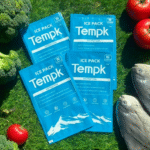
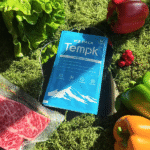
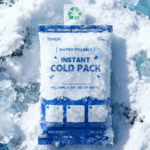
Use insulated containers and ice packs: High performance incubators made of expanded polypropylene (إي بي بي), لوحات معزولة فراغ (VIP) أو مواد تغيير المرحلة (بي سي إم) maintain consistent temperatures. Evenly distribute gel packs to avoid cold spots.
Protect against humidity and odours: Wrap bars in moisture proof materials and place desiccants inside containers. Avoid exposure to strong smells; chocolate easily absorbs odours.
المراقبة بشكل مستمر: Install IoT sensors that measure temperature and humidity throughout the shipment. Real time alerts allow you to act quickly if the temperature rises.
Limit dwell time and avoid rapid transfers: Keep packages in temperature controlled environments during loading, unloading and customs clearance. Gradual acclimation prevents condensation.
مثال الحالة: A confectionery company installed a data logger with three RTD sensors and three thermocouples inside its delivery trucks. The logger recorded temperature and humidity every hour for four months. When managers analysed the data, they discovered drivers were turning off refrigeration units during breaks to save fuel. After enforcing continuous cooling, product spoilage plummeted.
How to set up an effective dark chocolate monitoring system
A successful monitoring system combines reliable sensors, robust data logging and clear communication protocols. Modern cold chain monitoring leverages the Internet of Things (إنترنت الأشياء): small wireless devices measure temperature, humidity and sometimes location, transmitting data to a cloud platform. This connectivity allows remote teams to track conditions in real time, receive alerts via smartphone and compile reports for audits or analysis. Choosing the right equipment and integrating it into your workflows is key to protecting chocolate quality and complying with regulations.
التفسير الموسع: IoT sensors can be configured to record at regular intervals and send data via cellular, واي فاي, LoRaWAN or Bluetooth. A LoRaWAN platform, على سبيل المثال, offers long range, low power connectivity suitable for warehouses and trucks. Advanced platforms apply machine learning to predict deviations and automatically alert staff. أثناء التصنيع, chocolate is cooled from 45 درجة مئوية إلى 28 °C and then reheated to 30 °C before moulding; once packaged, it must be kept between 13 درجة مئوية و 20 °C at about 55 % humidity and away from light. Sensors near entryways, production lines and loading docks maintain these parameters and trigger alarms if doors are left open or equipment malfunctions. Integration is equally important: sensor data should feed into your enterprise resource planning (تخطيط موارد المؤسسات), نظام إدارة النقل (TMS) or warehouse management system (WMS) so that operations teams can respond without switching platforms.
Selecting sensors, مسجلات البيانات والاتصال
When choosing monitoring equipment, النظر في العوامل التالية:
| عامل | ما الذي تبحث عنه | الآثار العملية |
| Accuracy and calibration | Sensors should be accurate to ±0.5 °C or better and have traceable calibration certificates. | Higher accuracy ensures early detection of deviations. Poor calibration can lead to false alarms or undetected spoilage. |
| Battery life and storage | Devices should operate for the entire journey without charging. Data loggers should retain readings if connectivity is lost. | Long battery life reduces maintenance; on device storage ensures no data gaps during network outages. |
| الاتصال | Choose between cellular, واي فاي, بلوتوث, RFID or LoRaWAN. LoRaWAN offers long range and low power consumption. | Select connectivity based on route geography and infrastructure. Cellular works well in urban areas; LoRaWAN suits warehouses and rural routes. |
| Integration and dashboards | Look for platforms that integrate with ERP/TMS/WMS systems and provide intuitive dashboards. | Integrated dashboards streamline workflow, allowing you to manage alerts and compliance from one interface. |
| Compliance and certifications | Ensure devices meet industry standards (على سبيل المثال, FDA, ISO) and provide tamper proof records for audits. | Regulatory compliance builds trust and simplifies inspections. |
Practical guidelines for implementation
رسم خريطة لسلسلة التبريد الخاصة بك: Identify critical points where chocolate may be exposed to temperature fluctuations (على سبيل المثال, أرصفة التحميل, cross docking hubs, جمارك). Install sensors at these points to capture real time conditions and dwell time.
Define alert thresholds: Set temperature and humidity thresholds based on product type (انظر الجدول أعلاه). Configure alerts for deviations beyond ±1 °C of the target range.
تدريب الموظفين: تثقيف السائقين, warehouse staff and quality managers on how to respond to alerts. Provide checklists for corrective actions such as adjusting thermostats or relocating pallets.
مراجعة البيانات بانتظام: Analyse historical data to identify recurring problems, such as specific routes or facilities with frequent excursions. Use this insight to adjust packaging, routing or carrier selection.
التخطيط لحالات الطوارئ: - وضع خطط طوارئ لانقطاع التيار الكهربائي, equipment failures or severe weather. على سبيل المثال, keep backup generators and portable refrigeration units on hand.
مثال الحالة: Moonstruck Chocolates uses remote sensors across its production facility to manage temperature transitions. After tempering, the chocolate is cooled from 45 درجة مئوية إلى 28 °C and reheated to 30 °C for moulding; once packaged, it is stored between 55 درجة فهرنهايت و 68 ° f (13-20 درجة مئوية) في 55 % humidity and away from natural light. Sensors near entryways alert staff when doors stay open, preventing ambient heat and humidity from entering.
Best practices for transport, storage and last mile delivery
Transportation and storage require slightly different strategies, but both rely on maintaining stable environmental conditions and minimizing temperature shocks. أثناء العبور, you must account for variable external temperatures, vehicle delays and handling at intermediate points. In storage, focus on consistent conditions and proper inventory rotation. The last mile—delivery to consumers or retail outlets—presents unique challenges, as packages may travel in non refrigerated vans or be left on doorsteps. By following the practices below, you can ensure quality from factory to consumer.
شرح مفصل: أثناء النقل, maintain a narrow temperature band. For dark chocolate, 13–15 °C with relative humidity under 50 % مثالي. Use passive cooling systems (حزم هلام, الطوب PCM, لوحات معزولة فراغ) أو الأنظمة النشطة (المركبات المبردة) depending on distance and duration. Passive systems are increasingly popular because they are modular, خفيفة الوزن وفعالة من حيث التكلفة; they use gel packs and insulated containers to maintain temperature for up to 48 ساعات. لكن, you should still employ real time monitors to detect excursions and adjust as needed.
In storage, keep warehouses between 54 درجة فهرنهايت و 68 °F and humidity below 50 %. Higher humidity can cause sugar bloom, while lower humidity can dry out fillings or cause brittle textures. Sensitech notes that humidity is not critical except near the condensing temperature; thus a range of 15–75 % مقبول, but staying below 50 % reduces risk. Milk and white chocolates prefer slightly warmer conditions (13-18 درجة مئوية), while filled chocolates should never be frozen.
لتسليم الميل الأخير, consider packaging innovations such as single parcel insulated mailers with gel packs. Pre cool parcels, avoid leaving packages in direct sunlight and communicate with customers about delivery timing. Integrate sensors that track location and temperature; real time data allows you to reroute packages if necessary. IoT sensors also improve traceability and compliance, enabling early detection of failures and reducing waste.
طاولة: Comparison of transport and storage practices
| خطوة | الاعتبارات الرئيسية | Tools and strategies | ما تكسبه |
| عبور | Maintain 13–15 °C (55-59 درجة فهرنهايت) for dark chocolate; control humidity below 50 %; limit dwell time | Use insulated containers with gel packs or PCM; install IoT sensors and data loggers; train drivers to keep refrigeration running | Prevent fat bloom and melting; early detection of temperature excursions; انخفاض فقدان المنتج |
| تخزين | Keep warehouses at 12–20 °C and < 50 % RH; avoid condensation near dew point | Use HVAC systems with dehumidifiers; implement air curtains to prevent warm air ingress; rotate inventory (يصرف أولاً) | Stable conditions preserve flavour and texture; compliance with food safety regulations |
| تسليم الميل الأخير | Packages may experience ambient temperatures; خطر التأخير; customer absence | Pre cool packages; use insulated mailers; offer temperature tracking to customers; coordinate delivery times | Improved customer satisfaction; reduced returns due to melted chocolate |
نصائح وإرشادات تركز على المستخدم
Choose the right packaging for different order sizes: للشحنات السائبة, use large insulated boxes with multiple gel packs. For small online orders, use foil lined mailers with a single PCM pack.
تثقيف المتلقين: Provide simple instructions (على سبيل المثال, “Store in a cool, dry place between 55–65 °F”) on the packaging so customers know how to preserve quality.
Implement a self assessment tool: Create an online questionnaire where clients input shipment distance, ambient temperature and order quantity to receive recommendations on packaging type and number of ice packs. This interactive tool improves engagement and ensures proper preparation.
Develop clear CTAs (calls to action): Encourage readers to sign up for monitoring alerts or request a consultation on packaging solutions. Place CTAs at the end of each section to drive engagement.
سيناريو العالم الحقيقي: خلال موجة الحر الصيفية, a premium chocolatier experienced an increase in returns due to bloom. By preconditioning shipments to 13–15 °C, adding sensors and using insulated containers, they reduced returns and improved customer satisfaction. Customers appreciated receiving real time temperature updates via SMS, and the company gained valuable insights into courier performance.
2025 trends and innovations in cold chain dark chocolate monitoring
The cold chain industry is evolving rapidly as new technologies and market forces reshape logistics. في 2025, several key trends are enhancing dark chocolate monitoring and overall cold chain performance. These innovations not only protect products but also reduce environmental impact, improve efficiency and support global trade.
نظرة عامة على الاتجاه
The cold chain market is booming due to growing international trade and demand for temperature sensitive goods. تحسين المسار القائم على الذكاء الاصطناعي, مراقبة إنترنت الأشياء, إمكانية تتبع blockchain, solar refrigeration and sustainable packaging are transforming how companies manage the cold chain. Artificial intelligence uses traffic and weather data to adjust routes in real time, تحسين الكفاءة وتقليل استهلاك الوقود. توفر تقنية Blockchain سجلات غير قابلة للتغيير لرحلات المنتج, تعزيز الشفافية والامتثال. Solar powered refrigeration units help reduce energy consumption, particularly in regions with unreliable electricity. خفيف الوزن, insulated containers equipped with sensors monitor temperature, الرطوبة والموقع في الوقت الحقيقي. IoT enabled cold chain monitoring allows continuous tracking of temperature sensitive products and immediate corrective actions when deviations occur.
أحدث التطورات في لمحة
AI powered logistics: Route optimisation algorithms adjust delivery paths based on traffic, نوافذ الطقس والتسليم, reducing transit time and fuel usage. For chocolate, shorter routes mean less exposure to heat.
Blockchain من أجل الشفافية: Immutable ledgers record every handoff in the supply chain, making it easier to verify that chocolate stayed within acceptable temperatures. Transparency builds consumer trust and supports recalls if necessary.
التبريد بالطاقة الشمسية: Companies are deploying solar powered refrigeration units to maintain cold chain integrity in areas with limited electrical infrastructure. This reduces dependence on diesel generators and lowers carbon emissions.
Lightweight insulated containers: New designs use advanced insulation materials combined with IoT sensors to create reusable, lightweight containers that maintain temperature while providing real time data.
التغليف المستدام: Eco friendly materials such as biodegradable liners and recycled insulation reduce waste and appeal to environmentally conscious consumers.
رؤى السوق
من المتوقع أن ينمو سوق سلسلة التبريد من الدولار الأمريكي 228.3 مليار في 2024 إلى USD 372 مليار من قبل 2029, معدل نمو سنوي مركب قدره 10.3 %. في أثناء, the global chocolate market is estimated at $123 billion and is expected to reach $184 مليار من قبل 2033, driven by premiumisation and health focused trends. Premium consumers are seeking single origin, high cacao chocolates, while wellness oriented buyers prefer sugar free, organic or functional varieties. On the supply side, climate driven cocoa shortages have increased volatility and emphasised the importance of efficient cold chains. Regional growth is strongest in the Middle East and Africa (CAGR 7.5 %), and cold chain companies such as Americold, Lineage and Nichirei are expanding to meet demand.
الأسئلة المتداولة
What happens if dark chocolate gets too warm during shipping? – When temperatures exceed roughly 20 درجة مئوية (68 ° f), cocoa butter can separate and migrate to the surface, تسبب ازدهار الدهون. This doesn’t make chocolate unsafe, but it creates a white or grey film and alters texture. لمنع هذا, الحفاظ على درجات الحرارة بين 13 درجة مئوية و 15 °C during transit and use insulated packaging with ice packs or active cooling systems.
How should I store dark chocolate at home? – Store dark chocolate in a cool, dry place around 65 ° f (18 درجة مئوية) with low humidity, away from sunlight and strong odours. Never put chocolate in the refrigerator unless your room temperature routinely exceeds 75 ° f; condensation from the fridge can cause sugar bloom. إذا كان يجب عليك التبريد, wrap the chocolate tightly and allow it to reach room temperature before unwrapping.
Do I need expensive technology to monitor small shipments? – Not necessarily. للعمليات الصغيرة, single use data loggers or Bluetooth sensors offer affordable monitoring. These devices record temperature and humidity and allow you to download data via smartphone. For high value shipments or large fleets, consider IoT platforms with cloud dashboards and predictive analytics.
ملخص وتوصيات
To maintain the quality of dark chocolate in 2025, you must control temperature, humidity and handling from factory to consumer. Keep dark chocolate at 13–15 °C during transit and 12–20 °C during storage. الحفاظ على الرطوبة النسبية أدناه 50 % and avoid rapid temperature changes to prevent condensation and bloom. استخدم الحاويات المعزولة, gel packs and desiccants, and deploy IoT sensors for real time monitoring. Integrate sensor data with your ERP/TMS systems and train staff on responding to alerts. Embrace new technologies such as AI route optimisation, blockchain traceability and sustainable packaging to stay competitive. The market is growing quickly, and consumers expect premium quality; proactive cold chain monitoring protects your reputation and reduces waste.
الخطوات التالية القابلة للتنفيذ
قم بمراجعة سلسلة التبريد الحالية لديك: Map your entire process from manufacturing to delivery and identify points vulnerable to temperature swings. Use this audit to prioritise sensor placement and packaging upgrades.
Select the right monitoring tools: Choose sensors with reliable connectivity, long battery life and integration capabilities. للشحنات الصغيرة, consider Bluetooth loggers; for large operations, invest in a cloud based IoT platform.
Implement training and protocols: Train drivers and warehouse staff to handle chocolate carefully, respond to alerts promptly and document corrective actions. Establish standard operating procedures for preconditioning, التعبئة والتغليف وتسليم الميل الأخير.
الاستفادة من تحليلات البيانات: Use historical data to refine routes, choose carriers and optimise packaging. AI and predictive analytics can help you anticipate risks and plan alternative routes.
إشراك العملاء: Provide real time tracking, clear storage instructions and feedback channels to enhance satisfaction. تقديم أدوات تفاعلية (على سبيل المثال, a packaging calculator) to involve customers in the process.
حول Tempk
Tempk is a global supplier of innovative cold chain solutions specialising in thermal packaging and temperature monitoring. We design high performance insulated containers, gel packs and phase change materials to protect food, الأدوية وغيرها من المنتجات الحساسة لدرجة الحرارة. Our products are backed by industry knowledge and scientific research, ضمان بقاء شحناتك ضمن نطاق درجة الحرارة المطلوبة. مع الالتزام بالاستدامة, we prioritise recyclable materials and energy efficient designs. We are continually investing in advanced monitoring technologies to help clients maintain product integrity from origin to destination.
Need personalised advice? Our team of cold chain specialists is ready to help you select the right packaging, sensors and monitoring tools for your dark chocolate shipments. اتصل بنا اليوم to schedule a consultation or request a free sample kit.