حلول عزل سلسلة التبريد للمنتجات البحرية?
تحتاج حلول عزل سلسلة التبريد لمنتجات المأكولات البحرية عندما لا تكون عبارة "البرد في الغالب" كافية. إذا كان الصندوق يسخن حتى نافذة قصيرة, المأكولات البحرية يمكن أن تفقد الملمس, يشم, والثقة. في 2025, تصميم معظم البرامج ل المأكولات البحرية الطازجة بالقرب من ذوبان الجليد (~0 درجة مئوية) أو مبرد 0-4 درجة مئوية, و المأكولات البحرية المجمدة عند درجة حرارة -18 درجة مئوية, مع المخزن المؤقت للتأخير. يوضح لك هذا الدليل كيفية اختيار المواد, حزمة باستمرار, والتحقق من صحة الأداء ببيانات بسيطة.
هذه المقالة سوف تساعدك على الإجابة:
كيف حلول عزل سلسلة التبريد لمنتجات المأكولات البحرية حماية الممرات الطازجة مقابل المجمدة
كيفية الاختيار عزل EPS مقابل EPP مقابل VIP لمنتجات المأكولات البحرية دون الإسراف
كيف تصريف المياه الذائبة للمأكولات البحرية تغليف الشحن يمنع التسربات والرائحة
كيف الحجم الصحيح مربع معزول لتوصيل المأكولات البحرية الطازجة لوقف الشحن الجوي
كيف أ استراتيجية عزل سلسلة التبريد للميل الأخير للمأكولات البحرية يقلل من فشل وقت الشرفة
كيف التحقق العبوة المعزولة ل سلسلة تبريد المأكولات البحرية مع خطة اختبار قابلة للتكرار
ما هي حلول عزل سلسلة التبريد لمنتجات المأكولات البحرية؟?
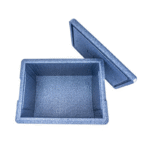
حلول عزل سلسلة التبريد لمنتجات المأكولات البحرية هي أنظمة تعبئة تعمل على إبطاء اكتساب الحرارة وتثبيت درجة الحرارة من مرحلة التعبئة إلى الاستلام. فكر في العزل مثل معطف الشتاء: لا يسبب البرد, لكنه يساعدك على الحفاظ على البرد الذي حزمته. نظام كامل يشمل الكرتون الخارجي, العزل, بطانة, سائل التبريد, الاحتواء, وطريقة إغلاق متسقة.
في الشحن الحقيقي, الحلقة الأضعف عادة ما تفوز. غطاء فضفاض, فجوات هوائية كبيرة, أو يمكن للمياه الذائبة الفوضوية أن تدمر العزل القوي. هذا هو السبب حلول عزل سلسلة التبريد لمنتجات المأكولات البحرية يجب أن تعمل في المحاور, شاحنات, وعتبات الأبواب، وليس فقط في مواصفات المختبر.
خريطة فشل المأكولات البحرية (درجة حرارة + ماء + وقت)
المأكولات البحرية رطبة وحساسة للرائحة. لذلك يجب على نظامك أن يدير درجة حرارة, رُطُوبَة, والاحتواء معاً. إذا قمت بإصلاح واحد فقط, ما زلت تخسر.
| خطر الفشل | سبب نموذجي | إصلاح يمكنك توحيد | ماذا يعني لك |
|---|---|---|---|
| ارتفاع درجة الحرارة | عزل رقيق, فجوات الهواء | تناسب أكثر إحكاما + إغلاق أفضل | مطالبات أقل بالتلف |
| تسرب المياه الذائبة | تعبئة ضعيفة, لا الصرف | حقيبة مزدوجة + طبقة ماصة/استنزاف | تسليم أنظف, عدد أقل من مشكلات الناقل |
| نقل الرائحة | الأختام الفقيرة, الهواء المحبوس | بطانة ضيقة + أكياس داخلية مختومة | تجربة فتح علبته أفضل |
| سحق الضرر | كرتونة ضعيفة, هيكل ناعم | كرتونة أقوى + بطانة صلبة | عدد أقل من المبالغ المستردة وإعادة الشحن |
نصائح عملية يمكنك استخدامها هذا الأسبوع
ممرات قصيرة (≥24 ساعة): إعطاء الأولوية للختم, تناسب ضيق, والتحكم في الرطوبة أولاً.
منتصف الممرات (24-48 ساعة): ترقية العزل أو أضف تغطية سائل التبريد المتوازنة (الجانبين + قمة).
ممرات طويلة (48–72h+): إعادة تصميم النظام بأكمله, ليس فقط "إضافة المزيد من الجليد".
الواقع العملي: العديد من حالات الفشل تأتي من فجوات صغيرة - الغطاء غير محكم, حزم وضعت بشكل خاطئ, أو بطانات فضفاضة جدا.
ما هي أهداف درجة الحرارة التي يجب أن تصل إليها حلول عزل سلسلة التبريد لمنتجات المأكولات البحرية؟?
يجب أن تتوافق حلول عزل سلسلة التبريد الخاصة بمنتجات المأكولات البحرية مع حالة المنتج, ليس الوعد التسويقي. غالبًا ما تهدف المأكولات البحرية الطازجة إلى ظروف ذوبان الجليد (~0 درجة مئوية) أو تسيطر عليها 0-4 درجة مئوية فرقة. تستهدف المأكولات البحرية المجمدة عادة ≥ -18 درجة مئوية لتجنب تلف ذوبان الجليد. إذا قمت بشحن الأسماك المعرضة لخطر الهيستامين, الوقت الأكثر صرامة - التحكم في درجة الحرارة أمر بالغ الأهمية.
لا تخمن "حقيقة درجة الحرارة". تحديد الفرقة المستهدفة, قاعدة رحلة الحد الأقصى, وافتراض الوقت. ثم قم بالتدريب والتدقيق وفقًا لهذا المعيار.
جدول أهداف بسيط يمكن لفريقك اتباعه
| نوع المأكولات البحرية | هدف عملي | المبرد النموذجي | مراقبة المفتاح | ماذا يعني لك |
|---|---|---|---|---|
| المأكولات البحرية الطازجة (مثلج) | ~0 درجة مئوية (ذوبان الجليد) | تقشر/الجليد الطين | الاتصال بالمياه الذائبة | الصرف والاحتواء إلزاميان |
| المأكولات البحرية المبردة (لا يوجد ثلج مبلل) | 0-4 درجة مئوية | حزم هلام / بي سي إم | خطر تجميد الحواف | تجنب الاتصال المباشر بسائل التبريد على وحدات SKU الحساسة |
| المأكولات البحرية المجمدة | ≥ -18 درجة مئوية | الجليد الجاف / PCM المجمدة | ذوبان الجليد وإعادة التجميد | العزل + الوقت العازل هو الأكثر أهمية |
| الأسماك المعرضة لخطر الهستامين (مثال) | <4.4درجة مئوية مع الحد الأدنى من الوقت الدافئ | الجليد/PCM + إجراءات التشغيل القياسية الصارمة | "عمليات الإحماء الصغيرة" | المراقبة مهمة أكثر مما تعتقد |
| مبرد للغاية (متقدم) | -3 إلى -1 درجة مئوية (رقابة مشددة) | ضبط PCM | خطر التجميد الجزئي | استخدم فقط مع إجراءات التشغيل الموحدة التي تم التحقق منها |
نصائح عملية لتجنب الفخاخ الشائعة
عبوات طازجة ومجمدة منفصلة. تتسبب إحدى الحزم "العالمية" في حدوث أعطال صامتة.
تصميم لآخر 2-6 ساعات. يمكن أن يكون وقت عتبة الباب أسوأ من وقت الخط.
إذا استمرت شكاوى الجودة, سجل الطريق. "الوصول باردًا" يمكن أن يخفي ارتفاعات منتصف الطريق.
السيناريو الحقيقي: قامت إحدى شركات الشحن بتخفيض الشكاوى عن طريق تقسيم إجراءات التشغيل الموحدة: واحد للثلج الطازج, واحد للتجميد الصلب.
ما هي المواد العازلة التي تعمل بشكل أفضل لحلول عزل سلسلة التبريد لمنتجات المأكولات البحرية?
أفضل حلول عزل سلسلة التبريد لمنتجات المأكولات البحرية هي تلك التي تحافظ على درجة الحرارة و البقاء على قيد الحياة الرطب, ثقيل, التعامل الخشن. سمك يساعد, لكن الملاءمة والإغلاق غالبًا ما يكونان أكثر أهمية. للمأكولات البحرية, تحتاج أيضًا إلى تحمل الرطوبة وقوة الضغط.
ابدأ بصعوبة المسار (ساعات + حرارة + تعرض الميل الأخير), ثم اختر أصغر ترقية تزيل وضع الفشل الأعلى لديك.
عزل EPS مقابل EPP مقابل VIP لمنتجات المأكولات البحرية
| خيار العزل | نقاط القوة النموذجية | المقايضات النموذجية | الممرات الأنسب | ماذا يعني لك |
|---|---|---|---|---|
| الرغوة EPS | تكلفة منخفضة, القيمة الحرارية الصلبة | قابل للكسر, يختلف التخلص | ممرات ذات اتجاه واحد | خيار بداية جيد, يحتاج إلى خطة النفايات |
| رغوة EPP | متينة, قابل لإعادة الاستخدام, مقاومة للتأثير | تكلفة أولية أعلى | حلقة مغلقة, كرر الممرات | انخفاض النفايات على مدى العديد من الرحلات |
| ألواح فوم PU | عزل قوي لكل سمك | تعقيد الضرر/التخلص | الممرات المتوسطة والطويلة | أداء مستقر, احتكاك أعلى |
| لوحات VIP | عزل عالي جدًا في الجدران الرقيقة | يكلف, يحتاج إلى الحماية | الممرات المميزة/الطويلة | وقت انتظار أطول بدون صناديق ضخمة |
| بطانات عاكسة | تقليل الحرارة المشعة | لا يكفي وحده | الطبقة الإضافية | يعمل بشكل أفضل باعتباره "معززًا".,"ليس جوهرًا |
نصائح عملية لتحسين أداء العزل
إغلاق الفجوات الهوائية. يمكن للغطاء الفضفاض أن يمحو مكاسب العزل السميكة.
الحجم الصحيح قبل ترقية المواد. حجم الهواء الأصغر يحمل لفترة أطول.
اختر الصلابة أولاً في البرامج الرطبة. يفشل الصندوق المطوي بشكل أسرع من الصندوق الرقيق.
مثال حقيقي: تكتسب بعض الفرق ساعات من الأداء من خلال تحسين الإغلاق وملاءمة البطانة - دون تغيير سمك العزل.
ما هي المبردات التي تتوافق بشكل أفضل مع حلول عزل سلسلة التبريد لمنتجات المأكولات البحرية?
تعمل حلول عزل السلسلة الباردة لمنتجات المأكولات البحرية عندما يبطئ العزل الحرارة ويمتصها سائل التبريد معًا. للمأكولات البحرية الطازجة, يكون الجليد الرطب مستقرًا بشكل طبيعي عند درجة حرارة الانصهار, لكنه يخلق المياه الذائبة. لبرودة (0-4 درجة مئوية), حزم هلام أو PCMs غالبًا ما تقلل من الفوضى. لتجميد, الثلج الجاف أو عادةً ما توفر أجهزة PCM ذات النطاق المجمد أقوى مخزن مؤقت.
اختر سائل التبريد بناءً على النطاق المستهدف, ثم التحقق من صحة التنسيب. عادةً ما يؤدي وضع سائل التبريد "العلوي فقط" إلى إنشاء زوايا ساخنة.
جدول اختيار المبرد (بسيطة وعملية)
| سائل التبريد | أفضل حولها | الأفضل ل | احترس | ماذا يعني لك |
|---|---|---|---|---|
| الجليد الرطب | ~0 درجة مئوية | برامج طازجة على الجليد | تسرب المياه الذائبة | يتطلب الصرف + الانضباط الاحتواء |
| حزم هلام | 0-5 درجة مئوية (يختلف) | الممرات القصيرة والمتوسطة المبردة | التبريد غير المتكافئ | يحتاج إلى تكييف + وضع متوازن |
| بي سي إم (ضبطها) | نقطة ضبط محددة | تحكم مبرد مستقر | تكلفة أعلى | يقلل من التقلبات ومخاطر تجميد الحواف |
| الجليد الجاف | مجمدة بعمق | الممرات المجمدة, مدة طويلة | قواعد التهوية/التسمية | قوي, ولكنه يتطلب التدريب وإجراءات التشغيل الموحدة |
تصريف المياه الذائبة وتغليف شحن المأكولات البحرية الذي يعمل بالفعل
ينبغي تصميم خطة المياه الذائبة الخاصة بك, غير مرتجلة. علاج الرطوبة كمنتج ثانٍ.
| عنصر التعبئة | أفضل الممارسات | لماذا يهم | مصلحتك |
|---|---|---|---|
| التعبئة | حقيبة مزدوجة + الأختام الضيقة | منع التسربات والرائحة | مشاكل الناقل أقل |
| طبقة التصريف | صينية مرتفعة أو قناة تصريف | يحافظ على المنتج بعيدًا عن المياه الذائبة | نسيج ورائحة أفضل |
| ماص | منصات الحجم لأسوأ الحالات | يلتقط التسرب | فتح علبة نظافة |
| إنهاء | نفس نمط الشريط في كل مرة | توقف "تسرب الغطاء" | نتائج متكررة |
نصائح واقتراحات عملية
استخدام الجانب + المبرد العلوي للتغطية. الزوايا تفشل أولاً.
تجنب الاتصال المباشر بالمبرد عندما يضر التجميد الجزئي بالجودة.
إذا كنت تستخدم الثلج الجاف, قواعد التعامل مع المستندات والحفاظ عليها متسقة.
حالة عملية: قامت إحدى شركات الشحن بتحسين ثقة العملاء من خلال جعل الصناديق تصل نظيفة وجافة - دون تغيير درجة الحرارة المستهدفة.
كيف يمكنك تحديد الحجم المناسب لحلول عزل سلسلة التبريد لمنتجات المأكولات البحرية لإيقاف شحن الهواء?
إن تحديد الحجم الصحيح هو الفوز الأسرع من حيث التكلفة والأداء في حلول عزل سلسلة التبريد لمنتجات المأكولات البحرية. عند شحن الهواء, أنت تدفع أجرة النقل مقابل المساحة الفارغة وتدفع للمبرد للتحكم فيها. أصغر, غالبًا ما يحافظ الشاحن الأكثر إحكامًا على درجة الحرارة لفترة أطول باستخدام مادة تبريد أقل.
فكر في "الترمس, ليست حقيبة." مقاس محكم يقلل من حركة الهواء والبقع الساخنة.
أداة "3 قياسات" ذات الحجم الصحيح (5 دقائق)
يقيس بصمة المنتج (الطول × العرض × الارتفاع) بما في ذلك الحقائب / الصواني الداخلية
يقيس بصمة المبرد (عبوات/ثلج/مساحة ثلج جاف)
يضيف مساحة عازلة فقط للحماية من السحق والتحكم في الفراغ
| عامل | ما يجب قياسه | قاعدة بسيطة | خطأ شائع | ماذا يعني لك |
|---|---|---|---|---|
| بصمة المنتج | حجم المنتج المعبأ | لا قعقعة | المتضخم "فقط في حالة" | اكتساب حرارة أعلى, تكلفة أعلى |
| بصمة المبرد | مقدار + الموضع | محيطي, لا تطفو | الموضع العلوي فقط | زوايا ساخنة ونهايات دافئة |
| مساحة عازلة | ملء باطلة + حماية | يكفي لمنع سحق | مساحة فارغة كبيرة جدًا | ينتهي بك الأمر "شحن الهواء" |
نصائح عملية يمكنك استخدامها اليوم
استخدم مقياس مناسب (قالب بسيط) لذلك يختار القائمون على التعبئة الحجم المناسب بسرعة.
توحيد تخطيطات الحزمة من قبل عائلة SKU (صور تغلب الفقرات).
احتفظ ب حزمة "اليوم الحار" الموسمية, لا overspec على مدار السنة.
مثال حقيقي: العديد من البرامج خفضت الإنفاق على الشحن و تقليل الرحلات بعد تقليص حجم الصندوق بخطوة واحدة.
كيف يجب أن تقوم بتعبئة المأكولات البحرية باستخدام حلول عزل سلسلة التبريد لمنتجات المأكولات البحرية؟?
التعبئة هي المكان الذي تنجح فيه أو تفشل فيه حلول عزل سلسلة التبريد لمنتجات المأكولات البحرية. يجب أن يكون تصميمك قابلاً للتكرار بأقصى حجم. إذا كانت الحزمة تختلف حسب الشخص, تختلف النتائج حسب اليوم.
يوجد أدناه مساران مناسبان لإجراءات التشغيل القياسية (SOP) يمكنك التدريب عليهما في دقائق.
تدفق التعبئة للمأكولات البحرية المبردة (0-4 درجة مئوية أو ~0 درجة مئوية)
قم بتبريد المنتج مسبقًا إلى النطاق المستهدف قبل التعبئة
حزم هلام مسبقة الشرط / PCM إلى نقطة ضبط ثابتة
أضف طبقة ماصة أو تصريف سفلية
أدوات اتخاذ القرار مفيدة
تحقق من التفاصيل قبل اختيار التغليف
يمكن أن تساعدك هذه الأدوات السريعة في مقارنة مخاطر المسار, احتياجات التحجيم, خيارات المبرد, وتفاصيل التعبئة والتغليف قبل أن تطلب عرض أسعار.
01دعم قائمة المراجعةمولد قائمة التحقق من الامتثال
قم ببناء قائمة مرجعية عملية لمراجعة التغليف, شحن, والتوثيق.
بناء قائمة مرجعية02تخطيط الثلج الجافحاسبة الثلج الجاف
تقدير احتياجات الثلج الجاف للشحنات المجمدة أو شديدة البرودة قبل التعبئة.
تقدير الثلج الجاف03تقدير حزمة الجليدحاسبة علبة الثلج
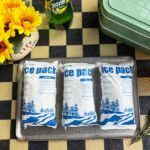
تقدير كمية عبوات الثلج الهلامي للشحنات المبردة والتخطيط العملي للمسار.
تقدير عبوات الثلجنضع المأكولات البحرية في كيس مزدوج ونغلقها بإحكام
ضع المبرد الجانبين + قمة, ثم ملء الفراغات
أغلق البطانة بالكامل وأغلق الكرتون بنمط شريط ثابت
تدفق التعبئة للمأكولات البحرية المجمدة (≥ -18 درجة مئوية)
تأكد من تجميد قلب المنتج بالكامل قبل التعبئة
استخدام العزل المطابق للمدة + المخاطر المحيطة
أضف الثلج الجاف/ PCM المجمد مع أسلوب الفصل والتهوية الآمن
تقليل مساحة الفراغ للحد من الحمل الحراري
إغلاق وختم باستمرار, ثم ضع علامة وفقًا لإجراءات التشغيل المعيارية (SOP) الخاصة بك
نصائح واقتراحات عملية
الوقت مهم: قم بتعيين "أقصى وقت للتدريج" بين التعبئة والالتقاط.
توضع المسائل: جعل وضع المبرد رسما تخطيطيا, ليس تخمينا.
المسائل النظيفة: تعمل الكرتونة الخارجية الجافة على تحسين التعامل مع الناقل وثقة العملاء.
النتيجة الفعلية: غالبًا ما تكتسب الفرق الموثوقية من خلال توحيد معايير الإغلاق والتنسيب، قبل شراء العزل المتميز.
كيف يمكنك التحقق من صحة ومراقبة حلول عزل سلسلة التبريد لمنتجات المأكولات البحرية في 2025?
في 2025, يجب إثبات حلول عزل سلسلة التبريد لمنتجات المأكولات البحرية بالبيانات, لا أمل. ابدأ صغيرًا: خطة أخذ العينات مع قطع الاشجار درجة الحرارة منخفضة التكلفة, وضع متسق, وقواعد النجاح/الفشل الواضحة. وهذا يقلل من الخلافات, يحسن إجراءات التشغيل الموحدة, ويمنع الإسراف في الإنفاق.
يساعدك التحقق من الصحة أيضًا على ترقية المتغير الصحيح. إذا حدث الاحترار في وقت متأخر, إصلاح الإغلاق أو التغطية العلوية. إذا كان يسخن في وقت مبكر, ترقية مستوى العزل.
خطة التحقق التي يمكنك تشغيلها هذا الأسبوع
| امتحان | ما تحاكيه | ما لتسجيل | فكرة النجاح/الفشل | ماذا يعني لك |
|---|---|---|---|---|
| متوسط اليوم | وقت الطريق العادي | أقصى درجة حرارة + الوقت فوق الحد | يبقى في النطاق المستهدف | خط الأساس الواثق |
| يوم حار | محيطة عالية + خطر الشمس | منحنى درجة الحرارة | لا توجد هضبة دافئة طويلة | الاستعداد للصيف |
| سيناريو التأخير | +12– ثبات لمدة 24 ساعة | نهاية درجة الحرارة + اتجاه | لا تزال آمنة عند الاستلام | عدد أقل من الإخفاقات المفاجئة |
قائمة مرجعية لمراقبة سلسلة تبريد المأكولات البحرية (نسخ إلى SOP)
| خطوة | ما تحققه | معيار المثال | ماذا تفعل بعد ذلك |
|---|---|---|---|
| حزمة مسبقة | درجة حرارة المنتج | يلبي الفرقة المستهدفة | إعادة البرد أو رفض |
| الحزمة | صور التخطيط | يطابق المعيار | إعادة تدريب إذا الانجراف |
| عبور | ذروة المسجل | لا توجد طفرات فوق الحد | ضبط العملية/المبرد |
| إيصال | حالة | لا تسرب, لا تليين | مراجعة السبب الجذري |
اختبار ذاتي سريع: هل أنت تحت الحماية?
أعط نفسك 1 نقطة لكل "نعم":
هل تتم الرحلات في الغالب بالقرب من وقت التسليم?
هل تتجمع حالات الفشل في الأيام الحارة أو أيام الاثنين?
هل "تضيف المزيد من الثلج" بدلاً من تثبيت الإغلاق؟?
هل تتناسب البطانة بشكل فضفاض داخل الكرتون؟?
هل تفتقر إلى خطوات التكييف المسبق المتسقة؟?
النتيجة 3-5: من المحتمل أنك بحاجة إلى ترقية النظام.
النتيجة 1-2: العملية والتنسيب قد يصلحانه أولاً.
كيف يمكنك تقليل مخاطر الميل الأخير باستخدام حلول عزل سلسلة التبريد لمنتجات المأكولات البحرية?
غالبًا ما تفشل حلول عزل سلسلة التبريد لمنتجات المأكولات البحرية في الميل الأخير, ليس الخط. وقت الشرفة, التسليم المفقود, ويمكن للمركبات الساخنة أن "تقضي" مدة صلاحيتها بسرعة. أفضل رافعة لديك جاهزة للعمل: حضر قواعد التسليم, التنبيهات, وتقسيم المسار.
علاج الميل الأخير مثل سباق التتابع. إذا انقطعت عمليات التسليم, العزل لا يمكن أن ينقذ المسار.
استراتيجية عزل سلسلة التبريد للميل الأخير للمأكولات البحرية (قواعد بسيطة)
| خطر الميل الأخير | كيف تبدو | أفضل تحكم | آثار التعبئة والتغليف | ماذا يعني لك |
|---|---|---|---|---|
| التعرض عتبة الباب | صندوق في الشمس | نوافذ التسليم + التنبيهات | يمكنك تقليل "الإفراط" | تكلفة أقل, مبالغ مستردة أقل |
| التسليم المفقود | أعد المحاولة في اليوم التالي | التوقيع / بيك اب | وقت أقل للسكن | نسبة نجاح أعلى |
| سيارة ساخنة تسكن | تأخير الطريق الطويل | قواعد التوجيه | هناك حاجة إلى عزل أقوى | الاتساق في أيام الذروة |
نصائح عملية يمكنك تنفيذها بسرعة
يستخدم نوافذ التسليم المبكر للمأكولات البحرية الطازجة والمجموعات المتميزة.
يخلق وضعين للتسليم: حضر مقابل غير المراقب (التحقق من صحتها فقط).
يرقي الممرات الخطرة فقط, ليس كل أمر.
نمط العالم الحقيقي: يمكن أن تكون الساعات الـ 2-6 الأخيرة هي الأكثر خطورة.
كيف يمكنك خفض التكلفة الإجمالية والكربون دون التضحية بالجودة؟?
حلول عزل سلسلة التبريد الأقل تكلفة لمنتجات المأكولات البحرية هي تلك التي تمنع الفشل. المبالغ المستردة, يعيد شحنه, والأضرار التي لحقت بالعلامة التجارية هي العوامل القاتلة الخفية للميزانية. بعد ذلك, الحجم الصحيح, تبسيط المواد, ولا تنظر في إعادة الاستخدام إلا عندما تكون العائدات حقيقية.
غالبًا ما تكون الخطوة الأكثر "صديقة للبيئة" هي تقليل عدد الشحنات البديلة. منع النفايات يتفوق على المواد المثالية.
أدوات التكلفة والاستدامة (بالترتيب الصحيح)
| رافعة | ما تغيره | لماذا يعمل | خطر للمشاهدة | ماذا يعني لك |
|---|---|---|---|---|
| إخفاقات أقل | إجراءات تشغيل قياسية أفضل + السيطرة على الميل الأخير | يتجنب إعادة الشحن والنفايات | يحتاج الانضباط | أكبر تأثير سريع |
| الحجم الصحيح | كرتونة أصغر | انخفاض الشحن + عقد أفضل | تعقيد SKU | تكلفة أقل لكل طلب |
| تبسيط المواد | أجزاء مختلطة أقل | التخلص منها أسهل | تباين الأداء | امتثال أفضل للعملاء |
| إعادة استخدام البرامج | أنظمة EPP القابلة لإعادة الاستخدام | انخفاض النفايات في كل رحلة | معدلات العودة | أفضل خيار على المدى الطويل |
نصائح عملية
مسار معدل الاستبدال مثل مؤشر الأداء الرئيسي (إنها تكلفة و الكربون).
احتفظ ب حزمة الصيف الذي يمنع ارتفاع المطالبات الموسمية.
اكتب تعليمات التخلص بلغة واضحة وسيتبعها العملاء.
2025 أحدث التطورات والاتجاهات في عزل سلسلة تبريد المأكولات البحرية
في 2025, تنتقل حلول عزل سلسلة التبريد لمنتجات المأكولات البحرية من "الأكثر سمكًا وأكثر أمانًا" إلى "التحقق من صحتها"., الحجم الصحيح, حارة محددة." تتبنى الفرق حزمًا من مستويين (معيار + المخاطر الساخنة), تحسين البطانات المقاومة للرطوبة, واستخدام مراقبة خفيفة الوزن للحد من النزاعات. يتجه العزل عالي الأداء أيضًا حيث تكون عقوبات الوزن الأبعاد مؤلمة.
آخر تقدم في لمحة
الحزم المستندة إلى المسار: عدد أقل من سياسات "صندوق واحد لكل شيء".
تصميمات ذكية للرطوبة: طبقات تصريف أفضل واحتواء مقاوم للتسرب
مراقبة أكثر ذكاء: أدوات تسجيل أخذ العينات ومعايير النجاح/الفشل الواضحة
تصميمات أرق وعالية الأداء: وقت تثبيت أقوى بدون صناديق كبيرة الحجم
التبريد الفائق الانتقائي: فقط عندما يكون التحكم في SOP محكمًا ويتم التحقق من صحته
الأسئلة المتداولة
س 1: ما هي حلول عزل سلسلة التبريد لمنتجات المأكولات البحرية بعبارات بسيطة?
إنها خيارات التعبئة والتغليف وإجراءات التشغيل القياسية (SOP) التي تحافظ على المأكولات البحرية في نطاق درجة الحرارة المستهدفة أثناء تأخير الشحن الحقيقي.
Q2: هل تحتاج المأكولات البحرية الطازجة والمجمدة إلى عبوات مختلفة?
نعم. يحتاج الطازج إلى الاستقرار بالقرب من الجليد والتحكم في الرطوبة, بينما يحتاج التجميد إلى برودة عميقة والحد الأدنى من دورة التجميد وإعادة التجميد.
س 3: هل العزل السميك أفضل دائمًا؟?
لا. الحجم الصحيح, إغلاق محكم, وغالبًا ما يتفوق الوضع المتسق على العزل الأكثر سمكًا في الصناديق كبيرة الحجم.
س 4: ما هو أسهل التحسين الأول الذي يجب القيام به?
توحيد تخطيط الحزمة (صور), تشديد الإغلاق, وأضف خطة تصريف/امتصاص للبرامج الرطبة.
س 5: كم مرة يجب أن أختبر التغليف?
على الأقل موسميا, وفي أي وقت تقوم فيه بتغيير المسارات, أحجام الصناديق, المبردات, أو ناقلات.
ملخص وتوصيات
تعمل حلول عزل السلسلة الباردة لمنتجات المأكولات البحرية بشكل أفضل كنظام كامل: العزل, سائل التبريد, الاحتواء, وخطوات التعبئة المتكررة. ابدأ بتحديد الأهداف (الطازجة مقابل المجمدة) وتقسيم الممرات بصعوبة. ثم قم بإصلاح الأساسيات: تناسب ضيق, إغلاق قوي, وضع المبرد المتوازن, والتحكم في الرطوبة. أخيراً, يمكنك التحقق من صحة البيانات من خلال اختبار بسيط لليوم الساخن والتأخير حتى تتمكن من ترقية ما تثبته البيانات فقط.
خطة عمل الخطوة التالية الخاصة بك (بسيطة وسريعة)
حدد نطاقًا مستهدفًا واحدًا لكل عائلة SKU (الطازجة مقابل المجمدة).
بناء حزمتين: معيار و المخاطر الساخنة.
كرتونة ذات حجم مناسب باستخدام طريقة "3 قياسات"..
يجري 3 الاختبارات (متوسط / حار / تأخير) مع معيار وضع مسجل واحد.
أضف عناصر التحكم في الميل الأخير للممرات والمواسم عالية الخطورة.
حول Tempk
و Tempk, نحن نبني حلول عزل سلسلة التبريد لمنتجات المأكولات البحرية عملي, أنظمة قابلة للتكرار. نحن نركز على اختيار العزل, استراتيجية المبرد, التحكم في الرطوبة, وحزم إجراءات التشغيل الموحدة التي يمكن لفريقك اتباعها بسرعة. نساعدك أيضًا على التحقق من صحة الأداء من خلال خطة اختبار موسمية بسيطة, لذلك يمكنك تقليل المطالبات دون الإفراط في الإنفاق على التعبئة والتغليف.
الخطوة التالية: شارك حالة المنتج الخاص بك (طازجة أو مجمدة), مدة الممر, ومخاطر الميل الأخير (حضر مقابل غير المراقب). سنحدد اتجاه النظام الخاص بالحارة وقائمة التحقق من الصحة التي يمكنك تشغيلها هذا الأسبوع.