كيفية الحفاظ على اللحوم آمنة في سلسلة التبريد: أفضل الممارسات ل 2025
كمحترف في سلسلة التبريد, أنت تعلم أن الحفاظ على سلامة اللحوم لا يقتصر فقط على وضعها على الجليد; يتعلق الأمر بالحفاظ على درجات حرارة دقيقة, مستويات الرطوبة وإجراءات المناولة من المسلخ إلى المستهلك. أفضل ممارسات اللحوم الباردة تتطور, و 2025 يجلب تقنيات جديدة, لوائح أكثر صرامة وتوقعات الاستدامة. يعتمد هذا الدليل على مصادر تم التحقق منها لتقديم ما هو محدث, رؤى سهلة الفهم ستساعدك على حماية جودة اللحوم, إرضاء المنظمين وكسب ثقة المستهلك. سنستكشف نطاقات درجات الحرارة الآمنة, خيارات التعبئة والتغليف, الخدمات اللوجستية, الامتثال والاتجاهات الناشئة - كلها مكتوبة لك, ليس فقط للخبراء. سواء كنت جزارًا صغيرًا, معالج كبير, أو مزود الخدمات اللوجستية, ستساعدك هذه النصائح على تقليل النفايات, منع الأمراض المنقولة بالغذاء وإجراء عملية أكثر كفاءة.
في هذا الدليل سوف تتعلم
درجات حرارة التخزين والنقل الآمنة - بما في ذلك الاختلافات بين اللحوم المبردة والمجمدة وسبب أهمية الرطوبة.
التعبئة والتغليف والتحكم في الرطوبة استراتيجيات لإطالة مدة الصلاحية ومنع حرق الفريزر أو الجفاف.
أفضل الممارسات للوجستيات سلسلة التبريد - بدءًا من تعبئة التكييف المسبق وحتى مراقبة درجة الحرارة في الوقت الفعلي وتحسين المسار.
اللوائح والشهادات ل 2025 - بما في ذلك متطلبات FSMA المحدثة, قواعد النظافة في الاتحاد الأوروبي ومعايير إصدار الشهادات الجديدة.
التقنيات والاتجاهات الناشئة مثل الأتمتة, مستشعرات إنترنت الأشياء, منظمة العفو الدولية, مبادرات blockchain والاستدامة تشكل لوجستيات اللحوم الباردة.
ما هي درجة الحرارة التي يجب تخزين اللحوم ونقلها فيها للحفاظ على سلامتها؟?
احرص دائمًا على إبقاء اللحوم أقل من درجة الحرارة المستهدفة وبعيدًا عن منطقة الخطر. للحوم المبردة, وهذا يعني الحفاظ على درجة الحرارة الداخلية عند أو أقل 4 درجة مئوية (40 ° f), وبالنسبة للحوم المجمدة يعني -18 درجة مئوية (0 ° f) أو أكثر برودة. هذه العتبات ليست تعسفية; تتكاثر البكتيريا بسرعة عندما يجلس اللحم بينهما 5 درجة مئوية و 63 درجة مئوية, ما يسمى منطقة الخطر, لذا فإن تقليل الوقت فوق الحد الآمن أمر بالغ الأهمية. من المهم أيضًا مراعاة الرطوبة: تحفظ اللحوم المبردة بين -0.75 درجة مئوية و-1.25 درجة مئوية مع رطوبة نسبية تبلغ 80-85 % يمكن أن تستمر من أسبوع إلى أسبوعين; عند 0-2 درجة مئوية تنخفض الحياة إلى 8-10 أيام. يمكن أن يؤدي انخفاض درجة الحرارة إلى ما دون -2 درجة مئوية إلى إتلاف بنية الخلية والإضرار بالجودة.
إن حفظ اللحوم ضمن هذه النطاقات ليس بهذه البساطة مثل ضبط منظم الحرارة. يجب مراقبة درجة الحرارة بشكل مستمر أثناء التخزين والنقل, استخدام المعدات المعايرة, وفهم أن فئات اللحوم المختلفة لها متطلبات مختلفة قليلاً. على سبيل المثال, هيئة سلامة الأغذية في أيرلندا تنص على ذلك يجب أن تبقى الدواجن في 4 درجة مئوية أو أقل, فضلات في 3 درجة مئوية أو أقل واللحوم الأخرى عند 7 درجة مئوية أو أقل أثناء التحضير. بعد الإنتاج, يجب تبريد اللحم المفروم لا أكثر من 2 درجة مئوية وغيرها من مستحضرات اللحوم 4 درجة مئوية, أو المجمدة ل -18 درجة مئوية أو أكثر برودة. ويجب الحفاظ على هذه العتبات طوال فترة التخزين والنقل.
نطاقات درجة الحرارة والرطوبة الموصى بها للحوم
| نوع اللحوم أو معالجتها | نطاق درجة الحرارة | الرطوبة النسبية | مصلحتك |
| اللحوم الحمراء المبردة (تخزين) | -0.75 درجة مئوية إلى -1.25 درجة مئوية | 80-85 % | يمتد الحياة إلى 1-2 أسابيع, يمنع الجفاف والتلف |
| اللحوم المبردة عند درجة حرارة 0-2 درجة مئوية | 0-2 درجة مئوية | 80-85 % | يوفر تخزينًا لمدة 8-10 أيام; يمكن أن تمتد التعبئة والتغليف الفراغي إلى 30 أيام |
| دواجن (أنا) | ≤ 4 درجة مئوية | غير محدد; الحفاظ على رطوبة معتدلة | يحد من نمو الميكروبات ويلبي اللوائح |
| فضلات (أنا) | ≤ 3 درجة مئوية | رطوبة معتدلة | يقلل من تلف الأعضاء شديدة التلف |
| اللحوم الأخرى (أنا) | ≤ 7 درجة مئوية | رطوبة معتدلة | يوازن بين السلامة والجودة الحسية |
| اللحم المفروم بعد الإنتاج | ≤ 2 درجة مئوية | رطوبة عالية لمنع الجفاف | يحافظ على الجودة حتى المعالجة |
| محضرات اللحوم | ≤ 4 درجة مئوية أو مجمدة إلى -18 درجة مئوية | الرطوبة العالية أو المجمدة | يضمن السلامة أثناء التخزين والنقل |
| اللحوم المجمدة | ≥ -18 درجة مئوية (0 ° f) | رطوبة منخفضة لمنع تراكم الجليد | يوقف النشاط الميكروبي ويسمح بالتخزين الطويل |
| ثلاجة للأطعمة عالية الخطورة (عام) | 0-5 درجة مئوية | الرطوبة الكافية لمنع الجفاف | يحافظ على الأطعمة عالية الخطورة مثل اللحوم, الحليب والمعجنات آمنة |
لماذا يهم الرطوبة
غالبًا ما يتم التغاضي عن الرطوبة. الرطوبة المنخفضة تسرع التبخر, مما يسبب فقدان الوزن, تجفيف السطح والأكسدة. الرطوبة العالية تقلل من الجفاف ولكنها تشجع نمو العفن والميكروبات. الحفاظ على الرطوبة حولها 80-85 % يوازن هذه المخاطر بالنسبة للحوم المبردة. عند تخزينها في غرف التجميد, المحافظة على نسبة رطوبة نسبية 60-70 % لتجنب تراكم الثلج على العبوة مع منع الجفاف. توفر مراقبة الرطوبة إلى جانب درجة الحرارة إنذارًا مبكرًا بفشل المعدات; يمكن لأجهزة الاستشعار الرقمية التي تسجل كلا المقياسين أن تساعدك على اكتشاف الاتجاهات والتصرف قبل أن تتأثر الجودة.
نصائح لتحقيق أهداف درجة الحرارة
استخدم موازين الحرارة المعايرة أو مسجلات البيانات: تحقق من الأجهزة يوميًا وسجل القراءات للتأكد من امتثالها. توفر أجهزة الاستشعار اللاسلكية المتصلة بلوحات المعلومات السحابية إمكانية الرؤية في الوقت الفعلي.
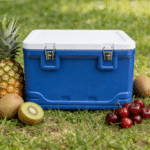
التعبئة والتغليف شرط مسبق: مواد التعبئة والتغليف قبل التبريد (على سبيل المثال, مبردات EPS أو عبوات هلامية) إلى درجات الحرارة المستهدفة قبل التحميل. يضمن التكييف المسبق بقاء البيئة الداخلية باردة لفترة أطول ويقلل من ارتفاع درجات الحرارة أثناء التحميل.
الحفاظ على تدفق الهواء المناسب: لا تفرط في الثلاجات أو الشاحنات. حافظ على الفجوات بين المنصات والصناديق للسماح للهواء البارد بالتوزيع بالتساوي. يمكن أن يؤدي تدفق الهواء غير المتساوي إلى إنشاء نقاط ساخنة وتسريع التلف.
تقليل فتحات الأبواب: في كل مرة يفتح الباب, يدخل الهواء الدافئ. استخدم الستائر الشريطية أو غرف معادلة الضغط وخطط لسير العمل لتقليل وقت فتح الباب. تقوم بعض المرافق بتثبيت أبواب آلية تغلق بسرعة للحفاظ على درجة الحرارة.
إنشاء نقاط التحكم الحرجة (نقاط التحكم الحرجة): رسم خريطة لجميع المراحل التي قد ترتفع فيها درجة الحرارة (فتحات التحميل, مناطق التدريج, تسليم الميل الأخير). استخدم نقاط التحكم الحرجة لتركيز المراقبة والإجراءات التصحيحية.
مثال الحالة: لاحظ أحد معالجي اللحوم متوسط الحجم أن المنتجات النهائية كانت تغادر غرفة التبريد عند درجة الحرارة المناسبة ولكنها تصل إلى مركز التوزيع الخاص بها 3 درجة مئوية أكثر دفئا. من خلال رسم خرائط عمليتهم, اكتشفوا أن منصات التحميل بالقرب من رصيف التحميل مع إضافة ضوء الشمس المباشر 15 دقائق التعرض خلال الساعة الأكثر ازدحاما. أدى تركيب المظلة وتحريك التدريج إلى الداخل إلى منع حدوث هذه المسامير, وبقيت درجات الحرارة المسجلة داخل 4 حد درجة مئوية.
كيف يمكن للتغليف والتحكم في الرطوبة إطالة مدة صلاحية اللحوم؟?
التعبئة والتغليف السليم وإدارة الرطوبة تعمل على إبطاء التلف وحماية الجودة. ختم فراغ, تغليف جو معدل (رسم خريطة) وتساعد تقنيات التغليف الذكية جميعها في تقليل التعرض للأكسجين, السيطرة على الرطوبة وتوفير التغذية المرتدة البيئية. الختم الفراغي يزيل الهواء, مما يبطئ الأكسدة ونمو الميكروبات; يستبدل MAP الأكسجين بالغازات الخاملة مثل ثاني أكسيد الكربون أو النيتروجين. وفقا لتوجيهات سلسلة التبريد, يمكن أن يؤدي التغليف المفرغ إلى تمديد فترة تخزين اللحوم المبردة من 8 إلى 10 أيام إلى ما يصل إلى 10 أيام 30 أيام. يمكن لـ MAP إطالة مدة الصلاحية بشكل أكبر عند دمجها مع التبريد والتعامل النظيف.
عامل رئيسي آخر هو منع حرق الثلاجة. يحدث حرق الفريزر عندما يتصاعد الماء من سطح اللحوم, ترك الجافة, بقع جلدية ونكهات خارج. غالبًا ما ينتج ذلك عن التغليف السيئ الغلق أو تقلبات درجات الحرارة. لتجنب ذلك, إزالة أكبر قدر ممكن من الهواء, استخدام مواد مقاومة لبخار الرطوبة (على سبيل المثال, أكياس متعددة الطبقات) وتجنب تقلبات درجات الحرارة. للمنتجات المبردة, المحافظة على رطوبة عالية لمنع جفاف السطح; للمنتجات المجمدة, الرطوبة المعتدلة تمنع تراكم الصقيع على العبوة.
خيارات التغليف المبتكرة
| طريقة التعبئة والتغليف | كيف يعمل | فوائد | الأفضل ل |
| ختم فراغ | يزيل الهواء ويغلق اللحم في كيس بلاستيكي باستخدام آلة تفريغ الهواء. | يقلل من التعرض للأكسجين, يبطئ الأكسدة ونمو الميكروبات, يقلل من حرق الفريزر. | اللحوم المبردة والمجمدة; قطع صغيرة أو كبيرة الحجم |
| تغليف الغلاف الجوي المعدل (رسم خريطة) | يغسل العبوة بخليط الغاز (عادة 30 % co₂, 70 % ن₂) قبل الختم. | يطيل مدة الصلاحية عن طريق تثبيط البكتيريا الهوائية وإبطاء التلف; يمكن أن تقلل من الحاجة للمواد الحافظة. | قطع جاهزة للبيع بالتجزئة من اللحوم الحمراء والدواجن |
| تغليف الجلد | يشبه المكنسة الكهربائية ولكنه يستخدم صينية مُشكلة مسبقًا وطبقة انكماش حراري تتوافق بإحكام حول اللحوم. | يوفر مظهرًا متميزًا, يقلل من فقدان بالتنقيط, يعزز العمر الافتراضي عن طريق الحد من مساحة الرأس. | شرائح اللحم الممتازة, قطع متبلة ذات قيمة مضافة |
| التغليف الذكي | يدمج أجهزة الاستشعار التي تراقب درجة الحرارة, الرطوبة أو التكامل بين درجة الحرارة والوقت وعرض التحذيرات في حالة تجاوز العتبات. | يقدم ردود فعل في الوقت الحقيقي للموزعين والمستهلكين, يدعم إمكانية التتبع, يقلل من النفايات. | منتجات عالية القيمة أو سلاسل التوريد الممتدة |
| حاويات معزولة قابلة لإعادة الاستخدام | صناديق صلبة أو مرنة ذات مقاومة حرارية عالية; غالبًا ما يتم دمجها مع عبوات الثلج أو عبوات الجل. | الحفاظ على درجات حرارة مستقرة أثناء النقل; تقليل المواد البلاستيكية ذات الاستخدام الواحد. | تسليم الميل الأخير, شحنات صغيرة |
تقنيات إدارة الرطوبة
استخدم أجهزة الترطيب في الغرف المبردة: أضف الرطوبة إلى الهواء للحفاظ على 80-85 % الرطوبة النسبية. استخدم أجهزة الاستشعار لمنع الترطيب الزائد.
تركيب مزيلات الرطوبة في المجمدات: تؤدي الرطوبة الزائدة إلى تراكم الصقيع والجليد على ملفات المبخر. مزيلات الرطوبة إزالة الرطوبة, ضمان نقل الحرارة بكفاءة وتقليل دورات تذويب.
تجنب التكثيف: التغيرات السريعة في درجات الحرارة يمكن أن تسبب التكثيف الذي يقطر على اللحوم. حافظ على درجات حرارة ثابتة وتأكد من جفاف العبوات قبل تكديسها.
مراقبة سلامة التعبئة والتغليف: التحقق من الأختام وخصائص الحاجز. حتى الثقوب الصغيرة يمكن أن تسمح بدخول الرطوبة أو خروجها, الإضرار بجودة المنتج.
تدوير الأسهم: اتبع ما يصرف أولاً (أولا في, أولًا) لمنع بقاء المنتج لفترة طويلة في التخزين.
ما هي أفضل الممارسات لنقل اللحوم في سلسلة التبريد؟?
النقل هو الحلقة الأكثر خطورة في سلسلة تبريد اللحوم لأن الظروف يصعب السيطرة عليها. تبدأ ممارسات النقل الجيدة باستخدام التحقق من صحته, التعبئة والتغليف والمركبات المبردة المعدة مسبقًا للحوم. مبردات الرغوة مصنوعة من البوليسترين الموسع (EPS) الاحتفاظ بالبرد ومقاومة الضرر أثناء المناولة, بينما تحافظ عبوات الجل أو الثلج الجاف على درجات حرارة تحت الصفر للرحلات الطويلة. عند شحن اللحوم المجمدة, يجب أن تظل الشحنات عند -18 درجة مئوية أو أقل طوال فترة النقل; حتى الانحرافات البسيطة يمكن أن تسبب ذوبانًا جزئيًا وتؤدي إلى تدهور السلامة. يجب أن تحتوي المركبات على حجرات مجهزة بالتجميد, ويجب أن تمنع أختام الأبواب دخول الهواء الدافئ. مراقبة مستمرة لدرجة الحرارة مع مسجلات البيانات, تتحقق علامات RFID أو مستشعرات إنترنت الأشياء من الامتثال وتوفر أدلة التتبع.
قائمة مراجعة إعداد النقل
تخطيط الطرق والجداول الزمنية. اختر الطرق التي تقلل من وقت السفر وتتجنب الازدحام. استخدم التحليلات التنبؤية لتوقع التأخير وضبط أوقات المغادرة وفقًا لذلك.
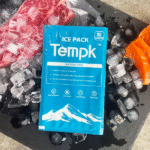
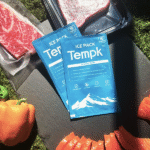
حزم الشروط المسبقة. قم بتجميد عبوات الجل أو الثلج الجاف وتبريد الحاويات قبل التحميل. للرحلات الطويلة, النظر في المواد المتغيرة الطور التي تحافظ على نطاقات درجة حرارة محددة.
التحقق من حالة السيارة. فحص وحدات التبريد, أختام الأبواب والعزل. معايرة أجهزة الاستشعار والتأكد من شحن أجهزة تسجيل البيانات.
تحميل بسرعة وكفاءة. قم بوضع المنتجات في منطقة مبردة قبل التحميل; تجنب ترك اللحوم في درجة الحرارة المحيطة. استخدم أغطية المنصات أو البطانيات الحرارية عند الانتقال من الغرفة الباردة إلى الشاحنة.
فصل المنتجات. احتفظ باللحوم النيئة منفصلة عن العناصر المطبوخة أو الجاهزة للأكل لمنع التلوث المتبادل. استخدم الرفوف أو الحاويات المخصصة.
رصد وتسجيل. ضع أجهزة استشعار درجة الحرارة في مواقع مختلفة داخل الحمولة. يتيح التتبع في الوقت الفعلي تحسين المسار واتخاذ الإجراءات التصحيحية الفورية في حالة انحراف درجات الحرارة.
سائقي القطارات والمتعاملين معها. توفير إجراءات واضحة للتعامل مع البضائع الحساسة لدرجة الحرارة, ماذا تفعل في حالة تعطل المعدات, وكيفية استخدام أجهزة المراقبة.
لديك خطط للطوارئ. إذا تعطلت المركبة, معرفة مكان أقرب منشأة تبريد أو تجهيز مركبة احتياطية. الحفاظ على قوائم الاتصال والتعليمات في حالات الطوارئ.
توثيق كل شيء. الاحتفاظ بسجلات درجات الحرارة, أوقات المغادرة والوصول, وأي إجراءات تصحيحية. تعتبر السجلات ضرورية للامتثال التنظيمي وإمكانية التتبع.
استخدام التكنولوجيا للرصد في الوقت الحقيقي
يمكّن التتبع في الوقت الفعلي شركات الخدمات اللوجستية من تحسين الطرق, تجنب الازدحام المروري وضمان التسليم في الوقت المناسب. تعمل أنظمة المراقبة على تقليل النفايات عن طريق منع تلف المنتجات الحساسة لدرجة الحرارة وتدهورها وتوفير سجل يمكن التحقق منه لرحلة الشحنة من أجل الامتثال التنظيمي. تتضمن الأنظمة عادة:
حساسات درجة الحرارة والرطوبة التي تنقل البيانات عبر الشبكات الخلوية أو الفضائية.
وحدات نظام تحديد المواقع لتتبع الموقع وتحليل كفاءة الطريق.
لوحات المعلومات السحابية تلك البيانات المجمعة, إطلاق التنبيهات عند انتهاك الحدود, وإنتاج تقارير لعمليات التدقيق.
تطبيقات الجوال للسائقين للتحقق من الظروف وتسجيل الإجراءات.
التكامل مع أنظمة إدارة النقل للجدولة التلقائية والتوثيق.
إن استخدام هذه الأدوات لا يقلل من التلف فحسب، بل يعزز أيضًا رضا العملاء من خلال توفير معلومات محدثة حول عمليات التسليم. عند اختيار النظام, تأكد من دقة أجهزة الاستشعار عبر نطاق درجة الحرارة المطلوبة ولها عمر بطارية طويل. فكر في الأنظمة التي تتوافق مع معايير مثل في 12830 (أجهزة قياس درجة الحرارة لنقل البضائع القابلة للتلف) ويمكنه تصدير البيانات بتنسيقات شائعة لعمليات التدقيق.
ماذا يعني الامتثال ل 2025 اللوائح ومعايير إصدار الشهادات لمنتجي اللحوم?
الامتثال للوائح غير قابل للتفاوض — قد يؤدي عدم القيام بذلك إلى سحب المنتج, الغرامات والإضرار بالسمعة. قانون تحديث سلامة الأغذية في الولايات المتحدة (FSMA) يؤكد على الضوابط الوقائية ويطلب من شركات الأغذية الاحتفاظ بسجلات مفصلة تثبت استيفاء معايير درجة الحرارة والصرف الصحي. القادمة 2025 التحديثات تزيد من متطلبات النقل الصحي, إمكانية التتبع وشفافية سلسلة التوريد. خطط إصدار الشهادات مثل BRCGS (المعيار العالمي لاتحاد التجزئة البريطاني), قدم مربع (أغذية آمنة ذات جودة) و FSSC 22000 دمج مبادئ تحليل المخاطر ونقاط التحكم الحرجة (HACCP) والدعوة إلى إجراءات سلسلة التبريد الموثقة, التحقق الروتيني والإجراءات التصحيحية.
للموردين الأوروبيين, تحدد لوائح الاتحاد الأوروبي درجات الحرارة القصوى لأنواع اللحوم المختلفة أثناء المعالجة: الدواجن ≥ 4 درجة مئوية, مخلفاتها ≥ 3 درجة مئوية, اللحوم الأخرى ≥ 7 درجة مئوية. بعد الإنتاج, يجب تبريد اللحم المفروم ≤ 2 درجة مئوية وغيرها من مستحضرات اللحوم ≤ 4 درجة مئوية, أو المجمدة ل ≥ -18 درجة مئوية. ويجب الحفاظ على هذه المتطلبات أثناء التخزين والنقل. يمكن أن تنتج الغرامات ومصادرة المنتجات عن عدم الامتثال, لذا فمن الضروري دمج هذه الحدود في إجراءات التشغيل القياسية لديك.
برامج الشهادات وما تتطلبه
| برنامج الشهادة | ركز | المتطلبات الرئيسية لسلسلة التبريد | لماذا يهم |
| FSMA (نحن) | تحديث سلامة الغذاء; الضوابط الوقائية | يتطلب تحليل المخاطر والضوابط الوقائية القائمة على المخاطر, بما في ذلك خطط التحكم في درجة الحرارة, سجلات التحقق والتحقق, والتدريب. يؤكد على النقل الصحي وإمكانية التتبع; التحديثات في 2025 تعزيز حفظ السجلات والتأكيد على المراقبة في الوقت الحقيقي. | الامتثال يتجنب الغرامات ورفض الاستيراد; يدعم العرض لتجار التجزئة الكبار. |
| BRCGS المعيار العالمي لسلامة الأغذية | تجارة التجزئة وتصنيع المواد الغذائية | ولايات إجراءات سلسلة التبريد, التحقق من صحة المعدات, الصيانة وتدريب الموظفين. يتطلب إثباتًا للتحكم المستمر في درجة الحرارة أثناء التخزين والنقل. | معترف بها من قبل كبار تجار التجزئة; يعزز الثقة بالعلامة التجارية. |
| قدم مربع (أغذية آمنة ذات جودة) | مزرعة لشوكة سلامة الأغذية والجودة | يتطلب أنظمة تعتمد على نظام تحليل المخاطر ونقطة التحكم الحرجة (HACCP)., التحقق من التحكم في درجة الحرارة, موافقة المورد وإمكانية التتبع. يؤكد على جودة المنتج وكذلك السلامة. | يسمح بالوصول إلى الأسواق العالمية; يدعم الامتثال التنظيمي. |
| FSSC 22000 | نظم إدارة سلامة الغذاء | يعتمد على ISO 22000 مع المتطلبات الأساسية مثل PAS 220 (البرامج الأساسية المتعلقة بسلامة الأغذية). يتطلب المراقبة والتحقق من ظروف التخزين والنقل. | معترف بها دوليا; يتكامل مع أنظمة الإدارة الأخرى (على سبيل المثال, ISO 9001). |
كيفية الاستعداد لعمليات التدقيق
تنفيذ وثائق شاملة: الاحتفاظ بسجلات لقراءات درجة الحرارة, شهادات المعايرة, سجلات الصيانة, الدورات التدريبية والإجراءات التصحيحية. تعمل الأنظمة المستندة إلى السحابة على تبسيط عملية الاسترجاع أثناء عمليات التدقيق.
إجراء عمليات التدقيق الداخلي: قم بمراجعة إجراءاتك بانتظام للتأكد من استيفائها لشروط المعيار. استخدم قوائم المراجعة المتوافقة مع الشهادة التي اخترتها.
تدريب الموظفين على الصرف الصحي والتحكم في درجة الحرارة: سوف يبحث المنظمون عن أدلة التدريب; تأكد من أن الموظفين يعرفون أهمية النظافة, تجنب التلوث المتبادل والاستخدام الصحيح للمعدات.
التحقق من صحة العمليات: استخدم دراسات التحدي أو الخرائط الحرارية للتحقق من أن أنظمة التبريد لديك تحافظ على درجات الحرارة المحددة تحت أحمال مختلفة. توثيق هذه الدراسات وتحديثها عند تغير المعدات أو العمليات.
خطط للإجراءات التصحيحية: حدد ماذا يحدث في حالة حدوث رحلة في درجة الحرارة (على سبيل المثال, تقييم المنتج, يمسك, إعادة صياغة أو تجاهل). سجل القرارات والأساس المنطقي.
ابق على علم بالتغييرات التنظيمية: اشترك في التحديثات من وكالات مثل FDA, وزارة الزراعة الأمريكية, FSAI و FSA. قم بمراجعة إجراءاتك بانتظام لدمج المتطلبات الجديدة.
كيف تتطور تقنيات سلسلة التبريد والاستدامة في 2025?
يعمل الابتكار التكنولوجي والاستدامة على إحداث تحول في سلسلة التبريد. الشركات التي تعتمد الأتمتة, تتبع في الوقت الحقيقي, يكتسب الذكاء الاصطناعي والممارسات المستدامة كفاءات وتلبي توقعات المستهلكين والهيئات التنظيمية المتزايدة. وفقا ل 2025 الغوص العميق في الخدمات اللوجستية لسلسلة التبريد, تحتل الأتمتة والروبوتات مركز الصدارة حيث تواجه الشركات نقصًا في العمالة والحاجة إلى الكفاءة. تعمل أنظمة التخزين والاسترجاع الآلية والتعامل الآلي على تقليل تكاليف العمالة والأخطاء البشرية, مع تمكين التشغيل المستمر. ويكتمل هذا الاتجاه بالزيادة الاستدامة ولايات: أنظمة التبريد الموفرة للطاقة, لم تعد مصادر الطاقة المتجددة والتعبئة القابلة للتحلل اختيارية. تتبنى الشركات ممارسات مستدامة لتقليل البصمة الكربونية, هدر الطعام والامتثال للوائح الأكثر صرامة. صناعة سلسلة التبريد هي المسؤولة تقريبًا 2 % من انبعاثات ثاني أكسيد الكربون العالمية, لذلك التحسينات في العزل, تعد كفاءة التبريد وتوليد الطاقة المتجددة في الموقع أمرًا بالغ الأهمية.
هناك اتجاه رئيسي آخر هو رؤية شاملة من النهاية إلى النهاية باستخدام التتبع في الوقت الفعلي. تقوم أجهزة وأجهزة استشعار إنترنت الأشياء بمراقبة الموقع, درجة الحرارة والرطوبة لتوفير رؤية متواصلة عبر سلسلة التوريد. يمكّن التتبع في الوقت الفعلي مقدمي الخدمات اللوجستية من تحسين الطرق, تجنب حركة المرور وتقليل التلف. قاد قطاع الأجهزة في سوق تتبع ومراقبة سلسلة التبريد بأكثر من 76 % من الحصة السوقية في 2022, مما يشير إلى اعتماد واسع النطاق. يعمل توحيد البيانات والحاويات الذكية على تسهيل التكامل السلس عبر سلاسل التوريد, وبواسطة 2025 عن 74 % ومن المتوقع أن يتم توحيد البيانات اللوجستية.
الذكاء الاصطناعي (منظمة العفو الدولية) وتُحدث التحليلات التنبؤية ثورة في عملية صنع القرار. يقوم الذكاء الاصطناعي بتحليل البيانات التاريخية والبيانات في الوقت الحقيقي لتحسين المسارات, توقعات الطلب, التنبؤ باحتياجات صيانة المعدات وتخفيف المخاطر. يساعد التنبؤ بالطلب القائم على الذكاء الاصطناعي في معالجة حالة عدم اليقين, والصيانة التنبؤية تمنع تعطل المعدات, تقليل الخسائر. تعمل تقنية Blockchain على إنشاء سجل ثابت للمعاملات, تعزيز إمكانية التتبع والمساءلة في جميع أنحاء سلسلة التوريد. عند دمجها مع أجهزة استشعار إنترنت الأشياء, توفر blockchain رؤية في الوقت الفعلي تقريبًا لظروف المنتج وملكيته.
تمتد جهود الاستدامة إلى ما هو أبعد من التكنولوجيا لتشمل التعبئة والتغليف الصديقة للبيئة, كفاءة الطاقة وحتى ضبط معايير التجميد. وترى بعض المجموعات الصناعية أن معيار -18 درجة مئوية للأغذية المجمدة الذي تم وضعه منذ أكثر من قرن من الزمان يمكن تخفيضه إلى -15 درجة مئوية, مما قد يقلل من استهلاك الطاقة مع الحفاظ على السلامة. تكتسب مواد التعبئة والتغليف القابلة للتحلل الحيوي والقابلة لإعادة التدوير قوة جذب, وتقوم الشركات بتحديد أهداف خفض الكربون من خلال تحسين طرق النقل والاستثمار في الطاقة المتجددة. تتطور اللوائح أيضًا: يحتاج تجار التجزئة بشكل متزايد إلى شهادات أكثر صرامة مثل BRC وSQF, مما يعكس توقعات المستهلكين الأعلى والتأكيد على إمكانية التتبع, التحكم في درجة الحرارة وأنظمة التتبع الآلي.
أحدث الاتجاهات في لمحة
الأتمتة والروبوتات: معالجة النقص في العمالة وتقليل الأخطاء من خلال تطبيق أنظمة التخزين والاسترجاع الآلية (AS/RS), المنصات الآلية والمركبات الموجهة الآلية.
الاستدامة كقيمة أساسية: الاستثمار في التبريد الموفر للطاقة, الطاقة المتجددة, التغليف القابل للتحلل الحيوي وتحسينات العملية لتقليل البصمة الكربونية ونفايات الطعام.
تتبع في الوقت الحقيقي وإنترنت الأشياء: انشر أجهزة الاستشعار التي تدعم إنترنت الأشياء والحاويات الذكية للمراقبة المستمرة لدرجة الحرارة, الرطوبة والموقع. استخدم الأنظمة الأساسية السحابية لتحليل البيانات وإطلاق التنبيهات.
التحليلات التنبؤية والذكاء الاصطناعي: استخدم الذكاء الاصطناعي للتنبؤ بالطلب, تحسين الطرق, التنبؤ بأعطال المعدات وإدارة المخزون. اجمع بين الذكاء الاصطناعي والتعلم الآلي لمحاكاة سيناريوهات مختلفة والتخطيط لحالات الطوارئ.
Blockchain من أجل الشفافية: اعتماد blockchain لإنشاء سجلات مقاومة للتلاعب لرحلات المنتج, تعزيز الثقة وتبسيط عمليات الاسترجاع.
النمو في الأغذية الطازجة والأدوية: من المتوقع أن يصل سوق الخدمات اللوجستية لسلسلة التبريد الغذائي في أمريكا الشمالية 86.67 مليار دولار أمريكي في 2025, وتستمر سلاسل التبريد الصيدلانية في التوسع بسبب العلاجات الجينية والخلوية.
تسليم الميل الأخير: تتطلب التجارة الإلكترونية المتزايدة والنماذج المباشرة للمستهلكين حلولاً قوية لسلسلة التبريد في الميل الأخير, مثل مراكز التنفيذ الصغيرة والخزائن المعزولة.
الشراكات الاستراتيجية: التعاون بين الشركات المصنعة, يعزز موردو التغليف ومقدمو التكنولوجيا تطوير المنتجات ومرونتها; توحيد البيانات والحاويات الذكية تدعم التكامل.
الأسئلة المتداولة
س: ما هي منطقة الخطر بالنسبة للحوم, ولماذا هو مهم?
أ: منطقة الخطر تقع بين 5 درجة مئوية و 63 درجة مئوية (41 درجة فهرنهايت – 145 درجة فهرنهايت). ضمن هذا النطاق, تتكاثر البكتيريا بسرعة, مما يزيد من خطر الإصابة بالأمراض المنقولة بالغذاء. حفظ اللحوم أدناه 4 درجة مئوية عند التبريد أو أقل من -18 درجة مئوية عند التجميد تمنع نمو البكتيريا. إذا بقي اللحم فوق 4 درجة مئوية لأكثر من ساعتين (أو ساعة واحدة في الطقس الحار), يجب تقييمها من أجل السلامة أو التخلص منها.
س: كم من الوقت يمكن أن يبقى اللحم في الثلاجة أو الفريزر؟?
أ: لحم البقر الطازج, لحم العجل, يمكن تبريد لحم الضأن ولحم الخنزير لمدة 3-5 أيام وتجميدها لمدة 4-12 شهرًا. يجب تبريد اللحوم المفرومة والدواجن المطحونة لمدة 1-2 أيام وتجميدها لمدة 3-4 أشهر. اللحوم المجمدة المخزنة بشكل مستمر في 0 ° f (-18 درجة مئوية) أو أدناه يمكن الاحتفاظ بها إلى أجل غير مسمى, على الرغم من أن الجودة قد تنخفض.
س: هل أحتاج إلى تذويب اللحوم قبل النقل؟?
أ: من الناحية المثالية, لا. يجب نقل اللحوم في درجة الحرارة المطلوبة منذ البداية. في حالة نقل اللحوم المجمدة, يبقيه مجمدا; يمكن أن يؤدي الذوبان الجزئي إلى إعادة التجميد, مما يضر الملمس والجودة. إذا كان الذوبان ضروريا, افعل ذلك في الثلاجة لإبعاد اللحوم عن منطقة الخطر.
س: ما الفرق بين ثلاجات التخزين وخزائن العرض?
أ: تحافظ ثلاجات تخزين اللحوم على درجات حرارة منخفضة (0-4 درجة مئوية) واستخدام عزل قوي لتقليل التبادل الحراري. خزائن العرض, مثل تلك المستخدمة في محلات الجزارة أو محلات السوبر ماركت, تعمل في درجات حرارة أعلى قليلا (2-8 درجة مئوية) لمنع التكثف على الزجاج والحفاظ على الجاذبية البصرية. غالبًا ما تحتوي وحدات العرض على تبريد مدعوم بالمروحة وزجاج مقسى. عند تصميم شاشات البيع بالتجزئة, تأكد من بقاء كل منتج ضمن نطاقه الآمن: كريمة طازجة أو كعك موس عند درجة حرارة 2-6 درجة مئوية; منتجات الفوندان أو كريمة الزبدة عند درجة حرارة 5-8 درجات مئوية.
س: كيف أتعامل مع اللحوم أثناء انقطاع التيار الكهربائي؟?
أ: إبقاء أبواب الثلاجة والفريزر مغلقة. يمكن للثلاجة المغلقة الحفاظ على درجات حرارة آمنة لمدة أربع ساعات تقريبًا, بينما يمكن أن يظل الفريزر الكامل باردًا لمدة 24-48 ساعة. استخدم مقياس الحرارة للتحقق من درجة الحرارة الداخلية للحوم; إذا ارتفع فوق 4 درجة مئوية لأكثر من ساعتين, تخلص منه أو قم بطهيه على الفور.
الملخص والخطوات التالية
سلسلة تبريد اللحوم عبارة عن نظام معقد يتطلب الاهتمام بالتفاصيل في كل مرحلة. الحفاظ على درجة الحرارة والرطوبة المناسبة, اختيار التغليف المناسب, وتنفيذ إجراءات نقل قوية غير قابلة للتفاوض لسلامة وجودة الأغذية. المتطلبات التنظيمية ل 2025 التأكيد على الضوابط الوقائية, التتبع والدليل الموثق للامتثال. التقنيات الناشئة مثل الأتمتة, مستشعرات إنترنت الأشياء, يوفر الذكاء الاصطناعي وتقنية blockchain أدوات قوية لمراقبة العمليات وتحسينها. لم تعد الاستدامة أمراً جميلاً; الحد من انبعاثات الكربون, يعد اعتماد التغليف الصديق للبيئة وتحسين كفاءة استخدام الطاقة أمرًا ضروريًا لتلبية توقعات الجهات التنظيمية والمستهلكين.
خطة العمل:
قم بمراجعة إجراءات التحكم في درجة الحرارة الحالية وتحقق من توافقها مع النطاقات ومستويات الرطوبة الموصى بها في هذا الدليل. تنفيذ المراقبة المستمرة ومعايرة أجهزة الاستشعار بانتظام.
تقييم التعبئة والتغليف وإدارة الرطوبة لإطالة العمر الافتراضي ومنع حرق الفريزر. تجربة مع الختم فراغ, MAP والتعبئة الذكية عند الاقتضاء.
تحسين لوجستيات النقل باستخدام التكييف المسبق, تخطيط الطريق والتتبع في الوقت الحقيقي. سائقي القطارات, رسم خريطة لنقاط المراقبة الحرجة وإعداد خطط الطوارئ.
تحديث وثائق الامتثال للقاء 2025 FSMA, متطلبات الاتحاد الأوروبي وإصدار الشهادات. إجراء عمليات التدقيق الداخلي, التحقق من صحة العمليات الخاصة بك والتأكد من تحديث سجلات تدريب الموظفين.
الاستثمار في التقنيات والاستدامة - تقييم الأتمتة, مستشعرات إنترنت الأشياء, تحليلات الذكاء الاصطناعي وحلول blockchain. وضع أهداف الاستدامة لاستخدام الطاقة, نفايات التغليف والبصمة الكربونية.
تثقيف فريقك وشركائك حول أهمية ممارسات سلسلة التبريد وشارك هذا الدليل كجزء من تدريبك. تشجيع ردود الفعل للتحسين المستمر.
ابق على اطلاع. اشترك في النشرات الإخبارية الصناعية والتحديثات التنظيمية, والانضمام إلى المنتديات المهنية لتبادل أفضل الممارسات.
من خلال اتباع هذه الخطوات, يمكنك حماية جودة اللحوم, تلبية المتطلبات التنظيمية, تقليل النفايات وبناء سلسلة تبريد مرنة. العمل لم ينتهي أبدا, ولكن كل تحسن يؤتي ثماره في مجال السلامة, رضا العملاء والربحية.
حول Tempk
Tempk هي شركة متخصصة موثوقة في حلول التعبئة والتغليف وسلسلة التبريد التي يتم التحكم بدرجة حرارتها. نقوم بتصميم وتصنيع أنظمة شحن معزولة عالية الأداء ونقدم الخبرة لمساعدتك في الحفاظ على سلامة المنتج أثناء النقل. أنظمتنا تشمل التحقق من صحتها حاويات EPS وفراغ معزولة, حزم هلام, مواد تغيير المرحلة و حلول تسجيل البيانات, مما يسمح لك بتلبية أو تجاوز المتطلبات التنظيمية للأغذية, الأدوية ومنتجات التكنولوجيا الحيوية. نحن نفخر بالابتكار والاستدامة: العديد من الحلول لدينا تستخدم المواد القابلة لإعادة التدوير أو القابلة لإعادة الاستخدام ودمج أجهزة الاستشعار للرصد في الوقت الحقيقي. مع عقود من الخبرة والنهج التعاوني, نحن نعمل مع العملاء لتصميم الحلول التي تعمل على تحسين الكفاءة وتقليل التأثير البيئي.
مهتم برفع سلسلة تبريد اللحوم لديك? تواصل مع Tempk للحصول على المشورة الشخصية, أنظمة التعبئة والتغليف المعتمدة والحلول التقنية. يمكن أن يساعدك خبراؤنا في تصميم وتنفيذ نموذج متوافق, برنامج سلسلة التبريد الفعال والمستدام الذي يلبي متطلبات 2025 وما وراءها