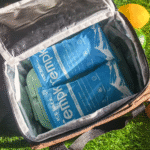
اتجاهات صناعة اللحوم ذات السلسلة الباردة: ما الذي يتغير في 2025?
آخر تحديث: ديسمبر 19, 2025.
Cold chain meat industry trends في 2025 are pushing you toward one operating model: provable control with fewer “mystery losses.” في الولايات المتحدة, FDA has proposed moving Food Traceability Rule compliance to يوليو 20, 2028, and Congress directed FDA not to enforce before that date. () في كاليفورنيا, all truck TRUs operating in-state must be zero-emission by December 31, 2029. ()
هذه المقالة سوف تجيب لك:
- أيّ cold chain meat industry trends matter most for safety, جودة, and margin
- كيف sanitary transportation compliance for meat logistics becomes “data-first”
- أين automation in refrigerated meat warehousing pays back fastest
- كيف low-GWP refrigerants for cold storage warehouses change your capex timing
- كيف real-time temperature monitoring for meat shipments works without alarm fatigue
- عملي 90-day roadmap to reduce exceptions without overengineering
What are the biggest cold chain meat industry trends in 2025?
إجابة أساسية: الأكبر cold chain meat industry trends في 2025 نكون (1) stronger proof and traceability, (2) automation and AI that reduce labor waste, (3) decarbonization pressure on refrigerants and TRUs, و (4) monitoring that triggers action at handoffs.
Here’s the simple framing: your system must still work when routes run late and docks get crowded. That’s why “process + بيانات + sustainability” is replacing “just buy better equipment.”
ال 2025 “pressure map” (use it to prioritize)
| ضغط | كيف تبدو | What it forces you to do | ماذا يعني لك |
|---|---|---|---|
| More proof | Buyers ask “show me” | Faster evidence packets | نزاعات أقل |
| Less tolerance | Complaints escalate fast | Tighter SOPs by shift | Lower shrink |
| Higher costs | طاقة + labor stay painful | Cut wasted motion | Better margins |
| More complexity | More nodes + تسليم | Standardize handoffs | More predictability |
نصائح واقتراحات عملية
- Don’t chase every trend: pick the two that reduce your biggest losses first.
- Start with handoffs: most failures hide where ownership changes.
- Make one lane “perfect”: then copy the same playbook to the next lane.
مثال عملي: Teams often reduce exceptions faster by fixing staging and door-open behavior than by buying new hardware.
How are cold chain meat industry trends changing traceability and proof?
إجابة أساسية: The most important cold chain meat industry trends in traceability are about speed and credibility. You need to answer “what happened” in minutes, not days. في الولايات المتحدة, FDA’s traceability timeline has shifted, but the direction is unchanged: buyers still want faster, cleaner records. ()
Think of proof like a receipt. If you lose it, you end up arguing from memory.
The minimum “proof pack” you should capture (بسيطة وقابلة للتطوير)
You do not need a complex platform to begin. Start with a five-item packet you can produce quickly.
- Lot / batch identifier
- Route or shipment ID
- Handoff timestamps (received → staged → loaded → delivered)
- أدلة درجة الحرارة (الشيكات الفورية + استثناءات)
- Corrective action notes (what you did and why)
Proof pack table (what each item solves)
| عنصر إثبات | ما يحل | لماذا يهم | ماذا يعني لك |
|---|---|---|---|
| Lot + route link | “Which boxes?” confusion | Faster isolation | Fewer blanket holds |
| Handoff times | “Where did it happen?" | Accountability | Less finger-pointing |
| Excursion summary | “Was it out of spec?" | قرارات أسرع | إعادة صياغة أقل |
| Receiving disposition | “Accept or hold?" | تناسق | Fewer shift conflicts |
| Corrective action note | “What did you do?" | استعداد التدقيق | Stronger trust |
نصائح واقتراحات عملية
- Make scanning easy: if it takes too long, people skip it.
- Record exceptions, not everything: most ROI is in the outliers.
- Train one sentence: “If it’s warm, hold and log.”
مثال عملي: A simple handoff log often cuts dispute time because timestamps replace opinions.
Where do last-mile refrigerated meat delivery trends hit you hardest?
إجابة أساسية: Last-mile refrigerated meat delivery trends increase “doorstep risk.” You get more stops, more handoffs, and less buffer time. That pushes your cold chain meat industry trends response toward faster receiving and better handoff discipline.
If you only optimize truck setpoints, you miss the real leak. The real leak is warm minutes during waiting.
A quick “handoff risk” checklist (تفاعلي)
إجابة نعم/لا:
- Do loads sit at the dock more than 20 دقائق?
- Are doors opened more than 3 times per route?
- Do receivers delay unloading during peak hours?
- Do you lack a consistent accept/hold/quarantine rule?
إذا أجبت نعم to two or more, start your program at handoffs, ليس في العبور.
نصائح واقتراحات عملية
- Direct-to-consumer: treat “delivered-to-received time” as a KPI, not a mystery.
- Foodservice: pre-book receiving slots for the highest-risk drops first.
- بيع بالتجزئة: prioritize speed and consistency over more monitoring everywhere.
How is automation in refrigerated meat warehousing evolving?
إجابة أساسية: Automation in refrigerated meat warehousing is no longer about “cool robots.” It is about fewer touches, أخطاء أقل, and predictable throughput when labor is tight. The fastest payback appears where walking time is high and mistakes are costly.
If your facility is the bottleneck, automation becomes a margin lever.
Where automation pays back first
| Automation area | الأفضل ل | First benefit you’ll feel | ماذا يعني لك |
|---|---|---|---|
| AS/RS in frozen | Dense storage | Higher throughput | Fewer late loads |
| AMRs in chilled | Case movement | Less walking | Less fatigue |
| Vision QA | ملصق / lot checks | اختلاطات أقل | Fewer chargebacks |
| Dock scheduling tools | Appointment flow | Less staging | Fewer warm minutes |
AI readiness self-test (0-10) — keep it honest
Score each 0-2 (0 = لا, 1 = partial, 2 = نعم). المجموع / 10.
- Consistent product IDs and lane IDs
- Time-stamped temperature records you can retrieve
- Exceptions tracked with reasons
- Rough door-open minutes measured
- Weekly performance review happens
0-4: fix data basics first.
5-7: start with simple decision rules.
8-10: you are ready for advanced optimization.
نصائح واقتراحات عملية
- Start at your constraint: if docks are slow, don’t automate picking first.
- Measure touches per case: fewer touches usually means fewer quality issues.
- Plan for cold realities: condensation and sensor protection matter.
مثال عملي: A freezer warehouse improved on-time shipping by automating the tightest aisles with the highest travel time.
How do low-GWP refrigerants for cold storage warehouses affect your plan?
إجابة أساسية: Low-GWP refrigerants for cold storage warehouses affect you in two practical ways: capex timing و maintenance readiness. Refrigerant policy is tightening, والولايات المتحدة. HFC phasedown targets point to an 85% التخفيض بنسبة 2036 under the AIM Act. (Reuters)
This is not only a “facility topic.” It changes equipment availability and service costs across your network.
Decarbonization pressure: ال 4 levers you must plan for
| Decarbonization lever | ما يتغير | المخاطر التشغيلية | ماذا يعني لك |
|---|---|---|---|
| Zero-emission TRUs | Fleet transition | Downtime if unprepared | Plan lane coverage |
| HFC phasedown | Refrigerant availability | Service cost swings | يدرب + stock parts |
| كفاءة الطاقة | Power demand rises | Peak-rate exposure | Optimize controls first |
| Reporting pressure | More buyer questions | Proof burden | Standardize metrics |
نصائح واقتراحات عملية
- If you operate in California: plan now for the TRU zero-emission pathway by 2029. ()
- If you own cold storage: build a refrigerant transition roadmap aligned to expansion.
- If budgets are tight: start with efficiency wins before replacement cycles.
مثال عملي: One operator avoided a rushed retrofit by sequencing upgrades: controls first, then refrigerant transition, then expansion.
How do you design real-time temperature monitoring for meat shipments?
إجابة أساسية: Real-time temperature monitoring for meat shipments works only when alerts are rare, meaningful, ومرتبطة بالقرارات. Alarm fatigue kills adoption. Use a three-level model so every alert leads to a clear next step.
Treat alerts like a traffic light. Too many “red lights” and drivers ignore them all.
The 3-level alert ladder (يشاهد / Act / Stop)
| Alert level | Trigger logic | Who receives it | ماذا يعني لك |
|---|---|---|---|
| يشاهد | Warming trend | Dispatcher | Prevent failure early |
| Act | Minutes above limit | Ops lead | Reroute or speed receiving |
| Stop | Sustained excursion | QA + receiver | Hold/quarantine decision |
Accept / يمسك / Quarantine tool (تفاعلي)
الإجابة بالترتيب:
- Do you have lot ID + shipping docs? (نعم/لا)
- Do you have temperature evidence (spot or logger)? (نعم/لا)
- Is it within your acceptance threshold? (نعم/لا)
- Was there a known delay or door-open event? (نعم/لا)
- لو #1 أو #2 is No: يمسك until verified.
- لو #3 is No: الحجر الصحي and escalate.
- لو #3 is Yes but #4 is Yes: Accept with note and prioritize use.
نصائح واقتراحات عملية
- Use time-above-limit logic: one spike is not the same as two hours warm.
- Summarize for humans: excursion minutes beat raw charts in daily ops.
- Close the loop: every “Act” alert needs one corrective note.
Why are standards and temperature expectations more explicit in 2025?
إجابة أساسية: Standards are becoming a competitive baseline because buyers may adopt the strictest market rule they face. In EU hygiene rules, أنظمة (المفوضية الأوروبية) لا 853/2004 includes contexts referencing targets like 7°C for other meat and 3°C for offal during certain processing steps. ()
Even if you don’t export, your customers might. That’s why your internal rules should be consistent by lane.
نصائح واقتراحات عملية
- Write acceptance rules once: then train every shift to the same playbook.
- Standardize evidence: a consistent packet reduces disputes dramatically.
- Align to strictest buyer: it prevents rework later.
What packaging and pack-out changes support cold chain meat industry trends?
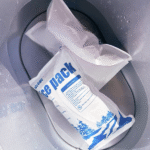
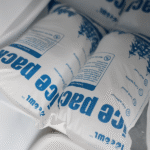
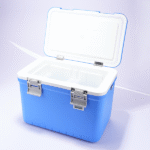
إجابة أساسية: في 2025, packaging is treated as part of the cold chain system, not just a cost line. The biggest improvements often come from جودة الختم, void reduction, and pack-out standardization.
A thicker shipper does not automatically win. A repeatable pack-out usually wins.
Pack-out engineering levers that actually move the needle
| رافعة | ما يتغير | When it matters most | ماذا يعني لك |
|---|---|---|---|
| ختم أفضل | Air exchange rate | ممرات طويلة, الأيام الحارة | استقرار أطول |
| السيطرة على الفراغ | Convection inside | الأحمال المختلطة | Fewer warm pockets |
| Standard pack-out | Human variability | Busy docks | More consistency |
نصائح واقتراحات عملية
- Use a photo SOP: one packing photo beats ten pages of text.
- Match pack-out to lane time: short routes need speed, long routes need buffer.
- Treat reuse as a system: reverse logistics must be reliable before you scale.
مثال عملي: A carrier can be perfect, but inconsistent pack-out still creates claims.
A 90-day plan to respond to cold chain meat industry trends
إجابة أساسية: The fastest path is baseline → fix one leak → standardize proof → scale. This approach reduces exceptions without turning your operation into a science project.
Use this plan exactly as written for one high-claim lane first.
Week 1–2: خط الأساس (measure before you buy)
- سِجِلّ: excursion minutes, dock dwell time, claim rate
- تعريف: قمة 3 heat entry points by lane
- يختار: one pilot lane (high volume or high value)
Week 3–6: Fix the biggest leak
- يضيف: a clear alert ladder (يشاهد / act / يمسك)
- فرض: warm-loading rules and dock time limits
- تقرير: weekly lane KPIs to one owner
Week 7–12: Add proof and scale
- توحيد: event timeline per shipment
- Align: data formats with key customers (event-based thinking)
- يخطط: decarbonization pathway for refrigerants and TRUs in regulated lanes
Cold Chain Meat Trend Readiness Score (0-20)
يسجل كل عنصر 0-2. المجموع 0-20.
- We track excursion minutes (not just single readings).
- We measure dock dwell time by door.
- We have an excursion playbook with actions.
- We can produce a shipment event timeline in 10 دقائق.
- Lot IDs are consistent across systems.
- We calibrate and validate monitoring devices.
- We review KPIs weekly with one accountable owner.
- We have a TRU and refrigerant transition plan for regulated lanes.
معنى النتيجة:
- 0-7: fix fundamentals first.
- 8-14: pilot-ready for process + ترقيات التكنولوجيا.
- 15-20: scale-ready; you can differentiate on proof and sustainability.
2025 أحدث التطورات والاتجاهات
في وقت متأخر 2025, the clearest signals behind cold chain meat industry trends cluster into five themes: automation investment, decarbonization planning, tighter audit expectations, stronger event data, and lane-level exception management.
آخر تقدم في لمحة
- Traceability clarity (نحن.): FDA proposed July 20, 2028, and intends to comply with the non-enforcement directive. ()
- TRU decarbonization (كاليفورنيا): all truck TRUs operating in California must be zero-emission by Dec 31, 2029. ()
- المبردات: AIM Act implementation targets an 85% HFC phasedown by 2036. ()
- EU temperature targets: 853/2004 references 3°C for offal and 7°C for other meat in specific contexts. ()
- الواقع التشغيلي: winners treat cold chain as a system: عملية + بيانات + الاستدامة.
نظرة السوق: Growth does not automatically mean profit. Profit comes from controlling exceptions and speeding decisions.
الأسئلة المتداولة
س 1: Are cold chain meat industry trends mostly about new technology?
Not really. Tech helps, but the biggest wins usually come from workflow: التدريج, انضباط الباب, تسليم, and decision rules. Start there, then add tech where it supports action.
Q2: Do I need real-time temperature monitoring for meat shipments on every load?
Only if you can intervene before delivery. If you cannot act mid-route, use baseline logging and focus on exception review and handoff control.
س 3: Why are disputes getting harder in 2025?
Because buyers expect proof. When records are unclear, conversations become opinion-based, and that usually costs time or money. A simple proof pack prevents most arguments.
س 4: What standards matter if I ship into the EU?
EU hygiene rules include explicit temperature expectations in specific contexts, including references such as 7°C for other meat and 3°C for offal. Your internal rules should align to the strictest market you serve. ()
س 5: What is the fastest way to reduce temperature excursions in meat logistics?
Reduce door-open minutes and staging time first. Warm minutes are the silent killer, and small dock changes often beat big equipment spending.
س6: How do I prepare for California TRU rules without panic spending?
Map which lanes touch California, ask carriers for their TRU transition plan, and set a phased timeline. The rule targets full zero-emission truck TRUs in-state by Dec 31, 2029. ()
ملخص وتوصيات
The most important cold chain meat industry trends في 2025 push you toward the same model: predictable handoffs with provable control. Build a minimum proof pack, reduce door-open minutes, توحيد التعبئة والتغليف, and use automation only where it removes real bottlenecks. Then add monitoring with Watch/Act/Stop alerts so people trust it.
خطة العمل (CTA): Pick one high-claim lane. Instrument handoffs (وقت + درجة حرارة + exception notes), cut door-open minutes by 25%, and review exceptions weekly for eight weeks.
حول Tempk
و Tempk, we build temperature-control packaging and operational workflows that make meat cold chains easier to run under real pressure—busy docks, الأحمال المختلطة, and unpredictable delays. نحن نركز على الأداء العملي: stable thermal buffering, pack-out routines that reduce warm minutes, and handoff processes that create clear proof without slowing your teams.
دعوة إلى العمل: Share your typical route time, stop count, وأعلى 3 failure modes (temperature spikes, المطالبات, إعادة صياغة, التأخير). We’ll suggest a packaging + workflow approach aligned to cold chain meat industry trends في 2025, designed to reduce exceptions and improve consistency.