أفضل الممارسات لشوكولاتة الحليب ذات السلسلة الباردة 2025?
آخر تحديث: ديسمبر 19, 2025
أفضل الممارسات لشوكولاتة الحليب ذات السلسلة الباردة حافظ على شوكولاتة الحليب لامعة, لاذع, والتذوق النظيف من العبوة إلى عتبة الباب. أكبر أعدائك هم دورات درجة الحرارة وصدمة الرطوبة, ليس فقط "الذوبان الكامل". يمكن أن تصبح شوكولاتة الحليب طرية مع اقتراب درجات الحرارة 30-32 درجة مئوية (86-90 درجة فهرنهايت), وقد يشتكي العملاء حتى بدون ذوبان واضح. يهدف العديد من المشغلين إلى الحصول على نطاق بارد مستقر (في كثير من الأحيان حولها 15-18 درجة مئوية) وانخفاض الرطوبة (في كثير من الأحيان بالقرب ≥50% رطوبة نسبية) لتقليل خطر التعرق والتزهر.
هذه المقالة سوف تجيب لك:
-
كيف تمنع أفضل ممارسات شوكولاتة الحليب ذات السلسلة الباردة يزدهر, التعرق, يجرجر, وامتصاص الرائحة
-
يا لها من واقعية نطاق درجة حرارة سلسلة تبريد شوكولاتة الحليب يبدو حسب المرحلة
-
كيفية بناء أ سير عمل التحكم في التكثيف سوف يتبعك فريقك في الواقع
-
كيف تكتب أ شحن شوكولاتة الحليب SOP الذي يظل ثابتًا في أسابيع الذروة
-
كيفية إعداد مراقبة درجة حرارة شوكولاتة الحليب دون الغرق في البيانات
-
كيفية تصميم أ SOP لتوصيل شوكولاتة الحليب إلى الميل الأخير للشرفات والخزائن
لماذا أصبحت أفضل ممارسات شوكولاتة الحليب ذات السلسلة الباردة مهمة أكثر من أي وقت مضى?
إن أفضل ممارسات شوكولاتة الحليب ذات السلسلة الباردة مهمة لأن شوكولاتة الحليب تفشل بطرق يراها العملاء على الفور. يمكن أن تكون المأكولات البحرية دافئة قليلاً وتظل "تبدو جيدة". يمكن أن تبدو شوكولاتة الحليب "مدمرة" بسبب خطأ قصير. ضباب, التصحيح مملة, أو يؤدي الغلاف اللاصق إلى استرداد الأموال بسرعة.
معظم المرتجعات هي عمليات إرجاع, لا يعود وصفة. يمكنك شحن نفس الشوكولاتة والحصول على مراجعات معاكسة. يكمن الاختلاف دائمًا في التعامل مع الانضباط أثناء التحولات.
حالات الفشل الثلاثة المرئية للعملاء والتي تحاول منعها
عادة ما تفشل شوكولاتة الحليب في الفئات المتوقعة. عندما تسميهم بوضوح, توقف فريقك عن التخمين.
| وضع الفشل | ما الذي يثيره | ما يلاحظه العملاء | ماذا يعني لك |
|---|---|---|---|
| تليين / تشويه | ارتفاع الحرارة أو عقد دافئ طويل | شكل مشوه, مغلفة تنصهر | المبالغ المستردة "الذابة". |
| يزدهر (ضباب / رمادي) | تكرار ركوب الدراجات الدافئة والباردة | مظهر "يبدو قديمًا". | تنخفض الثقة المميزة |
| التعرق / التفاف لزجة | القفز من البارد إلى الدافئ في الهواء الرطب | كرتونة رطبة, فيلم لزجة | الشكوى حتى لو كان الذوق جيداً |
| يجرجر / علامات فرك | الحركة والاهتزاز | الانتهاء مملة, خدوش | انخفضت جودة الهدية |
| التقاط الرائحة | تخزين مختلط, حواجز ضعيفة | مراجعات "خارج الذوق". | ضرر العلامة التجارية |
نصائح واقتراحات عملية
-
مسار الوقت المعرض للهواء الدافئ أثناء المناولة. إنه يقود معظم العيوب.
-
قم بإصلاح الحركة أولاً إذا كانت الجرجرات شائعة. لا يمكن لسائل التبريد إيقاف الاحتكاك.
-
تعامل مع التحكم في الرائحة كجزء من أفضل ممارسات شوكولاتة الحليب ذات السلسلة الباردة.
مثال عملي: اكتشفت إحدى العلامات التجارية للهدايا أن معظم "شكاوى الذوبان" كانت عبارة عن جرجرات بسبب التغليف السائب على الطرق متعددة التوقفات.
ما هو نطاق درجة الحرارة الذي يدعم أفضل ممارسات شوكولاتة الحليب ذات السلسلة الباردة?
تعمل أفضل ممارسات شوكولاتة الحليب ذات السلسلة الباردة بشكل أفضل مع نطاق مستهدف ثابت, ليس البرد الشديد. تتعامل العديد من الفرق مع شوكولاتة الحليب في نطاق "غرفة باردة" وتتجنب عمليات الانتظار الطويلة فوق خط العمل البسيط. هدفك الحقيقي هو عدد أقل من القمم, انخفاضات أقل, وعدد أقل من التحولات السريعة.
إذا كنت لا تستطيع السيطرة على كل شيء, السيطرة على اللحظات الأكثر أهمية. التدريج, تحميل, ووقت عتبة الباب يقرر النتائج.
خطة عملية لنطاق درجة حرارة سلسلة تبريد شوكولاتة الحليب
استخدم خطة مرحلية بسيطة بحيث يتحدث كل قسم نفس اللغة.
| منصة | فكرة الهدف العملي | لماذا يهم | ماذا تشاهد | ماذا يعني لك |
|---|---|---|---|---|
| تخزين | بارد مستقر, رطوبة منخفضة | يحافظ على اللمسة النهائية والرائحة | المسامير مفتوحة الباب | عيوب تجميلية أقل |
| الحزمة | نفس الفرقة مثل التخزين | يتجنب صدمة درجة الحرارة | مقاعد دافئة | وصول أكثر اتساقا |
| عبور | تغيير بطيء, تقلبات أقل | يمنع التليين | امتصاص الحرارة في المركبات | عدد أقل من القطع المشوهة |
| توصيل | نافذة التعرض قصيرة | أكبر عدم اليقين | وقت الشرفة | مبالغ مستردة أقل |
لماذا يمكن أن يأتي "البرد الشديد" بنتائج عكسية؟
البرد ليس آمنًا تلقائيًا. الهواء البارد إلى الدافئ في الهواء الرطب يخلق التكثيف. التكثيف هو حدث سطحي يترك خلفه أضرارًا مرئية.
قاعدة اللغة البسيطة: إذا كانت الشوكولاتة أبرد من الهواء, الماء يريد أن يهبط عليه. أفضل ممارسات شوكولاتة الحليب ذات السلسلة الباردة تبقيها مغلقة حتى تتساوى درجات الحرارة.
نصائح واقتراحات عملية
-
قلل التقلبات قبل إضافة المزيد من العزل. التقلبات تخلق المزيد من العيوب.
-
استخدم عتبة إجراء واحدة مع استجابة واضحة. الكثير من القواعد تفشل.
-
إضافة مؤقت التدريج. "خمس دقائق فقط" تصبح خمسة وأربعين بسرعة.
مثال عملي: قام المستودع بتحسين النتائج عن طريق تقصير وقت التدريج الدافئ, وليس عن طريق تغيير المواد.
كيف يمكنك التحكم في الرطوبة ومنع التكثيف في أفضل ممارسات شوكولاتة الحليب ذات السلسلة الباردة?
التحكم في الرطوبة هو "الفوز الصامت" داخل أفضل ممارسات شوكولاتة الحليب ذات السلسلة الباردة. الرطوبة تدفع أزهار السكر والأغلفة اللزجة. تزيد الرطوبة أيضًا من مخاطر النظافة إذا استمرت. لا يمكنك التحكم في الرطوبة الخارجية, ولكن يمكنك التحكم في كمية الهواء الرطب التي تلامس المنتج البارد.
يحدث التكثيف بشكل أكبر أثناء التحولات. هذا هو السبب في أن سير العمل الخاص بك مهم أكثر من سمك العزل لديك.
كيفية منع التكثيف على شوكولاتة الحليب: قاعدة الختم-الانتظار-الفتح
تدريب قاعدة واحدة بسيطة للموظفين والعملاء. يمنع نسبة كبيرة من الشكاوى.
-
ختم: حافظ على الحاجز الداخلي مغلقًا عند التسليم
-
انتظر: السماح لنافذة تأقلم قصيرة (SOP الخاص بك يضبط الوقت)
-
يفتح: مفتوح فقط عندما تشعر الحزمة بأنها أقرب إلى ظروف الغرفة
مشغلات التكثيف والإصلاحات (طاولة سريعة)
| مشغل | كيف تبدو | ما يجب تغييره | الفوز العملي بالنسبة لك |
|---|---|---|---|
| تأخير الرصيف الدافئ | كرتونة رطبة, فيلم ضبابي | تقصير وقت الرصيف | عيوب سطحية أقل |
| التحميل الرطب | حزم "التعرق". | استخدم منطقة تحميل خاضعة للرقابة | فتح علبة نظافة |
| ارتفاع كبير في درجات الحرارة | ضباب داخل الحقيبة الداخلية | إضافة التخزين المؤقت + الاحماء مختومة | خطر أقل لزهر السكر |
| حاجز ضعيف | رائحة + دخول الرطوبة | ترقية الختم الداخلي | مراجعات أقل لـ "رائحة الصندوق". |
نصائح واقتراحات عملية
-
ضع تعليمات الإحماء أعلى المحتويات, لم يدفن.
-
أبعد الكمادات الباردة عن الاتصال المباشر. استخدم طبقة فاصلة.
-
لا تضع الصناديق الكرتونية في "مناطق التأرجح" مثل الممرات والأرصفة المفتوحة.
مثال عملي: قام متجر DTC بتقليل شكاوى الشتاء من خلال جعل "البقاء مغلقًا قبل الفتح" أمرًا لا مفر منه.
ما هو نموذج التغليف الذي يدعم أفضل ممارسات شوكولاتة الحليب ذات السلسلة الباردة؟?
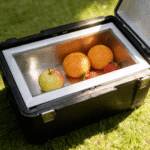
أفضل ممارسات التغليف لشوكولاتة الحليب ذات السلسلة الباردة تؤدي ثلاث وظائف: درجة حرارة المخزن المؤقت, منع الرطوبة/الروائح, ووقف الحركة. لا تحتاج إلى تصاميم معقدة. أنت بحاجة إلى تصميم يكرره فريقك بنفس الطريقة كل يوم.
فكر في العبوة مثل صنع شطيرة. إذا كان الجميع يبنيها بشكل مختلف, العملاء يشعرون بذلك.
نموذج "التغليف ثلاثي الطبقات". (بسيطة وقابلة للتطوير)
-
طبقة عازلة: حجم العزل لمخاطر الممرات
-
طبقة الحاجز: بطانة داخلية محكمة الغلق للتحكم في الرطوبة والرائحة
-
طبقة الهيكل: إدراج, الصواني, أو فواصل تمنع الجرجر
تفاصيل التغليف الأكثر إغفالًا: الفضاء الجوي
يسخن الهواء الفارغ بسرعة ويخلق تكثيفًا صغيرًا أثناء التأرجح. منتفخ, غالبًا ما يكون الشاحن نصف الفارغ مخاطرة باهظة الثمن.
| اختيار التعبئة والتغليف | جيد ل | خطر إذا تم تجاهله | المعنى العملي الخاص بك |
|---|---|---|---|
| ختم داخلي محكم | رائحة + التحكم في الرطوبة | التقاط رائحة | اتساق طعم أفضل |
| الشاحن بالحجم الصحيح | درجة حرارة مستقرة | الاحترار السريع | عدد أقل من الوافدين الناعمين |
| التحكم في الحركة | جودة العرض | يجرجر والانتهاء مملة | تقييمات أفضل للهدايا |
| طبقة خارجية مقاومة للرطوبة | الممرات الرطبة | كرتونة مبللة | عدد أقل من تذاكر "المجمع اللاصق". |
نصائح واقتراحات عملية
-
استخدم مخطط حزمة واحدًا لكل SKU. الصور تغلب على الوثائق الطويلة.
-
املأ الفراغات بإدراج منظم, ليست مواد فضفاضة التي تتحول.
-
افصل سائل التبريد عن المنتج باستخدام لوح صلب أو فاصل.
مثال عملي: تعود الشوكولاتة المخفضة "تبدو قديمة" بعد التحول من التعبئة السائبة إلى الفواصل الثابتة.
كيف يمكنك تنفيذ إجراءات التشغيل القياسية (SOP) الخاصة بالعلبة لأفضل ممارسات شوكولاتة الحليب ذات السلسلة الباردة?
تنجح أفضل ممارسات شوكولاتة الحليب ذات السلسلة الباردة عندما يكون التغليف أمرًا روتينيًا, ليس مشروع حرفي. يحتاج فريقك إلى تخطيط قياسي واحد لكل نوع حارة. إنهم بحاجة أيضًا إلى بعض قواعد "عدم الارتجال"..
معظم حالات فشل الحزم هي بشرية: وضع خاطئ, غاب الختم, أو مساحة رأس كبيرة جدًا.
تسلسل الحزمة المتكرر (سريع وموثوق)
-
شرط مسبق المنتج والمواد في نفس المنطقة المستقرة
-
ختم الحاجز الداخلي بالكامل (لا فجوات الزاوية)
-
شل الحركة المنتج مع الصواني أو المقسمات
-
ضع المبرد في نمط متسق (إذا تم استخدامه)
-
إغلاق والتحقق نقاط الإغلاق (فحص من نقطتين)
-
تسمية الميل الأخير (تعليمات قصيرة واحدة, ليست رواية)
جدول جودة الحزمة الذي يمكنك التدرب عليه 5 دقائق
| التحكم بالحزم | حالة المرور | ملكة جمال مشتركة | حل سريع | ماذا يعني لك |
|---|---|---|---|---|
| الختم الداخلي | الختم المستمر, لا ثغرات | ختم جزئي | فحص الختم البصري | دخول رطوبة أقل |
| التحكم في الحركة | لا تحول على هزة خفيفة | فراغات فضفاضة | إضافة فواصل | يجرجر أقل |
| وضع المبرد | نفس التخطيط في كل مرة | التنسيب العشوائي | معيار الصورة | وقت الانتظار يمكن التنبؤ به |
| فحص الإغلاق | مغلق بالكامل, حواف دافق | نصف قريب | فحص من نقطتين | تسربات حرارية أقل |
نصائح واقتراحات عملية
-
فرض "مؤقت فتح الباب" البسيط. قم بتعبئتها وإغلاقها بسرعة في كل مرة.
-
إنشاء الحزم الموسمية. الصيف والشتاء يحتاجان إلى عادات مختلفة.
-
تدريب الموظفين مع صور العيب الحقيقي: ازهر مقابل التعرق مقابل يجرجر.
مثال عملي: قام الفريق بتحسين الامتثال بعد إضافة قاعدة واحدة: يجب أن تكون الصناديق مختومة بالداخل 90 ثواني من التنسيب النهائي.
ما هي استراتيجية التبريد التي تناسب أفضل ممارسات شوكولاتة الحليب لسلسلة التبريد؟?
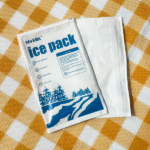
أفضل ممارسات شوكولاتة الحليب ذات السلسلة الباردة لا تعني دائمًا "إضافة المزيد من سائل التبريد". الكثير من التبريد يمكن أن يزيد من خطر التكثيف عند الولادة. التبريد القليل جدًا يمكن أن يسمح بالتليين. اختر التبريد بناءً على وقت المسار, المخاطر المحيطة, وعدم اليقين التسليم.
يجب أن يعمل التبريد على "ثبات" البيئة, لا صدمة ذلك.
حزم الجل مقابل لوحات PCM (مقارنة العمليات أولاً)
| خيار التبريد | قوة | خطر للمشاهدة | أفضل ملاءمة | معنى عملي بالنسبة لك |
|---|---|---|---|---|
| حزم هلام | مألوفة ومرنة | التبريد الزائد المبكر | الممرات القصيرة والمتوسطة | يحتاج إلى الانضباط فاصل |
| لوحات PCM | تخزين مؤقت أكثر ثباتًا | نقطة PCM خاطئة | ممرات متوسطة الطول | استقرار أفضل عند ضبطها |
| لا يوجد مبرد | أرخص وأسرع | حماية محدودة | قصير, ممرات باردة | يعمل فقط مع توقيت ضيق |
نصائح واقتراحات عملية
-
ضع التبريد على المحيط لتعزيز الظروف المتساوية.
-
الطيار قبل القياس. اختبار حارة واحدة لمدة أسبوعين وضبط متغير واحد.
-
بناء كتاب اللعب الموسمية. وهذا يمنع دورات التعبئة والتغليف الزائد والتعبئة السفلية.
مثال عملي: قام متجر الشوكولاتة البوتيكي بتحسين اتساق الصيف بعد التحول إلى تصميم تخزين مؤقت أكثر ثباتًا وتقليل وقت فتح الباب.
مراقبة أفضل ممارسات شوكولاتة الحليب ذات سلسلة التبريد: ماذا يجب أن تقيس?
يجب أن يجيب الرصد على سؤال واحد: أين حدث الخطر? لا تتطلب أفضل ممارسات شوكولاتة الحليب ذات السلسلة الباردة أجهزة استشعار في كل شحنة. ابدأ بأخذ عينات من المسار. التركيز على الأسابيع الحارة, حزم جديدة, وممرات الإهداء ذات القيمة العالية.
كما توقف المراقبة المناقشات الداخلية. البيانات تحل محل الآراء.
خيارات المراقبة (بسيطة وقابلة للتطوير)
| طريقة الرصد | أفضل استخدام | ماذا يخبرك | ضعف | ماذا يعني لك |
|---|---|---|---|---|
| الشيكات الفورية | التعبئة والاستلام | شرط "الآن". | لا يوجد تاريخ | جيد لاتخاذ القرارات السريعة |
| أخذ العينات المسجل | التحقق من صحة المسار | الملف الشخصي الكامل لدرجة الحرارة | يحتاج إلى عملية مراجعة | الأفضل للسبب الجذري |
| أخذ العينات الاستثناء | الشكاوى والتأخير | لماذا فشلت | رد الفعل | أداة تعليمية رائعة |
| أجهزة استشعار المنشأة | مناطق التخزين/التدريج | الانجراف المزمن | لا يوجد عرض الميل الأخير | يمنع تكرار الأخطاء |
ما يجب تتبعه (الحد الأدنى للمجموعة)
-
درجة حرارة الذروة و الوقت فوق خط العمل
-
عدد التقلبات (دورات من أعلى إلى أسفل)
-
وقت التدريج (حزمة لإرسالها)
-
وقت فتح الباب لكل محطة (يقدر على ما يرام)
-
فئة الخلل عند الوصول (تليين, يزدهر, التعرق, أبلى, رائحة)
نصائح واقتراحات عملية
-
توحيد وضع المستشعر بعيدًا عن الاتصال المباشر بسائل التبريد.
-
مراجعة أسبوعية, ليس سنويا. ردود الفعل السريعة تخلق تحسنا سريعا.
-
ربط الشكاوى بسياق المسار (موسم, وقت الشرفة, التأخير).
مثال عملي: علمت إحدى العلامات التجارية أن أسوأ ارتفاعاتها حدثت أثناء عملية الالتحام, لا العبور.
قواعد الميل الأخير التي تجعل أفضل ممارسات شوكولاتة الحليب ذات سلسلة التبريد تنجح
الميل الأخير هو المكان الذي تعمل فيه أفضل ممارسات شوكولاتة الحليب ذات السلسلة الباردة على حماية علامتك التجارية أو فضحها. يمكن أن تفشل الحزمة المثالية على الشرفة المشمسة. لا يمكنك التحكم في كل عتبة باب, ولكن يمكنك تصميم قواعد تقلل من التعرض.
يتضمن الميل الأخير أيضًا سلوك فتح العلبة. العديد من تذاكر "المغلفة اللاصقة" تبدأ هنا.
قائمة مرجعية SOP لتوصيل شوكولاتة الحليب إلى الميل الأخير
| السيطرة على الميل الأخير | ماذا تفعل | لماذا يعمل | معنى عملي بالنسبة لك |
|---|---|---|---|
| نافذة التسليم | تسليم عندما يكون شخص ما في المنزل | التعرض غير المراقب أقل | حالة وصول أفضل |
| إشعار العميل | رسالة "استلم الآن". | يختصر وقت الشرفة | نزاعات أقل |
| وضع آمن | الظل / تعليمات في الداخل | يحد من نقع الحرارة | نسيج أفضل |
| توجيهات الاحماء | الختم-الانتظار-الفتح | يقلل من التكثيف | مظهر أنظف |
| حكم التأخير | الزناد المحدد + فعل | يمنع التخمين | قرارات أسرع |
نصائح واقتراحات عملية
-
عرض "التسليم في ساعة باردة" في المناطق الساخنة. يدق الصباح في وقت متأخر بعد الظهر.
-
استخدم متطلبات التوقيع للممرات الحيوية فقط. يمكن أن تزيد من السكن.
-
ضع بطاقة التعليمات الأولى فوق المحتويات.
مثال عملي: قام برنامج الهدايا بتقليل المراجعات السلبية بعد إضافة خط إحماء بسيط في أعلى الصندوق.
أدوات تفاعلية لأفضل ممارسات شوكولاتة الحليب ذات السلسلة الباردة
تعمل هذه الأدوات على تحسين مشاركة المستخدم وتجعل اعتماد إجراءات التشغيل المعيارية (SOP) الخاصة بك أسهل.
أداة 1: درجة مخاطر المسار (0-10) في 60 ثوان
أعط نفسك 0, 1, أو 2 نقاط لكل سطر.
-
وقت العبور: أقل من 6 ساعات (0) / 6- 24 ساعة (1) / أكثر من 24 ساعة (2)
-
عمليات التسليم: واحد (0) / اثنان - ثلاثة (1) / أربعة+ (2)
-
التعرض المحيطي: نادر (0) / أحيانا (1) / متكرر (2)
-
خطر سكن العميل: قليل (0) / واسطة (1) / عالي (2)
-
القدرة على التدخل: قوي (0) / محدود (1) / الحد الأدنى (2)
معنى النتيجة
-
0-3 أساسيات: صورة الحزمة القياسية + حد التدريج
-
4-7 التحكم: عبوات موسمية + أخذ العينات المسجل
-
8-10 حرجة: التخزين المؤقت القوي + استثناءات صارمة + يراقب
أداة 2: 5-دقيقة بطاقة أداء التدقيق الذاتي (15 نقاط)
الانضباط في درجة الحرارة (0-6)
-
يتم تحديد النطاق المستهدف المستقر وتدريبه
-
يتم تقليل دورة درجة الحرارة بشكل فعال
-
المنتج مشروط مسبقًا قبل التعبئة
-
يتم فرض حدود وقت الإرساء والتدريج
-
يتم تسجيل وقت التعبئة ووقت الاستلام
-
توجد قاعدة استثناء واحدة واضحة
مراقبة الرطوبة (0-5)
-
يستخدم حاجز الرطوبة على الممرات الخطرة
-
يتم استخدام التوجيه الختم-الانتظار-الفتح
-
يتعرف الموظفون على "كراتين التعرق" بسرعة
-
التعبئة والتغليف تقاوم دخول الرطوبة
-
يتم عزل الشوكولاتة من الماء الذائب الرطب
تكرار التعبئة والتغليف (0-4)
-
توجد أنماط الحزمة القياسية لكل SKU/الممر
-
تتميز شركات الشحن بالحجم المناسب لتقليل مساحة الرأس
-
التحكم في الحركة مدمج (فواصل / صواني)
-
يتم إجراء شحنات الاختبار الموسمية
نتيجة
-
13-15 قوية: تحسين التكلفة والاستدامة بعد ذلك
-
9-12 متوسط: نتوقع القضايا الموسمية, إصلاح التحولات أولا
-
0-8 مخاطر عالية: قالب الإصلاح + SOP قبل أسابيع الذروة
استجابة رحلة درجة الحرارة للشوكولاتة: ماذا تفعل عندما تسوء الأمور?
تتضمن أفضل ممارسات شوكولاتة الحليب ذات السلسلة الباردة قواعد لعب استثنائية, لأن الاستثناءات تحدث. التأخير, موجات الحرارة, وسوف تحدث أخطاء. الفرق الناضجة لا تتجنب الاستثناءات. إنهم يتعاملون معهم باستمرار.
استخدم نظام فرز بسيط حتى يستجيب فريقك بسرعة.
شجرة فرز الاستثناءات البسيطة
-
تصنيف الأعراض: تليين, يزدهر, التعرق, أبلى, رائحة
-
تحقق من سياق المسار: موسم, التأخير, التعرض الشرفة, تسليم
-
قرر الإجراء: سفينة / يمسك / إعادة صياغة / يستبدل / يرفض
-
قم بتسجيل السبب الجذري لجملة واحدة
-
قم بتطبيق إجراء تصحيحي واحد في الإجراء التشغيلي الموحد (SOP).
| أعراض | السبب المحتمل | فحص سريع | الإجراء الموصى به | ماذا يعني لك |
|---|---|---|---|---|
| زوايا ناعمة | نقع الحرارة | دفء الصندوق عند الوصول | يستبدل + تشديد الميل الأخير | يحمي ثقة العلامة التجارية |
| ضباب باهت | ركوب الدراجات | ملاحظات التأخير والتسليم | تحسين التخزين المؤقت + تقليل الفتحات | يقطع خطر الازهار |
| التفاف لزجة | التكثيف | توقيت مفتوح | تدريب الختم-الانتظار-الفتح | تكرار أقل |
| يجرجر | حركة | وجود المقسم | تحديث الحزمة | مظهر أفضل للهدايا |
| رائحة | مزيج التخزين | ممارسات المستودعات | ترقية الحاجز + الانفصال | يمنع التقييمات السيئة |
مثال عملي: قام الفريق بقطع الشكاوى المتكررة عن طريق تقسيم "الذوبان" إلى تليين, جرجرة, وعلامات الرطوبة السطحية.
2025 الاتجاهات في أفضل ممارسات شوكولاتة الحليب ذات السلسلة الباردة
في 2025, أصبحت أفضل ممارسات شوكولاتة الحليب ذات السلسلة الباردة أكثر تحديدًا للحارات وأكثر اعتمادًا على العمليات. تنتقل الفرق من حزمة عالمية واحدة إلى حزمتين أو ثلاث حزم تم التحقق من صحتها. كما أصبح الرصد أكثر فائدة, مع عدد أقل من الأجهزة وأخذ العينات بشكل أفضل.
تعمل الاستدامة على دفع الحجم الصحيح وإعادة الاستخدام بشكل أكثر ذكاءً. تعمل أفضل البرامج على تقليل الهدر عن طريق تقليل عمليات إعادة العمل وإعادة الشحن.
أحدث لقطة التقدم (ما الذي يتغير الآن)
-
سجل حارة: موسم + يحدد نمط الطريق مستوى الحزمة
-
تصميم SOP أبسط: قوائم مرجعية أقصر, المزيد من معايير الصورة
-
الانضباط الانتقالي: خطوات الختم والتعرض المضمنة في التدريب
-
أخذ عينات أكثر ذكاءً: تركز المراقبة على الممرات عالية الخطورة والتصميمات الجديدة
-
توجيه العملاء: تعليمات فتح العلبة المكونة من سطر واحد تقلل من تذاكر التعرق
نظرة السوق: العملاء لا يريدون فقط "عدم الذوبان". يريدون أسطحًا نظيفة, لا ضباب, شكل مستقر, وطعم ثابت.
الأسئلة المتداولة
س 1: ما هو نطاق درجة حرارة سلسلة تبريد شوكولاتة الحليب العملي للشحن?
تستخدم العديد من البرامج "شريط راحة" مستقرًا وباردًا وتتجنب التوقف لفترة طويلة فوق خط عمل بسيط. الاستقرار يتغلب على البرد الشديد.
Q2: كيف تمنع أفضل ممارسات شوكولاتة الحليب ذات السلسلة الباردة من الإزهار أثناء الشحن?
إنها تقلل من ركوب الدراجات الدافئة والباردة عن طريق استخدام عبوات التخزين المؤقت والحد من التدريج ووقت فتح الباب.
س 3: كيفية منع التكثيف على شوكولاتة الحليب عند الولادة?
استخدم حاجزًا داخليًا محكم الغلق وإحماء قصير الغلق قبل الفتح. مما يقلل من هبوط الرطوبة على الأسطح.
س 4: هل يجب عليك تبريد شوكولاتة الحليب أثناء الشحن؟?
ليس تلقائيا. يمكن للقفزات الباردة إلى الدافئة أن تزيد من خطر التكثيف. ركز على التعامل البارد المستقر والحواجز.
س 5: عبوات الجل أو ألواح PCM - ما يناسب أفضل ممارسات شوكولاتة الحليب ذات السلسلة الباردة?
تتناسب عبوات الجل مع الممرات القصيرة ولكنها يمكن أن تبرد مبكرًا. يمكن أن تقوم لوحات PCM بالتخزين المؤقت بشكل أكثر ثباتًا على الممرات الأطول عند ضبطها.
س6: هل تحتاج إلى مراقبة لكل شحنة؟?
لا. ابدأ بأخذ العينات من الممرات عالية الخطورة وأسابيع الذروة. قم بالتوسيع فقط حيث يقود القرارات.
س7: لماذا تصل شوكولاتة الحليب "ذابة" حتى بدون وجود برك؟?
يمكن أن يؤدي التعرض للحرارة القصيرة إلى تنعيم الحواف واللمسات النهائية الباهتة. لا يزال العملاء ينظرون إليه على أنه فشل في الجودة.
Q8: ما هو أسرع تحسن يمكنك القيام به هذا الأسبوع؟?
قم بقص وقت التدريج الدافئ وفرض صورة حزمة قياسية واحدة. غالبًا ما تتفوق إصلاحات سير العمل على المواد الجديدة.
ملخص وتوصيات
تعمل أفضل ممارسات شوكولاتة الحليب ذات السلسلة الباردة على حماية شوكولاتة الحليب عن طريق التحكم في ارتفاع الحرارة, صدمات الرطوبة, والتعامل الخشن. تحديد أهداف مستقرة, خفض درجة الحرارة الدراجات, وتعامل مع التحولات باعتبارها اللحظات الأكثر خطورة. بناء التعبئة والتغليف حول المخزن المؤقت, حاجز, والهيكل, ثم توحيد الحزم مع الصور. أضف قواعد الميل الأخير التي تتطابق مع التعرض الحقيقي لعتبة الباب وتتضمن تعليمات الختم-الانتظار-الفتح لمنع التعرق. مراقبة الممرات عالية الخطورة عن طريق أخذ العينات وتحسين متغير واحد في كل مرة.
خطة عمل الخطوة التالية (CTA)
-
حدد نطاقًا واضحًا لدرجة الحرارة وخط عمل واحدًا للاستثناءات.
-
نشر صورة حزمة واحدة لكل نوع حارة (قليل, واسطة, مخاطر عالية).
-
فرض الحدود الزمنية للتدريج وفتح الغطاء أثناء التعبئة والتسليم.
-
قم بتشغيل برنامج تجريبي لمدة أسبوعين على أعلى مسارين للخطر لديك باستخدام مسجلي العينات.
-
قم بتحديث إجراءات التشغيل القياسية شهريًا بناءً على الأسوأ 10% من الأحداث وأنواع العيوب الأعلى.
حول Tempk
و Tempk, نقوم ببناء أنظمة سلسلة تبريد عملية للشحنات الحساسة لدرجة الحرارة, بما في ذلك شوكولاتة الحليب. نحن نركز على الحزم القابلة للتكرار والمعتمدة على الممرات, حواجز للرطوبة, ويمكن لفرق إجراءات التشغيل القياسية التنفيذ في ظل حجم الذروة. نحن نساعدك أيضًا على إعداد المراقبة التي تؤدي إلى اتخاذ القرارات, وليس لوحات المعلومات. الهدف بسيط: عيوب أقل, عدد أقل من إعادة الشحن, والمزيد من لحظات فتح العلبة "المثالية للبوتيك"..
دعوة إلى العمل: شارك مدة مسارك, مناخ (رطبة أو جافة), تنسيق المنتج (الحانات, تشكيلات, العناصر المملوءة), ونموذج التسليم. يمكننا تحديد إجراءات التشغيل المعيارية (SOP) المستندة إلى المسار والتي تتماشى مع أفضل ممارسات شوكولاتة الحليب ذات السلسلة الباردة لطيارك القادم.