Cold Chain Milk Chocolate Packaging That Works in 2025?
آخر تحديث: ديسمبر 18, 2025
Cold chain milk chocolate packaging works when it keeps milk chocolate مستقر, جاف, and protected during shipping and storage. Your goal is not “as cold as possible.” Your goal is fewer temperature swings, less humidity exposure, and zero rubbing damage. Many teams aim for a comfort zone around 15–18°C in controlled areas and work hard to avoid long holds above ~20–22°C, especially in the last mile.
هذه المقالة سوف تجيب لك:
-
How cold chain milk chocolate packaging prevents تذوب, تليين, and bloom
-
What a practical نطاق درجة حرارة سلسلة تبريد شوكولاتة الحليب يبدو حسب المرحلة
-
How to add a moisture barrier for chocolate packaging to stop condensation
-
متى PCM packs for chocolate shipping beat standard gel packs
-
كيفية البناء last-mile milk chocolate delivery packaging للشرفات والخزائن
-
How to test and validate cold chain milk chocolate packaging before you scale
What must cold chain milk chocolate packaging protect?
Cold chain milk chocolate packaging must protect four things at the same time: استقرار درجة الحرارة, التحكم في الرطوبة, physical protection, and odor protection. إذا فشل أحد, the customer sees it fast. A tiny white haze, a dull patch, or a bent corner can look like “old stock.” That is why packaging for milk chocolate is often tougher than packaging for many other foods.
Think of your shipper as a “portable pantry.” If the pantry gets warm, رطب, smelly, or shaken, milk chocolate will show it. Cold chain milk chocolate packaging prevents that by creating a small, predictable micro-environment around the product.
| Risk you’re fighting | What usually causes it | ما يلاحظه العملاء | ماذا يعني لك |
|---|---|---|---|
| تليين / تشوه | Heat soak and long dwell | Bent bars, warped shapes | Higher refunds and reships |
| يزدهر (white haze) | Temperature cycling + رُطُوبَة | مظهر "يبدو قديمًا". | Lower perceived quality |
| التكثيف | Cold meets humid air | Sticky wrapper, damp box | الشكوى حتى لو كان الذوق جيداً |
| يجرجر / تشققات | Micro-movement in parcel networks | الانتهاء مملة, chipped corners | Premium look disappears |
| التقاط الرائحة | Mixed freight or scented materials | “Smells like cardboard/spice” | Flavor complaints and distrust |
نصائح عملية يمكنك استخدامها اليوم
-
Design cold chain milk chocolate packaging for استقرار, ليس البرد الشديد.
-
Protect corners and edges first. They show damage sooner than flat surfaces.
-
Treat odor control as a requirement if you ship through mixed freight hubs.
مثال عملي: A gifting brand reduced appearance complaints by adding a sealed inner barrier and removing empty space.
What temperature and humidity should cold chain milk chocolate packaging target?
Cold chain milk chocolate packaging should be built around stable “moderately cool and dry” conditions, because swings cause more damage than steady temperatures. Milk chocolate often softens gradually before it melts. لاحقاً, when it cools again, bloom can appear. Humidity makes this worse because moisture can condense during transitions.
Instead of chasing perfect numbers everywhere, train a simple ladder that your team can follow under pressure. This reduces mistakes at staging and handoffs.
Practical targets by supply chain stage (من السهل تدريب)
| منصة | Practical temperature goal | Practical humidity goal | لماذا يهم |
|---|---|---|---|
| تخزين (تسيطر عليها) | ~15–18°C | ~45–55% RH | Best long-term stability |
| يختار & علية | ~16–20°C | يحفظ <60% RH | Reduces condensation risk |
| Transit buffer | slow change, avoid spikes | limit moisture ingress | Prevents cycling and sweating |
| الميل الأخير | avoid long holds >~20–22°C | avoid rain/humid exposure | Protects appearance at delivery |
“Green–Yellow–Red” decision ladder (fast SOP)
-
أخضر: stable cool and dry → ship normally
-
أصفر: mild warming risk → shorten exposure, protect from sun
-
أحمر: hot hold or repeated swings → hold, فحص, وثيقة
البصيرة القضية: Teams often see fewer bloom incidents after standardizing staging time limits, not after buying thicker insulation.
Which layers make cold chain milk chocolate packaging reliable?
The strongest cold chain milk chocolate packaging is a layered system: inner barrier + بناء + العزل + استراتيجية المبرد + movement control. Any single layer can look “good” and still fail. A great insulated shipper fails if the chocolate rattles. A great wrap fails if humid air leaks in.
Use a “layer map” so everyone understands what each piece does. This makes training faster and results more consistent.
Layer-by-layer packaging map
| طبقة | ماذا يفعل | خطأ شائع | ممارسة أفضل | مكسبك العملي |
|---|---|---|---|---|
| Primary wrap | protects direct contact | الأختام الضعيفة | consistent tight seal | عرض أنظف |
| Secondary barrier | blocks moisture and odors | loose closure | full seal, sealed corners | fewer damp boxes |
| بناء (tray/dividers) | prevents scuffs and cracks | “void fill only” | rigid trays + corner guards | premium look survives |
| العزل | slows heat gain | too thin for lane | match to route risk | fewer softening events |
| سائل التبريد (هلام/PCM) | absorbs incoming heat | touching product | فاصل + perimeter placement | fewer condensation marks |
| Void management | reduces air exchange | empty headspace | تناسب مريح, إدراج | استقرار أفضل |
نصائح واقتراحات عملية
-
Always separate coolant from chocolate. Direct contact can trigger sweating.
-
Lock products in place. “Micro-movement” causes dull scuffs over time.
-
Use low-odor materials if you ship with mixed freight or long dwell.
مثال عملي: A subscription brand improved arrival “shine” after adding a tray to stop bar-to-bar friction.
How do you prevent bloom with cold chain milk chocolate packaging?
Prevent chocolate bloom during shipping by minimizing temperature swings and moisture exposure—especially during transitions. Bloom often shows up after a warm event, when chocolate cools again later. That is why teams get confused. The “damage moment” may happen in a hub, but the “visible symptom” appears at the customer.
Treat bloom prevention as a transition management problem. Packaging supports it, but process matters too.
Bloom prevention checklist (التغليف + عملية)
| Bloom trigger | What usually causes it | Packaging fix | Process fix |
|---|---|---|---|
| Warm–cool cycling | يسكن الوقت + later cooling | عزل أفضل + التخزين المؤقت | reduce staging time |
| التكثيف | humid air meets cold surfaces | sealed inner barrier | keep sealed until acclimated |
| Cold pack touch | local cold spot + رُطُوبَة | spacer layer + قواعد التنسيب | staff training photo |
| Overcooling | big temperature gap | right-size coolant | avoid “more packs always better” |
نصائح عملية يمكنك تطبيقها الآن
-
Use “duration thinking.” A short spike is often less harmful than a long warm hold.
-
Standardize summer and winter pack-outs. Do not improvise per order.
-
Add a simple instruction card so customers do not create condensation at unboxing.
مثال عملي: A retailer reduced bloom returns after adding a moisture barrier and enforcing a “dock exposure <20 minutes” rule.
How should you place gel packs or PCM in cold chain milk chocolate packaging?
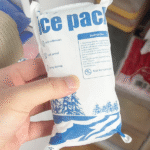
Cold packs should stabilize the environment inside cold chain milk chocolate packaging, not freeze the product. Your target is a steady “cool room in a box.” Placement matters more than pack count. Poor placement creates cold spots, رُطُوبَة, and surface defects.
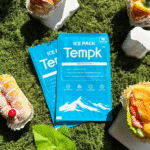
PCM packs for chocolate shipping can be useful because they buffer near a chosen temperature point. Gel packs often cool hard at the start, then fade. PCM can feel steadier on longer lanes.
Cold pack placement patterns (simple rules)
| أسلوب التعبئة والتغليف | Where packs go | الأفضل ل | احترس | مكسبك العملي |
|---|---|---|---|---|
| Perimeter shell | الجانبين (and sometimes top) | longer routes | needs snug fit | steadier cooling |
| Top buffer | top with divider | طرق قصيرة | avoid direct touch | التعبئة السريعة |
| Multi-zone | الجانبين + قمة | المناخات الساخنة | more steps | مزيد من الاستقرار |
| لا يوجد مبرد | لا أحد | low-risk short lanes | porch exposure risk | بأقل تكلفة |
نصائح واقتراحات عملية
-
Add a thin spacer between packs and chocolate to reduce local condensation.
-
Avoid “too many packs.” Overcooling can increase sweating during warm-up.
-
Standardize one placement photo per SKU. Consistency beats cleverness.
البصيرة القضية: Several teams improved outcomes by removing one extra gel pack that was causing condensation.
Which insulation types fit cold chain milk chocolate packaging lanes?
Choose insulation for cold chain milk chocolate packaging based on route duration, المخاطر المحيطة, and delivery uncertainty—not a single R-value claim. Operational fit matters. If a pack-out is slow or confusing, it will be done differently every time.
Also consider crush resistance. Milk chocolate often ships as gifts. If the shipper arrives deformed, customers assume the chocolate is “old.”
Quick insulation comparison (operations-first)
| نوع العزل | Thermal strength | تناسب التشغيلية | أفضل ملاءمة | المعنى العملي الخاص بك |
|---|---|---|---|---|
| EPS | strong baseline | widely used | many lanes | dependable starter |
| إي بي بي | متينة, قابل لإعادة الاستخدام | needs reverse flow | closed-loop | lower waste long term |
| شاحنات الرغوة | strong hold | bulkier storage | longer routes | أداء مستقر |
| لوحات VIP | عالية جدا | التعامل الدقيق | premium long lanes | best stability per thickness |
| Paper-based systems | improving fast | design sensitive | التركيز على الاستدامة | reduce plastic where viable |
نصائح واقتراحات عملية
-
Start with your lane time: تحت 12 hours vs 36–72 hours changes everything.
-
Tight fit matters. Empty air warms faster than you expect.
-
Choose low-odor materials for milk chocolate shipping packaging.
مثال عملي: A chocolatier improved unboxing quality after switching to a more rigid insulation format that reduced crushed corners.
How do you stop condensation in cold chain milk chocolate packaging?
Condensation control for chocolate packaging is the “silent win.” Condensation can create sticky wrappers, damp cartons, and sugar bloom after drying. It usually happens when a cold package meets warm, الهواء الرطب. That can occur at delivery, in a mailroom, or during a fast warm-up indoors.
The simplest high-impact method is a sealed inner barrier plus a clear unboxing rule.
The Seal–Wait–Open rule (customer-friendly)
-
ختم: keep the inner barrier sealed during transit and at arrival
-
انتظر: let the package acclimate 60–120 minutes (longer if the temperature gap is large)
-
يفتح: open only when the pack feels closer to room conditions
| الموقف | ما يجب القيام به | ماذا لتجنب | لماذا يساعدك |
|---|---|---|---|
| Winter delivery to warm home | wait sealed longer | open immediately | reduces surface moisture |
| Humid summer unboxing | keep sealed in cool room | open outdoors | lowers sweating risk |
| Retail backroom handoff | stage sealed in tote | leave packs open | keeps surfaces stable |
نصائح واقتراحات عملية
-
Put the warm-up instruction on top, not buried under product.
-
Seal corners carefully. Small gaps are where humid air sneaks in.
-
Avoid “cold shock” strategies that create big temperature differences.
مثال عملي: A gift brand reduced “wet box” tickets by adding a sealed barrier and a warm-up card.
أداة تفاعلية: build your cold chain milk chocolate packaging stack
Use this quick selector to choose a pack-out that your team can repeat every day.
خطوة 1: وقت العبور
-
أ) 0-12 ساعة
-
ب) 12-36 ساعة
-
ج) 36-72 ساعة
خطوة 2: Peak heat risk at delivery
-
أ) قليل
-
ب) واسطة
-
ج) عالي
خطوة 3: Humidity risk (rainy/coastal)
-
أ) قليل
-
ب) واسطة
-
ج) عالي
خطوة 4: Presentation sensitivity
-
أ) معيار
-
ب) Premium gift
Stack guidance (repeatable rules)
-
إذا اخترت ج for time or heat → full stack: sealed barrier + rigid protection + العزل + buffered coolant + last-mile instruction card
-
إذا اخترت ج for humidity → add condensation control: sealed inner barrier + Seal–Wait–Open card
-
If presentation is premium → add anti-scuff structure: الصواني, المقسمات, corner protection
How do you protect the last mile with cold chain milk chocolate packaging?
Last-mile milk chocolate delivery packaging must survive porches, خزائن, missed attempts, and sun exposure. Last mile is where time becomes unpredictable. A package can be “on time” and still sit in heat. This is why you should design for a realistic exposure budget.
أيضًا, the shipper is part of your brand moment. Milk chocolate is often a gift. Structure and cleanliness matter as much as thermal performance.
Last-mile playbook (بسيطة وعملية)
| Last-mile scenario | Primary risk | What to add | مكسبك العملي |
|---|---|---|---|
| Sunny doorstep | heat spike | reflective outer + العزل | fewer softening complaints |
| Cold winter drop | التكثيف | sealed barrier + warm-up rule | fewer sticky wrappers |
| Locker pickup | يسكن طويلا | stronger buffering + تناسب مريح | more predictable arrival |
| Missed attempt | repeated cycles | lane-based pack-out + monitoring sample | fewer “mystery bloom” cases |
نصائح عملية يمكنك استخدامها اليوم
-
Offer “cool-hour delivery” where possible. Morning beats late afternoon in hot months.
-
Add a clear label: “Keep out of direct sun.” It reduces porch dwell in practice.
-
Design unboxing flow: instruction card first, then product, then coolant layers.
مثال عملي: A retailer lowered negative reviews by moving the warm-up instruction card to the top layer.
How to validate cold chain milk chocolate packaging before scaling?
Validation turns cold chain milk chocolate packaging from “trial and error” into a repeatable system. You do not need a lab to start. You need a consistent method that matches your lanes. Then you change one variable at a time.
A practical validation plan has three tests: thermal hold, متانة التعامل, and unboxing quality scoring. This protects your brand because milk chocolate is judged visually.
Simple validation plan (3 الاختبارات)
| امتحان | ما تقيسه | حتى متى | Pass example | لماذا يهم |
|---|---|---|---|---|
| عقد حراري | stability over route time | مدة الطريق | no prolonged warm holds | fewer softening events |
| التعامل | يجرجر, تشققات, corner damage | 30–60 min sim | no chipped corners | protects premium look |
| Unboxing audit | لمعان, smell, wrapper condition | 5– 10 دقائق | meets brand standard | reduces “looks old” claims |
10-day lane test you can run
-
Pick two lanes: واحدة سهلة, one risky.
-
Lock one pack-out version (do not change multiple variables).
-
يجري 10 shipments across different pickup times.
-
Capture temperature sample data (for a subset) and consistent photos.
-
Adjust one variable and repeat until performance is repeatable.
التقييم الذاتي: are you ready to scale?
أعط نفسك 1 نقطة لكل "نعم":
-
You have 2–3 standard pack-outs mapped to route risk.
-
Your inner barrier sealing has a visual seal check.
-
Your packaging includes anti-movement structure (trays/dividers).
-
You use Seal–Wait–Open instructions for customers.
-
You test in hot and cold seasons at least twice a year.
-
You track complaints by type: ناعم, جرجر, dull, رائحة, مكسور.
Score guidance:
-
0-2: start with sealing + بناء + one lane test
-
3-4: add seasonal validation and clearer customer instructions
-
5-6: you are ready to scale and optimize cost
How do you reduce cost and waste without increasing risk?
Cost reduction in cold chain milk chocolate packaging works best when you reduce waste, not protection. The most expensive item is not the shipper. It is the reship, استرداد, and brand damage. Use “cost per successful delivery” as your metric.
Lane-based pack-outs are a major lever. Many teams overpack every order because they do not trust their lanes. Testing creates trust, then you can right-size.
| Cost lever | ما تغيره | Risk if done wrong | Safer approach | Practical gain |
|---|---|---|---|---|
| الحجم الصحيح للمربع | smaller shipper | سحق | keep rigid base | lower DIM costs |
| Lane-based pack-outs | fewer “one size fits all” | wrong assignment | simple lane chart | less overpack |
| Reusable components | inserts/totes | hygiene issues | clean-and-return SOP | lower long-term waste |
| Coolant tuning | حزم أقل | warm holds | test one-pack changes | انخفاض التكلفة + أقل التكثيف |
نصائح عملية يمكنك استخدامها اليوم
-
Measure pack-out time. Slow pack-out increases warm staging exposure.
-
Keep the inner barrier and structure. Cut cost by right-sizing first.
-
Use checklists and photos. Human consistency is a hidden cost saver.
2025 trends in cold chain milk chocolate packaging
في 2025, cold chain milk chocolate packaging is moving toward lane-specific standards, simpler workflows, and better moisture control. Brands are reducing one-size-fits-all boxes and creating seasonal versions that match real ambient patterns. Sustainability expectations are rising too, so right-sizing and reuse programs are gaining momentum.
أحدث لقطة التقدم
-
Modular protection: swappable trays, corner guards, وإدراج
-
Smarter buffering: PCM packs for chocolate shipping used more on long lanes
-
Better moisture control: sealed inner barriers plus unboxing guidance
-
عمليات نظافة: fewer variations, more repeatable SOPs
نظرة السوق: Customers accept packaging changes. They do not accept dull, جرجر, or softened chocolate.
الأسئلة المتداولة
س 1: What is the best milk chocolate cold chain temperature range for shipping?
Many teams aim for stable, moderately cool handling and avoid long warm holds above ~20–22°C. الاستقرار هو الأهم.
Q2: Why does bloom appear even if the chocolate never fully melts?
Bloom often follows temperature cycling. A warm event plus later cooling can trigger visible haze.
س 3: Do I always need coolant in cold chain milk chocolate packaging?
ليس دائما. قصير, low-risk lanes may rely on insulation and fast delivery. Hot or long lanes usually need buffering.
س 4: Can cold packs damage milk chocolate?
نعم, if they touch the product. Direct contact can create cold spots and condensation marks. استخدام الفواصل.
س 5: Why does my shipper arrive damp in winter?
It is often condensation during warm-up. Use a sealed inner barrier and Seal–Wait–Open instructions.
س6: What is the fastest improvement for last-mile milk chocolate delivery packaging?
الحجم الصحيح للشاحن, add a sealed barrier, and put the warm-up instruction card on top.
ملخص وتوصيات
Cold chain milk chocolate packaging succeeds when it controls حرارة, رطوبة, movement, والروائح في نفس الوقت. Start with a sealed inner barrier, add structure to stop scuffs, then choose insulation and coolant based on lane risk. Use Seal–Wait–Open to prevent condensation at delivery and unboxing. Validate with a simple lane test so your pack-outs become repeatable, غير مرتجلة.
خطوتك التالية (CTA)
Pick your top two lanes and run a 10-shipment validation with one pack-out version. Track unboxing quality, wrapper condition, and any bloom or softening. Then adjust متغير واحد في وقت واحد until results are consistent.
حول Tempk
و Tempk, we help teams build cold chain workflows that are simple to execute and easy to scale. We focus on repeatable cold chain milk chocolate packaging stacks, lane-based pack-out standards, moisture control steps, and practical validation routines your staff can follow on busy days. Our goal is fewer defects like bloom, تليين, and scuffing—without overpacking every order.
دعوة إلى العمل: Share your transit time, climate risk, and product format (الحانات, تشكيلات, العناصر المملوءة). We can outline a lane-based cold chain milk chocolate packaging checklist you can implement this month.