التحكم في درجة حرارة الشوكولاتة العضوية بسلسلة التبريد
التحكم في درجة حرارة الشوكولاتة العضوية ذات السلسلة الباردة يعمل عند الاحتفاظ بالشوكولاتة مستقر, ليس "باردًا قدر الإمكان". يمكن لارتفاع الحرارة القصير أن يخفف الشوكولاتة الناعمة, ويمكن للتبريد التالي أن يحبس الإزهار أو انحراف الملمس. يهدف العديد من المشغلين إلى أ فرقة غرفة باردة والرطوبة المنخفضة, ثم استخدم التغليف والمعالجة لمنع التقلبات المفاجئة بين الدفء والبرودة. يمنحك هذا الدليل قاعدة تعبئة بسيطة, سير عمل آمن للرطوبة, ومراقبة سهلة الاستخدام يمكنك التدريب عليها في جلسة واحدة.
هذه المقالة سوف تساعدك على الإجابة:
- كيفية الحد منع ازهار الشوكولاتة أثناء الشحن فشل في الأرصفة والعتبات
- ما درجة حرارة الشحن المثالية للشوكولاتة العضوية يبدو وكأنه في طرق حقيقية
- كيفية الاختيار مادة تغيير الطور لشحن الشوكولاتة دون منتج الصدمة الباردة
- كيفية البناء عبوة معزولة لتوصيل الشوكولاتة العضوية الذي يطابق المسار الخاص بك
- كيف يبدو الدليل "الكافي" باستخدام أ مسجل درجة الحرارة لسلسلة تبريد الشوكولاتة
لماذا تحتاج الشوكولاتة العضوية إلى تحكم أكثر صرامة في درجة الحرارة؟?
تظهر الشوكولاتة العضوية المشاكل بشكل أسرع لأن العملاء يلاحظون تغيرات بصرية صغيرة ويحكمون على النضارة من خلال المظهر. حتى لو كان الإزهار ليس مشكلة تتعلق بالسلامة, يمكن أن يؤدي إلى استرداد الأموال, تقييمات منخفضة, والمطالبات "التالفة".. تقوم العلامات التجارية العضوية أيضًا بشحن المزيد من المنتجات مباشرة إلى المستهلك, حيث تزيد حرارة الشرفة وتوقيت التسليم من المخاطر. مهمتك ليست جعل الشوكولاتة باردة، بل الحفاظ على ثباتها خلال كل عملية تسليم.
غالبًا ما تتمتع الخطوط العضوية بقدر أقل من "التسامح" لأنها:
- يتوقع المشترون لمعانًا ممتازًا ومفاجئًا
- تعمل طلبات الهدايا وDTC على تضخيم الشكاوى التجميلية
- من الصعب التحكم في التعرض للميل الأخير مقارنة بالتخزين في المستودعات
What “damage” are you actually preventing?
You are usually preventing three outcomes:
- يزدهر: gray haze, streaks, or dusty whitening
- Texture drift: snap becomes soft, waxy, or crumbly
- Shape loss: تشوه, smearing, or broken pieces
| ما الخطأ | ما تراه | What caused it | ماذا يعني لك |
|---|---|---|---|
| Short heat spike | soft corners, dull surface | dock or van dwell | higher complaint rate fast |
| Long warm exposure | smearing, misshapen bars | delay or weekend hold | “looks melted” even if safe |
| صدمة باردة + تسخين | whitening after delivery | over-cooling + التكثيف | bloom complaints rise |
| Humid exposure + cool-down | sticky “sweating” | wet air meets cool surface | sugar bloom risk increases |
Practical tips you can use this week
- Stage smarter: Keep cartons away from dock doors and direct sun.
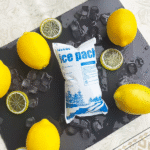
- Stop “seafood thinking”: Near-freezing ice packs can overcool chocolate and create condensation later.
- Add a barrier layer: Never let coolant touch product surfaces. This reduces cold spots and moisture events.
مثال عملي: A boutique brand used standard ice packs in summer. Orders arrived “cold,” but whitening appeared after warm-up. Switching to a higher set-point PCM reduced bloom complaints on the same lanes.
Cold chain organic chocolate temperature control targets: درجة حرارة + رطوبة
Aim for a stable cool-room band and avoid sharp swings. Many storage and handling guides converge around ~18–20°C for stable storage, while shipping often targets a slightly cooler buffer when weather is hot. Humidity matters as much as temperature, because condensation is a bloom trigger. Treat your target as a فرقة أكثر transition rule, not a single perfect number.
عملي, operations-friendly starting point:
- تخزين / التدريج: ~18–20°C when feasible
- شحن (typical buffer): ~15–18°C for warm conditions
- رطوبة: keep controlled (often below ~55–60% RH), and avoid condensation events
Dew-point thinking: stop “sweating” without a lab
Condensation happens when warm, humid air hits a cooler surface. That surface can be the chocolate—or the inner film of your pack. Your simplest rule: avoid opening cold product in a hot, humid room.
| Control point | Target behavior | فحص سريع | ماذا يعني لك |
|---|---|---|---|
| Storage temp | stable “cool room” | avoid big day/night swings | lower fat bloom risk |
| رطوبة | يبقيه جافا | watch RH during rainy weeks | fewer sugar bloom claims |
| Transitions | بطيء, staged moves | don’t open cold packs in hot rooms | better shine on arrival |
Practical tips for humidity-risk lanes
- Receiving rule: wait 20– 40 دقيقة in a temperate area before opening cartons in humid climates.
- إذا كان يجب عليك التبريد: seal chocolate airtight before cooling to reduce condensation on warm-up.
- Warehouse discipline: keep product off floors and away from walls to reduce moisture risk.
مثال عملي: A small DTC brand reduced “chalky” complaints by adding an acclimation pause before customers opened cartons in warm rooms.
Packaging for cold chain organic chocolate temperature control: gel packs vs PCM
The best packaging is the simplest packout that prevents spikes for your real transit time. Under-packing fails from heat. Over-packing fails from condensation when the box warms. Your packaging should match your lane (وقت + حرارة + رطوبة), not your anxiety.
A practical packaging “ladder”:
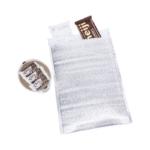
- الشاحن المعزول (خط الأساس): ممرات قصيرة, mild seasons
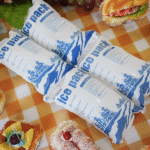
- الشاحن المعزول + حزم هلام: short-to-medium lanes, but watch over-cooling
- الشاحن المعزول + بي سي إم: steadier control for longer lanes and variable climates
| Packout option | الأفضل ل | الخطر الرئيسي | ماذا يعني لك |
|---|---|---|---|
| بطانة + حزم هلام | قصير, moderate heat routes | too cold → condensation later | easy upgrade path |
| PCM near “cool” temps | longer routes, المواسم الحارة | تكلفة وحدة أعلى | steadier internal temp |
| Reflective outer layer | sunny porches, شاحنات | doesn’t fix long transit | reduces last-mile spikes |
Choosing a phase change material for chocolate shipping
A phase change material for chocolate shipping works best when its “hold point” matches chocolate’s comfort band. That means you hold product cool and steady without freezing hard.
Simple selection logic:
- Mostly hot-lane risk (صيف, الميل الأخير الطويل): choose a PCM closer to the mid-teens °C
- Mild but variable (day/night swings): choose a PCM closer to the high-teens °C
- If you must use gel packs: add separation layers so chocolate never touches a too-cold surface
Practical tips to avoid cold spots
- Separate the refrigerant: add a buffer layer so you avoid cold stripes and condensation risk.
- حزمة بسرعة: open time is hidden heat gain.
- Validate one lane at a time: run a summer and winter test, keep the data, ثم توحيد.
Insulated packaging for organic chocolate delivery: build the 5-layer box
Insulated packaging for organic chocolate delivery works when it slows heat flow and blocks short spikes. You are not trying to refrigerate chocolate like raw seafood. You are trying to keep it steady and protected from the outside world.
Build the system as five layers:
- الشاحن الخارجي: right-sized corrugate to reduce air gaps
- العزل: foam or high-performance panels
- Humidity/odor barrier: clean liner or sealed inner bag
- المبرد: PCM matched to your target band
- Stabilization: dividers or trays to prevent crushing

EPS مقابل EPP مقابل VIP: what changes in real shipments?
Choose materials based on lane duration, abuse risk, and reuse goals—not just lab numbers.
| خيار العزل | What it’s usually good at | متانة & إعادة الاستخدام | ماذا يعني لك |
|---|---|---|---|
| الرغوة EPS | strong basic insulation | في كثير من الأحيان للاستخدام مرة واحدة | انخفاض التكلفة, larger boxes |
| رغوة EPP | قاسٍ + reuse-friendly | high reuse potential | fewer breaks, برامج دائرية |
| VIP-based systems | high insulation in thin walls | needs careful handling | great for long lanes or hot climates |
Practical tips that improve outcomes fast
- الحجم الصحيح للشاحن: empty space behaves like extra heat.
- Protect corners: corners are weak points; reinforce or design for edges.
- Keep organic clean: use clean, food-appropriate liners and avoid contamination in pack areas.
مثال عملي: A subscription brand moved from oversized single-use boxes to a right-sized reusable shipper. Porch swings dropped and corner damage fell.
Last-mile fixes for chocolate bloom prevention during shipping
Last mile is where chocolate bloom prevention during shipping usually fails. Warehouses can be controlled. Vans and porches are not. The “doorstep oven” effect (شمس + dark carton + no airflow) is a predictable failure mode, so treat it like a design input.
Common last-mile problems and fixes:
| Last-mile problem | كيف تبدو | يصلح | ماذا يعني لك |
|---|---|---|---|
| التعرض للشمس | soft corners, dull surface | reflective outer + “deliver to shade” | fewer melted arrivals |
| Van heat soak | warm box on short routes | تقليل يسكن + عزل أقوى | less quality drift |
| Condensation on opening | whitening later | acclimate before opening | fewer sugar bloom complaints |
Practical dispatch checklist
- Keep cartons out of direct sun during staging.
- Reduce dock dwell time before pickup.
- Avoid peak afternoon drop-offs for chocolate when possible.
- Add clear “do not leave in sun” delivery notes for DTC.

مثال عملي: Teams that couldn’t change carriers still reduced complaints by shifting cutoffs earlier and adding shade-delivery instructions during heat waves.
Monitoring for cold chain organic chocolate temperature control: what is enough?
For cold chain organic chocolate temperature control, “enough monitoring” means you can answer two questions quickly: Did we stay stable? و Where did it fail? ابدأ بالبساطة, then add tools where they change decisions.
A simple monitoring ladder:
- مستوى 1: packout checklist + delivery feedback tracking
- مستوى 2: indicators or single-use loggers for high-risk lanes
- مستوى 3: data loggers for weekly audits or premium shipments
| مستوى المراقبة | أفضل استخدام | Effort | ماذا يفعل لك |
|---|---|---|---|
| Checklist only | same-day or mild lanes | قليل | reduces human-process errors |
| مسجل للاستخدام الفردي | new lanes, seasonal changes | واسطة | shows where excursions happen |
| Routine audit program | top lanes by revenue | medium-high | standardizes packouts and training |
“Stoplight rules” that teams actually follow
- أخضر: stayed in your target band
- أصفر: near the edge (review process)
- أحمر: نزهة (وثيقة + الإجراء التصحيحي)
التقييم الذاتي: are you excursion-ready?
أعط نفسك 1 point for each “yes.”
- We define acceptable temperature and humidity targets.
- We have a packout rule by transit time and season.
- We label shipments with packout type and logger ID.
- We have a written response plan for excursions.
- We can explain results to customers using simple proof.
نتيجة:
- 0-2: you are relying on luck
- 3-4: tighten last mile and documentation
- 5: you operate like a premium brand
SOP for cold chain organic chocolate temperature control: 6 خطوات
A strong SOP is short, مرئي, وقابلة للتكرار. It tells a new hire what to do, not what to believe.
The 6-step SOP (copy/paste friendly):
- Pre-condition packaging materials in a controlled cool area.
- Verify product starting condition (not warm from production or sunlight).
- Build the box fast (limit open time).
- Separate coolant from product with a barrier layer.
- الختم والتسمية بشكل واضح (include basic handling notes).
- Stage in a designated cool zone until pickup.
30-minute training plan:
- 10 دقائق: show the packout layers + barrier rule
- 10 دقائق: run the decision tool (أقل) مع 2 example lanes
- 10 دقائق: “stoplight” monitoring and what to do on Red
Organic integrity and records: protect the “organic” claim in transit
Temperature control is only half the job. Organic chocolate also needs clean handling and traceability.
اجعلها عملية:
- Segregate: dedicated zone for organic SKUs
- ختم: keep cases closed; minimize open handling
- ملصق: lot ID + packout type + معرف المسجل
- سِجِلّ: shipment date, الناقل, lane type, and any exceptions
Minimum records that help audits و claims handling:
| نوع السجل | ما لالتقاط | How to keep it simple | ماذا يفعل لك |
|---|---|---|---|
| Temperature log | time-stamped performance | logger report name + ID | reduces disputes and refunds |
| Lot & carton ID | batch + عبوة | ملصق + مسح | يسرع التحقيقات |
| Clean handling notes | liner use, الأختام | قائمة المراجعة | protects organic integrity |
| Exceptions report | تأخير + الإجراء المتخذ | one-page form | drives improvement |
أداة القرار: choose your packout in under 2 دقائق
This decision tool keeps choices consistent across your team. It prevents “random packing” and reduces repeat losses.
خطوة 1: Score risk (0-12)
امنح نفسك نقاطًا:
- وقت العبور
- 0 = same day
- 2 = 1–2 days
- 4 = 3–5 days
- التعرض للطقس
- 0 = mild season
- 2 = mixed / uncertain
- 4 = hot season or heat waves
- Last-mile delay risk
- 0 = signature / pickup point
- 2 = typical home delivery
- 4 = frequent porch delays
مجموع النقاط: ____ / 12
خطوة 2: Match the solution
| نتيجة | Recommended approach | لماذا يناسب |
|---|---|---|
| 0-3 | الشاحن المعزول + strict staging | failures are usually process, لا التعبئة والتغليف |
| 4-7 | الشاحن المعزول + حزم هلام + حاجز | adds buffer without overcooling |
| 8-12 | الشاحن المعزول + بي سي إم + basic monitoring | steadier control for long or risky lanes |
2025 developments and trends in cold chain organic chocolate temperature control
في 2025, the direction is clear: مفاجآت أقل, steadier setpoints, and simpler proof. Operators are shifting from “more ice” to استقرار أفضل, plus monitoring that supports decisions and customer trust.
أحدث لقطة التقدم
- Setpoint-focused cooling: more PCM use to reduce swings versus near-freezing packs
- Process wins over packaging hype: staging discipline and transition control reduce defects fast
- Proof-friendly workflows: standardized packout rules + basic monitoring lower disputes
نظرة السوق: premium and organic buyers are less forgiving of cosmetic defects. A small bloom rate can create outsized reputation damage, so stability becomes part of the brand promise.
الأسئلة المتداولة
س 1: What is the biggest mistake in cold chain organic chocolate temperature control?
Packing warm chocolate into a cold box. Cool product first, then pack fast with a barrier to reduce moisture and stress.
Q2: Are gel packs always safe for organic chocolate?
ليس دائما. They can overcool and create condensation during warm-up. Use them with insulation, حاجز, and lane-matched duration.
س 3: What’s the safest ideal shipping temperature for organic chocolate to start with?
Start with a stable cool-room band (often mid-to-high teens °C) and prioritize consistency over extreme cold.
س 4: When should I switch to PCM?
When routes run 2+ أيام, warm seasons spike, or delays happen. PCM helps hold a steadier internal environment.
س 5: Do I need sensors for every shipment?
لا. Start with audits on high-risk lanes, then expand monitoring where it changes decisions or proves performance.
س6: How do I reduce sugar bloom complaints fastest?
منع التكثيف. Add an acclimation pause before opening cartons in warm, humid rooms.
ملخص وتوصيات
Cold chain organic chocolate temperature control succeeds when you keep temperature stable, avoid fast warm/cool swings, and stop condensation events before they start. Match packaging to your lane, use a barrier between coolant and product, and standardize a short SOP your team repeats. Add monitoring where it improves decisions or proves performance, not where it creates busywork.
خطة العمل (بسيطة وقابلة للقياس):
- اختر الجزء العلوي الخاص بك اثنين shipping lanes.
- Run the decision tool and assign حزمة واحدة لكل حارة.
- Track returns for 30 days and change متغير واحد في وقت واحد (العزل, نوع المبرد, or staging).
- Add one monitoring upgrade on the highest-risk lane.
حول Tempk
و Tempk, we focus on practical cold chain packaging and workflows for temperature-sensitive products like chocolate. We design shippers and cooling strategies aimed at stable internal conditions, clearer packout steps, and easier training—so you can protect quality and cut avoidable losses.
الخطوة التالية (CTA): مشاركة مدة المسار الخاص بك (ساعات), seasonal peak temperatures, وطريقة التسليم (signature vs porch). We’ll recommend a simple, stable packout plan for your cold chain organic chocolate temperature control workflow.