كيفية الحفاظ على أ بروتوكول السلسلة الباردة RBC في 2025?
صيانة أ خلايا الدم الحمراء ذات السلسلة الباردة (كرات الدم الحمراء) بروتوكول يضمن وصول الدم المتبرع به إلى المرضى بأقصى قدر من الفعالية والسلامة. في 2025, تحدد الإرشادات أنه يجب تخزين كرات الدم الحمراء في 1-6 درجة مئوية ونقلها في 1-10 درجة مئوية, مع حدود زمنية صارمة وإمكانية التتبع. الفشل في تلبية هذه الحدود يمكن أن يسبب انحلال الدم, نمو البكتيريا أو فقدان القدرة على حمل الأكسجين. مع قيام الولايات المتحدة وحدها بنقل أكثر من 29 000 وحدة من خلايا الدم الحمراء يومياً, تعمل سلسلة التبريد المُدارة بشكل جيد على حماية المرضى وتضمن عدم إهدار إمدادات الدم النادرة. يجمع هذا الدليل أحدث اللوائح, أفضل الممارسات والابتكارات اعتبارًا من ديسمبر 2025 لمساعدتك في تنفيذ بروتوكول RBC موثوق به.
سيجيب هذا المقال:
ما هي درجات الحرارة التي تحافظ على كرات الدم الحمراء قابلة للحياة؟? تعلم التخزين الدقيق (1-6 درجة مئوية) والنقل (1-10 درجة مئوية) درجات الحرارة المحددة من قبل المنظمين الرئيسيين.
كم من الوقت يمكن تخزين خلايا الدم الحمراء ونقلها؟? فهم حدود مدة الصلاحية, قاعدة 30 دقيقة/60 دقيقة وسياسات الإرجاع.
ما هي المعدات وأنظمة المراقبة المطلوبة? اكتشف إعداد الثلاجة, سجلات البيانات, الشاحنين المعتمدين وأنظمة الإنذار.
ما هي المعايير التي تحكم الامتثال? قارن ادارة الاغذية والعقاقير, JPAC, المبادئ التوجيهية لمنظمة الصحة العالمية والاتحاد الأوروبي, وتعلم كيفية الاستعداد لعمليات التدقيق.
كيف تعيد التكنولوجيا واتجاهات السوق تشكيل سلسلة التبريد? اكتشف أجهزة استشعار إنترنت الأشياء, مواد تغيير المرحلة, طائرات بدون طيار, مبادرات blockchain والاستدامة.
ما هي متطلبات درجة الحرارة الأساسية لكرات الدم الحمراء؟?
إجابة مباشرة
يجب تخزين كرات الدم الحمراء عند درجة حرارة 1-6 درجة مئوية، والاحتفاظ بها بين 1-10 درجة مئوية أثناء النقل. تتفق الهيئات التنظيمية الكبرى على هذه النطاقات الضيقة لأن الانحرافات يمكن أن تسرع انحلال الدم أو تسمح للبكتيريا بالتكاثر. الولايات المتحدة. إدارة الغذاء والدواء (FDA) ولايات التخزين في 1-6 درجة مئوية والتبريد المستمر نحو 1-10 درجة مئوية أثناء الشحن. تشير خدمات الدم الكندية إلى أن مكونات الخلايا الحمراء يجب أن تظل في مكانها الصحيح 1-6 درجة مئوية أثناء التخزين, وأنظمة النقل قد تسمح على نطاق أوسع 1-10 درجة مئوية النطاق لأوقات العبور تحت 24 ساعات. في أستراليا, يحدد برنامج Lifeblood 2-6 درجة مئوية للتخزين مع مدة صلاحية تصل إلى 42 أيام. تحدد إرشادات JPAC اليابانية درجة الحرارة الأساسية بـ 4 ± 2 درجة مئوية والسماح برحلة واحدة تصل إلى 10 درجة مئوية لمدة تقل عن خمس ساعات.
شرح موسع
إن إبقاء الخلايا الحمراء ضمن هذه النطاقات يحافظ على سلامتها وقدرتها على حمل الأكسجين. إذا انخفضت درجة الحرارة عن الحد الأدنى, بلورات الجليد يمكن أن تلحق الضرر بأغشية الخلايا; إذا تجاوز الحد الأعلى, يزيد النشاط الأيضي ويقلل من مدة الصلاحية. أ 2020 وأظهرت دراسة نقل الدم في المنزل من اليابان أن وسائل النقل غير كافية بالسيارات (باستخدام مبردات غير معتمدة) أدى إلى ارتفاع مستويات هيدروجيناز اللاكتات - علامة على انحلال الدم - في حين تم نقل الوحدات في 2-6 درجة مئوية في الثلاجات المعتمدة الحفاظ على الجودة. الأطر التنظيمية من هيئة الغذاء والدواء, وكالة الأدوية الأوروبية (ema), منظمة الصحة العالمية (من) وتقوم الوكالات الوطنية مثل JPAC بتوحيد هذه النطاقات لحماية المرضى.
أنظمة المراقبة والإنذار اليومية
تعد المراقبة المستمرة ضرورية لضمان بقاء درجات الحرارة ضمن النطاق المحدد. يجب أن تحتوي ثلاجات تخزين الدم على مراوح مدمجة لتدوير الهواء والحفاظ عليه 1-6 درجة مئوية بشكل موحد. توصي إدارة الغذاء والدواء الأمريكية (FDA) وAABB باستخدامه مخططات المسجل الكهربائي أو سجلات البيانات أن تسجل درجة الحرارة على الأقل كل أربع ساعات. تعمل بنوك الدم الحديثة مستشعرات إنترنت الأشياء التي تسجل البيانات كل دقيقتين وتطلق التنبيهات إذا انحرفت درجات الحرارة, تمكين الموظفين من الاستجابة قبل حدوث انحلال الدم. يجب أن تحتوي كل ثلاجة أيضًا على موازين الحرارة المرجعية الداخلية توضع على الرفوف العليا والدنيا للكشف عن التقسيم الطبقي. يجب اختبار الإنذارات بشكل دوري وتوثيقها; ينبغي تفسير أي اختلافات في درجات الحرارة أو الإغفالات, تم التوقيع عليه بالأحرف الأولى ومؤرخ.
طاولة 1 – نطاقات درجات الحرارة حسب الإطار التنظيمي
| نطاق | نطاق درجة الحرارة | التركيز الرئيسي | الآثار العملية |
| FDA (21 CFR § 640) | تخزين كرات الدم الحمراء في 1-6 درجة مئوية; النقل في 1-10 درجة مئوية | يحدد الحد الأدنى للولايات المتحدة. متطلبات جمع الدم ومعالجته | حافظ على درجة حرارة الثلاجات من 1 إلى 6 درجات مئوية واستخدم الصناديق أو المبردات المؤهلة المزودة بأكياس الثلج التي تحافظ على الوحدات في الأسفل 10 درجة مئوية أثناء الشحن. |
| JPAC (المملكة المتحدة) | درجة حرارة التخزين الأساسية 4 ± 2 درجة مئوية, رحلة واحدة تصل إلى 10 درجة مئوية لمدة ≥5 ساعة; درجة حرارة سطح النقل 2-10 درجة مئوية | إرشادات مفصلة للمملكة المتحدة. خدمات الدم | التحقق من صحة حاويات العبور; إذا كانت الوحدة تسخن أعلاه 10 ° C ل >5 ساعات, الحجر الصحي أو تجاهل. |
| من | الحفاظ على درجة الحرارة الصحيحة من التبرع إلى نقل الدم | يؤكد على المعايير العالمية وإدارة الجودة | تعامل مع كرات الدم الحمراء كدواء حساس لدرجة الحرارة - تعد أنظمة المراقبة والجودة المستمرة ضرورية. |
| دراسات نقل الدم في المنزل (اليابان) | تخزين والنقل في 2-6 درجة مئوية; تجنب التذبذبات والوضع الرأسي | يسلط الضوء على المخاطر أثناء النقل بالسيارة أو الطائرة بدون طيار | ضع الأكياس أفقيًا وقم بتأمينها لتقليل انحلال الدم الناجم عن الاهتزاز أثناء النقل. |
| 30قاعدة الدقيقة/60 دقيقة (JPAC) | يجب إرجاع الوحدات التي تمت إزالتها من التخزين الخاضع للرقابة إلى الداخل 30 دقائق; إذا كان خارجا ل 30-60 دقيقة, الحجر الصحي ل 6 قبل ساعات من إعادة الإصدار | يمنع الرحلات الحرارية المتعددة داخل المستشفيات | وحدات التسمية مع وقت الإصدار; الحجر الصحي على من يتجاوز الحد وتوثيقه. |
يوضح الجدول أنه بينما يتفق المنظمون على 1-6 درجة مئوية/1-10 درجة مئوية مبدأ, تعمل المبادئ التوجيهية الوطنية على تحسين الحدود الزمنية وبدلات الرحلات. يجب عليك دمج القواعد المطبقة الأكثر صرامة في البروتوكول الخاص بك لضمان الامتثال.
كيفية التعامل مع عمليات تخزين ونقل RBC?
المبادئ الأساسية
يدعم التخزين والنقل الآمن كل بروتوكول لسلسلة التبريد. تتطلب لوائح إدارة الغذاء والدواء (FDA) وضع كرات الدم الحمراء في المخزن فورًا بعد معالجتها 1-6 درجة مئوية. تدعو إرشادات JPAC إلى درجة حرارة تخزين أساسية تبلغ 4 ± 2 درجة مئوية والسماح برحلة درجة حرارة واحدة فقط تصل إلى 10 درجة مئوية لمدة تقل عن خمس ساعات. أثناء النقل, يجب أن تبقى كرات الدم الحمراء بين 2 درجة مئوية و 10 درجة مئوية ويجب التحقق من صحة حاويات العبور. وتؤكد منظمة الصحة العالمية أن انقطاع سلسلة تبريد الدم يسبب الهدر ويزيد من تفاعلات نقل الدم.
معدات التخزين والتخطيط
غرف التبريد والثلاجات – استخدم ثلاجات بنك الدم المصممة خصيصًا والمزودة بمراوح لتوزيع الهواء البارد. يجب تخصيص أرفف أو مقصورات منفصلة لعدم التطابق, متطابق, وحدات ذاتية وعفا عليها الزمن. تكشف موازين الحرارة الداخلية في الأعلى والأسفل عن التقسيم الطبقي.
مراقبة درجة الحرارة والإنذارات – يجب أن تسجل أجهزة تسجيل البيانات المستمرة أو مخططات التسجيل الكهربائية درجات الحرارة كل أربع ساعات على الأقل. تسجل العديد من الأنظمة الحديثة كل دقيقتين وتطلق إنذارات مسموعة عند انتهاك الحدود. احتفظ بشهادات المعايرة في ملف وتأكد من التحقق من صحة الشاشات وفقًا للمعايير المعترف بها مثل NIST أو UKAS.
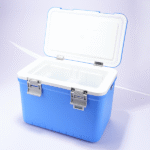
حاويات النقل المعتمدة - تفرض JPAC على شركات الشحن الحفاظ على درجة حرارة السطح 2-10 درجة مئوية أثناء النقل. يجب تقليل المساحات الهوائية الميتة, ويجب ألا يتصل ذوبان الجليد مباشرة بكيس الدم. قبل ملء المكونات, حاويات الحالة إلى درجة الحرارة المطلوبة.
مواد التعبئة والتغليف والمبردات – تتطلب إرشادات الشحن التجاري وضع كرات الدم الحمراء في كيس بلاستيكي ثانوي مانع للتسرب داخل كيس متين, حاويات معزولة. تحافظ مادة التبريد الكافية - ويفضل أن يكون الثلج الرطب المكعب فوق الدم - على درجة الحرارة أدناه 10 درجة مئوية أثناء النقل. يستخدم الصليب الأحمر الأمريكي صناديق مؤهلة تم التحقق من صحتها للحفاظ على درجات حرارة الشحن المطلوبة.
مسجلي البيانات وإمكانية التتبع - للشحنات التي تتجاوز أوقات النقل المعتمدة, تشمل مسجلات البيانات لتسجيل درجة الحرارة الداخلية بشكل مستمر. إذا كان المسجل يظهر رحلة, تنزيل البيانات وتحليلها لتحديد ما إذا كانت المنتجات لا تزال مناسبة أم لا.
مدة النقل وحدود الرحلة
تتمتع الخلايا الحمراء بقدرة محدودة على التحمل خارج البيئات الخاضعة للرقابة. تنصح خدمات الدم الكندية بأن يجب ألا يتجاوز وقت النقل 24 ساعات, باستخدام حاويات الشحن المعتمدة التي تحافظ على 1-6 درجة مئوية. تنص إرشادات JPAC على أن الوحدات يمكن أن تظل خارج التبريد لمدة حتى 30 دقائق بدون الحجر الصحي; إذا كان خارجا ل 30-60 دقيقة, ويجب عزلهم لمدة ست ساعات على الأقل قبل إعادة إصدارهم. لا ينبغي أن تخضع الوحدات لأكثر من ثلاث رحلات في المجموع. طاولة 2 يلخص المدة الرئيسية وقواعد العودة.
طاولة 2 – مدة التخزين وقواعد العودة
| المعلمة | متطلبات | مصدر | لماذا يهم |
| الحد الأقصى لوقت التخزين | حتى 42 أيام لمكونات الخلايا الحمراء مع مكملات الأدينين; 35 أيام عند تخزينها في 4 ± 2 درجة مئوية بموجب المبادئ التوجيهية JPAC | JPAC & التوصيات العامة لبنك الدم | يدعم إدارة المخزون مع الحفاظ على بقاء الخلية. |
| مدة النقل | الحفاظ على درجة حرارة السطح ≥ 10 درجة مئوية لمناسبة واحدة لا تتجاوز 12 ساعات | JPAC | النقل الطويل يمكن أن يسبب ارتفاع درجة الحرارة; يضمن الحد من التعرض أن تظل العبوة المعتمدة فعالة. |
| العودة من أجنحة | العودة داخل 30 دقائق; إذا بين 30-60 دقيقة, الحجر الصحي ل 6 قبل ساعات من إعادة الإصدار | JPAC | يمنع تكرار درجات الحرارة التي تلحق الضرر بكرات الدم الحمراء. |
| نقل الدم في المنزل | يحافظ على 2-6 درجة مئوية أثناء النقل بالسيارة أو الطائرة بدون طيار; تجنب التذبذبات ووضع الأكياس أفقيا | دراسة نقل الدم في المنزل اليابانية | يتحكم في مخاطر انحلال الدم أثناء عمليات نقل الدم في المنزل أو عن بعد. |
التعامل مع وحدات كرات الدم الحمراء أثناء الخروج من المستشفى والعودة
بمجرد مغادرة وحدات RBC بنك الدم لنقل الدم, تبدأ الساعة. قم بتوثيق وقت الإصدار وتأكد من بقاء الوحدة في درجة حرارة متحكم فيها أثناء النقل إلى العنابر. إذا تأخر نقل الدم, أعد الوحدة إلى بنك الدم بسرعة. تنص إرشادات JPAC على أنه إذا كانت الوحدة خارج نطاق التخزين الخاضع للرقابة أكثر من 30 دقائق, ينبغي لا يتم إعادتها مباشرة إلى الثلاجة الرئيسية ولكن يتم عزلها لمدة ست ساعات على الأقل قبل إعادة إصدارها. لا ينبغي بأي حال من الأحوال أن تخضع الوحدة لل 30إلى 60 دقيقة خارج فترة التخزين في أكثر من ثلاث مناسبات. أكمل دائمًا عملية نقل الدم خلال أربع ساعات من الإصدار لمنع تكاثر البكتيريا.
نصائح عملية للتحكم في درجة الحرارة
يمكن للتوصيات العملية الصادرة عن الجهات التنظيمية والدراسات الحديثة أن تساعد في تقليل المخاطر:
استخدم الثلاجات والمبردات المعتمدة: فقط المعدات المصممة لتخزين الدم تحافظ على تجانس درجة الحرارة. نحن. اللوائح تتطلب التبريد المستمر نحو 1-10 درجة مئوية أثناء النقل, والمملكة المتحدة. تتطلب المبادئ التوجيهية حاويات عبور تم التحقق من صحتها.
المراقبة بشكل مستمر: قم بتثبيت أجهزة تسجيل البيانات أو أجهزة استشعار إنترنت الأشياء التي تسجل درجات الحرارة كل بضع دقائق وتطلق التنبيهات عند انتهاك الحدود. كشف الرحلات الخفية قبل حدوث انحلال الدم.
تقليل وقت المناولة: احتفظ بكرات الدم الحمراء خارج البيئات الخاضعة للرقابة لمدة أقل من 30 دقائق عند إصدارها إلى المناطق السريرية. إذا تم تجاوز الحد, عزل الوحدة لمدة ست ساعات وتوثيق الحدث.
توجيه الحقائب بشكل صحيح: تظهر دراسات نقل الدم في المنزل أن الوضع الرأسي والتذبذب يزيدان من انحلال الدم; ضع الحقائب أفقيًا وثبتها أثناء النقل.
خطة للطوارئ: لديك إجراءات لانقطاع التيار الكهربائي, أعطال المركبات وتأخير التسليم. توثيق كل رحلة درجة الحرارة والإجراءات التصحيحية.
مثال الحالة: أ 2020 قارنت دراسة يابانية وحدات كرات الدم الحمراء المنقولة بالسيارة باستخدام ثلاجة النقل النشطة مقابل صندوق التبريد. أظهرت الوحدات الموجودة في المبردات غير المعتمدة مستويات أعلى من هيدروجيناز اللاكتات, مما يدل على انحلال الدم, بينما تم نقل تلك في 2-6 درجة مئوية في ثلاجة معتمدة تحافظ على الجودة. كان التحكم المناسب في درجة الحرارة ووضع الأكياس الأفقية أمرًا بالغ الأهمية.
ما هي الهيئات التنظيمية والمعايير التي تحكم الامتثال لسلسلة التبريد RBC؟?
يتم فرض لوائح RBC لسلسلة التبريد من قبل سلطات متعددة, والامتثال يتطلب الالتزام بالمعدات المعتمدة, أجهزة مراقبة معايرة, وثائق مفصلة, وتدريب الموظفين.
الأطر التنظيمية الرئيسية
FDA (21 جزء CFR 640) - يحدد التخزين في 1-6 درجة مئوية والتبريد المستمر نحو 1-10 درجة مئوية أثناء النقل. يجب فحص المعدات, ويجب عدم إصدار وحدات غير طبيعية.
ممارسات التوزيع الجيدة (الناتج المحلي الإجمالي) – تغطي إرشادات الناتج المحلي الإجمالي التحكم في درجة الحرارة, التتبع, كفاءة الموظفين والإجراءات المكتوبة. وهي معترف بها عالميًا وتدعم اللوائح الوطنية. تتطلب العديد من الوكالات الوطنية الامتثال للناتج المحلي الإجمالي لمقدمي الخدمات اللوجستية للدم.
معايير المعايرة – يجب معايرة أجهزة مراقبة درجة الحرارة وفقًا للمعايير المعترف بها مثل NIST أو UKAS. يجب الاحتفاظ بشهادات المعايرة في الملف.
ملحق برنامج الرصد العالمي للاتحاد الأوروبي 11 & سلامة البيانات – يجب أن يكون للأنظمة الإلكترونية مسارات تدقيق, التعامل الآمن مع البيانات والبرمجيات التحقق من صحتها. التأكد من أن برنامج مراقبة درجة الحرارة مقاوم للتلاعب والتحقق من صحته.
لائحة التجارب السريرية في الاتحاد الأوروبي 536/2014 - المنتجات الطبية التحقيقية, بما في ذلك مكونات الدم المستخدمة في التجارب السريرية, يجب الالتزام بالتحكم الموثق في درجة الحرارة وحفظ السجلات.
JPAC & 30قاعدة الدقيقة – يحدد درجة حرارة التخزين الأساسية 4 ± 2 درجة مئوية ويحد من الرحلات أعلاه 10 درجة مئوية. كما يضع إجراءات إعادة الوحدات إلى التخزين أو التخلص من تلك التي تجاوزت الحدود الزمنية.
إدارة الجودة لمنظمة الصحة العالمية - يشدد على أنه يجب على السلطات الصحية الوطنية أن تدعم خدمات الدم المنسقة من خلال إدارة قوية للجودة على كل المستويات.
التنقل في متطلبات الامتثال
تمتد التوقعات التنظيمية إلى ما هو أبعد من أهداف درجة الحرارة. تتطلب السلطات المعدات المعتمدة, أجهزة مراقبة معايرة, وثائق مفصلة, تدريب الموظفين و خطط الطوارئ.
المعدات المعتمدة: إعادة تأهيل الثلاجات, المجمدات, المبردات والمركبات قبل الاستخدام; إعادة التأهيل بعد الإصلاحات أو عند نقل المعدات.
التوثيق & معايرة: الاحتفاظ بسجلات لسجلات درجات الحرارة, شهادات صيانة ومعايرة المعدات. يجب على الموظفين توثيق أي انحرافات وإجراءات تصحيحية. تأكد من التحقق من صحة الأنظمة الرقمية ولها مسارات تدقيق.
تمرين: تضمن تقييمات الكفاءة السنوية أن يفهم جميع الموظفين حدود درجة الحرارة, إجراءات الطوارئ ومتطلبات التوثيق.
قوائم المراجعة: تطوير قوائم مرجعية بسيطة لجمع الدم, التغليف, الشحن والاستلام. تعمل قوائم المراجعة الموحدة على تقليل الأخطاء ودعم الاستعداد للتدقيق.
إشراك مختبرات المعايرة: العمل مع المعامل المعتمدة لمعايرة أجهزة الاستشعار والتأكد من دقتها.
عمليات التدقيق: يتوقع المنظمون منك الحفاظ على الشهادات, الإجراءات التصحيحية وسجلات سلسلة الحضانة. الاحتفاظ بالسجلات الرقمية لمدة عشر سنوات على الأقل, كما أوصت به العديد من بنوك الدم.
اجتياز عمليات التدقيق مع التوثيق المناسب
تركز عمليات التدقيق على إمكانية التتبع والتوثيق. يتوقع المنظمون منك تقديم سجلات درجات الحرارة, سجلات صيانة المعدات وتقارير الانحراف. طاولة 3 يلخص الوثائق الأساسية المطلوبة في إطار مختلف الأطر والخطوات العملية للتحضير.
| الإطار التنظيمي | المستندات الرئيسية المطلوبة | خطوات عملية |
| الناتج المحلي الإجمالي / جي اكس بي | إجراءات التشغيل القياسية, سجلات التدريب, تقارير الانحراف, وثائق تأهيل المعدات | تطوير إجراءات مكتوبة للتخزين, النقل والعودة. قم بإجراء تدريب تنشيطي روتيني وتوثيق الانحرافات من خلال تحليل السبب الجذري. |
| FDA (21 CFR § 640) | سجلات درجة الحرارة, سجلات صيانة المعدات, سجلات الجهات المانحة والمنتجات | استخدم مسجلات البيانات الآلية مع مسارات التدقيق. قم بفحص الوحدات بصريًا قبل إصدارها وعزل الوحدات ذات المظهر غير الطبيعي. |
| ملحق برنامج الرصد العالمي للاتحاد الأوروبي 11 | تقارير التحقق من صحة البرمجيات, سجلات التحكم في الوصول, مراجعات مسار التدقيق | التحقق من صحة برامج مراقبة درجة الحرارة وتقييد الوصول إلى المستخدمين المصرح لهم. قم بمراجعة مسارات التدقيق بانتظام لاكتشاف التغييرات غير المصرح بها. |
| إرشادات JPAC | سجلات رحلة درجة الحرارة, سجلات الحجر الصحي, 30وثائق العودة دقيقة / 60 دقيقة | قم بتسمية الوحدات بوقت الإصدار وتتبع أوقات الإرجاع. وحدات الحجر الصحي التي تتجاوز 30 دقائق من التبريد. |
التخزين الآمن ونقل كرات الدم الحمراء: المتطلبات التفصيلية
تجهيز غرف التبريد والثلاجات
تضمن ثلاجات بنك الدم المصممة خصيصًا والمزودة بمراوح درجة حرارة موحدة. احتفظ بأرفف أو حجرات منفصلة لفئات مختلفة - غير متطابقة, متطابق, وحدات ذاتية وعفا عليها الزمن – حتى لا تؤدي أخطاء الجرد إلى أخطاء في نقل الدم. ضع موازين الحرارة الداخلية على الرفوف العلوية والسفلية للكشف عن التقسيم الطبقي. تأكد من أن الجزء الداخلي نظيف ومضاء بشكل كافٍ, والاحتفاظ بسجلات مكتوبة لفحوصات درجة الحرارة اليومية.
حاويات النقل والتعبئة
استخدم شركات الشحن المعتمدة التي تحافظ على 2-10 درجة مئوية أثناء العبور. يجب وضع كل وحدة في كيس بلاستيكي مانع للتسرب قبل وضعها داخل حاويات معزولة. املأ الفراغات الهوائية الميتة بمادة عازلة, وتأكد من أن عبوات الثلج أو عبوات تغيير الطور مشروطة مسبقًا بدرجة الحرارة المطلوبة. يجب وضع الثلج فوق الدم, بينما يتحرك الهواء البارد نحو الأسفل, ويجب أن يكون حجم الجليد لمسافات طويلة مساويًا على الأقل لحجم الدم. عند استخدام الأنظمة السلبية (صناديق معزولة مع حزم PCM), قم بضبط المبردات على درجة الحرارة المستهدفة لتجنب ارتفاع درجة الحرارة المفاجئ.
التعامل أثناء الإصدار والإرجاع
ال 30قاعدة الدقيقة أمر بالغ الأهمية: يجب نقل الوحدات التي تم إخراجها من التبريد أو إعادتها إلى الداخل 30 دقائق; إذا خرجت لمدة 30-60 دقيقة, الحجر الصحي لمدة ست ساعات قبل إعادة الإصدار. قم بتسمية الوحدات بوقت الإصدار وتتبع أوقات الإرجاع. قلل من النقل المتكرر بين الأجنحة وبنك الدم - فكل رحلة تزيد من خطر انحلال الدم. عمليات نقل الدم الكاملة خلال أربع ساعات من الإصدار لتقليل تكاثر البكتيريا.
نصائح عملية للتخزين والنقل
مبردات شرط مسبق: تبريد حاويات العبور إلى درجة الحرارة المستهدفة قبل تحميل وحدات RBC.
استخدام مواد تغيير الطور (PCMS): الحفاظ على PCMs 2-8 درجة مئوية لفترات طويلة بدون طاقة خارجية وتوفر استقرارًا أفضل من عبوات الثلج وحدها. كما أنها تقلل من مخاطر تجميد كرات الدم الحمراء وتدعم عمليات التسليم بالطائرات بدون طيار.
تأمين اتجاه RBC: يقلل الوضع الأفقي للأكياس من انحلال الدم الناجم عن الاهتزاز أثناء النقل بالسيارة أو الطائرة بدون طيار.
تحقق من قاعدة 30 دقيقة: احتفظ بمؤقت مع كل وحدة تم إصدارها وقم بوضع علامة على تلك التي تتجاوز الحد الأقصى; الحجر الصحي لهم وفقا لذلك.
سجل كل شيء: توثيق درجات الحرارة عند الشحن والاستلام; الاحتفاظ بسجلات يمكن الوصول إليها لعمليات التدقيق.
أدوات دعم القرار والتقييم الذاتي
تفاعلية حاسبة السلسلة الباردة يمكن أن تساعدك على التخطيط للشحنات. أدخل عدد الوحدات, درجة الحرارة المحيطة ووقت العبور لتلقي توصيات بشأن نوع الحاوية, كمية PCM ومسجلات البيانات المطلوبة. أ قائمة التقييم الذاتي يمكن أن يرشدك خلال المتطلبات التنظيمية، مما يضمن حصولك على معدات معتمدة, شهادات المعايرة, إجراءات التشغيل القياسية وسجلات تدريب الموظفين. لا تعمل هذه الأدوات على تعزيز الامتثال فحسب، بل تعمل أيضًا على إشراك المستخدمين, تقليل معدلات الارتداد وتحسين إشارات المستخدم.
الابتكارات التي تحول سلسلة تبريد RBC في 2025
تعمل التكنولوجيا على إعادة تشكيل كيفية تخزين كرات الدم الحمراء ونقلها. مستشعرات إنترنت الأشياء, مواد تغيير المرحلة, طائرات بدون طيار, blockchain والذكاء الاصطناعي (منظمة العفو الدولية) لم تعد مفاهيم مستقبلية; فهي أدوات عملية لضمان الامتثال وتقليل الهدر.
أجهزة استشعار إنترنت الأشياء والمراقبة في الوقت الحقيقي
قم بتوصيل أجهزة إنترنت الأشياء بأكياس الدم أو حاويات النقل لتسجيل درجة الحرارة, الرطوبة والاهتزاز كل بضع دقائق. توصي أحدث الإرشادات بأجهزة استشعار مزودة بشرائح ذاكرة ولوحات معلومات. عندما يكتشف النظام رحلة درجة الحرارة, فهو يطلق التنبيهات ويسمح باتخاذ الإجراءات التصحيحية. تدعم بيانات إنترنت الأشياء أيضًا الصيانة التنبؤية - جدولة الخدمة قبل تعطل المعدات - وتسهل عملية الدوران لأول مرة/أول مرة بناءً على العمر الافتراضي للوحدة.
مواد تغيير الطور (PCMS) والتبريد السلبي
تمتص PCMs الطاقة الحرارية وتطلقها عند تغيير الطور. الحفاظ على PCMs المصممة لنقل الدم 2-8 درجة مئوية لفترات طويلة وتوفير تبريد مستقر بدون كهرباء. إنها توفر فترات احتجاز أطول من عبوات الجل التقليدية وتقلل من خطر تجميد كرات الدم الحمراء. يؤدي الجمع بين PCMs والحاويات المعزولة ومسجلات البيانات إلى إنشاء أنظمة سلبية قوية مناسبة للمواقع النائية وتسليم الطائرات بدون طيار.
الطائرات بدون طيار والخدمات اللوجستية المدعومة بالذكاء الاصطناعي
تقوم المركبات الجوية بدون طيار المجهزة بحزم هلامية لتثبيت درجة الحرارة وتخميد الاهتزاز بتوصيل الدم بسرعة عبر المناطق الحضرية والنائية. جدولة مدعومة بالذكاء الاصطناعي يعطي الأولوية للشحنات على أساس مدة الصلاحية, الاستعجال والمسافة. في 2023, وأظهرت البرامج في رواندا وغانا أن عمليات التوصيل بطائرات بدون طيار قللت من هدر الدم وخفضت أوقات التسليم مع الحفاظ على الامتثال. تشمل الاعتبارات الأخلاقية استقرار الحمولة, لوائح المجال الجوي وخصوصية البيانات.
توقعات Blockchain والذكاء الاصطناعي
أ 2025 لاحظت المراجعة ذلك تكنولوجيا البلوكشين يؤمن سلسلة إمداد الدم من خلال توفير شبكة لا مركزية, دفتر أستاذ غير قابل للتغيير لتتبع التبرعات, ظروف التخزين وسجلات نقل الدم. تعمل العقود الذكية على أتمتة عمليات التحقق من الامتثال وتتكامل مع نماذج التنبؤ بالذكاء الاصطناعي, التي تحلل الاستخدام التاريخي والعوامل الديموغرافية للتنبؤ بالطلب على الدم. معاً, تدعم تقنية blockchain والذكاء الاصطناعي جداول التجميع الاستباقية, تقليل النقص والإفراط في التحصيل.
القدرة على التكيف مع المناخ والاستدامة
الظواهر الجوية المتطرفة – موجات الحر, الفيضانات, الأعاصير - يمكن أن تعطل سلاسل إمداد الدم وتزيد الطلب عليه أثناء الكوارث. يوصي الباحثون ببناء المرونة من خلال المولدات الاحتياطية, وحدات التخزين المتنقلة, مركبات نقل قادرة على الصمود في وجه تغير المناخ وبنوك الدم المتنقلة. كما تكتسب الاستدامة المزيد من الاهتمام: الشاحنين المعزولين القابلين لإعادة التدوير, تعمل أنظمة التبريد التي تعمل بالطاقة الشمسية وأنظمة التغليف ذات الحلقة المغلقة على تقليل البصمة البيئية. تتبنى المستشفيات ومقدمو الخدمات اللوجستية هذه التقنيات بشكل متزايد للتوافق مع المسؤولية الاجتماعية للشركات والتوقعات التنظيمية.
طاولة 4 – الابتكارات وفوائدها
| ابتكار | وصف | كيف يساعدك |
| مستشعرات إنترنت الأشياء | مسجلات البيانات التي تراقب درجة الحرارة, الرطوبة والاهتزاز; سجل كل بضع دقائق وأرسل التنبيهات | توفير الرؤية في الوقت الحقيقي, منع الرحلات وإنشاء سجلات قابلة للتدقيق. |
| مواد تغيير الطور (PCMS) | مواد التبريد السلبية التي تحافظ على 2-8 درجة مئوية لفترات طويلة | تمديد وقت الشحن بدون كهرباء, تقليل خطر التجميد وتبسيط التعبئة والتغليف. |
| طائرات بدون طيار & جدولة الذكاء الاصطناعي | تقوم الطائرات بدون طيار مع التحكم في درجة الحرارة بتوصيل الدم بسرعة; يعطي الذكاء الاصطناعي الأولوية للشحنات بناءً على مدة الصلاحية | الوصول إلى المناطق النائية بسرعة, تقليل الهدر وتحسين الموارد. |
| بلوكتشين & التنبؤ بالذكاء الاصطناعي | يتتبع دفتر الأستاذ اللامركزي التبرعات والتخزين; تتنبأ نماذج الذكاء الاصطناعي بالطلب | تعزيز إمكانية التتبع, الحد من الاحتيال, تحسين تخطيط التوريد وأتمتة الامتثال. |
| تدابير المرونة المناخية | قوة احتياطية, وحدات متنقلة, بنوك الدم المشي, عبوة مستدامة | الحفاظ على الإمدادات أثناء الكوارث, تقليل الأثر البيئي وتحقيق أهداف الاستدامة. |
نصائح لتبني الحلول المبتكرة
ابدأ صغيرًا: قم بتجربة أجهزة استشعار إنترنت الأشياء أو أجهزة PCM على عدد محدود من الشحنات لتقييم الأداء قبل توسيع النطاق.
دمج أنظمة البيانات: قم بتوصيل بيانات المستشعر بأنظمة إدارة المخزون والتدقيق لأتمتة التنبيهات.
العمل مع المنظمين: عند تنفيذ الطائرات بدون طيار أو blockchain, إشراك السلطات المحلية في وقت مبكر للتنقل في لوائح المجال الجوي ومتطلبات خصوصية البيانات.
تصميم عبوات مرنة: اجمع بين أجهزة الشحن المعزولة ووحدات PCM وامتصاص الصدمات لحماية كرات الدم الحمراء أثناء الرحلات الجوية والنقل البري.
إعطاء الأولوية للاستدامة: اختر المواد القابلة لإعادة التدوير وخطط لإعادة التدوير في نهاية العمر لتقليل التأثير البيئي.
2025 اتجاهات السوق ورؤى المستهلك
يتوسع قطاع RBC لسلسلة التبريد بسرعة. تشير التوقعات إلى أن سوق سلسلة التبريد الصيدلانية يتجاوز $65 مليار في 2025 وسوف تنمو إلى أكثر من $130 مليار من قبل 2034. وتعكس هذه الزيادة ارتفاع الطلب على المواد البيولوجية, اللقاحات والعلاجات المتقدمة التي تتطلب التحكم الصارم في درجة الحرارة. في طب نقل الدم, ال أفاد الصليب الأحمر الأمريكي أن أكثر من 29 000 هناك حاجة إلى وحدات من خلايا الدم الحمراء كل يوم في الولايات المتحدة. مع شيخوخة السكان والعمليات الجراحية الأكثر تعقيدا, ومن المتوقع أن ينمو الطلب. الاختلافات الموسمية, يمكن لحالات الطوارئ المتعلقة بالصحة العامة والأحداث المناخية أن تسبب نقصًا مفاجئًا في الدم أو فائضًا فيه; يساعد التنبؤ المعتمد على الذكاء الاصطناعي في تسهيل هذه التقلبات.
أحدث التطورات
نمو الطلب & التحولات الديموغرافية: شيخوخة السكان تزيد من احتياجات نقل الدم; المزيد من العمليات الجراحية الاختيارية وحالات الصدمات تؤدي إلى استهلاك كرات الدم الحمراء.
مبادرات الاستدامة: يقوم المنظمون والمستهلكون بفحص الأثر البيئي للخدمات اللوجستية. تعتمد الشركات الشاحنين القابلة لإعادة التدوير, التبريد بالطاقة الشمسية وأنظمة التعبئة والتغليف ذات الحلقة المغلقة.
التحول الرقمي: إنترنت الأشياء, يتقارب الذكاء الاصطناعي و blockchain لتعزيز الشفافية والكفاءة. تتيح البيانات في الوقت الفعلي إمكانية إجراء جرد في الوقت المناسب وتقليل الهدر.
استراتيجيات المرونة المناخية: الطقس القاسي يهدد سلاسل التوريد; وتشمل خطط الطوارئ وحدات تخزين متنقلة, الطاقة الاحتياطية وبنوك الدم المتحركة.
التشديد التنظيمي: أدى نمو العلاجات البيولوجية والجينية إلى قيام الهيئات التنظيمية بتعزيز متطلبات سلسلة التبريد; توقع المزيد من عمليات التدقيق ومتطلبات التوثيق.
رؤى السوق لمقدمي الخدمات
المستشفيات, يجب على بنوك الدم ومقدمي الخدمات اللوجستية الاستثمار في البنية التحتية القوية لسلسلة التبريد واعتماد التقنيات الحديثة مثل أجهزة استشعار إنترنت الأشياء وتقنية blockchain. جهود الاستدامة – استخدام المواد القابلة لإعادة التدوير, المعدات التي تعمل بالطاقة الشمسية وأنظمة الحلقة المغلقة - لا تعالج الاعتبارات الأخلاقية فحسب، بل تعمل أيضًا على بناء المسؤولية الاجتماعية للشركات وتمييز خدماتك. يساعد البقاء في صدارة الاتجاهات على بناء الثقة مع الجهات المانحة, المرضى والمنظمين.
الأسئلة المتداولة
س 1: ما الفرق بين سلسلة تبريد الدم وسلسلة تبريد اللقاح?
تشير سلسلة تبريد الدم إلى عملية التجميع الخاضعة للرقابة, يعالج, تخزين ونقل منتجات الدم. يتم تخزين كرات الدم الحمراء عند درجة حرارة 1-6 درجة مئوية ويتم نقلها عند درجة حرارة 1-10 درجة مئوية. تحافظ سلاسل تبريد اللقاحات على مجموعة من 2-8 درجة مئوية بالنسبة لمعظم اللقاحات و -18 درجة مئوية للبلازما المجمدة, لكن مكونات الدم لها متطلبات أكثر دقة مثل الصفائح الدموية في درجة حرارة الغرفة.
Q2: كم من الوقت يمكن تخزين خلايا الدم الحمراء?
بموجب إرشادات إدارة الغذاء والدواء الأمريكية وJPAC, يمكن أن تستمر كرات الدم الحمراء المخزنة في المحاليل المكملة للأدينين لمدة تصل إلى 42 أيام. يسمح JPAC بالتخزين لـ 35 أيام في 4 ± 2 درجة مئوية مع الحد الأدنى من الاختلاف في درجات الحرارة. تحقق دائمًا من تواريخ انتهاء الصلاحية وقم بتدوير المخزون وفقًا لذلك.
س 3: ماذا يحدث إذا تجاوزت درجة الحرارة 6 درجة مئوية أثناء النقل?
صغير, يُسمح أحيانًا بالرحلات الاستكشافية لمرة واحدة. تسمح إرشادات JPAC برحلة واحدة تصل إلى 10 درجة مئوية لأقل من خمس ساعات. تتطلب قواعد إدارة الغذاء والدواء التبريد تجاه 1-10 درجة مئوية أثناء النقل. إذا حدثت رحلة, قم بعزل الوحدة واتبع سياسة منشأتك لتحديد ما إذا كان من الممكن استخدامها.
س 4: هل الطائرات بدون طيار آمنة لنقل الدم؟?
نعم - عندما تكون مجهزة بشكل صحيح. طائرات بدون طيار مع عبوات جل لتثبيت درجة الحرارة, لقد أدى تخميد الاهتزازات والمراقبة في الوقت الفعلي إلى توصيل الدم بسرعة وأمان في أفريقيا والولايات المتحدة. لكن, ولا تزال الأطر التنظيمية ومتطلبات تخليص المجال الجوي في طور التطور.
س 5: كيف تعمل تقنية blockchain على تحسين الامتثال لسلسلة التبريد?
تقوم تقنية Blockchain بإنشاء سجل ثابت لرحلة كل وحدة دم من التبرع إلى نقل الدم. يتتبع ظروف التخزين, الموقع وسلسلة الحضانة, - الحد من الاحتيال وعدم دقة البيانات. يمكن للعقود الذكية أتمتة عمليات التحقق من الامتثال والتكامل مع نماذج التنبؤ بالذكاء الاصطناعي لتحسين العرض.
س6: ما هي قاعدة 30 دقيقة?
تنص إرشادات JPAC على أنه يجب إرجاع وحدات RBC التي تمت إزالتها من تخزين درجة الحرارة الخاضعة للتحكم إلى الداخل 30 دقائق; إذا كانوا خارج ل 30-60 دقيقة, يجب عزلهم لمدة ست ساعات قبل إعادة إصدارهم. تمنع القاعدة تكرار درجات الحرارة التي يمكن أن تلحق الضرر بالخلايا الحمراء.
ملخص وتوصيات
يعد الحفاظ على سلامة خلايا الدم الحمراء مسؤولية مشتركة بين المانحين, بنوك الدم, المستشفيات ومقدمي الخدمات اللوجستية. تشمل الوجبات السريعة الرئيسية:
الالتزام بنطاقات درجات الحرارة: تخزين كرات الدم الحمراء في 1-6 درجة مئوية ونقلهم على 1-10 درجة مئوية. الحد من الرحلات والمراقبة بشكل مستمر باستخدام أجهزة استشعار إنترنت الأشياء.
اتبع الأطر التنظيمية: الامتثال لإدارة الغذاء والدواء, الاتحاد الأوروبي, الناتج المحلي الإجمالي والمبادئ التوجيهية JPAC. التحقق من صحة المعدات, معايرة أجهزة الاستشعار وتوثيق كل خطوة.
استخدم العبوة المعتمدة: حاويات شرط مسبق, تقليل المساحة الهوائية الميتة واستخدام PCMs والعزل للحفاظ على درجة الحرارة.
تدريب الموظفين والتخطيط لحالات الطوارئ: يضمن التدريب المنتظم أن يعرف فريقك كيفية التعامل مع الرحلات واتباع قاعدة الـ 30 دقيقة. وضع خطط طوارئ لانقطاع التيار الكهربائي وتأخير النقل.
احتضان التكنولوجيا: مستشعرات إنترنت الأشياء, طائرات بدون طيار, يمكن لتقنية blockchain والتنبؤ بالذكاء الاصطناعي تحسين الرؤية, تحسين المخزون ودعم الامتثال.
الخطوات التالية القابلة للتنفيذ
تدقيق سلسلة التبريد الخاصة بك: إجراء تقييم شامل للتخزين الخاص بك, حاويات النقل وأنظمة المراقبة. تحديد الفجوات المتعلقة بدرجة الحرارة ومتطلبات التوثيق الموضحة أعلاه.
تنفيذ المراقبة في الوقت الحقيقي: تجهيز كل وحدة أو حاوية RBC بمسجل بيانات IoT الذي يسجل درجة الحرارة كل بضع دقائق ويتكامل مع برنامج المخزون.
التحقق من صحة حلول التغليف الجديدة: اختبار PCMs والشاحنين المعزولين للتأكد من صيانتها 2-8 درجة مئوية للمدة المطلوبة, وتوثيق النتائج.
تحديث إجراءات التشغيل الموحدة: مراجعة إجراءات التشغيل القياسية لتعكس 2025 أنظمة, بما في ذلك قاعدة الـ 30 دقيقة وبروتوكولات الطوارئ.
تدريب فريقك: جدولة جلسات إدارة درجة الحرارة, التوثيق والتقنيات الناشئة. تشجيع الموظفين على الإبلاغ عن الانحرافات على الفور.
التعامل مع الخبراء: استشر متخصصي سلسلة التبريد والمستشارين التنظيميين لمواكبة المتطلبات والابتكارات المتطورة.
حول Tempk
Tempk هي شركة رائدة في مجال توفير حلول التعبئة والتغليف والمراقبة لسلسلة التبريد المصممة خصيصًا للرعاية الصحية, الصيدلة الحيوية وعلوم الحياة اللوجستية. تصاميم الشركة الشاحنين المعزولين المعتمدين من ISTA التي تحافظ على 2-8 درجة مئوية حتى 72 ساعات باستخدام مواد تغيير الطور القابلة لإعادة الاستخدام وأجهزة الاستشعار الذكية. تتوافق أنظمتها مع ممارسات التوزيع الجيدة وإرشادات إدارة الغذاء والدواء (FDA) ويتم معايرتها وفقًا لمعايير NIST وUKAS. توفر منصات المراقبة الرقمية الخاصة بشركة Tempk بيانات درجة الحرارة ومسارات التدقيق في الوقت الفعلي, تمكين العملاء من تلبية لوائح RBC الصارمة لسلسلة التبريد بثقة. تعتبر الاستدامة أمرًا أساسيًا في مهمة Tempk; إنهم يعطون الأولوية للمواد القابلة لإعادة التدوير والتصاميم الموفرة للطاقة.
نداء العمل
إذا كنت على استعداد لحماية إمدادات الدم لديك وتبسيط الامتثال, تواصل مع خبراء Tempk للحصول على استشارة شخصية حول تحسين سلسلة التبريد الخاصة بك. سيساعدك فريقهم في اختيار حلول التغليف, أجهزة المراقبة وأنظمة إدارة البيانات التي تلبي المتطلبات التنظيمية, تقليل النفايات وحماية المرضى.