آخر تحديث: ديسمبر 19, 2025
Cold chain seafood products succeed when you control temperature, صحة, and traceability across every handoff. If you miss one step, seafood can arrive “on time” but still be rejected. Many chilled lanes work around 0-4 درجة مئوية (32-39 درجة فهرنهايت), while many frozen lanes aim for ≥−18 درجة مئوية (0° f). الهدف بسيط: fewer warm swings, عدد أقل من الكراتين الرطبة, and clearer proof at receiving.
هذه المقالة سوف تساعدك:
-
Define cold chain seafood products by category (مبردة, المجمدة, يعيش, value-added)
-
Turn seafood cold chain requirements into a repeatable 5-pillar system
-
Set practical cold chain seafood temperature requirements without confusing staff
-
يختار seafood packaging solutions that prevent leaks, crush, وارتفاع الحرارة
-
يبني seafood temperature monitoring that creates action, not noise
-
Train a receiving-friendly seafood QA checklist and exception playbook
-
Validate lanes using a seafood cold chain validation checklist you can run this month
What counts as cold chain seafood products in daily operations?
Cold chain seafood products are any seafood items where safety or quality depends on staying cold end-to-end. That includes products that spoil quickly, products that leak, and products where traceability must be flawless. If you ship seafood through multiple handoffs, you are operating a cold chain—even if you don’t call it that.
Think of cold chain seafood products like ice cream in a backpack. It can start perfect and still fail. The failure usually happens during the “in-between moments.”
Cold chain seafood products categories you should separate
| فئة | Typical examples | What fails first | Your operational focus |
|---|---|---|---|
| طازج / مبردة | سمكة كاملة, fillets, cooked chilled seafood | رائحة, نَسِيج, تقطر | سرعة + استقرار درجة الحرارة |
| المجمدة | IQF shrimp, كتل, glazed fish | partial thaw, refreeze damage | stable frozen state |
| المحار الحي | المحار, clams, mussels | stress, mortality, label checks | الجدوى + traceability discipline |
| Value-added | جاهزة للطهي, ready-to-eat seafood | صحة + label errors | الانفصال + التعامل الصارم |
نصائح واقتراحات عملية
-
Don’t use one “universal” SOP for all cold chain seafood products.
-
Separate lanes by chilled vs frozen vs live أولاً. Then optimize.
-
Train staff to recognize what “failure” looks like for each category.
مثال عملي: A team reduced mis-sorts by labeling staging racks as LIVE / CHILLED / FROZEN and enforcing simple routing rules.
Cold chain seafood products requirements: ال 5 pillars you must control
Most cold chain seafood products requirements collapse into five pillars: درجة حرارة, صحة, hazard control, التتبع, والتحقق. You don’t need a perfect system. You need a repeatable system that prevents repeat mistakes.
If you control these pillars, you reduce rejections and claims. You also make audits easier.
ال 5 pillars (لغة واضحة)
-
Time–temperature control: keep it cold and avoid swings
-
Hygiene control: prevent contamination during handling
-
Hazard control: focus on product-specific risks (HACCP thinking)
-
إمكانية التتبع: keep lot identity attached and visible
-
تَحَقّق: keep records that prove what happened
HACCP explained: HACCP means تحليل المخاطر ونقاط التحكم الحرجة. بعبارات بسيطة, you identify where risk happens, then control those steps.
Requirements vs. real-world failure modes
| Requirement pillar | كيف يبدو "الجيد". | الفشل المشترك | ماذا يعني لك |
|---|---|---|---|
| درجة حرارة | clear targets + short handoffs | warm staging and door-open time | مدة صلاحية أقصر |
| صحة | sealed packs + clean tools | wet cartons and cross-contact | odor and safety risk |
| Hazard control | species-aware rules | “one rule fits all” | avoidable incidents |
| إمكانية التتبع | lot stays with product | commingling and relabel errors | bigger recalls |
| تَحَقّق | سريع, consistent records | “no evidence” disputes | weaker claim defense |
نصائح واقتراحات عملية
-
Put your targets on wall charts and pack-out photos.
-
Treat cross-docking as high-risk by default.
-
Use one “golden rule” for teams: يبقيه باردا. Keep it sealed. Keep the lot identity.
مثال عملي: A distributor reduced disputes after making pack-out time and receiving time mandatory on every shipment.
What temperature requirements should cold chain seafood products follow?
Cold chain seafood temperature requirements must be easy to remember and easy to enforce. Complex temperature bands fail in busy shifts. Use one target per category, plus one action rule when you drift.
Many chilled programs use 0-4 درجة مئوية (32-39 درجة فهرنهايت) as a working range. Many frozen programs use ≥−18 درجة مئوية (0° f) as a working target. Always align with your buyer specs and local rules.
Practical targets by cold chain seafood products category
| فئة | Practical working target | أكبر خطر | What you do if it drifts | ماذا يعني لك |
|---|---|---|---|---|
| المأكولات البحرية المبردة | 0-4 درجة مئوية | الاحترار + تقطر | يمسك + QA check | شكاوى أقل من الرائحة |
| المأكولات البحرية المجمدة | ≥−18 درجة مئوية | thaw/refreeze | فحص + assess excursion | نسيج أفضل |
| المحار الحي | رائع, مستقر (species-dependent) | stress/mortality | متفرق + فحص | less dead loss |
| Ready-to-eat seafood | رقابة مشددة, shortest exposure | higher safety sensitivity | reject if uncertain | protects customers |
The biggest temperature mistake: cycling, not peaks
Many teams only look for the “maximum temperature.” That misses the real killer: temperature cycling.
A typical cycle looks like this:
-
warms during loading
-
cools again in transit
-
warms at receiving
-
cools again in storage
Cycling shortens shelf life and increases drip. It can also create inconsistent product within the same carton.
H3: The “Time-Out-of-Cold” rule for cold chain seafood products
Use a timer rule your team can follow without arguing:
-
أخضر: brief exposure during normal work
-
أصفر: longer exposure → hold and inspect
-
أحمر: sustained exposure → reject or rework per your food safety plan
| منطقة | ما الذي يثيره | First action | لماذا يساعدك |
|---|---|---|---|
| أخضر | short handling exposure | continue SOP | normal flow |
| أصفر | longer exposure | يمسك + يقيم | consistent decisions |
| أحمر | sustained exposure | reject/rework | avoids risky releases |
نصائح واقتراحات عملية
-
Measure product-zone temperature when possible. Ambient air is misleading.
-
Set a staging limit in minutes, not “soon.”
-
Train the team to reduce door-open time during loading.
مثال عملي: A retailer cut “fishy smell” complaints after enforcing a simple yellow-zone hold rule.
Which hazards drive cold chain seafood products requirements?
Cold chain seafood products requirements exist because seafood has hazards that worsen when temperature rises or hygiene slips. You don’t need to scare your team with long lists. You need a few hazard “buckets” that guide your SOP choices.
Think of hazards like “spoilers” in a movie. Temperature and time give them the chance to show up.
Hazard buckets (operations-friendly)
| Hazard bucket | Where it hits hardest | What increases risk | Your control focus |
|---|---|---|---|
| Histamine risk | certain finfish species | warm time during handling | strict time/temperature discipline |
| نمو البكتيريا | منتجات مبردة | cycling and long staging | fast handoffs + cold stability |
| Parasite controls | raw-intended products | missed freezing treatment | product-specific rules |
| Natural toxins / المواد الكيميائية | sourcing-dependent | poor records | traceability strength |
| Physical contamination | any product | sloppy handling | clean tools + sealed packs |
نصائح واقتراحات عملية
-
Don’t treat all seafood as equal risk. Category rules reduce mistakes.
-
Build “raw-intended” handling as a special workflow, not a footnote.
-
Make traceability part of hazard control. It limits scope if something happens.
مثال عملي: Teams often reduce risk faster by improving handoffs than by adding more coolant.
Cold chain seafood products solutions: packaging that prevents leaks and heat spikes
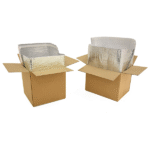
The best seafood packaging solutions work as a system: العزل + containment + استقرار. If you only solve temperature, you still get leaks and crushed trays. If you only solve leaks, you still get warm product.
Use a small number of validated pack-outs. Too many options create confusion.
The 3-layer packaging model (بسيط, قابل للتكرار)
-
طبقة العزل: slows outside heat
-
Containment layer: prevents leaks and isolates meltwater
-
Stability layer: stops movement and crush damage
Packaging options for cold chain seafood products (مقارنة سريعة)
| خيار التعبئة والتغليف | الأفضل ل | قوة | ضعف | المعنى العملي الخاص بك |
|---|---|---|---|---|
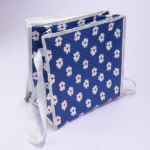
| بريد معزول + عبوات | short–medium DTC | بسيطة وقابلة للتطوير | limited long heat | good starter |
| Rigid insulated box | medium–long lanes | استقرار أفضل | higher volume cost | تقلبات أقل |
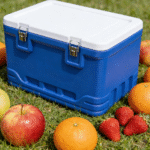
| Reusable EPP box | multi-stop B2B | durable and stackable | needs cleaning SOP | strong ROI in loops |
| High-performance panels (VIP style) | premium/high risk | عزل قوي | يكلف + التعامل | best for tough lanes |
| Secondary leak barrier | wet seafood | التعامل الأنظف | adds a step | رفض أقل |
H3: The meltwater trap (why “iced fish” cartons fail)
Ice keeps seafood cold, but meltwater can:
-
weaken cartons
-
smudge labels
-
contaminate outer surfaces
-
create a bad unboxing experience
قاعدة: keep product separated from free water using liners, الصواني, absorbent layers, or sealed inner packs.
| السيطرة على المياه الذائبة | ماذا يفعل | خطأ شائع | مصلحتك |
|---|---|---|---|
| Sealed inner liner | blocks free water | relying on carton alone | cleaner receiving |
| Absorbent layer | manages small leaks | hiding major leaks | fewer messy reworks |
| Upright inserts | prevents slosh/crush | loose packs shifting | fewer burst packs |
| “Dry label zone” | keeps IDs readable | labels on wet corners | better traceability |
نصائح واقتراحات عملية
-
Right-size the shipper to reduce headspace. Empty air warms fast.
-
Immobilize packs so they can’t rub, ينفجر, or crush.
-
Keep coolant off direct contact with delicate product when possible.
مثال عملي: A chilled fillet program reduced “wet box” rejections after adding a sealed inner liner and a dedicated absorbent layer.
What solutions work best for chilled cold chain seafood products?
Chilled cold chain seafood products perform best when you shorten warm exposure and stabilize the internal environment. Chilled seafood doesn’t tolerate long staging. Your biggest wins usually come from workflow discipline first, then packaging tuning.
Chilled solution stack (build in this order)
-
منتج ما قبل التبريد (packaging can’t “fix” a warm start)
-
Fast pack-out (reduce ambient time)
-
Leak containment (keep meltwater controlled)
-
العزل بالحجم الصحيح (match lane risk)
-
Monitoring samples (learn and improve)
| Chilled lane risk | Packaging pattern | مستوى المراقبة | ماذا يعني لك |
|---|---|---|---|
| Short local | light insulation + توقيت صارم | الشيكات الفورية + أخذ العينات | تكلفة منخفضة, high discipline |
| Medium regional | عزل أقوى + buffered coolant | weekly sampling | استقرار أفضل |
| Multi-handoff | عزل ممتاز + tighter SOP | more sampling + استثناءات | مفاجآت أقل |
نصائح واقتراحات عملية
-
Reduce door-open time during loading. That’s where drift starts.
-
Use a delay trigger: “If delay exceeds X minutes, do Y.”
-
Train “keep it sealed” behavior during staging and receiving.
مثال عملي: A courier improved chilled stability by loading in route order and limiting lid-open time per stop.
What solutions work best for frozen cold chain seafood products?
Frozen cold chain seafood products fail when they partially thaw and refreeze. That creates texture damage, drip loss after thaw, and “looks refrozen” complaints. Your goal is a stable frozen state with minimal warm events.
Frozen solution stack (اجعل الأمر بسيطًا)
-
keep product fully frozen before pack-out
-
minimize staging time
-
use insulation sized to lane + طقس
-
reduce repeated opens during multi-stop delivery
-
define a clear “missed delivery” rule
| Frozen failure risk | What you may see | What to change first | ماذا يعني لك |
|---|---|---|---|
| Edge thaw | damp carton, soft corners | عزل أقوى + faster handoff | عيوب أقل |
| Refreeze cycle | large ice crystals | strict exception rules | protects texture |
| جفاف | frost burn | better sealing and fit | better appearance |
نصائح واقتراحات عملية
-
Avoid repeated “open and search” behavior inside the box.
-
Define a hold/return rule for missed deliveries.
-
Pre-condition containers if stored in warm spaces.
مثال عملي: A frozen shrimp shipper reduced refreeze complaints after enforcing “missed delivery = return to cold storage.”
Monitoring and proof for cold chain seafood products in 2025
Monitoring should help you answer: أين حدث الخطر, and what do we change next? You don’t need a logger in every carton. Start with risk-based sampling and exception monitoring.
Monitoring only matters if it changes behavior. إذا لم يحدث ذلك, it becomes expensive noise.
خيارات المراقبة (match to your goal)
| طريقة | أفضل استخدام | ماذا يخبرك | Effort | المعنى العملي الخاص بك |
|---|---|---|---|---|
| الشيكات الفورية | التعبئة والتغليف + تلقي | “right now” condition | قليل | fast decisions |
| أخذ العينات المسجل | التحقق من صحة المسار | full time profile | واسطة | root cause clarity |
| Connected sensors | high-value export lanes | near real-time drift | أعلى | intervene faster |
| المؤشرات البصرية | last mile quick checks | simple breach signal | قليل | faster support |
Seafood shipment temperature data logger placement: what tells the truth?
A good placement rule: near a risk point, buffered from coolant.
Don’t place sensors touching ice packs. That creates false confidence.
| وضع الاستشعار | ما يلتقطه | ما يفتقده | ماذا يعني لك |
|---|---|---|---|
| بجانب المبرد | best-case temp | زوايا دافئة | false comfort |
| مركز الحمولة | average condition | early edge warming | good baseline |
| Near outer wall (مخزنة) | worst-case trend | little if standardized | best for protection |
ما لتسجيل (simple but powerful proof)
-
pack-out time and location
-
product temp at pack-out (أخذ العينات)
-
shipper type and pack recipe version
-
carrier pickup time
-
receiving time and exceptions
-
corrective actions when issues occur
نصائح واقتراحات عملية
-
Use a placement photo for each pack recipe.
-
Review weekly in 15 دقائق. Track peaks and time-out-of-range.
-
Train customer support to ask: “How long was it outside?” not only “Was it warm?"
مثال عملي: Sampling often reveals cross-dock dwell is the main spike point, لا وقت القيادة.
Last-mile requirements for cold chain seafood products
Last mile is where cold chain seafood products are most likely to fail. A perfect system can still lose if a box sits on a sunny porch. لا يمكنك التحكم في كل عتبة باب, but you can reduce risk with delivery rules and customer messaging.
Last-mile seafood delivery requirements (simple SOP)
-
deliver in cooler windows for high-risk lanes (morning beats afternoon)
-
send “receive now” alerts before arrival
-
instruct safe placement (shade/indoors) عندما يكون ذلك ممكنا
-
reduce open time for multi-stop vehicles (open–grab–close)
-
define what happens when delivery fails (يعود, يلتقط, يمسك)
| Last-mile risk | ما الذي يسبب ذلك | Simple solution | ماذا يعني لك |
|---|---|---|---|
| يسكن الشرفة | unattended delivery | التنبيهات + ويندوز | عدد أقل من النزاعات |
| Re-delivery | missed recipient | pickup option | less total exposure |
| Multi-stop openings | searching in boxes | zone labels + route order | عدد أقل من المسامير |
| التعرض للطقس | rain/heat | protected placement | less damage |
نصائح واقتراحات عملية
-
Create a “high-risk lane list” that triggers stricter rules.
-
Use a standard message template for heat wave days.
-
Add a receiving checklist card in the box for B2B buyers.
مثال عملي: A DTC seafood brand reduced claims after shifting deliveries into a tighter window and adding short alerts.
Validation checklist for cold chain seafood products requirements and solutions
Validation proves your pack-outs work on the routes you actually run. It also stops overpacking. Overpacking increases cost and can create moisture issues.
Think of validation like a road test. You don’t judge a vehicle only in the parking lot.
Seafood cold chain validation checklist (lane-based)
| خطوة التحقق من الصحة | ماذا تفعل | ما تقيسه | What you change after | Your practical win |
|---|---|---|---|---|
| اختبار الثبات الحراري | simulate real route | time within target | سائل التبريد + العزل | رحلات أقل |
| Handling test | drop/vibration simulation | leaks/crush | إدراج + تَخطِيط | fewer damage claims |
| Process test | run with real staff | وقت الحزمة + errors | تمرين + صور | اتساق أعلى |
| Seasonal test | دافيء + mild days | worst-case behavior | lane rules | مفاجآت أقل |
10-shipment pilot plan (doable in two weeks)
-
يختار مسارين: one stable, one risky.
-
قفل one pack recipe لكل حارة (لا الارتجال).
-
Sample temperature profiles on a subset.
-
تتبع ثلاث نتائج: temp exceptions, تسرب, الشكاوى.
-
يتغير one variable فقط (مقاس, تَخطِيط, كمية المبرد, or handoff time).
-
Repeat until outcomes are repeatable.
أداة القرار التفاعلية: choose your solution tier
خطوة 1: Product risk
-
أ) عالية جدا (live shellfish, raw-intended premium items)
-
ب) عالي (fresh chilled fish, cooked chilled seafood)
-
ج) واسطة (robust frozen items, stable short lanes)
خطوة 2: Lane risk (count “Yes”)
-
warm ambient exposure likely
-
more than one handoff
-
delivery time uncertain
-
high humidity season
-
buyer requires temperature proof
Tier selection
-
0–1 Yes: الطبقة 1 (الضروريات)
-
2–3 Yes: الطبقة 2 (تسيطر عليها)
-
4–5 Yes: الطبقة 3 (Critical)
| الطبقة | What you use | ما يجب عليك فعله | ماذا يعني لك |
|---|---|---|---|
| الطبقة 1 | basic insulation + التحكم في التسرب | توقيت صارم | big gains, تكلفة منخفضة |
| الطبقة 2 | عزل أقوى + tuned coolant | أخذ العينات + قواعد الاستثناء | predictable weekly results |
| الطبقة 3 | عزل ممتاز + يراقب | strict handoff + دليل | protects high-risk lanes |
مثال عملي: Many teams improve fastest by tightening staging time and lid-open time before changing materials.
2025 developments and trends for cold chain seafood products
في 2025, cold chain seafood products programs are becoming more lane-based and more buyer-evidence driven. Teams are simplifying into two or three validated pack recipes. Monitoring is becoming smarter, with fewer devices but better sampling choices.
Sustainability pressure is rising too. That pushes right-sizing, reusable packaging loops where possible, and fewer reships through better first-time success.
أحدث لقطة التقدم
-
Lane-specific pack recipes: seasonal and route-based variants
-
Faster feedback loops: weekly reviews and one-variable improvements
-
Better wet-proof labeling: treated as quality control, not admin
-
Clearer exception playbooks: fewer random decisions under stress
Internal link strategy suggestions (لا روابط خارجية)
الأسئلة المتداولة
س 1: What are the core requirements for cold chain seafood products?
Stable time-temperature control, التعامل النظيف, hazard-aware controls, التتبع, and verification records.
Q2: What temperature should chilled seafood target?
تستخدم العديد من العمليات 0-4 درجة مئوية (32-39 درجة فهرنهايت) as a practical working target, then follow buyer specs and local rules.
س 3: What temperature should frozen seafood target?
Many operations aim for ≥−18 درجة مئوية (0° f) to protect frozen state and prevent partial thaw cycles.
س 4: What is the biggest mistake with cold chain seafood products?
Long warm staging and door-open time. Most warming happens during waiting and loading.
س 5: Do I need temperature loggers in every shipment?
ليس عادة. Start with lane sampling on high-risk routes and add exception monitoring for complaints.
س6: How do I prevent leaks and cross-contact?
Use a secondary leak barrier, upright inserts, and a receiving rule that holds leaking packs immediately.
س7: How should I place temperature loggers in seafood shippers?
Place them near an outer wall with a buffer layer, away from direct coolant contact, to capture risk-zone trends.
ملخص وتوصيات
Cold chain seafood products perform best when you run a system, not a collection of tricks. Set clear chilled and frozen targets, reduce temperature cycling by shortening staging and door-open time, and choose packaging that controls leaks and movement. Use monitoring as a learning tool on high-risk lanes, and validate pack recipes with route-realistic tests. When your SOP is repeatable, you ship with confidence and defend decisions with proof.
خطة العمل (CTA)
هذا الاسبوع, pick your top two lanes and run a 10-shipment pilot. Lock one pack recipe per lane, sample temperature profiles, and track leaks and complaints. Then change only one variable at a time until results are repeatable.
حول Tempk
و Tempk, we help seafood teams turn cold chain seafood products requirements and solutions into practical daily workflows. نحن نركز على وصفات الحزمة القائمة على الممرات, wet-proof packaging discipline, monitoring that drives action, and receiving checklists that keep decisions consistent. Our goal is fewer rejections, مطالبات أقل, and a smoother buyer experience without operational overload.
الخطوة التالية: Share your product category (chilled/frozen/live), مدة الممر, وعدد عمليات التسليم. We can map a lane-based solution tier and a pilot checklist you can run immediately.