في 2025 the cold chain industry is evolving faster than ever. Cold chain technologies reviews show how smart sensors, AI‐driven analytics and green refrigeration systems are reshaping temperature controlled logistics. سوق سلسلة التبريد العالمية آخذ في الارتفاع, with analysts projecting values ranging from US$454 billion to US$776 billion by 2029, driven by booming demand for perishable foods and life saving medicines. You’ll see why digital tools like IoT sensors and blockchain are essential for maintaining product quality and meeting stricter regulatory standards. This guide unpacks the latest innovations, market trends and practical tips so you can make informed decisions.
What makes cold chain technology critical in 2025? Discover how rapid market growth and evolving regulations influence storage, transport and data requirements.
Which innovations matter most? اكتشف إنترنت الأشياء, منظمة العفو الدولية, blockchain, advanced refrigeration and sustainable packaging technologies.
What are the challenges and solutions? Learn how temperature control, infrastructure gaps and compliance issues can be managed with smart tools and training.
كيف يمكنك اختيار الشريك المناسب? Find out what to look for when selecting providers and equipment.
Why is cold chain technology vital in 2025?
إجابة مباشرة: Cold chain technology ensures perishable products stay safe and potent from production to consumption. It includes refrigerated warehouses, temperature controlled trucks, IoT monitoring and regulatory compliance systems. في 2025 demand for these services is skyrocketing because consumers expect fresh food and effective vaccines at all times. Analysts estimate the global cold chain market will grow at double digit rates over the next decade, with projections ranging from US$454 billion in 2025 to over US$1.2 trillion by 2033. This growth is fueled by the rise of e commerce, البيولوجية والأغذية النباتية, and it means more investment in smart storage and distribution is needed.
التفسير الموسع: فكر في السلسلة الباردة كسباق تتابع. Each hand off — from farm to warehouse, from warehouse to truck — must occur within a tightly controlled temperature range. في 2025 this relay is becoming more complex due to global trade, long supply chains and climate variability. China’s cold chain demand alone reached 365 مليون طن في 2024, and similar growth is happening in India and Southeast Asia as dairy consumption and quick service restaurants surge. لوائح جديدة مثل قانون تحديث سلامة الأغذية (FSMA) traceability rule and the EU’s Digital Product Passport mean every temperature fluctuation must be recorded. نتيجة ل, companies are upgrading aging facilities, replacing banned refrigerants and investing in automation to keep up.
Temperature classes and why they matter
To understand the technology, you need to know the different temperature zones used in modern cold chains:
| فئة درجة الحرارة | النطاق النموذجي | منتجات | لماذا يهم |
| تخزين مجمد | ≤ 0 درجة مئوية | لحمة, المأكولات البحرية, بوظة | يمنع نمو الميكروبات ويحافظ على الملمس |
| تخزين مبرد | 0 درجة مئوية – 5 درجة مئوية | المنتجات الطازجة, ألبان, على استعداد لتناول وجبات الطعام | يبطئ النضج والتلف |
| درجة حرارة الغرفة التي تسيطر عليها | 10 درجة مئوية – 25 درجة مئوية | بعض الأدوية, عناصر المخابز, شوكولاتة | يمنع التدهور الناجم عن الحرارة |
| تخزين بارد للغاية | -70 درجة مئوية أو أقل | لقاحات مرنا, علاجات الخلايا | Maintains highly sensitive biologicals |
Practical advice for different scenarios
شركات الأدوية: Use validated cold rooms and IoT monitoring that meet World Health Organization standards. Consider sea freight for large vaccine shipments — UNICEF found that shipping vaccines by sea cut greenhouse gas emissions by up to 90 % and reduced freight costs by half.
منتجي المواد الغذائية: Choose storage providers with value added services like tempering and quality control. This reduces handling time, waste and labour costs.
Retailers and restaurants: Look for facilities with multiple temperature chambers so different items (على سبيل المثال, 2 °C meat and 5 °C produce) can be stored together without cross contamination.
مثال الحالة: في يوليو 2025 قامت اليونيسف بشحن أكثر من نصف مليون لقاح ضد المكورات الرئوية عن طريق البحر من بلجيكا إلى كوت ديفوار. The voyage showed that sea transport can reduce emissions by up to 90 % وتكاليف الشحن بواسطة 50 %, proving that innovation in cold chain logistics improves sustainability without sacrificing efficacy.
What innovations are redefining cold chain technologies in 2025?
Digitalization and sustainability are at the heart of 2025’s cold chain revolution. Below are the technologies you should watch.
Smart sensors and IoT adoption
Detailed overview: أجهزة استشعار ذكية تراقب درجة الحرارة, رطوبة, الاهتزاز والموقع في الوقت الحقيقي. They send alerts if conditions drift outside safe ranges, allowing you to prevent spoilage and protect product integrity. Drewry research predicts that by 2026 25 % of shipping containers will be equipped with IoT devices, up from a small base a few years ago. The number of smart reefer containers is expected to increase sixfold to more than 10 مليون في غضون خمس سنوات. This surge means more data, more transparency and more accountability throughout the supply chain.
| ميزة | 2023 التبني | 2026 تنبؤ بالمناخ | ماذا يعني لك |
| أجهزة استشعار إنترنت الأشياء في الحاويات | ~4 % of containers had sensors | 25 % of all containers will be IoT enabled | Real time tracking and fewer blind spots |
| المبردات الذكية | ~1.6 million units | 10 مليون وحدة (sixfold growth) | تحكم أفضل في البضائع المجمدة والمبردة |
| Global IoT connections | 13.8 billion devices in 2022 | >40 مليار من قبل 2034 | The cold chain must handle big data and connectivity |
نصائح: Choose suppliers that offer sensor integration with cloud dashboards. Train your team to interpret alerts and respond promptly. Ensure connectivity through satellite, cellular and 5G networks so data flows uninterrupted.
AI powered route optimisation and predictive analytics
الذكاء الاصطناعي (منظمة العفو الدولية) makes cold chain logistics smarter and greener. يقوم الذكاء الاصطناعي بتحليل حركة المرور, weather and demand to create the most efficient routes. تشير الدراسات إلى ذلك AI driven route optimisation can cut fuel usage by up to 15 % وتحسين كفاءة الأسطول من خلال 20 %, تقليل وقت العبور وانبعاثات الكربون. AI algorithms also monitor equipment data to predict failures before they happen, helping you schedule maintenance and avoid costly breakdowns. Predictive models like ARIMA and multiple linear regression can forecast demand and temperature deviations so you can allocate resources effectively.
خطوات عملية: Integrate AI tools with your tracking system to receive route suggestions and risk alerts. Use predictive maintenance to schedule service only when necessary, extending equipment life and saving energy.
Blockchain for traceability and compliance
Blockchain creates a tamper proof ledger of every transaction and environmental condition. Each step of a product’s journey — from manufacturing to delivery — is recorded on a decentralized system. هذا immutability prevents data manipulation and builds trust among manufacturers, مقدمي الخدمات اللوجستية والمنظمين. عند دمجها مع أجهزة استشعار إنترنت الأشياء, blockchain ensures that temperature readings, location data and handling events are instantly recorded and shared with stakeholders. Real world applications include smart containers with blockchain logging that maintained vaccine safety during shipments from Brussels to Mumbai.
فوائد: Blockchain simplifies audits, speeds up dispute resolution and protects against fraud. It also aids compliance with Good Distribution Practices (الناتج المحلي الإجمالي), FSMA and EU traceability regulations by providing a verifiable trail of all conditions.
Advanced refrigeration and energy efficient cooling
Energy consumption remains one of the largest costs in cold chain operations. Innovations like magnetic refrigeration and solar powered cooling reduce emissions while lowering operational expenses. According to SNS Insider, ال magnetic refrigeration market is expected to grow from US$0.51 billion in 2024 إلى 9.40 مليار دولار أمريكي 2032 — an annual growth rate of almost 44 %. الأنظمة المغناطيسية هي 20-30 % more energy efficient than traditional compressors and could cut overall energy use and greenhouse gas emissions by up to 60 %. أوروبا, driven by F gas regulations and high electricity prices, holds about 40 % من هذا السوق, while North America is projected to grow fastest as cold chain logistics expand.
Solar powered cold storage units are also gaining traction. In rural Southeast Asian regions, these units offer stable temperature control without relying on unreliable electrical grids. ال نحن. إدارة معلومات الطاقة reported that commercial users spent an average of 13.10 cents per kilowatt-hour في 2024, whereas solar generation can cost 3.2–15.5 cents per kilowatt-hour, تقديم وفورات كبيرة. Companies like Yotuh Energy are developing electric refrigeration systems that reach −25 °C in just 30 دقائق, extending frozen product shelf life.
الوجبات الجاهزة الرئيسية: When evaluating refrigeration options, compare the total cost of ownership, بما في ذلك استهلاك الطاقة, refrigerant compliance and maintenance. Consider investing in magnetic or solar powered systems to reduce long term costs and meet sustainability goals.
التعبئة والتغليف المستدامة والذكية
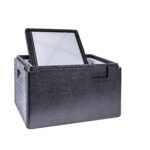
Packaging is no longer just about insulation; it’s about intelligence and environmental impact. ال cold chain packaging market was valued at US$34.28 billion in 2024 and is projected to reach US$89.84 billion by 2034, مما يعكس معدل نمو سنوي مركب قدره 11.3 %. New materials like vacuum insulated panels (كبار الشخصيات), polyurethane foam and seaweed based bioplastics enhance thermal performance while reducing waste. عبوات سلسلة التبريد القابلة لإعادة الاستخدام — which allows multiple cycles of use — is expected to grow from 4.97 مليار دولار أمريكي 2025 إلى 9.13 مليار دولار أمريكي 2034, highlighting demand for sustainable solutions.
Smart packaging uses RFID tags, رموز QR و AI powered sensors that change colour if temperature conditions are breached. These indicators help you verify that goods remained within safe ranges throughout transit. AI also analyses packaging integrity, detects leaks or damage and optimises box size to reduce material waste. The result is lower spoilage, improved compliance and a smaller carbon footprint.
نصائح: Select packaging materials that match your product’s thermal requirements and journey length. Consider reusable systems to reduce long term costs. Integrate smart indicators or data loggers to monitor conditions and provide proof of compliance.
Renewable energy and carbon neutral transport
With the International Maritime Organization’s rules requiring a 40 % تخفيض كثافة الكربون بنسبة 2030 و 70 % التخفيض بنسبة 2050, logistics providers are turning to renewable energy. الألواح الشمسية, wind turbines and hydropower are powering refrigeration units and distribution centers. المركبات الكهربائية والهجينة, combined with AI optimised routes, lower fuel consumption and emissions. Lightweight packaging and shared logistics hubs further reduce carbon footprints.
تأثير العالم الحقيقي: IoT enabled route optimisation coupled with electric trucks can significantly cut emissions and operating costs. Shared warehousing and cross docking reduce empty miles and maximize resource use. If you operate in remote areas, consider solar microgrids to power refrigeration and IT systems sustainably.
Regulatory changes and compliance
Regulatory frameworks in 2025 are becoming stricter. Key changes include:
نهاية قاعدة الحد الأدنى: Shipments under US$800 from China and Hong Kong are no longer duty free, raising costs and requiring better documentation.
جواز سفر المنتج الرقمي للاتحاد الأوروبي: Products sold in the EU must include detailed information about origin, components and environmental impact.
نظام مراقبة الاستيراد 2 (ICS 2): يتطلب بيانات شحن متقدمة لتحسين الأمان.
قانون تحديث سلامة الأغذية (FSMA) قاعدة التتبع: Demands end to end record keeping for high risk foods.
These rules mean you need robust tracking and data management systems. Blockchain and IoT sensors simplify compliance by creating verifiable data trails.
Challenges and solutions in 2025
Despite remarkable innovations, the cold chain still faces hurdles. Understanding these challenges helps you design effective solutions.
Major challenges
التحكم في درجة الحرارة: Minor deviations can ruin pharmaceuticals; الرحلات درجة الحرارة حساب حتى 80 % of product losses in the pharma industry. Causes include faulty equipment, excessive door openings and transit delays.
فجوات البنية التحتية: Outdated facilities, poor roads and high electricity costs make cold storage difficult in emerging markets. Lack of technical knowledge and slow digital adoption add to the problem.
الامتثال والتوثيق: Meeting GDP, ممارسات التصنيع الجيدة, HACCP and other standards requires detailed records and training. Non compliance can lead to fines and safety risks.
التكاليف التشغيلية: High energy bills, labor shortages and rising fuel prices strain budgets.
Solutions and best practices
| تحدي | الحل الموصى به | ينفع لك |
| انحرافات درجة الحرارة | Install IoT sensors and real time monitoring; use predictive analytics to anticipate failures | Minimise spoilage and maintain product efficacy |
| فجوات البنية التحتية | الاستثمار في المرافق الحديثة, renewable energy and training; use shared hubs and cross docking | Lower operating costs and improve resilience |
| تعقيد الامتثال | Adopt blockchain and cloud based record keeping; work with partners that know local regulations | Reduce audit time and avoid penalties |
| تكاليف عالية | الترقية إلى التبريد الموفر للطاقة (magnetic, الشمسية) and AI driven route optimisation | Reduce energy use and extend equipment lifespan |
نصائح وإرشادات عملية
Develop a training culture: Regularly train staff on loading procedures, sensor use and emergency response. Gamified learning platforms improve engagement and knowledge retention.
Embrace technology integration: Connect telematics, RFID, AI and cloud platforms to create a unified data ecosystem. Automated alerts and dashboards ensure quick responses to issues.
Plan for predictive maintenance: Use AI analytics to schedule maintenance based on actual equipment performance rather than fixed intervals. This reduces downtime and prolongs equipment life.
النظر في الطاقة المتجددة: Evaluate solar, wind or hydropower options for warehouses and trucks. Renewable systems reduce your carbon footprint and provide protection against volatile energy prices.
Select partners carefully: When choosing cold chain providers or equipment vendors, prioritize those with proven compliance records, المراقبة في الوقت الحقيقي والممارسات المستدامة. Check for certifications such as GDP, نظام تحليل المخاطر و ISO 9001.
مثال الحالة: JUSDA’s JusLink platform integrates IoT, AI and blockchain to provide real time temperature records, predictive insights and risk alerts. By adopting such systems, businesses improve visibility and compliance while reducing operational costs.
2025 developments and trends at a glance
Key trends shaping cold chain technologies
التوسع السريع في السوق: Analysts project the global cold chain market to grow at double digit rates, reaching values as high as US$776 billion by 2029 and possibly US$1.24 trillion by 2033. This growth is driven by perishable foods, البيولوجية والتجارة العالمية.
Consolidation and investment: The cold chain sector has seen over 1,880 جولات التمويل with an average investment of US$56.2 million, وأكثر من 230 عمليات الاندماج والاستحواذ, signalling consolidation and capacity expansion.
Rise of plant based foods: يمكن أن تشكل الأطعمة النباتية 7.7 % سوق البروتين العالمي من خلال 2030, تقدر قيمتها بأكثر من 162 مليار دولار أمريكي, خلق متطلبات جديدة لسلسلة التبريد.
Upgrading infrastructure: Aging facilities and the phase out of HCFC/HFC refrigerants are prompting investments in automation, sustainable cooling and compliance upgrades.
Smart containers and global IoT adoption: The smart container fleet is set to expand eightfold by 2026. IoT adoption is no longer optional; without resilient connectivity the benefits of sensors and AI cannot be realized.
تقنيات التبريد المتقدمة: Magnetic refrigeration offers 20–30 % energy savings and up to 60 % lower emissions. Solar and electric systems are making rural and off grid cold storage feasible.
التغليف المستدام: The cold chain packaging market is growing at 11.3 % CAGR, and reusable solutions are seeing nearly 7 % النمو السنوي, reflecting a shift toward circular economy principles.
Market insights and consumer expectations
Consumers and regulators are demanding more transparency, التتبع والاستدامة. Online grocery sales and home delivery of pharmaceuticals have surged since the pandemic, putting additional pressure on cold chain capacity. في نفس الوقت, climate concerns are pushing companies to adopt green technologies and carbon neutral transport. Global agricultural trade exceeding US$1.1 trillion and complex cross border regulations mean that robust digital infrastructure is essential for reliable delivery. Companies that invest in smart sensors, AI and renewable energy are better positioned to meet these demands.
الأسئلة المتداولة
What is the role of IoT in cold chain technologies? تقوم أجهزة إنترنت الأشياء بمراقبة درجة الحرارة, رطوبة, الصدمة والموقع في الوقت الحقيقي. They send alerts when conditions deviate from safe ranges, helping prevent spoilage and improve compliance. IoT enabled containers also support predictive maintenance and route optimisation, cutting fuel use and reducing emissions.
كيف يعمل الذكاء الاصطناعي على تحسين لوجستيات سلسلة التبريد? AI analyses data from sensors and external sources to optimise routes, التنبؤ بالطلب والتنبؤ بأعطال المعدات. It can reduce fuel consumption by up to 15 % وتحسين كفاءة الأسطول من خلال 20 %, while predictive analytics allow you to act on issues before they become costly problems.
What are magnetic refrigeration systems? Magnetic refrigeration uses magnetocaloric materials instead of traditional compressors. These systems are 20–30 % more energy efficient and can reduce greenhouse gas emissions by up to 60 %. The market is expected to grow rapidly, reaching US$9.4 billion by 2032.
Why is blockchain important in the cold chain? يوفر Blockchain أمانًا, immutable record of every transaction and environmental condition in the supply chain. أنه يعزز إمكانية التتبع, simplifies compliance audits, and reduces the risk of fraud or tampering.
What is sustainable cold chain packaging? Sustainable packaging includes materials that are recyclable, biodegradable or reusable. Advanced designs use vacuum insulated panels, phase change materials and smart indicators to maintain temperature without excessive energy consumption. Reusable packaging systems reduce waste and provide long term cost benefits.
ملخص وتوصيات قابلة للتنفيذ
الوجبات الرئيسية: صناعة سلسلة التبريد في 2025 is characterised by rapid market growth, digital transformation and sustainability. Cold chain technologies reviews highlight the importance of IoT sensors, تحسين مسار الذكاء الاصطناعي, إمكانية تتبع blockchain, advanced refrigeration and smart packaging. These innovations help you comply with stricter regulations, reduce costs and meet consumer demands. Investing in modern infrastructure and renewable energy not only lowers emissions but also enhances resilience. Remember that training and strong partnerships remain vital; technology is only effective when people know how to use it.
خطة العمل: ابدأ بتقييم عمليات سلسلة التبريد الحالية لديك. تحديد الثغرات في مراقبة درجة الحرارة, data integration and energy efficiency. Invest in IoT sensors and AI analytics for real time visibility and predictive maintenance. Explore magnetic or solar refrigeration systems and reusable packaging to reduce long term costs. Implement blockchain or other secure data platforms to improve traceability and compliance. Train your team regularly and choose partners with proven technology adoption and sustainability credentials. These steps will help you stay competitive in a fast evolving landscape.
حول TempK
ملف الشركة: TempK is a leading provider of temperature controlled packaging and cold chain solutions. We specialize in eco friendly insulated boxes, عبوات هلامية وحاويات قابلة لإعادة الاستخدام that keep your products within safe temperature ranges. Our research and development team continuously innovates with phase change materials, vacuum insulated panels and smart sensors to enhance performance and sustainability. With global certifications and a commitment to quality, we partner with food producers, pharmaceutical firms and logistics providers to maintain product integrity from source to consumer.
دعوة إلى العمل: If you’re looking to upgrade your cold chain operations or need tailored packaging, contact TempK for expert guidance. Our team can help you choose the right solutions for your product, destination and regulatory requirements.