صيانة سلامة سلسلة التبريد RBC أمر بالغ الأهمية لضمان بقاء خلايا الدم الحمراء قابلة للحياة من التبرع إلى نقل الدم. عندما تفهم نطاقات درجات الحرارة الصحيحة والابتكارات الناشئة, يمكنك تقليل انحلال الدم, تجنب نمو البكتيريا وتقديم المنتجات المنقذة للحياة بثقة. ستكتشف في هذا الدليل الحدود التنظيمية الحالية, نصائح عملية وأحدث الاتجاهات اعتبارًا من ديسمبر 2025, استنادا إلى مصادر موثوقة.
لماذا تعد سلامة سلسلة RBC الباردة أمرًا حيويًا? - كيف تؤدي الرحلات الحرارية إلى إتلاف الخلايا وزيادة مخاطر نقل الدم.
ما هي حدود درجة حرارة التخزين والنقل? – مراجعة لنطاقات التخزين من 1 إلى 6 درجات مئوية والنقل من 1 إلى 10 درجات مئوية.
ما هي التقنيات التي تعيد تشكيل سلسلة تبريد الدم؟? – أجهزة استشعار إنترنت الأشياء, تعمل الطائرات بدون طيار و blockchain على تحسين المراقبة والتتبع.
كيف تختلف اللوائح عبر المناطق? – فهم ادارة الاغذية والعقاقير, متطلبات JPAC ومنظمة الصحة العالمية وكيفية البقاء متوافقة.
ما هي اتجاهات السوق والمناخ التي تؤثر على لوجستيات RBC لسلسلة التبريد? – نمو الطلب, الاستدامة والقدرة على الصمود في مواجهة الظواهر الجوية المتطرفة.
لماذا تعتبر سلامة سلسلة التبريد RBC أمرًا بالغ الأهمية?
خلايا الدم الحمراء هي منتجات بيولوجية هشة تتدهور بسرعة خارج نطاقات درجات الحرارة الضيقة. عندما تتعرض كرات الدم الحمراء لدرجات حرارة أقل من ذلك 2 درجة مئوية, تشكل المياه داخل الخلايا بلورات ثلجية تمزق أغشية الخلايا, تسبب انحلال الدم. على العكس من ذلك, درجات حرارة أكثر دفئا أعلاه 6 تعمل درجة الحرارة المئوية على تسريع النشاط الأيضي وتسمح للبكتيريا بالتكاثر, تقصير مدة الصلاحية وزيادة خطر تفاعلات نقل الدم. الولايات المتحدة. لذلك تتطلب إدارة الغذاء والدواء (FDA) والجهات التنظيمية الأوروبية تخزين الدم الكامل والخلايا الحمراء المعبأة في 1-6 درجة مئوية ونقلها في 1-10 درجة مئوية للحفاظ على القدرة على حمل الأكسجين والحد من انحلال الدم.
عواقب الرحلات درجة الحرارة
إذا كانت وحدات RBC دافئة أعلاه 10 درجة مئوية لأكثر من خمس ساعات, تظهر الدراسات زيادات كبيرة في هيدروجيناز اللاكتات - وهو علامة على تلف الخلايا - مما يؤدي إلى ضعف التعافي بعد نقل الدم. يمكن أن يؤدي التعرض لدرجات حرارة متجمدة إلى تمزق الأغشية وإطلاق الهيموجلوبين في البلازما. ويتسارع نمو البكتيريا أيضًا في درجات الحرارة الأكثر دفئًا, تشكل خطراً يهدد الحياة إذا تم نقل الوحدات الملوثة. تؤكد هذه المخاطر سبب حماية بروتوكولات سلامة كرات الدم الحمراء الصارمة لسلسلة التبريد للمرضى ومنع الهدر.
كيف تسبب أعطال سلسلة التبريد النفايات
الدم مورد مكلف: داخل أوروبا والولايات المتحدة, تتكلف عمليات نقل الدم ما بين 522 دولارًا أمريكيًا ودولارًا واحدًا 183 لكل وحدة. يتراوح الهدر الناتج عن سوء التعامل مع درجات الحرارة من 1 % ل 30 % من الوحدات, مما يؤدي إلى التخلص من ما يصل إلى مليون وحدة سنويًا. تحدث معظم هذه الهدر بينما لا تزال الوحدات ضمن تاريخ انتهاء صلاحيتها, تسليط الضوء على أهمية المراقبة القوية لدرجة الحرارة والتعامل السليم طوال سلسلة التبريد.
ما هي إرشادات درجة الحرارة والتخزين لكرات الدم الحمراء؟?
تتقارب الهيئات التنظيمية على نطاقات حرارة متشابهة لتخزين ونقل خلايا الدم الحمراء. تنص الإرشادات الدولية على أنه يجب تخزين كرات الدم الحمراء في 1-6 درجة مئوية في ثلاجات معتمدة وتنقل في 2-10 درجة مئوية في مبردات التحقق من صحتها. تقلل هذه النطاقات من النشاط الأيضي, منع تكاثر البكتيريا والحفاظ على قدرة الخلايا على حمل الأكسجين.
نظرة عامة على المعايير التنظيمية
| أنظمة | درجة الحرارة أو النطاق الزمني | ماذا يعني لك |
| FDA (21 CFR § 640) | تخزين كرات الدم الحمراء عند 1-6 درجة مئوية; نقل الدم البارد نحو 1-10 درجة مئوية | احتفظ بالثلاجات في درجة حرارة تتراوح بين 1-6 درجة مئوية واستخدم المبردات التي تحتفظ بالدم في درجة حرارة تتراوح بين 1-10 درجة مئوية أثناء الشحن. |
| JPAC (المملكة المتحدة) | درجة الحرارة الأساسية 4 ± 2 درجة مئوية; رحلة لمرة واحدة تصل إلى 10 درجة مئوية لمدة ≥5 ساعة; درجة حرارة سطح النقل 2-10 درجة مئوية | التحقق من صحة الحاويات للحفاظ على السطح أدناه 10 درجة مئوية; وحدات الحجر الصحي التي تتجاوز الحدود. |
| المبادئ التوجيهية لمنظمة الصحة العالمية | الحفاظ على درجة الحرارة الصحيحة من التبرع إلى نقل الدم | علاج كرات الدم الحمراء مثل الدواء الحساس لدرجة الحرارة: تعتبر أنظمة المراقبة والجودة المستمرة ضرورية. |
| خدمات الدم الكندية | قم بتخزين كرات الدم الحمراء عند درجة حرارة 1-6 درجة مئوية مع نظام إنذار ومراقبة مستمرة; يجب أن يحافظ النقل على درجة حرارة تتراوح بين 1-6 درجة مئوية أو 1-10 درجة مئوية اعتمادًا على التحقق من صحة الحاوية | استخدم أجهزة التحكم في درجة الحرارة مع أجهزة الإنذار وقم بتوثيق كل رحلة لضمان إمكانية التتبع. |
| المعيار الأسترالي AS3864 | يجب أن تحافظ ثلاجات الدم على درجة حرارة تتراوح بين 2-6 درجات مئوية; يتم ضبط الإنذارات عادةً على 2.5 درجة مئوية و 5.5 درجة مئوية | احتفظ بمكونات الخلايا الحمراء خارج التخزين الخاضع للرقابة لمدة تقل عن 30 دقائق; تأكد من تشغيل أنظمة الإنذار قبل اختراق العتبات. |
مدة الصلاحية وحدود وقت المناولة
تتمتع وحدات الخلايا الحمراء بفترة صلاحية نموذجية تبلغ 42 أيام عند تخزينه في درجة حرارة 2-6 درجة مئوية, في حين أن الخلايا الحمراء المغسولة أو عند الأطفال لها حدود أقصر من 28 أيام أو 35 أيام على التوالي. تنصح إرشادات Lifeblood بإبقاء مكونات الخلايا الحمراء خارج الثلاجة لمدة أقل من 30 دقائق في كل مناسبة لمنع تقلبات درجات الحرارة المتعددة. إذا كانت الوحدة تسخن أعلاه 10 درجة مئوية لأكثر من خمس ساعات, تتطلب قاعدة JPAC 30 دقيقة/60 دقيقة عزلها لمدة ست ساعات على الأقل قبل إعادة إصدارها أو التخلص منها.
متطلبات النقل
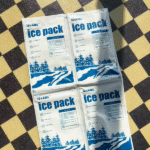
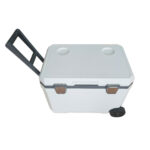
يجب أن تحافظ حاويات الشحن المعتمدة على درجة حرارة بيئية تبلغ 1-6 درجة مئوية أثناء النقل. لأوقات العبور أقصر من 24 ساعات, نظام تم التحقق من صحته للحفاظ عليه 1-10 درجة مئوية مقبول. يجب تبريد الحاوية مسبقًا, مختومة ومحملة بمواد متغيرة الطور أو عبوات هلامية لتقليل التقلبات. يجب ألا يتجاوز وقت نقل خلايا الدم الحمراء 24 ساعات, باستثناء الوقت اللازم للإصدار والتعبئة.
أنظمة المراقبة والإنذار
المراقبة المستمرة إلزامية. من المتوقع أن تستخدم المختبرات أجهزة تسجيل حرارية أو أنظمة مراقبة مركزية تسجل درجات الحرارة وتوفر إنذارات مسموعة. يتم تكوين نقاط ضبط الإنذار بشكل شائع 2.2 درجة مئوية (أدنى) و 5.8 درجة مئوية (العلوي) للسماح باتخاذ إجراءات تصحيحية قبل الوصول إلى الحدود غير المقبولة. يجب توثيق جميع الإجراءات التصحيحية وفحوصات الإنذار.
كيفية الحفاظ على التحكم في درجة الحرارة وتقليل المخاطر
تجمع سلامة RBC الفعالة لسلسلة التبريد بين المعدات المناسبة, مراقبة معايرة والتعامل المنضبط. استخدم ثلاجات بنك الدم المعتمدة, المجمدات ومحفزات الصفائح الدموية; صناديق معزولة معتمدة للنقل; ومقاييس الحرارة التي يتم معايرتها بانتظام. قبل تحميل الوحدات, حاويات النقل المبردة مسبقًا لتقليل التقلبات الأولية.
أفضل الممارسات خطوة بخطوة
قم بتبريده مسبقًا وحزمه بشكل صحيح: الحاويات المعزولة بالتبريد والمواد المتغيرة الطور (PCMS) قبل التحميل. ضع وحدات RBC أفقيًا لتقليل الاهتزاز وتجنب تكديس العناصر الثقيلة في الأعلى.
استخدام مسجلات البيانات المعايرة: إرفاق أجهزة تسجيل البيانات في الوقت الحقيقي التي تسجل درجة الحرارة, الرطوبة والصدمات كل بضع دقائق. تطلق هذه الأجهزة تنبيهات عندما تنحرف درجات الحرارة عن النطاقات المحددة.
الحد من وقت التعرض: احتفظ بكرات الدم الحمراء خارج أماكن التخزين الخاضعة للرقابة لمدة أقل من 30 دقائق. إذا كانت الوحدة خارج لفترة أطول, عزله قبل إعادة إصداره.
توثيق كل شيء: تسجيل أوقات المغادرة والوصول, درجات الحرارة وأي انحرافات للتتبع. غالبًا ما تركز عمليات التدقيق التنظيمية على جودة الوثائق.
خطة للطوارئ: إعداد المولدات الاحتياطية, طرق النقل البديلة ومبردات الطوارئ. محاكاة الاضطرابات لاختبار خطط الطوارئ الخاصة بك.
مثال العالم الحقيقي
القضية الفعلية: أ 2020 قارنت دراسة يابانية وحدات RBC المنقولة في ثلاجة النقل النشط مقابل مبرد غير معتمد. شهدت الوحدات الموجودة في المبرد مستويات أعلى من هيدروجيناز اللاكتات - وهي علامة على انحلال الدم - في حين حافظت الوحدات التي تم حفظها بين 2-6 درجات مئوية في الثلاجة المعتمدة على الجودة. كان التحكم المناسب في درجة الحرارة والوضع الأفقي للأكياس أمرًا بالغ الأهمية في منع تلف الخلايا.
ما هي الابتكارات التي تعمل على تعزيز سلامة RBC لسلسلة التبريد في 2025?
يؤدي التقدم التكنولوجي إلى إحداث تحول في كيفية مراقبة منتجات الدم وتسليمها. إنترنت الأشياء الحديث (إنترنت الأشياء) توفر أجهزة الاستشعار درجة حرارة مستمرة, بيانات الرطوبة والاهتزاز. إنهم يتصلون بتطبيقات الهاتف المحمول أو لوحات المعلومات وينبهون المشغلين إلى الرحلات في الوقت الفعلي. يوفر تكامل Blockchain والذكاء الاصطناعي مشاركة آمنة للبيانات والتحليلات التنبؤية, بينما تقوم الطائرات بدون طيار بتوسيع نطاق وصولها إلى المناطق النائية.
أجهزة استشعار إنترنت الأشياء والمراقبة في الوقت الحقيقي
يتم ربط أجهزة تسجيل بيانات إنترنت الأشياء مباشرة بحاويات الدم, التقاط درجة الحرارة والحركة بتردد عالٍ. إذا انجرفت الظروف إلى ما هو أبعد من نطاق 1-6 درجة مئوية, يرسل النظام تنبيهات فورية لموظفي الخدمات اللوجستية لاتخاذ الإجراءات التصحيحية. يمكن أن تتكامل هذه المستشعرات مع أنظمة إدارة المستشفيات لتوفير رؤية المخزون والتنبؤ بالطلب من خلال خوارزميات الذكاء الاصطناعي. تقوم نماذج الذكاء الاصطناعي بتحليل بيانات نقل الدم التاريخية, الموسمية والديموغرافية لتوقع احتياجات الخلايا الحمراء وتقليل التقادم.
طائرات بدون طيار, PCMs والمواد المتقدمة
في المناطق ذات البنية التحتية الضعيفة أو أثناء الكوارث الطبيعية, طائرات بدون طيار (الطائرات بدون طيار) تقديم التسليم السريع لمنتجات الدم. مجهزة بالعزل الحراري, تخفيف الاهتزاز والتبريد على متن الطائرة, فهي تتجاوز حركة المرور وتصل إلى العيادات النائية بسرعة. تمتص المواد المتغيرة الطور الموجودة داخل الناقلات الحرارة أو تطلقها عند درجات حرارة محددة, الحفاظ على ظروف مستقرة دون قوة خارجية. أدى أحد البرامج التي تم الاستشهاد بها على نطاق واسع في رواندا إلى زيادة عمليات تسليم الدم في حالات الطوارئ بنسبة 175 % في غضون عام واحد من نشر الطائرات بدون طيار, بينما انخفضت معدلات الهدر بسبب إعادة التخزين في الوقت المناسب.
Blockchain للتتبع
أ 2025 أشارت المراجعة إلى أن تقنية blockchain تؤمن إمدادات الدم من خلال إنشاء سجل ثابت للتبرعات, ظروف التخزين وعمليات النقل. تضمن العقود الذكية خصوصية البيانات وقابلية التشغيل البيني بين المستشفيات, الجهات الرقابية وبنوك الدم. عند دمجها مع توقعات الذكاء الاصطناعي, تساعد تقنية blockchain على تحسين جداول التجميع وتخطيط الطلب.
القدرة على التكيف مع المناخ والاستدامة
ويحذر باحثون من الصليب الأحمر الأسترالي Lifeblood وجامعة صن شاين كوست من أن الطقس القاسي يمكن أن يعطل عملية جمع الدم, تدمير البنية التحتية وزيادة الطلب. لبناء القدرة على التكيف مع المناخ, يوصون بخطط طوارئ مرنة, وحدات التخزين المتنقلة, الطاقة الاحتياطية والجدولة الديناميكية للمانحين. الاستدامة هي أيضا أولوية: الشاحنين المعزولين القابلين لإعادة التدوير, تعمل أنظمة التبريد والحلقة المغلقة التي تعمل بالطاقة الشمسية على تقليل التأثير البيئي مع الحفاظ على السلامة.
الاعتبارات الأخلاقية والتشغيلية
بينما تعد الطائرات بدون طيار بتسليم أسرع, يثيرون مخاوف بشأن استقرار الحمولة, الامتثال التنظيمي وخصوصية البيانات. التأكد من أن الاهتزاز لا يؤدي إلى إتلاف كرات الدم الحمراء, إن تأمين أذونات المجال الجوي وحماية المعلومات الحساسة كلها أمور ضرورية قبل اعتمادها على نطاق واسع. هناك حاجة إلى مبادئ توجيهية واضحة للفرز لتحديد أولويات عمليات الولادة أثناء حالات الطوارئ.
كيف تؤثر اللوائح والمعايير على سلامة سلسلة التبريد RBC?
تتحكم الأطر التنظيمية المتعددة في تخزين خلايا الدم الحمراء ونقلها. يعد الامتثال للمعايير المطبقة الأكثر صرامة أمرًا ضروريًا لتجنب هدر المنتج وحماية المرضى.
الهيئات التنظيمية الرئيسية
نحن. إدارة الغذاء والدواء (FDA): ادارة الاغذية والعقاقير 21 جزء CFR 640 يتطلب التخزين عند درجة حرارة 1-6 درجة مئوية والتبريد نحو 1-10 درجة مئوية أثناء النقل. يجب على المنشآت الحفاظ على المعدات المعتمدة وتسجيل جميع الانحرافات.
الخدمات المشتركة لنقل الدم وزراعة الأنسجة في المملكة المتحدة (JPAC): تحدد إرشادات JPAC درجة الحرارة الأساسية 4 ± 2 درجة مئوية والسماح برحلة واحدة فقط تصل إلى 10 درجة مئوية لمدة خمس ساعات. كما أنها تحدد قاعدة 30 دقيقة/60 دقيقة لإعادة الوحدات غير المستخدمة.
منظمة الصحة العالمية (من): وتشدد منظمة الصحة العالمية على أنه يجب على السلطات الصحية الوطنية أن تدعم خدمات الدم المنسقة من خلال الإدارة القوية للجودة. ويتم التأكيد على المراقبة المستمرة والتدريب المناسب.
ممارسات التوزيع الجيدة (الناتج المحلي الإجمالي): تغطي معايير الناتج المحلي الإجمالي التحكم في درجة الحرارة, التتبع, كفاءة الموظفين والإجراءات المكتوبة. تقوم العديد من البلدان بدمج الناتج المحلي الإجمالي في لوائحها الوطنية.
معايير المعايرة وسلامة البيانات: يجب معايرة الأجهزة وفقًا لمعايير NIST أو UKAS. تتطلب الأنظمة الإلكترونية مسارات تدقيق وبيانات مقاومة للتلاعب.
عمليات التدقيق والتوثيق
يركز المنظمون بشكل كبير على التوثيق. يجب عليك تسجيل درجات الحرارة, شهادات المعايرة, الإجراءات التصحيحية وسلسلة العهدة لكل وحدة. أثناء عمليات التدقيق, سيقوم المفتشون بمراجعة كيفية التعامل مع الرحلات, صيانة المعدات وتدريب الموظفين. شامل, يُظهر الدليل الورقي المنظم جيدًا الامتثال ويضمن الاعتماد المستمر.
التدريب والكفاءة
تعتمد سلامة سلسلة التبريد RBC على الموظفين المدربين. يجب أن يفهم الموظفون أهمية حدود درجات الحرارة, كيفية تعبئة الحاويات بشكل صحيح, استخدام مسجلات البيانات والرد على الإنذارات. التدريب المستمر يضمن الكفاءة ويقلل من مخاطر الخطأ البشري.
ما هي اتجاهات السوق التي تشكل سلسلة تبريد الدم؟?
ينمو قطاع سلسلة الأدوية وتبريد الدم العالمي بسرعة. وتشير التوقعات إلى أن قيمته ستتجاوز 65 مليار دولار أمريكي 2025 والوصول إلى أكثر 130 مليار دولار أمريكي 2034. هناك عدة عوامل تدفع هذا النمو وتؤثر على سلامة سلسلة التبريد RBC.
ارتفاع الطلب على الخلايا الحمراء
أفاد بذلك الصليب الأحمر الأمريكي 29 000 وحدات من خلايا الدم الحمراء هناك حاجة كل يوم في الولايات المتحدة. شيخوخة السكان, ويساهم التعقيد الجراحي المتزايد والتوسع في الطب الشخصي في زيادة الطلب. الاختلافات الموسمية, يمكن أن تسبب حالات الطوارئ الصحية العامة والكوارث الطبيعية نقصًا مفاجئًا, مع التأكيد على الحاجة إلى التنبؤ بالطلب التنبؤي.
الاستدامة والتغليف الصديق للبيئة
يركز المستهلكون والجهات التنظيمية بشكل متزايد على الاستدامة. الشاحنين المعزولين القابلين لإعادة التدوير, تعمل حاويات تغيير الطور القابلة لإعادة الاستخدام والتبريد الذي يعمل بالطاقة الشمسية على تقليل التأثير البيئي مع الحفاظ على سلامة درجة الحرارة. يمكن أن يؤدي الاستثمار في الحلول الصديقة للبيئة أيضًا إلى تحسين سمعة العلامة التجارية وتقليل التكاليف على المدى الطويل.
تغير المناخ والقدرة على الصمود
الظواهر الجوية المتطرفة – موجات الحر, الفيضانات والعواصف – تعطل حملات التجميع وتلحق الضرر بالبنية التحتية. وتشمل الاستراتيجيات المقاومة للمناخ مواقع التجميع المتنقلة, مولدات احتياطية, مركبات قادرة على الصمود في وجه تغير المناخ وجدولة مرنة للمانحين. إن التكيف مع المخاطر المناخية يضمن استمرار العرض ويقلل من الهدر.
الأسئلة المتداولة
س 1: كم من الوقت يمكن تخزين خلايا الدم الحمراء?
يمكن عمومًا تخزين الخلايا الحمراء لمدة تصل إلى 42 أيام عند 2-6 درجة مئوية. تتمتع الخلايا الحمراء للأطفال أو المغسولة بفترة صلاحية أقصر, مثل 35 أيام أو 28 أيام. بمجرد إصدارها, وينبغي نقلها على الفور أو إعادتها إلى مخزن خاضع للرقابة بالداخل 30 دقائق.
Q2: ماذا يحدث إذا ارتفعت حرارة كرات الدم الحمراء إلى أعلى 10 درجة مئوية?
درجات الحرارة أعلى 10 درجة مئوية تسرع النشاط الأيضي وتعزز نمو البكتيريا. إذا كانت الوحدة تسخن أعلاه 10 درجة مئوية لأكثر من خمس ساعات, تتطلب إرشادات JPAC عزلها أو التخلص منها لمنع تفاعلات نقل الدم.
س 3: هل يمكنني نقل كرات الدم الحمراء في درجة حرارة الغرفة؟?
يمكن للدم الكامل غير المعالج أن يبقى في درجات الحرارة المحيطة (20-24 درجة مئوية) لمدة تصل إلى ست ساعات قبل المعالجة. بمجرد معالجتها إلى خلايا حمراء معبأة, يجب أن يحافظ النقل على درجة حرارة تتراوح بين 1-6 درجة مئوية أو 2-10 درجة مئوية اعتمادًا على التحقق من صحة الحاوية. إن نقل كرات الدم الحمراء المعبأة في درجة حرارة الغرفة غير آمن.
س 4: كيف يعمل إنترنت الأشياء على تحسين سلامة RBC لسلسلة التبريد?
تقوم أجهزة استشعار إنترنت الأشياء بمراقبة درجة الحرارة, الرطوبة والحركة في الوقت الحقيقي. ينبهون المشغلين إلى الرحلات, التكامل مع أنظمة المستشفيات لإدارة المخزون ودعم التنبؤ بالذكاء الاصطناعي. تساعدك البيانات المستمرة على التدخل قبل حدوث انحلال الدم.
س 5: ما هي اللوائح الرئيسية التي يجب علي اتباعها?
تشمل الأطر الرئيسية إدارة الغذاء والدواء 21 جزء CFR 640, المبادئ التوجيهية JPAC, ممارسات التوزيع الجيدة, مبادئ إدارة الجودة ومعايير المعايرة لمنظمة الصحة العالمية. يجب عليك الالتزام بأدق المعايير المعمول بها, الحفاظ على المعدات المعتمدة وتوثيق كل خطوة.
2025 التطورات والاتجاهات
الابتكارات والأبحاث الحديثة
تخزين فائق التبريد: تُظهر الأبحاث المتعلقة بالتخزين فائق التبريد - أي الحفاظ على كرات الدم الحمراء تحت درجة التجمد مباشرة دون تكوين الجليد - واعدة لتمديد فترة الصلاحية إلى ما بعد ذلك. 42 أيام. تشير التجارب المبكرة إلى أن النشاط الأيضي يتباطأ بشكل ملحوظ بينما يظل انحلال الدم منخفضًا, على الرغم من أن هناك حاجة إلى مزيد من الدراسات قبل اعتمادها.
مراقبة العلامات الحيوية: الأجهزة المحمولة التي تقيس العلامات مثل أدينوسين ثلاثي الفوسفات (اعبي التنس المحترفين) ويجري اختبار هيدروجيناز اللاكتات في الوقت الحقيقي. يمكنهم تمكين تقييم جودة كرات الدم الحمراء بجانب السرير قبل نقل الدم.
نقل الدم الشخصي: نماذج التعلم الآلي تحلل فسيولوجيا المريض, البيانات الجراحية وخصائص مكونات الدم لتحديد النوع الأمثل وعمر الخلايا الحمراء لكل فرد. وهذا يقلل من عمليات نقل الدم غير الضرورية ويحسن النتائج.
اتجاهات السوق والسياسة
العلاج الجيني والبيولوجي: ويؤثر ظهور العلاجات الجينية وغيرها من المواد البيولوجية التي تتطلب سلاسل تبريد صارمة على استثمارات البنية التحتية. يمكن لأنظمة سلسلة التبريد المشتركة أن تفيد كلاً من الدم والمنتجات الصيدلانية.
التحصيل اللامركزي: تعمل وحدات جمع الدم المتنقلة وبرامج المتبرعين المجتمعيين على تقليل الاعتماد على مراكز التبرع الكبيرة وزيادة القدرة على الصمود أثناء حالات الطوارئ الصحية العامة. تحتاج هذه البرامج إلى ثلاجات محمولة وحاويات شحن معتمدة للحفاظ على سلامة سلسلة التبريد RBC.
المواءمة التنظيمية: وتبذل الجهود الآن لتنسيق اللوائح بين البلدان, تقليل التعقيد بالنسبة للمنظمات التي تعمل على مستوى العالم. ويسمح التعاون الدولي أيضًا بمشاركة الموارد أثناء النقص.
الملخص والخطوات التالية
تعد سلامة كرات الدم الحمراء ذات السلسلة الباردة أمرًا ضروريًا للحفاظ على صلاحية خلايا الدم الحمراء وحماية المرضى. من خلال الالتزام بنطاقات درجات الحرارة الصارمة (1-6 درجة مئوية للتخزين و1-10 درجة مئوية للنقل), المراقبة المستمرة واتباع المتطلبات التنظيمية, يمكنك تقليل انحلال الدم, نمو البكتيريا والنفايات. الابتكارات مثل أجهزة استشعار إنترنت الأشياء, طائرات بدون طيار, توفر تقنية blockchain والذكاء الاصطناعي أدوات جديدة للمراقبة في الوقت الفعلي, التحليلات التنبؤية والتسليم السريع. تشير اتجاهات السوق إلى الطلب المتزايد, مبادرات الاستدامة والحاجة إلى المرونة المناخية.
توصيات قابلة للتنفيذ
تدقيق المعدات الخاصة بك: ضمان الثلاجات الخاصة بك, المجمدات وحاويات النقل معتمدة ومعايرتها. استبدل وحدات التقادم واحتفظ بشهادات المعايرة في الملف.
تنفيذ المراقبة في الوقت الحقيقي: نشر أجهزة تسجيل بيانات إنترنت الأشياء التي تنقل بيانات درجة الحرارة إلى لوحة معلومات مركزية. ضبط الحدود والتنبيهات للتدخل السريع.
تدريب فريقك: توفير التدريب المنتظم على إجراءات التعبئة, الاستجابة للإنذار والتوثيق. أكد على أهمية قاعدة الـ 30 دقيقة والتوجيه الصحيح للحقيبة.
التخطيط للاضطرابات: - وضع خطط طوارئ لانقطاع التيار الكهربائي, تأخير النقل والطقس القاسي. مولدات احتياطية للمخزون ومبردات تم التحقق من صحتها.
استكشاف التقنيات الجديدة: ابق على اطلاع بشأن التخزين فائق التبريد, مراقبة العلامات الحيوية والتحليلات التنبؤية. تجربة الابتكارات الواعدة للحصول على ميزة تنافسية.
باتباع هذه التوصيات, يمكنك تعزيز بروتوكولات أمان RBC لسلسلة التبريد الخاصة بك, تقليل النفايات وتحسين نتائج المرضى.
حول Tempk
و Tempk, نحن متخصصون في إنشاء حلول مبتكرة لسلسلة التبريد لصناعات الرعاية الصحية وعلوم الحياة. صناديقنا المعزولة, تم تصميم مواد تغيير الطور وأجهزة مراقبة إنترنت الأشياء للحفاظ على درجات حرارة دقيقة أثناء التخزين والنقل. في 2025 قمنا بتوسيع خط منتجاتنا ليشمل المنتجات القابلة لإعادة الاستخدام, شركات شحن صديقة للبيئة وحاويات متوافقة مع الطائرات بدون طيار, مساعدة المستشفيات, تلبي بنوك الدم وشركات الأدوية المعايير التنظيمية المتطورة. مع التركيز على الجودة والاستدامة, نحن العمل بشكل وثيق مع العملاء لتصميم حلول مخصصة تحمي المنتجات القيمة وتحمي المرضى.
دعوة إلى العمل: اتصل بفريقنا لمناقشة كيف يمكن لحلول Tempk أن تعزز برنامج سلامة RBC لسلسلة التبريد الخاصة بك. ما إذا كنت بحاجة إلى صناديق نقل معتمدة, مسجلي البيانات أو خطة شاملة لإدارة سلسلة التبريد, نحن هنا للمساعدة.