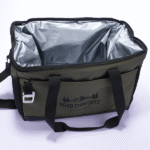
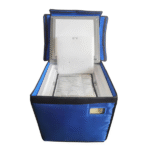
ما هي السلسلة الباردة ولماذا هي مهمة؟ 2025?
تم التحديث لشهر نوفمبر 2025 — the term سلسلة البرد refers to a temperature controlled supply chain that keeps products such as vaccines, المنتجات الطازجة والمواد الكيميائية ضمن نطاق درجات حرارة محددة من الإنتاج إلى الاستهلاك. في 2025, لوائح صارمة, تجعل التقنيات المتقدمة ومتطلبات الاستدامة فهم سلسلة التبريد أكثر أهمية من أي وقت مضى. مع 40 % من جميع الأطعمة في جميع أنحاء العالم التي تخضع للتبريد في مرحلة ما و 15 % من الطاقة العالمية التي يستهلكها التبريد, سلسلة تبريد قوية تضمن جودة المنتج, يقلل من النفايات ويحمي الصحة العامة مع التصدي لتحديات المناخ والطاقة.

ما هو تعريف سلسلة التبريد وما هي مكوناتها الأساسية? سوف تتعلم كيفية متطلبات المنتج, التفاعل بين الأصل/الوجهة والبنية التحتية للتوزيع.
لماذا تعتبر سلسلة التبريد مهمة للجودة؟, السلامة والامتثال? اكتشف كيف يؤدي التحكم في درجة الحرارة إلى تقليل النفايات, يضمن الالتزام التنظيمي ويحمي الصحة العامة.
كيف تعمل سلسلة التبريد من التبريد إلى توصيل الميل الأخير? فهم خطوات مثل التبريد المسبق, تخزين, ينقل, monitoring and final delivery.
What regulations and standards govern cold chain logistics? اكتشف FSMA, الناتج المحلي الإجمالي, WHO and IATA guidelines.
Which trends and technologies are shaping cold chain logistics in 2025? Learn about smart automation, التبريد الموفرة للطاقة, climate resilience, collaborative logistics and digital traceability.
How are innovations like IoT, AI and renewable energy transforming the cold chain? Get insights into predictive analytics, advanced packaging and sustainable transport.
What Is the Cold Chain Definition and Its Key Components?
A cold chain is a temperature controlled supply chain involving uninterrupted storage and distribution processes that maintain a specified temperature range. It combines refrigerated production, storage and distribution facilities supported by equipment that can constantly maintain the required low temperature. The cold chain isn’t merely refrigeration; it’s a coordinated system that integrates science, technology and operational processes.
Three core elements define the cold chain:
متطلبات المنتج: Different goods require specific temperature and humidity conditions. على سبيل المثال, fruit must remain between 0-5 درجة مئوية, اللقاحات عند 2-8 درجة مئوية, الأطعمة المجمدة أدناه -18 درجة مئوية, dairy products around 1-3 درجة مئوية, and seafood near 0 درجة مئوية. These conditions dictate packaging and transport decisions.
الأصل والوجهة: The locations where products are produced and consumed shape logistics plans. Advances in cold chain infrastructure allow longer sourcing distances and global trade.
طرق التوزيع: المعدات المتخصصة (شاحنات مبردة, الشعاب المرجانية, cold rooms and containers) and logistics strategies enable temperature control from storage to final delivery.
Understanding Cold Chain Components
The cold chain comprises several interlinked components that work together to maintain temperature integrity from production to consumption. Here’s a concise overview:
| عنصر | غاية | Common Technologies | التأثير على عملياتك |
| أنظمة التبريد | Rapidly lower and stabilise product temperature after harvest or manufacture | النيتروجين السائل, مجمدات الانفجار, حاويات مبردة | Prevents early spoilage and preserves quality before transport |
| التخزين البارد | احتفظ بالمنتجات في درجات حرارة محددة قبل التوزيع | مستودعات تبريد وغرف تبريد ذات عزل متطور | Provides stable storage for large volumes and high value goods |
| النقل البارد | Move goods while maintaining temperature | شاحنات مبردة, ships and aircraft with built in refrigeration units | تمكن الشحن لمسافات طويلة مع الحفاظ على سلامة المنتج |
| يراقب & تسجيل البيانات | درجة حرارة المسار, الرطوبة والموقع في الوقت الحقيقي | مستشعرات إنترنت الأشياء, علامات RFID, تحليلات السحابة | Offers continuous visibility, التنبيهات على الانحرافات ويدعم الامتثال |
| تسليم الميل الأخير | Deliver goods to consumers or facilities | صناديق معزولة, small refrigerated vans and best in class packaging | Protects products during the riskiest stage and ensures final quality |
نصائح ونصيحة عملية
مطابقة التغليف لحساسية المنتج: Use vacuum insulation panels or phase change materials for goods that cannot tolerate temperature swings.
Plan for destination climate: Consider weather and distance to choose appropriate cooling systems and gel packs; adjust for hotter or colder seasons.
استثمر في التدريب: Staff should understand temperature ranges, pack out procedures and the importance of monitoring devices.
معايرة المعدات بانتظام: Schedule maintenance and calibration of sensors, refrigerators and containers to avoid equipment related failures.
مثال الحالة: A produce distributor adopted blast freezers and IoT sensors for strawberries, maintaining 0–5 °C from farm to store. Real time alerts and rapid cooling reduced spoilage by 40 % and improved shelf life.
Why Does the Cold Chain Matter for Quality, السلامة والامتثال?
An effective cold chain preserves product quality and reduces waste. دون مراقبة صارمة لدرجة الحرارة, perishable goods degrade, مما يؤدي إلى التلف, contamination and financial loss. It’s estimated that about 25 % of food products transported in cold chains are wasted each year due to breaches in integrity. Temperature excursions can compromise potency; vaccines that leave their temperature range can lose their effectiveness permanently. Continuous innovations in cold chain management help prevent these losses.
Cold chains uphold compliance with regulatory and quality standards. Companies must adhere to guidelines such as the Food Safety Modernization Act (FSMA) in the USA, ممارسة توزيع جيدة (الناتج المحلي الإجمالي) في أوروبا, IATA perishable cargo regulations for air shipments and WHO guidelines for medical supplies. Effective cold chain management ensures 360 degree visibility, التخفيف الفوري للمخاطر وإعداد التقارير الشاملة, making it easier to comply with these regulations.
Public health and brand reputation are at stake. Maintaining temperature control protects consumers from unsafe products, fosters trust and supports the success of global vaccination campaigns. تقريبًا ثلاثة مليارات جرعة لقاح are delivered each year through UNICEF’s cold chain, highlighting the scale and impact of these logistics.
The Importance of Quality, السلامة والامتثال
| فائدة | توضيح | Real World Implication | How You Benefit |
| Preserves product quality | Precise temperature control extends shelf life and prevents spoilage | Reduces inventory losses and maximises sales opportunities | Higher profit margins and less waste |
| Guarantees regulatory compliance | FSMA, الناتج المحلي الإجمالي, WHO and other standards require documented temperature control and traceability | Non compliance risks fines, product recalls and legal issues | Peace of mind and stronger relationships with regulators |
| يحمي الصحة العامة | Safe temperature control prevents contamination and potency loss | Protects consumers from foodborne illness and ineffective medicine | Enhances brand reputation and customer loyalty |
| Supports global trade | Cold chain logistics enable long distance distribution of perishable goods, bolstering international commerce | Expands market reach and increases export opportunities | Opportunity to grow into new markets |
نصائح ونصيحة عملية
Design SOPs that prioritise quality: Use clear pack out instructions and training to ensure consistent preparation.
Implement quality control measures: Follow HACCP principles, perform regular inspections and maintain detailed temperature logs.
إجراء عمليات تدقيق منتظمة: Perform self assessments and third party audits to identify gaps and implement corrective actions.
Engage in supply chain transparency: Share temperature data and compliance records with partners to build trust and improve collaboration.
مثال الحالة: A dairy company integrated HACCP monitoring and IoT logging into its distribution. This reduced the number of temperature excursions by 80 % and avoided a costly recall, reinforcing consumer trust.
How Does a Cold Chain Operate: Process Steps and Technologies?
A cold chain is more than just refrigerated trucks; it’s a full process that protects products at every stage. The key steps include pre cooling, التخزين البارد, النقل الذي يتم التحكم في درجة حرارته, monitoring and last mile delivery. Each stage relies on specific technologies and procedures to maintain temperature and quality.
Pre cooling and Cold Storage: Products are cooled rapidly in blast freezers or cold rooms immediately after harvest or production to reach their target temperature. Cold storage warehouses maintain stable environments using advanced refrigeration, العزل, ventilation and humidity control.
Temperature Controlled Transport: شاحنات مبردة, السفن المبردة, railcars and airplanes move goods while maintaining the required temperature range. Careful scheduling, cross docking and route planning help reduce exposure to external temperatures.
المراقبة والتتبع: Modern cold chains rely on IoT sensors, data loggers and tracking systems to verify products stay within safe limits. Real time alerts allow quick interventions, reducing spoilage and building trust.
تسليم الميل الأخير: Final delivery is often the riskiest stage. صناديق معزولة, small refrigerated vans and careful handling ensure goods arrive safe, fresh and ready for use.
Process and Technology Overview
| منصة | الأنشطة الرئيسية | التقنيات | الوجبات السريعة الخاصة بك |
| التبريد المسبق | Rapidly cool products to target temperature | المجمدات الانفجار, النيتروجين السائل, pre cool rooms | Start temperature control immediately to prevent early spoilage |
| التخزين البارد | Maintain stable temperatures until distribution | مستودعات مبردة, عزل متقدم, التحكم في الرطوبة | Use energy efficient systems to lower costs and carbon footprint |
| ينقل | Move goods while preserving temperature | شاحنات مبردة, السفن المبردة, عربات السكك الحديدية, الطائرات | Choose transport mode based on distance, urgency and cost |
| يراقب | درجة حرارة المسار, الرطوبة والموقع في الوقت الحقيقي | مستشعرات إنترنت الأشياء, علامات RFID, نظام تحديد المواقع | Automate alerts to prevent temperature excursions |
| الميل الأخير | Deliver to final destination with minimal exposure | صناديق معزولة, small refrigerated vans, طرق فعالة | Train drivers to reduce door openings and handling time |
نصائح ونصيحة عملية
Develop lane profiles and seasonality plans: Map typical temperature conditions for each route and adjust packaging and cooling accordingly.
Use active or passive packaging appropriately: للشحنات أقصر, passive packaging with gel packs or phase change materials may suffice; longer or high risk routes may require active containers with mechanical cooling.
تنفيذ التحليلات التنبؤية: استخدم الذكاء الاصطناعي للتنبؤ بالطلب, optimise routes and predict equipment maintenance, تقليل وقت التوقف عن العمل.
Coordinate last mile delivery: Offer delivery windows and notifications to ensure someone is available to receive and store goods promptly.
مثال الحالة: A seafood exporter used route optimisation software to schedule deliveries during cooler night hours. Combined with insulated boxes, this reduced transit temperatures by 5 °C and extended product shelf life by two days.
What Regulations and Standards Govern Cold Chain Logistics?
Cold chains are regulated to ensure that temperature sensitive goods remain safe, فعالة ويمكن تتبعها. The main regulations include:
قانون تحديث سلامة الأغذية (FSMA – USA): Sets standards for handling perishable foods safely, including hazard analysis and preventive controls.
ممارسة توزيع جيدة (GDP – Europe): Ensures medicines are stored and shipped under the right conditions to maintain quality.
لوائح اتحاد النقل الجوي الدولي (IATA) الخاصة بالبضائع القابلة للتلف: Provide rules for air shipments of food, flowers and other perishables.
منظمة الصحة العالمية (من) المبادئ التوجيهية: Focus on vaccines and medical supplies that need tight temperature control.
ISO 9001 وتحليل المخاطر ونقطة التحكم الحرجة (تحليل المخاطر ونقاط المراقبة الحرجة): Quality management and safety frameworks widely applied across industries.
These regulations require documented procedures, training and equipment validation to prevent temperature excursions and contamination. Many countries also enforce local standards and mandates for renewable refrigerants and packaging design.
Compliance and Standards Overview
| اللائحة/المعيار | نِطَاق | المتطلبات الرئيسية | Your Responsibility |
| FSMA (الولايات المتحدة الأمريكية) | سلامة الأغذية | Hazard analysis, risk based preventive controls, الوثائق | Implement food safety plans and maintain cold chain records |
| الناتج المحلي الإجمالي (الاتحاد الأوروبي) | توزيع الأدوية | التخزين السليم, transportation and documentation; التتبع | التحقق من صحة المعدات, monitor temperature and maintain audit trails |
| IATA PCR | البضائع الجوية | التغليف, handling and documentation for perishables | Follow packaging guidelines and ensure airline approval |
| المبادئ التوجيهية لمنظمة الصحة العالمية بشأن اللقاحات | Vaccines and medical supplies | Cold chain equipment performance standards, stock management | Use WHO approved devices and maintain records for each batch |
| ISO 9001 & تحليل المخاطر ونقاط المراقبة الحرجة | Quality and safety management | نظم إدارة الجودة, hazard analysis and critical control points | Build robust quality systems and perform regular inspections |
نصائح ونصيحة عملية
إنشاء مصفوفة الامتثال: List applicable regulations and cross reference them with internal procedures. Update regularly.
Perform supplier audits: Verify that carriers, warehouses and suppliers follow relevant regulations and maintain documentation.
Invest in validated equipment: اختر الثلاجات, freezers and data loggers that meet WHO or GDP performance standards.
الاستعداد لعمليات التدقيق: الاحتفاظ بسجلات لسجلات درجات الحرارة, صيانة, training and deviations easily accessible for inspectors.
مثال الحالة: A food company preparing for FSMA inspections implemented a digital record system that automatically stored temperature and humidity data. During inspection, the company provided detailed logs within minutes and passed with zero violations.
What Are the Latest Trends Shaping Cold Chain Logistics in 2025?
The cold chain sector is undergoing major transformation driven by technological innovation and environmental imperatives. في 2025, تبرز عدة اتجاهات:
سلاسل التبريد الذكية والآلية: IoT sensors and predictive algorithms monitor temperature, الرطوبة وفتحات الأبواب في الوقت الحقيقي. This technology prevents losses and ensures shipment integrity.
التبريد الموفر للطاقة: Companies are adopting solar energy, electric refrigerated trucks and high efficiency cooling systems to reduce power consumption and meet EU environmental goals.
القدرة على الصمود في مواجهة المناخ: Extreme weather events like floods or heatwaves disrupt cold supply chains. Modular warehouses and distributed storage facilities improve resilience.
اللوجستية التعاونية: Pooling frozen loads between suppliers reduces emissions and costs. Cross industry logistics platforms enable shared cold freight models.
Compliance and Traceability: Food safety authorities require complete traceability from origin to delivery. Smart packaging and blockchain solutions record temperature and location data, ضمان الشفافية.
Green Logistics and Renewable Energy: Companies integrate solar and wind energy into facilities and use biofuels or electric fleets. The Move to –15 °C initiative promotes energy efficient refrigeration and natural refrigerants.
الذكاء الاصطناعي والأتمتة: AI optimises warehouse space, forecasts demand, plans routes and predicts maintenance, reducing labour and energy consumption.
Built to Suit Storage and Outsourcing: Firms outsource cold storage to specialised providers offering custom facilities to meet operational needs, reducing capital expenses.
سلسلة التوريد مرونة: Disruptions such as canal restrictions and container shortages drive companies to maintain strategic stock and invest in flexible logistics.
Trends and Their Implications
| اتجاه | وصف | التأثير على العمليات | خطوات قابلة للتنفيذ |
| Smart automation | Real time sensing, predictive analytics and robotics streamline cold chains | يقلل من الخطأ البشري, minimises losses and optimises labour | اعتماد أجهزة استشعار إنترنت الأشياء, predictive maintenance and automated sorting systems |
| كفاءة الطاقة | الألواح الشمسية, electric reefers and high efficiency cooling systems cut emissions | Lowers energy costs and enhances sustainability credentials | Invest in renewable energy projects and evaluate energy efficient equipment |
| مرونة المناخ | Modular warehouses and distributed storage mitigate disruption | Maintains service during extreme weather and geopolitical events | Diversify storage locations, plan contingency routes and maintain emergency supplies |
| الخدمات اللوجستية التعاونية | Shared cold freight models reduce emissions and costs | Improves capacity utilisation and lowers transportation expenses | Partner with other suppliers and use digital platforms to coordinate loads |
| إمكانية التتبع & blockchain | Smart packaging and blockchain ensure origin to delivery traceability | يعزز الامتثال, مراقبة الجودة وثقة المستهلك | Implement QR codes or RFID tags integrated with blockchain to record conditions |
| اللوجستية الخضراء | الطاقة المتجددة, natural refrigerants and the Move to –15 °C initiative reduce environmental impact | Aligns operations with sustainability goals and regulations | Switch to low GWP refrigerants and pilot hydrogen or electric fleets |
| منظمة العفو الدولية & التحليلات التنبؤية | الذكاء الاصطناعي يتنبأ بالطلب, optimises routes and predicts equipment failure | يحسن الكفاءة, reduces downtime and supports decision making | Use AI platforms to analyse data and recommend actions |
| بنيت لتناسب & outsourcing | Custom cold storage solutions reduce capital expenditure | Flexibility in capacity and improved efficiency | Consider outsourcing storage to specialists offering scalable solutions |
| صمود & إدارة المخاطر | Maintaining strategic stock and diversified routes counters disruptions | Prevents supply shortages and ensures continuous service | Develop risk mitigation plans, maintain safety stock and monitor global events |
نصائح ونصيحة عملية
تدقيق استهلاك الطاقة: Measure your cold chain’s energy usage and identify opportunities for renewable integration.
اعتماد أدوات التعاون الرقمي: Use platforms for load sharing and documentation to collaborate with partners and carriers.
الاستثمار في البنية التحتية القادرة على الصمود في وجه تغير المناخ: Strengthen roofs, drainage and backup power to withstand extreme weather.
تنفيذ برامج تجريبية لتقنية blockchain: Start with a limited set of products to test blockchain traceability before scaling across your network.
مثال الحالة: A logistics firm implemented solar panels on its cold storage roof and switched to electric delivery vans. Energy costs dropped by 25 % while emissions decreased significantly, attracting new eco conscious customers.
What Innovations Drive Future Cold Chain Technology?
Innovations in packaging, sensing and transport are reshaping cold chain logistics. Some notable advancements include:
مواد التعبئة والتغليف المتقدمة: لوحات عزل فراغ (كبار الشخصيات), مواد تغيير المرحلة (PCMS) and biodegradable insulation improve thermal performance while reducing environmental impact. These materials reduce the need for heavy gel packs and allow smaller, حزم أخف.
Cryogenic and ultra low temperature solutions: Portable cryogenic freezers enable cell and gene therapy shipments at -80 درجة مئوية إلى -150 درجة مئوية; these units incorporate real time tracking and notifications, ensuring product integrity during remote deliveries.
Smart sensors and IoT platforms: أجهزة استشعار لاسلكية تقيس درجة الحرارة, الرطوبة والاهتزاز, transmitting data to cloud platforms for real time analysis and alerts.
الذكاء الاصطناعي والتوائم الرقمية: التحليلات التنبؤية تتنبأ بالطلب, route disruptions and equipment maintenance. Digital twin models simulate supply chains, enabling scenario planning and energy optimisation.
Hydrogen powered and electric vehicles: Adoption of zero emission refrigeration trucks reduces greenhouse gas emissions and supports ESG goals.
Blockchain and digital passports: Distributed ledgers record every event and temperature reading along the supply chain, creating an immutable trail that supports compliance and consumer transparency.
ابتكار, Technology and Your Advantage
| ابتكار | وصف | فوائد | خطة العمل |
| VIP & PCMS | High performance insulation and phase change materials maintain temperature longer than conventional gel packs | Reduce payload weight, extend shipping times and improve sustainability | Evaluate VIP packaging for high value shipments and test PCMs for moderate ranges |
| المجمدات المبردة | Portable ultra cold units maintain –80 °C to –150 °C for biologics | Enable shipment of cell therapies and advanced vaccines to remote locations | Invest in portable freezers with remote monitoring for high risk products |
| إنترنت الأشياء & تحليلات السحابة | Sensors transmit real time data; cloud platforms analyse conditions | Immediate alerts and predictive maintenance reduce product loss | Deploy end to end monitoring integrated with your inventory management system |
| منظمة العفو الدولية & التوائم الرقمية | Algorithms predict demand, plan routes and anticipate equipment failure | Improve accuracy, reduce downtime and optimise resources | Develop models using historical and real time data; use digital twins for scenario testing |
| Zero emission vehicles | Electric or hydrogen powered refrigeration trucks reduce emissions | Lower carbon footprint and align with regulations | Pilot electric or hydrogen vehicles on local routes and evaluate performance |
| بلوكتشين & digital passports | Immutable records of temperature, الموقع والتعامل مع الأحداث | يعزز الثقة, simplifies recalls and compliance | Start blockchain projects with partners to record supply chain data and share with customers |
نصائح ونصيحة عملية
تجربة التقنيات الجديدة: Test advanced packaging or sensors on limited routes before full deployment to evaluate ROI and performance.
Align technology with product risk: Use cryogenic freezers only for ultra cold goods to avoid unnecessary cost.
إشراك أصحاب المصلحة: Collaborate with suppliers and carriers to adopt common standards and technologies.
Measure sustainability: Track emissions and waste reduction from technology adoption to support ESG reporting.
مثال الحالة: A biotech company introduced cryogenic freezers and blockchain tracking for gene therapy shipments. The initiative achieved 100 % delivery within the required temperature range and improved transparency, allowing regulators and patients to verify conditions.
2025 أحدث التطورات والاتجاهات
نظرة عامة على الاتجاه: 2025 has been a watershed year for cold chain logistics. The global cold chain logistics market is expected to grow from 436 مليار دولار أمريكي 2025 إلى أكثر من 1.3 تريليون دولار أمريكي 2034. في أثناء, the cold chain equipment market is projected to rise from US$40.34 billion in 2025 to US$112.23 billion by 2032و. This growth is driven by demand for temperature sensitive pharmaceuticals, البيولوجيا, plant based foods and global e commerce..
Recent milestones include UNICEF’s first vaccine shipment by sea in July 2025, which delivered over 500 000 doses of pneumococcal vaccines to Côte d’Ivoire while reducing greenhouse gas emissions by up to 90 % وتكاليف الشحن بواسطة 50 % مقارنة بالنقل الجوي. Cold chain operators are investing in renewable energy, المبردات الطبيعية, solar powered warehouses and hydrogen powered fleets. Regulatory developments like FSMA, DSCSA, GDP and ISO 9001 continue to shape the sector, while the Move to –15 °C initiative encourages energy efficient refrigeration technology.
أحدث لقطة التقدم
نمو السوق: Cold chain logistics market to exceed US$1.3 trillion by 2034; equipment market to surpass US$112 billion by 2032و.
الاستدامة: Sea shipping for vaccines reduces emissions by 90 % والتكاليف بواسطة 50 %; green logistics with renewable energy integration and natural refrigerants gains momentum.
تكنولوجيا: منظمة العفو الدولية, إنترنت الأشياء, blockchain and predictive analytics become mainstream; digital twins simulate supply chains for better planning.
صمود: Modular warehouses, distributed storage and built to suit facilities address climate risks and capacity constraints.
التحديثات التنظيمية: FSMA, GDP and WHO guidelines emphasise temperature integrity; traceability requirements increase adoption of smart packaging and blockchain.
رؤى السوق: Cold chain equipment market growth is fuelled by the pharmaceutical sector, rising demand for biologics and stringent regulations. North America holds approximately 33 % of the equipment market shareو, while Asia Pacific sees rapid expansion due to surging e commerce and healthcare investments. Adoption of eco friendly refrigerants, energy efficient insulation and digital tracking will continue to drive innovation and investmentو.
الأسئلة المتداولة
ما هو الفرق بين سلسلة التبريد وسلسلة التوريد العادية؟?
A cold chain is specifically designed to maintain products within a set temperature range throughout storage and transport, whereas a regular supply chain does not require temperature control. Cold chains use specialised equipment, packaging and monitoring to prevent spoilage or potency loss.
Which industries rely on cold chain logistics?
Cold chains support many sectors, بما في ذلك الطعام والشراب, الأدوية, الرعاية الصحية, المواد الكيميائية, مستحضرات التجميل, زراعة الزهور, electronics and agriculture. Any product sensitive to temperature variations needs cold chain logistics to maintain quality.
How are cold chain temperature ranges categorised?
Products are typically grouped into categories: درجة حرارة الغرفة التي تسيطر عليها (15-25 درجة مئوية), مبردة (2-8 درجة مئوية), المجمدة (around –20 °C) والبرد الشديد (-70 درجة مئوية أو أقل). Additional categories include 0–5 °C for fruits and 1–3 °C for dairy.
What happens when there is a temperature excursion?
A temperature excursion occurs when products leave the permitted range. اعتمادا على المنتج, this can cause degradation, potency loss or contamination. عندما تحدث رحلة, products should be quarantined, stability data reviewed, and a decision made to rework or discard the items.
كيف تعمل أجهزة استشعار إنترنت الأشياء على تحسين إدارة سلسلة التبريد?
تقوم أجهزة استشعار إنترنت الأشياء بمراقبة درجة الحرارة بشكل مستمر, humidity and location and send real time data to cloud platforms. Alerts enable quick intervention when deviations occur, الحد من التلف وتحسين الامتثال.
Are reusable packaging solutions cost effective?
Reusable thermal packaging may require higher upfront investment but can reduce long term costs by lowering material use, waste and disposal fees while improving temperature stability. They also support sustainability goals.
How is the cold chain adapting to climate change?
Companies are enhancing resilience by adopting modular warehouses, distributed storage, الطاقة المتجددة, low GWP refrigerants and flexible transport routes. AI and predictive analytics help anticipate extreme weather and route disruptions..
ملخص وتوصيات
The cold chain is a sophisticated system that combines science, technology and logistics to protect temperature sensitive products. تشمل الوجبات السريعة الرئيسية:
تعريف: A cold chain maintains goods within strict temperature ranges using coordinated processes and specialised equipment.
الجودة والامتثال: It prevents spoilage, ensures regulatory adherence and protects public health.
عملية: Steps include pre cooling, تخزين, ينقل, monitoring and last mile delivery, each requiring specific technologies and procedures.
أنظمة: FSMA, الناتج المحلي الإجمالي, WHO and other standards mandate documented temperature control and traceability.
الاتجاهات: Smart automation, كفاءة الطاقة, climate resilience, collaborative logistics and digital traceability define 2025’s cold chain.
الابتكارات: كبار الشخصيات, PCMS, المجمدات المبردة, إنترنت الأشياء, AI and hydrogen vehicles are transforming the industry.
الخطوات التالية القابلة للتنفيذ
تدقيق سلسلة التبريد الخاصة بك: Map all processes, identify temperature risks and implement real time monitoring.
احتضان التكنولوجيا: أجهزة استشعار إنترنت الأشياء التجريبية, AI route optimisation and blockchain to improve visibility and predictive capabilities.
تعزيز الاستدامة: Transition to renewable energy sources, المبردات الطبيعية والتعبئة القابلة لإعادة الاستخدام.
بناء المرونة: Invest in modular storage, diversified routes and backup power systems to handle extreme weather and supply disruptions.
تدريب فريقك: Provide ongoing education on cold chain procedures, compliance requirements and emerging technologies.
حول Tempk
في Tempk, we specialise in comprehensive cold chain solutions for food, القطاعات الدوائية والصناعية. Our portfolio includes advanced insulation materials, التعبئة الحرارية القابلة لإعادة الاستخدام, أنظمة مراقبة إنترنت الأشياء, AI powered route optimisation and hydrogen powered refrigeration vehicles. We leverage decades of experience to deliver tailored solutions that maintain product quality, reduce waste and ensure compliance with global standards.
We work closely with our clients to design and implement efficient, sustainable cold chains that meet current regulations and anticipate future challenges. سواء كنت تقوم بشحن اللقاحات, fresh produce or high value chemicals, Tempk provides the expertise and technology to keep your products safe from origin to delivery.