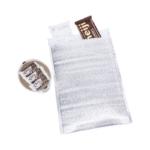
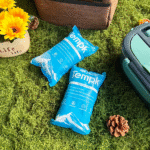
موزع حزمة الثلج الجاف لشحن اللقاحات: دليل الاختيار والشراء بالجملة
ينبغي اختيار عبوة الثلج الجاف الموزعة لشحن اللقاحات فقط بعد نطاق درجة حرارة المنتج, مدة الطريق, حجم الحمولة, وحدود التعامل واضحة. قرار الشراء الأكثر أمانًا هو التعامل مع العبوة كجزء واحد من قطعة واحدة عبوة تسيطر عليها درجة الحرارة نظام, وليس كحل عالمي.
العديد من اللقاحات المرخصة للتخزين المبرد يتم حفظها عند درجة حرارة 2 إلى 8 درجات مئوية ويجب عدم تجميدها, في حين أن بعض المنتجات لديها متطلبات مجمدة أو شديدة البرودة. يجب أن تتحكم تعليمات الشركة المصنعة وإرشادات الصحة العامة المعمول بها في العبوة. يكون الثلج الجاف مناسبًا فقط عندما يكون اللقاح أو المنتج ذي الصلة مخصصًا للشحنات المجمدة أو شديدة البرودة وتكون شركة الشحن مصممة لاستخدام الثلج الجاف. للقاحات المبردة, يمكن أن يكون الثلج الجاف ضارًا إذا تسبب في التعرض للتجميد. إذا لم يتم كتابة تلك الحدود, قد يشتري المشتري عبوة باردة ولكنها غير مناسبة.
يركز هذا الدليل على الاختيار العملي: ما يجب أن يفعله المنتج, عندما يكون الثلج الجاف منطقيًا, عندما تكون البدائل أكثر أمانا, ما هي المواصفات التي يجب على المشترين طلبها, وكيفية الحكم على الموردين قبل تقديم طلب متكرر أو بالجملة.
القرار الأساسي: المجمدة, مبردة, أو المحيطة التي تسيطر عليها?
يجب أن تبدأ كل عملية شراء لسلسلة التبريد بنطاق درجة الحرارة المطلوب. المجمدة, مبردة, شديدة البرودة, والبيئة الخاضعة للرقابة هي مشاكل التعبئة والتغليف المختلفة. يمكن لحزمة الثلج الجاف أن تدعم ظروف الشحن شديدة البرودة, ولكنه قد يكون ضارًا للمنتجات التي يجب أن تظل في نطاق تبريد معتدل.
لشحن اللقاح, هذا التمييز مهم بشكل خاص. أكبر المخاطر هي الرحلات درجة الحرارة, تجميد عرضي, التسامي بالثلج الجاف قبل التسليم, ضعف التحكم في إعادة التثليج, بيانات المسجل مفقودة, وفرق الاستلام التي لا يمكنها التحقق من حالة الشحنة على الفور. يمكن أن تؤدي العبوة الباردة جدًا إلى حدوث مشكلات مخفية في الجودة حتى عندما يكون التسليم سريعًا والكرتون الخارجي يبدو غير تالف.
ما يمكن أن تفعله حزمة الثلج الجاف وما لا يمكنها فعله
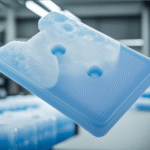
يمكن استخدام عبارة كيس الثلج الجاف بطريقتين. بلغة لوجستية صارمة, يشير الثلج الجاف إلى ثاني أكسيد الكربون الصلب المستخدم كمبرد بارد جدًا. في كتالوجات التعبئة والتغليف, يمكن أيضًا استخدام نفس العبارة للكمادات الباردة الرطبة أو القابلة لإعادة الاستخدام والتي يتم تجميدها قبل الاستخدام ووضعها داخل عبوات معزولة.. يجب على المشترين توضيح المعنى قبل الموافقة على المواصفات.
الثلج الجاف هو ثاني أكسيد الكربون الصلب الذي يتصاعد عند درجة حرارة -78.5 درجة مئوية تقريبًا, لذلك يمكن أن تخلق بيئة أكثر برودة بكثير من العبوات العادية ذات الأساس المائي المجمد. يمكن أن يكون ذلك ذا قيمة بالنسبة للشحنات المجمدة, ولكن قد يكون الجو باردًا جدًا بالنسبة للمنتجات التي تحتاج إلى نطاق درجة حرارة الغرفة المبردة أو الخاضعة للتحكم. ويتحول الثلج الجاف أيضًا إلى غاز, مما يعني أن العبوة يجب ألا تكون محكمة الغلق ويجب أن تسمح لثاني أكسيد الكربون بالتنفيس بأمان.
يمكن لحزمة الثلج الجاف أن تمتص الحرارة وتساعد في الحفاظ على بيئة متجمدة أو شديدة البرودة عندما يكون باقي النظام مصممًا لها. لا يمكن تعويض العزل السيئ, منتج دافئ في التعبئة, مدة الطريق المفرطة, تنفيس مسدود, أو الموظفين الذين لا يتبعون مخطط الحزمة.
للقاحات من 2 درجة مئوية إلى 8 درجات مئوية, عادةً ما تكون عبوات الجل المكيفة أو أنظمة PCM أكثر ملاءمة من الثلج الجاف لأنها تقلل من مخاطر التجميد عندما تكون مصممة ومؤهلة بشكل صحيح. الخيار الأفضل عادة هو الذي يحافظ على النطاق المطلوب مع أقل المخاطر التي يمكن تجنبها, ليس الشخص الذي يتمتع بأبرد درجة حرارة في البداية.
بناء Packout كنظام
حزمة المبرد وحدها ليست مؤهلة شاحن يتم التحكم في درجة حرارته; الأداء يأتي من المجموعة الكاملة للمنتج, حمولة, العزل, المبردات, ملء باطلة, طريقة العبوة, التعرض المحيطي, ووقت العبور.
تبدأ حزمة سلسلة التبريد السلبية النموذجية بمنتج تم تبريده بالفعل إلى حالة البداية المطلوبة. يتم وضع المنتج في شاحن معزول تم اختباره, مع المبرد مرتبة وفقا لمخطط مكتوب. تتم إدارة المساحة الفارغة بحيث لا تتحرك الحرارة بسرعة عبر الفجوات الهوائية, لكن متطلبات تدفق الهواء والتهوية لا تزال تُحترم عند استخدام الثلج الجاف.
قد يكون أداء نفس الحزمة مختلفًا على طريق ليلي قصير, طريق عطلة نهاية الأسبوع, حارة الطرود الصيفية, أو ممر ذو تعرض طويل للرصيف. لهذا السبب, يجب على المشترين مقارنة التغليف حسب افتراضات المسار وظروف الاختبار بدلاً من مدة التبريد الترويجية وحدها.
قائمة مراجعة المشتري للمواصفات
من شأن طلب عرض الأسعار القوي أن يجعل من الصعب على المورد الإجابة بشكل غامض. تضمين المعلومات أدناه حتى العينات, الإنتاج بالجملة, ويتم محاذاة التعبئة التشغيلية.
نطاق درجة الحرارة المطلوبة: مبردة, المجمدة, شديدة البرودة, أو التحكم في درجة حرارة الغرفة. لا تعامل هذه النطاقات على أنها قابلة للتبديل.
مدة الشحن: تشمل وقت التعبئة, بيك اب الناقل, يسكن المحور, تأخير محتمل, نافذة التسليم, وتلقي الوقت.
حجم الحمولة: تأكد من الحجم الداخلي القابل للاستخدام بعد تركيب العزل وغاز التبريد, ليس فقط حجم الكرتون الخارجي.
وزن الحمولة: تأكد من أن العبوة يمكن أن تتحمل المنتج المعبأ, المبردات, مواد ماصة, والتعامل مع الأحمال.
توافق المبردات: تقرر ما إذا كان الثلج الجاف الصلب, حزم هلام, حزم PCM, أو النظام المختلط مناسب للمنتج.
تعليمات الشروط المسبقة: تحديد درجة حرارة التجميد أو التكييف, وقت, عملية التدريج, وكيف يتحقق الموظفون من الاستعداد قبل التعبئة.
فصل المنتج: تشمل فواصل, منصات, بطانات, أو المخازن المؤقتة عندما يمكن أن يتسبب المبرد البارد جدًا في إتلاف أسطح المنتج.
التنفيس ووضع العلامات: عند استخدام الثلج الجاف الصلب, تأكيد التنفيس, تسميات, كتلة الجليد الجافة الصافية, واحتياجات وثائق الناقل لوضع النقل.
استلام الشيكات: تحديد ما يجب على المتلقي فحصه, سِجِلّ, وتصعيدها عند وصول الشحنة.
ما يجب تأكيده مع الموزع قبل التخزين
لأن عبارة موزع الثلج الجاف تظهر عادةً في سياق الشراء, يجب أن يركز تقييم الموردين على التكرار, ليس فقط السعر. لشحن اللقاح, محادثة الموردين الأكثر فائدة تغطي استمرارية المخزون, الاتساق على مستوى الكرتون, فصل SKU واضح, تخطيط التسليم الإقليمي, والدعم الفني لعملاء المصب.
ما هي أحجام العبوات التي يتم تخزينها بانتظام, والتي يتم تصنيعها حسب الطلب?
أدوات اتخاذ القرار مفيدة
تحقق من التفاصيل قبل اختيار التغليف
يمكن أن تساعدك هذه الأدوات السريعة في مقارنة مخاطر المسار, احتياجات التحجيم, خيارات المبرد, وتفاصيل التعبئة والتغليف قبل أن تطلب عرض أسعار.
أداة تقييم مخاطر المسار
قم بمراجعة ظروف المسار قبل اختيار التغليف لمتطلبات التشغيل الحقيقية.
فحص مخاطر المسارمقاومة سقوط المواد العازلة
مراجعة مقاومة السقوط وعوامل المناولة قبل اختيار المواد العازلة.
تحقق من المقاومةأداة اختيار العبوة
قارن بين خيارات التغليف المعزولة حسب المنتج, طريق, ودرجة الحرارة اللازمة.
البحث عن التعبئة والتغليفهل يمكن للموزع توفير نفس المواصفات عبر الطلبات المتكررة, ليس فقط بديلا مماثلا?
كيف يتم تصنيف الصناديق الكرتونية حتى يتمكن موظفو المستودعات من فصلها مبردة؟, المجمدة, والحزم شديدة البرودة?
ما هي الوثائق المتاحة لأبعاد المنتج, تعليمات الشروط المسبقة, والتعامل الآمن?
هل يمكن للموزع دعم ارتفاع الطلب الموسمي دون تغيير المواد دون إشعار مسبق?
يجب على المورد أيضًا وصف كيفية تعامله مع البدائل. تغيير من فيلم واحد, حجم العبوة, ملء المبلغ, مادة عازلة, أو يمكن أن يؤثر تنسيق الكرتون إلى آخر على كل من النتائج الحرارية وسير عمل المستودع. للمنتجات الخاضعة للتنظيم أو ذات القيمة العالية, يجب على المشترين أن يطلبوا توقعات مكتوبة للتحكم في التغيير قبل تقديم الطلب.
امتثال, أمان, وحدود الاستلام
تتطلب برامج سلسلة تبريد اللقاحات إجراءات تشغيلية موحدة واضحة, مراقبة درجة الحرارة, الموظفين المدربين, والوثائق من الشحن حتى الاستلام. تحتاج شحنات الثلج الجاف عن طريق الجو أو الماء أيضًا إلى عبوات ذات فتحات تهوية ووسم وتوثيق للثلج الجاف قابل للتطبيق.
إذا تم استخدام الثلج الجاف الصلب في نقل الطائرات أو السفن, يجب أن تكون العبوة مصممة لإطلاق غاز ثاني أكسيد الكربون ومنع تراكم الضغط. قد تتطلب الشحنات الجوية أيضًا وضع علامات على الجليد الجاف, صافي المعلومات الجماعية, ترتيبات المشغل, ووثائق النقل حسب المسار والمحتويات.
للأدوية, مصل, بيولوجي, الأنسولين, أو الشحنات الطبية, يجب مراجعة مدى ملاءمة التغليف من قبل فريق الجودة أو الخدمات اللوجستية. حزمة قابلة لإعادة الاستخدام, كرتون معزول, أو أن الحاوية المقاومة للماء غير متوافقة تلقائيًا. يجب أن يكون النظام مناسبًا للمنتج, طريق, خطة المراقبة, وإجراءات موثقة.
يجب على المستلمين فحص حالة الشحنة على الفور, مراجعة بيانات درجة الحرارة عند تقديمها, التحقق من استلام المنتج ضمن النطاق المطلوب, واتبع إجراءات التصعيد لأي رحلة.
التفاصيل التشغيلية التي تقلل من الشحنات الفاشلة
الشرط المسبق هو أحد نقاط الضعف الأكثر شيوعًا. إن العبوة التي لم يتم تجميدها أو تكييفها بالكامل قبل الاستخدام لن تعمل مثل العينة التي تم اختبارها. يجب على المشترين بالجملة التأكد مما إذا كانت منشأتهم تحتوي على ما يكفي من المجمد, ثلاجة, أو تكييف القدرة على إعداد جميع العبوات قبل الإرسال اليومي.
يعد وضع الحزمة نقطة ضعف أخرى. يمكن أن يتسبب وضع كيس ثلج جاف مباشرة على منتج حساس للتجميد في حدوث ضرر موضعي, في حين أن العبوة الموضوعة بعيدًا عن مسار الحرارة قد لا تحمي الشحنة. المخططات المكتوبة, صور, والتدريب البسيط يمكن أن يقلل من التباين بين الورديات والمواقع.
يجب أن تتوافق العبوة الخارجية أيضًا مع التعامل الحقيقي. ضغط شبكات الطرود, تناوب, كومة, وتأخير الحزم. قد تواجه شحنات الجملة وشحنات المنصات تعارضات في الرصيف والأحمال المختلطة. قد تحتاج الحزمة التي تعمل على طاولة مختبر نظيفة إلى تعديل سرعة المستودع, استخدام القفازات, مسح, وضع العلامات, واستلام سير العمل.
كيفية تجنب الإفراط في الشراء أو عدم الشراء
يحدث الإفراط في الشراء عندما يختار المشتري أكبر أو أبرد عبوة لكل شحنة. يمكن أن تضيع المال, تقليل حجم الحمولة, زيادة وزن الشحن, إضافة عبء السلامة, وتلف المنتجات التي لا ينبغي تجميدها. يحدث انخفاض الشراء عندما يختار المشتري الحزمة الأرخص دون مراعاة مدة المسار, العزل, الشروط المسبقة, أو التعرض المحيطي.
الأسلوب الأفضل هو إنشاء عدد صغير من الحزم المعتمدة. يمكن للمرء أن يغطي الطرق المبردة القصيرة, وقد يغطي آخر الطرق الطويلة المجمدة, وآخر قد يغطي مخاطر الصيف. وهذا يجعل عملية الشراء بسيطة مع احترام الاختلافات بين المنتجات والممرات.
الأسئلة المتداولة
هل كيس الثلج الجاف أفضل دائمًا من كيس الجل?
لا. الثلج الجاف أكثر برودة بكثير وقد يكون مفيدًا للشحنات المجمدة, ولكن للقاحات من 2 درجة مئوية إلى 8 درجات مئوية, عادةً ما تكون عبوات الجل المكيفة أو أنظمة PCM أكثر ملاءمة من الثلج الجاف لأنها تقلل من مخاطر التجميد عندما تكون مصممة ومؤهلة بشكل صحيح. يعتمد الاختيار الصحيح على نطاق درجة حرارة المنتج والطريق.
يمكن أن تعمل حزمة واحدة لكل موسم?
عادة لا. حرارة الصيف, خطر التجمد في الشتاء, وقت بقاء الناقل, ويمكن لنوافذ التسليم تغيير كمية ونوع مادة التبريد المطلوبة. يحتفظ العديد من المشترين بتعليمات التعبئة المنفصلة حسب الطريق والموسم.
ما الذي يجب اختباره قبل الإطلاق?
اختبر الحزمة الكاملة مع كتلة المنتج التمثيلية, كمية المبردات, العزل, عملية الشروط المسبقة, مدة الطريق, والتعرض المحيطي. إن اختبار صندوق فارغ فقط أو عبوة غاز التبريد فقط ليس كافيًا.
ملاحظات المشتريات الإضافية
يجب على المشترين طلب نفس المعلومات من كل مورد محتمل حتى يمكن مقارنة الأسعار بشكل عادل. قد يؤدي انخفاض سعر الوحدة المقتبس إلى إخفاء حزمة أصغر, عزل أضعف, فيلم أرق, قطع أقل في الكرتون, وثائق أقل فائدة, أو وقت إعداد أطول لفرق المستودعات.
وينبغي أيضا أن تحسب تكاليف التخزين والتدريج. قد تتطلب العبوات مساحة في الفريزر, مساحة الثلاجة, التخزين الجاف, أو منطقة إرجاع للمكونات القابلة لإعادة الاستخدام. إذا لم يتمكن المشتري من إعداد العبوات بشكل صحيح على نطاق واسع, قد يفشل نظام التعبئة والتغليف حتى عندما يكون المنتج المورّد مصنوعًا بشكل جيد.
يجب أن تكون الحزمة المعتمدة مكتوبة بطريقة يمكن للموظف الجديد اتباعها. قم بتضمين حالة بدء المنتج, عدد العبوات, توجيه, قطع العزل, ملء باطلة, طريقة الإغلاق, وضع التسمية, توقيت الالتقاط, واستلام الشيكات. غالبًا ما تكون الصور الفوتوغرافية أكثر فائدة من التعليمات الطويلة.
لتكرار الشراء, اطلب من المورد الاحتفاظ بنفس رمز العنصر مرتبطًا بنفس المادة والأبعاد. إذا كان المورد يعامل العبوات المماثلة على أنها قابلة للتبديل, يمكن فقدان وفورات المشتريات من خلال الأداء الحراري غير المتسق, ارتباك المستودع, وشكاوي العملاء.
نقاط التسليم التشغيلية
عملية تسليم السلسلة الباردة هي المكان الذي تحدث فيه العديد من حالات الفشل. قد يوافق فريق الشراء على الحزمة المناسبة, بينما قد يستخدمه فريق المستودعات في وقت مبكر جدًا, اترك الأمر منظمًا لفترة طويلة جدًا, ضعه في الموضع الخاطئ, أو أغلق الكرتونة قبل أن يصل المنتج إلى حالة البداية المطلوبة. ولذلك يتضمن برنامج الشراء الجيد تعليمات سير العمل, ليس فقط مواصفات المنتج.
حول Tempk
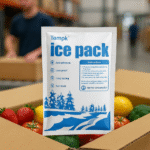
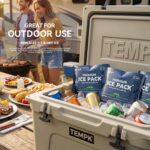
تمبك هو تغليف السلسلة الباردة المورد مقرها في شنغهاي. تشمل مجموعة منتجاتنا العامة حزم الثلج الجاف, عبوات جل الثلج, الطوب الجليد الفريزر, الصناديق المعزولة, صناديق الشحن الباردة, بطانات معزولة, أغطية البليت, ومواد التعبئة والتغليف ذات الصلة بالتحكم في درجة الحرارة. نحن ندعم الطعام, الأدوية, وغيرها من الشحنات الحساسة لدرجة الحرارة مع خيارات التغليف العملية والمناقشة الخاصة بالطريق بدلاً من مطالبات مقاس واحد يناسب الجميع.
تحدث مع تيمبك
لاختيار أكثر أمانا, مشاركة نطاق درجة الحرارة المطلوبة, مدة الشحن, حجم الحمولة, وظروف الطريق قبل تقديم طلب الموزع. يمكن لـ Tempk مساعدتك في مناقشة الحزمة العملية لشحن اللقاحات, بما في ذلك الخيارات المجمعة أو المخصصة عند الاقتضاء.