مخطط المحصول الأول لموزع عبوات الثلج الجاف لتغليف الخضروات
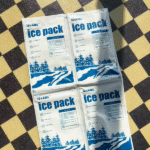
إن التعامل مع جميع الخضروات كحمولة واحدة مبردة هو أسرع طريقة لتصميم الحزمة الخاطئة. موزع حزمة الثلج الجاف for vegetable packaging should enter the process only after the crop, طريق, ويتم تعريف الكرتون. إن حزمة الثلج الجاف المرطب من Tempk عبارة عن صفيحة تبريد مجمدة يتم تنشيطها بالماء, وليس ثاني أكسيد الكربون أو الثلج الجاف UN1845. يمكنه إضافة سطح تبريد مرن داخل عبوة معزولة, لكنها لا تستطيع اختيار نقطة ضبط آمنة, إزالة حرارة المجال غير المحدودة, تنظيم الرطوبة, أو إثبات الامتثال الغذائي. يربط هذا المخطط علم وظائف الأعضاء المنتج, مناطق من الورق المقوى, أدلة المورد, والتنفيذ اليومي.
الخطوة الأولى: اكتب جواز سفر المحاصيل والطريق
قبل طلب عينة الورقة, قم بإعداد صفحة واحدة من الحقائق للشحنة. يجب أن يذكر جواز السفر اسم الخضار, متنوعة أو نوع تجاري حيثما كان ذلك مناسبا, نضج, حالة كاملة أو طازجة, التعبئة والتغليف الأولية, حالة البداية, نطاق الحمولة, ونوعية الوصول المطلوبة. وينبغي أيضا تحديد حساسية التبريد والتجميد, احتياجات التهوية والرطوبة, وعدم التوافق المعروف ضمن الأحمال المختلطة.
Use commodity-specific postharvest information and the business's own quality specifications. توضح مراجع وزارة الزراعة الأمريكية أن الإصابة المروعة تختلف حسب السلعة ويمكن أن تحدث فوق نقطة التجمد. وقد تظهر الأعراض لاحقًا, بعد عودة المحصول إلى الظروف الأكثر دفئا. يمكن للحزمة التي تبدو باردة عند الاستلام أن تقلل من مدة الصلاحية.
أضف الطريق. سجل كل فترة خارج التخزين الخاضع للرقابة: التدريج, تحميل, جمع الناقل, نقل المحور, الحدود أو المطار يسكن, مركبة الميل النهائي, التفريغ, وتأخير الاستلام. تشمل الدافئة ذات الصلة- وظروف موسم البرد وبدل انقطاع موثوق. "في اليوم التالي" هو وعد الخدمة, ليس ملف تعريف المحيطة.
أخيراً, اذكر قدرة موقع التعبئة. يمكن للموظفين ترطيب وتصريف الأوراق بشكل صحي? هل توجد سعة تجميد كافية عند مستوى الذروة؟? يمكن فصل الأوراق المعدة حسب الحالة? هل يحتوي الخط على مساحة لحاجز أو فاصل? المنتج الذي يناسب النظرية الحرارية ولكن ليس العملية الأصلية لا يعد خيارًا قابلاً للتطوير.
الخطوة الثانية: قم بتخطيط الكرتون كمناطق حرارية
نادرًا ما يكون للكرتون المعزول درجة حرارة موحدة واحدة. مفاصل الغطاء, زوايا, الجدران, فتحات التهوية, وتتصرف واجهات المبرد بشكل مختلف. قد تواجه الخضروات القريبة من ورقة مجمدة عريضة خطر الجانب البارد, بينما قد يسخن المنتج بالقرب من التماس أو الفتحة أولاً. يمكن أن تؤدي مساحة الرأس ومسارات الهواء الداخلية إلى تضخيم الفرق.
ارسم الكرتونة المعبأة من الأعلى والجانب. علامة:
مسارات دخول الحرارة المحتملة;
الفتحات التي يجب أن تظل مفتوحة;
الاتصال المباشر وغير المباشر بالمبرد;
المنتجات الحساسة أو الحساسة للتبريد;
عالي- وهندسة الحمولة المنخفضة;
حركة الورقة المحتملة;
نقاط تجميع التكثيف;
مواقع أجهزة الاستشعار لتجارب التطوير.
يحول الرسم التخطيطي وضع الورقة إلى قرار هندسي. يمكن لصفيحة الخلية المرنة أن تلتف أو تغطي منطقة ما, لكن المزيد من التغطية لا يكون أفضل تلقائيًا. يمكن أن يؤدي الطي إلى إنشاء كتلة تبريد مزدوجة. يمكن للخلايا الرطبة أن تتوسع إلى قنوات تنفيس. يمكن للطبقة العليا أن تقلل من دخول الحرارة الإشعاعية والحمل الحراري بينما تعمل أيضًا على تبريد طبقة الإنتاج العليا.
استخدم حاجزًا محددًا عندما يظهر التطوير أن هناك حاجة إليه. The barrier's material, سماكة, موضع, ويصبح سلوك الرطوبة جزءًا من الحزمة الخاضعة للرقابة. إن قطعة الورق المقوى السائبة التي أدخلها المشغل لا تعادل حاجزًا حراريًا محددًا.
الخطوة الثالثة: قرر ما يجب أن تثبته الورقة
يمكن لمطبوعات الموزع تحديد ماهية المكون وكيف يتم إعداده. It cannot establish your crop's quality after your route. قم بإنشاء خطة أدلة تفصل بين الأسئلة المكونة وأسئلة النظام.
| سؤال الأدلة | أفضل مصدر أو دراسة | قرار القبول |
|---|---|---|
| ما هي الورقة بالضبط المقدمة? | مواصفات المنتج والرسم التي تسيطر عليها | الهوية ومراقبة العينة إلى الإنتاج |
| كيف يتم تفعيلها وتكييفها? | تعليمات المورد بالإضافة إلى تجربة الموقع | طريقة التحضير المتكررة |
| هل حدود الاتصال مقبولة؟? | تمت مراجعة الوثائق المادية الدقيقة للسوق المقصود | الاستخدام المباشر أو غير المباشر المعتمد من قبل المتخصصين المسؤولين |
| هل يصلح بعد الترطيب? | تحقق من مقاعد البدلاء في الكرتون الحقيقي | لا سحق, فتحات مسدودة, أو إغلاق التدخل |
| هل تقوم الحزمة بإدارة المواقع الساخنة والباردة? | اختبار حراري كامل النظام | تتوافق درجات حرارة المنتج مع المعايير الخاصة بالمحاصيل |
| هل يحتفظ الإنتاج بجودة مقبولة؟? | تقييم المحاصيل التمثيلية, بما في ذلك الآثار المتأخرة حيثما كان ذلك مناسبا | يتم استيفاء معايير الجودة التجارية |
| هل ينجو الترتيب من التوزيع؟? | الاهتزاز ذات الصلة, صدمة, ضغط, واختبار التوجه | يبقى المبرد سليمًا وفي موضعه |
| هل يمكن للخط إعادة إنتاجه? | طيار ممثل الإنتاج | القدرة على العملية, تمرين, والقدرات كافية |
يمنع هذا التسلسل الاختصار الشائع: طلب مستند مادي للإجابة على سؤال حراري أو طلب رسم بياني للغرفة للإجابة على سؤال يتعلق بملامسة الغذاء. كل ادعاء يحتاج إلى النوع الصحيح من الأدلة.
عندما يقدم الموزع بيان وقت الانتظار, طلب السياق الكامل. كمية الورقة, تفعيل الماء, تكييف, العزل, حمولة, شروط البداية, ملف تعريف المحيط, خريطة الاستشعار, مدة, والقبول يحد من كل أمر. إذا كانت تلك الشروط لا تتوافق مع النظام المقصود, استخدم النتيجة لتوجيه التطوير بدلاً من الموافقة على الاستخدام الروتيني.
الخطوة الرابعة: حماية كلا حدود درجة الحرارة
التبريد السلبي هو التوازن, وليس سباقا نحو أدنى درجة حرارة. يمتص الماء المتجمد الموجود في ورقة الترطيب الحرارة أثناء تسخينه وذوبانه. هذه القدرة الحرارية يمكن أن تبطئ ظاهرة الاحتباس الحراري, في حين أن الاتصال الوثيق يمكن أن يجعل المنتج القريب أكثر برودة من متوسط الكرتون.
تصميم اختبارات للعثور على كلا الطرفين. قد تحدث مخاطر الجانب الدافئ بالقرب من الغطاء, زوايا, أو فتحات التهوية في وقت متأخر من الطريق. قد تحدث مخاطر الجانب البارد بجانب الملاءة, تحت خلية مطوية, أو في علبة كرتون محملة بخفة. يجب التمييز بين درجة حرارة المنتج ودرجة حرارة الهواء لأن الأنسجة النباتية تتغير بشكل أبطأ من الهواء.
الحد الأدنى والحد الأقصى للحمولات يستحق دراسة متعمدة. تحتوي الكرتونة الممتلئة على كتلة حرارية أكبر ولكنها قد تحد من تدفق الهواء وتترك مساحة أقل لسائل التبريد. يمكن أن يحتوي الطلب الصغير على مساحة أكبر وتقليل التخزين المؤقت, زيادة الاستجابة لكل من الأسطح المجمدة والظروف المحيطة. إذا كانت نفس الحزمة لا يمكن أن تغطي النطاق, create clear recipes rather than an informal rule such as "add another sheet when it is hot."
إن اختبار الطقس الدافئ وحده غير كافٍ في الأماكن التي يمكن أن يحدث فيها التعرض في فصل الشتاء. المبرد المجمد, شاحنة باردة, وقد تندمج سلعة حساسة في فشل الجانب البارد. يمكن أن تكون الحزم الموسمية مشروعة, ولكن مواعيد التحول, مشغلات الطقس, هويات المكونات, ويجب التحكم في تعليمات العمل حتى يتم استخدام الوصفة الصحيحة.
أدوات اتخاذ القرار مفيدة
تحقق من التفاصيل قبل اختيار التغليف
يمكن أن تساعدك هذه الأدوات السريعة في مقارنة مخاطر المسار, احتياجات التحجيم, خيارات المبرد, وتفاصيل التعبئة والتغليف قبل أن تطلب عرض أسعار.
سائل التبريد & مرجع PCM
قارن خيارات سائل التبريد وPCM عندما يحتاج المسار إلى دعم إضافي لدرجة الحرارة.
قارن الخياراتحاسبة علبة الثلج
تقدير كمية عبوات الثلج الهلامي للشحنات المبردة والتخطيط العملي للمسار.
تقدير عبوات الثلجمقاومة سقوط المواد العازلة
مراجعة مقاومة السقوط وعوامل المناولة قبل اختيار المواد العازلة.
تحقق من المقاومةالخطوة الخامسة: التعامل مع الماء والهواء كمدخلات تصميمية
يضيف الترطيب الماء إلى الورقة, وتطلق الخضروات الرطوبة من خلال النتح والتنفس. يمكن للأسطح الباردة جمع التكثيف. ولذلك قد تحتوي الكرتونة على عدة مصادر مياه متفاعلة.
قم بتصريف الأوراق النشطة وفقًا للتعليمات وفحص الطبقات قبل التجميد. أبعد الأوراق المجهزة عن الأسطح غير المناسبة. تصميم حدود اتصال غير مباشرة عند الحاجة, ومنع المكثفات من التجمع ضد كرتونة الإنتاج أو إضعاف العبوة الخارجية. يجب أن تظل الملصقات والرموز الشريطية قابلة للقراءة خلال الرطوبة المتوقعة.
تتطلب التهوية رعاية متساوية. يمكن أن تساعد فتحات التهوية في إزالة الحرارة أثناء التبريد المسبق ودعم تبادل الغازات, لكن يمكنهم أيضًا الاعتراف بالحرارة المحيطة. إن تغطيتها بورقة تبريد تؤدي إلى تغيير العبوة. قد يؤدي إغلاقها لمنع الرطوبة إلى خلق مشكلة في الغلاف الجوي أو تدفق الهواء لبعض المحاصيل. اختبر نمط التنفيس الفعلي, بطانة, التعبئة والتغليف الأولية, وموضع الورقة.
يظل التبريد المسبق مختلفًا عن التخزين المؤقت للمسار. يؤدي تعبئة الخضار الدافئة إلى زيادة الحمل الحراري ويخلق تبريدًا غير متساوٍ. Standardize the crop's starting condition using the appropriate commodity process. يجب أن تحمي صفيحة التبريد السلبية الحالة القائمة, لا يُطلب منك إنقاذ التعامل مع المنبع غير المتناسق.
مثال عملي: كرتونة واحدة, اتجاهان للفشل
تخيل أن موزع الخضار يقوم بشحن الخيار في علبة كرتونية معزولة خلال موسم دافئ. يتم وضع ورقة ترطيب في الأعلى وأخرى على جانب واحد. تظهر التجربة الأولى أن المنتج المركزي يظل في النطاق المقصود, لكن زاوية الكرتون القريبة من الغطاء تسخن في وقت متأخر من الملف الشخصي. يضيف الفريق ورقة مطوية في تلك الزاوية.
تجربة ثانية تحل الموقع الدافئ ولكنها تخلق مشكلة جديدة: يصبح المنتج الموجود بجوار الخلايا المطوية باردًا جدًا بالنسبة لمواصفات السلعة. يدرك الفريق أن كمية سائل التبريد وموضعه قد غيرا التدرج. إنه يستبدل الطية بورقة أحادية الطبقة مثبتة في موضعها, يحسن مفصل الغطاء, ويقيم فاصلًا محددًا بالقرب من المنتج الحساس.
يقوم الاختبار المنقح بتعيين العديد من مواقع المنتجات عبر الحمولات المنخفضة والعالية. ويلاحظ الفريق أيضًا جودة الإنتاج بعد فترة مناسبة, لأن التأثيرات المخيفة قد لا تكون فورية. The final configuration is not simply "two sheets." إنه ترتيب دقيق للأوراق, حاجز, العزل, فتحات التهوية, حمولة, تكييف, والإغلاق.
يوضح هذا المثال الافتراضي سبب عدم اكتمال مواصفات متوسط درجة الحرارة وعدد سائل التبريد. يجب أن تتحكم العبوة في النمط المكاني للحرارة.
الخطوة السادسة: تأهيل أرضية التعبئة, ليس فقط الصندوق
قم بتشغيل العملية المقترحة بالسرعة العادية مع الموظفين العاديين. راقب المسار الكامل من تخزين الألواح الجافة إلى الإرسال. ترطيب, الصرف, تحميل الفريزر, حالة الورقة المعدة, تقتيش, التدريج, وضع الورقة, تحميل الخضار, إنهاء, وضع العلامات, وينبغي تمثيل جميع عمليات التسليم.
تحويل الممارسة الناجحة إلى موجزة, تعليمات خاضعة للرقابة. يجب أن تظهر الصور الورقة المبللة, الطيات المسموح بها إن وجدت, الحواجز, محاذاة تنفيس, طبقات المنتج, اتجاه الورقة, والإغلاق. اذكر ما يجب على المشغلين فعله مع الرطوبة غير المتساوية, تالف, ملوثة, أو أوراق مكيفة بشكل كاف. حدد كيفية الاستجابة عندما يكون أحد المكونات مفقودًا أو يتأخر الناقل.
تظل ضوابط سلامة الأغذية نشطة طوال الوقت. تسلط إرشادات النقل الخاصة بإدارة الغذاء والدواء الضوء على التحكم في درجة الحرارة, النقل الصحي, التعبئة المناسبة, تحميل وتفريغ الصرف الصحي, والاتصالات. قد تحمل الخضروات الطازجة متطلبات مختلفة عن السلع السليمة. The company's hazard analysis and applicable rules should define controls; لا يقوم تنسيق المبرد بإنشائها أو إزالتها من تلقاء نفسه.
يحتاج موظفو الاستقبال إلى عملية واضحة بنفس القدر. فحص الضرر, تسرب, التعبئة والتغليف الرطب, حالة إنتاج, ومعلومات درجة الحرارة كما هو مطلوب. لا توافق على التحميل لمجرد بقاء سائل التبريد مجمداً, ولا ترفضه لمجرد ذوبان الورقة. يجب أن يتبع التخلص من المنتج إجراءات الجودة أو سلامة الأغذية المصرح بها.
الخطوة السابعة: التوسع من خلال التوزيع المتحكم فيه
يجب أن تقفل مواصفات الشراء رمز المنتج الدقيق, مراجعة, تخطيط الخلية, المواد أو البناء المعتمد, أبعاد, التغليف, تعليمات التحضير, والتسامح ذات الصلة. يجب أن يكون التفتيش الوارد وإمكانية تتبع الدفعة متناسبين مع المخاطر.
يتطلب إشعارًا قبل التغييرات ذات الصلة بالفيلم, الوسائط الماصة, نمط الخلية, طبقات, عملية التصنيع أو الموقع, وضع العلامات, أو التعليمات. قد يتطلب التغيير تحديث المستند فقط, أو قد يبرر فحص الملاءمة وإعادة الاختبار الحراري. يقرر المشتري من خلال تقييم التأثير الموثق.
قم بقياس العملية بعناية مثل المكون. توقعات استهلاك الورقة, محطات الترطيب, التعامل مع المياه, رفوف الفريزر, دورات التكييف, المخازن المؤقتة للمخزون المجهز, تَعَب, ومعدلات الرفض. التخزين المسطح الجاف يمكن أن يحسن الكفاءة الداخلية, لكنه ينقل العمل التحضيري إلى المستخدم.
لإعادة الاستخدام, تحقق من أن التنسيق الدقيق مخصص له وقم بإنشاء حلقة حقيقية. يعود, الفصل, تنظيف, تقتيش, الإماهة, إعادة التجميد, التتبع, والتقاعد كلها تحتاج إلى ضوابط. قم بتقييم إعادة الاستخدام المحققة والعبء اللوجستي العكسي بدلاً من استخدام كلمة "قابل لإعادة الاستخدام" كاستنتاج للاستدامة.
الأسئلة المتداولة
هل يمكن للموزع أن يوصي بكمية الورقة من حجم الكرتون وحده?
حجم الكرتون هو مدخل واحد فقط. يجب أن تأخذ التوصية أيضًا بعين الاعتبار الخضار, حمولة, حالة البداية, العزل, فتحات التهوية, الحواجز, ملف تعريف المحيط, مدة, وحدود القبول. استخدم مدخلات الموزع لتصميم التجارب, ثم حدد الكمية والمكان من خلال الأدلة الخاصة بالحزمة الكاملة.
ما هي درجة الحرارة الأكثر أهمية لقياسها?
لا توجد نقطة قياس عالمية واحدة. يجب أن تبحث الدراسة في المواضع المحتملة للمنتج الدافئ والبارد, تمييز الهواء عن درجة حرارة المنتج, واستخدام أجهزة استشعار معايرة مناسبة للمهمة. تحدد مواصفات المحصول وهدف الدراسة ما إذا كان السطح أم لا, اللب, هواء الحزمة, أو هناك حاجة إلى عدة قياسات.
هل تتطلب ورقة الترطيب التي لا تحتوي على ثاني أكسيد الكربون أي مراجعة من قبل شركة النقل؟?
لا. من المهم عدم إساءة تصنيف الورقة على أنها ثاني أكسيد الكربون UN1845, ولكن لا يزال يتعين على شركة الشحن تأكيد قواعد الناقل والوجهة الخاصة بشحنة المبرد والطعام الفعلية. معلومات التكوين الدقيقة, منع التسرب, التغليف, وقد تظل الوثائق ذات صلة.
كيف ينبغي أن تكون الخضروات المختلطة مؤهلة?
التعرف على الحدود الشرطية والحساسيات لكل سلعة, ثم قم باختبار المواقع الأكثر عرضة للتضرر. إذا لم تتمكن حزمة واحدة من حماية المجموعة, منتجات منفصلة, إنشاء مناطق ذات حواجز خاضعة للرقابة, أو استخدم وصفات مختلفة. لا تختر درجة حرارة مناسبة دون وجود مبرر لجودة الإنتاج وسلامة الأغذية.
ما الذي يدعم مطالبة استدامة التغليف ذات المصداقية?
استخدم مقارنة محددة وحدود النظام. النظر في المواد, الكفاءة الواردة الجافة, ماء, طاقة الفريزر, كمية الحزمة, فقدان المنتج, نقل العودة, تحقيق إعادة الاستخدام, تنظيف, ونهاية الحياة المحلية. قم بالإبلاغ عن التحسن المحدد مدعومًا بالأدلة بدلاً من تعيين علامة بيئية واسعة النطاق.
خاتمة: اجعل الحزمة محددة بما يكفي للتكرار
تبدأ حزمة المحصول الأول بجواز سفر للسلعة والطريق, خرائط المناطق الحرارية, يختار الأدلة الصحيحة لكل قرار, ويتحكم في كل من الدفء- ومخاطر الجانب البارد. رُطُوبَة, تهوية, التبريد المسبق, التعامل الجسدي, وتظل ضوابط سلامة الأغذية جزءًا من نفس النظام.
The hydration sheet's flexible geometry and dry storage format can be valuable, ولكن فقط بالضبط, يمكن للتكوين الذي تم اختباره تحديد الملاءمة. أبقِ هذا التكوين متصلاً بالتحكم في تغيير الموردين, القدرة على موقع التعبئة, تلقي, والمراجعة الميدانية مع نمو الحجم.
حول Tempk
توفر Tempk صفائح تبريد الترطيب المنشَّطة بالماء لاستخدامها في عبوات سلسلة التبريد المعزولة. يمكننا مناقشة أنماط الخلايا, تناسب الورقة, تكييف سير العمل, وترتيبات العينات لعلب الخضروات وطرقها المحددة. يجب على المشترين توريد السلعة, حمولة, تهوية, حالة البداية, العزل, والافتراضات المحيطة بحيث يكون للتنمية حدود واضحة. لا تقوم شركة Tempk بمساواة ورقة الترطيب الخاصة بها بثاني أكسيد الكربون UN1845 أو تطالب بدرجة حرارة ومدة واحدة لكل خضروات; يجب أن يتم تأسيس الأداء في النظام المقصود.
أرسل إلى Tempk جواز سفرك المقتطع والمسار وتخطيط الكرتون لبدء مراجعة نموذجية مركزة. استخدم بيانات المكونات الناتجة داخل سلامة الأغذية الخاصة بك, جودة, وعملية التحقق من صحة الحزمة.