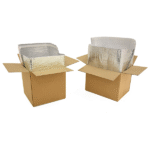
حاوية تخزين EPP متينة: إطار القرار لإعادة الاستخدام الحقيقي
دائم حاوية تخزين EPP يجب أن يعود من الطريق جاهزًا لاستخدام آخر خاضع للرقابة. وتتطلب هذه النتيجة أكثر من مجرد رغوة مقاومة للصدمات. يجب أن يتناسب الصندوق مع الحمولة, حمل الأحمال عبر مسارات هيكلية آمنة, إغلاق ومكدس باستمرار, البقاء على قيد الحياة عملية التنظيف المعتمدة, تظل قابلة للتحديد, وتكون مدعومة بحلقة العودة التي تمنع الخسارة. يوفر البولي بروبيلين الموسع مادة انطلاق قوية لأنه خفيف الوزن, مرن, امتصاص الطاقة, والعازلة. ومهمة المشتري هي تحويل تلك الخصائص العامة إلى دليل لتطبيق واحد محدد.
القرار الأول: ما هي الوظيفة التي تمتلكها الحاوية؟?
تجنب البدء بحجم كتالوج أو بُعد خارجي. حدد مسؤولية الحاوية في جملة واحدة. وقد ينظم أدوات الخدمة, حماية الأجزاء الهشة بين المصانع, حمل البقالة على الطريق المحلي, عقد لوازم المختبرات, أو بمثابة غلاف معزول في حزمة سلبية للتحكم في درجة الحرارة. تتطلب هذه الوظائف أسطحًا مختلفة, الإغلاق, إدراج, ضوابط النظافة, والاختبارات.
افصل الحاوية عن الوظائف التي تقدمها المكونات الأخرى. يمكن أن يوفر EPP التوسيد والمقاومة الحرارية, لكنه لا يبرد المنتج بشكل فعال. مسجل بيانات يسجل الظروف; لا يحمي درجة الحرارة. تضيف العبوة المموجة حماية من التآكل والملصق; فهو لا يحسن ضبط النفس الداخلي تلقائيًا. حشوة مصبوبة تنظم وتبطن; قد لا يدعم تحميل المكدس. تمنع الحدود الواضحة الاقتباس من أن يصبح مجموعة من الوعود الضمنية.
اكتب مظروف الاستخدام قبل التحدث إلى الموردين. تضمين أبعاد الحمولة والكتلة, توجيه, النقاط الهشة, الوصول المطلوب, الظروف العادية وذروة المكدس, طريقة الرفع, وضع النقل, التعرض للتنظيف, درجة حرارة التخزين, التدريج في الهواء الطلق, طريق العودة, وأي توقعات تنظيمية أو وثائقية. استخدم نطاقًا يختلف فيه الحمل. ضع علامة على الشروط الإلزامية والشروط المفضلة فقط.
القرار الثاني: صندوق قياسي, منصة معدلة, أو أداة مخصصة?
غالبًا ما يكون صندوق EPP القياسي هو الخيار الأقل خطورة عندما يكون بصمته, تجويف, والغطاء مناسب بالفعل للعملية. لا يوجد تأخير في الأدوات, الحصول على العينات أسهل, وقد تكون قطع الغيار متاحة بشكل أكبر. الحل الوسط هو مساحة غير مستخدمة أو واجهة حمولة أقل دقة.
تستخدم المنصة المعدلة غلافًا قياسيًا مع إدراجات مخصصة, المقسمات, الأشرطة, تسميات, أو حزمة زائدة. يمكن لهذا النهج الحفاظ على الهندسة الخارجية المثبتة مع تكييف التصميم الداخلي. إنه يعمل بشكل جيد عندما تتغير المنتجات أو تشترك عدة مجموعات في بصمة لوجستية واحدة. يجب على المشتري التأكد من أن الأجزاء القابلة للإزالة لا يمكن ترحيلها, إغلاق الكتلة, أو إنشاء نقاط التأثير الصعبة.
يصبح القالب المخصص معقولاً عندما يكون الحجم, استقرار الطريق, توفير المساحة, التعامل المتكرر, أو الميزات المتكاملة تبرر الالتزام. التخصيص يمكن أن يشكل التجويف, إنشاء دعم مخصص, محاذاة ميزات المكدس, تسميات العطلة, وتحسين الأبعاد الخارجية. كما أنه يخلق ملكية الأدوات, مراجعة, الحد الأدنى للتشغيل, أخذ العينات, وأسئلة التحكم في التغيير. يجب أن يحل الشكل المخصص مشكلة تشغيلية لا يمكن معالجتها اقتصاديًا باستخدام نظام أساسي قياسي.
يجب أن يأخذ القرار بعين الاعتبار عمر المنتج. يعد التجويف المحدد للغاية فعالاً بالنسبة لمنتج مستقر ولكنه قد يصبح قديمًا بعد مراجعة بسيطة للتصميم. قد تكلف الإدخالات القابلة للتبديل أو التجويف المعياري أكثر قليلاً في البداية وتحمي الاستثمار.
القرار الثالث: كيف ستسافر الأحمال عبر الصندوق?
انظر إلى الرسم كما لو كانت المادة شفافة. تتبع حمل الرفع من المقبض إلى القاعدة. تتبع حمل المكدس من الحاوية العلوية إلى الأرضية. تتبع تأثير الزاوية في ضربة الوسادة ودعم الحمولة. أي قوة تتوقف عند شفة رفيعة, درجة حادة, الإسقاط الضيق, أو لوحة الغطاء غير المدعومة تستحق الاهتمام.
يستخدم التصميم المتين عادة الجدران المستمرة, أنصاف أقطار سخية, التحولات واسعة النطاق, وعززت الأقسام المحلية. يجب أن يتم وضع الغطاء بشكل موثوق دون حافة حساسة. يجب أن تناسب المقابض اليد والقفازات المتوقعة ويجب ألا تشجع المشغلين على الرفع من الغطاء. يجب أن يتم تسجيل ميزات المكدس دون ربط ويجب أن تظل قابلة للوصول على المنصات أو الرفوف. يجب أن تكون القاعدة مسطحة وتتحمل الأرضية الفعلية, الناقل, عربة, أو سطح السيارة.
الهندسة الداخلية لها نفس القدر من الأهمية. دعم المنتج على الأسطح القوية وحماية الميزات الضعيفة بالتخليص. منع الحركة قبل إضافة المزيد من الرغوة. تنظيم الملحقات الفضفاضة. السماح للمشغلين بحزم الحمولة وإزالتها دون التحديق, موصلات الانحناء, أو لمس الأسطح الحساسة. إن الحاوية التي توفر حماية جيدة في المختبر ولكن يصعب استخدامها سيتم تعبئتها بشكل غير متسق في الإنتاج.
لا تحدد الكثافة أو سمك الجدار بشكل منفصل. يجب على المورد أن يقترح نطاق الدرجة والكثافة على أساس الصلابة, توسيد, صب, درجة حرارة, والهندسة. يجب على المشتري تقييم التصميم النهائي في ظل ظروف تمثيلية.
القرار الرابع: ما هي الأدلة سوف تعتبر "متينة"?
يجب أن تكون المتانة ملحوظة. قم ببناء القبول حول أوضاع الفشل المهمة: تلف المنتج, فك الغطاء, التعامل مع تمزيق, عدم الاستقرار الأساسي, انهيار المكدس, حركة إدراج, تشوه دائم, تلوث, أو فقدان الهوية.
| طبقة الأدلة | ما يمكن الإجابة عليه | ما لا يمكن الإجابة عليه بمفرده |
|---|---|---|
| المعلومات الفنية المادية | الخصائص العامة واختيار الدرجة | الانتهاء من أداء الصندوق أو الحمولة |
| مراجعة الرسم والتصميم | ملائم, مسارات التحميل, أقسام الحد الأدنى, واجهات | صب الاتساق والسلوك الميداني |
| فحص العينة المصبوبة | أبعاد, إنهاء, بيئة العمل, صنعة | أداء التوزيع مع مرور الوقت |
| الاختبارات الميكانيكية المعبأة | الاستجابة للصدمة المختارة, اهتزاز, أو مخاطر الضغط | كل طريق وكل سلوك المشغل |
| تجربة التنظيف وإعادة الاستخدام | التوافق, تجفيف, تقتيش, كرر التعامل | فقدان الأسطول على المدى الطويل واقتصاديات العودة |
| طيار ميداني مسيطر عليه | زمن الدورة الحقيقية, ضرر, سهولة الاستخدام, والانتعاش | أداء مستقبلي غير محدود بعد التغييرات |
استخدم الطبقات معًا. ورقة المادة التي لا تحتوي على اختبار معبأ تترك سؤال الحمولة بدون إجابة. قد تؤدي الرحلة الميدانية الناجحة دون فحص محدد إلى تفويت أضرار وظيفية مخفية. لا يعفي تصريح المختبر التغييرات غير المنضبطة في الإنتاج.
يمكن لإجراءات التوزيع من مؤسسات مثل ISTA وممارسات مثل ASTM D4169 أن تدعم الاختبار المنظم. يجب أن يتطابق الاختيار مع المنتج المعبأ, طريق, وهدف القرار. اختبار ISTA مخصص لمنتج معبأ محدد بدلاً من شهادة مادة معزولة. إعادة الاختبار مناسبة عندما يكون المنتج, التغليف, أو قد تؤثر تغييرات العملية على الأداء.
القرار الخامس: سوف تنظيف الحفاظ على الأصول?
تتحرك الحاوية القابلة لإعادة الاستخدام عبر الحالات القذرة والنظيفة. تحديد الفترة الانتقالية. من يفرغها? أين تتم إزالة الملصقات والبطانات? ما هو المنظف أو المطهر المستخدم? ما درجة حرارة الماء, وقت الاتصال, العمل الميكانيكي, شطف, وتطبيق طريقة التجفيف? كيف يتم حماية الصناديق النظيفة من إعادة التلوث?
يمكن أن يكون هيكل الخلية المغلقة والمقاومة الكيميائية لـ EPP مفيدًا, لكنها لا تجعل كل سطح أو مكون متصل متوافقًا مع كل عملية غسيل. قد يتم رفع التسميات. قد تتآكل المناطق المطبوعة. الأشرطة يمكن أن تحمل الرطوبة. فترات الاستراحة العميقة يمكن أن تحبس التربة. قد يصبح من الصعب فحص الأسطح الخلوية التالفة. اختبار المادة كاملة من خلال التنظيف المتكرر قبل الموافقة عليها.
يجب أن يكون التفتيش سريعًا بما يكفي ليحدث. استخدم معيارًا مرئيًا مكونًا من صفحة واحدة أو مجموعة عينات محددة. تحقق من النقاط عالية الخطورة بترتيب ثابت: هوية, الرائحة والتربة المرئية, غطاء وحافة, مقابض, زوايا, قاعدة, ميزات المكدس, إدراج, وأي واجهات الحزمة الحرارية. تحديد فئات التصرف. يجب أن يعرف المشغلون متى يكون الصندوق جاهزًا, يحتاج إلى إعادة التنظيف, يمكن اصلاحها, يجب أن تكون مقيدة, أو يجب أن يكون على التقاعد.
للاتصال بالطعام أو أي استخدام آخر خاضع للرقابة, الحصول على وثائق للمواد الدقيقة والشروط المقصودة. تتطلب القواعد الأوروبية أن تلبي المواد الملامسة للأغذية مبادئ السلامة والخمول وأن يتم تصنيعها وفقًا للممارسات الجيدة; المواد البلاستيكية لها متطلبات محددة إضافية. تنظم الولايات المتحدة أيضًا المواد المستخدمة في المواد الملامسة للأغذية بناءً على الاستخدام المقصود. لا تدعم هذه الأطر استنتاجًا شاملاً من كلمة البولي بروبيلين وحدها.
القرار السادس: يمكن إنتاج تكرار العينة المعتمدة?
يجب أن تكون العينة المعتمدة مرجعاً هندسياً خاضعاً للرقابة, ليس الجزء الأجمل من تجربة غير مسجلة. ربطه بالرسم, درجة إي بي بي, لون, الكثافة أو تسمية العملية, مراجعة الأداة, إدراج, تسميات, ومعايير القبول. سجل حالة القياس وتاريخ العينة.
يجب أن تركز السيطرة الواردة على الخصائص الوظيفية. الأبعاد الشاملة ليست كافية. التحقق من حجم الافتتاح, تجويف صالح للاستخدام, مشاركة الغطاء, التسطيح الأساسي, تسجيل المكدس, التعامل مع التخليص, إدراج صالح, ونقاط الاتصال الحرجة. قد يكون وزن الجزء أو مظهره بمثابة إشارات عملية مفيدة, لكن لا ينبغي أن تحل محل الوظيفة.
اسأل المورد عن كيفية التحكم في دمج الخرزات وتكييف الأبعاد. اسأل عن العيوب المقبولة, والتي تتطلب إعادة صياغة, والتي ترفض الجزء. تأكيد تحديد الكمية وإمكانية التتبع. والهدف ليس فرض بيروقراطية غير ضرورية; إنه لمنع دفعة لاحقة من التركيب بشكل مختلف أو الفشل في قسم ضعيف مخفي.
أدوات اتخاذ القرار مفيدة
تحقق من التفاصيل قبل اختيار التغليف
يمكن أن تساعدك هذه الأدوات السريعة في مقارنة مخاطر المسار, احتياجات التحجيم, خيارات المبرد, وتفاصيل التعبئة والتغليف قبل أن تطلب عرض أسعار.
منشئ قائمة التحقق من الامتثال
قم ببناء قائمة مرجعية عملية لمراجعة التغليف, شحن, والتوثيق.
بناء قائمة مرجعيةأداة تقييم مخاطر المسار
قم بمراجعة ظروف المسار قبل اختيار التغليف لمتطلبات التشغيل الحقيقية.
فحص مخاطر المسارمقاومة سقوط المواد العازلة
مراجعة مقاومة السقوط وعوامل المناولة قبل اختيار المواد العازلة.
تحقق من المقاومةالسيطرة على التغيير تستحق قاعدة مكتوبة. درجة المادة, تركيز اللون, المحتوى المعاد تدويره, موقع القالب, إصلاح الأداة, معلمات صب, التشذيب, الأجهزة, لاصق التسمية, وطريقة التعبئة يمكن أن تؤثر على النتيجة. ليس كل تعديل يتطلب إعادة التأهيل الكامل, ولكن يجب مراجعة التغييرات ذات الصلة قبل الشحن. التوافق مع الأغطية السابقة, إدراج, وهندسة المكدس مهمة بشكل خاص في الأسطول المتنامي.
القرار السابع: هل حلقة إعادة الاستخدام تبرر التصميم؟?
أ صندوق قابل لإعادة الاستخدام يمكن أن تقلل من عمليات شراء التغليف المتكررة, لكن الدورات المستردة الناجحة فقط هي التي يتم احتسابها. نموذج التدفق الفعلي. تضمين الوقت في الشاحن, في النقل, عند المتلقي, في انتظار الجمع, في التنظيف, في التفتيش, وفي التخزين. يجب أن يغطي حجم الأسطول الوحدات غير المتوفرة وتغير الطلب.
تتبع الخسارة عن طريق نقطة التسليم. قد ينتج الصندوق المفقود عن ملكية غير واضحة, لا توجد مساحة العودة, فشل التسمية, مجموعة غير مريحة, أو حاوية يريد المتلقي الاحتفاظ بها. التصميم والحوافز تتفاعل. من السهل التعرف على الصندوق المميز ولكنه قد يجذب إعادة الاستخدام غير الرسمي. يمكن أن يؤدي الإيداع إلى تحسين العائد ولكنه يضيف الإدارة. يمكن للمعيار المجمع تحسين الاستخدام ولكنه يقلل من حرية التخصيص.
يجب قياس النقل الفارغ من حيث الحجم, ليس الوزن. مُثَبَّت صناديق إي بي بي خفيفة وضخمة. يمكن أن يساعد التداخل ولكن يجب تقييمه من أجل التراص المحمل, تنظيف, قوة الانفصال, وارتداء. عادةً ما تكون شبكة التوصيل الحالية أكثر كفاءة من المجموعة الفارغة المخصصة. يمكن أن يؤدي تحديد موقع التنظيف بالقرب من مركز العودة الطبيعي إلى تقصير الدورة.
حساب التكلفة لكل استخدام ناجح مع البيانات الميدانية المحافظة. تضمين الشراء, تخصيص الأدوات, تعريف, تنظيف, تقتيش, العودة اللوجستية, خسارة, بصلح, والتعامل مع نهاية العمر. لا تعتمد على عدد إعادة الاستخدام النظري الذي لم يتم التحقق منه. تحديث النموذج بعد الطيار.
موجز المشتريات الذي ينتج عروض أسعار قابلة للمقارنة
يجب أن يسمح الطلب الواضح لعرض الأسعار للموردين بحل نفس المشكلة. قم بتضمين مظروف الاستخدام, الرسومات أو نماذج الحمولة, كتلة معبأة, ظروف المكدس والرفع, طريقة التنظيف, العمارة المرغوبة, كمية العينة, عملية الموافقة, والأدلة المتوقعة. اطلب من الموردين تحديد الافتراضات بدلاً من إخفائها بلغة التسويق.
يجب أن تغطي المقارنة:
- جسم, غطاء, إدراج, المقسمات, تسميات, ونطاق الحزم;
- الأدوات القياسية مقابل ملكية الأدوات المخصصة;
- خارجي, داخلي, افتتاح, والأبعاد الصالحة للاستخدام;
- درجة المادة وأي خيار محتوى إضافي أو معاد تدويره;
- ضوابط الإنتاج ونقاط التفتيش الحرجة;
- عملية أخذ العينات إلى الإنتاج والتحكم في التغيير;
- ميكانيكية, حراري, تنظيف, أو أدلة ملامسة الأغذية ذات الصلة بالمشروع;
- تعبئة الحاويات الفارغة, مكعب الشحن, ومتطلبات التخزين;
- أغطية احتياطية, إدراج, واستبدال الهوية;
- خيارات فصل المواد وتجميعها في نهاية العمر.
يجب مقارنة السعر فقط بعد محاذاة النطاق. قد يؤدي انخفاض سعر الوحدة إلى استبعاد الإدخالات, تقتيش, المنصات الواقية, أو صيانة الأدوات. قد يتضمن عرض الأسعار الأعلى عناصر تحكم تقلل من تعطيل الحقل. يجب أن يسأل المشتري عن المخاطر التي تبقى مع المشتري تحت كل خيار.
الأخطاء الشائعة وتصحيحها العملي
خطأ: الشراء باللتر الاسمي. الحجم الإجمالي يمكن أن يخفي الاستدقاق, نصف القطر, تدخل الغطاء, وأدخل الخسارة. قم بتصحيحه من خلال الموافقة على الأبعاد القابلة للاستخدام مع الحمولة الحقيقية.
خطأ: ووصف مرونة المواد بأنها ضمان إعادة الاستخدام. تصحيحه مع المعالجة المتكررة, تنظيف, ومعايير القبول الميدانية.
خطأ: جعل الصندوق عالميًا. تجويف كبير قد يزيد من الحركة, الطلب المبرد, مكعب الشحن, وتنوع المشغل. استخدم عائلة الحجم أو إدراجات وحدات.
خطأ: اختبار مربع فارغ. اختبار الكتلة والتوزيع, ثم فحص وظيفة المنتج.
خطأ: إهمال طريق العودة. تصميم للنقل الفارغ, ملكية, مسح, تنظيف, والحجر الصحي قبل شراء أسطول كبير.
خطأ: قبول "درجة الغذاء" أو "معتمد" بدون نطاق. قم بمراجعة المادة الدقيقة, شرط, حالة الاستخدام, سوق, مصدر الوثيقة, واختبار أو حدود نظام الإدارة.
خطأ: السماح بالبدائل الصامتة. إنشاء إشعار التغيير وتحديد التغييرات التي تحتاج إلى مراجعة أو إعادة اختبار.
الأسئلة المتداولة
كم من الوقت يجب أن تدوم حاوية EPP المتينة؟?
لا يوجد رقم عالمي لعمر الخدمة. الحياة تعتمد على الهندسة, الصف المادي, حمولة, الآثار, كومة يسكن, درجة حرارة, تنظيف, طريق, خسارة, ومعايير التقاعد. اطلب الأدلة ذات الصلة, ثم قم بتشغيل الإصدار التجريبي وتتبع الضرر الفعلي والتعافي. عبر عن المتانة من خلال الحالة والوظيفة بدلاً من عدد دورات التسويق.
يجب أن تكون الحاوية مصممة لأقصى حمولة ممكنة?
وينبغي أن يغطي نطاق التشغيل المعتمد والأحداث المتوقعة دون أن يصبح كبيرًا أو متصلبًا بلا داع. يمكن أن يؤدي الحمل الافتراضي الشديد إلى زيادة التكلفة وتقليل سهولة الاستخدام. تحديد الحد الأقصى للحمل الطبيعي, أي حمل استثنائي, التوزيع الشامل, وحدود التعامل المتعلقة بالسلامة. إذا كان الحمل ثقيلًا جدًا بحيث لا يمكن التعامل معه يدويًا, قم بتغيير سير العمل بدلاً من الاعتماد على المقابض الأقوى وحدها.
هل حاوية EPP المخصصة أكثر كفاءة دائمًا?
لا. يمكن للهندسة المخصصة تحسين الملاءمة, حماية, نمط المكدس, وسرعة التعبئة, لكنه يقدم الأدوات ومخاطر المراجعة. قد يوفر الغلاف القياسي المزود بمدخل مخصص معظم الفوائد بمزيد من المرونة. قارن إجمالي ملاءمة التشغيل, حياة المنتج, مقدار, واستراتيجية الاستبدال قبل الالتزام بالقالب.
ما الذي يجب التحقق منه عند وصول دفعة إنتاج جديدة?
التحقق من الهوية والمراجعة, ثم فحص الأبعاد الحرجة, غطاء مناسب, استقرار القاعدة, مشاركة المكدس, مقابض, إدراج, صنعة, وتلف التعبئة. يجب أن تعتمد خطة التفتيش على العينة المعتمدة والمخاطر. تستحق الخصائص الوظيفية اهتمامًا أكبر من اختلاف الخرزات التجميلية غير الضارة.
هل يمكن استنتاج الأداء الحراري من سمك الجدار؟?
لا. يؤثر سمك الجدار على انتقال الحرارة, ولكن النتيجة تعتمد أيضًا على درجة المادة وكثافتها, مفاصل الغطاء, الفتحات, حمولة, درجات الحرارة الأولية, سائل التبريد, عبوة, التعرض المحيطي, وفعاليات الافتتاح. ينبغي دعم المدة المطالب بها عن طريق اختبار التكوين الكامل ضمن ملف التعريف ذي الصلة.
مبدأ الاختيار النهائي
أفضل حاوية تخزين EPP متينة ليست هي الصندوق الأثقل أو تلك ذات الكثافة الأعلى. إنه أبسط تصميم يمكن التحكم فيه ويناسب الحمولة, ينجو من الطريق, يمكن تنظيفها وتفتيشها, يبقى ثابتا في الإنتاج, ويعود في كثير من الأحيان بما يكفي لتبرير إعادة الاستخدام. تحديد الوظيفة أولا, المطالبة بالأدلة على مستوى النظام الصحيح, وإبقاء الأسطول تحت سيطرة التغيير.
حول Tempk
لوازم تيمبك تغليف السلسلة الباردة المنتجات التي تتضمن صناديق EPP قابلة لإعادة الاستخدام وتدعم المناقشات ذات الحجم المخصص والمناقشات المجمعة. لتقييم متطلبات حاوية التخزين, يمكن لـ Tempk العمل من أبعاد الحمولة النافعة, كتلة معبأة, ظروف المناولة والمكدس, طريقة التنظيف, خطة حلقة العودة, وأي ترتيب العزل أو المبرد. يتيح هذا الإدخال إجراء مقارنة أكثر فائدة بين تنسيق EPP القياسي, منصة معدلة, وحل مقولب مخصص مع الحفاظ على ربط بيانات الأداء بعملية التعبئة والتحقق المحددة.
أرسل ملخص التشغيل ومعايير الموافقة, ليس فقط الحجم الخارجي المطلوب, للحصول على اقتراح عملي أكثر.