نقل سلسلة التبريد للأغذية المجمدة في 2025?
آخر تحديث: ديسمبر 15, 2025
Frozen foods cold chain transportation works when you treat temperature like a product feature, not a logistics detail. Your baseline target is simple: keep frozen goods hard-frozen, usually around 0° f (-18درجة مئوية) أو أكثر برودة, from dock to doorstep. The hidden risk is not one “bad truck.” It’s repeated warm–cold cycling during handoffs, which can wreck texture, ذوق, and shelf life. This guide shows you exactly where frozen foods cold chain transportation fails, and how you can fix it with repeatable steps.
يجيب هذا الدليل
-
How to set a frozen food shipping temperature range that fits your products
-
Where frozen foods cold chain transportation breaks during docks, عبر الاحواض, والميل الأخير
-
How to choose packaging and coolant (including dry ice vs gel packs for frozen foods)
-
How to build reefer trailer temperature monitoring that catches issues early
-
How to create a simple HACCP plan for frozen transportation without paperwork overload
-
ماذا 2025 trends are changing frozen foods cold chain transportation—and how you can benefit
Frozen foods cold chain transportation: what temperature do you really need?
إجابة أساسية: For frozen foods cold chain transportation, aim to keep product at or below 0°F (-18درجة مئوية) and minimize warm spikes. What matters most is استقرار, because repeated thaw–refreeze cycles create larger ice crystals that damage texture. If you ship mixed frozen products, set your plan for the most sensitive SKU, ليس المتوسط. When you can’t control everything, control the handoffs—because that’s where most warming happens.
Frozen foods cold chain transportation is like keeping ice cream in your freezer during a power flicker. One brief rise is bad, لكن multiple flickers are worse. The same thing happens inside a pallet when doors open repeatedly. Your goal is a steady “hard-frozen” state, not a perfect number on paper.
Frozen food shipping temperature range: a practical table
| Frozen category | هدف عملي | First quality loss you’ll notice | ماذا يعني لك |
|---|---|---|---|
| بوظة & premium desserts | Colder is safer (often ≤ -18°C) | Grainy texture, ice crystals | Tight handoffs + stronger packaging buffer |
| IQF fruits & خضروات | ≥ -18 درجة مئوية | Softening after thaw, حرق الفريزر | Better seals + خفض درجة الحرارة الدراجات |
| المأكولات البحرية المجمدة | ≥ -18 درجة مئوية | Drip loss, odor changes | Faster transfers + strict excursion rules |
| اللحوم المجمدة & دواجن | ≥ -18 درجة مئوية | Surface dehydration, purge | Stable airflow + shorter dock dwell |
| Frozen bakery & dough | ≥ -18 درجة مئوية | التكثيف, inconsistent bake | مراقبة الرطوبة + تجنب التدريج الدافئ |
نصائح عملية يمكنك التقديم اليوم
-
If you control one thing: يتحكم time out of cold at loading, عبر قفص الاتهام, والميل الأخير.
-
Pre-cool before you load: a warm trailer “steals” cold from product right away.
-
Write the target in plain language: “Keep product hard-frozen; no soft edges.” Your team will act faster.
حالة عملية: A frozen meal shipper reduced customer complaints by tightening dock dwell times and standardizing “hard-frozen” receiving checks—without changing carriers.
Where does frozen foods cold chain transportation break most often?
إجابة أساسية: Frozen foods cold chain transportation usually breaks in the “in-between” moments: التدريج, أحداث الباب المفتوح, إرساء السفن, and last-mile stop density. You can run a perfect linehaul and still lose the load at the dock. The fix is not complicated, but it must be consistent: max time out of cold, repeatable loading, و clear ownership for exceptions.
Think of frozen foods cold chain transportation like a relay race. You don’t lose because one runner is slow. You lose because the handoffs are messy. Every handoff is a chance for warm air to enter and refreeze later as frost, dehydration, وتلف الملمس.
The most common failure points (and your fastest fixes)
| Risk point | ما الخطأ | Early warning sign | Fast fix you can enforce | ينفع لك |
|---|---|---|---|---|
| Ambient staging at dock | Product warms at edges | زوايا ناعمة, كرتونة مبللة | Set a max staging time + use insulated staging bins | Fewer “mystery” quality claims |
| Door-open events | Warm air + moisture enters | Frost build-up later | Track door-open time; keep stops tight | Less cycling and freezer burn |
| Cross-dock transfers | Unplanned waiting | Logger spikes, uneven thaw | Pre-book doors; يصرف أولاً; enforce dwell limits | Better consistency across hubs |
| Airflow-blocked loading | Hot pockets inside load | Center pallets drift warmer | Maintain air channels; don’t over-pack | Fewer rejected pallets |
| عودة / re-delivery loops | Refreeze artifacts | Texture complaints | Treat returns as quality-risk, not inventory | Lower refund + re-ship costs |
Cross-dock temperature excursions you can control
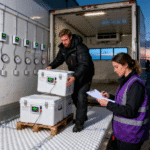
In frozen foods cold chain transportation, cross-docks are high-risk because you often lose power continuity and time control. If your network requires cross-docking, treat it like a critical control point:
-
استخدم handoff timer (مرئي, بسيط, enforced).
-
Move cold-to-cold wherever possible (even a chilled anteroom helps).
-
Instrument the lane with a few loggers so you stop guessing.
حالة عملية: A frozen bakery stabilized quality by staging cold-to-cold during peak season and assigning one supervisor to enforce transfer timing.
Which packaging stack best supports frozen foods cold chain transportation?
إجابة أساسية: Packaging in frozen foods cold chain transportation is your thermal “shock absorber.” It buys you time during real-world problems: مرور, dock delays, missed appointments, and last-mile stops. The best packaging is not the fanciest option—it’s the one you can run repeatably, with a simple pack recipe your team follows every shift.
If a reefer is your “engine,” packaging is your “seatbelt.” You don’t plan to crash, but you design for the moments when reality happens. في 2025, frozen foods cold chain transportation is often won or lost by lane-specific packaging recipes.
Dry ice vs gel packs for frozen foods: choose by lane
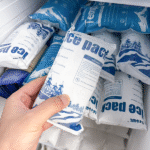
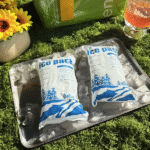
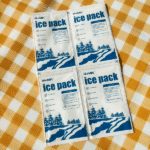
Dry ice is around -109° f (-78.5درجة مئوية), which is why it can hold frozen conditions longer. But it adds handling steps and safety requirements. Gel packs are easier and more repeatable, but may struggle in hot lanes or long durations. Use this comparison to choose your coolant strategy for frozen foods cold chain transportation.
| خيار المبرد | نقاط القوة | حدود | Best use case for you |
|---|---|---|---|
| الجليد الجاف | بارد جدا, strong hold time, مضغوط | التعامل, تهوية, sublimation variability | Long parcel lanes, الطقس الحار, premium desserts |
| حزم هلام | سهل, مرن, قابل للتكرار | Less extreme cold; can underperform in heat | Short/medium lanes, dense products, stable workflows |
| لوحات PCM | Stable “plateau” temperature | ثقيل; needs conditioning equipment | Regional distribution, predictable docks |
| هجين (الثلج الجاف + هلام/PCM) | برودة متوازنة + استقرار | More steps and variables | وحدات SKU مختلطة, variable lane duration |
Packaging layers that reduce risk
| طبقة | ماذا يفعل | When you need it | ماذا يعني لك |
|---|---|---|---|
| بطانة + ختم | Reduces moisture loss | Long exposure, dry environments | نسيج ومظهر أفضل |
| الشاحن المعزول | يبطئ اكتساب الحرارة | قطعة, الميل الأخير, محاور | More time to recover from delays |
| Pallet cover/shroud | Buffers door openings | طرق متعددة التوقف | Fewer edge-pallet losses |
| السيطرة على الفراغ | Reduces convection inside box | شحنات الطرود | More predictable performance |
| وضع المبرد | Defends likely heat entry points | الممرات الساخنة, ممرات طويلة | Higher “real-world” hold time |
تفاعلية: the 2-minute packaging recipe builder
Answer these four questions and pick a recipe you can standardize:
-
مدة المسار: 0–8h / 8- 24 ساعة / 24-48 ساعة / 48ح+
-
المخاطر المحيطة: خفيف / دافيء / حار (summer last-mile)
-
Stops & تسليم: قليل (0-2) / واسطة (3-6) / عالي (7+)
-
حساسية المنتج: قليل / واسطة / عالي (بوظة, المأكولات البحرية المتميزة)
Rule of thumb outputs (نقاط البداية):
-
0–8h, خفيف, low stops: insulated tote or basic insulation + minimal coolant
-
8- 24 ساعة, warm or medium stops: عزل أقوى + هلام أو PCM + strict sealing
-
24-48 ساعة, hot or high stops: نهج هجين (العزل + higher buffer + يراقب)
-
48ح+, الممرات الساخنة: design like a “network shipment” with redundancy and clear exception rules
Practical tips for packaging consistency
-
يخلق 2–3 lane-based pack recipes, لا 12 SKU-based variations.
-
Use placement photos: one photo prevents ten inconsistent packs.
-
Validate on your worst-case day, ليس يومك العادي.
حالة عملية: A DTC frozen brand stopped “adding more gel packs” and switched to two lane recipes (short vs long). Performance improved and packing became faster.
How do you monitor frozen foods cold chain transportation without data overload?
إجابة أساسية: Monitoring makes frozen foods cold chain transportation predictable. Your monitoring system should answer two questions: Did we stay frozen? و Where did we warm up? Use layered monitoring based on risk: reefer telematics for operations, independent loggers for proof, and dock checks for discipline. The goal is fewer surprises, not more spreadsheets.
Think of monitoring like a smoke alarm. If it’s too sensitive, people ignore it. If it’s too quiet, it’s useless. Good frozen foods cold chain transportation monitoring uses clear thresholds and clear actions.
Reefer trailer temperature monitoring: where to measure
| نقطة الرصد | What it measures | ماذا يخبرك | معنى عملي بالنسبة لك |
|---|---|---|---|
| Supply air | Unit output temperature | Reefer performance | Confirms equipment, not product |
| عودة الهواء | Air coming back warmer | تدفق الهواء + loading issues | Helps find blocked circulation |
| Near-product probe | Approx product environment | Product risk proxy | Better link to quality outcomes |
| Door event sensor | Door open/close duration | Handoff behavior | Explains warm spikes |
| In-box logger | Package experience | True parcel reality | Validates packaging + خط |
Practical alert rules that reduce noise
-
يستخدم درجة حرارة + وقت, not temperature alone.
-
Set two thresholds: تحذير (يشاهد) و فعل (intervene).
-
Escalate by role: driver → dispatch → dock lead → QA.
تفاعلية: 10-minute excursion response playbook
When an alert hits, your team needs a script. Use this simple playbook:
| الموقف | First action | Allowed fix | Evidence to save | ما يحمي |
|---|---|---|---|---|
| Door-open spike | Close and stabilize | Shorten stop; add buffer next run | وقت الباب + temp graph | Prevents repeat behavior |
| Traffic delay | Confirm setpoint + تدفق الهواء | Reroute, reduce stops | ETA + temp trend | Avoids slow warming |
| Cross-dock hold | Move cold-to-cold | Priority transfer | وقت السكن + صورة | Stops cycling damage |
| Equipment alarm | Verify power + unit status | Swap trailer or add cold storage | Alarm log + تقتيش | Saves high-value loads |
نصائح عملية لك
-
Place sensors where you expect the warmest شروط, not the easiest access.
-
Review exceptions weekly, but update SOPs monthly to avoid chaos.
-
Don’t try to monitor everything at once—start with your highest-claim lanes.
حالة عملية: One distributor discovered that “reefer failures” were actually airflow-blocked loads. Sensor placement exposed the pattern and claims dropped.
How do you build a HACCP plan for frozen transportation that people follow?
إجابة أساسية: A HACCP plan for frozen transportation should match how your operation really runs. اجعلها خفيفة الوزن: define hazards, define critical points (تسليم), monitor them, وتوثيق الإجراءات التصحيحية. For frozen foods cold chain transportation, the most practical critical points are time out of cold, الانضباط التحميل, و equipment readiness. If your plan is readable in five minutes, it gets used.
Compliance should feel like guardrails, not bureaucracy. Many food safety programs focus on preventing temperature abuse and maintaining sanitary conditions in transportation. Your job is to translate that into simple, repeatable checks.
HACCP-lite (frozen transport version)
-
Hazards: إساءة استخدام درجة الحرارة, التلوث المتبادل, packaging failure
-
Critical points: dock staging, cross-dock transfers, last-mile handoff
-
حدود: max time out of cold, trailer pre-cool verified, seal integrity checked
-
يراقب: قائمة المراجعة + logger review by lane risk
-
الإجراءات التصحيحية: isolate lot, وثيقة, إعادة تدريب, update SOP
FSMA-ready records in one page (what to keep)
| سِجِلّ | تكرار | مالك | ما يثبت | ماذا يعني لك |
|---|---|---|---|---|
| Trailer pre-cool verification | Every load | Loader | Cold start readiness | Prevents early drift disputes |
| Loading checklist | Every load | Dock lead | وقت الباب + sealing steps | Reduces variation by shift |
| Temperature log / المسجل | By lane risk | QA / العمليات | الرحلات + موقع | Claims defense + root cause |
| الصرف الصحي / prior-load check | المقرر | الناقل / العمليات | Clean and suitable equipment | Buyer confidence |
| Corrective action log | حسب الحاجة | QA | Learning loop | Stops repeat failures |
Practical tips for documentation that actually helps
-
Make exception reporting easy (صورة + 2 bullets beats a long form).
-
Store one “gold standard” pack photo per recipe and train to it.
-
Run a short monthly review: top two root causes, two fixes.
حالة عملية: A frozen meat shipper reduced audit stress by turning their loading SOP into a one-page checklist and a 10-minute training huddle.
How can you reduce cost without weakening frozen foods cold chain transportation?
إجابة أساسية: The cheapest shipment is the one you don’t have to re-ship. In frozen foods cold chain transportation, cost savings come from right-sizing packaging, qualifying lanes with data, and eliminating repeat exceptions. Avoid “saving” money by removing buffer blindly. بدلاً من, cut uncertainty first—because uncertainty is what makes you over-pack and over-cool.
Cost cutting should be a scalpel, not a chainsaw. When you improve predictability, you can reduce coolant, reduce box size, and reduce labor rework safely.
A simple cost-versus-risk matrix
| نوع المسار | خطر نموذجي | Smart investment | What you can usually reduce safely |
|---|---|---|---|
| قصير, يمكن التنبؤ به (0–8h) | قليل | SOP بسيط + الشيكات الفورية | Extra coolant “just in case” |
| واسطة, عامل (8- 24 ساعة) | واسطة | Stronger recipes + الحطابين | Packaging variants and labor |
| Long or networked (24ح+) | عالي | التكرار + real-time alerts | Emergency rework and claims costs |
Cost levers that don’t gamble with quality
| Cost lever | Common waste | Smart adjustment | ينفع لك |
|---|---|---|---|
| Right-size packaging | صناديق كبيرة الحجم, void | Match box to lane recipe | انخفاض الشحن + steady performance |
| Standardize pack recipes | Too many SKUs/variants | Keep 2–3 recipes | تعبئة أسرع, أخطاء أقل |
| Improve dock flow | الوقت للخروج من البرد | Appointments + timers | انخفاض معدل المطالبات |
| Reduce returns loops | Re-ships | Clear delivery windows | Lower total shipping cost |
| Lane qualification | Guesswork buffer | Test worst-case lanes | Reduce over-pack safely |
Practical tips for quick savings
-
Measure claims as a percent of revenue so trade-offs are visible.
-
Identify “repeat offenders” (one hub or route causes most problems).
-
Validate changes on the worst lane before rolling out broadly.
حالة عملية: A frozen snack brand created two pack recipes (short vs long lanes). Coolant use dropped, and complaint volume fell.
How do you win last-mile frozen foods cold chain transportation?
إجابة أساسية: Last-mile is the most fragile stage of frozen foods cold chain transportation because it combines multiple stops, traffic variability, and door-open events. Treat last-mile as its own cold chain, with its own packaging buffer and timing rules. If long-haul is your backbone, last-mile is your hands—where most damage happens.
Even perfect linehaul can fail in the final miles. The fix is to reduce uncontrolled time: shorter delivery windows, route zoning, and packaging that buys time when drivers are delayed.
Last-mile frozen delivery packaging: the repeatable method
| Last-mile challenge | ما يجب القيام به | لماذا يعمل | معنى عملي بالنسبة لك |
|---|---|---|---|
| توقفات كثيرة | Zone routes | Fewer door events per route | أكثر درجات ثبات |
| Unpredictable traffic | إضافة وقت المخزن المؤقت + العزل | Reduces warm spikes | مبالغ مستردة أقل |
| Doorstep delays | Short delivery windows | Less exposure at the end | Better “arrives hard-frozen” rate |
| Mixed temp products | Separate frozen from chilled | Prevents compromise | Cleaner receiving decisions |
Last-mile checklist you can hand to a team today
-
Pre-stage frozen orders في التخزين البارد, not ambient staging.
-
يستخدم حقائب معزولة للطرق متعددة التوقف.
-
مسار وقت فتح الباب as a KPI (simple timer works).
-
Place one logger in the highest-risk tote/box each run.
-
Define “success” as درجة حرارة + حالة, not just delivered.
حالة عملية: A frozen seafood seller reduced re-ships by holding parcels cold until the final dispatch wave and tightening delivery windows on hot days.
2025 trends shaping frozen foods cold chain transportation
في 2025, frozen foods cold chain transportation is being shaped by three practical forces: growing direct-to-consumer volume, higher customer expectations (“hard-frozen on arrival”), and stronger pressure to prove temperature control during disputes. The winners are not the teams with the most gadgets. They are the teams with repeatable processes and fast dock decisions.
What’s changing—and how you benefit
-
More lane-specific packaging: fewer “one box fits all,” more recipes tied to delivery windows.
-
More real-time visibility downstream: monitoring expands from linehaul into cross-docks and last-mile.
-
More focus on reusables: sustainability pressure pushes right-sizing and reusable systems.
-
More disciplined exception handling: faster playbooks reduce total loss cost.
Frequently asked questions about frozen foods cold chain transportation
س 1: What is the safest frozen food shipping temperature range for most products?
بالنسبة لمعظم الشحنات, a practical target is 0° f (-18درجة مئوية) أو أكثر برودة, with minimal warm spikes. The real goal in frozen foods cold chain transportation is stability, because repeated cycling damages texture. Always align with your product spec and buyer acceptance rules.
Q2: Is dry ice always better than gel packs for frozen foods?
ليس دائما. Dry ice is powerful for long or hot lanes, but it adds handling steps and variability. Gel packs are easier and more repeatable for short to medium lanes. Choose based on lane duration, توقف, and your team’s ability to execute consistently.
س 3: How do I know where temperature excursions happen?
Start with a lane qualification run using a few in-box loggers and at least one trailer measurement point. Then line up spikes with timestamps for loading, إرساء السفن, and last-mile stops. Frozen foods cold chain transportation improves fastest when you fix the single biggest spike source first.
س 4: How long can frozen food sit on a dock during loading?
There is no universal number because products, التغليف, and ambient conditions vary. Set a max time based on lane tests and enforce it with a timer-based SOP. If your team cannot measure it, لا يمكنهم السيطرة عليه.
س 5: What’s the biggest hidden risk in frozen foods cold chain transportation?
Unplanned “in-between time.” Docks, عبر الاحواض, missed appointments, and repeated door-open events usually do more damage than highway miles. Control handoffs before you buy more coolant.
س6: Do I need data loggers for every frozen shipment?
ليس دائما. Use a risk-based approach: loggers for new lanes, high-value SKUs, networked routes, and dispute-heavy customers. Once a lane is validated, you can reduce logger frequency while keeping spot audits.
س7: What should I do when an excursion happens?
Record the event, isolate the affected lot, and follow your corrective action rules. Focus on preventing repeat causes: dock dwell, sealing errors, airflow-blocked loading, or stop density. A simple response playbook beats improvisation every time.
Q8: How can I reduce claims without increasing packaging cost?
Fix handoffs first. Clear staging limits, التبريد المسبق, pack recipe discipline, and targeted monitoring usually reduce claims faster than adding insulation. Once performance is stable, you can right-size cost safely.
ملخص وتوصيات
Frozen foods cold chain transportation is reliable when you control handoffs, keep products hard-frozen (غالباً 0° f / -18درجة مئوية أو أكثر برودة), and standardize packaging and monitoring by lane. Most losses come from repeated warm–cold cycling, not one single failure. Start by setting a max time out of cold at each handoff, then validate your highest-risk lanes with simple monitoring. Once stability improves, reduce cost by right-sizing packaging and cutting re-ships.
خطوتك التالية (simple 7-day action plan)
-
اليوم 1-2: Create two pack recipes (short lane, حارة طويلة).
-
يوم 3: Add max time out of cold for loading and cross-dock.
-
Day 4–5: Run a lane test with a few loggers and review spikes.
-
يوم 6: Update SOPs with photos and a short training huddle.
-
يوم 7: Review top two root causes and pick one fix for next week.
حول Tempk
و Tempk, we support frozen foods cold chain transportation with practical thermal packaging and workflow guidance. We help you match insulated shippers, حاويات قابلة لإعادة الاستخدام, and coolant strategies to your lane length, المخاطر المحيطة, وحساسية المنتج. We also emphasize repeatable pack recipes and monitoring-ready designs, so your team can reduce temperature surprises and simplify claims resolution.
الخطوة التالية: مشاركة ملف تعريف المسار الخاص بك (وقت الطريق, توقف, الظروف المحيطة, ودرجة الحرارة المستهدفة). We’ll help you map packaging + monitoring so your frozen foods cold chain transportation stays stable, قابل للتدقيق, and cost-smart.