هلام الطوب الغذاء: اختيار الحزمة المناسبة دون التخمين
The safest way to choose gel brick food is to begin with the product limit and the route risk, ثم قرر ما إذا كان الطوب الهلام الصلب ينتمي إلى العبوة. For food delivery and food distribution, يجب الحكم على الطوب من خلال كيفية أدائه مع الحمولة الفعلية, العزل, طريقة التكييف, وعملية التعامل. القرار الجيد يقلل من مخاطر درجة الحرارة دون إضافة وزن غير ضروري, يكلف, أو التعقيد التشغيلي.
قاعدة القرار البسيط
استخدم الطوب الهلامي عندما يحل مشكلة حرارية محددة داخل نظام معزول. لا تستخدمه كرمز عام لحماية سلسلة التبريد. Food temperature requirements depend on product type, القواعد المحلية, خطة تحليل المخاطر ونقاط المراقبة الحرجة, and whether the product is chilled, المجمدة, or ambient stable. في الولايات المتحدة. إرشادات السلامة, cold food is commonly kept at 40°F or below. وهذا يعني أن متطلبات الشراء الأولى هي نطاق المنتجات وملف تعريف التعرض, ليس رقم كتالوج الطوب. بمجرد أن يصبح نطاق المنتج واضحًا, يمكن للمشتري أن يقرر ما إذا كان يجب تجميد الطوب أم لا, مبردة, خفف, منفصلة عن المنتج, وضعت حول الجانبين, أو يقترن بمستوى عزل مختلف.
القاعدة العملية هي هذه: الطوب الهلام مناسب عندما يكون النطاق المطلوب, مدة الطريق, كتلة الحمولة, ويمكن مطابقة تصميم العبوة وتكرارها. يصبح الأمر محفوفًا بالمخاطر عندما تكون تلك المدخلات غير معروفة. The common failure is designing for the average route while ignoring loading time, مسكن المركبة, فتحات الأبواب, residential delivery delays, وتلقي السلوك. يتعامل المشتري الحذر مع الأشياء المجهولة كأسئلة اختبارية بدلاً من ملء الفجوة بحجر أكبر.
قم بالبناء حول النقطة التي من المرجح أن تفشل فيها الشحنة
معظم الشحنات لا تفشل بالتساوي. يفشلون في نقاط التسليم. قد يغادر الكرتون غرفة باردة ويجلس على مقعد أثناء طباعة الملصقات. قد يقوم البريد السريع بالتحصيل في وقت لاحق عما هو مخطط له. قد تنتظر البليت في منطقة دافئة قبل التحميل. قد يقبل المتلقي التسليم ولكن لا يقوم بتفريغ العبوة على الفور. تشكل هذه النقاط التحدي الحراري أكثر من الجدول الزمني للناقل النظيف.
For food delivery and food distribution, هذا هو المكان الذي يجب أن يتم فيه اختبار الضغط على العبوة. إذا كان الخطر هو التبريد الزائد المبكر, إضافة المخزن المؤقت أو ضبط التكييف. إذا كان الخطر هو الاحترار المتأخر, مراجعة العزل, كتلة الطوب, توقيت الطريق, والحمولة. إذا كان الخطر هو سوء تلقي السلوك, تحسين التسميات, تعليمات, أو المراقبة. لا يمكن للطوب الهلامي إصلاح كل نقطة ضعف, ولكن يمكن اختيارها بذكاء أكبر عند تسمية نقطة الضعف.
| نقطة القرار | علامة جيدة | علامة تحذير |
|---|---|---|
| متطلبات المنتج | يتم تحديد نطاق درجة الحرارة وحساسية التجميد قبل أخذ العينات. | يُطلب من المورد فقط الحصول على لبنة عامة طويلة الأمد. |
| الملف الشخصي للطريق | عبور, التدريج, تسليم, ويتم تضمين تأخير الاستلام. | يتم أخذ وقت عبور البريد السريع فقط بعين الاعتبار. |
| تصميم الحزمة | موقع الطوب, طبقة عازلة, مساحة الحمولة, ويتم توثيق الإغلاق. | يقوم المشغلون بارتجال التنسيب أثناء التعبئة. |
| شهادة | تتطابق بيانات الاختبار أو التجربة مع الحمولة والافتراضات المحيطة. | يتم نقل مطالبة وقت الانتظار دون شروط. |
| السيطرة على نطاق واسع | العينات المعتمدة, وحدات الإنتاج, تسميات, وتبقى تعليمات عمل التعبئة متسقة. | حجم الطوب, يملأ, أو يتغير المربع بعد الموافقة عليه دون مراجعة. |
جدول القرار هذا عملي عمدا. لا يسأل ما إذا كان الطوب جيدًا أم سيئًا بشكل عام. ويسأل عما إذا كان لدى المشتري معلومات كافية للموافقة على الطوب لحزمة معينة. إذا ظهرت علامة تحذير, يجب أن تكون الخطوة التالية هي الاختبار أو إعادة التصميم, ليس الشراء بالجملة.
المواصفات تستحق التأكيد قبل الشراء
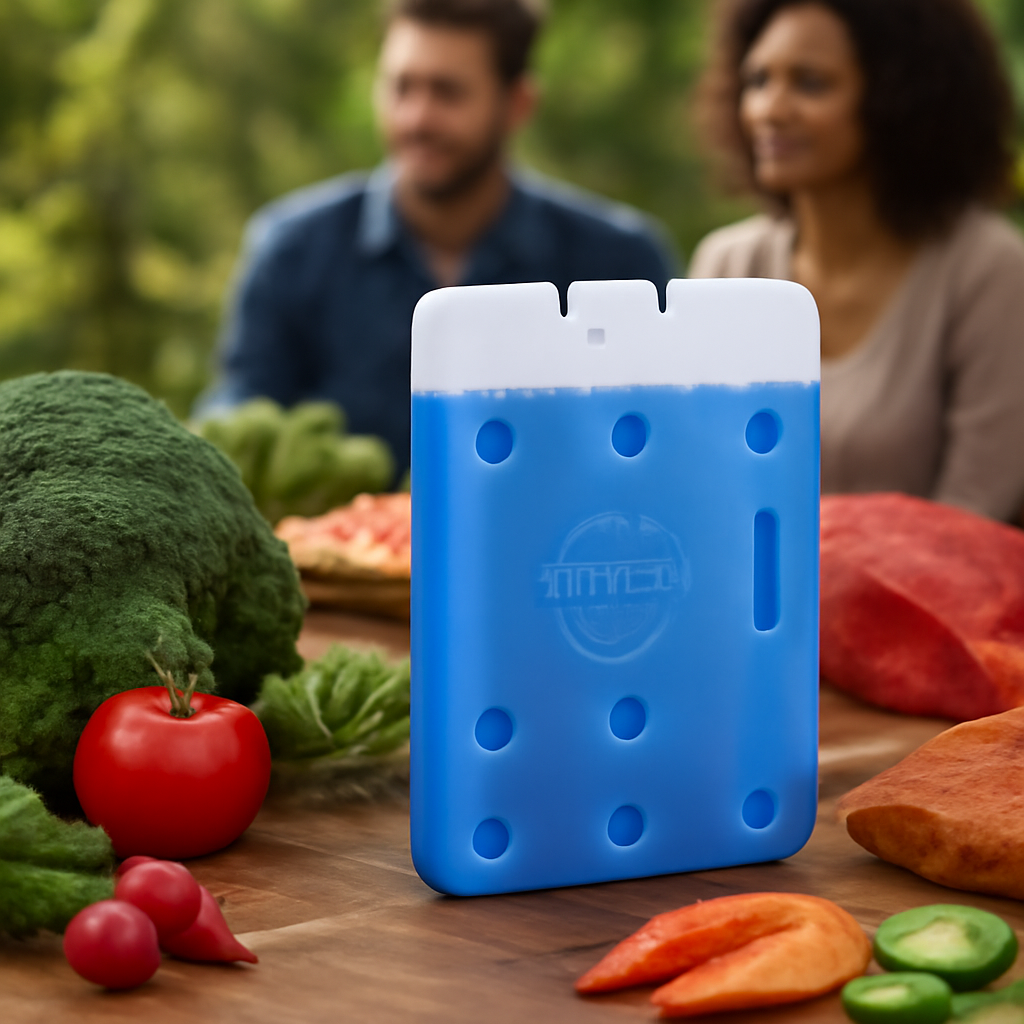
The most useful specifications for gel brick food are not always the most promotional ones. تأكيد الأبعاد الخارجية, الوزن المملوء, مادة القشرة, تصميم الإغلاق, التكييف الموصى به, تعبئة الكرتون, وما إذا كان الطوب مخصصًا للتعامل القابل لإعادة الاستخدام. ثم قم بتوصيل هذه المواصفات إلى الشاحن. هل سيترك الطوب مساحة صالحة للاستخدام للمنتج؟? هل سيضغط على العبوة الأولية الهشة? هل يمكن للمشغلين وضعه بنفس الطريقة في كل مرة? هل يستطيع الفريزر استيعاب ما يكفي من الطوب لطلبات الذروة؟?
للشحنات الفنية أو المنظمة, اسأل أيضًا عن الأدلة التي تدعم الحزمة. قد يكون الدليل بمثابة اختبار للمورد, محاكمة داخلية, اختبار حراري لطرف ثالث, أو بروتوكول التأهيل حسب المخاطر. النقطة المهمة هي مطابقة الشرط. يكون بيان وقت الانتظار مفيدًا فقط عندما يكون الملف الشخصي المحيط, حمولة, كمية الطوب, طريقة التكييف, ويشبه نطاق القبول الشحنة التي تخطط لتشغيلها.
عندما يكون الطوب الهلامي خيارًا أفضل من البدائل
قد يكون الطوب الهلامي الصلب خيارًا أفضل من الثلج السائب عند التسرب, مياه مجانية, مظهر الكرتون, ومواد التعبئة المتكررة. وقد يكون أفضل من المرونة حزمة هلام عند وضع ثابت, تكديس, التعامل مع العودة, ومسألة المتانة. وقد يكون أفضل من الثلج الجاف عندما تحتاج الشحنة فقط إلى دعم مبرد ويريد المشتري تجنب تسامي ثاني أكسيد الكربون, تهوية, والتعامل مع البضائع الخطرة. لكن هذه المقارنات مشروطة, ليست عالمية.
They are not a substitute for food safety controls, الصرف الصحي, تخطيط الطريق, or product-specific shelf-life validation. إذا كانت الشحنة تحتاج إلى درجة حرارة منخفضة للغاية, التحكم النشط, التعامل الطبي المعقم, الظروف الخاصة بمكونات الدم, الحفاظ على زرع, أو مؤهل صارم خاص بالمنتج, يجب مراجعة قرار الطوب الهلامي ضمن هذا المطلب الأوسع. لا ينبغي للمشتري أبدًا خفض مستوى استراتيجية التبريد لمجرد أن الطريق باهظ الثمن أو أن الأعمال الورقية غير مريحة.
سير العمل من العينة إلى الإنتاج
يبدأ سير العمل المنضبط بملف شحنة مكتوب. يتضمن هذا الملف الشخصي نوع المنتج, درجة الحرارة المستهدفة, حساسية التجميد, حجم الحمولة, نوع الشاحن, خط, مدة, التعرض الموسمي, سلوك المتلقي, ومتطلبات الأدلة. يوصي المورد بعد ذلك بتنسيق الطوب ومفهوم التعبئة والتغليف. يقوم المشتري باختبار أو تجربة المفهوم باستخدام الحمولة الحقيقية وتوثيق طريقة التعبئة. بعد المراجعة, تصبح العينة المعتمدة هي خط الأساس للإنتاج.
For food delivery and food distribution, يجب أن يحدد خط الأساس ما لا يمكن تغييره دون مراجعة: حجم الطوب, يملأ, صدَفَة, كمية, تكييف, الموضع, الشاحن, بطانة, المخزن المؤقت, عدد الحمولة, وترتيب التعبئة. هذا هو المكان الذي تفقد فيه العديد من البرامج السيطرة. يوافق فريق الشراء على عينة واحدة, لكن الإنتاج يتلقى لاحقًا لبنة مختلفة قليلاً أو يحزمها في موضع مختلف. السيطرة على التغيير لا تحتاج إلى أن تكون بيروقراطية; إنه ببساطة يبقي الواقع التشغيلي مرتبطًا بالأدلة المعتمدة.
مثال عملي: إصلاح المشكلة الخاطئة
Imagine a shipment of prepared foods, مجموعات الوجبات, ينتج, fresh ingredients, المشروبات المبردة, حشوات المخابز, and mixed perishable parcels arrives with a borderline temperature record. رد الفعل الأول هو إضافة المزيد الطوب هلام. يسأل التحقيق الأفضل أين حدثت الرحلة. إذا حدثت الفترة الدافئة بعد الولادة, قد يكون سلوك المتلقي هو المشكلة. إذا حدثت الفترة الدافئة قرب نهاية العبور, قد يحتاج العزل أو التعرض للطريق إلى الاهتمام. إذا ظهر إنذار البرد مبكرا, قد تكون المشكلة هي التبريد الزائد من الاتصال المباشر أو عدم كفاية درجة الحرارة. فالطوبة جزء من الإجابة فقط بعد فهم نقطة الفشل.
هذا المثال مهم لأن التصحيح الزائد شائع. يمكن أن تؤدي إضافة سائل التبريد إلى زيادة وزن الشحن, تقليل مساحة الحمولة, وخلق خطر التجميد. يمكن أن يؤدي تغيير العزل إلى تحسين الاستقرار ولكنه يزيد التكلفة وحجم التخزين. قد يؤدي تغيير المسار إلى حل المشكلة دون تغيير الحزمة. وبالتالي فإن القرار الجيد بشأن الطوب الهلامي يعد قرارًا لوجستيًا بقدر ما هو قرار يتعلق بالمنتج.
أدوات اتخاذ القرار مفيدة
تحقق من التفاصيل قبل اختيار التغليف
يمكن أن تساعدك هذه الأدوات السريعة في مقارنة مخاطر المسار, احتياجات التحجيم, خيارات المبرد, وتفاصيل التعبئة والتغليف قبل أن تطلب عرض أسعار.
مقاومة سقوط المواد العازلة
مراجعة مقاومة السقوط وعوامل المناولة قبل اختيار المواد العازلة.
تحقق من المقاومةحاسبة الثلج الجاف
تقدير احتياجات الثلج الجاف للشحنات المجمدة أو شديدة البرودة قبل التعبئة.
تقدير الثلج الجافمحدد التعبئة والتغليف
قارن بين خيارات التغليف المعزولة حسب المنتج, طريق, ودرجة الحرارة اللازمة.
البحث عن التعبئة والتغليفالتعليمات
When should I choose gel brick food?
اختره عندما يتناسب مصدر التبريد الصلب القابل لإعادة الاستخدام مع نطاق درجة الحرارة المطلوبة, هندسة الحزمة, مدة الطريق, وعملية التشغيل. لا تخترها فقط لأن الكلمة الرئيسية تبدو ذات صلة بتوصيل الطعام وتوزيعه.
ما هي المعلومات التي يجب أن أقدمها للمورد أولاً؟?
ابدأ بنوع المنتج, نطاق درجة الحرارة المطلوبة, حساسية التجميد, حجم الحمولة والوزن, نوع الشاحن, وقت العبور, التعرض المحيطي, مخاطر الطريق, وما إذا كانت بيانات المراقبة أو التأهيل مطلوبة.
ما هي الطريقة الأكثر أمانا للموافقة على العينة?
الموافقة على العينة فقط بعد التحقق من الطوب الفعلي, التعبئة والتغليف مناسبة, تعليمات التكييف, الأداء التجريبي, وضع العلامات, عمالة التعبئة, واتساق الإنتاج. احتفظ بسجل لما لا يمكن تغييره بعد الموافقة.
هل يمكن لنفس الطوب الهلامي أن يخدم شحنات المواد الغذائية والأدوية?
في بعض الأحيان قد يبدو الطوب المادي مشابهًا, لكن متطلبات الأدلة والإجراءات مختلفة. عادةً ما تحتاج الشحنات الصيدلانية والطبية إلى وثائق أكثر صرامة, مراجعة الجودة, وتغيير السيطرة على توزيع المواد الغذائية العادية.
ملاحظات إضافية للمشتري قبل الموافقة
For food delivery and food distribution, يجب أن يفصل اجتماع الموافقة بين مخاطر المنتج وتفضيلات التغليف. قد يحب الفريق الشكل النظيف للطوب الصلب, ولكن لا يزال يتعين على القرار الإجابة على ما إذا كان المنتج محميًا خلال الجزء الأسوأ المتوقع من المسار. قد يكون هذا الجزء هو مقعد المستودع أثناء انتقاء الطلبات, رصيف التحميل قبل التقاط الناقل, عقد جمركي, شاحنة الميل الأخير في الصيف, أو منطقة الاستلام حيث لا يتم فتح الكرتون على الفور. تقوم المراجعة المفيدة بتسمية تلك اللحظات بدلاً من الاعتماد على وعد واسع بوقت التبريد.
يجب أن تؤكد مرحلة العينة أيضًا الجانب الإنساني من العبوة. يحتاج المشغلون إلى معرفة أي جانب من الطوب يواجه الحمولة, ما إذا كانت هناك حاجة إلى ورقة عازلة, كم عدد الطوب يذهب أعلاه, بجانب, أو أسفل المنتج, وما إذا كان من الممكن استبدال الطوب عندما يكون المخزون قصيرًا. إذا كان من الصعب جدًا اتباع التعليمات أثناء نوبة العمل المزدحمة, قد تكون النتيجة الميدانية أسوأ من نتيجة المختبر. بسيطة, غالبًا ما تكون الطريقة القابلة للتكرار أكثر أمانًا من التصميم الذي يعمل فقط عندما يقوم أحد الخبراء بتجميعه بشكل مثالي.
نقطة أخرى هي التحكم في التغيير. بعد قبول عينة الطعام من الطوب الهلامي, يجب على المشتري أن يقرر التفاصيل المقفلة: حجم الطوب, نوع التعبئة, تصميم قذيفة, طريقة التكييف, نوع الصندوق, مادة بطانة, عدد الحمولة, وترتيب التعبئة. حتى التغيير البسيط يمكن أن يحرك النقطة الأكثر برودة أو يقصر نافذة الحماية. في الممرات المنظمة أو ذات القيمة العالية, ويجب مراجعة التغييرات قبل متابعة أوامر الإنتاج المنتظمة.
يؤدي تلقي التفتيش إلى إغلاق الحلقة. إذا رأى المتلقي الطوب المنصهر, قذائف متشققة, كرتونة مبللة, الحمولة المنقولة, أو إنذار مسجل, يجب تسجيل النتائج وربطها مرة أخرى بظروف المسار. تساعد هذه التعليقات المشتري على تحديد ما إذا كانت المشكلة ناجمة عن تصميم العبوة أم لا, تكييف غير كاف, تأخير المستودع, التعرض الناقل, أو تلقي السلوك. بدون تلك الحلقة, يمكن أن تتكرر نفس مشكلة الشحن بموجب أمر شراء جديد.
يحتاج قسم المشتريات أيضًا إلى التحقق من اقتصاديات التعبئة والتغليف دون تحويل المقالة إلى قائمة أسعار. تكلفة الوحدة ليست سوى جزء واحد من القرار. مساحة الفريزر, وزن الكرتون, معدل العودة, استبدال الطوب التالف, عمالة التعبئة, عزل إضافي, الشحنات المرفوضة, ووقت التحقيق كلها تنتمي إلى صورة التكلفة العملية. يمكن أن يكون الطوب الرخيص مكلفًا إذا كان يخلق موضعًا غير متوقع, متانة ضعيفة, أو ارتفاع معدل الشكوى. يمكن أن يكون الطوب الأقوى أيضًا مهدرًا إذا كان المسار يحتاج فقط إلى حزمة دعم خفيفة ومبردة.
لتوصيل المواد الغذائية المتكررة وشحنات توزيع المواد الغذائية, يجب على المشتري بناء سجل قرار صغير. يمكنه إدراج الطوب المعتمد, طَرد, حمولة, عائلة الطريق, طريقة التكييف, مخطط التعبئة, اختبار أو مرجع تجريبي, واستلام الشيكات. يجعل هذا السجل عملية إعادة الترتيب أسهل ويقلل من فرصة موافقة عضو مختلف في الفريق على قالب طوب مماثل على ما يبدو يغير السلوك الحراري. كما أنه يساعد عندما يكون الموزع, مراجع الجودة, أو يسأل مدير العمليات عن سبب ملاءمة مادة التبريد المحددة.
يجب أن يكون التدريب قصيرًا ولكن محددًا. لا يحتاج المعبئون إلى وثيقة نظرية طويلة; إنهم بحاجة إلى معرفة مدى برودة الطوب, متى يتم إخراجها من الفريزر, أين تذهب, ما هي الأسطح التي تحتاج إلى الانفصال؟, كيفية إغلاق الصندوق, وماذا تفعل إذا كان الطوب الصحيح غير متوفر. يحتاج المستلمون إلى معرفة كيف يبدو الوصول الطبيعي وما هي العلامات التي تتطلب الإبلاغ. إن الحزمة التي تعتمد على المعرفة القبلية هشة.
خاتمة
إن القرار الصحيح بشأن الغذاء المصنوع من الطوب الهلامي يعتمد على الأدلة. تحديد متطلبات المنتج, تحديد خطر الطريق, اختر النظام المعزول, تكييف التحكم والتنسيب, والتحقق من النتيجة قبل التوسع. يمكن أن يكون الطوب الهلامي الصلب نظيفًا, قابل لإعادة الاستخدام, ومكون التبريد القابل للتكرار, ولكن لا ينبغي أبدًا معاملتها ككل حل السلسلة الباردة.
حول Tempk
يوفر تيمبك تغليف السلسلة الباردة دعم المكونات والحلول للشركات التي تقوم بشحن المواد الغذائية, الأدوية, المنتجات الطبية, مواد التكنولوجيا الحيوية, وغيرها من السلع الحساسة لدرجة الحرارة. لقرار جل الطوب, القيمة العملية هي في مطابقة المبرد, العزل, حمولة, التعرض للطريق, وتعليمات عمل التعبئة. يمكن لـ Tempk مساعدة المشترين على مراجعة هذه المدخلات قبل الانتقال من تقييم العينة إلى الطلبات العادية.
إرسال Tempk الطريق, نطاق درجة حرارة المنتج, تفاصيل الحمولة, وقيود التعبئة والتغليف بحيث يمكن مراجعة تكوين الطوب الهلام الموصى به مقابل ظروف التشغيل الحقيقية.