Starting a creamery in Britain involves more than just love of dairy – it means keeping milk and other products at precise temperatures to protect public health and meet UK food laws. The main rule is that chilled foods must be kept at or below 8 درجة مئوية, with a recommended target of 5 درجة مئوية. As soon as milk leaves the udder it must be cooled quickly, stored and processed under tight temperature control. If you hope to run a small creamery on a limited budget, this article will show you exactly what the 2025 regulations require and how smart choices can keep your operations compliant and cost effective.
We’ll answer key questions like how cold milk must be before collection, what pasteurisation conditions the law demands, how to transport dairy products safely, and what registration steps you need to take. بحلول النهاية, you’ll understand how to combine safety, sustainability and affordability in your creamery.
This guide covers:
Legal temperature limits and cooling requirements – including the 8 °C rule and pasteurisation times.
Affordable facility design – cost factors such as insulation and refrigeration, plus strategies to reduce energy bills.
Safe transport and storage – what temperatures apply during distribution and how to maintain them.
Regulatory obligations – registration, record keeping and contract transparency rules.
2025 اتجاهات الصناعة – how new business rate reforms and monitoring technologies will affect your creamery.
ما هي UK temperature regulations for dairy products?
ال 8 °C rule for chilled foods
The UK Food Safety and Hygiene (England) Regulations require foods that support pathogenic growth to be kept at أو أدناه 8 درجة مئوية, with an operating target of 5 درجة مئوية to allow for fluctuation. This standard applies throughout production, يعالج, storage and sale. لبن, cream and cheese are particularly high risk and must comply with this limit from milking through to delivery. For milk collection, the Food Standards Agency’s dairy inspection manual instructs that bulk tank milk temperature must not exceed 8 °C when collected daily or 6 °C when collection is less frequent, and cooling must start immediately after milking.
لماذا يهم: Keeping chilled products below 8 °C slows bacterial growth and prevents spoilage. Exceeding this limit makes food unsafe and can lead to enforcement action or customer illness. أ target of 5 درجة مئوية gives a buffer for temperature fluctuations during handling.
Pasteurisation: heat treatment for safety
Milk pasteurisation is mandatory for most retail products and involves heating every particle of milk to a specific temperature for a defined time. ال منتجات الألبان (صحة) أنظمة 1995 state that pasteurised milk must undergo a high temperature short time process: 71.7 درجة مئوية على الأقل 15 ثوان or an equivalent time–temperature combination.. The Dairy Council of Northern Ireland describes the modern High Temperature Short Time (HTST) process as heating milk to 71.7 درجة مئوية (also quoted as 71.7 درجة مئوية أو 72 درجة مئوية) for 15–25 seconds followed by rapid cooling to أقل 3 درجة مئوية to lock in freshness. Ultra high temperature (UHT) لبن uses temperatures above 135 °C for at least one second..
لماذا يهم: Pasteurisation kills pathogens without significantly changing taste. Strict time–temperature combinations ensure complete inactivation of bacteria like Listeria and Salmonella while preserving quality. Cooling quickly to below 3 °C prevents re contamination and preserves nutrients.
Holding temperatures for hot and frozen foods
Dairy products are not only sold cold; some are heated or frozen during processing. The Food Standards Agency’s guidance on temperature control notes that foods supporting bacterial growth must be kept عند أو أقل 8 درجة مئوية أو أعلى 63 درجة مئوية. Cooked products (على سبيل المثال, milk used in custards or heated cream) should be held فوق 63 درجة مئوية during processing. High Speed Training’s transport guide adds that hot foods must be kept above 63 درجة مئوية, chilled foods at 5 درجة مئوية أو أقل, و frozen foods at –18 °C or lower during transport. Commercial freezers generally operate between –18 °C and –21 °C..
لماذا يهم: Holding temperatures outside the 8–63 °C “danger zone” stops pathogenic bacteria from multiplying. Frozen storage at –18 °C or colder preserves quality and ensures ice cream or frozen yogurt remain safe until consumption.
Exceptions and tolerance periods
Although chilled foods must stay below 8 درجة مئوية, there are limited exemptions. The Food Standards Agency guidance allows upward variations for specific processes such as cheese ripening or mail order foods, provided safety is demonstrably maintained. Food can also be displayed outside temperature control for less than four hours (على سبيل المثال, on a market stall), after which it must be used immediately or discarded. Scotland has no specific legal maximum temperature but recommends using 8 °C as guidance.
Pasteurisation and milk processing explained
Why pasteurisation matters for small creameries
Pasteurisation kills harmful bacteria while preserving flavour and nutritional value. Unpasteurised (خام) لبن may contain pathogens that can cause severe illness. For small creameries, adopting a reliable pasteurisation system ensures compliance and builds consumer trust. The high temperature short time (HTST) method is efficient and widely used because it heats milk to 71.7 ° C للعادل 15 ثوان.. التبريد السريع ل 3 °C prevents bacteria from regrowing.
Small scale pasteurisers range from tabletop units processing 15 litres to larger vats up to several hundred litres. While specific prices vary, they represent a relatively modest investment compared with the cost of building a full cold store. When choosing equipment, بحث التحكم التلقائي في درجة الحرارة, proper agitation to ensure all milk is heated evenly, و chart recorders or digital logs to prove compliance. Portable units allow microdairies to pasteurise milk for cheese or yogurt without installing large systems.
طاولة 1 – Key temperature limits for dairy processing
| المعلمة | متطلبات | معيار (المملكة المتحدة) | ماذا يعني لك |
| Bulk milk temperature before collection | ≤ 8 درجة مئوية (daily collection) or ≤ 6 درجة مئوية (less frequent) | FSA dairy hygiene manual | Start cooling immediately after milking; use refrigerated bulk tanks to maintain temperature until transport. |
| Pasteurisation (HTST) | ≥ 71.7 °C for ≥ 15 ق. | منتجات الألبان (صحة) أنظمة 1995 | Invest in equipment that reliably reaches this temperature/time and records data. |
| Chilled food storage & ينقل | ≤ 8 درجة مئوية (هدف 5 درجة مئوية) | Food Safety and Hygiene Regulations & CFA | Maintain refrigerator set points at 5 درجة مئوية أو أكثر برودة; monitor with data loggers during transport. |
| عقد ساخن | ≥ 63 درجة مئوية | FSA guidance | Keep soups, custards or processed dairy above this temperature to avoid bacterial growth. |
| تخزين مجمد | ≥ -18 درجة مئوية (often –18 °C to –21 °C) | High Speed Training & الجيش السوري الحر | Use freezers that maintain –18 °C; monitor for warm spots and defrost cycles. |
| Display without temperature control | ≤ 4 ساعات | FSA guidance | Plan markets or tastings carefully; discard leftovers after time expires. |
| Rapid cooling after pasteurisation | Cool to ≤ 3 °C quickly | Dairy Council NI | Use chillers or ice-water jacket to drop temperature quickly and prevent bacterial regrowth. |
Visual overview of the cold chain
To help you visualise how temperature control works from farm to table, the following infographic illustrates each stage of the dairy cold chain: milking on the farm, cooling in bulk tanks, pasteurisation and rapid cooling, refrigerated transport and retail display. Temperature markers show the legal limits at each stage.
Practical tips for pasteurisation
اختر السعة المناسبة: Match your pasteuriser to your production volume. A 30 litre vat may suit a microdairy producing fresh cream, while 200 litre units serve small cheese makers. Scaling gradually avoids overspending.
Ensure even heating: Continuous agitation inside the vat ensures all milk reaches the required temperature and prevents scorching. Some units have built in mixers; others require manual stirring.
Automate monitoring: Digital thermometers, timers and chart recorders provide records for inspectors. Many modern systems integrate with mobile apps so you can check temperatures remotely.
التبريد السريع: Immediately after heating, transfer the milk through a plate heat exchanger or ice water jacket to bring it below 3 درجة مئوية. Delay increases the risk of contamination.
الصرف الصحي: Clean pasteurisation equipment thoroughly between batches. Milk residues support bacterial growth and biofilm formation.
دراسة حالة: A small goat farm in Devon installed a 50 litre HTST pasteuriser with digital recording. By cooling milk to 3 °C within minutes after pasteurisation, they reduced bacterial counts by over 99.9% and extended shelf life from two to seven days. The ability to show temperature records during inspections increased customer confidence and allowed the farm to sell in local shops.
Designing an affordable temperature controlled creamery
Understanding cost drivers
Building or upgrading a creamery requires careful budgeting. Unlike a standard warehouse, cold storage facilities must maintain precise temperatures. أ 2025 construction analysis found that cold storage warehouses cost roughly $130–$350 per square foot, two to three times more than conventional warehouses. The high cost reflects high efficiency refrigeration systems, عزل سميك, vapor barriers and regulatory compliance. لكن, strategic choices can make your creamery more affordable.
Major cost components include:
Refrigeration systems: Top end systems using CO₂ or ammonia have higher upfront costs but offer long term energy savings. For small creameries, simpler compressor based systems may suffice but must be sized correctly to handle peak loads. Consider investing in energy efficient compressors to reduce electricity bills.
Insulation and materials: High quality insulated panels, polyurethane foam and vapor barriers are crucial for maintaining stable temperatures. Don’t cut corners on insulation; energy losses through poor materials quickly outweigh any savings.
Location and land: Urban sites often have higher land prices and stricter building codes, increasing construction costs. Rural locations may be cheaper but must still be close to milk suppliers and distribution routes.
Height and capacity: The cost per pallet position decreases as height increases. Building higher allows more storage per square foot and may reduce land requirements.
الامتثال التنظيمي: سلامة الأغذية, energy codes and environmental standards require approved materials and energy management systems. Engage experienced contractors to avoid costly rework.
Cost saving strategies
كفاءة الطاقة: Investing in high efficiency refrigeration and insulation reduces energy consumption over the facility’s life. Use variable speed compressors and LED lighting. Consider heat recovery systems that reuse waste heat from compressors for water heating or space heating.
Modular construction: Starting with a smaller unit (على سبيل المثال, 1,200 قدم مربع) تقدير التكاليف $300,000–$550,000 and expanding as demand grows spreads capital costs. Prefabricated panels allow future expansion without major disruption.
Optimise location: Choose sites with lower land prices yet good access to suppliers and markets. Avoid expensive city centres; a site near a motorway can reduce transport costs.
خطة لقابلية التوسع: Design the building to accommodate additional refrigeration units or mezzanine floors. Upgrading later is more expensive than building in flexibility from the start.
Use grant funding: في المملكة المتحدة, agricultural grants, such as the Farming Transformation Fund, sometimes support investments in equipment and cold storage to improve productivity and reduce emissions. Check with your local authority for available support.
Affordable equipment for microdairies
Microdairies often operate from farms or converted outbuildings. Key pieces of affordable equipment include:
Bulk milk tanks: Insulated and refrigerated tanks maintain raw milk at 3–6 °C until processing. Capacities range from 100 litres for microdairies to several thousand litres. Choose models with automatic wash systems to save labour.
Small pasteurisers: Tabletop units processing 15–50 litres cost a fraction of large industrial systems but still meet the 71.7 ° C ل 15 seconds requirement.. Some models double as cheese vats or yogurt makers.
Cream separators and butter churns: Manual or electric cream separators allow you to make cream and butter; churns range from 10 litres upward. When budgets are tight, consider second hand equipment that can be thoroughly cleaned and serviced.
Cooling tunnels or blast chillers: Rapidly cooling finished products prevents spoilage and complies with the requirement to cool pasteurised milk to below 3 درجة مئوية.
دراسة حالة: A start up creamery near Glasgow converted a former cattle shed into a 1,200 sq ft insulated room. They installed a 200 litre bulk tank, a 50 litre pasteuriser and a small blast chiller. The total investment was under £75,000, partly funded by a rural development grant. By optimising insulation and choosing energy efficient compressors, they cut electricity costs by 15 % compared with an older barn. The microcreamery produces yogurt and soft cheese for local markets, recouping the investment within two years.
Safe transport and storage: maintaining cold chain integrity
Temperature control in distribution
Once your dairy products leave the creamery, maintaining safe temperatures is just as important. High Speed Training explains that chilled foods must be kept at 5 °C or below during transport, بينما frozen products should stay at –18 °C or lower. الأطعمة الساخنة (على سبيل المثال, pasteurised milk used for hot beverages or ready to eat custards) must be kept above 63 درجة مئوية. Dennis Distribution emphasises that the Food Safety and Hygiene Regulations require chilled food to be stored below 8 درجة مئوية to prevent harmful microorganisms from multiplying.
Transportation tips:
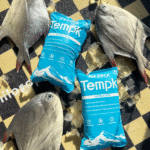
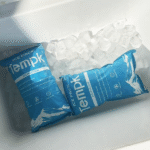
استخدم الحاويات المعزولة: High density insulation and gel packs or ice inserts keep product temperatures stable. Choose containers that are easy to clean and have tight seals to prevent contamination.
Pre cool the vehicle and cargo: Chill the vehicle’s storage space and cool products before loading to prevent temperature spikes. Pre cooling reduces the burden on refrigeration units.
مراقبة درجات الحرارة: Equip vehicles with data loggers or IoT sensors to record temperatures during transport. Real time monitoring alerts you if temperatures exceed thresholds.
تقليل فتحات الأبواب: Plan delivery routes to reduce the number of times the vehicle doors are opened. Each opening lets warm air in and compromises temperature control.
Follow the 4 hour rule: If chilled products are displayed or delivered without active refrigeration (على سبيل المثال, at a farmers’ market), they must be used or discarded within four hours.
Storage in shops and markets
For retailers and markets, نفس الشيء 8 °C maximum applies. The Chilled Food Association reminds businesses that chilled foods should be stored at or below 8 درجة مئوية, targeting 5 درجة مئوية, and that the requirement refers to the temperature of the food, not the air. This distinction is important because air temperature can fluctuate widely during door openings.
When selling online or via mail order, foods may be exempt from the 8 °C limit but still must be delivered at temperatures that prevent spoilage or risk to the consumer. Use vacuum insulated packaging and gel packs, and include clear instructions for the customer to refrigerate products immediately upon receipt.
نصيحة عملية: Provide a simple thermometer in your delivery box so customers can check that the product arrived cold. Encourage them to contact you if the temperature is above 8 درجة مئوية. Transparent communication builds trust.
Regulatory obligations and compliance for small creameries
Register your food business
If you sell, cook, محل, handle or distribute food in the UK, أنت must register your business with your local authority على الأقل 28 days before trading. This requirement applies whether you operate from dedicated premises, your home, a mobile unit or online. Registration is free but ensures that environmental health officers can inspect your operations and provide guidance. Failing to register is an offence that can lead to fines or closure.
Record keeping and HACCP
Food businesses must implement Hazard Analysis and Critical Control Point (تحليل المخاطر ونقاط المراقبة الحرجة) procedures to identify hazards and maintain critical limits. For a creamery, critical control points include milk cooling, pasteurisation temperature, النقل والتخزين. الاحتفاظ بسجلات مفصلة لدرجات الحرارة, cleaning schedules and calibration of thermometers. Inspections will often examine these logs to verify compliance. Many modern pasteurisers and refrigerators automatically log temperatures, simplifying record keeping.
Fairness and transparency in milk contracts
في 2023 the UK government announced new regulations under the Agriculture Act 2020 to ensure fairness and transparency in the dairy supply chain. These regulations provide farmers with clearer pricing terms, require written contracts and allow farmers to challenge milk prices. Changes to contracts cannot be imposed without agreement, and standard notice periods and exclusivity rules protect both buyers and sellers. While these rules primarily affect relations between farmers and processors, small creameries should be aware of them when sourcing milk; they promote stability and may influence supply prices.
Business rates and operating costs
ال Cold Chain Federation warns that proposed business rate reforms could raise costs for temperature controlled warehouses and distribution centres. The cold chain sector contributes over £14 billion to the UK economy and employs 184,000 الناس. حول 470 temperature controlled warehouses and 100,000 المركبات support more than half of Britain’s food supply. Reforms introducing higher rate multipliers for large properties may inadvertently increase costs for cold stores, potentially driving up food prices. For microdairies and small creameries, this underscores the importance of controlling overheads through energy efficiency and smart design.
2025 trends and innovations in temperature controlled creameries
التقنيات الناشئة
إنترنت الأشياء والمراقبة في الوقت الحقيقي: Smart sensors and cloud based platforms allow real time temperature monitoring in tanks, rooms and vehicles. Instant alerts enable corrective action before products spoil. Many systems now integrate with mobile phones, giving you remote visibility.
التبريد الموفرة للطاقة: New refrigeration systems using natural refrigerants (ثاني أكسيد الكربون والأمونيا) lower greenhouse gas emissions and reduce operating costs despite higher installation expenses.
الأتمتة والروبوتات: المركبات الموجهة آليا (AGVs) and robotic palletisers are being adopted even in mid sized warehouses. They reduce labour costs and minimise human error in temperature controlled zones.
الصيانة التنبؤية: Machine learning algorithms analyse data from compressors and sensors to forecast failures. Fixing issues proactively prevents downtime and product loss.
Flexible packaging and insulation: Advanced vacuum insulated panels and phase change materials improve thermal retention for mail order deliveries, تقليل الاعتماد على الثلج الجاف.
اتجاهات السوق
Rising consumer demand: Despite cost challenges, demand for local, high quality dairy products continues to grow. Consumers value traceability, animal welfare and sustainability. Microdairies that demonstrate compliance and environmental responsibility can command premium prices.
التدقيق التنظيمي: Authorities continue to strengthen food safety regulations. Expect more frequent inspections and tighter enforcement of temperature control and record keeping.
Fair contract enforcement: New transparency regulations for milk contracts ensure farmers are paid fairly. This may stabilise supply prices, benefiting small creameries.
التركيز على الاستدامة: The cold chain contributes significantly to emissions. Many businesses are setting net zero targets and investing in green technologies. Grants and incentives are likely to favour energy efficient equipment.
Impact of macroeconomic factors
أسعار الطاقة: High energy costs affect refrigeration budgets. Investing in efficient systems and renewable power can mitigate volatility.
Business rate reforms: As noted, higher business rates for large warehouses threaten to push up food prices. Small creameries should monitor policy developments and consider joining industry associations to advocate for fair treatment.
تغير المناخ: More frequent heatwaves put extra pressure on cold chain infrastructure. Robust insulation and reliable backup power become critical.
الأسئلة المتداولة
What temperature should milk be kept before collection? Bulk milk must be cooled immediately after milking and stored no higher than 8 °C when collected daily or 6 °C when collection is less frequent.. Aim to cool milk to 3–4 °C within two hours to inhibit bacterial growth.
Do I need to pasteurise milk for direct sales? نعم. Pasteurised milk must be heated to على الأقل 71.7 ° C ل 15 ثوان or an equivalent combination.. This process kills pathogenic bacteria. Cooling rapidly to below 3 °C is essential.
What happens if products exceed 8 درجة مئوية? Exceeding the legal limit can allow pathogens to multiply and may lead to enforcement action. في بعض الحالات, food may be temporarily above 8 °C for specific purposes (ripening) but only under controlled conditions. There’s also a four hour tolerance for display outside temperature control.
Do I need to register my creamery with the local authority? نعم. Any business that sells, cooks, المتاجر, handles or distributes food must register at least 28 days before trading. Registration is free and ensures your premises are inspected and compliant.
Are there financial supports for small creameries? Agricultural grants, such as the Farming Transformation Fund, may help with investment in equipment and cold storage, especially when focused on improving productivity and reducing emissions. Contact your local council or the Rural Payments Agency for current schemes.
ملخص وتوصيات
الوجبات الرئيسية
الحفاظ على التحكم الصارم في درجة الحرارة: Keep chilled foods at or below 8 درجة مئوية (هدف 5 درجة مئوية) في جميع أنحاء الإنتاج, التخزين والنقل. For milk, cool to 3–6 °C immediately after milking. and pasteurise at 71.7 ° C ل 15 ثوان..
Design cost efficient facilities: Cold storage construction costs more than conventional buildings, but investing in energy efficient refrigeration and insulation reduces long term expenses.
احتفظ بسجلات دقيقة: Implement HACCP plans, record temperatures and clean equipment regularly. Use digital loggers and automatic alerts for peace of mind.
Follow regulatory obligations: Register your business, follow fair contract rules and stay up to date with evolving .
مراقبة اتجاهات الصناعة: Embrace IoT monitoring, energy efficient technologies and sustainable practices to stay competitive in 2025 وما وراءها.
الخطوات التالية
تقييم عملياتك الحالية: Identify gaps in temperature control and invest in appropriate equipment. Use the table above as a checklist.
Create or review your HACCP plan: Map critical control points and establish monitoring procedures. Train staff on the importance of temperature logs and hygiene.
Plan for facility upgrades: If building or renovating, consult experts in cold storage and consider modular designs for scalability. Apply for grants where available.
Engage with industry bodies: Join the Cold Chain Federation or local dairy networks to stay informed about regulations, grants and emerging technologies.
التواصل مع العملاء: Highlight your commitment to safety and freshness. Encourage customers to check product temperatures upon delivery and provide feedback.
حول Tempk
في Tempk, we specialise in smart temperature monitoring solutions tailored for small and medium sized food businesses. Our sensors and cloud platform provide real time alerts when temperatures deviate from safe ranges, ensuring that your dairy products remain compliant at every stage. We understand the challenges of running a creamery on a budget, so we offer scalable packages that integrate with existing equipment. Our solutions help you تقليل استهلاك الطاقة, automate record keeping و demonstrate compliance during inspections.
Looking to make your creamery safer and more efficient? Contact our team for a free consultation and discover how Tempk can help you achieve peace of mind.