مقدمة:
حفظ اللحوم آمنة ومربحة في 2025 يعني موازنة التحكم الصارم في درجة الحرارة, استخدام الطاقة وتطور توقعات المستهلك. حلول اللحوم ذات السلسلة الباردة مركز على حفظ اللحوم المبردة بين 0 و 4 درجة مئوية واللحوم المجمدة في -18 درجة مئوية أو أكثر برودة. تعمل الصناعة على معالجة الاستخدام العالي للطاقة، حيث تحترق المستودعات المبردة 40-60 كيلووات ساعة لكل قدم مربع كل عام مع استهلاك معدات التبريد >70 % الكهرباء - مع السعي لتحقيق الاستدامة والشفافية. هذا الدليل (تم تحديثه في ديسمبر 2025) يوضح كيف يمكنك تحسين إدارة درجة الحرارة, اعتماد التعبئة والتغليف الصديقة للبيئة, خفض تكاليف الطاقة والاستعداد لأحدث اللوائح.
التحكم في درجة الحرارة والسلامة: افهم لماذا يجب أن يبقى اللحم ضمن نطاقات محددة وماذا يحدث عندما تنكسر السلسلة.
التغليف المستدام & التكنولوجيا الذكية: اكتشف الصواني القابلة لإعادة التدوير, التغليف النشط والتوائم الرقمية التي تعمل على إطالة العمر الافتراضي وبناء الثقة.
كفاءة الطاقة & تخفيض التكلفة: تعرف على كيف يمكن أن يؤدي رفع نقطة التجميد إلى -15 درجة مئوية إلى خفض استخدام الطاقة بمقدار 5-7 %, توفير ملايين الأطنان من ثاني أكسيد الكربون.
إنترنت الأشياء, منظمة العفو الدولية & blockchain: اكتشف كيفية عمل أجهزة الاستشعار, يعمل تخطيط مسار الذكاء الاصطناعي وتقنية blockchain على تحسين إمكانية التتبع والكفاءة.
اتجاهات السوق & امتثال: الاستعداد لمواجهة تحديات العمل, FSMA 204 إمكانية التتبع ومعايير الاستدامة الجديدة.
لماذا يعتبر التحكم الدقيق في درجة الحرارة هو قلب سلاسل تبريد اللحوم?
إجابة: تعتمد سلامة اللحوم على حفظ اللحوم المبردة عند درجة حرارة 0-4 درجات مئوية واللحوم المجمدة عند درجة حرارة -18 درجة مئوية. تسمح الانحرافات للبكتيريا بالتكاثر وتسبب فقدان التنقيط أو الاسترجاع. تستخدم شركات اللحوم الباردة الرائدة المراقبة في الوقت الفعلي, أساطيل تبريد مخصصة وعبوات معزولة للحفاظ على هذه النطاقات.
فهم نطاقات التخزين البارد
تتدهور جودة اللحوم الطازجة بسرعة خارج نطاق درجة الحرارة. يتم الاحتفاظ بالمنتجات المبردة أعلاه 4 درجة مئوية يمكن أن تؤوي مسببات الأمراض الخطيرة; تجميد أدناه 0 درجة مئوية تدمر ألياف العضلات وتطلق العصائر. يجب أن تظل الأحمال المجمدة عند -18 درجة مئوية أو أقل لوقف نمو الميكروبات. يتم أحيانًا تخزين اللحوم الحمراء ذات القيمة العالية في أ نطاق "superchill" القريب من التجمد يتراوح من -1 إلى +1 درجة مئوية لإطالة مدة الصلاحية دون تكوين بلورات ثلجية كبيرة. الأطر التنظيمية مثل قانون تحديث سلامة الأغذية التابع لإدارة الغذاء والدواء (FSMA) وتتعامل تفويضات وزارة الزراعة الأمريكية مع أي انحراف في درجة الحرارة خارج هذه النطاقات على أنه خطر تلوث.
الفئات المبردة والمجمدة: ماذا يقصدون بالنسبة لك
| فئة التخزين | setpoint & التحكم في الهواء | حد المنتج | ماذا يعني لك |
| رائع | 8-15 درجة مئوية ±1-2 درجة مئوية | ≥15 درجة مئوية | تستخدم لمناطق التدريج; ليست باردة بما يكفي للحوم. |
| مبردة (الأطعمة العامة) | 0-5 درجة مئوية ±1 درجة مئوية | ≥5 درجة مئوية | التبريد القياسي لمنتجات الألبان والأطعمة الجاهزة للأكل. |
| اللحوم الطازجة & دواجن | 0–2 درجة مئوية ±0.5 درجة مئوية | ≥2 درجة مئوية | يقلل من فقدان التنقيط ونمو الميكروبات - جوهر سلسلة تبريد اللحوم. |
| بالقرب من التجميد / بارد للغاية | -1 ل +1 درجة مئوية ± 0.5 درجة مئوية | ≥2 درجة مئوية | يطيل العمر الافتراضي للحوم الحمراء الممتازة. |
| الأطعمة المجمدة | ≥−18 درجة مئوية | غير متوفر | مطلوب للتخزين على المدى الطويل; يبطئ فقدان الجودة. |
| مجمدة بعمق / تجميد الانفجار | -30 درجة مئوية إلى -45 درجة مئوية | ≥−18 درجة مئوية | يستخدم للتجميد السريع للقلب والقطع المتخصصة مثل الساشيمي. |
نصائح عملية للحفاظ على درجة الحرارة
استخدم المراقبة في الوقت الحقيقي: قم بتثبيت أجهزة استشعار إنترنت الأشياء وأجهزة تسجيل البيانات التي تدعم نظام تحديد المواقع العالمي (GPS) لاكتشاف الانحرافات على الفور. تسمح التنبيهات للسائقين أو موظفي المستودعات بالتصرف قبل حدوث التلف.
تحسين التدريج والتحميل: مناطق التدريج قبل التبريد وتدريب الموظفين لتقليل وقت فتح الباب أثناء عملية التحميل, التحميل والتفريغ.
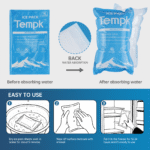
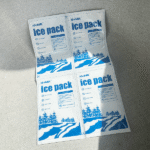
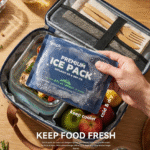
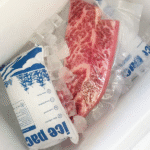
اختر العبوة المناسبة: حاويات معزولة, عبوات هلامية ومواد تغيير الطور (PCMS) المساعدة في الحفاظ على درجة الحرارة الداخلية, خاصة في الميل الأخير.
التوثيق والتدقيق: يطالب المنظمون والعملاء بإثبات الحفاظ على حدود درجة الحرارة. الاحتفاظ بالسجلات الإلكترونية, شهادات المعايرة وتقارير الإجراءات التصحيحية.
دراسة حالة: قام أحد موزعي اللحوم متوسطي الحجم في تكساس بتركيب أجهزة استشعار لدرجة الحرارة في الوقت الحقيقي في شاحناته المبردة. يتم تشغيل التنبيهات عند وصول المبرد 3.5 درجة مئوية, مطالبة السائقين بضبط التبريد. انخفضت معدلات الرفض بنسبة 40 % وتم تجنب عمليتي سحب محتملتين.
كيف تؤثر سلاسل التبريد المكسورة على الجودة
حتى المسامير القصيرة يمكن أن تقلل من مدة الصلاحية أو تؤدي إلى عمليات سحب. قد تعاني من ارتفاع درجة حرارة اللحوم المجمدة فوق -18 درجة مئوية إعادة البلورة, تدهور الملمس والسماح للميكروبات بالظهور مرة أخرى, أثناء تجميد اللحوم الطازجة بالأسفل 0 درجة مئوية يمكن أن تسبب فقدان بالتنقيط بسبب تمزق بلورات الثلج في ألياف العضلات. نسبة الرطوبة العالية والبروتين تجعل اللحوم مثالية للبكتيريا; ولذلك فإن التبريد المستمر من المعالجة وحتى التوزيع أمر إلزامي.
ما هي طرق التغليف المتقدمة التي تحافظ على اللحوم طازجة وصديقة للبيئة?
إجابة: يعمل التغليف المستدام والتقنيات الذكية على إطالة مدة الصلاحية مع تقليل النفايات والبصمة الكربونية. PET القابلة لإعادة التدوير, تهيمن الصواني البلاستيكية والورقية على قطاع اللحوم في البلاد 2025. تكتسب الأفلام القابلة للتحويل إلى سماد مثل PLA والسليلوز قوة جذب. تستخدم العبوة النشطة عوامل مضادة للميكروبات وزبال الأكسجين, بينما تدمج العبوة الذكية مؤشرات درجة الحرارة الزمنية, رموز QR وأجهزة الاستشعار الرقمية. تغليف الغلاف الجوي المعدل (رسم خريطة) يستبدل الأكسجين بـ CO₂ وN₂ لإبطاء التلف.
مستمر & وأوضح التغليف الذكي
الاستدامة لم تعد اختيارية. تعمل الصواني المصنوعة من مادة أحادية مصنوعة من مادة PET أو البولي بروبيلين القابلة لإعادة التدوير على تقليل البلاستيك البكر وتتوافق مع أهداف الاقتصاد الدائري. PET المعاد تدويرها (rPET) يوفر خصائص ختم وحاجز ممتازة; توفر الأفلام الورقية بديلاً قابلاً للتحلل مع السماح برؤية المنتج. مواد قابلة للتحلل، بما في ذلك PLA, أفلام السليلوز والطلاءات القابلة للتحلل الحيوي - تجذب العلامات التجارية العضوية ولكنها تتطلب توازنًا دقيقًا بين أداء الحاجز وقابلية التشغيل الآلي.
يعمل التغليف النشط على إطالة مدة الصلاحية عن طريق تضمين عوامل مضادة للميكروبات, كاسحات الأكسجين أو ممتصات الرطوبة في العبوة. وهذا يبطئ نمو الميكروبات دون مواد كيميائية إضافية. التغليف الذكي يأخذ الأمور إلى أبعد من ذلك من خلال تضمين مؤشرات درجة الحرارة الزمنية, رموز QR وأجهزة استشعار إنترنت الأشياء; يسجلون سجل درجات الحرارة ويمكنهم إطلاق تنبيهات في حالة انقطاع السلسلة. يقوم المستهلكون بمسح رموز QR للوصول إلى المصدر, معلومات الحداثة والامتثال.
تغليف الغلاف الجوي المعدل (رسم خريطة) يبقى الذهاب إلى التكنولوجيا. بواسطة استبدال الأكسجين بـ CO₂ و N₂, MAP يبطئ الأكسدة ونمو البكتيريا, مما يؤدي إلى مدة صلاحية أطول, لون ثابت وتقليل النفايات. يحدد العديد من تجار التجزئة الآن MAP لشرائح اللحم والبرغر نظرًا لفوائده المؤكدة.
طاولة: خيارات التعبئة والتغليف لسلاسل تبريد اللحوم
| نوع التغليف | المواد الرئيسية & سمات | التأثير على النضارة & الاستدامة | فائدة عملية |
| صواني قابلة لإعادة التدوير | حيوان أليف, rPET, مادة البولي بروبيلين; مواد أحادية | تقليل البلاستيك البكر ومواءمته مع الولايات الدائرية | مناسبة للخطوط عالية السرعة; تيارات إعادة التدوير البسيطة |
| أفلام قابلة للتحلل | جيش التحرير الشعبى الصينى, السليلوز, الطلاءات القابلة للتحلل | تأثير بيئي أقل ولكن قد يتطلب حواجز أكثر سمكًا | مثالية للمنتجات ذات العلامات البيئية والعلامات التجارية العضوية |
| التعبئة والتغليف النشطة | مضادات الميكروبات المدمجة أو كاسحات الأكسجين | يؤخر التلف ويطيل مدة الصلاحية | مفيدة للتوزيع الأطول أو طرق التصدير |
| العبوة الذكية | مؤشرات درجة الحرارة الوقت, رموز الاستجابة السريعة, مستشعرات إنترنت الأشياء | يوفر إمكانية التتبع في الوقت الحقيقي ويبني ثقة المستهلك | تمكن إدارة الاستدعاء والتسويق التفاعلي |
| صواني الخريطة | استبدل O₂ بـ CO₂ وN₂ | يبطئ الأكسدة ويحافظ على اللون | يطيل العمر الافتراضي, تقليل نفايات التجزئة |
نصائح لاختيار التغليف بناءً على السيناريو الخاص بك
الصادرات لمسافات طويلة: استخدم MAP مع التغليف النشط للحفاظ على النضارة خلال الشحنات التي تستغرق عدة أسابيع.
التجارة الإلكترونية & تسليم الميل الأخير: اختر حاويات معزولة خفيفة الوزن تحتوي على عبوات هلامية; تضمين رمز الاستجابة السريعة للتتبع في الوقت الفعلي ومشاركة المستهلك.
العلامات التجارية العضوية أو المتخصصة: اختر الأفلام القابلة للتحلل أو الصواني الورقية للإشارة إلى الاستدامة والاستفادة من الأسواق الصديقة للبيئة.
مثال: تحول أحد مصدري المأكولات البحرية إلى حاويات ذكية معزولة مزودة بأجهزة استشعار لدرجة الحرارة ونظام تحديد المواقع العالمي (GPS).. سمحت التنبيهات في الوقت الحقيقي باتخاذ إجراءات تصحيحية فورية, تقليل مطالبات التلف عن طريق 15 % وتحسين ثقة العملاء.
كيف يمكن لحلول سلسلة تبريد اللحوم تعزيز كفاءة الطاقة والاستدامة?
إجابة: يعد خفض استخدام الطاقة في التخزين البارد أمرًا ضروريًا لتحقيق الربحية والأهداف المناخية. تستهلك المستودعات المبردة 40– 60 كيلووات ساعة لكل قدم مربع في السنة, مع المحاسبة التبريد >70 % من الكهرباء. تغيير نقطة ضبط التخزين المجمد من -18 درجة مئوية إلى -15 درجة مئوية يمكن أن تقلل من استخدام الطاقة عن طريق 5-7 % (ما يصل إلى 10-12 % في بعض المراحل) وخفض انبعاثات الكربون العالمية بنسبة 17.7 مليون طن سنويا. كل درجة أقل من الحد الأدنى من الاستخدامات لدرجة الحرارة المطلوبة 2-3 % المزيد من الطاقة, في حين تصل خسائر الأغذية بسبب عدم كفاية التحكم في درجة الحرارة 12 % على مستوى العالم.
التكاليف الخفية وحالة رفع نقطة التحديد
الحفاظ على درجات حرارة تحت الصفر يتطلب استهلاكًا كبيرًا للطاقة. يستخدم المستودع المبرد النموذجي حوالي 24.9 كيلوواط ساعة لكل قدم مربع سنويا, بينما يستخدم المستودع الجاف فقط 6.1 كيلووات ساعة. قد تستهلك المرافق الأقدم 40-60 كيلووات ساعة/قدم², مع استخدام أنظمة التبريد 70 % من الكهرباء. غالبًا ما تكون الطاقة ثاني أكبر تكلفة تشغيلية بعد العمالة.
ال الانتقال إلى -15 درجة مئوية توضح الحملة أن رفع نقطة التحديد يقلل من استخدام الطاقة مع الحفاظ على سلامة الأغذية. النمذجة العلمية تقترح 5-7 % تخفيض الطاقة عبر سلسلة التبريد - أي ما يعادل 25 تيراواط ساعة سنويا- وتوفير الكربون يعادل إخراج أربعة ملايين سيارة من الطريق. أظهرت التجارب أن معظم الأطعمة المجمدة تظل آمنة عند درجة حرارة -15 درجة مئوية, السماح للشركات بإعادة استثمار المدخرات في الأتمتة والتكنولوجيا.
تحسين أنظمة التبريد
يؤدي تحديث معدات التبريد إلى تحقيق وفورات كبيرة:
ضواغط ومحركات متغيرة السرعة: تعمل هذه على ضبط سرعة المحرك لتتناسب مع طلب التبريد. أ 2023 تم تحقيق دراسة حالة على خزانة عرض الآيس كريم مع ضاغط R290 متغير السرعة 20 % توفير الطاقة مقارنة بوحدات السرعة الثابتة. أظهرت تجربة واسعة النطاق أجرتها شركة Cold Summit Development أ 62 % تخفيض في استخدام الكهرباء مقابل أنظمة الفريون القديمة و 30 % تحسين على أنظمة الأمونيا الحديثة.
رأس عائم وأدوات تحكم في الشفط: يمكن أن تؤدي إعادة تأهيل المكثفات باستخدام أدوات التحكم في ضغط الرأس العائم وصمامات التمدد الإلكترونية إلى تقليل حمل الضاغط بنسبة 15-45 %.
صيانة & الفاكهة المعلقة المنخفضة: لفائف التنظيف, تعمل أجزاء التشحيم وفحص شحن غاز التبريد على تحسين الأداء; يمكن أن يؤدي تركيب محركات متغيرة التردد على المراوح والمضخات إلى خفض تكاليف الكهرباء 30-50 %. التبديل إلى إضاءة LED يقلل من الحمل الحراري ويوفر 68-85 % طاقة.
| مقياس تحسين الطاقة | الادخار النموذجي | معنى عملي |
| ارفع نقطة الضبط المجمدة إلى -15 درجة مئوية | 5-7 % سلسلة تخفيض الطاقة على نطاق واسع | تغيير منخفض التكلفة يقلل من التكاليف وانبعاثات ثاني أكسيد الكربون |
| ضواغط متغيرة السرعة & VSDs | 20-62 % تخفيض الطاقة | يطابق الطلب على التبريد, يحسن استقرار درجة الحرارة |
| ضغط الرأس العائم & المركبات الكهربائية | 15-45 % تخفيض حمل الضاغط | يخفض ضغط التشغيل والتآكل |
| محركات المفوضية الأوروبية & VFDs على المراوح/المضخات | 30-50 % توفير الكهرباء | يقلل من الضوضاء ويطيل عمر المعدات |
| تحديثات الإضاءة LED | 68-85 % توفير الطاقة | حمل حراري أقل وعمر أطول |
غلاف البناء & الطاقة المتجددة
العزل وضيق الهواء: ألواح معدنية معزولة (العفاريت) توفير الكل في الهواء واحد, حاجز الماء والحرارة بقيم R تصل إلى 72. يؤدي تحسين العزل وإغلاق الأبواب إلى تقليل حمل التبريد; يمكن أن يؤدي إعادة تجهيز علب العرض المفتوحة بأبواب أو أغطية ليلية إلى تقليل فقدان الطاقة 20-75 %.
التحكم في تسرب الهواء: أرفق أرصفة التحميل, إن إضافة ستائر هوائية وتدريب الموظفين على إبقاء الأبواب مغلقة يقلل من تسرب الهواء الدافئ.
الطاقة المتجددة: توفر الألواح الشمسية على الأسطح المقترنة ببطارية تخزين الطاقة النظيفة والتحوط ضد ارتفاع تكاليف الكهرباء. قامت تعاونية الألبان بتثبيت أ 1 ميغاواط مجموعة شمسية مع 1.5 ميغاواط ساعة تخزين; الموردة بالطاقة الشمسية 40 % من الكهرباء السنوية وحفظها 210.000 دولار أمريكي كل سنة.
لماذا تعتبر الاستدامة مهمة؟
تساهم صناعة الأغذية بحوالي ثلث الانبعاثات العالمية. عن طريق خفض استخدام الطاقة, رفع النقاط المحددة واعتماد الطاقة المتجددة, يمكن لشركات اللحوم تقليل بصمتها الكربونية وتحقيق الأهداف البيئية والاجتماعية والحوكمة. التعبئة والتغليف تلعب أيضا دورا: إن التحول إلى المواد القابلة لإعادة التدوير والتحويل إلى سماد وتقليل النفايات البلاستيكية يتماشى مع توقعات المستهلك والمتطلبات التنظيمية.
ما هو الدور الذي تلعبه إنترنت الأشياء؟, تلعب Blockchain والذكاء الاصطناعي دورًا في سلاسل تبريد اللحوم?
إجابة: توفر التقنيات الرقمية البيانات في الوقت الحقيقي, الرؤى التنبؤية وإمكانية التتبع, جعل سلاسل التبريد أكثر مرونة. تقوم أجهزة استشعار إنترنت الأشياء بمراقبة درجة الحرارة, الرطوبة والموقع; يضمن blockchain سجلاً ثابتًا لكل عملية تسليم; ويعمل الذكاء الاصطناعي على تحسين المسارات والتنبؤ باحتياجات الصيانة. هذه الأدوات تقلل من التلف, تبسيط الخدمات اللوجستية وتعزيز الشفافية.
المراقبة الذكية & تحسين الطريق
تقوم أجهزة إنترنت الأشياء بتتبع ظروف المنتج بشكل مستمر وترسل تنبيهات في حالة انحراف درجات الحرارة. يتيح دمج أجهزة الاستشعار مع منصات التحكم عن بعد للمديرين ضبط إعدادات التبريد عن بعد لتتماشى مع معدلات الكهرباء خارج أوقات الذروة. التتبع في الوقت الفعلي لا يحمي المنتجات فحسب، بل يوفر أيضًا بيانات لعمليات التدقيق والامتثال.
يعمل تحسين المسار المدعوم بالذكاء الاصطناعي على تحليل حركة المرور, نوافذ الطقس والتسليم لتخطيط رحلات فعالة, تقليل استهلاك الوقود والوقت في العبور. خلال الوباء, ركز العديد من موزعي المواد الغذائية على التوجه نحو النماذج الاستهلاكية; يضمن الذكاء الاصطناعي التسليم في الوقت المحدد ويقلل من التعرض لسلسلة التبريد.
تسجل تقنية Blockchain كل مرحلة من رحلة المنتج. عند دمجها مع أجهزة استشعار إنترنت الأشياء, فهو يسمح لأصحاب المصلحة بالتحقق من أن اللحوم ظلت ضمن نطاقات درجات الحرارة المحددة ولم يتم العبث بها. هذه الشفافية مطلوبة بشكل متزايد من قبل المنظمين والمستهلكين الذين يريدون معرفة من أين يأتي طعامهم وما إذا كان آمنًا.
التوائم الرقمية وتخطيط موارد المؤسسات السحابي
تسمح التوائم الرقمية – وهي نسخ افتراضية طبق الأصل للمرافق والعمليات – للمشغلين بمحاكاة التغييرات قبل تنفيذها. تستخدم شركات اللحوم التوائم الرقمية لوضع نماذج لتعديلات خطوط التعبئة والتغليف أو اختبار طرق لوجستية جديدة, تقليل وقت التوقف عن العمل والمخاطر. تعمل أنظمة تخطيط موارد المؤسسات المستندة إلى السحابة على دمج عمليات الشراء, إدارة المخزون والجودة, توفير الرؤية في الوقت الحقيقي والامتثال التلقائي لمتطلبات FSMA وHACCP. للمشغلين الأصغر, الروبوتات كخدمة (RaaS) تقدم أتمتة مرنة دون إنفاق رأسمالي كبير.
اختيار الشريك التقني المناسب
عند اختيار شريك سلسلة التبريد, فحص مكدس التكنولوجيا وتغطية الشبكة. تميز الشركات الرائدة نفسها من خلال التحكم الشامل, أدوات الرؤية والتعبئة المتخصصة. على سبيل المثال:
ميرسك تدير أصول التبريد الخاصة بها عبر الأرض, البحر والهواء, تقديم مراقبة الحاويات في الوقت الحقيقي من خلال الكابتن بيتر منصة.
يو بي إس للرعاية الصحية يستخدم عبوات معزولة مع تجديد الثلج الجاف ومركز قيادة للتتبع في الوقت الفعلي, ضمان وصول الصناديق إلى -80 درجة مئوية - وهي قدرة قابلة للتكيف مع شحنات اللحوم المجمدة.
النسب اللوجستية يدمج التعلم الآلي وتحليلات البيانات لتحسين عمليات المستودعات وتقليل هدر الطعام.
أميريكولد تحتفظ بشبكة وطنية من المستودعات التي يتم التحكم في درجة حرارتها وتستخدم أنظمة مراقبة متقدمة للتوصيل إلى 99 % من الولايات المتحدة. في غضون يومين.
تسلط هذه الأمثلة الضوء على قيمة الشراكة مع مقدمي الخدمات اللوجستية الذين يستثمرون في التكنولوجيا الحديثة والبنية التحتية القوية.
ما هي اتجاهات السوق واللوائح التي تشكل حلول سلسلة تبريد اللحوم؟ 2025?
إجابة: تتأثر سلسلة تبريد اللحوم بالنمو السريع للسوق, تغيير عادات المستهلك واللوائح المتطورة. من المتوقع أن ينمو سوق لوجستيات سلسلة تبريد الأغذية العالمية دولار أمريكي 393.2 مليار في 2025 ل دولار أمريكي 798.5 مليار من قبل 2030 و دولار أمريكي 1.63 تريليون بواسطة 2035– معدل نمو سنوي مركب قدره 15.3 %. وتشمل العوامل الدافعة ارتفاع الطلب على الأطعمة الطازجة والعضوية, التوسع في التجارة الإلكترونية ومتطلبات سلسلة التبريد الصيدلانية الأكثر صرامة.
محركات السوق الرئيسية
نمو المنتجات الحساسة لدرجة الحرارة: الأدوية, تعمل المواد البيولوجية والأغذية القابلة للتلف على زيادة الطلب على سلاسل التبريد الدقيقة.
مباشرة إلى التوسع الاستهلاكي: لقد دخل العديد من موزعي B2B إلى مساحة D2C, تقديم مجموعات الوجبات وخدمات التوصيل إلى المنازل التي تتطلب خدمات لوجستية موثوقة لسلسلة التبريد.
التجارة الإلكترونية والراحة: يتوقع المستهلكون تسليمًا سريعًا للأطعمة الطازجة. التعبئة والتغليف تتكيف مع أصغر, عبوات قابلة للإغلاق وأشكال يمكن التحكم في جزء منها.
ولايات الاستدامة: الشركات تتبنى التعبئة والتغليف الصديقة للبيئة, التقنيات الموفرة للطاقة والطاقة المتجددة لتحقيق الأهداف البيئية والاجتماعية والحوكمة.
المشهد التنظيمي والتحديات
FSMA 204 تتطلب القاعدة إمكانية التتبع التفصيلي للأغذية عالية المخاطر, تمديد الموعد النهائي للامتثال إلى 2028. يجب على شركات اللحوم توثيق أحداث التتبع الهامة والاحتفاظ بسجلات إلكترونية. معايير الشهادات تتطور: يحتاج تجار التجزئة بشكل متزايد إلى شهادة BRC أو SQF, الذي يؤكد على التحكم المتقدم في درجة الحرارة وأنظمة التتبع الآلية. ويضيف الامتثال ضغطًا للاستثمار في المراقبة, التوثيق والتدريب.
تواجه المعالجات أيضًا نقصًا في العمالة, عمليات تفتيش أكثر صرامة لوزارة الزراعة الأمريكية وخطر تفشي الأمراض (على سبيل المثال, انفلونزا الطيور, حمى الخنازير الأفريقية). التدقيق البيئي آخذ في الازدياد; من المتوقع أن تقوم المنظمات بالإبلاغ عن الانبعاثات, استخدام المياه والنفايات, وإظهار التخفيضات.
اتجاهات التكنولوجيا والتعبئة والتغليف
التغليف المستدام – صواني قابلة لإعادة التدوير, المواد القابلة للتحلل والأفلام النباتية تقلل من التأثير البيئي.
العبوة الذكية – رموز QR, تعمل مؤشرات درجة الحرارة الزمنية وإمكانية التتبع المدعومة بتقنية blockchain على تحويل الحزم إلى مراكز معلومات.
الأتمتة & الروبوتات – يؤدي نقص العمالة إلى تسريع اعتماد الأذرع الآلية للوزن, التغليف والختم.
الأصغر, حزم أثناء التنقل – خدمة واحدة وأشكال قابلة للإغلاق تلبي احتياجات الأسر الصغيرة والمستهلكين أثناء التنقل.
التوائم الرقمية & سحابة تخطيط موارد المؤسسات – تعمل النماذج الافتراضية والمنصات السحابية على تعزيز التخطيط والامتثال.
الروبوتات كخدمة & الابتكار البيئي – تأجير معدات الأتمتة يقلل من الحواجز, في حين أن الأفلام القابلة للتحلل والطلاءات الصالحة للأكل تقلل من النفايات.
2025 الاتجاهات: التطورات التي تحتاج إلى مشاهدتها
زخم السوق والابتكار التكنولوجي
صناعة سلسلة التبريد تتوسع بسرعة. تتوقع Fact.MR أن ينمو سوق الخدمات اللوجستية لسلسلة تبريد الأغذية دولار أمريكي 393.2 مليار في 2025 ل دولار أمريكي 1.632 تريليون بواسطة 2035. وتشمل أهم الابتكارات وحدات التبريد التي تعمل بالطاقة الشمسية, حاويات ذكية خفيفة الوزن مزودة بأجهزة استشعار لإنترنت الأشياء, تحسين المسار المدعوم بالذكاء الاصطناعي وإمكانية تتبع blockchain. تقوم شركات مثل Eja Ice في نيجيريا بنشر غرف تبريد تعمل بالطاقة الشمسية لتقليل هدر الطعام. تظهر المركبات المبردة الكهربائية في عمليات تسليم الميل الأخير, مما يوفر تكاليف تشغيل أقل وخفض انبعاثات الكربون.
الانتقال إلى -15 درجة مئوية والاستدامة
يتزايد الزخم لتحويل التخزين المجمد من -18 درجة مئوية إلى -15 درجة مئوية. تسمح التقنيات الحديثة بالتخزين الآمن في درجات حرارة أعلى مع توفير الطاقة وتقليل الانبعاثات. وتشمل مبادرات الاستدامة أيضًا التغليف الصديق للبيئة, برامج الطاقة المتجددة وتعويض الكربون. يجب على الشركات الموازنة بين هذه المبادرات والامتثال التنظيمي, ضمان شهادة BRC أو SQF وFSMA 204 استعداد.
رؤى السوق
لا تزال أمريكا الشمالية أكبر سوق لتغليف اللحوم ومن المتوقع أن تنمو بنسبة 100% ~4.3 % CAGR. تضخم اقتصادي, التعريفات الجمركية والتوترات الجيوسياسية تخلق تقلبات في سلسلة التوريد; يجب على المعالجات تنويع المصادر والاستثمار في التحليلات التنبؤية. إن تفضيل المستهلك للحوم المستدامة والتي يمكن تتبعها يدفع إلى اعتماد التغليف الذكي وتقنية blockchain. يشجع نقص العمالة على حلول الأتمتة وRaaS.
الأسئلة المتداولة
س 1: ما هي درجة الحرارة التي يجب أن تبقى بها اللحوم النيئة أثناء الشحن؟?
يجب أن تبقى اللحوم النيئة بين 0 و 4 درجة مئوية أثناء الشحن لمنع نمو البكتيريا والتلف. للمنتجات المجمدة, الحفاظ على أو أقل -18 درجة مئوية.
Q2: كيف يعمل التغليف الجوي المعدل على إطالة العمر الافتراضي للحوم?
يستبدل MAP الأكسجين الموجود في العبوة بمزيج من CO₂ و N₂, إبطاء الأكسدة ونمو البكتيريا والحفاظ على اللون والملمس.
س 3: لماذا ترفع الشركات درجات حرارة التخزين المجمدة من -18 درجة مئوية إلى -15 درجة مئوية؟?
رفع نقطة الضبط إلى -15 درجة مئوية يمكن أن تقلل من استخدام الطاقة عن طريق 5-7 % (ما يصل إلى 10-12 % في بعض المراحل) وخفض انبعاثات الكربون العالمية بنسبة 17.7 مليون طن سنويا مع الحفاظ على جودة المنتج.
س 4: ما هي تقنيات التعبئة والتغليف الجديدة التي يجب على معالجي اللحوم مراعاتها؟ 2025?
صواني قابلة لإعادة التدوير وقابلة للتحلل, التعبئة والتغليف النشط مع مضادات الميكروبات, التعبئة والتغليف الذكي مع رموز QR وأجهزة استشعار إنترنت الأشياء, وMAP هي التقنيات الرئيسية.
س 5: كيف يعمل إنترنت الأشياء و blockchain على تحسين شفافية سلسلة التبريد?
تقوم أجهزة استشعار إنترنت الأشياء بمراقبة درجة الحرارة والموقع في الوقت الفعلي, بينما توفر تقنية blockchain سجلاً ثابتًا لكل عملية تسليم, ضمان الامتثال وثقة المستهلك.
ملخص & التوصيات
النقاط الرئيسية: يتطلب الحفاظ على سلامة اللحوم التحكم الصارم في درجة الحرارة: إبقاء اللحوم المبردة في 0-4 درجة مئوية واللحوم المجمدة في ≥−18 درجة مئوية. التعبئة المستدامة - صواني قابلة لإعادة التدوير, أفلام قابلة للتحلل, التعبئة والتغليف النشط وأجهزة الاستشعار الذكية - تقلل من النفايات وتطيل مدة الصلاحية. تمثل الطاقة حصة كبيرة من تكاليف سلسلة التبريد; رفع نقطة الضبط المجمدة إلى -15 درجة مئوية يحفظ 5-7 % الطاقة ويقلل من انبعاثات الكربون. ضواغط متغيرة السرعة, تحسين العزل, تعمل الطاقة المتجددة والتقنيات الرقمية على تقليل استخدام الطاقة وتحسين الكفاءة. الأدوات الرقمية مثل أجهزة استشعار إنترنت الأشياء, blockchain, يضمن تحسين مسار الذكاء الاصطناعي والتوائم الرقمية إمكانية التتبع والمساعدة في تلبية المتطلبات التنظيمية. السوق ينمو بسرعة, مدفوعة بالتجارة الإلكترونية, نماذج D2C والطلب على يمكن تتبعها, اللحوم المستدامة.
خطة العمل:
التدقيق وتحسين درجات الحرارة: قم بإجراء تدقيق لدرجة الحرارة للتأكد من بقاء اللحوم المبردة والمجمدة في حدود 0-4 درجة مئوية و18 درجة مئوية; فكر في رفع نقاط الضبط المجمدة إلى -15 درجة مئوية إذا سمحت المنتجات بذلك.
استثمر في المراقبة الذكية: نشر أجهزة استشعار إنترنت الأشياء, مسجلات البيانات ولوحات المعلومات السحابية للتنبيهات في الوقت الفعلي وتقارير الامتثال.
ترقية معدات التبريد: تركيب ضواغط متغيرة السرعة, أدوات التحكم في الرأس العائمة ومحركات EC; جدولة الصيانة الدورية والتحول إلى إضاءة LED.
تعزيز غلاف المبنى: تحسين العزل, إغلاق الأبواب وحالات العرض التحديثية; النظر في إنشاء منشآت الطاقة المتجددة لتعويض تكاليف الكهرباء.
اعتماد التغليف المستدام: الانتقال إلى الصواني القابلة لإعادة التدوير أو السماد; دمج التعبئة والتغليف النشطة والذكية; اعتماد MAP للمنتجات التي تتطلب مدة صلاحية أطول.
احتضان التقنيات الرقمية: تنفيذ التتبع القائم على blockchain, تحسين مسار الذكاء الاصطناعي والتوائم الرقمية لتحسين الكفاءة والشفافية.
الاستعداد للوائح: توثيق أحداث التتبع الهامة لـ FSMA 204; متابعة شهادة BRC أو SQF; تدريب الموظفين على البروتوكولات الجديدة وأدوات الامتثال.
حول Tempk
Tempk هي شركة رائدة في مجال توفير حلول سلسلة التبريد المتخصصة في التغليف المعزول, حاويات يتم التحكم في درجة حرارتها وأنظمة مراقبة ممكّنة لإنترنت الأشياء. نحن تطوير منتجات قابلة لإعادة التدوير وإعادة الاستخدام لتقليل التأثير البيئي ومساعدة العملاء على الامتثال للوائح سلامة الأغذية الصارمة. يركز مركز البحث والتطوير الخاص بنا على التصميمات الموفرة للطاقة والمواد المبتكرة التي تحافظ على منتجاتك ضمن نطاقات درجات الحرارة الصارمة. مع التوزيع العالمي والالتزام بخدمة العملاء, نحن دعم العملاء عبر الغذاء, الصناعات الدوائية والتكنولوجيا الحيوية في الحفاظ على سلامة المنتج من المنشأ إلى الوجهة.
الخطوات التالية: اتصل بخبراء Tempk لإجراء تقييم شخصي لسلسلة التبريد. ما إذا كنت بحاجة إلى الانتقال إلى التغليف الصديق للبيئة, تحسين استخدام طاقة المستودعات أو نشر أجهزة الاستشعار الذكية, يمكن لفريقنا تصميم حل مخصص لعملك.