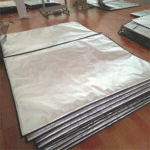
سلسلة تبريد الشوكولاتة الحرفية للتحكم في درجة الحرارة هي الطريقة التي تحافظ بها على لمعان الشوكولاتة الفاخرة, لاذع, وجاهزة للهدايا من الإنتاج إلى التسليم النهائي. إذا انجرفت درجة الحرارة بضع درجات فقط, يمكن أن تتغير بلورات زبدة الكاكاو, يمكن أن تتكثف الرطوبة, ويمكن أن يظهر الازدهار — غالبًا قبل أن يفتح عميلك الصندوق.
في 2025, لم يعد التحكم الفعال في درجة الحرارة يتعلق بـ "إبقائها باردة". إنه على وشك الحفاظ عليها مستقرة, جاف, ويمكن التنبؤ به, خاصة من خلال تسليم الميل الأخير. يوضح لك هذا الدليل كيفية القيام بذلك بالضبط.
-
كيف يعمل التحكم الحرفي في درجة حرارة الشوكولاتة على سلسلة التبريد على حماية الجودة
-
ما هي درجات الحرارة والرطوبة التي تعمل فعليًا في الشحن الحقيقي
-
كيفية اختيار العبوة التي تمنع الإزهار دون الإفراط في التبريد
-
من أين تأتي مخاطر الميل الأخير حقًا، وكيفية الحد منها
-
أيّ 2025 الاتجاهات تغير القرارات اللوجستية للشوكولاتة
لماذا يُعد التحكم بدرجة حرارة الشوكولاتة باستخدام سلسلة التبريد أمرًا بالغ الأهمية؟?
لأن الشوكولاتة مشكلة هيكلية, ليست مشكلة سلامة الغذاء.
قد تكون الشوكولاتة الخاصة بك آمنة للأكل, لكن الجودة تعتمد على ثبات البلورة وحالة السطح.
عندما ترتفع درجة الحرارة بشكل كبير:
-
زبدة الكاكاو تنعم وتهاجر
-
يفقد السطح اللمعان والمفاجئة
-
يظهر ازهر الدهون في وقت لاحق, حتى بعد التبريد
عندما تنخفض درجة الحرارة إلى مستويات منخفضة جدًا:
-
يتكثف الهواء الرطب أثناء عملية الإحماء
-
يذوب السكر ويعاد بلورته
-
تتشكل أزهار السكر كفيلم أبيض خشن
لك, وهذا يعني العوائد, المبالغ المستردة, وتلف العلامة التجارية - خاصة بالنسبة للطلبات المميزة أو طلبات الهدايا.
ما هو نطاق درجة الحرارة الذي يجب عليك الحفاظ عليه بالفعل؟?
تستهدف معظم شركات الشحن المتميزة الناجحة أ مستقر, فرقة باردة, لا التبريد.
| فرقة درجة الحرارة | مستوى المخاطر | ماذا يعني لك |
|---|---|---|
| 15-18 درجة مئوية (59-64 درجة فهرنهايت) | قليل | توازن مثالي بين الثبات والجفاف |
| 19-22 درجة مئوية (66-72 درجة فهرنهايت) | واسطة | انتبه للتليين على الطرق الطويلة |
| ≥24 درجة مئوية (75° f) | عالي | يزداد خطر تكاثر الدهون بسرعة |
| <12درجة مئوية (54° f) | واسطة | خطر التكثيف عند التسليم |
الوجبات الجاهزة الرئيسية: برودة ليست أفضل. الاستقرار يهم أكثر من درجة الحرارة الدنيا.
نصيحة عملية يمكنك تطبيقها اليوم
-
طرق قصيرة (<48ح): التعبئة والتغليف المعزولة + مخازن مؤقتة ذات نطاق بارد
-
طرق أطول (48–96h): مواد تغيير الطور مضبوطة للشوكولاتة
-
إهداء مميز: إضافة مؤشرات درجة الحرارة أو المراقبة
نتيجة العالم الحقيقي: العلامات التجارية التي شددت الرقابة من ~20 درجة مئوية إلى ~16 درجة مئوية تبلغ باستمرار عن عدد أقل من شكاوى التفتح وتجربة أفضل لإخراج العلبة.
كيف يمكن للتغليف التحكم في درجة حرارة الشوكولاتة الحرفية عبر سلسلة التبريد؟?
التعبئة والتغليف هي خط دفاعك الأول، وفي كثير من الأحيان الوحيد.
هدفك ليس التجميد. هدفك هو إبطاء تغير درجة الحرارة.
مقارنة خيارات التغليف
| نوع التغليف | استقرار | أفضل حالة استخدام | فائدة عملية |
|---|---|---|---|
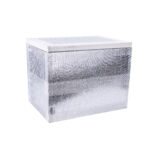
| بريد معزول | معتدل | الطرق المحلية أو القصيرة | خفيف الوزن, تكلفة منخفضة |
| الشاحن القائم على PCM | عالي | مناخات متغيرة | يحمل المدى المتوسط المستقر |
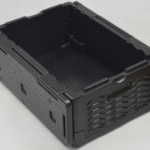
| النقل المبرد النشط | عالية جدا | السائبة أو لمسافات طويلة | أقصى قدر من التحكم, تكلفة أعلى |
كيفية بناء علبة الشوكولاتة الآمنة
-
شرط مسبق لكل شيء
يجب أن تبدأ مخازن الشوكولاتة ودرجة الحرارة في نفس النطاق. -
إنشاء حاجز للرطوبة
استخدم العبوة الداخلية المختومة لتقليل مخاطر التكثيف. -
المخزن المؤقت, لا تجمد
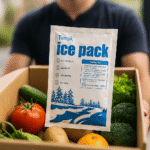
حافظ على عناصر التبريد من الاتصال المباشر بالقطع الرقيقة. -
إغلاق سريع وتسليم بسرعة
تفقد الصناديق المفتوحة السيطرة بشكل أسرع مما تتوقع.
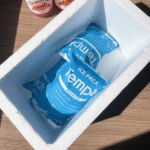
البصيرة القضية: غالبًا ما يؤدي التبديل من عبوات الهلام البارد إلى PCM متوسطة المدى إلى تحسين الاتساق دون زيادة الضرر.
كيف تعمل أنظمة المراقبة على تحسين التحكم في درجة الحرارة?
المراقبة تحول التخمين إلى سيطرة.
وبدلاً من افتراض أن الظروف كانت "جيدة".," هل ترى:
-
درجة الحرارة القصوى
-
الوقت فوق الحد الخاص بك
-
حيث تحدث الرحلات في الواقع
أدوات المراقبة في لمحة
| نوع الأداة | الرؤية | الأفضل ل |
|---|---|---|
| مسجل للاستخدام الفردي | بعد التسليم | الشيكات في بعض الأحيان |
| مستشعر بلوتوث | بالقرب من الوقت الحقيقي | كرر الطرق |
| تعقب إنترنت الأشياء | رحلة كاملة | شحنات ذات قيمة عالية |
ما يجب عليك تتبعه
-
درجة حرارة الذروة
-
المدة فوق خطك الأحمر
-
التسليم يسكن الوقت
نمط تكتشفه العديد من العلامات التجارية: تحدث معظم حالات الفشل بعد الولادة, ليس في العبور.
لماذا يعتبر تسليم الميل الأخير هو الخطر الأكبر؟?
لأن التعرض للميل الأخير هو مفاجئة ومحلية.
يمكن للشحنة أن تسافر بشكل مثالي لعدة أيام, ثم تفشل في 30 دقائق على عتبة الباب أو في خزانة الطرود.
مخاطر الميل الأخير الشائعة
| سيناريو | المخاطر الخفية | إصلاح بسيط |
|---|---|---|
| تسليم عتبة الباب | الشمس المباشرة | نوافذ التسليم |
| خزائن الطرود | نقع الحرارة | تجنب في الصيف |
| ردهات الشقق | يسكن طويلا | قاعدة الاتصال عند الوصول |
نصائح الميل الأخير التي تعمل بالفعل
-
تسليم خلال ساعات برودة
-
يتطلب التوقيع على العناصر المميزة
-
أضف تعليمات "الراحة قبل الفتح".
النتيجة المرصودة: غالبًا ما تشهد العلامات التجارية التي تقوم بتعديل توقيت التسليم مكاسب أكبر من إضافة المزيد من سائل التبريد.
أداة تفاعلية: هل سلسلة تبريد الشوكولاتة الخاصة بك معرضة للخطر؟?
يسجل كل عنصر 0 (لا), 1 (جزئي), أو 2 (نعم).
-
النطاق المستهدف المحدد (على سبيل المثال, 15-18 درجة مئوية)
-
استراتيجية التحكم في الرطوبة
-
تم التحقق من صحة العبوة في المسار الأكثر سخونة
-
يبني التغليف الموسمي
-
مراقبة بالقرب من كتلة المنتج
-
قواعد تسليم الميل الأخير
-
تنبيهات قابلة للتنفيذ (ليس فقط البيانات)
دليل النتيجة:
-
0-6: مخاطرة عالية - قم بإصلاح الأهداف والميل الأخير أولاً
-
7-12: مخاطر متوسطة - التحقق من صحة التعبئة والتغليف والمراقبة
-
13-16: قوي - تحسين التكلفة والاستدامة بعد ذلك
2025 الاتجاهات في سلسلة التبريد الحرفية للشوكولاتة التحكم في درجة الحرارة
ما الذي يتغير الآن؟
-
الخدمات اللوجستية التي تسيطر عليها درجة حرارة الغرفة استبدال التبريد الزائد
-
التنبيهات التنبؤية بدلاً من التسجيل السلبي
-
أخف وزنا, عزل قابل لإعادة الاستخدام تقليل التكلفة والنفايات
لماذا هذا مهم بالنسبة لك
يقبل العملاء بشكل متزايد التسليم لفترة أطول قليلاً إذا كانت الجودة مضمونة. في 2025, الموثوقية تغلب السرعة للشوكولاتة الفاخرة.
الأسئلة المتداولة
ما هي أفضل درجة حرارة لشحن الشوكولاتة الحرفية؟?
تهدف معظم شركات الشحن المتميزة إلى 15-18 درجة مئوية مع رطوبة منخفضة لتجنب الذوبان والتكثيف.
هل أحتاج إلى شحن مبرد?
ليس دائما. تنجح العديد من الطرق باستخدام أنظمة سلبية مصممة جيدًا تركز على الاستقرار, ليس باردا.
لماذا تتفتح الشوكولاتة بعد الولادة؟, ليس أثناء العبور?
غالبًا ما يظهر بلوم لاحقًا لأن الشوكولاتة تعرضت للحرارة في وقت سابق وأعيد تنظيمها أثناء التبريد.
هل المراقبة ضرورية للدفعات الصغيرة؟?
نعم. حتى البيانات المحدودة تكشف سريعًا عن نقاط الضعف، خاصة في توصيل الميل الأخير.
ملخص وتوصيات
التحكم الحرفي في درجة حرارة الشوكولاتة من السلسلة الباردة يحمي الجودة, ليس فقط الامتثال.
تركز الأنظمة الأكثر موثوقية على:
-
استقرار درجات الحرارة المتوسطة
-
مراقبة الرطوبة
-
التعبئة والتغليف مطابقة للطرق الحقيقية
-
انضباط الميل الأخير
تجنب التبريد الزائد. تجنب الافتراضات. صمم لكيفية انتقال الشوكولاتة فعليًا.
خطواتك التالية (CTA)
-
تحديد نطاق درجة الحرارة والرطوبة الخاص بك
-
حدد مسار الميل الأخير الأكثر سخونة
-
اختبر تصميمًا محسّنًا للتغليف
-
إضافة مراقبة إلى طيار صغير
-
قفل المعايير الموسمية
حول Tempk
في Tempk, نحن نساعد على تصميم العلامات التجارية استراتيجيات عملية للتحكم في درجة الحرارة للخدمات اللوجستية في العالم الحقيقي. نحن نركز على نطاقات درجة الحرارة المستقرة, حماية الرطوبة, وأداء قابل للقياس - حتى تصل الشوكولاتة الحرفية الخاصة بك تمامًا كما تريد.
الخطوة التالية: قم بمراجعة طريق واحد عالي الخطورة وابدأ في اختبار صغير مراقب. يتحسن الاتساق بشكل أسرع مما تتوقع عند وجود عناصر التحكم الصحيحة.