الحفاظ على أغذية مجمدة سلسلة البرد و سلسلة تبريد الألبان ضروري لسلامة الأغذية, الجودة وربحية الأعمال. قد تتفاجأ بأن المنتجات المجمدة غالبًا ما تحتاج إلى البقاء في درجة حرارة أقل من -18 درجة مئوية (0 ° f) أو حتى أكثر برودة, بينما يجب تبريد الحليب إلى 4 درجة مئوية (39 ° f) أو أقل خلال ساعات بعد الحلب. الفشل في البقاء ضمن هذه النطاقات يؤدي إلى التلف, فقدان الإيرادات وحتى الأمراض المنقولة بالغذاء. هذا المقال, تم تحديثه 1 ديسمبر 2025, يعتمد على إرشادات الأبحاث والصناعة الحديثة لشرح متطلبات درجة الحرارة, أفضل الممارسات, التقنيات والاتجاهات الجديدة التي تحتاج إلى معرفتها.
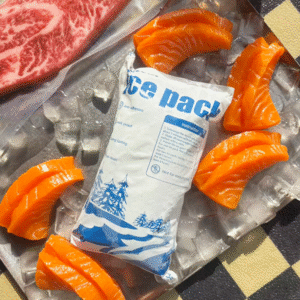
ما هي درجة الحرارة التي يجب حفظ الأطعمة المجمدة فيها؟?
الأطعمة المجمدة تشمل اللحوم, ثمار, الخضروات والوجبات الجاهزة. ال الجزء المجمد تغطي سلسلة التبريد عادةً درجات حرارة تتراوح بين -16 درجة مئوية و-20 درجة مئوية, بينما تجميد عميق يشير إلى ظروف أكثر برودة تصل إلى -80 درجة مئوية. وفقا لتوقعات الصناعة, تتطلب حلويات الألبان المجمدة مثل الآيس كريم -20 درجة مئوية إلى -23 درجة مئوية, وتتراوح درجة حرارة معظم المنتجات الغذائية المجمدة بين -18 درجة مئوية و-25 درجة مئوية. يؤدي حفظ المنتجات في هذا النطاق إلى إبطاء التفاعلات الكيميائية الحيوية والحفاظ على الملمس والعناصر الغذائية.
العلم وراء نطاقات درجات الحرارة المتجمدة
تمنع درجات الحرارة المنخفضة الإنزيمات والميكروبات التي تسبب التلف. يصنف الباحثون نطاقات درجة حرارة سلسلة التبريد على أنها المحيط (15-20 درجة مئوية), رائع (2-15 درجة مئوية), بارد (-9 درجة مئوية إلى 2 درجة مئوية) وتجميد (≥ -10 درجة مئوية). عندما تقع المنتجات خارج المنطقة المخصصة لها, الجودة تتدهور بسرعة. الأطعمة المجمدة المخزنة فوق النطاق الموصى به يمكن أن تتعرض لحروق التجميد, تكوين بلورات الجليد ونمو الميكروبات أثناء الذوبان. على العكس من ذلك, فوق التجميد يمكن أن يلحق الضرر ببنية الأنسجة في العناصر الحساسة مثل التوت أو المأكولات البحرية.
أفضل ممارسات سلسلة تبريد الأغذية المجمدة وإرشادات السلامة
إجابة: الحفاظ على درجات حرارة تحت الصفر بشكل مستمر, تقليل التعرض للهواء المحيط وتنفيذ المراقبة في الوقت الحقيقي.
التبريد المسبق والتجميد السريع: مباشرة بعد الإنتاج أو الحصاد, يجب تبريد الطعام إلى درجة الحرارة المستهدفة. التبريد المسبق يوقف التنفس ونمو البكتيريا; يمكن أن يؤدي التأخير إلى تلف سريع.
تخزين بارد مقسم إلى مناطق: يجب أن توفر المرافق مناطق منفصلة للتجميد (0 درجة فهرنهايت أو أقل) والمبردة (35-40 درجة فهرنهايت) منتجات. وهذا يمنع التلوث المتقاطع ويسمح بتخزين العديد من المنتجات دون إساءة استخدام درجة الحرارة.
مراقبة في الوقت الحقيقي: أجهزة الاستشعار ومسجلات البيانات تتبع درجة الحرارة, الرطوبة وأداء المعدات. على الأقل كل نقطة اتصال — مستودع, الشاحنات والتغليف - يجب مراقبتها لاكتشاف الانحرافات وإرسال التنبيهات.
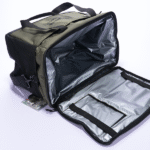
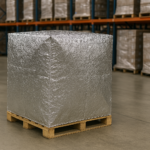
التعبئة والتغليف والعزل: استخدم صناديق الشحن المعزولة, شاحنات البليت والألواح المعزولة بالفراغ لتقليل النقل الحراري. تحافظ هذه التقنيات على استقرار درجات الحرارة أثناء النقل والتسليم إلى الميل الأخير.
التدريب وإجراءات التشغيل القياسية (SOPS): يجب أن يفهم الموظفون تقنيات التحميل, إدارة الأبواب وكيفية الرد على الإنذارات. تضمن إجراءات التشغيل القياسية (SOPs) ممارسات متسقة عبر المرافق.
خطط الاستجابة للطوارئ: تطوير بروتوكولات لانقطاع التيار الكهربائي, أعطال المعدات أو التأخير. الإجراءات التصحيحية السريعة تقلل من فقدان المنتج.
طاولة 1 – مناطق درجة الحرارة والأطعمة المجمدة النموذجية
| منطقة درجة الحرارة | يتراوح | الأطعمة النموذجية | فائدة عملية |
| المجمدة | -18 درجة مئوية إلى -25 درجة مئوية | وجبات جاهزة, ثمار, خضروات, المأكولات البحرية | يحافظ على الملمس والمواد المغذية; يبطئ التفاعلات الأنزيمية |
| تجميد عميق | ≥ –20 درجة مئوية إلى –80 درجة مئوية | بوظة, اللقاحات, عينات بيولوجية | يحافظ على مدة صلاحية العناصر الحساسة للغاية; يمنع نمو الميكروب |
| بارد | -9 درجة مئوية إلى 2 درجة مئوية | اللحوم المبردة, بعض منتجات الألبان | يمنع البكتيريا مع تجنب تلف الفريزر |
| المحيطة التي تسيطر عليها | 55-70 درجة فهرنهايت (13-21 درجة مئوية) | السلع مستقرة على الرف | يمنع التلف الحراري للمنتجات التي تتطلب درجة حرارة الغرفة |
نصائح واقتراحات عملية
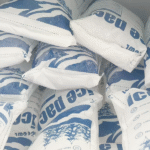
محل بقالة صغير: يستخدم أغطية المنصات المعزولة ومواد تغيير الطور للحفاظ على درجات حرارة تحت الصفر أثناء انقطاع التيار الكهربائي. استثمر في موازين الحرارة الرقمية المزودة بتنبيهات تلقائية لتقليل الفحوصات اليدوية.
الموزع الإقليمي: تحسين المسارات لتقليل وقت المكوث; اختر شركاء التخزين البارد الذين يتمتعون بأماكن تحميل متعددة وإنتاجية سريعة. دمج أنظمة إدارة المستودعات مع بيانات المراقبة لتحسين الرؤية.
بدء تشغيل الأغذية المجمدة: تقييم خيارات التغليف مثل الألواح المعزولة بالفراغ. تعمل شركات شحن المنصات القابلة لإعادة الاستخدام على تقليل النفايات ودعم أهداف الاستدامة.
مثال الحالة: قامت شركة توزيع أغذية متوسطة الحجم بتطبيق أجهزة استشعار إنترنت الأشياء والتحليلات التنبؤية عبر أسطولها 2024. انخفضت الانحرافات في درجات الحرارة من 15 % ل 3 %, توفير آلاف الجنيهات من المنتجات, بينما أدى تحسين المسار إلى تقليل استخدام الوقود بنسبة 100% 12 %. يوضح هذا كيف يمكن للتكنولوجيا حماية المخزون المجمد وتحسين الهوامش.
كيف تضمن سلسلة تبريد منتجات الألبان السلامة والجودة؟?
منتجات الألبان - الحليب, سمنة, الجبن والزبادي – سريعي التلف. يجب تبريد الحليب الخام إلى 45 ° f (7 درجة مئوية) أو أقل خلال ساعتين من الحلب ويتم الاحتفاظ بها عند درجة الحرارة هذه أثناء التخزين والنقل. يجب أيضًا تبريد المنتجات المبسترة وحفظها عند درجة حرارة ≥ 45 ° f (7 درجة مئوية). في النقل, الشاحنات المبردة تبقي الحليب بين 0 درجة مئوية و 4 درجة مئوية, بينما الزبدة, قد يتطلب الجبن والزبادي إعدادات مختلفة قليلاً.
إجابات مباشرة وحقائق حاسمة
حدود درجة الحرارة: يبدأ الحليب في التدهور بسرعة أعلاه 40 ° f (4.4 درجة مئوية). عند 32-40 درجة فهرنهايت, يبقى الحليب طازجًا لمدة 5-7 أيام, ولكن في 45 تنخفض مدة الصلاحية بمقدار درجة فهرنهايت إلى 2-3 أيام.
الأساس التنظيمي: قانون الحليب المبستر من الدرجة "أ". (مكتب إدارة المشاريع) يتطلب تبريد الحليب الخام والمبستر 45 ° f (7 درجة مئوية) أو أقل خلال ساعتين والحفاظ عليها عند درجة الحرارة تلك. FSMA 204 (اعتبارا من يناير 2025) يفرض إمكانية تتبع الأطعمة عالية المخاطر داخل 24 ساعات.
تخزين منتج محدد: يُحفظ الحليب عادة عند درجة حرارة 0-4 درجات مئوية; الزبدة تنعم بالأعلى 10 درجة مئوية ويفقد قوامه; قد يتشقق الجبن إذا تم تخزينه باردًا أو دافئًا جدًا. يحتوي الزبادي على ثقافات حية تتضرر بسبب تقلبات درجات الحرارة.
التحديات والحلول في إدارة سلسلة تبريد الألبان
إجابة: غالبًا ما ينجم فشل سلسلة تبريد منتجات الألبان عن تقلبات درجات الحرارة, تخزين غير متناسق ومراقبة غير كافية. وتشمل الحلول التبريد المتقدم, صيانة المعدات وتدريب الموظفين.
تقلبات درجات الحرارة: الأعطال أو التحميل غير السليم يسبب ارتفاعًا في درجة الحرارة. الشاحنات المبردة متعددة المناطق تسمح بالحليب, الزبدة والجبن للسفر معًا مع الحفاظ على درجات حرارة مختلفة.
ظروف تخزين غير متناسقة: قد تحتوي المستودعات القديمة على عزل غير فعال; يؤدي وضع المنتج إلى إنشاء نقاط ساخنة. يؤدي تحديث المعدات وتحسين تدفق الهواء إلى حل هذه المشكلات.
مشاكل المراقبة وتسجيل البيانات: يمكن أن تؤدي مشكلات الاتصال والممارسات اليدوية إلى إخفاء الانحرافات. توفر أجهزة الاستشعار اللاسلكية ولوحات المعلومات السحابية رؤية مستمرة.
التأثير الاقتصادي وسمعة العلامة التجارية: ويؤدي الحليب الفاسد إلى خسائر مالية مباشرة, عمليات الاسترداد والإضرار بثقة العلامة التجارية. تعمل سلسلة التبريد القوية لمنتجات الألبان على حماية الإيرادات والسمعة.
طاولة 2 – التحديات, التأثيرات والحلول في سلسلة تبريد الألبان
| تحدي | التأثير على جودة الألبان | الحل الموصى به |
| ارتفاع درجات الحرارة أثناء النقل | نمو البكتيريا; توتر; انخفاض العمر الافتراضي | استخدم المركبات المبردة مسبقًا, تنفيذ تبريد متعدد المناطق ومراقبة في الوقت الحقيقي |
| ظروف تخزين غير متناسقة | تغيرات في الملمس والطعم; زيادة التلف | ترقية العزل, صيانة معدات التبريد وتحسين وضع المنتج |
| مراقبة غير كافية | الانحرافات المفقودة; انتهاكات الامتثال | نشر موازين الحرارة الذكية وأجهزة تسجيل البيانات; تدريب الموظفين على القراءة والاستجابة للإنذارات |
| طول مدة الإقامة وتأخير المسار | زيادة خطر إساءة استخدام درجة الحرارة وانتشار الميكروبات | تحسين الطرق; خطة التحميل والتفريغ بكفاءة; استخدم نظام تحديد المواقع العالمي (GPS) وإنترنت الأشياء (IoT) للرؤية |
نصائح عملية لممارسي سلسلة تبريد منتجات الألبان
منتجي الحليب: استثمر في شاحنات الصهاريج المعزولة المصنوعة من الفولاذ المقاوم للصدأ والمزودة بأنظمة تبريد متقدمة. قبل تبريد الحليب 4 درجة مئوية قبل التحميل; تعقيم الخزانات بين الشحنات لمنع التلوث.
معالجات الجبن والزبادي: قم بتخزين الجبن الطري والزبادي بالأسفل 4 درجة مئوية لحماية الثقافات الحية; استخدم التحكم في الرطوبة لمنع جفاف السطح.
الموزع أو تاجر التجزئة: تنفيذ إجراءات التشغيل الموحدة لاستلام الشحنات: التحقق من سجلات درجة الحرارة, تدوير المخزون باستخدام FIFO (أولا في, أول خروج) وتجنب ترك منتجات الألبان في درجة الحرارة المحيطة لفترة أطول من ساعتين.
تثقيف المستهلك: شجع المستهلكين على إبقاء الثلاجات عند درجة ≥ 40 ° f (4 درجة مئوية) والمجمدات في 0 ° f (-18 درجة مئوية). ذكّرهم بعدم ترك الحليب أو الزبدة على المنضدة لأكثر من ساعتين.
مثال الحالة: في الشاحنات المبردة التي تديرها شركة Sub Zero Reefers, يتم الاحتفاظ بالحليب بين 0 درجة مئوية و 4 درجة مئوية بينما الزبدة, يشغل الجبن والزبادي مناطق منفصلة. يمنع التبريد متعدد المناطق التلوث المتبادل لدرجة الحرارة, وتقوم المراقبة في الوقت الحقيقي بتنبيه السائقين إلى أي انحراف. باتباع هذه الإرشادات, تقدم شركة الألبان باستمرار منتجات طازجة وتقلل من الهدر.
ما هي التقنيات والاتجاهات التي تشكل سلسلة التبريد؟ 2025?
تتطور سلسلة التبريد بسرعة. ويقدر المحللون أن سوق سلسلة التبريد العالمية وصلت إلى حوالي $405 مليار في 2024 وسوف تنمو ل $393-453 مليار بنهاية 2025. تتوقع التوقعات طويلة المدى أ $1.63 تريليون السوق من قبل 2035, مع النمو الرائد في منطقة آسيا والمحيط الهادئ. هناك عدة اتجاهات تقود هذا التوسع:
1. الرقمنة والرؤية في الوقت الحقيقي
مستشعرات إنترنت الأشياء, التحليلات التنبؤية, يوفر الذكاء الاصطناعي و blockchain رؤية ثابتة لدرجة الحرارة, الرطوبة والموقع. تتنبأ نماذج التعلم الآلي بفشل المعدات واضطرابات المسار, توفير الوقود ومنع التلف. على سبيل المثال, ومن المتوقع أن يرتفع اعتماد تحسين المسار القائم على الذكاء الاصطناعي بنسبة 35 % بواسطة 2028, خفض استخدام الوقود حتى 15 %.
2. الأتمتة والروبوتات
تعمل مرافق التخزين البارد الآلية المزودة بالروبوتات على تقليل تكاليف العمالة والأخطاء. تعمل مستودعات "إطفاء الأنوار" بأقل قدر من التدخل البشري. تساعد الروبوتات أيضًا في عملية النقل على منصات النقل, استرجاع ونقل البضائع في ظروف تحت الصفر, تحسين سلامة العمال.
3. التبريد المستدام وكفاءة الطاقة
المبردات الطبيعية, تعمل المستودعات التي تعمل بالطاقة الشمسية والشاحنات المبردة الكهربائية على تقليل انبعاثات الكربون. يعمل الاتحاد الأوروبي وكوريا الجنوبية على التخلص التدريجي من مواد التبريد ذات القدرة العالية على إحداث الاحترار العالمي وإدخال تفويضات للبدائل الأكثر مراعاة للبيئة. تعمل العبوات القابلة لإعادة الاستخدام وشاحنو المنصات على تقليل النفايات.
4. الضغط التنظيمي وإمكانية التتبع
التنظيم يسرع اعتماد التكنولوجيا. ال قاعدة FSMA 204 يتطلب الأطعمة عالية المخاطر في الولايات المتحدة. ليتم تتبعها داخل 24 ساعات. تتطلب ممارسات التوزيع الجيدة في الاتحاد الأوروبي حفظ السجلات الرقمية, وتفرض منظمة الصحة العالمية المراقبة المستمرة للقاحات. يؤدي الامتثال إلى الاستثمار في السجلات الرقمية وأدوات المراقبة.
5. التجارة الإلكترونية وتوقعات المستهلك
تعمل منتجات البقالة والتجارة الإلكترونية عبر الإنترنت على زيادة الطلب على خدمات سلسلة التبريد. تلاحظ MarketDataForecast أن حوالي 14 % يتم فقد الغذاء في العالم بين مرحلة ما بعد الحصاد والبيع بالتجزئة بسبب سوء التحكم في درجة الحرارة, ويتوقع المستهلكون بشكل متزايد الحصول على الأطعمة الطازجة والمجمدة على مدار العام. تقريبا 99 % من المتسوقين يطالبون بشفافية سلسلة التوريد و 75 % على استعداد لتبديل العلامات التجارية إذا لم يحصلوا عليها.
طاولة 3 - مفتاح 2025 اتجاهات سلسلة التبريد وفوائدها
| اتجاه | وصف | أهمية عملية |
| مراقبة في الوقت الحقيقي & إنترنت الأشياء | أجهزة الاستشعار في الشاحنات, المستودعات والتعبئة والتغليف التقاط درجة الحرارة, الرطوبة والموقع | تمكن من الاستجابة الفورية للانحرافات; يحسن الامتثال ويقلل من النفايات |
| تحسين المسار القائم على الذكاء الاصطناعي | يتنبأ التعلم الآلي بفشل المعدات ويحسن طرق التسليم | يخفض استهلاك الوقود بنسبة تصل إلى 15 %, يقلل من التأخير والانكماش |
| المبردات الطبيعية & المبردات EV | استبدال المبردات ذات القدرة العالية على إحداث الاحترار العالمي بخيارات صديقة للبيئة; اعتماد الشاحنات المبردة الكهربائية أو الهجينة | يقلل من التأثير البيئي, يخفض تكاليف الطاقة ويلبي المتطلبات التنظيمية |
| السجلات الرقمية & التتبع | FSMA 204, تتطلب إرشادات الناتج المحلي الإجمالي للاتحاد الأوروبي ومنظمة الصحة العالمية حفظ السجلات الإلكترونية وإمكانية التتبع السريع | يضمن الاستعداد الاستدعاء; يبني ثقة المستهلك; يتجنب الغرامات |
| التعبئة والتغليف المبتكرة | صناديق الشحن المعزولة, شاحنات البليت مع مواد متغيرة الطور وألواح معزولة بالفراغ | يحافظ على برودة المنتجات لفترة أطول; يتيح تسليم الميل الأخير دون التبريد النشط |
| الأتمتة & الروبوتات | الروبوتات تتعامل مع منصات التحميل, الاسترجاع والعمليات في بيئات التجميد | يعزز الكفاءة, يقلل من تكاليف العمالة ويحسن السلامة |
اقتراحات عملية لتطبيق التقنيات الجديدة
اعتماد منصات إنترنت الأشياء: اختر الأنظمة التي تدمج المستودعات, أجهزة استشعار النقل والتعبئة. ابحث عن لوحات المعلومات التي ترسل تنبيهات تلقائية وبيانات السجل للامتثال.
خطة للاستدامة: عند ترقية التبريد, ضع في اعتبارك المبردات الطبيعية والأنظمة الموفرة للطاقة. يمكن للألواح الشمسية توفير الطاقة للمستودعات الباردة وتقليل فواتير الخدمات.
الاستعداد لFSMA 204: تنفيذ أنظمة التتبع الرقمي التي يمكنها إنتاج سجل المنتج على مدار 24 ساعة. تدريب الموظفين على الاحتفاظ بسجلات دقيقة.
تقييم ابتكار التعبئة والتغليف: استخدم صناديق الشحن المعزولة لطلبات التجارة الإلكترونية وأجهزة شحن المنصات مع مواد متغيرة الطور للأحمال الأكبر.
أتمتة تدريجيا: ابدأ بالروبوتات للقيام بالمهام المتكررة مثل تكديس المنصات; قم بتقييم عائد الاستثمار قبل التوسع إلى عمليات "إطفاء الأضواء" الكاملة.
مثال الحالة: قامت سلسلة بقالة بدمج تحسين مسار الذكاء الاصطناعي وأجهزة استشعار إنترنت الأشياء عبر أسطولها المبرد. انخفض استهلاك الوقود بنسبة 15 % وتحسنت عمليات التسليم في الوقت المحدد. كما أن استخدام شاحنات البليت المعزولة بالفراغ يقلل أيضًا من تلف الميل الأخير 20 %, يوضح كيف يسير الابتكار في مجال التكنولوجيا والتعبئة والتغليف جنبًا إلى جنب.
الأسئلة المتداولة
س 1: ما سبب أهمية التبريد المسبق في سلسلة تبريد الأطعمة المجمدة؟?
يعمل التبريد المسبق على إزالة حرارة الحقل من المنتجات والأغذية المصنعة, وقف التنفس ونمو البكتيريا. التأخير خلال هذه المرحلة يمكن أن يؤدي إلى تلف سريع. قم دائمًا بتبريد المنتجات إلى درجة الحرارة المستهدفة قبل تخزينها أو نقلها.
Q2: كم من الوقت يمكن أن يبقى الحليب آمنًا في درجة حرارة الغرفة؟?
يتدهور الحليب بسرعة أعلاه 40 ° f (4.4 درجة مئوية). في 45 ° f, تنخفض مدة صلاحيتها إلى يومين أو ثلاثة أيام. في درجة حرارة الغرفة (68 ° f) قد يصبح الحليب غير آمن خلال 2-3 ساعات.
س 3: ما هي إعدادات الثلاجة والفريزر الموصى بها للمستهلكين؟?
الولايات المتحدة. تنصح إدارة الغذاء والدواء الأمريكية (FDA) بإبقاء الثلاجات عند مستوى أو أقل 40 ° f (4 درجة مئوية) والمجمدات في 0 ° f (-18 درجة مئوية). استخدم مقياس حرارة الجهاز للتحقق من درجات الحرارة هذه بانتظام.
س 4: افعل الزبدة, يحتاج الجبن والزبادي إلى درجات حرارة مختلفة?
نعم. الزبدة تنعم فوقها 10 درجة مئوية, بينما قد يتشقق الجبن إذا تم تجميده. ولذلك تستخدم شركات نقل الألبان شاحنات مبردة متعددة المناطق, حفظ الحليب عند درجة حرارة 0-4 درجات مئوية والمنتجات الأخرى في حجرات أكثر دفئًا قليلاً.
س 5: ما هي اللوائح التي تؤثر على عمليات سلسلة التبريد في 2025?
FSMA 204 في الولايات المتحدة. يتطلب أن تكون الأطعمة عالية المخاطر قابلة للتتبع داخلها 24 ساعات. تتطلب ممارسات التوزيع الجيدة في الاتحاد الأوروبي حفظ السجلات الإلكترونية, وتفرض منظمة الصحة العالمية المراقبة المستمرة للقاحات. وتدفع هذه القواعد الشركات إلى اعتماد التقنيات الرقمية والتحكم الصارم في درجة الحرارة.
ملخص وتوصيات
الوجبات الرئيسية
الامتثال لدرجة الحرارة غير قابل للتفاوض. يجب أن تبقى الأطعمة المجمدة بين -18 درجة مئوية و-25 درجة مئوية, بينما يحتاج الآيس كريم وبعض الحلويات إلى -20 درجة مئوية إلى -23 درجة مئوية. يجب تبريد الحليب حتى 45 ° f (7 درجة مئوية) خلال ساعتين من الحلب والحفاظ عليه عند درجة حرارة 0-4 درجة مئوية.
التبريد المسبق والمراقبة المستمرة منع التلف. استخدم أجهزة الاستشعار ومسجلات البيانات لتتبع درجة الحرارة في كل مرحلة واعتماد إجراءات التشغيل القياسية للتعامل مع الانحرافات بسرعة.
تعمل التقنيات الجديدة على إحداث تحول في سلسلة التبريد. إنترنت الأشياء, يوفر الذكاء الاصطناعي و blockchain إمكانية الرؤية في الوقت الفعلي; تعمل المستودعات الآلية والشاحنات المبردة الكهربائية على تحسين الكفاءة; والمبردات الطبيعية تقلل من التأثير البيئي.
إن التنظيم وتوقعات المستهلك تقود إلى التغيير. FSMA 204 ويتطلب الناتج المحلي الإجمالي للاتحاد الأوروبي إمكانية التتبع الرقمي داخلها 24 ساعات. يطالب المستهلكون بالشفافية والاستدامة, دفع الشركات للاستثمار في أكثر خضرة, أنظمة أكثر ذكاءً.
الحلول المخصصة مهمة. شاحنات متعددة المناطق, يجب تصميم العبوات المعزولة والتحليلات التنبؤية وفقًا لنوع المنتج, طول الطريق والمناخ. حجم واحد نادرا ما يناسب الجميع.
الخطوات التالية القابلة للتنفيذ
قم بمراجعة سلسلة التبريد الحالية لديك: تحديد تقلبات درجات الحرارة وأوقات البقاء عبر سلسلة التوريد. استخدم مسجلات البيانات لتحديد النقاط عالية الخطورة.
ترقية التبريد والرصد: الاستثمار في أجهزة الاستشعار في الوقت الحقيقي, منصات إنترنت الأشياء والمبردات الطبيعية. التأكد من ضبط الثلاجات والمجمدات بشكل صحيح (≤ 40 درجة فهرنهايت و 0 درجة فهرنهايت على التوالي).
تنفيذ أنظمة التتبع: قم بتعيين تدفقات المنتج واعتماد البرامج التي يمكنها إنشاء تقارير تتبع على مدار 24 ساعة. محاذاة مع FSMA 204 ومتطلبات الناتج المحلي الإجمالي.
تدريب وإشراك الموظفين: تطوير إجراءات التشغيل الموحدة للتحميل, التفريغ والرد على الإنذارات. توفير التعليم حول أهمية التحكم في درجة الحرارة والامتثال التنظيمي.
خطة للاستدامة: تقييم المركبات المبردة الكهربائية أو الهجينة, التعبئة والتغليف القابلة لإعادة الاستخدام والمستودعات التي تعمل بالطاقة الشمسية. تعمل هذه الاستثمارات على تقليل الانبعاثات وتكاليف التشغيل مع تحسين صورة علامتك التجارية.
حول Tempk
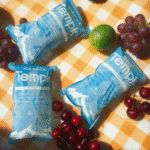
Tempk هي شركة تقدم حلول التغليف المعزول وسلسلة التبريد. نحن تقديم عبوات ثلج قابلة لإعادة الاستخدام, صناديق معزولة وأكياس حرارية مخصصة لحفظ الطعام, المستحضرات الصيدلانية والبيولوجية ضمن نطاقات درجات الحرارة الصارمة. يقوم مركز البحث والتطوير لدينا باستمرار بابتكار مواد جديدة وتقنيات تغيير المرحلة لتعزيز الأداء والاستدامة. كعضو في التحالف العالمي لسلسلة التبريد, نحن الحفاظ على معايير الجودة العالية ودعم العملاء من خلال التغييرات التنظيمية واتجاهات الصناعة المتطورة. استشر ملكنا فريق لتوجيه التعبئة والتغليف, تحليل بيانات درجة الحرارة وتصميم سلسلة التبريد كاملة الخدمة.
دعوة إلى العمل: اتصل بـ Tempk اليوم لإجراء تقييم شخصي لسلسلة التبريد واكتشف كيف يمكن لحلولنا حماية الأطعمة المجمدة ومنتجات الألبان الخاصة بك من المزرعة إلى المائدة.