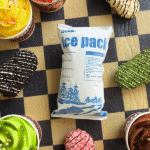
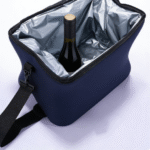
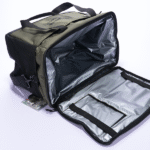
يشير النقل بسلسلة التبريد إلى الحفاظ على العناصر الحساسة لدرجة الحرارة مثل الأطعمة القابلة للتلف, المنتجات الصيدلانية, والمنتجات البيولوجية ضمن نطاق درجات حرارة محدد خلال عملية النقل والتخزين بأكملها لضمان جودتها وسلامتها. يعد النقل بسلسلة التبريد أمرًا بالغ الأهمية للحفاظ على نضارة المنتج, فعالية, ومنع تلف المنتج بسبب تقلبات درجات الحرارة. فيما يلي بعض النقاط الأساسية حول النقل بسلسلة التبريد:
1. التحكم في درجة الحرارة:
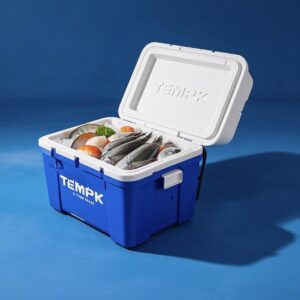
-يتطلب النقل بسلسلة التبريد تحكمًا دقيقًا في درجة الحرارة, والذي يتضمن عادةً وضعين: تبريد (0 ° C ل 4 درجة مئوية) والتجميد (عادة -18 درجة مئوية أو أقل). بعض المنتجات المميزة, مثل بعض اللقاحات, قد يتطلب النقل في درجة حرارة منخفضة للغاية (مثل -70 ° C ل -80 درجة مئوية).
2. الخطوات الرئيسية:
-سلسلة التبريد لا تشمل فقط عملية النقل, ولكن أيضا التخزين, تحميل, وعمليات التفريغ. يجب التحكم بدقة في درجة الحرارة في كل مرحلة لتجنب أي "كسر في سلسلة التبريد", مما يعني أن إدارة درجة الحرارة خارجة عن السيطرة في أي مرحلة.
3. التكنولوجيا والمعدات:
-استخدام المركبات المبردة والمجمدة المتخصصة, الحاويات, السفن, وطائرات للنقل.
-استخدام المستودعات المبردة والمبردة في المستودعات ومحطات النقل لتخزين المنتجات.
-مجهزة بأجهزة مراقبة درجة الحرارة, مثل مسجلات درجة الحرارة وأنظمة تتبع درجة الحرارة في الوقت الحقيقي, لضمان التحكم في درجة الحرارة في جميع أنحاء السلسلة بأكملها.
4. المتطلبات التنظيمية:
-يجب أن يتوافق النقل بسلسلة التبريد مع اللوائح الوطنية والدولية الصارمة. على سبيل المثال, الهيئات التنظيمية للأغذية والأدوية (مثل إدارة الغذاء والدواء الأمريكية وEMA) لقد وضعت معايير نقل سلسلة التبريد للمنتجات الصيدلانية والمواد الغذائية.
-هناك لوائح واضحة بشأن مؤهلات مركبات النقل, مرافق, والمشغلين.
5. التحديات والحلول:
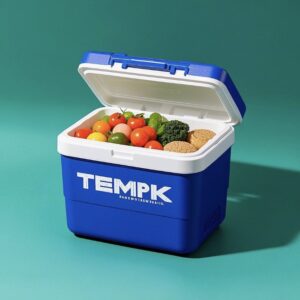
-الجغرافيا والمناخ: يعد الحفاظ على درجة حرارة ثابتة أمرًا صعبًا بشكل خاص أثناء النقل في المناطق القاسية أو النائية.
-الابتكار التكنولوجي: اعتماد أكثر تقدما مواد العزل, أنظمة تبريد أكثر كفاءة في استخدام الطاقة, وتقنيات أكثر موثوقية لمراقبة درجة الحرارة وتسجيل البيانات.
-التحسين اللوجستي: من خلال تحسين الطرق واستراتيجيات النقل, تقليل وقت النقل وتكاليفه مع ضمان سلامة سلسلة التبريد.
6. نطاق التطبيق:
-لا تستخدم سلسلة التبريد فقط في المنتجات الغذائية والصيدلانية, ولكنها تستخدم أيضًا على نطاق واسع في نقل العناصر الأخرى التي تتطلب تحكمًا محددًا في درجة الحرارة, مثل الزهور, المنتجات الكيميائية, والمنتجات الالكترونية.
تعد فعالية النقل بسلسلة التبريد أمرًا بالغ الأهمية لضمان جودة المنتج وسلامة المستهلك, خاصة في سياق زيادة التجارة العالمية والطلب على المنتجات عالية الجودة.
كم تعرف عن التجميد?
التجميد هو وسيلة لحفظ الطعام, المخدرات, وغيرها من المواد عن طريق خفض درجة حرارتها إلى ما دون درجة التجمد. هذه التكنولوجيا قادرة على إطالة العمر الافتراضي للمنتجات بشكل فعال, حيث أن درجات الحرارة المنخفضة تبطئ بشكل كبير نمو الكائنات الحية الدقيقة وسرعة التفاعلات الكيميائية. فيما يلي معلومات مفصلة حول التجميد:
المبادئ الأساسية
1. نطاق درجة الحرارة: يتضمن التجميد عادةً خفض درجة حرارة المنتج إلى درجة حرارة منخفضة -18 درجة مئوية أو أقل. عند درجة الحرارة هذه, معظم الماء يشكل بلورات ثلجية, يتوقف النشاط الميكروبي بشكل أساسي, كما تتباطأ عملية التمثيل الغذائي للطعام بشكل ملحوظ.
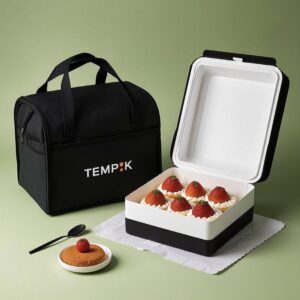
2. تحويل الماء: أثناء عملية التجميد, يتم تحويل الماء الموجود في المنتج إلى بلورات ثلجية, مما يساعد على منع نمو البكتيريا والتفاعلات الكيميائية من الحدوث. لكن, قد يؤدي تكوين بلورات الجليد إلى تعطيل البنية الخلوية, وهو أحد الأسباب التي تجعل الأطعمة المجمدة قد تتعرض لتغيرات في الملمس بعد الذوبان.
تكنولوجيا التجميد
1. التجميد السريع: التجميد السريع هو طريقة شائعة الاستخدام تقلل من حجم بلورات الثلج المتكونة داخل الطعام عن طريق خفض درجة حرارة الطعام بسرعة, مما يساعد على حماية بنية وملمس الطعام. وعادة ما يتم تحقيق ذلك في الإنتاج التجاري باستخدام معدات التبريد الفعالة.
2. تجميد بدرجة حرارة منخفضة للغاية: في بعض التطبيقات المحددة (مثل بعض مجالات البحث العلمي وحفظ الأغذية الراقية), ويمكن استخدام التجميد بدرجة حرارة منخفضة للغاية, ويمكن خفض درجة الحرارة إلى -80 درجة مئوية أو أقل لتحقيق وقت حفظ طويل للغاية.
3. تخزين مجمد: يجب تخزين الأطعمة المجمدة في معدات التبريد المناسبة, مثل الفريزر المنزلي أو التجاري التخزين البارد, لضمان حفظ الطعام بشكل مستمر في درجة حرارة آمنة.
أدوات اتخاذ القرار مفيدة
تحقق من التفاصيل قبل اختيار التغليف
يمكن أن تساعدك هذه الأدوات السريعة في مقارنة مخاطر المسار, احتياجات التحجيم, خيارات المبرد, وتفاصيل التعبئة والتغليف قبل أن تطلب عرض أسعار.
بطانة الصندوق & تحجيم غطاء البليت
تحقق من منطق تحديد حجم بطانة الصندوق وغطاء منصة التحميل لمشاريع التغليف المعزولة.
تقدير الحجمحاسبة علبة الثلج
تقدير كمية عبوات الثلج الهلامي للشحنات المبردة والتخطيط العملي للمسار.
تقدير عبوات الثلجمولد قائمة التحقق من الامتثال
قم ببناء قائمة مرجعية عملية لمراجعة التغليف, شحن, والتوثيق.
بناء قائمة مرجعيةمنطقة التطبيق
1. صناعة المواد الغذائية: في صناعة الأغذية, التجميد هو طريقة حفظ شائعة, مناسبة لمختلف الأطعمة مثل اللحوم, المأكولات البحرية, الطعام المطبوخ, منتجات الألبان, الفواكه والخضروات.
2. الرعاية الصحية: بعض الأدوية والعينات البيولوجية (مثل الدم, الخلايا, إلخ.) تتطلب الحفظ بالتبريد للحفاظ على استقرارها وفعاليتها.
3. البحث العلمي: في البحث العلمي, تُستخدم تقنية التجميد للحفاظ على العينات البيولوجية المختلفة والكواشف الكيميائية للبحث والتحليل على المدى الطويل.
المسائل التي تحتاج إلى الاهتمام
1. التغليف المناسب: يعد التغليف المناسب أمرًا بالغ الأهمية لمنع قضمة الصقيع وتجفيف الطعام. باستخدام مقاومة للرطوبة ومختومة بشكل جيد مواد التغليف يمكن أن تحمي الطعام.
2. تجنب دورات التجميد والذوبان المتكررة: يمكن أن تؤدي دورات التجميد والذوبان المتكررة إلى إتلاف نسيج الطعام وتغذيته, ويجب تجنبها قدر الإمكان.
3. ذوبان آمن: عملية الذوبان مهمة جدًا أيضًا, ويجب إذابته ببطء في الثلاجة, أو يتم إذابته بسرعة باستخدام الميكروويف والماء البارد لتقليل فرصة نمو البكتيريا.
يعد التجميد طريقة حفظ فعالة للغاية تعمل على إبطاء النشاط الميكروبي والتغيرات الكيميائية بشكل كبير, إطالة العمر الافتراضي للأغذية والمواد الحساسة الأخرى. يمكن لتقنيات التجميد والذوبان الصحيحة أن تزيد من الجودة الغذائية والحسية للطعام.
كم تعرف عن التبريد?
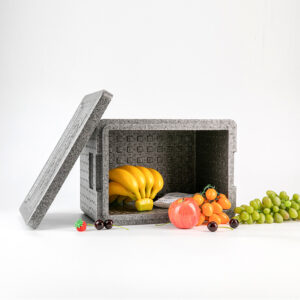
التبريد هو وسيلة للتحكم في درجة الحرارة تستخدم لزيادة ثبات جودة الطعام, الدواء, وغيرها من المنتجات. من خلال الحفاظ على درجات حرارة أقل من درجة الحرارة المحيطة ولكن أعلى من نقطة التجمد, التبريد يمكن أن يبطئ النشاط الميكروبي, التفاعلات الكيميائية, والعمليات الفيزيائية, وبالتالي الحفاظ على نضارة وسلامة المنتجات. وفيما يلي معلومات مفصلة عن التبريد:
المبادئ الأساسية
1. نطاق درجة الحرارة: يشير التبريد عادة إلى تخزين المنتجات في نطاق درجة حرارة تقريبي 0 ° C ل 8 درجة مئوية. نطاق درجة الحرارة هذا يمكن أن يبطئ بشكل فعال نمو وتكاثر معظم الكائنات الحية الدقيقة, بينما يبطئ أيضًا نشاط الإنزيم في الطعام.
2. التحكم في الرطوبة: بالإضافة إلى التحكم في درجة الحرارة, الرطوبة المناسبة هي أيضًا مفتاح الحفاظ على جودة الطعام. تتطلب المنتجات المختلفة مستويات مختلفة من الرطوبة النسبية لزيادة مدة الصلاحية إلى أقصى حد.
منطقة التطبيق
1. حفظ الأغذية: التبريد هو وسيلة شائعة لحفظ المواد الغذائية. انها مناسبة للحوم, منتجات الألبان, الفواكه والخضروات, والأطعمة المطبوخة, المساعدة على تقليل تلف الأغذية والحفاظ على قيمتها الغذائية.
2. المنتجات الطبية: العديد من المخدرات, اللقاحات, ويجب تخزين المنتجات البيولوجية تحت ظروف التبريد للحفاظ على فعاليتها واستقرارها.
3. المواد الكيميائية وغيرها من المواد: كما تحتاج بعض المواد الكيميائية والمواد التجريبية إلى التبريد لمنع تحللها أو الحفاظ على أدائها.
تكنولوجيا التبريد
1. معدات التبريد: تشمل معدات التبريد الثلاجات المنزلية والتجارية, خزائن مبردة, التخزين البارد, إلخ. يمكن لهذه الأجهزة الحفاظ على درجات حرارة منخفضة من خلال أنظمة التبريد بالضاغط, مبردات الامتصاص, أو تقنيات التبريد الأخرى.
2. التبريد الذكي: قد تشمل معدات التبريد الحديثة أجهزة التحكم في درجة الحرارة, أجهزة استشعار الرطوبة, وغيرها من تقنيات الأتمتة, والتي يمكن مراقبتها وتعديلها من خلال أنظمة ذكية لضمان ظروف تخزين مستمرة ومستقرة.
الصيانة والإدارة
1. التحميل الصحيح: تأكد من عدم التحميل الزائد على معدات التبريد وأن الهواء يمكن أن يتدفق بحرية بين المنتجات للحفاظ على درجة حرارة موحدة.
2. التنظيف المنتظم: يعد التنظيف المنتظم لمعدات التبريد ضروريًا لمنع التلوث والحفاظ على كفاءة المعدات.
3. مراقبة درجة الحرارة: استخدم مسجل درجة الحرارة أو مقياس الحرارة للتحقق بانتظام من درجة حرارة معدات التبريد لضمان تشغيلها الطبيعي.
التبريد جزء لا غنى عنه في الحياة اليومية, تلعب دورا حاسما في الحفاظ على سلامة الأغذية, فعالية الدواء, وجودة المنتجات الأخرى. يمكن لإدارة التبريد والتكنولوجيا المناسبة أن تحسن بشكل كبير سلامة الأغذية, تقليل النفايات, وتوفير فوائد اقتصادية للشركات والمستهلكين.