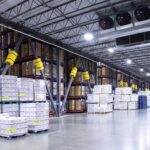
The frozen food supply chain and dairy cold chain are undergoing a transformation. This article explores how sustainability, digital technologies and innovative packaging redefine the frozen food supply chain dairy cold chain while helping you deliver fresher products and reduce waste. Within the first sentences you’ll learn why energy efficient refrigeration, AI driven routing and compostable packaging matter and how they affect your operations.
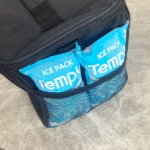
How sustainable packaging innovations support a resilient dairy cold chain. We examine compostable liners, reusable gel packs and active packaging for dairy logistics.
Which technologies enhance visibility and efficiency in the frozen food supply chain. You’ll learn about AI, IoT sensors and micro fulfillment centers that cut delivery time by up to 50 %.
Why market trends and consumer demands are reshaping frozen and dairy logistics. We analyze growth forecasts, demand for convenience and plant based options.
How sustainability and climate strategies influence cold chain operations. We cover renewable energy, the Move to 15 °C initiative and green logistics.
What the latest developments are in 2025. Discover recent challenges such as regulatory pressures, driver shortages and technological integration.
How can sustainable packaging improve dairy cold chains?
الإجابة في لمحة
التغليف المستدام يقلل من النفايات, preserves temperature and builds consumer trust. By adopting recyclable, حلول قابلة للتسميد وقابلة لإعادة الاستخدام, dairy producers can maintain product quality while meeting environmental goals. Innovative liners and gel packs maintain frozen temperatures longer and minimize leaks. Compostable coolers and phase change materials extend shelf life without petroleum based foams.
Why sustainable packaging matters
Modern dairy logistics require packaging that retains cold temperatures and protects delicate products like milk, cheese and yogurt from contamination. Traditional polystyrene and single use plastics generate significant waste and are difficult to recycle. Compostable coolers made from paper and pulp materials and bio polymers break down safely and fit within circular economies. Active packaging with oxygen scavengers and moisture absorbing sachets controls humidity and inhibits microbial growth. مواد تغيير المرحلة (PCMS) maintain stable temperatures during transit by absorbing and releasing thermal energy, allowing shipments to remain within the dairy cold chain temperature range (–18 °C for frozen products).
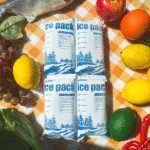
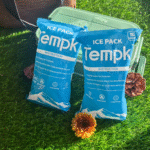
Sustainability also includes recyclability. Recyclable thermal liners paired with corrugated boxes and non toxic gel packs allow consumers to dispose of packaging in curbside recycling bins. Gel packs filled with food grade gel can be drained in the garden or diluted for plant watering. Reusable insulated boxes made from expanded polypropylene (إي بي بي) or high density polyethylene (HDPE) reduce single use waste and are estimated to hold roughly 45 % of circular cold chain packaging market share. For dairies transporting cream or cheese, domestically sourced biomass coolers that biodegrade and absorb carbon dioxide offer additional benefits.
Biodegradable and recyclable packaging innovations
Recent innovations focus on lightweight, compostable and recyclable materials that maintain cold temperatures and reduce environmental impact.
| حل التعبئة والتغليف | المكونات الرئيسية | كيف يعمل | Practical benefits for you |
| Compostable coolers | Paper pulp, bio polymers | Insulating walls made from organic fibers and corn based resins trap cold air. | Eliminates polystyrene; breaks down safely after use. |
| عبوات جل قابلة لإعادة الاستخدام | جل صالح للطعام, recyclable plastic film | Gel absorbs heat and maintains sub zero temperatures during transit. | Consumers can reuse or dispose of gel safely. |
| التعبئة والتغليف النشطة | Oxygen scavengers, humidity absorbers | Sensors and sachets regulate oxygen and moisture inside containers. | Prolongs shelf life by reducing spoilage. |
| مواد تغيير المرحلة | أكياس PCM, natural waxes | Absorb or release heat at specific temperatures to stabilize conditions. | Maintains dairy cold chain temperatures without extra ice. |
| Recyclable boxes with thermal liners | كرتون مموج, PET or EOS liners | Boxes with reflective liners provide insulation while being fully recyclable. | Simple to break down; يقلل من نفايات مدافن النفايات. |
نصائح وتوصيات عملية
Choose packaging that matches your product’s transit time and temperature needs. للتوصيلات القصيرة, reusable gel packs and recyclable liners suffice, while long haul shipments may need phase change materials to maintain the dairy cold chain.
Educate customers about recycling or composting. Add instructions on how to dispose of gel packs and compostable coolers to boost end of life sustainability.
Integrate active sensors. Packaging with IoT sensors monitors temperature and humidity, إرسال التنبيهات عند انحراف الظروف, تقليل التلف.
دراسة حالة: Green Rabbit, a cold chain fulfillment company, replaced polystyrene with recyclable boxes and PET thermal liners for its frozen shipments. Customers are encouraged to recycle boxes and return gel packs, while non toxic gels can be poured onto lawns or diluted for plant watering. The shift improved customer satisfaction and reduced landfill waste.
How do advanced technologies enhance dairy supply chain efficiency?
الإجابة في لمحة
Advanced technologies — including AI, IoT and micro fulfillment centers — provide real time visibility, تحسين الطرق وتقليل استهلاك الطاقة. These tools improve forecasting accuracy, automate warehouse operations and ensure temperature integrity throughout the frozen food supply chain dairy cold chain. Micro fulfillment centers cut delivery times by 30–50 % and reduce last mile costs by 20–30 %.
Driving efficiency through automation and data
The frozen food supply chain involves complex coordination between farms, processing plants, distribution centers and retailers. Temperature deviations at any point can lead to spoilage and waste. IoT sensors embedded in containers, trucks and warehouses provide continuous monitoring of temperature, الرطوبة والموقع. When paired with AI driven analytics, these sensors enable predictive maintenance and automated alerts. Predictive algorithms analyze historical data and weather forecasts to adjust cooling levels and anticipate delays.
مراكز الوفاء الصغيرة (الخلايا الجذعية السرطانية) bring inventory closer to urban consumers. They rely on hybrid automation, small footprints and robotics to prepare orders quickly. MFCs can reduce delivery times by up to 50 % and decrease last mile costs by 20–30 %, a substantial advantage for perishable dairy goods. AI enabled inventory placement ensures popular SKUs are stored near dispatch areas, while automated storage and retrieval systems minimize handling time and temperature fluctuations.
Role of AI and IoT in cold chain visibility
Technologies like artificial intelligence and IoT are transforming logistics by providing granular control over every stage of the dairy cold chain.
| تكنولوجيا | Main functions | Benefits for your operations |
| تحسين المسار القائم على الذكاء الاصطناعي | يستخدم حركة المرور, weather and order data to plan the most efficient paths. | Cuts fuel consumption and improves on time delivery; helps maintain frozen temperatures. |
| أجهزة استشعار درجة حرارة إنترنت الأشياء | Continuously measure and transmit temperature and humidity in real time. | Enables immediate corrective action, منع التلف. |
| التحليلات التنبؤية | توقعات الطلب, equipment failures and delivery times. | Optimizes inventory levels and schedules maintenance before breakdowns. |
| Micro fulfillment robotics | Automated storage and retrieval systems that handle orders in small urban warehouses. | Reduces labor costs and shortens delivery times; maintains temperature integrity. |
| Blockchain للتتبع | Immutable ledger records every step from farm to fork. | Enhances trust and regulatory compliance by providing transparent data. |
نصائح وتوصيات عملية
Start small with IoT pilots. Equip a limited number of vehicles or pallets with sensors to test data collection and identify quick wins before scaling across your fleet.
Use AI to forecast demand and adjust production. By analyzing historical sales and weather patterns, AI reduces overproduction and inventory waste.
Adopt micro fulfillment for urban markets. MFCs reduce greenhouse gas emissions by shortening transport distances and using electric or hybrid delivery vehicles.
دراسة حالة: A dairy processor integrated IoT sensors with its ERP system to monitor milk temperature from farm pickup to warehouse delivery. Predictive analytics notified drivers of unexpected delays and recommended alternate routes. نتيجة ل, spoilage rates dropped by 20 %, وتحسن أوقات التسليم, demonstrating the tangible benefits of real time visibility.
Why are market trends and consumer drivers reshaping frozen and dairy logistics?
الإجابة في لمحة
Consumer demand for convenience and health conscious products and the rapid growth of the frozen food market are forcing supply chains to become more agile and sustainable. The North American frozen food market is projected to grow from US$103.45 billion in 2024 to US$145.34 billion by 2033, مع معدل نمو سنوي مركب قدره 3.85 %. Shifts toward plant based and functional foods, along with a large millennial and Gen Z consumer base seeking quick meal options, accelerate the adoption of frozen and dairy products.
Demand for convenience and health
Dual income households and busy lifestyles have elevated the role of frozen meals, snacks and ingredients. Innovations in freezing technology—such as individual quick freezing (IQF) and cryogenic freezing—retain product quality and taste, convincing consumers that frozen is as good as fresh. تعديل الغلاف الجوي (رسم خريطة) extends shelf life while allowing thinner plastic packaging, المواءمة مع أهداف الاستدامة. Food manufacturers are increasingly offering clean label, organic and plant based frozen meals to meet the demand for healthier options.
Plant based dairy alternatives are booming. The global plant based food market is expected to reach US$95.52 billion by 2029. Hybrid dairy products blend traditional milk with plant proteins for improved nutrition and lower environmental impact, جذابة للمستهلكين المهتمين بالبيئة. Functional dairy products fortified with probiotics and vitamins are projected to grow at 8.5 % CAGR من خلال 2025.
Market size and growth across geographies
The global food cold chain market is forecast to expand from US$65.8 billion in 2025 إلى 205.3 مليار دولار أمريكي 2032, معدل نمو سنوي مركب قدره 17.5 %. أمريكا الشمالية تحمل تقريبا 32 % من هذا السوق, في حين أن منطقة آسيا والمحيط الهادئ هي المنطقة الأسرع نموا. في الولايات المتحدة, the food cold chain market is expected to reach US$54.88 billion by 2034, ينمو عند 16.32 % سنويا. Cold storage capacity expansions in India grew 35 % بين 2020 و 2024, illustrating global investment in infrastructure.
For the dairy sector specifically, circular cold chain packaging systems are projected to grow from US$820 million in 2026 to nearly US$1.96 billion by 2036. Reusable cold chain packaging is expected to double to US$9.13 billion by 2034, highlighting the shift toward durable materials. الولايات المتحدة. cold chain also faces regulatory mandates such as California’s SB 1383, الذي يتطلب أ 75 % reduction in organic waste and encourages controlled atmosphere storage to extend produce shelf life by roughly twelve days.
نصائح وتوصيات عملية
Align product offerings with consumer values. Introduce plant based and functional dairy options to capture the growing health conscious market.
Invest in flexible capacity. Expand or partner with cold storage providers to meet rising demand for frozen products, وخاصة في المناطق الحضرية.
Educate consumers on quality. Use marketing to dispel myths about frozen food’s nutritional value by emphasizing advanced freezing technologies and clean labels.
دراسة حالة: During the February 2021 تجميد تكساس, dairy producers lost approximately US$600 million due to cold chain disruptions. This event spurred investments in resilient infrastructure and inventory management systems. اليوم, predictive analytics and improved cold storage design help prevent such losses.
How do sustainability and climate strategies influence cold chain operations in 2025?
الإجابة في لمحة
الاستدامة لم تعد اختيارية; it is a strategic imperative. The refrigeration sector accounts for roughly 20 % of global electricity consumption and 7.5 % من انبعاثات ثاني أكسيد الكربون. Innovations such as solar powered refrigeration units, natural refrigerants and the Move to 15 °C initiative aim to reduce emissions while maintaining product safety.
Energy efficient refrigeration and renewable power
عمليات سلسلة التبريد تستهلك الكثير من الطاقة. Modern refrigeration systems integrate solar panels, wind turbines and heat recovery technology to cut energy use by up to 20 %. Some transportation refrigeration units (الحقيقة الحقيقية) now utilize electric or hybrid engines; تقريبا 25 % of new units operate on alternative energy sources. Natural refrigerants with low global warming potential (على سبيل المثال, الأمونيا, co₂, الهيدروكربونات) are replacing fluorinated gases to comply with regulatory bans on high GWP refrigerants.
ال Move to 15 °C coalition promotes raising frozen storage temperatures from –18 °C to –15 °C to reduce energy consumption by around 10 %. While this change shortens shelf life by roughly 30 %, it can be offset by thicker packaging and improved rotation practices. Companies adopting this initiative contribute to global carbon reduction targets.
اللوجستية الخضراء, resilience and climate adaptation
Green logistics extends beyond energy use. ويشمل مركبات التوصيل الكهربائية, biofuels and renewable powered warehouses. Some companies certify new facilities as EDGE Advanced or even EDGE Zero Carbon; Emergent Cold LatAm opened the world’s first EDGE Zero Carbon cold storage plant in Chile. مراكز الوفاء الصغيرة الموجودة داخل 10 miles of customers reduce transportation emissions.
يزيد تغير المناخ من تواتر الظواهر الجوية المتطرفة, from floods to droughts. Strategic stockpiling and resilient infrastructure help mitigate disruptions. Real time monitoring and integrated yard management systems ensure product integrity during loading and unloading. على سبيل المثال, the UNFI cyberattack and Conagra supply disruption in 2025 highlighted the need for robust cybersecurity and contingency planning.
Energy efficient technologies and renewable strategies
| استراتيجية الاستدامة | وصف | Benefit for your operations |
| Solar/hybrid refrigeration units | TRUs and facility systems with solar panels and hybrid engines reduce energy usage and emissions. | Lowers operating costs and improves compliance with emissions regulations. |
| المبردات الطبيعية | Use ammonia, CO₂ or hydrocarbons instead of high GWP HFCs to meet regulatory requirements. | Reduces environmental impact and future proofs equipment. |
| مبادرة الانتقال إلى 15 درجة مئوية | Raises storage temperature to –15 °C to cut energy use by ~10 % while using thicker packaging to preserve quality. | Lower energy bills with manageable adjustments to packaging and shelf life. |
| Heat recovery systems | Capture waste heat from refrigeration units for use in water heating or facility heating. | Improves total energy efficiency and reduces overall consumption. |
| Electric or hybrid delivery vehicles | Replace diesel trucks with electric vans or hybrid trucks, sometimes powered by renewable energy. | Reduces carbon emissions and may benefit from subsidies or tax incentives. |
نصائح وتوصيات عملية
Evaluate equipment lifecycle. When upgrading refrigeration units, select models compatible with natural refrigerants and renewable energy to future proof your investment.
Participate in industry coalitions. Collaborate with initiatives like Move to 15 °C and regional packaging consortia to share best practices and influence standards.
خطة المرونة المناخية. Establish contingency plans for extreme weather events and integrate yard management systems to maintain temperature integrity during delays.
دراسة حالة: Emergent Cold LatAm built a cold storage facility certified as EDGE Zero Carbon in Chile, integrating solar and wind energy and advanced insulation. The plant’s renewable energy usage reduces operational emissions and demonstrates how green logistics can be profitable and sustainable.
2025 اتجاهات جديدة
نظرة عامة على الاتجاه
The frozen food supply chain dairy cold chain is evolving rapidly in 2025. Key developments include AI integration, الأتمتة, الضغوط التنظيمية, labor shortages and climate resilience. The TMX Transform report notes that cyber incidents and logistics disruptions in 2025 highlighted the fragility of cold chain systems and increased investment in risk management. التغييرات التنظيمية, such as stricter CDL issuance rules, are reducing the supply of truck drivers, driving up freight rates and making technology adoption crucial for efficiency. Consumers are shifting to frozen foods for budget optimisation and variety, pushing companies to expand their portfolios and invest in local cold storage.
أحدث التطورات في لمحة
Integration of AI across operations: Preparing data for AI models is essential; companies focusing on data preparation achieve better supply and demand forecasting.
الأتمتة والروبوتات: Flexible robotics make automation more practical, enabling grocers and logistics partners to manage labor shortages. Yard operations are being automated to improve temperature integrity and reduce dwell time.
Investment in new infrastructure: تجار التجزئة, 3PLs and logistics companies are racing to build local refrigerated warehouses and micro fulfillment centers to support e commerce demand.
Consumer behavior changes: With economic uncertainty and reduced SNAP benefits, consumers dine at home more frequently; frozen food aisles expand to meet demand.
Green logistics adoption: Companies invest in renewable energy, zero carbon facilities and electric fleets to meet sustainability goals.
رؤى السوق
While global cold chain expansion is robust, regional nuances matter. ال North American frozen food market is set to reach US$145.34 billion by 2033, driven by convenience and plant based options. Millennials and Gen Z are the largest consumer segments, valuing portion controlled, health oriented frozen meals. Innovations such as individual quick freezing and modified atmosphere packaging bolster product quality. عالميًا, the food cold chain market’s CAGR of 17.5 % signals rapid infrastructure growth, particularly in Asia Pacific.
التعليمات
س 1: What temperature range should I maintain for frozen dairy products in the cold chain?
Keep frozen dairy items at or below –18 °C (0 ° f). IoT sensors and phase change materials help maintain this range throughout transit.
Q2: How does AI help prevent spoilage in the dairy cold chain?
AI combines real time sensor data with historical patterns to predict equipment failures and reroute deliveries during delays. This reduces spoilage by maintaining optimal temperatures.
س 3: Are consumers willing to pay more for sustainable packaging?
نعم. A McKinsey study found that over 60 % من الولايات المتحدة. consumers would pay a premium for innovative sustainable food packaging, indicating strong market support for eco friendly options.
س 4: What is the Move to 15 °C initiative?
It is a global coalition advocating raising frozen storage temperatures from –18 °C to –15 °C to reduce energy consumption by about 10 %. The trade off is shorter shelf life, which can be mitigated with thicker packaging.
س 5: How can I prepare for driver shortages and higher freight rates?
Invest in route optimization software, micro fulfillment centers and automation. These strategies reduce dependence on long haul trucking and mitigate labor constraints.
اقتراح
الوجبات الرئيسية
Sustainable packaging is essential: Compostable coolers, reusable gel packs and recyclable liners protect dairy products and reduce waste.
التكنولوجيا تقود الكفاءة: منظمة العفو الدولية, IoT and micro fulfillment centers provide real time visibility, predictive analytics and faster delivery, reducing spoilage and costs.
Market growth demands agility: The frozen food and dairy cold chain markets are growing rapidly, driven by convenience and health trends. Preparing for this demand requires flexible infrastructure and consumer education.
Sustainability and climate strategies matter: التبريد الموفرة للطاقة, renewable power and initiatives like Move to 15 °C reduce environmental impact.
2025 brings new challenges: الضغوط التنظيمية, driver shortages and cyber risks highlight the need for resilience, automation and strong data governance.
نصيحة قابلة للتنفيذ
Audit your packaging portfolio. Identify opportunities to replace polystyrene and single use plastics with compostable or recyclable alternatives, and collaborate with suppliers for phase change materials and active packaging.
Implement IoT pilots. Start with a small fleet of sensor equipped vehicles or pallets to capture real time data, then integrate findings into your ERP and transportation management systems.
استثمر في الأتمتة. Explore micro fulfillment centers and robotics to manage labor shortages and deliver faster to urban customers. Consider energy efficient refrigeration units with solar or hybrid power.
خطة للمرونة. Develop contingency plans for extreme weather and cyber incidents. Adopt yard management systems that integrate with cold storage and transportation networks for full visibility.
إشراك المستهلكين. Communicate the benefits of frozen dairy products and sustainable packaging. Promote plant based and functional options to meet evolving preferences.
عن Tempk
Tempk is a leader in cold chain packaging and technology solutions. We specialize in eco friendly packaging, real time temperature monitoring and AI driven logistics that help dairy and frozen food producers reduce waste and enhance product quality. Our team combines industry expertise with cutting edge technology to support your journey toward a greener, more efficient frozen food supply chain.
دعوة إلى العمل
Ready to elevate your dairy cold chain? اتصل بنا for a personalized assessment and discover how our solutions can help you innovate, save costs and meet sustainability goals.