تحديث: ديسمبر 4, 2025
تعتبر الإدارة الفعالة لسلسلة التبريد هي العمود الفقري للمنتجات العضوية. بدون التحكم المناسب في درجة الحرارة والرطوبة, حتى 40 % من الخضروات الحيوية القابلة للتلف يمكن أن تفسد في مرحلة انتقالية, وحول 25 % يتم إهدار المواد الغذائية المنقولة في سلاسل التبريد كل عام. يساعدك هذا الدليل على التنقل بين اللوائح والتقنيات المتطورة أنت يمكن تحقيقه الامتثال للخضروات الحيوية ذات السلسلة الباردة في 2025. سنغطي ما يعنيه الامتثال, لماذا يهم, وكيفية تنفيذها وكيفية ظهور الأدوات مثل الذكاء الاصطناعي, يمكن لأجهزة استشعار blockchain وIoT تقليل الفاقد والتكاليف مع الحفاظ على منتجاتك طازجة.
فهم الامتثال لسلسلة التبريد: What it entails and how it relates to biovegetables, بما في ذلك متطلبات درجة الحرارة والرطوبة.
السائقين والتكاليف: لماذا تعتبر الخضروات العضوية باهظة الثمن وما هي العوامل التي تؤدي إلى تضخم تكاليف سلسلة التبريد.
خطوات التنفيذ: الإجراءات العملية لبناء سلسلة تبريد متوافقة من المزرعة إلى المستهلك, بما في ذلك البنية التحتية, تدريب الموظفين وحفظ السجلات.
حلول التكنولوجيا: How AIpowered route optimization, يمكن لمراقبة blockchain وإنترنت الأشياء ضمان الامتثال وتوفير المال.
فوائد الامتثال: كيف تزيد سلسلة التبريد القوية من أرباح المزارعين, يخفض الأسعار ويبني ثقة المستهلك.
2025 الاتجاهات واللوائح: المواعيد النهائية التنظيمية الرئيسية مثل FSMA 204, الشركات المملوكة للدولة وقاعدة تتبع الأغذية, بالإضافة إلى اتجاهات الأسواق الناشئة ومحركات الاستدامة.
What Does سلسلة التبريد BioVegetables Compliance Mean?
Cold chain biovegetables compliance يشير إلى تلبية اللوائح والمعايير باستمرار لتخزين ونقل الخضروات العضوية في درجات حرارة ومستويات رطوبة يمكن التحكم فيها عبر سلسلة التوريد. The سلسلة التبريد is a temperaturecontrolled supply chain; أنها تنطوي على التخزين والتوزيع دون انقطاع للحفاظ على نطاق درجة حرارة معين. للخضروات الطازجة, وهذا يعني عادة 0-5 درجة مئوية مع 90-95 % الرطوبة النسبية, though leafy greens may require 0–2 °C and nearly 100 % رطوبة. Compliance ensures that products stay within these ranges and are traceable from farm to table.
Why Compliance Matters
Keeping produce safe and fresh: When temperatures fluctuate outside the safe range, vegetables lose moisture, الملمس والمغذيات. عن 25 % of all food products transported in سلسلة التبريدs are wasted due to breaches in integrity. Such waste represents lost revenue and environmental harm.
Meeting regulatory obligations: Several regulatory frameworks govern سلسلة التبريد compliance. ال القاعدة النهائية لتتبع الأغذية الصادرة عن إدارة الغذاء والدواء requires entities handling foods on the Food Traceability List to maintain key data elements for critical tracking eventsfda.gov. ال تاريخ الامتثال has been proposed for extension to يوليو 20 2028fda.gov, but entities must still be ready by January 20 2026 and start recordkeeping now. ال FSMA 204 قاعدة will apply to all foods on the traceability list from يناير 6 2025, with routine inspections expected in 2027. للعمليات العضوية, ال Strengthening Organic Enforcement (SOE) قاعدة entered its full compliance phase on يمشي 19 2024, requiring operations to be certified and to maintain electronic import certificates. بالإضافة إلى ذلك, importers of organic products must be certified under USDA regulations by يوليو 15 2025.
Protecting your brand: Failing to comply can lead to product degradation, recalls and fines. Maintaining compliance builds consumer confidence and differentiates your organic produce.
Key Components of BioVegetables سلسلة التبريد Compliance
Compliance hinges on controlling temperature, رطوبة, packaging and documentation throughout the supply chain. The table below summarizes typical parameters and their practical significance.
| المعلمة | النطاق الموصى به | سبب | فائدة عملية |
| Fresh vegetables | 0-5 درجة مئوية; 90-95 % RH | Low temperatures slow respiration, while high humidity prevents dehydration | Keeps vegetables crisp, retains nutrients and reduces waste |
| الخضر الورقية & الأعشاب | 0-2 درجة مئوية; 95-100 % RH | حساسة للغاية لفقدان الرطوبة; nearfreezing temperatures maintain texture | يقلل من الذبول, يحافظ على اللون والنكهة |
| البضائع اللوجستية المختلطة | -25 درجة مئوية إلى +15 درجة مئوية (اعتمادا على البضائع) | تتطلب البضائع المختلطة العابرة نطاقات مرنة; realtime monitoring adjusts settings | يضمن الامتثال للشحنات المتنوعة ويقلل من التلف عبر الفئات |
نصائح واقتراحات عملية
استخدم معدات معايرة: اتبع ممارسات التوزيع الجيدة (الناتج المحلي الإجمالي) ومعايرة أجهزة الاستشعار وفقًا لمعايير مثل NIST أو UKAS.
المراقبة بشكل مستمر: نشر أجهزة تسجيل البيانات وأجهزة استشعار إنترنت الأشياء لتتبع درجة الحرارة والرطوبة في الوقت الحقيقي.
تدريب فريقك: تأكد من أن كل شخص يتعامل مع المنتجات يفهم بروتوكولات سلسلة التبريد وإجراءات الطوارئ.
خطط للطوارئ: قم بتطوير بروتوكولات لانقطاع التيار الكهربائي وتعطل المعدات لتقليل درجات الحرارة.
التوثيق والتدقيق: احتفظ بسجلات مفصلة لأحداث التتبع الهامة, شهادات المعايرة والتدريب; قد يتم طلب هذه السجلات داخل 24 ساعات أثناء التدقيق.
مثال العالم الحقيقي: A European organic vegetable cooperative implemented AIpowered route optimization and IoT sensors across its distribution network. من خلال دمج عمليات التسليم ومراقبة درجة الحرارة في الوقت الحقيقي, هو - هي خفض استهلاك الوقود بنسبة 20 %, خفض معدلات التلف بنسبة 15 % وخفض التكاليف اللوجستية عن طريق 18 %. وسمحت هذه المدخرات للتعاونية بخفض أسعار التجزئة وجذب عملاء جدد.
لماذا يعد الامتثال أمرًا ضروريًا لسلسلة تبريد الخضروات العضوية?
الامتثال ضروري لأنه يحمي النزاهة, يدعم التصديق ويدير التكاليف. تتضمن الشهادة العضوية قواعد صارمة بشأن الإنتاج, التعامل وحفظ السجلات. ال القاعدة النهائية للشركات المملوكة للدولة يفرض شهادات الاستيراد الإلكترونية ويتطلب اعتماد جميع الكيانات في سلسلة التوريد العضوية; noncompliance results in penalties. رسوم الشهادة, يمكن لسلاسل التوريد المجزأة والبنية التحتية غير الكافية لسلسلة التبريد إنتاج الخضروات العضوية أربع مرات أكثر تكلفة من المنتجات التقليدية. يساعدك فهم برامج التشغيل هذه على التخطيط للامتثال والتحكم في التكاليف.
محركات التكلفة والامتثال
أسعار الخضروات العضوية أعلى بسبب عوامل متعددة:
| سائق التكلفة | التأثير على الخضروات الحيوية | لماذا يهمك |
| شهادة & رسوم الامتثال | اختبارات التربة, تضيف الوثائق وشهادة المجموعة النفقات العامة إلى عمليات المزرعة | يؤدي ارتفاع التكاليف لكل وحدة إلى تقليل القدرة على تحمل التكاليف وتثبيط المزارعين عن دخول سوق المنتجات العضوية |
| سلاسل التوريد المجزأة | تعمل طبقات النقل والمناولة الإضافية على زيادة الهوامش في كل مرحلة | تؤدي الطرق الأطول إلى زيادة استهلاك الوقود وزيادة خطر التلف |
| قدرة سلسلة التبريد محدودة | حتى 40 % يتم إهدار المنتجات العضوية القابلة للتلف بسبب عدم كفاية التخزين البارد | النفايات تجبر المنتجين على رفع الأسعار, الحد من إمكانية الوصول للمستهلكين |
| العمليات كثيفة الاستهلاك للطاقة | يتطلب التبريد والنقل المعزول قدرًا كبيرًا من الطاقة والصيانة | High operational costs discourage small distributors and can lead to penalties for noncompliance |
| طرق أطول إلى الأسواق المتخصصة | غالبًا ما تنتقل المنتجات العضوية إلى أماكن أبعد للوصول إلى العملاء في المناطق الحضرية | يؤدي المزيد من الوقت أثناء النقل إلى زيادة استهلاك الوقود وخطر الرحلات بسبب درجات الحرارة |
تتفاقم هذه العوامل لتجعل الخضروات العضوية تبدو باهظة الثمن. وقد أظهرت الدراسات الاستقصائية ذلك 62 % من الأسر تعتبر الأغذية العضوية باهظة الثمن بسبب فروق الأسعار من 30-300 %. يمكن أن تساعد معالجة أوجه القصور في سلسلة التبريد في سد هذه الفجوة.
كيف يحمي الامتثال عملك
من خلال الالتزام بلوائح سلسلة التبريد وتنفيذ أفضل الممارسات، يمكنك ذلك:
التأكد من سلامة المنتج: التحكم السليم في درجة الحرارة يحافظ على الفيتامينات, الملمس والنكهة.
تجنب العقوبات: الشركات المملوكة للدولة وFSMA 204 تتطلب القواعد التوثيق والشهادة. Noncompliance may lead to fines and import restrictions.
تحسين الربحية: تعمل أنظمة سلسلة التبريد الفعالة على تقليل التلف ودعم نماذج التسويق المباشر القادرة على ذلك انخفاض أسعار المستهلك بنسبة 15-20 % وزيادة دخل المزارعين بنسبة 25-30 %.
بناء ثقة المستهلك: إن إمكانية التتبع الشفافة والحالة العضوية المعتمدة تطمئن المشترين وتميز علامتك التجارية.
حالة عملية: في الولايات المتحدة, وأكدت وزارة الزراعة الأمريكية ذلك من يوليو 15 2025, يجب على جميع مستوردي المنتجات العضوية الحصول على شهادة وزارة الزراعة الأمريكية. يؤكد الموعد النهائي للتنفيذ على أهمية الحصول على الشهادة المناسبة لأي شخص يتاجر بالخضروات العضوية على المستوى الدولي.
How to Implement سلسلة التبريد Compliance for BioVegetables
تنفيذ الامتثال ينطوي على التخطيط الاستراتيجي, الاستثمار في البنية التحتية, تدريب الموظفين والمراقبة المستمرة. Below is a stepbystep framework.
الخطوات المباشرة لبناء سلسلة تبريد متوافقة
تقييم سلسلة التوريد الخاصة بك: قم بتخطيط كل خطوة من الحصاد إلى المستهلك وحدد مكان انتظار المنتج أو انتقاله دون داع. تشير المسافات الطويلة أو تعدد الوسطاء إلى عدم الكفاءة.
ترقية البنية التحتية: الاستثمار في وحدات التبريد الحديثة, حاويات معزولة and microfulfillment centers near urban markets. Microfulfillment centers located within 10 miles of consumers shorten lastmile delivery times and preserve freshness.
اعتماد حلول الطاقة المتجددة: Use solarpowered التخزين البارد and electric or solarpowered refrigerated vehicles to lower operating costs and emissions.
تنفيذ المراقبة في الوقت الحقيقي: انشر مستشعرات إنترنت الأشياء لتتبع درجة الحرارة والرطوبة بشكل مستمر وإرسال تنبيهات عند انحراف المعلمات. استخدم نماذج التعلم الآلي للتنبؤ بفشل المعدات والتخطيط للصيانة الوقائية.
الاستفادة من إمكانية التتبع الرقمي: استخدم blockchain لإنشاء سجلات غير قابلة للتغيير لكل شحنة, تمكين الاستدعاء السريع والامتثال للوائح التتبع.
تدريب الموظفين والشركاء: توفير التدريب على التعامل مع سلسلة التبريد, إجراءات الطوارئ وحفظ السجلات. ضمان جميع الشركاء, من المزارعين إلى الناقلين, فهم التزاماتهم.
وثيقة, التدقيق والتحسين: الحفاظ على عناصر البيانات الرئيسية (كيدي) لأحداث التتبع المهمة وكن مستعدًا لإنتاجها في الداخل 24 ساعات أثناء التدقيق. قم بمراجعة مقاييس الأداء بانتظام لتحديد مجالات التحسين.
العناصر التفاعلية الموصى بها
أداة قائمة التحقق من الامتثال: Offer an online selfassessment where users answer questions about their equipment, الإجراءات والوثائق. توفر الأداة درجة الامتثال وتقترح إجراءات لسد الفجوات.
حاسبة درجة الحرارة للرحلة: قم بإنشاء أداة بسيطة لتقدير فقدان الجودة إذا بقي المنتج خارج نطاق درجة الحرارة المستهدفة لفترة معينة. وهذا يساعد المستخدمين على تصور التأثير المالي للانتهاكات الصغيرة.
عرض توضيحي لتحسين الطريق: قم بتقديم عرض توضيحي يوضح كيف يمكن للذكاء الاصطناعي إعادة ترتيب توقفات التسليم لتقليل وقت السفر واستهلاك الوقود.
أدوات اتخاذ القرار مفيدة
تحقق من التفاصيل قبل اختيار التغليف
يمكن أن تساعدك هذه الأدوات السريعة في مقارنة مخاطر المسار, احتياجات التحجيم, خيارات المبرد, وتفاصيل التعبئة والتغليف قبل أن تطلب عرض أسعار.
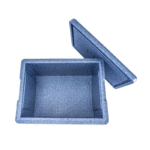
مقاومة سقوط المواد العازلة
مراجعة مقاومة السقوط وعوامل المناولة قبل اختيار المواد العازلة.
تحقق من المقاومةحاسبة علبة الثلج
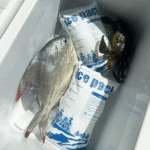
تقدير كمية عبوات الثلج الهلامي للشحنات المبردة والتخطيط العملي للمسار.
تقدير عبوات الثلجمولد قائمة التحقق من الامتثال
قم ببناء قائمة مرجعية عملية لمراجعة التغليف, شحن, والتوثيق.
بناء قائمة مرجعيةرؤية قابلة للتنفيذ: أ 2024 ورقة بحثية مستخدمة kmeans clustering and Gaussian Process Regression لتجميع البائعين حسب الموقع الجغرافي والتنبؤ بحجم المبيعات. خفضت الطريقة التكاليف اللوجستية بنسبة 34.76 % وهدر الموارد من قبل 15.6 %. Applying similar algorithms to biovegetables can drastically cut transportation and holding costs.
ما هي الأدوات التقنية التي تضمن الامتثال لسلسلة التبريد؟?
تعمل التكنولوجيا على إحداث تحول في لوجستيات سلسلة التبريد, making compliance easier and more costeffective. نعرض أدناه الأدوات الرئيسية وفوائدها.
التقنيات الرئيسية للامتثال لسلسلة التبريد
| تكنولوجيا | ماذا يفعل | فائدة عملية |
| تحسين المسار المدعوم بالذكاء الاصطناعي | يحلل حركة المرور, نوافذ الطقس والتسليم لتخطيط طرق فعالة | يقلل من استهلاك الوقود, يقصر وقت العبور ويقلل من تقلبات درجات الحرارة |
| Blockchain للتتبع | إنشاء سجلات غير قابلة للتغيير لرحلات المنتج وأتمتة المدفوعات عبر العقود الذكية | يضمن الامتثال لقواعد التتبع, يتيح عمليات الاسترجاع السريعة ويبني ثقة المستهلك |
| مستشعرات إنترنت الأشياء & مراقبة الوقت الحقيقي | مراقبة درجة الحرارة بشكل مستمر, الرطوبة والموقع; تمكين الصيانة التنبؤية | يسمح باتخاذ إجراءات تصحيحية فورية ويمنع فشل المعدات |
| خوارزميات التنبؤ بالطلب | استخدم التعلم الآلي لتحليل المبيعات, الطقس واتجاهات السوق | يتجنب الإفراط في التخزين, يمنع نفاذ المخزون ويقلل من النفايات |
| التبريد بالطاقة الشمسية & حاويات موفرة للطاقة | Provide cooling in offgrid regions and reduce energy consumption | يخفض تكاليف التشغيل ويمكّن المزارعين في المناطق النائية من المشاركة في التجارة العضوية |
| مبردات ذات قدرة منخفضة على إحداث الاحترار العالمي & أنظمة استعادة الحرارة | استخدام المبردات الصديقة للبيئة واستعادة الحرارة المهدرة | الحد من انبعاثات الغازات الدفيئة وخفض الإنفاق على المرافق بأكثر من 40 % |
| Mobile directmarketing apps | ربط المزارعين مباشرة مع المستهلكين عبر صناديق الاشتراك | تقليل الوسطاء, زيادة دخل المزارعين بنسبة تصل إلى 30 % وانخفاض أسعار المستهلك |
نصائح عملية لاختيار التكنولوجيا
ابدأ صغيرًا: قم بتجربة أجهزة استشعار إنترنت الأشياء أو برامج تحسين المسار في منطقة محدودة لاختبار الفوائد قبل التوسع.
إعطاء الأولوية لقابلية التشغيل البيني: اختر الأنظمة التي تتكامل مع أنظمة تخطيط موارد المؤسسات (ERP) وإدارة المستودعات الحالية; ويشكل الافتقار إلى إمكانية التشغيل البيني عائقا رئيسيا أمام إمكانية التتبع.
النظر في التكلفة الإجمالية للملكية: لا تقم بتقييم سعر الشراء فحسب، بل أيضًا الصيانة, استهلاك الطاقة وتكاليف التدريب.
البقاء حتى الآن: مراقبة التغييرات التنظيمية مثل FSMA 204 والشركات المملوكة للدولة; اختر الأدوات ذات الميزات المصممة للامتثال.
مثال على ذلك: يتم نشر شركات مثل Eja Ice Nigeria ثلاجات تعمل بالطاقة الشمسية للحد من هدر الطعام وتحسين الأمن الغذائي في المناطق التي لا يمكن الاعتماد عليها في الكهرباء. تعمل الحاويات المعزولة خفيفة الوزن المزودة بأجهزة استشعار لإنترنت الأشياء على تقليل استخدام الطاقة وضمان سلامة المنتج.
كيف يفيد الامتثال لسلسلة التبريد المزارعين والمستهلكين?
إن استراتيجيات الامتثال الفعالة لا تلبي المتطلبات التنظيمية فحسب، بل تخلق أيضًا قيمة اقتصادية واجتماعية.
فوائد للمزارعين وسلاسل التوريد
الاحتفاظ بالعائد العالي: يؤدي تقليل التلف إلى زيادة نسبة المنتجات المباعة, تعزيز الإيرادات.
توسع السوق: سلاسل التبريد الموثوقة تمكن المزارعين من الوصول إلى الأسواق البعيدة دون المساس بالجودة.
إعادة استثمار الاستثمار: الدخل الإضافي من تقليل النفايات يمول الممارسات المستدامة مثل الري الذكي.
تقاسم التكاليف: وتسمح التعاونيات ومراكز التجميع للمزارعين بتقاسم تكاليف إصدار الشهادات والنقل, جعل الزراعة العضوية أكثر قابلية للحياة.
فوائد للمستهلكين والمجتمع
انخفاض الأسعار: عندما يتم فقدان إنتاج أقل, المزيد متاح للبيع; يؤدي هذا العرض المتزايد إلى خفض أسعار التجزئة.
سلامة متسقة: الإدارة السليمة لدرجة الحرارة تمنع نمو مسببات الأمراض وتقلل من مخاطر الأمراض المنقولة بالغذاء.
ثقة أكبر: إن التتبع الشفاف يبني ثقة المستهلك; الناس على استعداد لدفع أسعار عادلة مقابل الخضروات الحيوية الطازجة بشكل موثوق.
انخفاض التأثير البيئي: انخفاض النفايات يعني إهدار موارد أقل, وأنظمة التبريد المستدامة تقلل من استخدام الطاقة.
ملخص الفوائد
| أصحاب المصلحة | فوائد من الامتثال | شهادة |
| المزارعين | زيادة الإيرادات من خلال تقليل الفساد والوصول إلى الأسواق البعيدة; القدرة على إعادة الاستثمار في الممارسات المستدامة | أظهر تحليل النماذج التعاونية أن التسويق المباشر أدى إلى خفض أسعار المستهلك بمقدار 15-20 % وزيادة دخل المزارعين بنسبة 25-30 % |
| المستهلكين | انخفاض الأسعار, منتجات طازجة, تقليل خطر الإصابة بالأمراض المنقولة بالغذاء | الإدارة السليمة لسلسلة التبريد تمنع ما يصل إلى 40 % of biovegetable spoilage and reduces waste in the supply chain |
| بيئة | Lower energy use and reduced greenhouse gas emissions through renewable energy and lowGWP refrigerants | Sustainable practices like heatrecovery systems can lower utility spending by more than 40 % |
2025 Trends in سلسلة التبريد BioVegetables Compliance
نظرة عامة على الاتجاه
يزدهر سوق سلسلة التبريد العالمية. وقد قدرت به دولار أمريكي 228.3 مليار في 2024 ومن المتوقع أن يصل دولار أمريكي 372 مليار من قبل 2029, ينمو عند أ 10.3 % CAGR. إن التوسع في تجارة التجزئة والتجارة الدولية المنظمة يقود هذا النمو, والتقدم التكنولوجي يعيد تشكيل السوق.
أحدث التطورات في لمحة
تحسين المسار المدعوم بالذكاء الاصطناعي: Realtime route adjustments improve efficiency and reduce fuel consumption.
إمكانية تتبع البلوكشين: تضمن السجلات غير القابلة للتغيير الامتثال وبناء ثقة المستهلك.
التبريد بالطاقة الشمسية: إن اعتماد وحدات سلسلة التبريد بالطاقة الشمسية يقلل من هدر الطعام ويدعم استقلال الطاقة.
الحاويات الذكية: خفيف الوزن, insulated containers equipped with IoT sensors provide realtime monitoring and enhance shipment integrity.
مراقبة إنترنت الأشياء: التتبع المستمر لدرجة الحرارة والرطوبة يمنع التلف.
التغليف المستدام: Ecofriendly packaging reduces environmental impact and meets consumer expectations.
النمو في المركبات التجارية الخفيفة المبردة (المركبات التجارية الخفيفة): Fuelefficient LCVs offer lowcost lastmile transport and are expected to grow rapidly.
رؤى السوق والمحركات التنظيمية
التجارة الدولية: ويعمل انخفاض الحواجز التجارية وسلاسل التوريد المترابطة على تمكين النقل العالمي للسلع القابلة للتلف, increasing demand for advanced حلول سلسلة التبريد.
Expanding quickservice restaurant (خدمة الجودة السريعة) قطاع: في الهند, ومن المتوقع أن ينمو قطاع مطاعم الوجبات السريعة 20-25 % في المالية 2024, تسليط الضوء على الحاجة إلى سلاسل تبريد قوية لتزويد المطاعم.
Urbanization and microfulfillment: يطالب المستهلكون في المدن الكبرى بالتسليم السريع; microfulfillment centers within 10 miles ensure temperaturecontrolled delivery.
التركيز التنظيمي: قوانين مثل كاليفورنيا س.ب 1383 تتطلب أ 75 % الحد من النفايات العضوية and penalize noncompliance, pushing retailers to invest in controlledatmosphere storage and specialized sensors.
FSMA 204 الجدول الزمني: على الرغم من أن تاريخ الامتثال هو يناير 20 2026, لن تبدأ إدارة الغذاء والدواء الأمريكية عمليات التفتيش الروتينية حتى 2027. وهذا يمنح اللاعبين في الصناعة الوقت للتعاون في التنفيذ, ولكن حفظ السجلات يجب أن يبدأ من 2025.
إنفاذ الشركات المملوكة للدولة: تتطلب قاعدة الشركات المملوكة للدولة أن يكون جميع المعالجين العضويين معتمدين وأن يستخدموا شهادات الاستيراد الإلكترونية; penalties apply for noncompliance. يجب أن يكون المستوردون معتمدين من قبل يوليو 15 2025.
الأسئلة المتداولة
س 1: Why is سلسلة التبريد crucial for biovegetables?
تحافظ الخدمات اللوجستية المناسبة لسلسلة التبريد على درجة الحرارة والرطوبة للحفاظ على المنتجات العضوية. بدون تبريد, حتى 40 % من الخضروات الحيوية يمكن أن تفسد أثناء النقل. الامتثال يقلل من النفايات, protects nutrients and ensures food safety.
س 2: كيف يمكن لصغار المزارعين تحمل تكاليف تكنولوجيا سلسلة التبريد؟?
Small farmers can form cooperatives to share certification and transportation costs. Direct marketing channels and subscription platforms can increase farmer earnings by 25-30 %. Solarpowered cold storage and government subsidies also lower the barrier to entry.
س 3: What role does AI play in سلسلة التبريد compliance?
يعمل الذكاء الاصطناعي على تحسين الطرق, يتنبأ بالطلب ويتنبأ باحتياجات الصيانة. A study using kmeans clustering and Gaussian Process Regression reduced logistics costs by 34.76 % وهدر الموارد من قبل 15.6 %. AI can also automate recordkeeping and assist with FSMA 204 امتثال.
س 4: كيف تعمل تقنية blockchain وإنترنت الأشياء على تحسين الشفافية?
Blockchain provides an immutable ledger of each shipment, while IoT sensors transmit realtime temperature and location data. معاً, they enable rapid recalls, build consumer trust and facilitate compliance with traceability rules.
س 5: What are the consequences of noncompliance?
Noncompliance can lead to product degradation, public health risks and financial losses. It may trigger regulatory action, بما في ذلك عمليات التدقيق, غرامات أو تعليق الترخيص. الحفاظ على الامتثال يحمي سمعتك ويقلل من الهدر.
ملخص وتوصيات
Cold chain biovegetables compliance in 2025 يتطلب نهجا شموليا. السلسلة الباردة هي العلم, التكنولوجيا والعملية; أنها تنطوي على الحفاظ على نطاقات محددة لدرجة الحرارة والرطوبة للمنتجات الطازجة, نشر المراقبة المستمرة والاحتفاظ بسجلات مفصلة للتتبع. الشهادات واللوائح العضوية مثل FSMA 204 وتفرض الشركات المملوكة للدولة التوثيق الإلكتروني وشهادة المستورد. By investing in AIpowered route optimization, blockchain, أجهزة استشعار إنترنت الأشياء وحلول الطاقة المتجددة, يمكنك تقليل التكاليف, قطع النفايات, خفض الانبعاثات وبناء ثقة المستهلك. التعاون بين المزارعين, يعد الناقلون والمنظمون ضروريين للوفاء بالمواعيد النهائية للامتثال 2025-2028.
خطة العمل
تقييم العمليات الحالية الخاصة بك: إجراء تدقيق شامل لتحديد أوجه القصور ومراقبة معدلات التلف.
تطوير خارطة طريق للامتثال: قم بمحاذاة عملياتك مع FSMA 204 ومتطلبات الشركات المملوكة للدولة, بما في ذلك الشهادة, حفظ السجلات وتسجيل المستوردين.
استثمر في التكنولوجيا: اعتماد أجهزة استشعار إنترنت الأشياء, تحسين مسار الذكاء الاصطناعي وإمكانية تتبع blockchain لتعزيز الرؤية وتقليل الهدر.
التعاون والتدريب: تشكيل التعاونيات, مشاركة الموارد وتثقيف الموظفين حول أفضل ممارسات سلسلة التبريد.
الانخراط مع المنظمين: ابق على اطلاع بتغييرات القواعد وشارك في عمليات التعاون الصناعية لتبسيط الامتثال.
دعوة إلى العمل: ابدأ بتقييم جاهزية سلسلة التبريد لديك اليوم. كلما أسرعت في تنفيذ هذه الخطوات, كلما كان وضعك أفضل لتلبية اللوائح القادمة وإسعاد العملاء بالمنتجات الجديدة, الخضروات الحيوية بأسعار معقولة.
حول Tempk
Tempk هي شركة عالمية رائدة في مجال تكنولوجيا سلسلة التبريد, specializing in energyefficient refrigeration equipment, IoT monitoring systems and AIenabled supplychain software. نحن نعمل مع المزارعين, الموزعين وتجار التجزئة لتصميم حلول سلسلة التبريد المستدامة التي تقليل النفايات, انخفاض تكاليف التشغيل وتلبية اللوائح البيئية الصارمة. منتجاتنا تشمل الحاويات المعزولة, solarpowered refrigeration units and datadriven logistics tools. مع التركيز على الابتكار والاستدامة, نحن نساعد في جعل الخضروات العضوية والحيوية في متناول الجميع وبأسعار معقولة.
فعل: Reach out to Tempk for tailored advice on optimizing your biovegetable سلسلة التبريد and achieving full compliance.