يتطلب الحفاظ على الحليب طازجًا أكثر من مجرد التبريد; فهو يتطلب سلسلة تبريد مصممة بعناية تحافظ على درجات حرارة دقيقة بدءًا من الحلب وحتى الاستهلاك. الحليب الخام سريع التلف, وتتكاثر البكتيريا بسرعة إذا ارتفعت درجة الحرارة عن مستوى سطح البحر 4 درجة مئوية/40 درجة فهرنهايت. تشير الدراسات إلى أنه يجب تبريد الحليب حتى درجة حرارته 4 درجة مئوية خلال ساعتين وعقد بين 38 درجة فهرنهايت و 40 درجة فهرنهايت أثناء النقل لمنع التلف. في الولايات المتحدة, قانون الحليب المبستر (مكتب إدارة المشاريع) يتطلب تبريد الحليب الخام 45 درجة فهرنهايت أو أقل خلال ساعتين ويتم الحفاظ عليها عند درجة الحرارة هذه أثناء التخزين والنقل. تم تحديث هذا الدليل الشامل في 29 ديسمبر 2025- يشرح كيفية بناء كفاءة نظام الحليب ذو السلسلة الباردة. ستتعرف على أهمية التحكم في درجة الحرارة, ما هي التقنيات التي تعزز الجودة, كيفية خفض التكاليف دون التضحية بالسلامة, وما هي الاتجاهات التي ستشكل الصناعة من خلالها 2025 وما وراءها.
يجيب هذا الدليل:
لماذا يعد نظام الحليب ذو السلسلة الباردة ضروريًا للجودة والسلامة? - يستكشف البيولوجية, أسباب تنظيمية واقتصادية للتحكم الصارم في درجة الحرارة وتقدم المراحل الأربع الرئيسية لسلسلة تبريد الحليب.
كيف تعمل التكنولوجيا على تحسين أنظمة الحليب ذات السلسلة الباردة? - يفحص مراقبة إنترنت الأشياء, تحسين المسار القائم على الذكاء الاصطناعي وتقنية blockchain لإمكانية التتبع.
ما هي الحلول والمعدات الفعالة من حيث التكلفة التي تعمل على تحسين كفاءة التبريد? — يسلط الضوء على مبردات تعمل بالطاقة الشمسية, محركات متغيرة السرعة والمبردات الطبيعية.
كيف يمكنك التغلب على التحديات وتعزيز التعاون في سلسلة التوريد? - يناقش تخطيط الطريق, تقاسم المخاطر واتخاذ القرارات المستندة إلى البيانات.
ما هي الأحدث 2025 الاتجاهات وكيف تؤثر مبادرات الاستدامة والمناخ على أنظمة الحليب ذات سلسلة التبريد? — استعراض الأتمتة, الاستدامة, المنتجات النباتية والممارسات الصديقة للمناخ.
لماذا يعتبر نظام الحليب ذو السلسلة الباردة ضروريًا للجودة والسلامة?
أهمية التبريد الدقيق والامتثال التنظيمي
الحليب هو وسيلة غنية بالمغذيات التي تدعم النمو البكتيري السريع. بمجرد أن يترك الحليب الضرع, يبدأ النشاط الميكروبي, ودرجات حرارة أعلى من حوالي 4 درجة مئوية (40 ° f) تسريع النمو. لضمان السلامة وتمديد مدة الصلاحية, يجب على منتجي الألبان تبريد الحليب بسرعة. تضع الهيئات التنظيمية متطلبات صارمة: يفرض مكتب إدارة المشاريع (PMO) تبريد الحليب الخام إلى درجة حرارة معينة 45 ° f (7 درجة مئوية) أو أقل خلال ساعتين من الحلب وتبقى عند درجة الحرارة هذه أو أقل منها أثناء التخزين والنقل. قد يؤدي عدم الالتزام بهذه المعايير إلى فرض غرامات, سحب المنتجات والإضرار بالسمعة. التبريد السريع يحافظ على محتوى البروتين والفيتامينات, في حين أن التحكم المستمر في درجة الحرارة يقلل من التلف ويحمي سلامة العلامة التجارية.
الآثار الاقتصادية والبيئية
تؤثر سلسلة التبريد القوية أيضًا على الربحية والاستدامة. إن الحليب المهدر هو عبارة عن أموال تضيع في البالوعة، وتشير تقديرات الأبحاث إلى ذلك تقريبًا 17 % يتم التخلص من منتجات الألبان سنويًا بسبب سوء إدارة المخزون وفشل سلسلة التبريد. نقل حسابات الحليب ل 10-15 % من إجمالي نفقات تصنيع الألبان, لذا فإن تحسين المسارات واستخدام معدات التبريد الفعالة يمكن أن يقلل من استهلاك الوقود والانبعاثات. فضلاً عن ذلك, تعمل سلاسل التوريد المرنة على تقليل التعرض للاضطرابات مثل الطقس المتطرف والأوبئة.
المراحل الرئيسية لسلسلة تبريد الحليب
يتكون نظام الحليب ذو السلسلة الباردة من أربع مراحل: على تبريد المزرعة, مواصلات, يعالج, والتوزيع/التجزئة. كل مرحلة لها أهداف محددة لدرجة الحرارة وبروتوكولات التعامل. يمكّنك فهم هذه المراحل من تحديد نقاط التحكم المهمة وتنفيذ أفضل الممارسات.
H3: أربع مراحل لانهيار سلسلة التبريد
| منصة | درجة الحرارة المستهدفة | مدة | ماذا يعني لك |
| على تبريد المزرعة | الحليب بارد ل 4 درجة مئوية (39 ° f) داخل 2 ساعات من الحلب | في الحال | استخدم مبردات الحليب السائبة, المبردات الفورية أو العلب المعزولة لخفض درجة الحرارة بسرعة وإبطاء نمو البكتيريا. |
| مواصلات | يحافظ على 38-40 درجة فهرنهايت (3-4 درجة مئوية) أثناء النقل | 1-2 أيام | تضمن الصهاريج المعزولة أو الشاحنات المبردة درجات حرارة ثابتة; تخطيط الطريق يقلل من الوقت وتكاليف الوقود. |
| يعالج | عقد الحليب في 4 درجة مئوية أو أقل طوال المعالجة | مستمر | بسترة, يتم التجانس والتعبئة والتغليف تحت رقابة صارمة على درجة الحرارة; يراقب الاختبار الآلي الجودة. |
| توزيع & بيع بالتجزئة | احتفظ بالمنتجات بين 0-4 درجة مئوية | 1-3 أيام | تعمل مرافق التخزين البارد وتناوب المخزون على منع الهدر والحفاظ على نضارة المنتج حتى يشتري المستهلكون المنتج. |
نصائح وإرشادات عملية
تبرد على الفور: استخدم المبردات الفورية أو مبردات الحليب السائبة لخفض درجة الحرارة بسرعة - حتى المزارع خارج الشبكة يمكنها استخدام الوحدات التي تعمل بالطاقة الشمسية أو البطاريات.
المراقبة بشكل مستمر: تجهيز الناقلات بأجهزة استشعار لدرجة الحرارة ونظام تحديد المواقع العالمي (GPS) لتلقي تنبيهات في الوقت الحقيقي ومنع التلف.
خطط الطرق بحكمة: استخدم برنامج تحسين المسار لتقصير أوقات العبور وتجنب الطرق التي قد تلحق الضرر بالتغليف أو تسبب تأخيرًا.
الحفاظ على النظافة: أيدي نظيفة, تعمل الدلاء المصنوعة من الفولاذ المقاوم للصدأ والحاويات المغطاة على تقليل التلوث.
مثال الحالة: تعاونية ريفية اعتمدت علب الحليب المعزولة مع عبوات الثلج وتتبع نظام تحديد المواقع العالمي (GPS) لتقليل التلف 40 % وتأمين أسعار متميزة لمزارعيها.
سيناريو العالم الحقيقي: في ولاية ويسكونسن, يجب على المزارع تبريد الحليب الخام 45 ° f (7 درجة مئوية) أو أقل خلال ساعتين من الحلب لمنع نمو البكتيريا. تقوم شركات نقل الحليب المرخصة بمراقبة درجات الحرارة أثناء عملية الاستلام, ويمكن رفض أي دفعة أعلى من هذا الحد القانوني على الفور. يؤكد هذا التطبيق الصارم على مدى أهمية التبريد والمراقبة السريعة للسلامة والامتثال.
كيف تعمل التكنولوجيا على تعزيز أنظمة الحليب ذات السلسلة الباردة?
إنترنت الأشياء والمراقبة في الوقت الحقيقي للرؤية
إن رؤية درجة الحرارة دون انقطاع هي العمود الفقري لسلسلة التبريد الموثوقة. إنترنت الأشياء (إنترنت الأشياء) أجهزة الاستشعار الموضوعة في الناقلات, المستودعات والمنصات تراقب درجة الحرارة, الرطوبة والموقع. في 2025, يتيح الاعتماد الأوسع لإنترنت الأشياء إمكانية إصدار تنبيهات في الوقت الفعلي عندما تنحرف درجات الحرارة عن النطاق الآمن, السماح للمشغلين بتصحيح المشكلات قبل حدوث التلف. تجمع لوحات المعلومات المتكاملة البيانات من أنظمة إدارة المستودعات (WMS), أنظمة إدارة النقل (TMS) وتخطيط موارد المؤسسة (تخطيط موارد المؤسسات) منصات لمنح المديرين رؤية موحدة لسلسلة التوريد. عندما تكتشف أجهزة الاستشعار انحرافًا - حتى ولو لبضع دقائق - فإن التدخلات الفورية تمنع فقدان الشحنات بأكملها.
تحسين المسار القائم على الذكاء الاصطناعي والتحليلات التنبؤية
يقوم الذكاء الاصطناعي بتحويل الخدمات اللوجستية من خلال تحليل البيانات التاريخية, أنماط الطقس وظروف حركة المرور للتنبؤ بالتأخير واقتراح طرق بديلة. ويساعد ذلك على ضمان تسليم البضائع القابلة للتلف في الوقت المحدد ويقلل من مخاطر التغيرات في درجات الحرارة. يتنبأ الذكاء الاصطناعي أيضًا بالطلب حتى تتمكن شركات النقل من تخصيص سعة التبريد بشكل فعال وتجنب الشاحنات الخاملة خلال فترات البطء. تستخدم الصيانة التنبؤية بيانات المستشعر للكشف عن العلامات المبكرة لفشل المعدات, جدولة الخدمة قبل حدوث الأعطال. معاً, هذه الأدوات تقلل من استهلاك الوقود, خفض انبعاثات الكربون وتحسين موثوقية الخدمة.
Blockchain والتتبع الرقمي
توفر تقنية Blockchain سجلاً ثابتًا لكل خطوة يتخذها المنتج من المزرعة إلى الرف. في كل مرة يتغير فيها الحليب, تسجل كتلة جديدة الحدث - بما في ذلك قراءات درجة الحرارة - مما يضمن الشفافية ويدعم عمليات الاستدعاء بشكل أسرع. يمكن للمستهلكين مسح الباركود للتحقق من بقاء الحليب ضمن نطاق درجة الحرارة الصحيح طوال رحلته. للشركات, تعمل تقنية blockchain على تسهيل عمليات تدقيق الامتثال وبناء الثقة مع المشترين الذين يطالبون بإمكانية التتبع. في 2025, كقاعدة FSMA 204 يقدم متطلبات تتبع أكثر صرامة للأغذية عالية المخاطر, ومن المتوقع أن يتوسع اعتماد blockchain في جميع أنحاء صناعة الألبان.
الاختبار المتقدم والأتمتة
تستبدل الأتمتة المهام اليدوية بمهام أسرع, عمليات أكثر دقة. تستخدم المعالجات الحديثة معدات اختبار آلية لقياس عدد الخلايا الجسدية, التلوث البكتيري وبقايا المضادات الحيوية, إنتاج مئات العينات يوميا. نظم إدارة المعلومات المخبرية (ليمس) اختبارات الجدول الزمني, تتبع العينات وإنشاء التقارير. على الجانب الإنتاجي, تقوم أنظمة الطلب الآلي بإنشاء أوامر الشراء, تحديث المخزون وجدولة التسليم دون تدخل بشري. وتحرر هذه التقنيات الموظفين من الواجبات الروتينية وتقلل من الأخطاء البشرية, مما يؤدي إلى جودة أكثر اتساقا.
H3: جدول ميزات وفوائد التكنولوجيا
| تكنولوجيا | سمات | فوائد عملية |
| أجهزة استشعار إنترنت الأشياء وتتبع نظام تحديد المواقع العالمي (GPS). | درجة الحرارة في الوقت الحقيقي ومراقبة الموقع; تنبيهات للانحرافات | يمنع التلف, يدعم الامتثال التنظيمي ويحسن ثقة العملاء. |
| تحسين مسار الذكاء الاصطناعي والتحليلات التنبؤية | يحلل حركة المرور, الطقس والبيانات التاريخية للتنبؤ بالتأخير | يضمن التسليم في الوقت المناسب, يقلل من تكاليف الوقود ويخفف من مخاطر الرحلات الحرارية. |
| إمكانية تتبع البلوكشين | دفتر أستاذ غير قابل للتغيير يسجل كل معاملة وقراءة درجة الحرارة | تمكن الاستدعاءات السريعة, يبني ثقة المستهلك ويلبي متطلبات التتبع FSMA. |
| الاختبار الآلي ومراقبة الجودة | معدات أخذ العينات والاختبار الآلي; LIMS للجدولة وإعداد التقارير | يزيد من الدقة, يسرع الاختبار ويبسط عمليات تدقيق الامتثال. |
| لوحات معلومات متكاملة | دمج البيانات من WMS, TMS وERP للرؤية الشاملة | تمكن القرارات المستندة إلى البيانات, يحدد الاختناقات ويحسن التعاون. |
نصائح وإرشادات عملية
نشر أجهزة استشعار إنترنت الأشياء بشكل استراتيجي: ضع أجهزة الاستشعار في النقاط الحرجة مثل داخل مقصورات الناقلات, بالقرب من وحدات التبريد وفي أماكن التخزين لالتقاط قراءات دقيقة لدرجة الحرارة.
استخدم التعلم الآلي للتنبؤ بالطلب: تحليل بيانات المبيعات, الأنماط الموسمية والأنشطة الترويجية لتحسين مستويات المخزون وجداول الإنتاج.
التحقق من بيانات blockchain: قم بمراجعة سجلات blockchain الخاصة بك بانتظام للتأكد من دقتها ومواءمتها مع المتطلبات التنظيمية.
استثمر في التدريب: تأكد من أن الموظفين يفهمون التقنيات الجديدة ويمكنهم تفسير البيانات, منع سوء التفسير والتقاعس عن العمل.
دراسة حالة: قامت شركة Kroger بتطبيق الأتمتة في عمليات الألبان الخاصة بها وخفضت وقت معالجة الطلب اليدوي بنسبة 100٪ 75 %, إنشاء الطلبات بناءً على بيانات المبيعات ومستويات المخزون. يوضح هذا كيف يمكن للأتمتة أن تعزز الكفاءة والاستجابة في سلاسل توريد منتجات الألبان.
ما هي الحلول والمعدات الفعالة من حيث التكلفة التي تعمل على تحسين كفاءة التبريد؟?
تقنيات التبريد الموفرة للطاقة
أنظمة التبريد التقليدية تستهلك الكثير من الطاقة وتساهم بشكل كبير في تكاليف التشغيل. تهدف الابتكارات في تكنولوجيا التبريد إلى تقليل استخدام الكهرباء دون المساس بالأداء. تستخدم الأنظمة الحديثة بشكل متزايد الضواغط الموفرة للطاقة - مثل الضواغط اللولبية - مقترنة بمحركات متغيرة السرعة (VSDs) التي تضبط الإخراج لتتناسب مع احتياجات التبريد الفعلية. تظهر الأبحاث أن VSDs على مضخات التفريغ يمكن أن توفر المال أكثر من 50 % الطاقة مقارنة بوحدات السرعة الثابتة. تقوم وحدات التخزين الحرارية بتجميع قدرة التبريد خارج ساعات الذروة ونشرها أثناء ذروة الطلب, خفض فواتير الطاقة.
أنظمة التبريد بالطاقة الشمسية والبديلة
في المناطق التي لا يمكن الاعتماد عليها الكهرباء, مبردات الحليب السائبة التي تعمل بالطاقة الشمسية (بي إم سي) توفير تبريد ثابت مع خفض تكاليف التشغيل. يتم حصاد الطاقة الشمسية خلال النهار وتخزينها للاستخدام في الليل, ضمان التبريد المستمر. تستخدم مبردات مياه الآبار المياه الجوفية الباردة لخفض درجة حرارة الحليب قبل دخوله إلى الخزانات السائبة, مزيد من تقليل استهلاك الطاقة. تحقق أنظمة التبريد الخطية التي تستخدم المبادلات الحرارية اللوحية أيضًا انخفاضًا سريعًا في درجة الحرارة مع انخفاض استخدام الطاقة. وتعتبر هذه الحلول ذات قيمة خاصة بالنسبة للمزارع الصغيرة والتعاونيات ذات البنية التحتية المحدودة.
المبردات الطبيعية واسترداد الحرارة
تدفع المخاوف واللوائح البيئية إلى اعتماد المبردات الطبيعية ذات القدرة المنخفضة على الاحتباس الحراري (GWP). توفر أنظمة التبريد بالأمونيا وثاني أكسيد الكربون كفاءة عالية في استخدام الطاقة وأقل تأثير على البيئة. تلتقط أنظمة استعادة الحرارة الحرارة المهدرة من المكثفات وتستخدمها لتسخين المياه مسبقًا, تقليل الطاقة اللازمة للتنظيف والصرف الصحي. وتتخذ هذه الأنظمة نهجا شاملا لإدارة الطاقة, خلق وفورات كبيرة مع دعم أهداف الاستدامة.
تمكين إنترنت الأشياء من الأتمتة والمراقبة الذكية
تشتمل أنظمة التبريد الذكية على مستشعرات إنترنت الأشياء والأتمتة للحفاظ على درجات حرارة دقيقة. المراقبة في الوقت الحقيقي تنبه المشغلين إلى الانحرافات, تمكين التصحيحات السريعة. يتيح الوصول عن بعد عبر تطبيقات الهاتف المحمول للمزارعين الإشراف على كفاءة التبريد وضبط الإعدادات من أي مكان. الأتمتة تضمن الأداء المتسق, تقليل الحاجة إلى التدخل اليدوي ومنع الخطأ البشري. يوفر الجمع بين الدقة وسهولة الاستخدام توفيرًا في التكاليف وتحسين الجودة.
H3: مقارنة حلول التبريد
| التكنولوجيا أو الحل | استخدام الطاقة | المزايا الرئيسية | ماذا يعني لك |
| محركات متغيرة السرعة على الضواغط | أقل بكثير من أنظمة السرعة الثابتة | يضبط الإخراج ليتناسب مع الطلب; يقلل من تكاليف الطاقة وارتداء | انخفاض فواتير الكهرباء وعمر أطول للمعدات |
| مبردات الحليب السائبة التي تعمل بالطاقة الشمسية | يستخدم الطاقة المتجددة | يوفر شبكة تبريد موثوقة; يقلل من تكاليف الوقود والكهرباء | تمكن المزارع التي ليس لديها إمكانية الوصول إلى الشبكة من الحفاظ على سلامة سلسلة التبريد |
| وحدات التخزين الحرارية | يحول الاستهلاك إلى خارج ساعات الذروة | يخفض تكاليف الطاقة الذروة; يخزن قدرة التبريد | درجة حرارة مستقرة خلال ذروة الطلب; انخفاض معدلات المرافق |
| المبردات الطبيعية (co₂, الأمونيا) | كفاءة عالية في استخدام الطاقة وانخفاض القدرة على إحداث الاحترار العالمي | يقلل من التأثير البيئي وتكاليف التشغيل | أنظمة البراهين المستقبلية ضد الحظر التنظيمي على المبردات الاصطناعية |
| أنظمة استعادة الحرارة | يعيد استخدام الحرارة المهدرة | يخفض متطلبات الطاقة لتسخين المياه; الإدارة المتكاملة للطاقة | خفض نفقات التشغيل وعمليات صديقة للبيئة |
| تمكين إنترنت الأشياء التبريد الذكي | يضبط التبريد بناءً على بيانات الوقت الفعلي | يقلل من التلف; يسمح بالتحكم عن بعد والأتمتة | راحة البال وانخفاض تكاليف العمالة |
نصائح وإرشادات عملية
تدقيق المعدات الخاصة بك: تحديد ما إذا كان يمكن تحديث الضواغط الحالية باستخدام VSDs وتقييم فترة الاسترداد بناءً على توفير الطاقة.
النظر في الخيارات المتجددة: قم بتركيب الألواح الشمسية والتخزين الحراري إذا كانت منشأتك تعمل في منطقة مشمسة ذات تكاليف كهرباء عالية.
استخدم المبردات الطبيعية: خطط لترقية أنظمة التبريد باستخدام ثاني أكسيد الكربون أو الأمونيا للامتثال للوائح الناشئة وتحقيق الاستدامة على المدى الطويل.
الجمع بين استعادة الحرارة وأنظمة التنظيف: إعادة توجيه الحرارة المهدرة لتسخين المياه من أجل التنظيف المكاني (CIP). (نظيفة في مكانها) العمليات, تقليل استهلاك الطاقة والمياه.
اختبار ضوابط إنترنت الأشياء: قم بتجربة حلول المراقبة الذكية على نطاق صغير قبل توسيعها عبر المنشأة بأكملها.
مثال الحالة: قام مصنع كريمة مملوك لعائلة في ولاية ويسكونسن بتبريد شاحنات التوصيل الخاصة به مسبقًا 35 درجة فهرنهايت قبل التحميل ورحلات درجة الحرارة المنخفضة 40 %, تمديد مدة صلاحية المنتج لمدة يومين. تم حفظ هذا التغيير البسيط $100,000 سنويًا في تحقيق عوائد ويؤكد كيف يمكن للتحسينات التشغيلية الصغيرة أن تحقق نتائج كبيرة.
كيف يمكنك التغلب على التحديات وتعزيز التعاون في سلسلة التوريد?
التحديات التي تواجه سلاسل توريد الألبان
تعتبر سلاسل توريد منتجات الألبان معقدة وعرضة للاضطرابات. كشفت جائحة كوفيد 19 عن نقاط الضعف; واضطر المزارعون إلى التخلص من ملايين الجالونات من الحليب عندما أغلقت المطاعم وتوقفت عمليات المعالجة. يمكن أن تؤدي الأحداث المناخية القاسية مثل الأعاصير والصقيع إلى إتلاف البنية التحتية, قطع طرق النقل والإضرار بصحة الحيوان. وتضيف التوترات الجيوسياسية والنزاعات التجارية المزيد من عدم اليقين من خلال تغيير الطلب على الصادرات وأسعار السلع الأساسية. يؤدي تقلب أسعار الحليب إلى تعقيد التخطيط والربحية، وتكاليف الأعلاف مسؤولة عن ذلك 50-60 % من نفقات الإنتاج, ويمكن للتجارة الدولية أن تدفع الأسعار إلى الارتفاع أو الانخفاض. متطلبات الامتثال التنظيمي, بما في ذلك FSMA, القواعد البيئية والمعايير الدولية, كما أنها تنمو بشكل أكثر تعقيدًا.
استراتيجيات المرونة والتعاون
تنويع الموردين وإنشاء مساحة تخزين احتياطية: للتخفيف من الاضطرابات, شريك مع العديد من الموردين, إنشاء مرافق معالجة النسخ الاحتياطي والاستثمار في التخزين في الموقع.
استخدام تبادل البيانات والتخطيط المتكامل: مشاركة توقعات الطلب وبيانات المبيعات مع الموردين وتجار التجزئة للحد من نفاذ المخزون والإفراط في الإنتاج. يضمن التخطيط التعاوني توافق جميع أصحاب المصلحة بشأن أحجام الإنتاج وجداول التسليم, تقليل الهدر وتحسين مستويات الخدمة.
اعتماد العقود طويلة الأجل واتفاقيات تقاسم المخاطر: العمل مع الموردين, الموزعين وتجار التجزئة لإنشاء عقود لتوزيع المخاطر - مثل تقاسم تكاليف الاضطرابات أو تقلبات أسعار السلع الأساسية. وتشجع مثل هذه الاتفاقيات الاستثمار في البنية التحتية المشتركة وتعزز العلاقات.
تنفيذ الصيانة التنبؤية: مراقبة أداء المعدات لجدولة الصيانة قبل حدوث الفشل. وهذا يقلل من وقت التوقف عن العمل, يحسن الموثوقية ويحمي جودة المنتج.
استخدم الذكاء الاصطناعي للتنبؤ بالطلب وتخطيط الأسعار: تطوير نماذج تنبؤية لتوقع التحولات في تكاليف الأعلاف, الطلب على الصادرات وتفضيلات المستهلك. تساعد الرؤى المستندة إلى البيانات على ضبط استراتيجيات الإنتاج والتسعير للحفاظ على الربحية.
تعزيز أنظمة الامتثال التنظيمي: الاحتفاظ بسجلات رقمية مفصلة للاختبار, مراقبة درجة الحرارة ومراقبة الجودة لتبسيط عمليات التدقيق وتلبية متطلبات FSMA.
H3: مصفوفة التحدي والحل
| تحدي | تأثير | حل | فائدة |
| اضطرابات سلسلة التوريد (الأوبئة, طقس, الأحداث الجيوسياسية) | التأخير, النقص, الحليب الضائع | تنويع الموردين, بناء تخزين النسخ الاحتياطي | يحسن المرونة ويقلل من مخاطر النقص |
| تقلب أسعار الحليب | عدم اليقين في التخطيط, تآكل الربح | استخدام تحليلات البيانات للتنبؤ والعقود طويلة الأجل | يعمل على استقرار الإيرادات ويساعد على تحسين المخزون |
| التعقيد التنظيمي | زيادة تكاليف الامتثال ومخاطر الغرامات | حفظ السجلات الرقمية, الأتمتة و blockchain | يبسط عمليات التدقيق ويضمن الالتزام بـ FSMA وPMO |
| رؤية محدودة بين أصحاب المصلحة | عدم الكفاءة والمخزونات المنحرفة | لوحات المعلومات المتكاملة ومراقبة إنترنت الأشياء | رؤى في الوقت الحقيقي واتخاذ القرارات المنسقة |
| الاعتماد على مورد واحد | ارتفاع مخاطر انقطاع الإمدادات | تنويع قاعدة الموردين وإنشاء اتفاقيات تقاسم المخاطر | يقلل من الضعف ويعزز التعاون |
نصائح وإرشادات عملية
تنفيذ تخطيط السيناريو: تحديد الاضطرابات المحتملة ونمذجة تأثيرها على سلسلة التوريد. إعداد خطط الطوارئ لكل سيناريو, بما في ذلك الموردين البديلين وطرق النقل.
استثمر في منصات التواصل: استخدم البرامج التعاونية ولوحات المعلومات المشتركة لتزويد جميع الشركاء بالمعلومات في الوقت الفعلي.
التفاوض على العقود ذات المنفعة المتبادلة: تأكد من أن الاتفاقيات تحفز الجودة والموثوقية وتتضمن أحكامًا لتقاسم التكاليف أثناء الأحداث غير العادية.
تعزيز التدريب والفرق متعددة الوظائف: تشجيع الموظفين على الشراء, الخدمات اللوجستية وضمان الجودة للتعاون في حل المشكلات.
الأداء المرجعي: قياس مؤشرات الأداء الرئيسية (مؤشرات الأداء الرئيسية) مثل التسليم في الوقت المحدد, معدلات رحلة درجة الحرارة ونتائج تدقيق الامتثال لدفع التحسين المستمر.
سيناريو العالم الحقيقي: خلال 2021 تجميد تكساس, تكبدت عمليات الألبان $600 مليون في الخسائر الناجمة عن الاضطرابات المرتبطة بالطقس. الشركات ذات سلاسل التوريد المتنوعة, كانت المولدات الاحتياطية والعقود طويلة الأجل أكثر قدرة على الحفاظ على الإنتاج وتلبية طلب العملاء.
ما هي الأحدث 2025 الاتجاهات وكيف تؤثر مبادرات الاستدامة والمناخ على أنظمة الحليب ذات سلسلة التبريد?
الأتمتة والروبوتات
يؤدي نقص العمالة والحاجة إلى الكفاءة إلى زيادة الأتمتة والروبوتات داخل مرافق التخزين البارد. أنظمة التخزين والاسترجاع الآلية (AS/RS) وتعمل أنظمة المناولة الآلية على تبسيط العمليات, تقليل تكاليف العمالة وتقليل الأخطاء. عن 80 % المستودعات ليست آلية, مما يشير إلى إمكانات نمو كبيرة. تعمل هذه الأنظمة بشكل مستمر دون انقطاع, تحسين الإنتاجية وتوفير التحكم الدقيق في درجة الحرارة والرطوبة. لمعالجات الألبان, تقلل الأتمتة من مخاطر الأخطاء البشرية وتدعم جودة المنتج المتسقة.
الاستدامة كقيمة أساسية
تدفع المخاوف البيئية واللوائح الأكثر صرامة الاستدامة إلى مقدمة الخدمات اللوجستية لسلسلة التبريد. وتشمل الممارسات المستدامة أنظمة التبريد الموفرة للطاقة, مصادر الطاقة المتجددة والتعبئة المستدامة. تمثل البنية التحتية العالمية لسلسلة تبريد الأغذية حوالي 2 % من انبعاثات ثاني أكسيد الكربون العالمية, تسليط الضوء على الحاجة إلى حلول خضراء. تعتمد الشركات مواد قابلة للتحلل وإعادة التدوير لتقليل النفايات. اعتماد المبردات الطبيعية وأنظمة استعادة الحرارة (تمت مناقشته في وقت سابق) كما يدعم أهداف الاستدامة.
نهاية إلى نهاية الرؤية والتتبع في الوقت الحقيقي
توفر أنظمة التتبع في الوقت الحقيقي رؤية مستمرة للموقع, درجة الحرارة والرطوبة, تمكين التدخل السريع عند حدوث الانحرافات. سيطرت الأجهزة مثل أجهزة تتبع إنترنت الأشياء على سوق تتبع سلسلة التبريد, تمسك 76.4 % من الحصة السوقية في 2022. لا يضمن التتبع في الوقت الفعلي الجودة فحسب، بل يعزز أيضًا رضا العملاء من خلال توفير معلومات محدثة حول عمليات التسليم.
تحديث البنية التحتية
العديد من مرافق التخزين البارد موجودة 40– 50 سنة قديم, مما يؤدي إلى عدم الكفاءة وارتفاع استهلاك الطاقة. تركز جهود التحديث على الأتمتة, الاستدامة, تحسين الرؤية وتكامل أفضل. الاستثمارات في تحسين العزل, ومن المتوقع أن يستمر جمع بيانات نظام التبريد وتوليد الطاقة المتجددة في الموقع 2025. تعمل ترقية البنية التحتية على تقليل تكاليف الصيانة وتهيئ الشركات للامتثال التنظيمي والنمو المستقبلي.
الذكاء الاصطناعي والتحليلات التنبؤية
الذكاء الاصطناعي يتجاوز مجرد تحسين المسار; يتنبأ بالطلب, يحدد أعطال المعدات ويحسن عملية صنع القرار عبر سلسلة التبريد. من خلال تحليل البيانات التاريخية والحقيقية, يستطيع الذكاء الاصطناعي التنبؤ بالاضطرابات المحتملة, تمكين إدارة المخاطر الاستباقية. يساعد دمج الذكاء الاصطناعي في التنبؤ بالطلب على معالجة حالة عدم اليقين ومواءمة الإنتاج مع احتياجات المستهلك.
النمو في مجال الأدوية والخدمات اللوجستية للأغذية الطازجة
تظل سلسلة التبريد الصيدلانية المحرك الرئيسي للتوسع. تقريبًا 20 % من بين الأدوية الجديدة قيد التطوير علاجات تعتمد على الجينات والخلايا وتتطلب تحكمًا دقيقًا في درجة الحرارة. من المتوقع أن يصل سوق سلسلة التبريد الدوائية 1.454 تريليون دولار أمريكي بواسطة 2029, مع معدل نمو سنوي مركب قدره 4.71 % بين 2024 و 2029. في أثناء, يتطلب الطلب المتزايد على الأغذية النباتية والعضوية لوجستيات قوية لسلسلة التبريد للحفاظ على الجودة. ومن المتوقع أن يصل سوق الخدمات اللوجستية لسلسلة التبريد الغذائي في أمريكا الشمالية وحده $86.67 مليار في 2025. يسلط النمو في المبيعات المباشرة للمستهلكين وتسليم الميل الأخير الضوء على الحاجة إلى تحسين قدرات سلسلة التبريد والتعاون مع مقدمي الخدمات اللوجستية.
الشراكات الاستراتيجية والتكامل
التعاون بين أصحاب المصلحة عبر سلسلة التبريد يعزز تطوير المنتج, تبسيط سلاسل التوريد وتوسيع نطاق الوصول إلى الأسواق. يتيح توحيد البيانات والحاويات الذكية التكامل السلس ومشاركة البيانات, مع 74 % من البيانات اللوجستية المتوقع أن يتم توحيدها من قبل 2025. تساعد الشراكات الإستراتيجية الشركات على اكتساب الرؤية والمرونة في مواجهة الاضطرابات.
مبادرات المناخ والاستدامة
يؤثر تغير المناخ على منتجات الألبان من خلال التسبب في ارتفاع درجات الحرارة, ندرة المياه وعدم القدرة على التنبؤ بتوافر الأعلاف. تستجيب الشركات باستخدام إضافات الأعلاف التي تقلل غاز الميثان, ممارسات الرعي المتجددة والتعبئة القابلة لإعادة الاستخدام. أنظمة التبريد والحلب التي تعمل بالطاقة الشمسية, تعمل سلالات الماشية المقاومة للمناخ وتقنيات الزراعة الدقيقة على تحسين استخدام المياه والأعلاف. أصبحت علامات الكربون وإعداد التقارير البيئية والاجتماعية والحوكمة ممارسات قياسية, السماح للمستهلكين باختيار العلامات التجارية المسؤولة بيئيًا. يستمر الطلب على منتجات الألبان النباتية والخالية من اللاكتوز في الارتفاع, مما يؤدي إلى خطوط الإنتاج الهجين وتنويع العروض. بينما تنمو البدائل النباتية بسرعة, تظل منتجات الألبان التقليدية عنصرًا أساسيًا; من المحتمل أن ينطوي المستقبل على توازن بين منتجات الألبان التقليدية والبديلة.
H3: جدول نظرة عامة على الاتجاه
| اتجاه | وصف | التأثير على أنظمة الحليب ذات السلسلة الباردة |
| الأتمتة والروبوتات | اعتماد التخزين الآلي, أنظمة الاسترجاع والتعامل لمعالجة نقص العمالة | يقلل من تكاليف العمالة, يحسن الاتساق ويعزز التحكم في درجة الحرارة |
| الاستدامة | التركيز على كفاءة الطاقة, الطاقة المتجددة والتعبئة المستدامة | يقلل من البصمة الكربونية ويلبي المتطلبات التنظيمية والمستهلكين |
| تتبع في الوقت الحقيقي | توفر الأجهزة التي تدعم إنترنت الأشياء رؤية شاملة | يمنع التلف, يحسن الامتثال ويعزز ثقة العملاء |
| تحديث البنية التحتية | ترقيات للمرافق القديمة والاستثمارات في العزل, جمع البيانات والطاقة المتجددة | يزيد من الكفاءة, يقلل من الصيانة ويدعم النمو المستقبلي |
| الذكاء الاصطناعي والتحليلات التنبؤية | تحليل البيانات للتنبؤ بالطلب, تحسين الطرق ومنع فشل المعدات | يحسن اتخاذ القرار, يقلل من التكاليف ويعزز الموثوقية |
| نمو الأدوية والأغذية الطازجة | التوسع في سلسلة التبريد الصيدلانية والأغذية النباتية | يزيد الطلب على البنية التحتية لسلسلة التبريد الأكثر دقة وموثوقية |
| الشراكات الاستراتيجية وتوحيد البيانات | التعاون عبر سلاسل التوريد والبيانات اللوجستية الموحدة | يزيد من المرونة, يحسن التكامل ويسهل الابتكار |
| مبادرات المناخ والاستدامة | تغذية تخفيض الميثان, الرعي المتجدد, التعبئة والتغليف القابلة لإعادة الاستخدام | يقلل من الأثر البيئي ويدعم المسؤولية الاجتماعية للشركات |
نصائح وإرشادات عملية
أتمتة تدريجيا: ابدأ بالمناطق التي تقدم مكاسب سريعة, مثل معالجة الطلبات الآلية أو المنصات الآلية. قياس المدخرات وإعادة الاستثمار في المزيد من الأتمتة.
تقييم مقاييس الاستدامة: تتبع استهلاك الطاقة, انبعاثات الكربون ونفايات التعبئة والتغليف. تحديد الأهداف وإبلاغ التقدم إلى أصحاب المصلحة.
استثمر في التتبع في الوقت الفعلي: العمل مع بائعي التكنولوجيا لتنفيذ أجهزة إنترنت الأشياء ودمج تدفقات البيانات. قم بإعطاء الأولوية للتدريب للتأكد من أن فريقك يمكنه التصرف بناءً على التنبيهات.
التحديث بشكل تدريجي: استبدال أو تحديث المعدات القديمة بوحدات موفرة للطاقة أثناء الصيانة المجدولة لتوزيع التكاليف الرأسمالية.
التعاون عمدا: البحث عن شراكات مع الموردين, مقدمي الخدمات اللوجستية وشركات التكنولوجيا لتقاسم الموارد, شارك في تطوير الحلول والحفاظ على المرونة.
البصيرة الاتجاه: وفقا لفورتشن بيزنس إنسايتس, من المتوقع أن ينمو سوق لوجستيات سلسلة التبريد العالمية من دولار أمريكي 324.85 مليار في 2024 إلى USD 862.33 مليار من قبل 2032, وبمعدل نمو سنوي مركب (CAGR) ل 13 %. ويؤكد هذا التوسع أهمية الاستثمار في التحديث والاستدامة بالنسبة لشركات الألبان التي تسعى إلى النجاح على المدى الطويل.
الأسئلة المتداولة
سؤال 1: ما مدى برودة الحليب الخام أثناء عملية الجمع والنقل؟?
يجب تبريد الحليب إلى 4 درجة مئوية (39 ° f) خلال ساعتين من الحلب والحفاظ عليه بين 38-40 درجة فهرنهايت (3-4 درجة مئوية) أثناء النقل. في الولايات المتحدة, قانون الحليب المبستر (مكتب إدارة المشاريع) يتطلب تبريد الحليب الخام 45 ° f (7 درجة مئوية) أو أقل خلال ساعتين والبقاء عند درجة الحرارة هذه أو أقل منها.
سؤال 2: ماذا يحدث إذا ارتفعت درجة حرارة الحليب أثناء النقل؟?
رحلات درجة الحرارة تسرع نمو البكتيريا, تقصير مدة الصلاحية وقد يؤدي إلى رفض الحليب. على سبيل المثال, رفع الحليب من 40 درجة فهرنهايت إلى 45 يمكن أن تقلل درجة الحرارة فهرنهايت مدة الصلاحية إلى النصف من خمسة إلى سبعة أيام إلى يومين أو ثلاثة. في 50 ° f, يمكن أن يحدث التلف خلال يوم واحد, وفي 68 قد يصبح الحليب بدرجة فهرنهايت غير آمن خلال ساعتين إلى ثلاث ساعات فقط.
سؤال 3: هل يمكن الاعتماد على مبردات الحليب التي تعمل بالطاقة الشمسية للعمليات الكبيرة؟?
توفر مبردات الحليب السائبة التي تعمل بالطاقة الشمسية تبريدًا متسقًا ويمكن توسيع نطاقها باستخدام ألواح ووحدات تخزين أكبر. إنها تقلل من تكاليف الطاقة وهي مفيدة بشكل خاص في المناطق التي لا يمكن الاعتماد عليها في الكهرباء. تجمع العديد من المعالجات بين الطاقة الشمسية والبطاريات الاحتياطية أو التخزين الحراري لضمان التشغيل على مدار 24 ساعة.
سؤال 4: كيف تعمل تقنية blockchain على تحسين إمكانية تتبع منتجات الألبان؟?
تسجل Blockchain كل معاملة وقراءة درجة الحرارة في دفتر أستاذ غير قابل للتغيير. تسمح هذه الشفافية للشركات بتحديد مصدر التلوث بسرعة وإثبات الامتثال أثناء عمليات التدقيق. يستفيد المستهلكون من خلال مشاهدة الرحلة الكاملة لحليبهم, تعزيز الثقة والولاء للعلامة التجارية.
سؤال 5: هل ستحل البدائل النباتية محل الحليب التقليدي؟?
تنمو منتجات الألبان النباتية بسرعة بسبب اعتبارات الصحة والاستدامة. لكن, ويتوقع الخبراء أن هذه البدائل لن تحل محل الألبان الحيوانية بشكل كامل; بدلاً من, ومن المرجح أن يتميز المستقبل بتوازن بين المنتجات التقليدية والبديلة. لا يزال الحليب التقليدي عنصرًا أساسيًا في العديد من الأنظمة الغذائية في جميع أنحاء العالم.
ملخص وتوصيات
يعد نظام الحليب ذو السلسلة الباردة الفعال أمرًا حيويًا لتقديم الحليب بشكل آمن, منتجات ألبان عالية الجودة. تشمل الوجبات السريعة الرئيسية:
التحكم الدقيق في درجة الحرارة غير قابل للتفاوض: التبريد السريع ل 4 درجة مئوية خلال ساعتين والحفاظ على درجات الحرارة أقل من ذلك 45 تعد درجة الحرارة فهرنهايت أثناء التخزين والنقل أمرًا بالغ الأهمية للسلامة ومدة الصلاحية.
التكنولوجيا تقود الكفاءة والرؤية: مستشعرات إنترنت الأشياء, تحسين المسار القائم على الذكاء الاصطناعي, تعمل إمكانية تتبع blockchain والأتمتة على تقليل التلف, تحسين عملية صنع القرار وضمان الامتثال.
المعدات الفعالة من حيث التكلفة مهمة: ضواغط موفرة للطاقة, تعمل المبردات التي تعمل بالطاقة الشمسية والمبردات الطبيعية على تقليل تكاليف التشغيل ودعم الاستدامة.
التعاون يبني المرونة: تنويع الموردين, تعمل مشاركة البيانات وإبرام اتفاقيات تقاسم المخاطر على تخفيف الاضطرابات وتحسين مرونة سلسلة التوريد.
الاتجاهات تشكل المستقبل: الأتمتة, الاستدامة, تتبع في الوقت الحقيقي, سوف يهيمن تحديث البنية التحتية والذكاء الاصطناعي على لوجستيات سلسلة التبريد في 2025 وما وراءها. ستؤثر المبادرات المناخية والأغذية النباتية على طلب المستهلكين والأطر التنظيمية.
خطوات قابلة للتنفيذ
معدات التدقيق والتحديث: قم بتقييم أنظمة التبريد الحالية وتحديد فرص التعديل التحديثي باستخدام المكونات الموفرة للطاقة أو تركيب وحدات تعمل بالطاقة الشمسية.
تنفيذ حلول إنترنت الأشياء والذكاء الاصطناعي: نشر أجهزة الاستشعار ودمج منصات البيانات لمراقبة درجة الحرارة, تحسين الطرق وتوقع الطلب.
تعزيز شراكات سلسلة التوريد: مشاركة البيانات مع الموردين وتجار التجزئة, إنشاء عقود طويلة الأجل والتعاون في خطط الطوارئ.
اعتماد ممارسات الاستدامة: الانتقال إلى المبردات الطبيعية, الاستثمار في الطاقة المتجددة واستخدام التغليف القابل لإعادة التدوير.
ابق على اطلاع على الاتجاهات: مراقبة التطورات في مجال الأتمتة, التغييرات التنظيمية وتفضيلات المستهلك لتكييف الاستراتيجيات على الفور.
تثقيف فريقك: توفير التدريب على التقنيات الجديدة, متطلبات الامتثال وأفضل الممارسات للنظافة والتحكم في درجة الحرارة.
حول Tempk
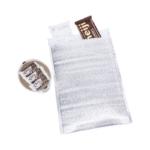
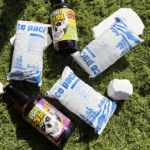
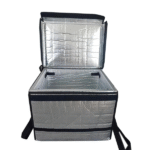
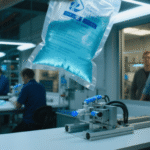
Tempk هي شركة متخصصة في حلول سلسلة التبريد وتكرس جهودها للحفاظ على سلامة السلع الحساسة لدرجة الحرارة. نحن متخصصون في التغليف المعزول, عبوات الثلج ومعدات النقل المبردة التي تحافظ على درجات حرارة دقيقة طوال سلسلة التوريد. يركز فريق البحث والتطوير لدينا على المواد الصديقة للبيئة والتصميمات الموفرة للطاقة, ضمان أداء موثوق به وتقليل التأثير البيئي. مع خبرة متقدمة في مراقبة إنترنت الأشياء والامتثال, نحن ندعم العملاء في مجال الألبان, الصناعات الدوائية والغذائية لتقديم المنتجات الطازجة مع تلبية معايير السلامة الصارمة.
الخطوة التالية: اتصل بخبراء Tempk لمناقشة كيف يمكن لحلولنا تحسين نظام سلسلة الحليب البارد الخاص بك وحماية جودة المنتج.