If you are sourcing a cooler backpack B2B solution in 2026, the right product is the one that works in the field, not just on a spec sheet. It should hold temperature long enough for your route, feel balanced on the user, survive repeated cleaning, and fit your organization’s approach to traceability, الاستدامة, and replacement planning. Commercial buyers are asking sharper questions now because the market is asking more from the backpack itself.
هذه المقالة سوف تساعدك على الإجابة:
- What a professional B2B cooler backpack should do differently from a casual bag
- Which structure, بطانة, and waterproof details matter most
- How e-commerce, التتبع, and circular packaging influence buying
- What test references and supplier answers reduce sourcing risk
- How to select a backpack that supports real commercial adoption
What makes a cooler backpack truly B2B-ready?
A B2B-ready cooler backpack is designed for repeatable workflow, not occasional convenience. That means stable structure, predictable packout, تنظيف سهل, strong straps, and a format that can be standardized across many users. B2B buyers often underestimate the value of standardization, but it reduces training time, simplifies replacement, and improves asset visibility.
The best backpack is usually the one that matches your most common route type, not the one with the largest capacity. In dense urban delivery, moderate size and good balance usually outperform oversized capacity because the bag is easier to load correctly and easier to carry all day.
What B2B buyers should define first
- Typical route length
- Average payload size and weight
- Number of openings during transit
- Exposure to rain or wet surfaces
- Cleaning method and turnaround time
- Whether the backpack is shared or assigned
Which product features matter most in real commercial use?
Structure matters because it protects the payload and helps users pack consistently. Strap design matters because discomfort leads to misuse. Liner design matters because a bag that takes too long to clean rarely gets cleaned well. Base design matters because backpacks get dropped, leaned, and set on wet surfaces constantly.
Feature decision table
How should you judge waterproof claims?
Waterproof language should be translated into buyer language. AATCC TM22 helps assess resistance to surface wetting, while AATCC TM127 helps assess resistance to water penetration under hydrostatic pressure. These references help you decide whether the backpack is suitable for light rain, heavier exposure, or mainly just easy-clean service. (AATCC)
The full-bag construction still matters more than the textile alone. طبقات, الإغلاق, and base panels often decide whether the backpack feels dependable in the field. That is why B2B buyers should ask whether the claim applies to the material or to the assembled product.
Why are route fit and user fit more important than headline specs?
Because commercial success depends on adoption. A backpack can have impressive insulation on paper and still fail because riders hate it, loaders pack it poorly, or cleaning crews struggle with the liner. في الممارسة العملية, route fit and user fit are the bridge between technical performance and business value.
حالة عملية: Many fleets improve performance more by selecting a better-shaped, easier-clean backpack than by chasing small differences in lab hold time alone.
How are market trends changing B2B backpack buying?
The broader market still supports demand. نحن. e-commerce remained strong in 2025, and food spending stayed high, which continues to support delivery, يلتقط, and hybrid fulfillment systems. That keeps portable cold-chain equipment relevant. (Census.gov)
في نفس الوقت, traceability expectations are changing how buyers think. GS1 says its standards improve supply-chain visibility, كفاءة, والسلامة. For backpack programs, that encourages fewer SKUs, clearer labeling, and more consistent equipment fleets. (gs1.org)
What do sustainability and chemistry mean in this category now?
The EU PPWR and wider circular-economy policy direction are pushing buyers toward products that last longer, waste less, and use materials more thoughtfully. EPA’s sustainable food framing adds another reason: better thermal protection can help reduce spoiled-product waste, not just packaging waste. (بيئة)
Buyers are also asking more about waterproof chemistry. EPA notes PFAS use in textile mills and related wastewater concerns, which is why procurement teams increasingly want clearer answers on how water resistance is achieved. (وكالة حماية البيئة الأمريكية)
2026 B2B sourcing checklist
- Match backpack size to actual order patterns
- Verify shell and liner performance with named test references where possible
- Evaluate rain resistance and cleaning speed together
- Standardize SKUs to support traceability and asset control
- Ask suppliers direct questions about coatings, إعادة الاستخدام, وقابلية الإصلاح
How should you evaluate suppliers?
A strong supplier will do more than quote volume pricing. It should help with sample selection, advise on route fit, discuss material tradeoffs honestly, and maintain consistency across repeat orders. If you are sourcing for a large program, check how quickly the supplier answers technical questions and whether it can support related cold-chain components.
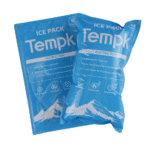
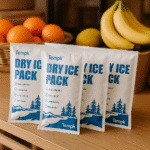
This matters because a cooler backpack rarely works alone. المبردات, المقسمات, تسميات, and replenishment planning often matter just as much as the bag.
بطاقة أداء الموردين
الأسئلة المتداولة
What size cooler backpack is best for B2B programs?
The best size is the one that matches your highest-volume order profile. Oversized bags usually create more misuse.
Should I prioritize rider comfort or thermal performance?
Both matter, but comfort drives correct use, and correct use supports real thermal performance.
Is waterproofing essential?
For outdoor commercial use, some level of weather resistance is strongly recommended.
Why are buyers reducing SKU counts?
Because standardization helps training, replenishment, asset visibility, وإمكانية التتبع.
- Do I need a supplier with cold-chain expertise or just bag capacity?
For serious B2B programs, cold-chain context is a big advantage.
ملخص وتوصية
The best cooler backpack B2B solution in 2026 is the one that aligns technical performance with commercial behavior. Choose a backpack with stable structure, practical rain protection, تنظيف سهل, and a size that fits your route reality. Choose a supplier that can explain those tradeoffs clearly and support repeatable replenishment.
حول Tempk
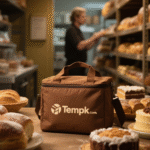
Tempk states that it provides insulated takeaway backpacks, أكياس معزولة, عبوات باردة, بطانات, and other food-and-medicine cold-chain products. For B2B buyers, that wider product scope can be useful when a backpack program needs to connect with other thermal packaging items rather than being sourced in isolation. (Tempk)