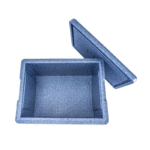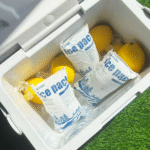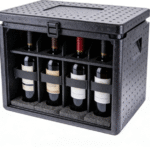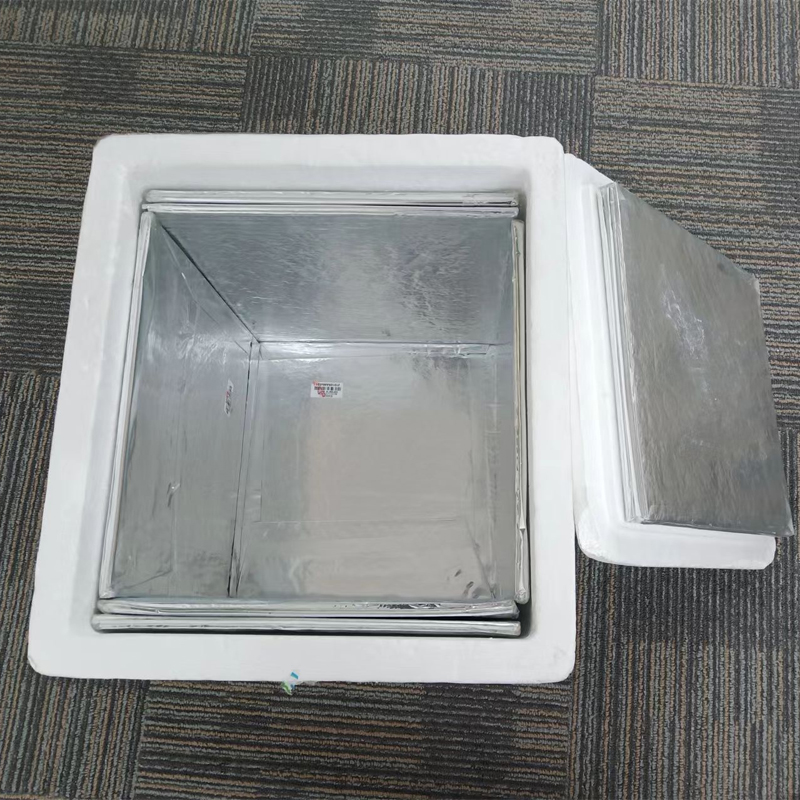
If you are buying packaging for temperature-sensitive distribution, the box is not just a container. An insulated box factory for laboratory shipments matters because samples, الضوابط, الكواشف, reference materials, and laboratory support shipments can lose value fast when assay drift or sample mix-ups happens. Build around the product’s validated storage requirement and the laboratory workflow, from pickup timing to receiving and sample intake. USP الفصل العام <1079> is still a useful practical reference when teams need a disciplined way to think about storage risk, shipping lanes, and temperature excursion control. That means the best packaging decision is rarely the cheapest empty box. It is the system that protects margin after transport, المطالبات, and repacks are counted. This guide explains how to compare design, تصديق, supplier fit, and sustainability without getting trapped by marketing language.
What this article will help you solve
• How insulated box factory for laboratory shipments should be matched to route length, حمولة, and laboratory insulated shipper needs
• أي المواد, إدراج, and refrigerants make sample transport box for labs or similar formats more practical
• What tests, المعايير, and supplier evidence matter for sample organization, تأهيل الطريق, and audit-ready handling discipline
• كيفية تقليل النفايات, تكلفة الشحن, and repacks while improving insulated box factory for laboratory logistics decisions
What makes the best insulated box factory for laboratory shipments in 2026?
بالنسبة لمعظم المشترين, the decision becomes clearer when you look at the shipment as a whole. When you ship samples, الضوابط, الكواشف, reference materials, and laboratory support shipments, the box must protect product quality against time, التعامل, ودرجة الحرارة الانجراف. With insulated box factory for laboratory shipments, you do not only risk a shipping issue. You risk repeat testing, lost sample credibility, and lab time that cannot be recovered. The right design buys you usable thermal time, better pack stability, and fewer receiving disputes. It also gives your team a repeatable packing method instead of a guess that changes by season.
That is why experienced teams start with the real lane, ليست صورة الكتالوج. They look at starting product temperature, parcel or pallet dwell time, delivery geography, and how the receiver will unload and inspect the shipment. For samples, الضوابط, الكواشف, reference materials, and laboratory support shipments, the best design usually combines space for logger placement, sample organization inserts, and a pack-out that minimizes wasted air while keeping the product stable in transit. للعديد من المشترين, the big improvement comes from right-sizing and pack discipline rather than simply adding more insulation or more refrigerant.
How much hold time, بناء, and workflow fit do you need?
Hold time should be treated as a route-specific result, not a universal promise. A shipment that works for a 24-hour regional lane may fail on a 48-hour parcel route with hot depot exposure. ASTM D3103 is widely used to evaluate the thermal insulation performance of distribution packages for high-value and high-risk materials. If you ask for one thing from a supplier, ask how the system performs under a realistic worst-case profile for your product.
| Shipment profile | Typical transit goal | Recommended packaging focus | ماذا يعني لك |
| Reference samples | مبردة | organized insert + logger option | Supports cleaner receiving and audit traceability |
| Research biomaterials | المجمدة | deep-freeze capable insulated shipper | Helps protect irreplaceable samples |
| Routine lab reagents | controlled range | repeatable modular packaging | Improves training and daily consistency |
نصائح عملية يمكنك استخدامها على الفور
• نصيحة 1: Use inserts that keep vials upright and clearly separated to reduce relabeling mistakes.
• نصيحة 2: Use receiving checklists so the laboratory can record temperature condition and box status on arrival.
• نصيحة 3: Use qualification reports to set clear route limits before routine rollout.
مثال: One common example is a research sample transfers between campuses. When the team switched from a generic shipper to a route-matched design, pack consistency improved, receiving complaints dropped, and the operation gained a clearer seasonal packing rule.
How do you choose structure, المبردات, وحجم الصندوق?
The best insulated box factory for laboratory shipments in 2026 is rarely the thickest or the most heavily marketed option. It is the design that matches product sensitivity, واقع الطريق, warehouse workflow, and post-delivery disposal. That means you should lock the target temperature band, longest likely transit profile, acceptable excursion window, and receiving process before you compare materials.
Once those factors are clear, the structure decision becomes much easier. You can size the cavity around the real product footprint, choose the refrigerant plan, and decide whether the outer format should prioritize stacking, parcel handling, or end-user unboxing. This is where many optimized programs win margin: by removing wasted air, extra filler, and unnecessary refrigerant.
Which design variables should you lock first?
The design variables to lock first are product starting condition, cavity geometry, refrigerant placement, closure integrity, and the work instructions your pack team will follow. When those five items are controlled, material selection becomes a sharper and more honest decision.
• تحديد المسار: write down the real transit promise, not the ideal carrier promise.
• تحديد الحمولة: include product count, unit weight, and how much empty space remains after packing.
• Define the work method: use a repeatable sequence so insulated box factory for laboratory shipments performs like the qualified design.
أي المواد, الاختبارات, and standards matter most?
The material and test conversation should start with function. What thermal margin do you need? What handling damage do you expect? How easy does the box need to be to assemble and dispose of? Once those answers are clear, materials can be judged on whether they help the shipment succeed, not just whether they sound advanced.
For optimized programs, the most useful comparison includes thermal behavior, moisture stability, crush strength, dimensional efficiency, and end-of-life practicality. For samples, الضوابط, الكواشف, reference materials, and laboratory support shipments, the best design usually combines space for logger placement, sample organization inserts, and a pack-out that minimizes wasted air while keeping the product stable in transit. When teams compare materials across those five factors, weak options usually reveal themselves quickly.
What validation approach gives buyers real confidence?
The validation approach matters just as much as the material choice. Lab data, simulated parcel profiles, and limited field trials should work together so you do not overtrust a design that only performs under perfect conditions.
How do you balance compliance, يكلف, والاستدامة?
In an optimized review, tests and standards are used to reduce uncertainty. That is why buyers often ask about CDC laboratory specimen transport guidance, WHO transport principles, USP <1079> concepts, and ASTM D3103 when they review packaging options. They help you understand whether a design is thermally capable, mechanically durable, and suitable for the compliance expectations around your product.
The most useful evidence stack is layered. Start with laboratory thermal data, add handling or distribution simulation, then confirm the design on real qualification lanes. That three-part approach reduces the risk of selecting a box that performs well in one environment but not in the network you actually use.
How do you avoid good-looking but weak packaging decisions?
Buyers gain real confidence when suppliers can explain assumptions, حدود, and corrective options. That is more valuable than a single headline test number with no context.
What supplier checklist helps you avoid bad fits?
Balancing compliance, يكلف, and sustainability is easier when you stop treating them as separate topics. A well-chosen insulated shipper can reduce excursion risk, cut dimensional freight, and simplify disposal at the same time. A poorly chosen one can make all three worse.
The strongest supplier checklist asks about route profile, حالة المنتج, طريقة التعبئة, seasonal assumptions, disposal path, and documentation support in one conversation. That integrated view helps you avoid impressive-looking packaging that does not fit your actual operation.
Which questions reveal whether a supplier really understands your lane?
The best supplier questions are usually the simplest. What lane was this validated for? What happens in summer? What changes if my payload drops? What if I need easier disposal? Those questions reveal real expertise quickly.
Quick self-check before you buy
Before you approve any insulated box factory for laboratory shipments design, run a short self-check. The goal is to catch mismatch early, before packaging reaches routine use. If your team can answer the questions below clearly, supplier conversations become faster and qualification work becomes more useful.
• سؤال 1: What is the real maximum transit profile, including handoff and dwell time?
• سؤال 2: What product condition enters the box at pack-out, and how consistent is that step?
• سؤال 3: What disposal route will the receiver actually use after unpacking?
• سؤال 4: What evidence would prove the packaging is fit for your hardest likely lane?
2026 developments and trends for insulated box factory for laboratory shipments
This category is moving fast in 2026, and a few signals matter more than the rest. في هذه الفئة, laboratories want fewer receiving disputes and stronger audit trails. في نفس الوقت, small but high-value shipments are growing. The result is that packaging is being judged on workflow fit as much as on hold time. ISTA 7E has become a strong reference for thermal transport packaging in parcel systems because it uses real-world heat and cold profiles rather than idealized assumptions. نتيجة ل, buyers are asking for better evidence, cleaner material stories, and packaging that stays workable for warehouse teams.
أحدث التطورات في لمحة
• تطوير 1: Laboratories want fewer receiving disputes and stronger audit trails.
• تطوير 2: Small but high-value shipments are growing.
• تطوير 3: Packaging is being judged on workflow fit as much as on hold time.
There is also a stronger expectation that packaging should support operational resilience. That means better route testing, تعليمات عمل أكثر وضوحا, and faster redesign cycles when channels change. ASTM D3103 is widely used to evaluate the thermal insulation performance of distribution packages for high-value and high-risk materials. لفرق المشتريات, الرسالة واضحة: choose designs that are easy to validate, من السهل أن أشرح, and realistic for the markets you serve.
الأسئلة المتداولة
What matters most in an insulated box factory for laboratory use?
Consistency matters most. A laboratory box should make sample organization, التحكم في درجة الحرارة, and receiving checks easy to repeat.
Do laboratories need data loggers in every insulated shipment?
ليس دائما. Many labs use them for qualification, lane risk review, استثناءات, and high-value loads rather than every routine box.
Why do some lab shipments fail even when the box looks intact?
The issue may be hidden: wrong pack-out, poor preconditioning, too much empty space, or a sample stability limit that was tighter than expected.
Can one lab insulated box serve ambient and frozen programs?
Only if the design and instructions account for both use cases. The safer approach is often a modular system with separate pack-out rules.
الملخص والخطوات التالية
باختصار, thermal packaging works best when it is chosen as a system rather than as a single material decision. For insulated box factory for laboratory shipments, the most practical priorities are clear: تحديد الطريق, match the cavity to the payload, validate the pack-out, and choose materials that support both performance and disposal reality. If you keep those points in view, you are far more likely to reduce claims, يتقلص, and avoidable freight waste.
A practical next move is to define the product condition at pack-out, the expected route profile, and the acceptable excursion window. بمجرد أن تكون تلك واضحة, box selection becomes much easier. That process helps you move from a generic packaging purchase to a packaging system that supports quality, امتثال, وثقة العملاء.
حول Tempk
و Tempk, we focus on insulated packaging for temperature-sensitive shipping. We design box systems around product risk, طول الطريق, طريقة التعبئة, and handling reality, so you can choose a solution that is practical for cold chain use instead of just attractive on paper. We build projects around product condition, الهدف عقد الوقت, خطر الطريق, and operational repeatability so you can choose a format that makes sense in the field.
If you are comparing insulated box factory for laboratory shipments options now, a clear route brief and a sample qualification plan are the best next steps. They make supplier conversations faster, أكثر تقنية, وأكثر فائدة.