كيفية اختيار سعر البطانة المضغوطة بالفراغ
يبدأ اختيار سعر البطانة المضغوطة المفرغة بحدود بسيطة: البطانة هي جزء واحد من نظام التحكم في درجة الحرارة, ليس النظام بأكمله. يجب أن تناسب الكرتون, حماية مساحة الحمولة, العمل مع المبرد, التعامل مع البقاء على قيد الحياة, ودعم احتياجات وثائق المشتري. إن عملية الاختيار الجيدة تتجنب خطأين شائعين: الشراء فقط بسعر الوحدة وقبول مطالبة الأداء دون معرفة شروط الاختبار الكامنة وراءها.
قاعدة الاختيار: تحديد الشحنة أولا, ثم حدد الخطوط الملاحية المنتظمة. يتضمن عرض الأسعار أو طلب العينة الأكثر فائدة أبعاد الكرتون, نطاق درجة حرارة المنتج, وزن الحمولة وشكلها, وقت العبور, نقاط التسليم, نوع المبرد, هدف الاستدامة, والوثائق التي يتوقعها فريقك.
الخطوط الملاحية المنتظمة هي مكون, ليس نظام سلسلة تبريد كامل
القرار الأول هو حالة الاستخدام. في هذا الموضوع, حالة الاستخدام الرئيسية هي البطانات التي يتم شحنها مضغوطة أو مسطحة لتقليل حجم التخزين الداخلي قبل التوسع إلى مساحة قابلة للاستخدام بطانة حرارية. تخبرك حالة الاستخدام هذه بالأسئلة المهمة. قد يهتم المشتري الذي يقوم بشحن البضائع المحيطة الجافة في الغالب بالعرض والتوسيد. يقوم المشتري بشحن المكونات المبردة, مجموعات المختبر, أو تحتاج العينات الحساسة لدرجة الحرارة إلى التفكير في اكتساب الحرارة, وضع المبرد, تلقي التفتيش, وما إذا كانت الحزمة يمكنها التعامل مع الجزء الأكثر دفئًا من المسار.
ضغط الفراغ يحسن كفاءة التخزين, لكنها لا تعمل على تحسين الأداء الحراري تلقائيًا. ولهذا السبب يجب أن تتضمن المواصفات المسؤولة الصندوق الخارجي, بطانة, سائل التبريد, الشروط المسبقة للمنتج, طريقة الإغلاق, والحد الأقصى للوقت الذي قد تبقى فيه الحزمة خارج التحكم النشط في درجة الحرارة. قد تكون البطانة التي تؤدي أداءً مقبولاً في مسار تسليم قصير خيارًا سيئًا لطريق التصدير مع وقت إقامة الجمارك أو النقل من المطار. والعكس يمكن أن يكون صحيحا أيضا: قد تكون البطانة الهندسية الثقيلة غير ضرورية للتوصيل المحلي منخفض المخاطر حيث يكون الوزن وسرعة التعبئة أكثر أهمية.
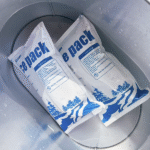
المهمة العملية للمشتري هي تحديد حدود المسؤولية. يمكن للبطانة أن تقلل من انتقال الحرارة عبر جدران الكرتون. يمكن أن يجعل التعبئة أسهل عندما يكون تصميم اللوحة قابلاً للتكرار. يمكنه تحسين تجربة فتح العلبة إذا كان السطح نظيفًا والتعليمات واضحة. لا يمكن تصحيح تحميل المنتج الدافئ, تحت مكيفة حزم هلام, علبة متروكة في الشمس المباشرة, أو مسار يتجاوز تصميم الحزمة. إن التعامل مع هذه الحدود بأمانة يؤدي إلى اتخاذ قرارات أفضل بشأن تحديد المصادر وتقليل عدد المتلقين المحبطين.
ترجمة احتياجات درجة الحرارة إلى موجز الشراء
يعتمد الأداء الحراري على هيكل العزل المستعاد, ليس فقط تنسيق الشحن المضغوط. البطانة تبطئ حركة الحرارة, بينما تمتص المادة المبردة أو متغيرة الطور الحرارة وتساعد على إبقاء الحمولة بالقرب من النطاق المطلوب. درجة حرارة تحميل المنتج مهمة أيضًا. إذا دخلت المنتجات المبردة إلى الصندوق دافئة بالفعل, تضطر البطانة إلى التعويض عن مشكلة لم تكن مصممة لحلها.
للطرود العامة الحساسة لدرجة الحرارة, القضية الرئيسية ليست درجة حرارة سحرية واحدة. هذا هو النطاق المطلوب للمنتج, طول التعرض, عدد عمليات التسليم, والفرق بين بيئة الاختبار والمسار الحقيقي. اقتباس الخطوط الملاحية المنتظمة الذي يتجاهل هذه النقاط غير مكتمل.
ولذلك يجب أن تنتقل المحادثة المفيدة مع الموردين من المطالبات إلى الشروط. بدلا من السؤال فقط, "كم ساعة يمكن لهذه البطانة أن تبقي المنتجات باردة؟?" اسأل عن كتلة المنتج التي تم استخدامها, حيث تم وضع المستشعر, ما المبرد الذي تم استخدامه, كيف تم تكييف المبرد, أي كرتونة تم اختبارها, وما هو الملف الشخصي المحيط الذي تم تطبيقه. يعد التفكير بأسلوب ISTA 7E مفيدًا هنا لأنه يذكر المشترين بأن التعرض الحراري للطرود يمكن أن يشمل كلا من الملامح الدافئة والباردة, ليست مجرد حالة ثابتة للغرفة.
والنتيجة هي مقارنة أكثر صدقا. قد تبدو الخطوط الملاحية المنتظمة أفضل في ورقة البيانات العامة, بينما قد يكون من الأسهل تعبئة منتج آخر بشكل متسق في المستودع الخاص بك. إذا كان كلاهما يفي بمتطلبات درجة الحرارة في ظل ظروفك الواقعية, قد تكون الحزمة الأبسط هي القرار التجاري الأفضل. إذا لم يكن لدى أي منهما الأدلة ذات الصلة, يجب عليك التعامل مع كليهما على أنهما غير مثبتين حتى يتم الانتهاء من اختبار العينة.
قارن بين أنواع الخطوط الملاحية المنتظمة حسب الملاءمة التشغيلية
بطانات فراغ مضغوطة إنشاء ميزة شراء فقط إذا عادت البطانة إلى شكل يمكن التنبؤ به بعد تفريغها. يجب على المشترين اختبار وقت الاسترداد, ملء الزاوية, التسطيح السطحي, وما إذا كان بإمكان العمال تجميع البطانة دون إبطاء الخط. يمكن أن يؤدي الضغط إلى تقليل حجم التخزين, ولكنه قد يكشف أيضًا عن طبقات ضعيفة أو مرونة غير متناسقة للوحة.
يؤثر اختيار المواد أيضًا على العمل. قد يتم تخزين البطانة التي تصل بشكل مسطح بكفاءة ولكنها تتطلب من العمال طيها, إدراج, وشريط عليه. قد تعمل البطانة المُشكَّلة مسبقًا على تسريع عملية التجميع ولكنها تشغل مساحة أكبر في المستودع. قد يحمي السطح المقاوم للرطوبة الكرتون من التكثيف ولكنه يعقد مطالبات إعادة التدوير. ولا تعتبر أي من هذه المقايضات جيدة أو سيئة بشكل تلقائي; يجب أن يتم الحكم عليهم وفقًا لحجم التعبئة الخاص بك, تكلفة العمالة, مكعب الشحن, وتوقعات العملاء.
يمكن أن يؤثر الضغط على اللوحات, ألياف, طبقات, طبقات الفقاعة, أو هياكل تشبه الرغوة بشكل مختلف. اطلب من المورد أن يشرح لك ما تفعله كل طبقة. إذا كانت الطبقة للعزل, اسأل كيف يعمل عند ضغطه. إذا كانت الطبقة لمقاومة الرطوبة, اسأل كيف يؤثر ذلك على التخلص منها. إذا كان السطح مخصصًا للاستخدام بجوار الطعام, اسأل ما هي الوثائق المتاحة. لشحنات التكنولوجيا الحيوية أو الرعاية الصحية, اسأل ما إذا كانت المادة تخلق الوبر, رائحة, مخاوف التلوث, أو التعامل مع المشكلات التي قد يرفضها فريق الجودة لديك.
يجب أن تتضمن المراجعة العملية للمواد العينة بعد المعالجة الحقيقية. اطويها, تحميله, إضافة المبرد, أغلق الكرتونة, افتحه مرة أخرى, وتفقد الزوايا. العديد من حالات فشل الخطوط الملاحية المنتظمة غير مرئية في صورة المنتج المسطحة. تظهر عندما يقوم العمال بتعبئة البضائع بسرعة أو عندما توضع الكرتونة تحت حمولة مكدسة أثناء النقل.
ما يجب وضعه في عرض أسعار أو طلب عينة
يجب أن تتضمن مناقشات الأسعار عينات من اختبارات الاسترداد, وقت التعبئة, عدد البليت, وما إذا كان الضغط يغير تفاوتات الإنتاج. مشكلة المصادر الأكثر شيوعًا ليست أن المشترين يطرحون الكثير من الأسئلة. هو أنهم يسألون بعد فوات الأوان, بعد الموافقة على العمل الفني, بعد أن يتم تحديد حجم الصندوق, أو بعد أن وعد فريق المبيعات بشرط التسليم الذي لم يتم اختبار الحزمة لدعمه مطلقًا.
ابدأ بالأبعاد. سجل حجم الكرتون الخارجي, المساحة الداخلية القابلة للاستخدام المطلوبة, ارتفاع الحمولة, وموقف المبرد. ثم وصف المنتج: طعام مبرد, منتج مجمد, كاشف التكنولوجيا الحيوية, طقم عينة, مستحضرات التجميل, أو أي عنصر آخر حساس لدرجة الحرارة. لا يحتاج المورد إلى بيانات صياغة سرية لتقديم توصية مبكرة, لكنهم يحتاجون إلى معلومات كافية لفهم الحمل الحراري والمخاطر.
التالي, فصل المتطلبات الإلزامية عن التفضيلات. قد تتضمن العناصر الإلزامية نطاق درجة حرارة المنتج, مدة الطريق, حجم الكرتون, طريقة العبوة, مواد التعبئة والتغليف قيود, أو الوثائق التي يطلبها فريق الجودة. قد تشمل التفضيلات لون السطح, مطبعة, ظهور وسائل التواصل الاجتماعي, أسلوب فتح العلبة, أو التغليف الداخلي المضغوط. عندما يتم خلط هاتين المجموعتين, يصبح من الصعب مقارنة الاقتباس ويصبح القرار الهندسي أقل وضوحًا.
لأوامر B2B, اسأل أيضًا عن اتساق العينة مع الإنتاج. هل ستستخدم بطانة الإنتاج نفس مادة العينة؟? هل هناك تفاوتات مقبولة للحجم, عرض الختم, سماكة, أو الضغط? كيف يتم تسمية الكثير? كيف يجب على المشتري فحص الكراتين الواردة؟? هذه الأسئلة ليست مفرطة. إنها تحمي كلا الجانبين من الموقف الشائع حيث تعمل العينة ولكن الشحنة السائبة الأولى تتصرف بشكل مختلف على خط التعبئة.
أدوات اتخاذ القرار مفيدة
تحقق من التفاصيل قبل اختيار التغليف
يمكن أن تساعدك هذه الأدوات السريعة في مقارنة مخاطر المسار, احتياجات التحجيم, خيارات المبرد, وتفاصيل التعبئة والتغليف قبل أن تطلب عرض أسعار.
مدقق مخاطر الطريق
قم بمراجعة ظروف المسار قبل اختيار التغليف لمتطلبات التشغيل الحقيقية.
تحقق من مخاطر الطريقمولد قائمة التحقق من الامتثال
قم ببناء قائمة مرجعية عملية لمراجعة التغليف, شحن, والتوثيق.
بناء قائمة مرجعيةمحدد التعبئة والتغليف
قارن بين خيارات التغليف المعزولة حسب المنتج, طريق, ودرجة الحرارة اللازمة.
البحث عن التعبئة والتغليف| نقطة القرار | علامة جيدة | العلم الأحمر |
|---|---|---|
| ملائم | يطلب المورد أبعاد الكرتون والحمولة الصافية القابلة للاستخدام | عروض أسعار الموردين بدون أبعاد |
| أداء | يشرح المورد شروط الاختبار وافتراضات العبوة | يقدم المورد مطالبة بالساعة العالمية |
| المطالبة المادية | المورد يفصل الورق, قابل لإعادة التدوير, حاجز, والطبقات الهجينة | يستخدم المورد صياغة صديقة للبيئة واسعة النطاق دون دعم |
| إنتاج | وتناقش الموافقة على العينة والتسامح الإنتاج | تبدو العينة جيدة ولكن التحكم في الإنتاج غامض |
| وضوح الاقتباس | السعر شامل طريقة التغليف, كمية, ونطاق التوثيق | أدنى سعر يستثني عوامل التكلفة الهامة |
هذا الجدول ليس بديلاً عن الاختبار, ولكنه يجعل مناقشة المورد أكثر دقة. كما أنه يساعد المشتريات على مقارنة العروض التي قد تبدو متشابهة. إذا لم يتمكن المورد من الإجابة على العمود الأوسط, يجب على المشتري التعامل مع عرض الأسعار على أنه أولي وليس جاهزًا للإنتاج.
أعلام حمراء قبل الموافقة على المورد
يمكن أن يختفي السعر المنخفض إذا لم تتوسع البطانات بشكل مستمر أو إذا احتاج الموظفون إلى وقت إضافي لتشكيل كل كرتونة. وعادة ما يظهر هذا الخطر عند نقاط التسليم: كرتونة تنتظر في الرصيف, طرد يجلس في شاحنة التسليم, عامل يستخدم الاتجاه الخاطئ لسائل التبريد, أو أن يقوم المتلقي بفتح الصندوق في وقت متأخر عما كان متوقعًا. لا تستطيع الخطوط الملاحية المنتظمة التحكم في تلك الأحداث بنفسها, لكن الحزمة الواقعية يمكن أن تقلل من تأثيرها.
غالبًا ما تخفي المصادر التي تعتمد على الأسعار التكاليف المفقودة. الأدوات, عينة الشحن, كرتونة التصدير, منصة نقالة, وثائق الجودة, إنتاج الاندفاع, والاستخدام العالي لسائل التبريد يمكن أن يغير تكلفة الهبوط الحقيقية. اطلب من الموردين تحديد ما تم تضمينه في عرض الأسعار بالضبط.
خطأ شائع آخر هو الخلط بين الهوية المادية والأداء. الورق لا يعني تلقائيًا أنه قابل لإعادة التدوير في كل مكان. لا تعني فقاعة الرقائق تلقائيًا تحكمًا حراريًا قويًا. لا يعني الحجم المخصص تلقائيًا سعة أكبر قابلة للاستخدام. لا تعني العلامة التجارية لـ OEM الامتثال تلقائيًا. لا تعني البطانة المضغوطة تلقائيًا انخفاض التكلفة الإجمالية. يجب أن يرتبط كل ادعاء بالشرط الذي يجعله صحيحًا.
يجب أن تتوافق الوثائق مع مستوى المخاطرة. لبرنامج غذائي محلي منخفض المخاطر, تجربة عينة بسيطة, تعليمات التعبئة, وقد يكون فحص درجة حرارة جهاز الاستقبال كافيًا لاتخاذ القرار الداخلي. للرعاية الصحية, التكنولوجيا الحيوية, أو السلع الخاضعة للرقابة, قد يحتاج المشتري إلى مراجعة الجودة, سجلات المعايرة لقطع الاشجار, تأهيل المسار, ومعايير القبول الكتابية. لا تدع وصف المنتج يحدد مستوى الوثائق التي تحتاجها مؤسستك.
حالة المشتري المشترك
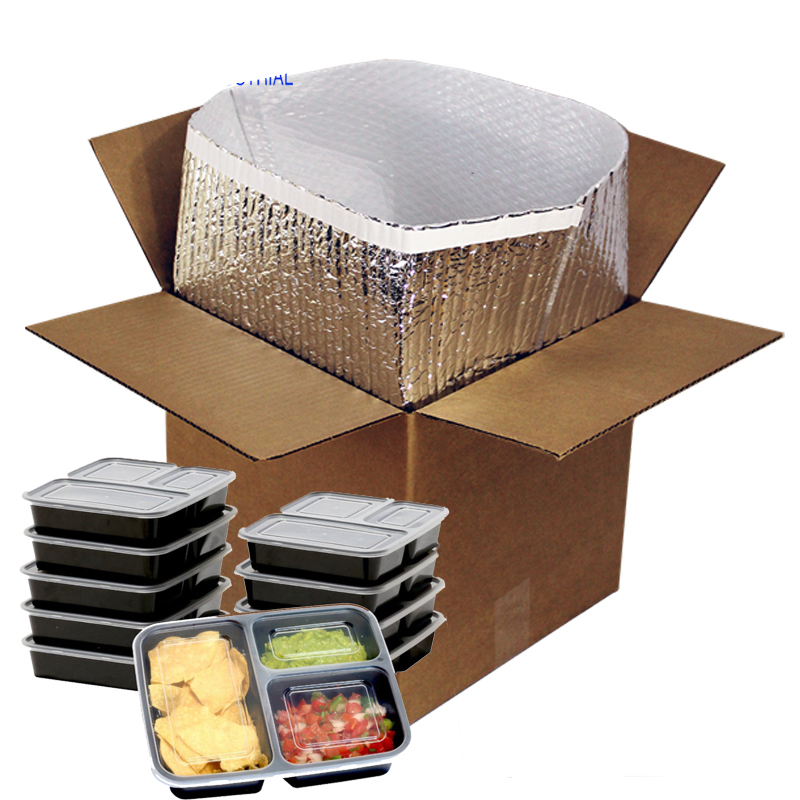
قد يواجه فريق المشتريات مستودعًا لأدوات الوجبات بمساحة محدودة مقارنة بالمبردات المقولبة الضخمة وحزم البطانة المضغوطة. إذا طلب الفريق السعر فقط, قد يقتبس ثلاثة موردين ثلاثة إنشاءات مختلفة لا يمكن مقارنتها. إذا قدم الفريق موجزا حقيقيا, تصبح الاقتباسات أكثر فائدة. قد يوصي أحد الموردين ببطانة أخف للطرق القصيرة, قد يوصي آخر ببناء ورقي لأهداف التخلص, وقد يقترح آخر الاختبار قبل الالتزام بمطالبة درجة الحرارة. يمكن للمشتري بعد ذلك مقارنة الملاءمة والأدلة, ليس فقط سعر الوحدة.
الدرس المستفاد ليس أن كل مشروع يحتاج إلى دراسة معملية معقدة في الخطوة الأولى. والدرس المستفاد هو أنه يجب اختبار العينة بطريقة تشبه الوظيفة الحقيقية. إذا قام المشتري بتغيير مزيج المنتجات, كرتون, سائل التبريد, أو مناخ الوجهة, قد لا تنطبق النتيجة القديمة. وهذا مهم بشكل خاص عندما ينتقل برنامج الخطوط الملاحية المنتظمة من أمر تجريبي إلى البيع بالجملة, تصنيع المعدات الأصلية, يصدّر, أو الوفاء المتكرر.
يجب أن تكون المطالبات البيئية مفيدة ومحددة
للبطانات المضغوطة فراغ, غالبًا ما تدور حجة الاستدامة حول كفاءة المكعب الداخلي وتقليل عبء المستودعات بدلاً من إمكانية إعادة التدوير وحدها. يمكن أن يكون ذلك فائدة تشغيلية صالحة, ولكن ينبغي فصلها عن المطالبات المتعلقة بالتعافي في نهاية العمر.
يجب كتابة اللغة البيئية بنفس الطريقة الدقيقة مثل اللغة الحرارية. البيان الجيد يخبر المشتري ما هي المادة, ما هي الأجزاء التي يمكن فصلها, وماذا يجب على المتلقي أن يفعل بعد الاستخدام. يستخدم البيان الضعيف كلمات واسعة مثل أخضر أو صديق للبيئة دون شرح المادة أو طريق التخلص منها. يجب على فرق المشتريات أن تطلب إقرارات المواد ويجب عليها مراجعة المطالبات مع الأسواق التي سيتم استخدام الحزمة فيها.
وتشمل الاستدامة أيضًا منع النفايات. قد تكون البطانة التي تقلل الشحنات المرفوضة أكثر مسؤولية من الحزمة الأقل نفايات والتي تفشل في كثير من الأحيان. يمكن للبطانة التي يتم شحنها بشكل مسطح أن تقلل من ضغط التخزين, ولكن إذا استغرق التجميع وقتًا طويلاً أو أدى إلى حدوث أخطاء في التعبئة, التكلفة التشغيلية قد تعوض المنفعة. النهج الأفضل هو تقييم النفايات, مكعب, تَعَب, الأداء الحراري, وتعليمات المتلقي معا.
التعليمات
ما هي المعلومات التي يجب أن أرسلها عند السؤال عن سعر البطانة المضغوطة المفرغة من الهواء؟?
إرسال حجم الكرتون, مساحة حمولة قابلة للاستخدام, نوع المنتج, نطاق درجة الحرارة المطلوبة, وقت العبور, طريق, تفضيل المبرد, كمية, وأي احتياجات وثائق. وهذا يجعل التوصية والاقتباس أكثر موثوقية.
لماذا تختلف أسعار الخطوط المتشابهة؟?
يمكن أن يتغير السعر بسبب هيكل المواد, مقاس, طريقة الضغط, كمية الطلب, كثافة التعبئة والتغليف, ضبط الجودة, الطباعة, تعبئة الصادرات, وما إذا كان المورد يتضمن دعم العينة أو الاختبار.
هل يمكن للمورد أن يعد بفترة انتظار ثابتة؟?
يجوز للمورد مشاركة نتيجة تم اختبارها, ولكن يجب أن تكون مرتبطة بشروط محددة. لا تعامل مطالبة وقت الانتظار على أنها عالمية إلا إذا كان منتجك, طريق, سائل التبريد, كرتون, ونطاق القبول يتطابق مع الاختبار.
ما هي الخطوة التالية الأكثر أمانًا قبل الإنتاج؟?
الموافقة على عينة تمثيلية, تشغيل تجربة الحزمة, توثيق طريقة التعبئة, وتحديد ما لا يجب أن يتغير في الإنتاج. وهذا يحمي كلاً من المشتريات والعمليات.
خاتمة: جعل الاقتباس ومطابقة الشحنة
ينبغي اختيار سعر البطانة المضغوطة المفرغة بنفس الانضباط العملي مثل أي مكون تعبئة آخر يمكن أن يؤثر على السلع الحساسة للحرارة. تحديد متطلبات المنتج, تأكيد الكرتون والحمولة, اختر خطة تبريد متوافقة, واطلب من المورد شرح الأدلة وراء التوصية. إذا الاستدامة, التحجيم المخصص, العلامات التجارية OEM, التعامل مع الصادرات, أو السعر مهم, قم بتضمين تلك النقاط مبكراً بدلاً من إضافتها بعد الموافقة على العينة.
أفضل نتيجة ليست أغلى الخطوط الملاحية المنتظمة أو أطول مطالبة. إنها البطانة التي يمكن لفريقك أن يحزمها باستمرار, مسارك يمكن أن يدعم, يمكن لجهاز الاستقبال الخاص بك أن يفهم, ويمكن لفريق الجودة أو العمليات الخاص بك الدفاع عنه.
حول Tempk
شركة شنغهاي تيمبك الصناعية, المحدودة. يستخدم العلامة التجارية Tempk ل تغليف السلسلة الباردة المنتجات وحلول التحكم في درجة الحرارة ذات الصلة. عندما يسأل المشتري عن البطانات, نحن نركز على الملاءمة العملية: الصندوق الحقيقي, المنتج الحقيقي, الطريق, عملية الاستلام, وما إذا كان من الممكن اختبار الحزمة المقترحة قبل توسيع نطاقها.
مشاركة الكرتون المستهدف الخاص بك, كمية الطلب, حدود التخزين, وعملية التجميع مع Tempk لمقارنة أسعار الخطوط الملاحية المنتظمة المضغوطة بالفراغ الواقعية.