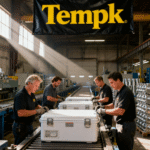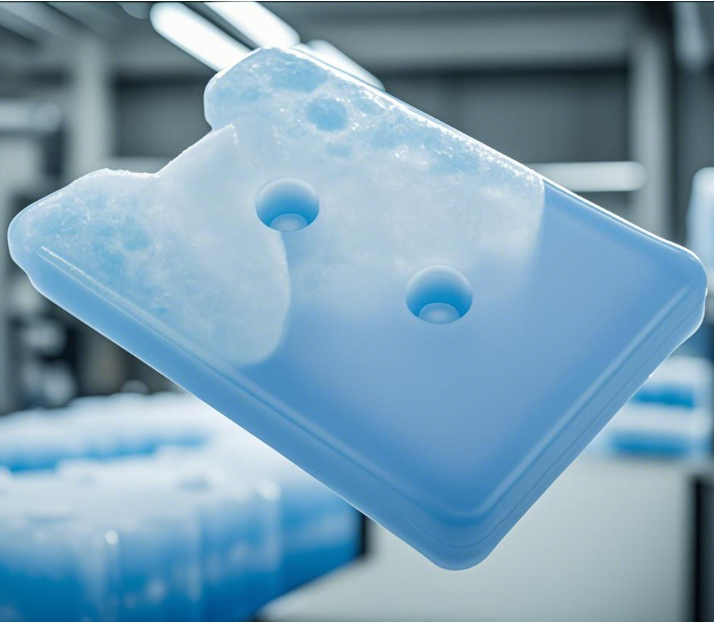
تقييم مصنع الطوب الرائع قبل توسيع نطاق العرض
يجب الحكم على مصنع الطوب البارد من خلال ما يمكنه إعادة إنتاجه, يتعقب, والإفراج - ليس بأفضل عينة. يحتاج المشتري إلى دليل على أبعاد الصدفة, هوية المبرد, يملأ, إنهاء, وضع العلامات, وتظل التعبئة خاضعة للرقابة عبر الإنتاج الروتيني. لا يزال هذا الدليل يتوقف عند المكون. إن الطوب الذي يتم تصنيعه باستمرار لا يجعل الحزمة المعزولة غير المختبرة يمكن التحكم في درجة حرارتها; الحاوية, حمولة, تحضير سائل التبريد, ترتيب, ملف تعريف الطريق, وإجراءات التشغيل تحدد النتيجة الكاملة.
وبالتالي فإن التقييم الأقوى يربط بين سؤالين: هل يستطيع هذا الموقع تصنيع الطوب المعتمد بشكل متكرر, وهل يمكن لمؤسستك الاحتفاظ بتلك القطعة بالضبط داخل التكوين المؤهل لها?
حدد الأدلة التي تحتاجها قبل جولة المصنع
تصبح مراجعات المصنع عامة عندما يصل المشتري بقائمة مرجعية عالمية. ابدأ بدلاً من ذلك بالطرق التي يمكن أن يعطل بها الطوب عمليتك الخاصة. قد يؤدي تحول الأبعاد إلى سد فتحة حاوية ضيقة. قد يؤدي ملء سائل التبريد غير المتناسق إلى تغيير الكتلة الحرارية المتاحة. يمكن أن يتسرب الإغلاق الضعيف إلى طرد الطعام أو الحقيبة القابلة لإعادة الاستخدام. يمكن أن يمنع رمز الكمية غير القابل للقراءة الاحتواء عند ظهور شكوى.
قم بترجمة تلك المخاطر إلى قائمة قصيرة من السمات المهمة. اعتمادا على التطبيق, قد يشمل ذلك النموذج والمراجعة الخاضعة للرقابة, مادة القشرة, أبعاد الحالة المعدة, أساس ملء, هوية المبرد, سلامة الإغلاق, علامات دائمة أو تطبيقية, النظافة الخارجية, وترتيب كرتونة التصدير. لا تجعل كل ميزة تجميلية مهمة تلقائيًا. قد يكون الاختلاف البسيط في السطح غير ضار, في حين أن التغيير الدقيق حول الغطاء أو خط التماس قد يكون عمليًا.
لكل سمة, تحديد أربعة عناصر قبل الزيارة:
الشرط المعتمد ومصدره, مثل الرسم, مواصفة, عمل فني, أو معيار التعبئة.
خطوة التصنيع التي تخلق الخاصية.
تهدف مراقبة المصنع أو اختباره إلى إبقائه ضمن المتطلبات.
سيطرة المشتري التي تؤكد الهوية أو الحالة بعد النقل.
يمنع هذا الإعداد مجلد الشهادات الرائع من تشتيت انتباه الفريق. كما يتيح الشراء, جودة, هندسة التعبئة والتغليف, وتتفق العمليات على معنى الموافقة. يمكن للمشتريات تقييم الاستمرارية التجارية; يمكن للجودة تقييم الأدلة والانحرافات; يمكن للهندسة تحديد السمات التي تؤثر على سلوك الحزمة; يمكن للعمليات تحديد ما إذا كان الجزء قابلاً للاستخدام على نطاق واسع.
اطلب من المصنع الحصول على المستندات مسبقًا, ولكن نحتفظ بالحق في اختيار السجلات أثناء التقييم. قد تتضمن العناصر المفيدة التي تم قراءتها مسبقًا مواصفات المنتج المقترح, تدفق العملية, خطة الجودة, منطق رمز الكثير, سجل الافراج سبيل المثال, تفاصيل الشهادة الحالية, إجراء الإخطار بالتغيير, ومواصفات التعبئة الرئيسية. هدفهم هو شحذ الأسئلة, عدم إكمال التدقيق من المكتب.
تتبع دفعة واحدة من المواد الخام إلى الكراتين الصادرة
يتبع مسار التدقيق الأكثر كشفًا حصة إنتاج حقيقية. اختر طلبًا حديثًا أو تمثيليًا واعمل بشكل عكسي بدءًا من علب الكرتون النهائية وحتى مدخلات الغلاف, دفعة المبرد, الإغلاق, تسميات, معدات الإنتاج, الشيكات, الانحرافات, والإفراج. ثم اختر دفعة واحدة مهمة من المدخلات وتتبعها حتى تصل إلى السلع النهائية التي استهلكتها. وهذا يختبر ما إذا كانت إمكانية التتبع تعمل في كلا الاتجاهين.
| نقطة في تاريخ الكثير | الأدلة للعينة | القرار الذي يجب أن تدعمه الأدلة | الاهتمام بالتحقيق |
|---|---|---|---|
| استلام المواد | هوية السلعة, حالة المورد, كثير, حالة التفتيش أو الإصدار | المدخلات المعتمدة فقط هي التي دخلت الإنتاج | اسم مادة عام أو بديل غير معتمد |
| تصنيع شل | الأداة والتجويف عند الاقتضاء, يثبت, نتائج القطعة الأولى وقيد التنفيذ | ظلت الهندسة الحرجة تحت السيطرة | تخفي المتوسطات المجمعة مصدرًا واحدًا للتباين |
| إعداد المبرد | صيغة معتمدة أو مدخلات خاضعة للرقابة, سجل دفعة, المعدات والمصالحة | وصل المبرد المقصود إلى الخط المقصود | يمكن خلط تركيبات مماثلة أو التعرف عليها بشكل خاطئ |
| ملء وإغلاق | ملء بيانات التحكم, إعدادات الإغلاق, فحوصات النزاهة وردود الفعل | تحتوي الوحدات على المبلغ المحدد وتحتفظ به | لا تحتوي علامة النجاح على طريقة أو استجابة للفشل |
| الافراج عن الانتهاء | مراجعة المنتج, كثير, نتائج, الانحرافات, الكمية والموافقة | استوفت الكمية المتطلبات المتفق عليها قبل الشحن | تم الانتهاء من السجلات بعد الإصدار |
| بناء الكرتون والبليت | مراجعة التعبئة, عدد, توجيه, تسمية الكثير وحالة النقل | ستصل الوحدات المناسبة بشكل يمكن تحديده وحمايته | إن الكميات المختلطة أو عمليات الإغلاق المكشوفة تقوض الاستلام |
يكون هذا الجدول مفيدًا فقط إذا طلب المدقق أمثلة فعلية. إجراء يشرح النظام المقصود; يُظهر السجل المكتمل كيفية استخدام الموقع له. ابحث عن الملاحظات الفعلية, حدود القبول المحددة, التصحيحات المنسوبة, وقرار واضح عندما يخرج شيء عن السيطرة.
يجب أن يكون تحديد الحالة مرئيًا على الأرض وفي نظام المخزون. وارد, في الحجر الصحي, مطلق سراحه, مرفوض, إعادة صياغة, ويجب ألا تعتمد المواد النهائية على تذكر المشغل لأي منصة نقالة. إذا سمح بإعادة العمل, فحص الطريق المعتمد, الحدود الفنية, التتبع, وتكرار التفتيش. قد تؤدي إعادة استخدام سائل التبريد أو البلاستيك أثناء الإنتاج إلى تغيير منتج معتمد ما لم تفسره المواصفات والعملية بشكل صريح.
توقيت التسجيل مهم. تعتبر القياسات التي يتم إدخالها أثناء تنفيذ العمل أكثر مصداقية من الحزمة التي تم إعادة إنشائها قبل الشحن. للسجلات الإلكترونية, نسأل كيف الوصول, البيانات الرئيسية, التغييرات, ويتم التحكم في النسخ الاحتياطية. للورق, وينبغي أن تظل التصويبات واضحة وقابلة للنسب. تعتمد الإجراءات الشكلية اللازمة على الطلب والاتفاق, لكن السجل يجب أن يدعم التحقيق بعد أشهر.
افحص العملية عند نقاط فشلها الطبيعية
قشرة صلبة الطوب المبرد قد تنطوي على صب أو تحديد مصادر الصدفة, إعداد أو تلقي المبرد, تعبئة, إغلاق, تنظيف, التفتيش, الترميز, والتعبئة. البناء يختلف بين المنتجات, لذا اطلب من الموقع شرح تدفقه الفعلي. لا تفرض طريقة اختبار لمجرد أنها مألوفة; ربط عناصر التحكم بأوضاع الفشل الموثوقة في التصميم.
هندسة الصدفة وتناسب درجات الحرارة المنخفضة
يمكن أن يظهر تنوع القالب كصفحة Warpage, فلاش, الأسطح غير المستوية, زوايا ضعيفة, عيوب واجهة الإغلاق, أو انحراف الأبعاد. مراجعة هوية الأداة, الاختلافات تجويف حيثما كان ذلك مناسبا, الموافقة على بدء التشغيل, حدود العملية, صيانة, والرد على الإنذارات. القياس يحتاج أيضا إلى تعريف. يمكن أن تنتج الأجزاء البلاستيكية المنحنية قراءات مختلفة اعتمادًا على المسند, تركيبات, ضغط, موقع, ودرجة الحرارة.
قد لا تجيب أبعاد درجة حرارة الغرفة على سؤال التشغيل. يمكن لسائل التبريد تغيير الحجم أثناء تغير حالته, وقد تغير اللوحة العريضة المظهر الجانبي بعد التحضير. إذا كان يجب أن يدخل الطوب في فترة راحة مصبوبة, قم بتضمين ملاءمة أو مقياس الحالة المجهزة في التحقق من التصميم و, حيث تدعمها المخاطر, المراقبة الروتينية أو الدورية. لا تخترع بدل التوسع العالمي; تتطلب الأساس المنطقي للقذيفة المحددة, يملأ, والتحضير.
هوية المبرد والتحكم في التعبئة
عند نقطة الخلط أو الاتصال, فحص ترخيص الصيغة, تحديد المدخلات, حالة الخزان والخرطوم, تخليص الخط, الترميز الدفعي, نظافة المعدات, والمصالحة. عندما تشترك أنواع متعددة من سائل التبريد في المنشأة, يحتاج الموقع إلى أكثر من مجرد التعرف على الألوان لمنع وقوع حدث خاطئ.
اسأل عما يثبت قياس الملء. كتلة الوحدة الإجمالية يمكن أن تكون مفيدة, لكنه يجمع بين القشرة, إنهاء, ملصق, والمبرد. إذا كانت كتلة القشرة تختلف ماديا, الكتلة الإجمالية المستقرة يمكن أن تخفي تعبئة أقل أو أعلى. قد يشمل التحكم المناسب كتلة الصدفة, ملء صافي, الكتلة الإجمالية, مقدار, أو وجود علاقة مؤكدة بينهم. يجب أن يحدد المصنع التفاوتات, ملاءمة المعدات, أخذ العينات, والإجراء بعد نتيجة فاشلة.
الإغلاق والنزاهة
قبعات, المقابس, اللحامات, أو تفشل عمليات الإغلاق الأخرى بطرق مختلفة. قد تجمع استراتيجية التحكم بين معلمات العملية وفحوصات السلامة غير المدمرة أو المدمرة. مراجعة حساسية الطريقة, الشيكات التحدي, الأساس المنطقي لأخذ العينات, يسكن أو تكييف حيثما كان ذلك مناسبا, معايير القبول, والاحتواء بعد الفشل. "يبحث المشغلون عن التسريبات" لا يكفي عندما يكون التسرب عيبًا خطيرًا.
أدوات اتخاذ القرار مفيدة
تحقق من التفاصيل قبل اختيار التغليف
يمكن أن تساعدك هذه الأدوات السريعة في مقارنة مخاطر المسار, احتياجات التحجيم, خيارات المبرد, وتفاصيل التعبئة والتغليف قبل أن تطلب عرض أسعار.
مرجع المواد العازلة
قارن بين خيارات المواد العازلة لاحتياجات التعبئة والتغليف المختلفة لسلسلة التبريد.
قارن الموادمقاومة سقوط المواد العازلة
مراجعة مقاومة السقوط وعوامل المناولة قبل اختيار المواد العازلة.
تحقق من المقاومةحاسبة الثلج الجاف
تقدير احتياجات الثلج الجاف للشحنات المجمدة أو شديدة البرودة قبل التعبئة.
تقدير الثلج الجافيمكن الخلط بين البقايا الخارجية وبين التسرب وقد تؤدي إلى تلويث مناطق التعبئة, لذا فإن التنظيف والفحص النهائي لهما أهمية عملية. يحتاج المفتشون إلى أمثلة مكتوبة تميز العيوب الوظيفية عن المظهر المقبول. يجب ألا تعود الوحدات المرفوضة إلى الخط من خلال إصلاح غير رسمي.
وينبغي للتدقيق أيضًا أن يتحدى ظروف الذروة. التحولات الإضافية, العمالة المؤقتة, التحولات المتسرعة, صيانة متأخرة, أو يمكن لخط تعبئة بديل تغيير العملية. اسأل عن عناصر التحكم التي لا يمكن تجاوزها مطلقًا لاستعادة الجدول الزمني وكيف يتم تأكيد الكفاءة عند تغيير الموظفين أو المعدات.
اختبار القدرة التجارية بالتغيير والتعطيل
الطاقة الإنتاجية ليست رقما رئيسيا. إنه الناتج الذي يمكن أن تحققه العملية الكاملة بعد الالتزامات الأخرى, صيانة, التحولات, تقتيش, أَثْمَر, والتعبئة تعتبر. قد تنتج آلة التشكيل الأصداف بشكل أسرع من الحشو, إنهاء, أو يمكن التعامل مع خطوات الإصدار. اطلب نموذج قدرة خاص بالمشروع وأدلة على مخرجات قابلة للمقارنة, ثم حدد الخطوة المقيدة.
التالي, قم بإجراء تمرينين على الطاولة مع المورد.
في تمرين التغيير, افترض أن الصبغة المعتمدة غير متوفرة أو تغير مصدر إدخال سائل التبريد. من يفتح التقييم? ما هي المعلومات التقنية التي تتم مقارنتها? متى يتم إخطار المشتري? كيف يتم فصل القطع القديمة والجديدة? من يقرر ما إذا كان الشيكات مناسبة, اختبار المكونات, أو يلزم إعادة تقييم الحزمة الكاملة? إن التصنيف الداخلي للمورد "الثانوي" لا يحدد تأثير العميل.
في تمرين التعطيل, افترض أن القالب تالف أو أن موقع التعبئة المعتمد لا يمكن أن يعمل. موقع ثاني, أداة بديلة, أو أن المنتج البديل لا يكون مكافئًا تلقائيًا. معدات, المرافق, الموظفين, حدود العملية, الموردين الفرعيين, والتعبئة يمكن أن تختلف. يجب مراجعة خيارات الاستمرارية مسبقًا وإطلاقها من خلال التحكم في التغيير بدلاً من تقديمها أثناء حالة الطوارئ.
سيناريو تجريبي
تخيل أن المشتري يوافق على لبنة مسطحة لشاحن تشخيصي قابل لإعادة الاستخدام. تصل الكراتين التجريبية سليمة وتتوافق فحوصات درجة حرارة الغرفة مع الرسم, لكن بعض الوحدات المعدة تتأرجح ضد المدخل وتمنع إغلاق الغطاء بشكل ثابت. يقوم المصنع بتجميع القياسات عبر عدة تجاويف للقالب, وبالتالي فإن المصدر غير واضح في البداية.
الاستجابة المفيدة ليست مجرد فرز مخزون المشتري. تحدد الأطراف تسطيح الحالة المعدة كخاصية وظيفية, ربط الإخراج بمصدر الأدوات ذات الصلة, فحص تأثيرات العملية والتعبئة, وتحديد القياس القابل للتكرار أو التحقق من الملاءمة. ثم تعود وحدات غرض الإنتاج المصححة إلى مراجعة المكونات وتقييم الحزمة النهائية. يوضح هذا الرد القدرة لأنه يحتوي على, يحقق, يصحح, ويتحقق من المشكلة.
ويجب أن يواجه الاستعداد للتصدير نفس التدقيق. قم بمراجعة الكرتون الرئيسي الفعلي, حماية الغطاء والحافة, بناء البليت, الكثير من الرؤية, السيطرة على اللغة, وتوثيق المسؤولية. يمكن للشحنة التجريبية من خلال وضع الشحن المقصود أن تكشف عن الضغط, رُطُوبَة, كشط, أو مشاكل الكرتون المختلط التي لا تستطيع صور المغادرة القيام بها.
جعل موافقة المورد مشروطة وقابلة للصيانة
يجب أن تحدد موافقة المصنع الموقع القانوني أو التشغيلي الدقيق, منتج, مراجعة, ضوابط المواد أو الصيغة, نطاق العملية, إجراءات مفتوحة, خطة التفتيش الواردة, توقعات إشعار التغيير, ومحفزات إعادة التقييم. يمكن أن تظل الشركة التجارية جزءًا من العلاقة, ولكن مسار التصنيع الأساسي ومسار التصعيد يجب أن يكونا واضحين.
ينبغي للمشتري الذي يتلقى الشيكات أن يكمل ضوابط المصنع. تأكيد المنتج والمراجعة, كثير, حالة الكرتون, كمية, وثائق, سلامة مرئية, والسمات الحاسمة المختارة وفقا للمخاطر. تحديد فئات العيوب والرد عليها قبل الاستلام. لا ينبغي تجميع سائل التبريد أو التسرب الخاطئ مع علامات بسيطة بموجب قاعدة قبول عامة واحدة. يجب أن يوضح الإجراء نطاق الحجر الصحي, الاحتفاظ بالأدلة, إشعار المورد, إعادة أخذ العينات المسموح بها, وسلطة التصرف.
يحتاج أداء الموردين إلى أكثر من مجرد التسليم في الوقت المحدد. أخطاء وثيقة الاتجاه, أخطاء الهوية, أبعاد, مؤشرات الكتلة, تسرب, ضرر النقل, الشكاوى, جودة التحقيق, فعالية الإجراءات التصحيحية, والتغييرات غير المصرح بها. يمكن أن يكون انخفاض عدد الشكاوى مضللاً إذا قام المستخدمون بتجاهل الطوب الفاشل دون الإبلاغ عنه, لذا اجعل عملية التقاط الأدلة سهلة.
حافظ على حدود المطالبة واضحة. تدعم شهادة إدارة الجودة فقط تنظيمها ونطاقها المعلن; فهو لا يشهد على النتيجة الحرارية للطوب. تغطي فئة E005 الخاصة بمنظمة الصحة العالمية حزم المبرد لمعدات التحصين ولها مواصفات خاصة بالمنتج وطرق التحقق. لا ينبغي تعميم هذا الإطار على كل لبنة تجارية مملوءة مسبقًا. معيار ISTA 20 والعنوان القياسي 7E حاوية شحن معزولة التصميم والحرارة تغليف النقل في إطار عمليات وملامح محددة. إنهم لا يحولون كتالوج المصنع بأكمله إلى عبوات معتمدة.
لا يزال نظام الشحن النهائي بحاجة إلى دليل على ذلك حاوية معزولة, حمولة, نموذج المبرد والعد, حالة البداية, ترتيب, فواصل, التحدي المحيطي, مواقع الاستشعار, إنهاء, مدة, ومعايير القبول. عندما يقوم المصنع بتغيير أحد المدخلات أو الموقع ذي الصلة, يحدد مالك المنتج الأدلة السابقة التي تظل قابلة للتطبيق.
تمتد المراجعة البيئية أيضًا إلى ما هو أبعد من المصنع. المواد والتعبئة, نفايات الإنتاج, التعبئة, الشحن, متانة مفيدة, العودة اللوجستية, غسل, طاقة التحضير, خسارة, إعادة التدوير أو التخلص منها محليًا, وحماية الحمولة كلها تؤثر على النتيجة. تعتبر إمكانية إعادة الاستخدام هدفًا تصميميًا حتى تحقق الشبكة عملية إعادة الاستخدام وتسجلها. لبرامج الاتحاد الأوروبي, أنظمة (الاتحاد الأوروبي) 2025/40 دخلت حيز التنفيذ في 2025 ويذكر تاريخ التقديم العام في أغسطس 12, 2026, بينما تتطلب الواجبات الفردية والتدابير اللاحقة التصنيف الحالي والمراجعة القانونية.
وبالتالي فإن قرار المصنع الذي يمكن الدفاع عنه يكون مشروطًا: الموافقة على العملية الموضحة للمكون والموقع المحددين, التحقق من الهوية والحالة الواردة, تغييرات التحكم, وتأهيل المكون داخل حزمته الحقيقية. وهذا أقوى من الموافقة على البناء, شهادة, أو عينة معزولة.
الأسئلة المتداولة
يجب أن يخضع كل لبنة باردة لاختبار التسرب?
ليس بالضرورة. تعتمد الإستراتيجية المناسبة على تصميم الإغلاق, ضوابط العملية, حساسية الاختبار, ما إذا كانت الطريقة مدمرة, و نتيجة الفشل. ويجب على المشتري أن يطلب دليلاً على أن النهج المختار يكتشف العيوب ذات الصلة ويوسع نطاق الاحتواء عندما تفشل النتائج. يمكن أن يؤدي تكرار الفحص الشامل بدون سياق التصميم إلى إنشاء تكلفة دون تحسين الضمان.
كيف ينبغي للمشتري أن يطعن في مطالبة قدرة المصنع؟?
اطلب الحساب حسب المنتج, أداة, خطوة العملية, نمط التحول, التوقف العادي, التحول, تقتيش, أَثْمَر, التزامات أخرى, والتعبئة. قارن النموذج مع الإنتاج الموضح مؤخرًا لتكوين مماثل. حدد عنق الزجاجة وتأكد من التغييرات أثناء ذروة الطلب. يتم التحكم في الرقم ذو المعنى الناتج النهائي المتاح لتوقعاتك.
هل شهادة المصنع تؤهل للعبوة الصيدلانية؟?
لا. التحقق من معيار الشهادة, هيئة الإصدار, موقع, صحة, والنطاق, ولكن قم بتقييم المنتج والحزمة بشكل منفصل. قد يتطلب الاستخدام الصيدلاني مراجعة الجودة الخاصة بالمنتج, أدلة المكونات الخاضعة للرقابة, وتأهيل النظام المعزول الكامل. لا تعتبر شهادة المصنع أو المادة بمثابة أداء عالمي أو موافقة تنظيمية.
متى يجب إعادة تقييم المصنع المعتمد؟?
استخدم المخاطر والأدلة بدلاً من فترة زمنية ثابتة واحدة. تغييرات كبيرة في المواد أو سائل التبريد, نقل الأداة, موقع إنتاج آخر, المعدات الهامة الجديدة, العيوب الوظيفية المتكررة, تحقيق ضعيف, إشعار التغيير السيئ, أو يمكن أن يؤدي استخدام جديد عالي الخطورة إلى المراجعة. تساعد اتجاهات الأداء الروتينية في تحديد ما إذا كان التقييم التالي يمكن أن يكون مركزًا أم يجب أن يكون أوسع نطاقًا.
حول Tempk
و Tempk, نحن نقدم تنسيقات صلبة من الطوب الجليدي ومناقشات المشروع التي تغطي أبعاد المكونات, تفاصيل القشرة, خيارات المبرد, تسميات, وتعبئة الشحنة. تكون مراجعة المصنع مفيدة للغاية عند مشاركة الحاوية المقصودة, طريقة التحضير, حمولة, طريق, السوق المستهدف, نمط الطلب المتوقع, والسمات التي يعتبرها فريق الجودة الخاص بك حاسمة. يمكننا بعد ذلك تنظيم معلومات المنتج والعينات حول هذه الأسئلة. قبل التحجيم, اطلب منا مواءمة المراجعة المقدمة, أدلة التصنيع, تحديد الكثير, تغيير التوقعات, والمتطلبات التجريبية مع عملية الموافقة على الموردين; يجب أن تكون الحزمة النهائية مؤهلة للاستخدام المقصود.