كيفية تقييم الشركات المصنعة ل صناديق الثلج الخاصة باللقاحات مع التكلفة, أداء, وملاءمة المورد في الاعتبار
نادراً ما يتعلق قرار الشراء في هذه الفئة بمتغير واحد. في الممارسة العملية, يقارن المشترون جودة البناء, حجم قابل للاستخدام, تصميم العزل, تفاصيل التعامل, والمصطلحات التجارية في وقت واحد. في نقل اللقاحات وأعمال سلسلة التبريد التوعية, هذا التمييز مهم لأن المبرد الصلب العادي ونظام الشحن السلبي المؤهل ليسا نفس الشيء. إذا كانت الحمولة تتضمن لقاحات, المخففات, وغيرها من مواد التحصين الحساسة للحرارة, يجب الحكم على الصندوق كجزء من نظام تعبئة كامل بدلاً من اعتباره غلافًا بلاستيكيًا وحده.
أسرع طريقة لمقارنة الخيارات هي البدء بخمسة أساسيات: الأبعاد الداخلية, الحجم الحقيقي القابل للاستخدام بعد إضافة سائل التبريد أو الملحقات, نوع العزل, نظام الإغلاق, وقدرة المورد على تقديم إنتاج ثابت. إذا كنت تقارن أيضًا قدرة المصنع, بناء الاتساق, وهيكل الاقتباس, اطلب بنية عرض أسعار كاملة بدلاً من رقم الوحدة الرئيسي. للشراء المباشر من المصنع, يجب قراءة الاقتباس مع حالة القالب, مواصفات الراتنج, بناء العزل, والاتساق من دفعة إلى دفعة.
ابدأ بمطابقة الصندوق مع المسار, ليس اسم الكتالوج
في لغة المشتريات, قد يصف صندوق الثلج أي شيء بدءًا من الصندوق القوي القابل لإعادة الاستخدام وحتى الصندوق السلبي النقل الذي يتم التحكم في درجة حرارته حاوية. الكلمات متشابهة, ولكن معايير الشراء ليست كذلك. الصندوق الصلب للأغراض العامة هو في الأساس غلاف وقائي وعازل. صحيح شحن السلسلة الباردة يجمع النظام بين العلبة مع المبردات, تعليمات التحميل, توقعات وقت الانتظار, ومراقبة درجة الحرارة في كثير من الأحيان. تصنف منظمة الصحة العالمية صناديق التبريد وحاملات اللقاحات على أنها أجهزة معزولة سلبية تستخدم حزم الجليد أو غيرها من مواد التخزين الحرارية, وهو تذكير مفيد بأن الغلاف وحده لا يخلق الامتثال أو الموثوقية الحرارية.
توضح إرشادات الصحة العامة أيضًا سبب ضرورة قراءة المصطلحات بعناية. تفصل إرشادات المشتريات الخاصة باليونيسف صناديق التبريد عن حاملات اللقاحات وتصنفها حسب سعة التخزين وأداء الحياة الباردة بموجب اختبارات محيطة محددة. تفضل إرشادات مركز السيطرة على الأمراض (CDC) للنقل الروتيني للقاحات ثلاجات اللقاحات المحمولة أو الحاويات والحزم المؤهلة المزودة بجهاز مراقبة درجة الحرارة, ولا توصي بمبردات الأطعمة أو المشروبات العادية لحركة اللقاح الروتينية. لذلك إذا كانت الحمولة المقصودة منظمة أو حساسة لدرجة الحرارة, قرار الشراء الأول هو ما إذا كنت بحاجة إلى حاوية مناولة قابلة لإعادة الاستخدام, صندوق نقل سلبي مصمم لهذا الغرض, أو أ الشاحن المؤهل لطريق محدد.
في الممارسة العملية, التكوين الصحيح يعتمد على المسار. نقل العيادة, يوم التطعيم التوعية, نقل بين المرافق, ويمكن لحركة التصدير أن تستخدم "صندوق الثلج" في المحادثة, لكن لا ينبغي عليهم استخدام نفس المواصفات بشكل افتراضي. قد تعطي الحركة المحلية القصيرة الأولوية للتعامل السريع ووقت الانتظار المعتدل. قد يحتاج الممر الإقليمي إلى عزل أفضل, الأختام أقوى, ومراقبة أفضل. قد يحتاج مسار التصدير أيضًا إلى انضباط التوثيق, كفاءة البليت, وحزمة تتحمل وقت الإقامة في المطار.
ما الذي يبني في الواقع الأداء الحراري والمناولة
تعتمد معظم الصناديق الصلبة في هذا السوق على منطق هندسي مألوف: قذيفة بلاستيكية مصبوبة, العزل في الجدران والغطاء, ونظام إغلاق يحد من تبادل الهواء أثناء النقل. عادةً ما تُظهر صفحات المنتجات العامة من الشركات المصنعة لصناديق النقل والمبردات أجسامًا من البولي إيثيلين أو البولي بروبيلين مدمجة مع عزل رغوة البولي يوريثان, جوانات الختم, مفصلات جامدة, والمزالج الثقيلة. تحظى هذه الهندسة المعمارية بشعبية كبيرة لأنها توازن بين المتانة, قابلية التصنيع, والتكلفة.
من وجهة نظر المشتري, مادة القشرة ليست سوى البداية. عليك أن تعرف ما إذا كان الجسم مصبوبًا بالدوار, ضربة مصبوبة, أو حقن مصبوب, لأن اختيار العملية يؤثر على اتساق الجدار, مقاومة التأثير, وزن, ودقة الأبعاد. غالبًا ما يتم اختيار تصميمات Rotomolded عندما يريد المشترون سميكة, هيكل من قطعة واحدة وملمس أكثر متانة. قد تؤدي التصميمات المقولبة الأخف إلى تقليل تكلفة الوحدة ووزن النقل, لكنها يمكن أن تتصرف بشكل مختلف في ظل التراص المتكرر, سحب, أو الاتصال بالرافعة الشوكية.
يؤدي اختيار العزل إلى تغيير الأداء الحراري والحجم الخارجي. تعتبر رغوة البولي يوريثان شائعة في صناديق النقل القوية لأنها توفر توازنًا جيدًا بين العزل والصلابة الهيكلية. موسع البولي بروبيلين, أو إي بي بي, يمكن أن يقلل الوزن ويحسن امتصاص الطاقة. يمكن لتصميمات الألواح المعزولة بالفراغ أن تقلل بشكل كبير من انتقال الحرارة, لكنها تضيف تكلفة وتكون أكثر حساسية لتلف الحواف أثناء التعامل القاسي. لذلك يجب على المشترين الذين يقومون بمقارنة المواد أن يسألوا ليس فقط عن المادة المصنوعة منها الصندوق, ولكن كيف يتم بناء نظام الجدار الكامل وكيف سيتم استخدامه.
للطرق المنظمة, الصدفة ليست سوى جزء من الجواب. تتضمن العديد من صناديق النقل الطبية أيضًا ميزات تهدف إلى دعم انضباط العبوات وفحص الاستلام, مثل أنظمة المشبك الآمن, مناطق التسمية, تجاويف المسجل, أو الأسطح التي يمكن تنظيفها بالمطهرات الشائعة. هذه الميزات مهمة لأنه حتى العزل القوي يمكن تقويضه بسبب ضعف نظام التشغيل.
يتم إنشاء وقت الانتظار الحقيقي بواسطة نظام كامل, ليس بالصدفة وحدها. هندسة الصندوق مهمة, ولكن كذلك كتلة المبرد, تكييف الحزمة, درجة حرارة بداية الحمولة, مساحة فارغة داخل التجويف, تردد الافتتاح, التعرض المحيطي, ومكان انتظار الشاحن أثناء التسليم. يمكن أن يفقد الصندوق السلبي الذي يؤدي أداءً جيدًا في اختبار خاضع للرقابة هامشًا مفيدًا بسرعة إذا تم وضعه على ساحة ساخنة, يركب في مركبة غير مظللة, أو يتم فتحه بشكل متكرر أثناء هبوط المسار.
ولهذا السبب تركز التوجيهات العامة بشأن نقل اللقاحات والأدوية بشكل كبير على الانضباط في العبوات. يمكن أن تتلف المنتجات الحساسة للتجميد بسبب برودة سائل التبريد حتى عندما يبدو متوسط درجة حرارة الهواء داخل الصندوق مقبولاً. على العكس من ذلك, المنتجات التي تتحمل التبريد ولكن ليس التعرض للحرارة لفترة طويلة قد تحتاج إلى أختام أفضل, المزيد من المبرد, أو ملف تعريف مسار مختلف عما يتوقعه المشتري من صورة الكتالوج.
للطرق الأطول أو الأكثر تنوعًا, يجب على المشترين التفكير في هامش المدة بدلاً من مدة العنوان. إذا كان من المتوقع أن يستمر الطريق اثنتي عشرة ساعة, المطالبة لمدة اثنتي عشرة ساعة ليست هامشًا آمنًا. تحتاج إلى وقت للتحميل, تحويل, استلام الشيكات, مرور, فشل التسليم الأول, ومعالجة الوصول. لذلك تتعامل العديد من المؤسسات مع المطالبة بالمدة كنقطة بداية وليس كإجابة لتصميم المسار.
حيث يبدأ الامتثال وأين يتوقف الصندوق القياسي
يقدم التوجيه العام العديد من النقاط المرجعية المفيدة للمشترين. يصف إطار أجهزة التحصين التابع لمنظمة الصحة العالمية الصناديق الباردة وحاملات اللقاحات بأنها أجهزة معزولة سلبية تستخدم عبوات الثلج أو غيرها من مواد التخزين الحرارية. تضع إرشادات الشراء الخاصة باليونيسف حاملات اللقاحات في مكان تقريبًا 0.8 ل 3.4 نطاق تخزين اللقاح باللتر وصناديق التبريد في 5 ل 25 نطاق لتر, مع فئات الحياة الباردة قصيرة المدى وطويلة المدى التي تم اختبارها في ظل الظروف المحيطة الحارة. تساعد هذه النطاقات العامة المشترين على فهم ما يُتوقع أن تفعله فئة المنتج هذه.
إن درس الامتثال لا يقل أهمية عن درس القدرات. تنص إرشادات الناتج المحلي الإجمالي الصادرة عن وكالة الأدوية الأوروبية (EMA) على أنه يجب تخزين الأدوية في الظروف المناسبة في جميع الأوقات, بما في ذلك أثناء النقل, وأن التتبع جزء من التحكم في التوزيع. تتعامل إرشادات اتحاد النقل الجوي الدولي (IATA) الخاصة بشحنات الرعاية الصحية مع الوقت أيضًا- والشحنات الحساسة لدرجة الحرارة كعملية متخصصة ذات قواعد مخصصة لوضع العلامات والتعامل. بعبارة أخرى, يجب أن تدعم الحزمة النظام اللوجستي, لا تنجو من الرحلة جسديًا فقط.
أدوات اتخاذ القرار مفيدة
تحقق من التفاصيل قبل اختيار التغليف
يمكن أن تساعدك هذه الأدوات السريعة في مقارنة مخاطر المسار, احتياجات التحجيم, خيارات المبرد, وتفاصيل التعبئة والتغليف قبل أن تطلب عرض أسعار.
مرجع المواد العازلة
قارن بين خيارات المواد العازلة لاحتياجات التعبئة والتغليف المختلفة لسلسلة التبريد.
قارن الموادمقاومة سقوط المواد العازلة
مراجعة مقاومة السقوط وعوامل المناولة قبل اختيار المواد العازلة.
تحقق من المقاومةبطانة الصندوق & تحجيم غطاء البليت
تحقق من منطق تحديد حجم بطانة الصندوق وغطاء منصة التحميل لمشاريع التغليف المعزولة.
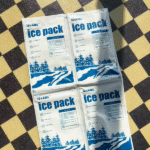
تقدير الحجمتضيف إرشادات مركز السيطرة على الأمراض (CDC) تفاصيل النقل العملية. لحركة اللقاح الروتينية, يفضل استخدام ثلاجة لقاح محمولة أو حاوية وعلبة مؤهلة مع جهاز لمراقبة درجة الحرارة, بينما لا يُنصح باستخدام مبردات الأطعمة والمشروبات العادية لنقل اللقاحات الروتينية. كما يحذر مركز السيطرة على الأمراض من استخدام المجمدة حزم هلام من شحنات اللقاحات الأصلية للقاحات المبردة ويؤكد على تكييف المبرد المناسب, يراقب, والاستلام المباشر في التخزين المناسب.
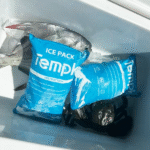
تسلط الإرشادات الميدانية لمنظمة الصحة العالمية الضوء أيضًا على نمط الفشل الذي غالبًا ما يقلل المشترون من أهميته: ضرر التجميد. تعد عبوات الثلج المكيفة بشكل غير صحيح سببًا معروفًا للإصابة بالتجميد في اللقاحات الحساسة للتجميد. وهذا يعني أن مواصفات الشراء يجب ألا تتوقف عند هيكل الصندوق. يجب أن يغطي نوع المبرد, تعليمات التكييف, تخطيط الحزمة, مدة الطريق, خطر التعرض, وما يجب على الفريق المستقبل التحقق منه عند الوصول.
صورة التكلفة الحقيقية: سعر الوحدة, الطريق صالح, والاستخدام مدى الحياة
يتحرك السعر لأسباب يمكن التنبؤ بها في هذه الفئة. أكبر الروافع هي مادة الصدفة وعملية التشكيل, نوع العزل وسمكه, غطاء ومزلاج الأجهزة, مُكَمِّلات, ومستوى الضمان الحراري الذي يتوقعه المشتري. عادة ما يكون سعر الصندوق المقولب البسيط للاستخدام قصير الأمد مختلفًا تمامًا عن الشاحن السلبي القابل لإعادة الاستخدام والمصمم لنطاق درجة حرارة محدد, مدة أطول, والمعاملة المراقبة.
للطب, الأدوية, وعمل اللقاحات, تتأثر تكلفة الحزمة أيضًا بما يوجد حول الصندوق: المبردات, المقسمات, تحقيقات أو أماكن إقامة المسجل, تسميات, تعليمات الحزمة, وأحيانًا عمل التأهيل أو اختبار الطريق. يجب على المشترين الذين يقومون بمقارنة الأسعار فصل سعر الحاوية العارية عن سعر نظام الشحن الكامل. وإلا فإن عرض الأسعار المنخفض يمكن أن يخفي إضافات باهظة الثمن أو افتراضات محفوفة بالمخاطر حول المبرد والمراقبة.
يجب مقارنة أسعار الشركة المصنعة مع القدرة الإنتاجية. اسأل ما إذا كانت الأداة موجودة بالفعل, ما إذا كان الراتينج المقتبس عبارة عن درجة قياسية أو مركب مخصص, وكيف يتحكم المورد في سمك الجدار واتساق المزلاج بين الدُفعات. يمكن أن يصبح أرخص رقم من المصنع باهظ الثمن إذا تسبب انحراف الإنتاج في فشل الحقل أو تأخير التجديد.
تتحرك عروض الموردين في هذه الفئة في ثلاثة اتجاهات واضحة. أولاً, يريد المشترون بشكل متزايد حلولاً خاصة بالمسار بدلاً من أحجام الصناديق العامة. ثانية, تطلب المزيد من المشاريع عبوات قابلة لإعادة الاستخدام يمكنها تحمل دورات التنظيف والإرجاع المتكررة. ثالث, أصبحت ميزات المراقبة والتتبع جزءًا من المناقشة قبل ذلك بكثير, حتى عندما يكون الصندوق نفسه سلبيًا وليس مدعومًا.
كيف ينبغي قراءة مواصفات العزل
في أعمال سلسلة التبريد المنظمة, الاتجاه الأقوى هو نحو تعريف أكثر وضوحًا للنظام. المشترين يريدون على نحو متزايد مربع, استراتيجية المبرد, موقف المسجل, وإجراءات التشغيل التي تناسب المسار معًا, لأن هذا النهج يقلل من التباين الذي يمكن تجنبه أثناء التعبئة والاستلام.
إن مناقشة الاستدامة تنضج أيضًا. تريد العديد من المنظمات تقليل نفايات التغليف, لكن الخيار الأكثر مراعاة للبيئة لا يكون الخيار الأخف أو الأرخص تلقائيًا. في العديد من ممرات الأدوية واللقاحات, القرار الأكثر استدامة هو القرار الذي يحمي المنتج بشكل موثوق ويتجنب النفايات المرتبطة بالرحلات في المقام الأول.
قائمة مرجعية عملية للموردين
قبل الطلب بكميات كبيرة, اطلب حزمة فنية تجارية قصيرة بدلاً من كتيب المبيعات. يجب أن تتيح لك هذه الحزمة التحقق مما إذا كانت العينة أم لا, بناء الإنتاج, وسوف تتطابق مواصفات الشحن النهائية بالفعل.
- الأبعاد الداخلية, الأبعاد الخارجية, والحجم القابل للاستخدام بعد المبرد, المقسمات, أو يتم تضمين السلال
- مادة القشرة أو عائلة الراتنج, عملية صب, نوع العزل, وما إذا كان ختم الغطاء محشوًا
- تصميم الإغلاق, نوع المقبض, قابلية التكديس, كفاءة التداخل أو العودة, وأي حدود تحميل للصناديق المملوءة
- قابلية التنظيف, الصرف, الانتهاء من السطح, وعما إذا كانت التسميات, باركود, أو يمكن تطبيق علامات التتبع بشكل آمن
- اتساق العينة إلى الإنتاج, ممارسة التحكم في التغيير, وماذا يحدث إذا كانت هناك حاجة لبدائل مادية
- مو, مهلة, طريقة التعبئة والتغليف, ومن المسؤول عن مشكلات ما بعد البيع أو قطع الغيار
- نطاق درجة الحرارة المقصود, مدة الطريق, الافتراضات المحيطة, وما إذا كان النظام المقتبس يتضمن وضع المسجل أو أحكام المراقبة
- تعليمات الحزمة, نوع المبرد وطريقة التكييف, وما إذا كان بإمكان المورد شرح كيفية حماية الحمولات الحساسة للتجميد
- دليل على ملاءمة الطريق, دعم التأهيل, أو على الأقل بيان واضح لما هو الصندوق وما لم يتم تصميمه للقيام به
- الهدف من هذه القائمة المرجعية ليس جعل المشتريات بيروقراطية. إنه إيقاف نمط الفشل الشائع حيث يبدو المربع مقبولاً في عرض الأسعار, يعمل مرة واحدة في العرض التوضيحي, ومن ثم ينجرف في الأداء عند قياسه إلى مسارات حقيقية, الموظفين الحقيقيين, والتعامل اليومي الحقيقي.
التعليمات
هو مبرد صلب عادي بدرجة كافية لنقل اللقاحات أو الأدوية?
ليس بشكل افتراضي. في الممرات المنظمة, يجب مراعاة الصندوق الخارجي مع العزل, سائل التبريد, طريقة العبوة, والرصد. قد يساعد المبرد القوي في الحماية الجسدية, ولكن قد تكون هناك حاجة إلى مؤهل إضافي أو شاحن سلبي مخصص.
لماذا يختلف أداء الصندوقين المتشابهين في الحجم ومطالبات العزل عند الاستخدام؟?
لأن الأداء الميداني يعتمد على أكثر من عزل الجدران. كتلة المبرد, درجة حرارة الحمولة, فتحات الغطاء, التعرض المحيطي, مساحة فارغة داخل الصندوق, وتلقي التأخير يمكن أن يغير النتيجة بشكل كبير.
ما هو السؤال الأكثر فائدة الذي يجب طرحه قبل الشراء بكميات كبيرة؟?
اطلب من المورد تحديد ملف تعريف المسار المقصود والحزمة بوضوح. إذا لم يتمكنوا من شرح افتراضات المدة, تكييف المبرد, موقف المسجل, وقيود المنتج, الاقتباس ليس مفصلا بما فيه الكفاية لاتخاذ قرار آمن.
الوجبات الجاهزة النهائية
عادةً ما يأتي قرار الشراء الأقوى لصناديق الثلج الخاصة باللقاحات من تضييق المشكلة أولاً. تحديد الحمولة, الطريق, ظروف التعرض, نمط التعامل, ومستوى الوثائق التي تحتاجها. بمجرد أن تكون تلك واضحة, مقارنة فئات المربع, يبني العزل, وتصبح عروض الموردين أسهل بكثير. لشحنات الرعاية الصحية المنظمة, العقلية الأكثر أمانًا هي شراء نظام نقل بدلاً من صندوق. وهذا يعني مطابقة الشاحن, سائل التبريد, طريقة المراقبة, وإجراءات التشغيل للمسار والمنتج بدلاً من الاعتماد على مطالبة المبرد العامة. إن المراجعة الفنية تجعل نفس النقطة أكثر وضوحًا: بناء, التصميم الحراري, والتحكم في العمليات يجب أن يصطف. إذا كانت طبقة واحدة ضعيفة, قد تظل عملية الشراء تبدو جيدة على الورق بينما يكون أداؤها ضعيفًا في الميدان.
حول Tempk
Tempk, جزء من شركة شنغهاي هويتشو الصناعية., المحدود., وقد ركز على عبوة تسيطر عليها درجة الحرارة لتوزيع الأدوية والرعاية الصحية منذ ذلك الحين 2011. نقوم بتطوير منتجات مثل عبوات الثلج, الصناديق المعزولة, بطانات الصندوق, أغطية البليت, والطبية تغليف السلسلة الباردة, ونحن ندعم أيضًا أعمال التحقق من التحكم في درجة الحرارة. نحن نهدف إلى مساعدة العملاء على مطابقة هيكل التغليف والأداء الحراري مع ظروف النقل الحقيقية, مع التركيز العملي على ملاءمة المنتج وتصميم الحلول بدلاً من التوصيات العامة ذات المقاس الواحد الذي يناسب الجميع.
الخطوة التالية
إذا كنت تقارن الخيارات المجمعة, اطلب منا توصية قائمة على المسار أو قائمة مواصفات أكثر وضوحًا قبل أن تطلب عروض الأسعار النهائية.