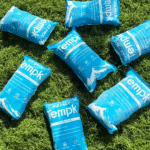
If you ship or store gourmet chocolates, cold chain shipping isn’t optional—it’s the only way to keep their delicate textures and flavours intact. Chocolates melt at surprisingly low temperatures and can develop sugar or fat bloom when exposed to moisture. Keeping them within a narrow window of 12-20 درجة مئوية (54-68 درجة فهرنهايت) و relative humidity under 50 % is critical for maintaining appearance and taste. This guide shows you how to protect your chocolate from factory to consumer using practical packaging, monitoring and planning methods. You’ll also learn how 2025 trends such as AI driven route optimisation and sustainable materials impact chocolate logistics.
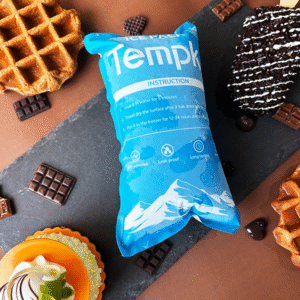
Optimal conditions for storage and transport: discover the ideal temperature and humidity ranges and why stability matters.
حلول التعبئة والتغليف: learn how insulated boxes, gel packs and moisture barriers prevent melting and bloom.
Monitoring and planning: explore IoT sensors, data loggers and logistics best practices for real time control.
التكلفة والاستدامة: find ways to optimise routes, reduce costs and adopt eco friendly materials.
2025 الاتجاهات: see how automation, AI and end to end visibility are transforming cold chain chocolate logistics.
What temperature and humidity keep gourmet chocolate at its best?
Maintaining the sweet spot: Chocolate quality depends on keeping temperature and humidity within specific limits. وفقا لتوجيهات الصناعة, chocolate should be warehoused and transported at 12-20 درجة مئوية (54-68 درجة فهرنهايت), with relative humidity kept below 50 % لمنع ازدهار السكر. Dark chocolate tolerates the cooler end of this range because it contains more cocoa butter, whereas milk and white chocolates are more sensitive and benefit from stable mid range temperatures.
Why extremes cause bloom and melting
Even brief exposure to temperatures above 25 °C (77 ° f) can cause chocolates to soften or melt. على العكس من ذلك, freezing or rapid cooling encourages ازهر السكر, where moisture dissolves sugar on the surface and leaves a dull, white film when it evaporates. ازهر الدهون occurs when cocoa butter crystallises unevenly, producing greasy streaks. High humidity accelerates both problems. To avoid these issues, always pre cool your chocolate and packaging, maintain a stable environment, and avoid rapid fluctuations.
| عامل | النطاق الموصى به | Effect on chocolate | نصائح عملية |
| درجة حرارة | 12-20 درجة مئوية (54-68 درجة فهرنهايت) | Preserves texture and prevents melting | Use insulated containers and active cooling when ambient temperatures exceed 20 °C; قم بتبريد الشوكولاتة والتعبئة مسبقًا |
| رطوبة (RH) | < 50 % | Prevents sugar bloom and fat migration | Choose moisture resistant liners; use condensation resistant gel packs |
| استقرار | Avoid rapid changes | Fluctuations cause thermal shock and bloom | Monitor continuously with IoT sensors; plan for consistent transit routes |
نصائح وإرشادات عملية
قم بتبريد منتجاتك مسبقًا: Bring chocolate and cooling agents to the target temperature before packing to avoid condensation.
Use breathable liners: Proper airflow prevents condensation while protecting against odours.
Monitor and record conditions: Place data loggers or IoT sensors inside shipments to track temperature and humidity in real time. Instant alerts enable corrective action if conditions drift outside your target range.
Test your system: Perform a trial shipment to validate that your packaging maintains desired conditions over the planned transit time.
مثال العالم الحقيقي: A luxury chocolatier shipping truffles internationally switched to insulated boxes, humidity controlled packaging and real time sensors. Their rejection rate dropped from around 15 % to 2 %, demonstrating how attention to temperature and moisture pays off.
How do packaging and shipping methods protect gourmet chocolate?
اختر العبوة المناسبة: Insulated containers and thermal buffers create a miniature cold room for your chocolate. موسع البولي بروبيلين (إي بي بي) boxes and Vacuum Insulated Panels (VIP) offer lightweight yet high performance insulation. Pair them with حزم هلام أو مواد تغيير المرحلة (PCMS) to maintain temperature for the duration of your trip. For long distances or hot climates, النظر في التبريد النشط (reefer trucks or containers).
Designing effective packaging
الحجم يهم: Select a box that leaves enough room for chocolates, cushioning and cooling agents—without allowing contents to shift. Add foam or padded liners for shock absorption.
حواجز الرطوبة: Use condensation resistant gel packs and moisture proof liners to prevent humidity from contacting the chocolate.
السلبي مقابل. الأنظمة النشطة: للرحلات القصيرة (حتى 2 أيام) in moderate weather, passive insulated boxes with gel packs are usually sufficient. For longer transit or extreme heat, use refrigerated trucks or reefer containers with active cooling.
تدفق الهواء والضوء: Allow gentle airflow inside the package and use opaque outer layers to shield chocolate from light.
| حل التعبئة والتغليف | الأداء الحراري | متى تستخدم | ينفع لك |
| EPP/VIP insulated boxes | عالي | All shipments, especially long haul | خفيفة الوزن وقابلة لإعادة الاستخدام; maintain stable temperature |
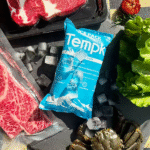
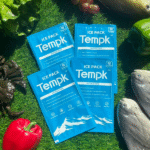
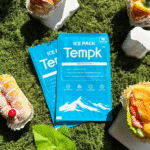
| عبوات جل/PCMs | معتدلة إلى عالية | رحلات قصيرة إلى متوسطة | Provide extra cooling; condensation resistant options reduce humidity issues |
| الحاويات المبردة | عالية جدا | Hot climates or multi day shipping | Active temperature control eliminates risk of melting |
| Moisture proof liners | واسطة | Humid environments | Prevent condensation from contacting chocolate and packaging |
Practical packaging suggestions
Layer your components: Place a protective liner at the bottom, add gel packs around the sides, then insert the chocolate boxes. Top with an additional gel pack to buffer heat from above.
استخدم مواد مستدامة: Recyclable insulation and reusable containers reduce waste and appeal to eco conscious customers. التغليف المستدام يكتسب زخمًا 2025.
تحقيق التوازن بين التكلفة والأداء: الحلول السلبية (العزل + حزم هلام) can outperform powered cooling for 1–3 day trips, reducing complexity and energy use. For shipments exceeding three days or across continents, combine passive packaging with active refrigeration and real time monitoring.
What are the best practices for cold chain logistics from warehouse to doorstep?
Think end to end: A cold chain is only as strong as its weakest link. From production to delivery, maintain controlled conditions and plan for contingencies.
Warehouse and storage
Keep warehouses between 54-68 درجة فهرنهايت (12-20 درجة مئوية) والرطوبة النسبية بالأسفل 50 %. Dark chocolate tolerates cooler conditions than milk or white.
Avoid storing chocolate near strong odours or moisture emitting goods.
Use modern refrigeration systems with energy efficient features; automation and robotics help manage inventory and maintain consistent conditions.
Transportation and handling
المركبات المبردة: Use reefer trucks or containers when ambient temperatures exceed your target range. Ensure vehicles are sealed, clean and pre cooled.
تحسين الطريق: Plan efficient routes to minimise transit time and avoid delays. AI driven route optimisation helps reduce mileage and energy consumption while maintaining temperature.
التوثيق والتدريب: Educate drivers and warehouse staff on temperature control, humidity risks and proper loading/unloading techniques.
يراقب, tracking and last mile delivery
أجهزة الاستشعار في الوقت الحقيقي: أجهزة إنترنت الأشياء تتتبع درجة الحرارة, الرطوبة والموقع, إرسال تنبيهات عند حدوث الانحرافات. Real time visibility reduces spoilage and ensures compliance.
مسجلي البيانات: Provide a historical record for audits and continuous improvement.
Customer communication: Sharing tracking information enhances transparency and builds trust.
Scenario guidance: For a short domestic shipment (≤ 2 days), passive insulated boxes with gel packs shipped early in the week often suffice. For international or summer shipments lasting several days, combine pre cooled chocolates with insulated boxes, PCMs and reefer containers. Use IoT sensors to monitor conditions and act quickly if deviations occur.
2025 trends and innovations in cold chain chocolate logistics
الأتمتة والروبوتات
Labour shortages and the need for efficiency are driving adoption of automated storage and retrieval systems in cold warehouses. Robots streamline handling, reduce errors and maintain consistent temperature and humidity. Studies suggest that about 80 % of warehouses are not automated yet, highlighting large potential for growth.
Sustainability takes centre stage
Environmental regulations and consumer expectations push businesses toward energy efficient refrigeration, renewable energy and eco friendly insulation. Sustainable practices reduce carbon footprint and help prevent food waste. Biodegradable and recyclable packaging materials are increasingly popular.
نهاية إلى نهاية الرؤية مع تتبع في الوقت الحقيقي
Advanced IoT tracking devices provide continuous insight into location, درجة الحرارة والرطوبة, enabling route optimisation and quick corrective actions. Real time tracking reduces waste and enhances customer satisfaction by offering up to date information.
الذكاء الاصطناعي والتحليلات التنبؤية
Artificial intelligence revolutionises cold chain logistics by optimising routes, التنبؤ بالطلب والتنبؤ بصيانة المعدات. يمكن للذكاء الاصطناعي تحليل البيانات التاريخية وفي الوقت الفعلي لتوقع الاضطرابات, recommend maintenance and improve decision making. Integrating AI with IoT sensors provides smarter, more resilient logistics networks.
Modernising infrastructure and partnerships
Aging facilities are being upgraded to meet modern efficiency and sustainability standards. الاستثمارات في العزل, refrigeration and renewable energy reduce energy costs and carbon emissions. التعاون بين الشركات المصنعة, packaging suppliers and tech providers enhances visibility and resilience across the supply chain.
الأسئلة المتداولة
What happens if chocolate is exposed to 25–30 °C during shipping? Exposure to temperatures above 25 °C (77 ° f) softens or melts chocolate and can cause fat or sugar bloom, degrading its appearance and shelf life. Keep chocolate within 12–20 °C and below 50 % humidity to avoid these issues.
Can I ship gourmet chocolate without refrigeration in winter? Yes—if ambient temperatures remain within the safe 12–20 °C range and humidity is low. Use insulated packaging with gel packs or PCMs, pre cool your goods and ship at the beginning of the week to minimise transit time.
How long can passive cold chain packaging keep chocolate safe? Passive insulated boxes with gel packs typically maintain target temperatures for one to three days under moderate conditions. For longer durations or hot climates, supplement with active refrigeration and continuous monitoring.
What is the cost effective way to ship chocolates internationally? Optimise routes and combine passive insulation with PCMs and reefer containers. Ship in bulk, plan around weekends and use data loggers and IoT sensors to ensure stability. Sustainable packaging reduces waste and may lower regulatory costs.
ملخص وتوصيات
Gourmet chocolate is sensitive to heat, humidity and sudden environmental changes. صيانة 12-20 درجة مئوية والرطوبة النسبية below 50 % ضروري. Use EPP or VIP insulated boxes paired with gel packs or PCMs; design packaging to include shock absorption and moisture barriers. Monitor conditions in real time, plan efficient routes and train staff to handle chocolate carefully. في 2025, الاتجاهات مثل الأتمتة, sustainability and AI driven analytics improve efficiency and reduce waste. By embracing these practices, you’ll deliver chocolate that looks and tastes as perfect as when it left the kitchen.
الخطوات التالية القابلة للتنفيذ
Audit your current process: Evaluate temperature, رطوبة, packaging materials and transit routes. Identify any weak points.
ترقية التعبئة والتغليف الخاصة بك: Adopt insulated containers, gel packs and moisture proof liners. Test your packaging under real world conditions before large shipments.
تنفيذ المراقبة في الوقت الحقيقي: Equip shipments with IoT sensors or data loggers to track temperature, الرطوبة والموقع. إعداد تنبيهات للانحرافات.
Optimise logistics: Use AI powered route planning and schedule shipments early in the week to avoid delays. Consider active cooling for long or hot routes.
التركيز على الاستدامة: Explore recyclable or reusable insulation and renewable energy options for warehousing. Sustainable practices reduce costs and align with customer expectations.
حول expk
Tempk is a leading cold chain solutions provider specialising in temperature sensitive shipments such as gourmet chocolates. ملكنا lightweight EPP and VIP containers, مواد تغيير المرحلة و أنظمة المراقبة الذكية help maintain ideal temperatures with minimal energy use. We prioritise sustainability by offering recyclable materials and reusable packaging. Our team combines industry expertise with cutting edge technology to ensure your products arrive fresh, آمنة وفي الوقت المحدد.
على استعداد لترقية سلسلة التبريد الخاصة بك? Reach out today to discover tailored solutions that protect your chocolates and delight your customers.