تحسين طريق سلسلة الخضروات الباردة 2025: كيفية توصيل المنتجات الطازجة بشكل أسرع
تم التحديث في ديسمبر 2025
تحسين طريق سلسلة الخضروات الباردة ليست مجرد عبارة طنانة - إنها الفرق بين الهش, المنتجات كثيفة المغذيات والنفايات الذابلة. مع ارتفاع الطلب العالمي على الخضروات الطازجة وامتداد سلاسل التوريد عبر القارات, يتقلص هامش الخطأ. حتى التأخير لمدة ساعة واحدة يمكن أن يزيد من معدلات التلف 15 بالمائة, وتساهم البنية التحتية غير المتسقة للتبريد في تجاوز خسائر ما بعد الحصاد 30 بالمائة. هذا الدليل مكتوب لك: مديري سلسلة التوريد, يسعى المزارعون وتجار التجزئة إلى تسخير أحدث التقنيات لعام 2025 لضمان كل طماطم, تصل الخضروات الورقية والخضروات الجذرية في حالة ممتازة.
لماذا تعتبر خضروات السلسلة الباردة حساسة جدًا لتخطيط الطريق؟? افهم بيولوجيا المواد القابلة للتلف وسبب أهمية التعرض لدرجات الحرارة المحيطة حتى لفترة قصيرة.
كيف يمكن لتحسين المسار المدعوم بالذكاء الاصطناعي تقليل التلف والتكاليف? تعرف على كيفية قيام الخوارزميات بضبط المسارات في الوقت الفعلي, تقليل استهلاك الوقود وحماية جودة المنتج.
ما هي أجهزة الاستشعار وأدوات إنترنت الأشياء الضرورية للخضروات؟? استكشاف درجة الحرارة, رطوبة, أجهزة استشعار للصدمات والإيثيلين تمنحك رؤية كاملة.
ما هي الاستراتيجيات المستدامة التي تقلل الانبعاثات وتلبيها 2025 أنظمة? اكتشف التبريد الشمسي, حاويات خفيفة الوزن وتوجيه منخفض الكربون.
ما هي أحدث الاتجاهات وتوقعات السوق? تعرف على كيفية نمو سوق الخدمات اللوجستية لسلسلة التبريد من الدولار الأمريكي 436 مليار في 2025 إلى أكثر من دولار أمريكي 1.36 تريليون بواسطة 2034 وسبب أهمية ذلك بالنسبة لتوزيع الخضار.
لماذا يعد تحسين طرق الخضروات أمرًا بالغ الأهمية؟?
الخضار حساسة: تحتوي المنتجات الطازجة على نشاط مائي عالي وهياكل خلايا هشة, مما يجعلها عرضة للغاية للتدهور الكيميائي الحيوي. عندما تبتعد درجات الحرارة عن النطاقات المثلى, تعمل الإنزيمات والميكروبات على تسريع عملية التلف. لأن معظم الخضروات تقطع مسافات طويلة للوصول إلى طاولتك, كل توقف إضافي, التعامل مع خطوة أو التفاف يضاعف هذه المخاطر.
مخاطر عالية: الطلب العالمي على الأطعمة الغنية بالمغذيات آخذ في الارتفاع, ومع ذلك، فإن قدرة التبريد غير المتسقة وضعف البنية التحتية تعني أن خسائر ما بعد الحصاد غالبًا ما تكون أكبر 30 بالمائة. في المناطق الحضرية, الازدحام المروري يجعل التسليم في الوقت المحدد أكثر صعوبة, والتأخير لمدة ساعة فقط يمكن أن يؤدي إلى تلفها 15 بالمائة. يمثل استخدام الوقود من وحدات التبريد التي تعمل بالديزل أكثر من ذلك 40 في المائة من استهلاك الطاقة اللوجستية, مما يؤدي إلى تضخم تكاليف التشغيل وانبعاثات الكربون.
مسببات التلف وكيف تساعد المستشعرات
للحفاظ على المنتجات طازجة, أنت بحاجة إلى أكثر من التبريد. أنت بحاجة إلى البيانات. يربط الجدول التالي مسببات التلف الشائعة بأجهزة الاستشعار التي تخفف منها والفوائد الحقيقية التي تختبرها.
| سائق فساد | المستشعر الموصى به | كيف يساعدك |
| تقلبات درجات الحرارة | أجهزة استشعار درجة الحرارة التقاط درجات الحرارة الداخلية والبيئة المحيطة. يضمن أخذ العينات الدقيقة بقاء الخضروات الورقية ضمن نطاقات ضيقة (في كثير من الأحيان بين 0 درجة مئوية و 5 درجة مئوية), منع الإجهاد الأنزيمي. | يحافظ على الجودة الغذائية ويقلل من النفايات. |
| تقلبات الرطوبة | أجهزة استشعار الرطوبة مراقبة الرطوبة النسبية (0 - 100 %), منع التكثيف والعفن. | يحافظ على إنتاج هش ويمنع تسوس الفطريات, تحسين العمر الافتراضي. |
| الصدمات الميكانيكية | حساسات الصدمات والاهتزازات اكتشاف التأثيرات أثناء التحميل أو النقل. | ينبه السائقين إلى التعامل القاسي الذي يمكن أن يؤدي إلى كدمة الخضار, حتى تتمكن من ضبط التعبئة أو الطرق. |
| التعرض للإيثيلين | أجهزة استشعار الإيثيلين تتبع تراكم الغاز الناضج في الأحمال المختلطة. | يمنع الشيخوخة المبكرة في المنتجات الحساسة للإيثيلين مثل الخس والقرنبيط. |
| انحرافات المسار | أجهزة تعقب GPS توفير بيانات الموقع والطريق. | تمكن التتبع, إعادة التوجيه الديناميكي وإثبات الامتثال. |
كيف تشكل الحقائق البيولوجية خطط الطريق الخاصة بك
عند تحميل الجزر, السبانخ والفلفل الحلو في شاحنة مبردة, أنت لا تقوم فقط بنقل الصناديق، بل تقوم أيضًا بالإشراف على الأنسجة الحية. حتى الارتفاعات القصيرة في درجات الحرارة يمكن أن تسرع التفاعلات الأنزيمية, التنفس وفقدان الرطوبة. الرطوبة العالية تشجع التكثيف وتعزز نمو الفطريات. اهتزاز كدمات على أسطح الأوراق. لأن هذه العمليات تحدث بشكل غير مرئي, إن الاعتماد على عمليات الفحص المفاجئة اليدوية يشبه التوجيه عبر الضباب; لا ترى مشكلة إلا بعد فوات الأوان. تمكّنك بيانات الاستشعار المستمرة من التصرف بشكل استباقي, ضبط المسارات والحفاظ على سلامة المنتج.
هل يستطيع الذكاء الاصطناعي والخوارزميات حقًا تحسين طرق الخضروات؟?
قطعاً. يعمل الذكاء الاصطناعي على إحداث تحول في لوجستيات سلسلة التبريد من خلال تحديد الطرق الأكثر كفاءة في الوقت الفعلي. تعمل نماذج التعلم الآلي على تحليل حركة المرور, بيانات الطقس وقدرة السيارة لضبط مسار رحلتك ديناميكيًا. توفر شركات مثل Paxafe منصات تتنبأ بالأحداث السلبية وتوصي بالإجراءات التصحيحية. في الممارسة العملية, يؤدي تحسين المسار المدعوم بالذكاء الاصطناعي إلى تقليل استهلاك الوقود والأميال المقطوعة, خفض تكاليف النقل وإطالة عمر السيارة.
لماذا يتفوق الذكاء الاصطناعي على التوجيه التقليدي؟
تعتمد حلول توجيه المركبات التقليدية على الخرائط الثابتة والجداول الزمنية المحددة مسبقًا. إنهم يكافحون عندما تتغير ظروف العالم الحقيقي, مما يؤدي إلى التأخير والتلف. أنظمة الذكاء الاصطناعي, لكن, استيعاب البيانات الحية بشكل مستمر وضبط المسارات بسرعة. على سبيل المثال, إذا كان إغلاق الطريق أو ازدحام المرور يهدد نافذة التسليم الخاصة بك, تعمل نماذج الذكاء الاصطناعي التوليدية على إعادة توجيه المركبات لتجنب الازدحام. وهذا يضمن وصول القرنبيط الخاص بك في الوقت المحدد مع تجنب التحويلات غير الضرورية.
بالإضافة إلى ذلك, يأخذ الذكاء الاصطناعي في الاعتبار الحد الأدنى الثلاثي – التكلفة, الكربون والعدالة الاجتماعية. تظهر الأبحاث الحديثة أن نماذج التوجيه منخفضة الكربون يمكن أن تقلل من استهلاك الوقود, انبعاثات الكربون والتكاليف الإجمالية في وقت واحد. خوارزميات مثل تحسين العصف الذهني المتقاطع الإرشادي (سدكبسو) ليس فقط تحسين المسارات ولكن أيضًا تحديد أفضل أوقات المغادرة لتجنب الازدحام. يؤدي دمج رضا السائق في الوظيفة الموضوعية إلى تقليل تقلب عبء العمل وتحسين جودة الخدمة.
النهج الخوارزمي في لمحة
فيما يلي مقارنة بين تقنيات التحسين الشائعة المستخدمة في لوجستيات الخضروات الباردة لعام 2025.
| طريقة التحسين | الميزات الرئيسية | التأثير على عملياتك |
| خوارزميات ارشادية (على سبيل المثال, بحث المحرمات) | استخدم القواعد الخاصة بالمشكلة لاستكشاف الحلول الممكنة بسرعة. | توفير نتائج جيدة بتكلفة حسابية منخفضة ولكن قد تواجه صعوبة في التعامل مع المتغيرات الديناميكية مثل حركة المرور والطقس. |
| نماذج برمجة الأعداد الصحيحة المختلطة | تمثل بدقة القيود مثل النوافذ الزمنية, قدرات المركبات وتقلب حركة المرور. | تقديم الحلول المثلى ولكنها تتطلب حسابات كبيرة; الأفضل للتخطيط الاستراتيجي بدلاً من العمليات الفعلية. |
| نماذج تعمل بالذكاء الاصطناعي (على سبيل المثال, التعلم, الشبكات العصبية) | تعلم من البيانات التاريخية والبيانات الفعلية لتكييف المسارات بشكل مستقل. | التحسن المستمر مع مرور الوقت, تقليل استخدام الوقود, الانبعاثات والتلف أثناء التعامل مع الأحداث غير المتوقعة. |
| الخوارزميات الهجينة (على سبيل المثال, سدكبسو) | اجمع بين الاستدلال والتعلم الآلي مع استراتيجيات التقاطع التكيفية. | موازنة جودة الحل وسرعته, مما يجعلها مناسبة تمامًا لبيئات سلسلة التبريد الديناميكية. |
نصائح عملية لتنفيذ توجيه الذكاء الاصطناعي
ابدأ بجودة البيانات: تأكد من درجة حرارتك, سجلات الرطوبة ونظام تحديد المواقع العالمي (GPS) نظيفة ودقيقة; يتعلم الذكاء الاصطناعي مما تطعمه إياه.
محاكاة السيناريوهات: اختبار الخوارزميات ضد أسوأ الظروف (الاختناقات المرورية, فشل المعدات) للتحقق من المرونة.
محاذاة مع السائقين: قم بتوصيل توصيات الذكاء الاصطناعي إلى السائقين ودمج ملاحظاتهم - حيث يؤثر رضاهم بشكل مباشر على الكفاءة.
تحسين أوقات المغادرة: جدولة رحلات المغادرة لتجنب ذروة حركة المرور. يمكن لاستراتيجية تحسين وقت المغادرة أن تقلل من تأخيرات الازدحام والتلف.
مراقبة الأداء: تتبع المقاييس مثل متوسط وقت التسليم, استخدام الوقود ومعدلات التلف لقياس التحسينات.
البصيرة في العالم الحقيقي: خلال المشروع التجريبي, يقوم موزع المنتجات بدمج تحسين مسار الذكاء الاصطناعي وأجهزة استشعار إنترنت الأشياء. عندما هدد إغلاق الطريق المفاجئ بتأخير عمليات التسليم لمدة ساعتين, قام النظام تلقائيًا بإعادة توجيه الشاحنة عبر طريق سريع بديل. جنبا إلى جنب مع التنبيهات التنبؤية من أجهزة استشعار درجة الحرارة, تجنب الموزع حدوث تلف كبير وحافظ على كل شيء 12 طن من الخضر الورقية. تؤكد هذه الحالة على كيفية عمل الذكاء الاصطناعي والبيانات في الوقت الفعلي معًا لحماية السلع القابلة للتلف.
تسخير أجهزة استشعار إنترنت الأشياء لتحسين المسار
لا يمكنك تحسين ما لا يمكنك رؤيته. المراقبة في الوقت الحقيقي تمنع التلف الباهظ الثمن وتضمن جودة المنتج. تقلبات درجات الحرارة, التغيرات في الرطوبة والصدمات يمكن أن تجعل المنتجات الطازجة غير صالحة للاستعمال, بعد ما يصل إلى نصف اللقاحات وتقريبا 20 في المائة من البضائع الحساسة لدرجات الحرارة تتضرر بسبب عدم كفاية التحكم. يؤدي تضمين أجهزة الاستشعار الذكية والتحليلات التنبؤية في جميع أنحاء سلسلة التوريد الخاصة بك إلى تقليل الهدر بينما ينمو السوق نفسه من الدولار الأمريكي 436 مليار في 2025 إلى الدولار المتوقع 1.36 تريليون بواسطة 2034.
أجهزة الاستشعار التي تحدث فرقا
تنشر أنظمة إنترنت الأشياء الباردة الحديثة مجموعة من أجهزة الاستشعار - درجة الحرارة, رطوبة, صدمة, التعرض للضوء وأجهزة تتبع نظام تحديد المواقع العالمي (GPS) - لالتقاط دفق مستمر من البيانات البيئية. للخضروات التي يجب أن تبقى بين 0 درجة مئوية و 5 درجة مئوية, مثل هذه الرؤية ضرورية. عندما يكتشف المستشعر الظروف غير الآمنة, يرسل تنبيهات للسائقين أو المديرين لاتخاذ إجراءات فورية. ويضمن الاتصال عبر شبكات الجيل الخامس 5G والشبكات واسعة النطاق ذات الطاقة المنخفضة تدفق البيانات حتى على الطرق الريفية النائية.
اختيار أجهزة الاستشعار الصحيحة يعتمد على المنتج الخاص بك وظروف الطريق. على سبيل المثال, تعتبر مستشعرات الصدمات ضرورية عند نقل العناصر الحساسة مثل الخضروات الورقية لأنها تساعدك على تحديد أحداث التعامل الصعبة. تعد مستشعرات الإيثيلين ذات قيمة في الأحمال المختلطة التي تشمل الثمار الناضجة; يكتشفون تراكم الغاز الذي يمكن أن يؤدي إلى الشيخوخة المبكرة. يوفر دمج هذه الأجهزة مع أنظمة التحكم عن بعد والمنصات السحابية لوحة تحكم واحدة لدرجة الحرارة, الرطوبة وبيانات الموقع, تمكين القرارات الاستباقية.
الإجراءات المستندة إلى البيانات
كيف تترجم هذه البيانات إلى أفعال? تتنبأ نماذج التحليلات التنبؤية بأعطال المعدات, رحلات درجة الحرارة والتأخير المحتمل للطريق. من خلال مقارنة قراءات المستشعر الحالية مع الأنماط التاريخية, تحدد الخوارزميات العلامات المبكرة لتعب الضاغط أو تسرب سائل التبريد. ويمكن بعد ذلك جدولة الصيانة قبل حدوث الأزمة, تقليل وقت التوقف غير المخطط له بنسبة تصل إلى 50 بالمائة وخفض تكاليف الإصلاح بنسبة 10-20 بالمائة. وتشير وكالة الطاقة الدولية إلى أن التحليلات القائمة على إنترنت الأشياء يمكن أن تقلل التخزين البارد استهلاك الطاقة بنسبة 10-30 بالمائة, توفير المال وخفض الانبعاثات.
نصائح التنفيذ
تقييم فجوات الرؤية: خريطة حيث يؤدي تسجيل البيانات يدويًا إلى نقاط عمياء أو تأخيرات.
حدد أجهزة الاستشعار حسب المنتج: قد تحتاج الخضروات عالية القيمة مثل الهليون إلى مراقبة الصدمات والإيثيلين, في حين أن الجذور القوية قد تعطي الأولوية لدرجة الحرارة والرطوبة.
اتصال الطيار عن بعد: اختبار أجهزة الاستشعار على الطرق الريفية أو عبر الحدود لضمان التغطية المستمرة.
تعيين التنبيهات على أساس العتبة: قم بتكوين التنبيهات التي يتم تشغيلها عندما تتجاوز درجة الحرارة أو الرطوبة الحدود الحرجة.
التكامل مع المنصات السحابية: استخدم لوحات المعلومات المركزية للمراقبة, التحليلات وحفظ سجلات الامتثال.
تثقيف السائقين: توفير التدريب حتى يفهم السائقون تنبيهات أجهزة الاستشعار وكيفية الاستجابة لها, تحسين التعاون التكنولوجي البشري.
مثال الحالة: قام أحد موزعي الأدوية بشحن لقاحات mRNA عند درجة حرارة -70 درجة مئوية، وقام بتضمين مستشعرات إنترنت الأشياء في كل حاوية. عندما بدأت درجة حرارة الحاوية في الارتفاع بسبب الثلج الجاف التسامي, قام النظام بتنبيه السائقين في الوقت الفعلي; لقد قاموا بتجديد الثلج الجاف وتجنبوا خسارة المنتج المكونة من ستة أرقام. وينطبق نفس المبدأ على الخضار: يمكن لأجهزة الاستشعار التقاط الانجراف الحراري مبكرًا, مما يسمح لك بضبط التبريد أو إعادة توجيه الشحنات قبل إنتاج الغنائم.
تخطيط الطريق المستدام وكفاءة الطاقة
النقل بسلسلة التبريد لا يتعلق فقط بالنضارة; يتعلق الأمر أيضًا بالاستدامة. يستهلك قطاع سلسلة التبريد قدرًا كبيرًا من الطاقة، حيث يمثل النقل بسلسلة التبريد وحده أكثر من 40 في المائة من إجمالي استخدام الطاقة اللوجستية. تساهم الشاحنات المبردة التي تعمل بالديزل بشكل كبير في انبعاثات الكربون, مما يدفع الباحثين والمنظمين إلى إعطاء الأولوية للحلول الأكثر مراعاة للبيئة. الابتكارات مثل وحدات التبريد التي تعمل بالطاقة الشمسية, الحاويات الذكية خفيفة الوزن والمركبات التجارية الخفيفة المبردة (المركبات التجارية الخفيفة) وعد بخفض الانبعاثات والتكاليف التشغيلية.
استراتيجيات منخفضة الكربون لطرق الخضروات
استخدم التبريد الذي يعمل بالطاقة الشمسية: في المناطق ذات الوصول المحدود إلى الشبكة, يوفر التبريد بالطاقة الشمسية تبريدًا موثوقًا به مع تقليل استخدام الديزل. تنشر شركات مثل EjaIce Nigeria وحدات الطاقة الشمسية لتقليل هدر الطعام وتحسين الأمن الغذائي. يمكنك الجمع بين الألواح الشمسية وبطارية تخزين للحفاظ على درجة الحرارة طوال الليل.
أدوات اتخاذ القرار مفيدة
تحقق من التفاصيل قبل اختيار التغليف
يمكن أن تساعدك هذه الأدوات السريعة في مقارنة مخاطر المسار, احتياجات التحجيم, خيارات المبرد, وتفاصيل التعبئة والتغليف قبل أن تطلب عرض أسعار.
حاسبة علبة الثلج
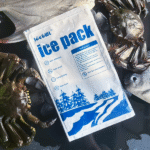
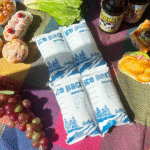
تقدير كمية عبوات الثلج الهلامي للشحنات المبردة والتخطيط العملي للمسار.
تقدير عبوات الثلجحاسبة الثلج الجاف
تقدير احتياجات الثلج الجاف للشحنات المجمدة أو شديدة البرودة قبل التعبئة.
تقدير الثلج الجافمولد قائمة التحقق من الامتثال
قم ببناء قائمة مرجعية عملية لمراجعة التغليف, شحن, والتوثيق.
بناء قائمة مرجعيةاعتماد خفيفة الوزن, حاويات معزولة: تشتمل تصميمات الحاويات الجديدة على مواد متقدمة وأجهزة استشعار لإنترنت الأشياء لمراقبة درجة الحرارة, الرطوبة والموقع في الوقت الحقيقي. يقلل وزنها الخفيف من استهلاك الوقود ويتيح سهولة التحميل والتفريغ.
نشر المركبات التجارية الخفيفة المبردة: تتفوق المركبات التجارية الخفيفة في البيئات الحضرية; يستهلكون وقودًا أقل, التنقل في الشوارع الضيقة وخدمة نقاط التوزيع الأصغر. ومن المتوقع أن تشهد أعلى نمو بين قطاعات النقل البري المبرد, مما يجعلها مثالية لتوصيلات الخضروات الأخيرة.
تحسين أوقات المغادرة وعدالة المسار: تعمل جدولة عمليات التسليم أثناء حركة المرور خارج أوقات الذروة على تقليل الازدحام والانبعاثات. إن دمج رضا السائق والعدالة في عبء العمل في تخطيط الطريق لا يؤدي إلى تحسين الروح المعنوية فحسب، بل يعزز أيضًا جودة الخدمة.
الاستثمار في المعدات الموفرة للطاقة: استبدال الضواغط القديمة والعوازل; يمكن للصيانة التنبؤية تحديد الوحدات التي تستهلك 20 في المئة طاقة أكثر من المعتاد. إن ترقية المعدات تؤتي ثمارها بسرعة من خلال فواتير الطاقة المنخفضة ومدة الصلاحية الأطول.
الابتكارات المستدامة في لمحة
| ابتكار | كيف يعمل | فوائد |
| التبريد بالطاقة الشمسية | يستخدم الألواح الكهروضوئية وتخزين البطاريات لتشغيل وحدات التبريد بشكل مستقل عن الديزل. | يخفض تكاليف الوقود, يقلل من الانبعاثات ويحسن الموثوقية في المناطق النائية. |
| حاويات ذكية خفيفة الوزن | دمج العزل وأجهزة الاستشعار المتقدمة لمراقبة درجة الحرارة, الرطوبة والموقع. | يقلل من استهلاك الوقود, يعزز إمكانية التتبع ويبسط التعامل معها. |
| المركبات التجارية الخفيفة المبردة | الأصغر, مركبات موفرة للوقود مصممة لعمليات التوصيل في المناطق الحضرية. | يقلل من تكاليف التشغيل, يتنقل في المناطق المزدحمة ويحسن تغطية الميل الأخير. |
| خوارزميات التوجيه منخفضة الكربون | تحسين الطرق مع مراعاة استهلاك الوقود, انبعاثات الكربون وحقوق السائق. | الموازنات الاقتصادية, الأهداف البيئية والاجتماعية, تحقيق أهداف الاستدامة. |
| المعدات الموفرة للطاقة | ضواغط مطورة, العزل والصيانة التنبؤية تقلل من هدر الطاقة. | يقلل من تكاليف التشغيل ويطيل عمر المعدات. |
نصائح الاستدامة التي تركز على المستخدم
قياس البصمة الكربونية الخاصة بك: استخدم بيانات التليماتية لحساب الانبعاثات لكل ميل ولكل كيلوغرام من المنتجات.
اختر التغليف الصديق للبيئة: اعتماد حاويات معزولة مصنوعة من مواد قابلة لإعادة التدوير أو قابلة للتحلل; أنها تلبي طلب المستهلكين على المنتجات الخضراء.
الاستفادة من blockchain: تعمل السجلات الثابتة لرحلات المنتج على تعزيز الشفافية وتساعدك على التحقق من الممارسات المستدامة.
إشراك الموردين والعملاء: تشجيع المزارعين وتجار التجزئة على المشاركة في مبادرات الاستدامة, مثل التعبئة والتغليف القابلة لإعادة الاستخدام برامج العودة.
خطة للكهرباء: حيث أصبحت وحدات التبريد والمركبات الكهربائية أكثر قابلية للتطبيق, إعداد البنية التحتية (محطات الشحن, تمرين) لتبنيهم.
مثال عملي: اعتمدت تعاونية من المزارع الصغيرة في كاليفورنيا غرف تبريد تعمل بالطاقة الشمسية مع خوارزمية توجيه منخفضة الكربون. عن طريق تحميل المنتجات في حاويات خفيفة الوزن وإرسال الشحنات خلال ساعات الذروة, لقد خفضوا استهلاك الوقود بنسبة 18 بالمائة وخفض إجمالي انبعاثات الكربون بنسبة 25 بالمائة في السنة الأولى. لاحظ المستهلكون السبانخ واللفت الطازج, واكتسبت التعاونية نفوذاً تسويقياً من خلال الترويج لممارساتها المستدامة.
2025 الاتجاهات التي تشكل الخدمات اللوجستية النباتية لسلسلة التبريد
صناعة سلسلة التبريد تزدهر. تقدر MarketsandMarkets أن سوق سلسلة التبريد العالمية, بقيمة دولار أمريكي 228.3 مليار في 2024, سوف تصل إلى دولار أمريكي 372 مليار من قبل 2029, معدل نمو سنوي مركب قدره 10.3 بالمائة. وتؤدي تجارة التجزئة والتجارة الدولية المنظمة إلى دفع هذا النمو. لكن الأرقام لا تحكي سوى جزء من القصة. فيما يلي الاتجاهات الرئيسية التي تحتاج إلى معرفتها.
آخر التطورات
أصبح تحسين المسار المدعوم بالذكاء الاصطناعي هو الاتجاه السائد: يقوم الذكاء الاصطناعي الآن بإجراء تعديلات على المسار في الوقت الفعلي بناءً على أنماط حركة المرور, الظروف الجوية ونوافذ التسليم, مما يؤدي إلى تحسين الكفاءة وانخفاض استهلاك الوقود.
تعمل تقنية Blockchain على تعزيز إمكانية التتبع: تعمل سجلات رحلة المنتج غير القابلة للتغيير على بناء ثقة المستهلك وتبسيط الامتثال التنظيمي.
التبريد بالطاقة الشمسية يكتسب قوة الجر: تعمل وحدات الطاقة الشمسية على تقليل الاعتماد على الديزل وهي مفيدة بشكل خاص في المناطق التي لا يمكن الاعتماد عليها في الكهرباء.
ذكي حاويات الشحن وإنترنت الأشياء: تقوم الحاويات المعزولة خفيفة الوزن المزودة بمستشعرات إنترنت الأشياء بمراقبة الظروف في الوقت الفعلي, ضمان النزاهة أثناء النقل.
التغليف المستدام الحلول: تعمل المواد الصديقة للبيئة على تقليل التأثير البيئي وتلبية توقعات المستهلك.
التجارة العالمية تغذي التوسع: إن انخفاض الحواجز التجارية يتيح شحنات الخضروات عبر الحدود, بينما تؤثر وسائل التواصل الاجتماعي على الأنظمة الغذائية وتحفز الطلب على المنتجات المتنوعة.
ظهور المركبات التجارية الخفيفة المبردة: توفر المركبات التجارية الخفيفة تكاليف تشغيل أقل, تحسين الملاحة الحضرية ومن المتوقع أن تنمو بشكل أسرع بين وسائل النقل البري المبردة.
النمو السريع في آسيا: منطقة آسيا والمحيط الهادئ, وخاصة الهند, تجارب ارتفاع استهلاك الألبان والأغذية المصنعة. متوسط نصيب الفرد من استهلاك الحليب في الهند 427 ز يوميا, أعلى بكثير من المتوسط العالمي. يسلط هذا النمو الضوء على الحاجة إلى خدمات لوجستية موثوقة لسلسلة التبريد للحفاظ على المنتجات القابلة للتلف.
توقعات السوق: وفقا لأبحاث الأسبقية, تم تقييم سوق لوجستيات سلسلة التبريد العالمية بالدولار الأمريكي 436.30 مليار في 2025 ومن المتوقع أن يصل إلى حوالي دولار أمريكي 1,359.78 مليار من قبل 2034 بمعدل نمو سنوي مركب قدره 13.46 بالمائة. ستنمو منطقة آسيا والمحيط الهادئ بأعلى معدل نمو سنوي مركب 14.3 بالمائة.
رؤى السوق
يعكس الارتفاع الكبير في الإنفاق على سلسلة التبريد دوافع متعددة: لوائح أكثر صرامة لسلامة الأغذية, العولمة, وارتفاع الطلب على المنتجات الطازجة والأدوية. يحتفظ قطاع الألبان والحلويات المجمدة بأكبر حصة من الإيرادات, لكن الخضروات والأطعمة المبردة تمثل فرصة كبيرة للنمو حيث ينجذب المستهلكون نحو الأنظمة الغذائية الصحية. شركات سلسلة التبريد الكبرى – أميريكولد, النسب اللوجستية, يستثمر نيتشيري وآخرون بكثافة في الذكاء الاصطناعي, إنترنت الأشياء والتقنيات المستدامة للاستيلاء على هذا السوق. لموردي الخضار, وهذا يعني المزيد من الخيارات للخدمات اللوجستية الشاملة ولكن أيضًا توقعات أعلى للشفافية, الامتثال والاستدامة.
الأسئلة المتداولة
س 1: كيف يؤدي تحسين المسار إلى تقليل تلف الخضروات؟?
من خلال تحليل حركة المرور في الوقت الحقيقي, بيانات الطقس وأجهزة الاستشعار, تحدد الأنظمة التي تعمل بالذكاء الاصطناعي الأسرع, الطرق الأكثر أمانا. كما يقومون أيضًا بتعديل أوقات المغادرة لتجنب الازدحام والحفاظ على التزامات الإطار الزمني. وهذا يقلل من التأخير الذي قد يؤدي إلى زيادة معدلات التلف بنسبة تصل إلى 15 بالمائة.
Q2: هل أحتاج إلى ذكاء اصطناعي متقدم لشركة توصيل محلية صغيرة؟?
لا تحتاج إلى كمبيوتر خارق للبدء. توفر العديد من منصات SaaS تحسينًا للمسار بتكلفة معقولة يستخدم التعلم الآلي خلف الكواليس. حتى الخوارزميات البسيطة التي تأخذ في الاعتبار نوافذ حركة المرور والتسليم يمكنها خفض تكاليف الوقود وتحسين الموثوقية. كما ينمو عملك, يمكنك إضافة التحليلات التنبؤية وبيانات الاستشعار.
س 3: ما هي أفضل أجهزة الاستشعار للخضر الورقية?
الخضار الورقية حساسة بشكل خاص لدرجة الحرارة, الرطوبة والإيثيلين. استخدم أجهزة استشعار درجة الحرارة لضمان بقاء البيئة بينهما 0 درجة مئوية و 5 درجة مئوية, أجهزة استشعار الرطوبة لمنع التكثيف, أجهزة استشعار الصدمات للكشف عن الكدمات وأجهزة استشعار الإيثيلين لمراقبة الغازات الناضجة. جنبا إلى جنب مع تتبع نظام تحديد المواقع, تمنحك هذه الأدوات صورة كاملة عن حمولتك.
س 4: كيف يمكنني خفض تكاليف الطاقة لسلسلة التبريد الخاصة بي?
تنفيذ الصيانة التنبؤية لتحديد أوجه القصور في المعدات. يمكن لتحليلات إنترنت الأشياء أن تقلل من استهلاك الطاقة بنسبة 10 إلى 30 بالمائة. فكر في الترقية إلى الضواغط الموفرة للطاقة, باستخدام حاويات معزولة خفيفة الوزن واعتماد التبريد بالطاقة الشمسية.
س 5: ما هي المعايير التنظيمية المطبقة على سلاسل تبريد الخضروات في 2025?
تختلف اللوائح حسب المنطقة, لكن معظم الولايات القضائية تتبع تحليل المخاطر ونقاط المراقبة الحرجة (تحليل المخاطر ونقاط المراقبة الحرجة) المبادئ وممارسات التوزيع الجيدة (الناتج المحلي الإجمالي). 2025 يرى متطلبات التدقيق الرقمي الجديدة وتفويضات تسجيل درجات الحرارة الأكثر صرامة. يؤدي استخدام أجهزة استشعار إنترنت الأشياء ولوحات المعلومات السحابية إلى تبسيط عملية الامتثال والتوثيق.
ملخص وتوصيات
في السباق لتوصيل الخضروات الطازجة عبر سلاسل التوريد الأطول, لم يعد تحسين المسار أمرًا اختياريًا، بل أصبح أمرًا بالغ الأهمية. وتعني الهشاشة البيولوجية للمنتج أنه حتى الانحرافات البسيطة في درجات الحرارة يمكن أن تؤدي إلى تدمير الحمولة. تقوم خوارزميات التوجيه والتعلم الآلي المدعومة بالذكاء الاصطناعي بضبط المسارات ديناميكيًا لتقليل التأخير واستخدام الوقود, بينما تكتشف التحليلات التنبؤية أعطال المعدات المحتملة. توفر أجهزة الاستشعار في الوقت الحقيقي رؤية مستمرة, مما يتيح لك التصرف قبل حدوث التلف. تعمل الممارسات المستدامة مثل التبريد بالطاقة الشمسية والحاويات خفيفة الوزن على خفض الانبعاثات وتكاليف التشغيل. ينمو سوق الخدمات اللوجستية لسلسلة التبريد بسرعة, مدفوعة بالتجارة العالمية وطلب المستهلكين, لذا فإن الاستثمار في هذه الأدوات يضعك الآن في المقدمة.
الخطوات التالية القابلة للتنفيذ
قم بمراجعة الطرق والبنية التحتية الحالية لديك: حدد أماكن حدوث التأخير وارتفاع درجات الحرارة.
نشر أجهزة الاستشعار الأساسية: على الأقل, تركيب أجهزة استشعار لدرجة الحرارة والرطوبة; فكر في استخدام مستشعرات الصدمات والإيثيلين للخضروات الحساسة.
التوجيه التجريبي الذي يعمل بالذكاء الاصطناعي: استخدم منصة SaaS أو الحل المتكامل لاختبار التخطيط الديناميكي للمسار وقياس التخفيضات في استخدام الوقود والتلف.
تحسين أوقات المغادرة: قم بجدولة عمليات التسليم خلال فترات حركة المرور خارج أوقات الذروة ودمج تعليقات السائق في الخطط.
استثمر في المعدات المستدامة: قم بالترقية إلى الضواغط الموفرة للطاقة واستكشف التبريد بالطاقة الشمسية للمناطق النائية.
تثقيف فريقك: تدريب السائقين وموظفي المستودعات على تفسير أجهزة الاستشعار, أدوات الذكاء الاصطناعي وممارسات الاستدامة.
المراقبة والتكرار: تتبع مؤشرات الأداء الرئيسية مثل أوقات التسليم, معدلات التلف, استخدام الطاقة ورضا العملاء. ضبط الاستراتيجيات على أساس البيانات.
حول Tempk
Tempk هي شركة رائدة في مجال توفير حلول التغليف واللوجستيات لسلسلة التبريد. ملكنا الصناديق المعزولة, حزم هلام وأجهزة التحكم الذكية في درجة الحرارة تحافظ على الخضار, المستحضرات الصيدلانية والبيولوجية ضمن النطاقات الصحيحة لفترة أطول. نحن نستثمر بكثافة في R&D وإنترنت الأشياء لتقديم قابلة لإعادة الاستخدام, التعبئة والتغليف القابلة لإعادة التدوير التي تقلل من النفايات. يجمع فريقنا بين عقود من الخبرة في المجال والتكنولوجيا المتطورة لمساعدتك في بناء موقع موثوق به, سلسلة التبريد المستدامة. سواء كنت بحاجة إلى حلول جاهزة أو تصميمات مخصصة, نحن هنا لدعم رحلتك نحو عمليات تسليم أحدث وانبعاثات أقل.
على استعداد لتحسين عمليات تسليم الخضروات الخاصة بك? اتصل بخبرائنا للحصول على تقييم شخصي واكتشف كيف يمكن أن تساعدك حلول Tempk في تقليل التلف, توفير الطاقة وإسعاد عملائك.