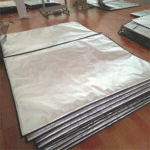
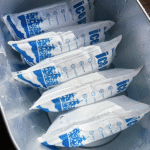
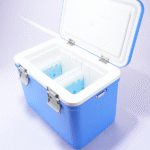
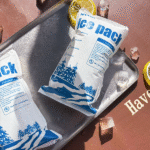
كرتونة مبللة, تسرب حزم هلام, تسميات مخففة, التكثيف, كما أن عملية فتح العلبة بطريقة فوضوية قد تؤدي إلى الإضرار بثقة العملاء حتى عندما يكون المنتج باردًا. لتوصيل الطعام, خضروات, المأكولات البحرية, فارما, وشحنات سلسلة التبريد للتجارة الإلكترونية, يعد التحكم في الرطوبة جزءًا من تصميم العبوة. ولا ينبغي التعامل معها كفكرة لاحقة.
تشرح هذه المقالة سبب تبلل عبوات سلسلة التبريد وكيفية تقليل حالات فشل الرطوبة باستخدام عبوات هلامية أفضل, بطانات, مواد ماصة, تصميم الإغلاق, حماية الكرتون, وضوابط المستودعات. كما أنه يربط التحكم في الرطوبة بسلامة الأغذية, خطر الطريق, وتجربة العملاء.
لماذا تتبلل علب السلسلة الباردة؟
يمكن أن تصبح شحنة سلسلة التبريد مبللة من عدة مصادر. يمكن أن تتراكم عبوات الجل المجمدة عند تعرضها للهواء الرطب الدافئ. تطهير المنتج يمكن أن يهرب من اللحوم, المأكولات البحرية, أو الأطعمة الجاهزة. الجليد الرطب يمكن أن يذوب. يمكن أن يفشل ختم حزمة الجل. يمكن للكرتون أن يمتص الرطوبة إذا كانت البطانة مفقودة أو مغلقة بشكل سيء. يمكن أن تصبح الملصقات طرية عند وضعها على الأسطح المعرضة للتكثيف.
الحل ليس دائمًا "استخدام كميات أقل". حزم الجليد."إن النهج الأفضل هو تحديد مصدر الرطوبة وتصميم حاجز, امتصاص, أو استراتيجية الانفصال.
مراجع التحكم في الرطوبة المدعومة بالمصدر
| مرجع مدعوم بالمصدر | المعنى العملي للتغليف |
|---|---|
| توصي FedEx باستخدام بطانة بلاستيكية للشحنات القابلة للتلف. | تساعد البطانة على حماية الكرتون من الرطوبة والتسرب. |
| توصي FedEx باستخدام مواد ماصة داخل الشحنات القابلة للتلف. | يمكن للمواد الماصة التقاط التكثيف, المياه الذائبة, أو تسرب المنتج. |
| توصي شركة FedEx بوضع الثلج الرطب في أكياس مزدوجة مع أكياس بلاستيكية مانعة لتسرب الماء سعة 2 مل على الأقل عند استخدام الثلج الرطب. | يتطلب الثلج الرطب احتواء سائل أقوى من عبوات الجل. |
| تنص إدارة الغذاء والدواء الأمريكية على ضرورة حفظ الأطعمة الباردة عند درجة حرارة 40 درجة فهرنهايت / 4درجة مئوية أو أقل. | يجب ألا يؤثر التحكم في الرطوبة على حماية درجة حرارة الطعام. |
| تشير إدارة الغذاء والدواء الأمريكية (FDA) إلى أن الأطعمة القابلة للتلف يجب ألا تبقى في منطقة الخطر التي تتراوح بين 40 درجة فهرنهايت إلى 140 درجة فهرنهايت لأكثر من 2 ساعات, أو 1 ساعة فوق 90 درجة فهرنهايت. | إذا كان تقليل عبوات الثلج يرفع درجة حرارة المنتج, الحزمة غير مقبولة. |
جدول تحليل فشل الرطوبة
| وضع الفشل | السبب الجذري المحتمل | إصلاح التعبئة والتغليف | فحص ضمان الجودة |
|---|---|---|---|
| كرتون خارجي مبلل | لا بطانة بلاستيكية, إغلاق بطانة سيئة, التكثيف ينتقل إلى المموج. | إضافة بطانة مختومة, تحسين إغلاق رفرف, حماية منطقة التسمية. | تحقق من سطح الكرتون بعد محاكاة المسار. |
| تسرب حزمة هلام | ختم ضعيف, ثقب, حافة المنتج الحادة, سمك الفيلم ضعيف, الإجهاد المتجمد. | استخدم فيلمًا أقوى, اختبار الختم, حواف الحزمة مدورة, فصل المنتج. | فحص الإسقاط والضغط مع الحزمة الكاملة. |
| التكثيف على المنتج | سائل التبريد المتجمد يلامس الهواء الدافئ الرطب أو سطح المنتج. | إضافة المخزن المؤقت, التفاف المنتج, تحسين تخطيط المنطقة الباردة. | افحص الفتح بعد التعرض الدافئ. |
| ملصق الشحن الرطب | يتم وضع الملصق بالقرب من مسار التكثيف أو سطح المبرد العلوي. | نقل موقع التسمية, إضافة الحقيبة التسمية, حافظ على جفاف الجزء العلوي. | تأكد من إمكانية قراءة الباركود بعد الاختبار. |
| تسرب تطهير المنتج | لحمة, المأكولات البحرية, أو صواني الوجبات تطلق السوائل. | استخدم العبوات الأولية المختومة والوسادات الماصة. | فحص الميل والاهتزاز. |
| يرى العميل جلًا فوضويًا | عبوة الجل تالفة أو تعليمات التخلص منها مفقودة. | استخدم عبوات مقاومة للتسرب وتعليمات واضحة للعبوات الباردة. | مراجعة بيانات شكوى العملاء. |
صمم العبوة للرطوبة قبل القياس
غالبًا ما تظهر مشاكل الرطوبة أثناء عملية التوسيع. قد تبدو العينة المعبأة بعناية من قبل أحد المهندسين نظيفة, في حين أن حزمة الإنتاج التي يتم تجميعها بسرعة بواسطة موظفي المستودعات قد تترك البطانة مفتوحة, وضع عبوات الجل بشكل غير صحيح, أو سحق علبة المنتج. لهذا السبب, يجب تضمين التحكم في الرطوبة في تعليمات التعبئة.
يجب أن توضح التعليمات الجيدة أين تذهب البطانة, حيث تذهب الطبقة الماصة, كيف يتم وضع عبوات الجل, أي جانب يواجه المنتج, كيف يتم فصل المنتجات, وأين يجب تطبيق ملصق الشحن. إذا كانت العبوة تستخدم منتجات رطبة مثل المأكولات البحرية أو اللحوم, ويجب أن تحدد التعليمات أيضًا كمية المادة الماصة واتجاه التغليف الأساسي.
اختيار حزمة هلام لمنع التسرب
عبوة جل ل الشحن سلسلة البرد يجب أن يتم اختياره بأكثر من السعر. قوة الفيلم, جودة الختم, تصميم الحافة, ملء الوزن, سلوك التجميد, ووضع الكرتون كلها تؤثر على خطر التسرب. قد تكون العبوة الرفيعة أرخص ولكنها قد تفشل أثناء التجميد, ضغط, أو التعامل. قد تؤدي العبوة المجمدة الكبيرة جدًا إلى إتلاف الأطعمة اللينة إذا تحركت أثناء النقل.
لحزم الجل ذات العلامات التجارية الخاصة أو ذات العلامات التجارية, يجب ألا تؤدي الطباعة إلى إضعاف العبوة أو تقليل سلامة الختم. يجب أن يتضمن التصميم أيضًا تعليمات للتجميد, التعامل, والتخلص منها. إذا اشتكى العميل من تسرب العبوات, تتأثر سمعة العلامة التجارية حتى عندما تكون درجة حرارة الطعام مقبولة.
التحكم في التكثيف دون فقدان الأداء الحراري
لا ينبغي أن يعني تقليل التكثيف إزالة الكثير من سائل التبريد. للطعام المبرد, يظل توجيه درجة حرارة إدارة الغذاء والدواء (FDA) هو الأولوية. إذا كان المنتج يسخن فوق النطاق المقبول, الحزمة ليست ناجحة لمجرد أنها جافة.
أدوات اتخاذ القرار مفيدة
تحقق من التفاصيل قبل اختيار التغليف
يمكن أن تساعدك هذه الأدوات السريعة في مقارنة مخاطر المسار, احتياجات التحجيم, خيارات المبرد, وتفاصيل التعبئة والتغليف قبل أن تطلب عرض أسعار.
مدقق مخاطر الطريق
قم بمراجعة ظروف المسار قبل اختيار التغليف لمتطلبات التشغيل الحقيقية.
تحقق من مخاطر الطريقحاسبة علبة الثلج
تقدير كمية عبوات الثلج الهلامي للشحنات المبردة والتخطيط العملي للمسار.
تقدير عبوات الثلجمرجع المواد العازلة
قارن بين خيارات المواد العازلة لاحتياجات التعبئة والتغليف المختلفة لسلسلة التبريد.
قارن الموادعادةً ما يأتي التحكم الأفضل في التكثيف من التخطيط الأكثر ذكاءً: احتفظ بعبوات الجل المجمدة منفصلة عن أسطح المنتجات الحساسة للرطوبة, تقليل مساحة الرأس, استخدم حاجز بخار أو سائل, إضافة مادة ماصة, وتطابق كمية حزمة الجل مع مدة المسار. في بعض الحالات, قد تقلل عبوات PCM أو عبوات الجل المكيفة من الأسطح شديدة البرودة وتحسن أداء عدم التجميد.
قائمة مرجعية لتصميم التحكم في الرطوبة
| سؤال التصميم | لماذا يهم |
|---|---|
| هل الكرتون الخارجي محمي من الرطوبة الداخلية? | يفقد المموج قوته وقد تفشل الملصقات عندما تكون مبللة. |
| هل هناك بطانة بلاستيكية أو حاجز رطوبة? | يمنع التسربات من الوصول إلى الكرتون الخارجي. |
| هل يتم تضمين مادة ماصة عند الحاجة? | يلتقط تطهير المنتج, التكثيف, أو المياه الذائبة. |
| هل يتم فصل عبوات الجل عن المنتجات الحادة? | يقلل من الضغط على الثقب والختم. |
| هل تغليف المنتج مقاوم للتسرب? | يمكن إلقاء اللوم على فشل التغليف الأساسي في حزمة سلسلة التبريد. |
| هل يتم وضع الملصق على سطح جاف? | تؤثر إمكانية قراءة الباركود على التسليم والاستلام. |
| هل تم اختبار الحزمة الكاملة بعد تغيير الاتجاه؟? | لا يتم الاحتفاظ بالطرود دائمًا في وضع مستقيم. |
| هل يعرف العميل ما يجب فعله بحزمة الجل؟? | تعليمات واضحة تقلل من الشكاوى وسوء الاستخدام. |
ضوابط عملية المستودعات
حتى أفضل تصميم للتحكم في الرطوبة يمكن أن يفشل إذا كانت عملية المستودع غير متسقة. يجب تجميد عبوات الجل أو تكييفها وفقًا للمواصفات. يجب فتح البطانات بالكامل وإغلاقها بشكل صحيح. يجب تعبئة المنتج عند درجة حرارة البداية المطلوبة. يجب ألا تبقى الكراتين مفتوحة في الهواء الرطب الدافئ لفترة طويلة. يجب رفض عبوات الجل الرطبة أو التالفة قبل التعبئة.
لبرامج المؤسسات, تضمين فحوصات الرطوبة في خطة الجودة. فحص أختام حزمة هلام, جفاف الكرتون, سهولة قراءة التسمية, إغلاق الخطوط الملاحية المنتظمة, وسلامة علبة المنتج. تتبع شكاوى العملاء عن طريق المسار, موسم, وتحول باكر. يمكن لهذه البيانات أن تكشف ما إذا كانت المشكلة مسألة مادية, قضية الطريق, أو مشكلة العملية.
التعليمات
لماذا تكون كرتونة السلسلة الباردة الخاصة بي مبللة إذا لم تتسرب عبوة الجل?
يمكن أن يتشكل التكثيف عندما تلتقي الأسطح الباردة بالهواء الرطب الدافئ. يمكن أيضًا أن يؤدي تطهير المنتج أو فشل البطانة إلى تبلل الكرتون حتى لو كانت عبوة الجل نفسها سليمة.
هل يجب عليّ إزالة عبوات الجل لوقف التكثيف?
ليس بدون اختبار. قد تؤدي إزالة عبوات الجل إلى تقليل الرطوبة ولكنها قد تتسبب أيضًا في فشل درجة الحرارة. تحسين الحواجز, ماص, الموضع, وتصميم الحزمة أولاً.
ما هي أفضل طريقة لحماية ملصقات الشحن?
ضع الملصقات على الأسطح الخارجية الجافة, تجنب مناطق الاتصال المبرد, استخدم أكياس الملصقات إذا لزم الأمر, واختبار إمكانية قراءة الباركود بعد محاكاة التعرض للطريق.
هي منصات ماصة ضرورية لجميع الشحنات?
لا. فهي مفيدة للغاية للمنتجات الرطبة, المأكولات البحرية, لحمة, خطر ذوبان الجليد, العبوات المعرضة للتكثيف, والشحنات التي قد يتسبب فيها تبلل الكرتون في شكاوى العملاء.
الوجبات الجاهزة النهائية
كرتونة مبللة وتسرب عبوات باردة هي مشاكل التصميم التي يمكن الوقاية منها. استخدم عبوات هلامية مقاومة للتسرب, بطانات بلاستيكية, طبقات ماصة, وضع المبرد الصحيح, حماية التسمية, وتعليمات المستودع القابلة للتكرار. يجب أن تظل العبوة النهائية باردة, ابق نظيفا, والوصول إلى حالة يثق بها العملاء وفرق الاستقبال.