| شرط 1: للمحترفين |
كيفية المصدر ضغط الجل البارد لشحن المواد الغذائية بعناية أكبر
عادة ما يصف المشترون الذين يستخدمون عبارة ضغط الهلام البارد للطعام وسادة تبريد مرنة, ليس منتج العلاج. السؤال الحقيقي هو ما إذا كانت هذه الوسادة تحافظ على الأطعمة المناسبة باردة دون نقع الصندوق أو التسبب في تلف يمكن تجنبه بالتجميد. عادةً ما يصبح قرار الشراء أكثر وضوحًا بمجرد التوقف عن السؤال عن الحزمة "الأفضل" بشكل عام والبدء في السؤال عن التنسيق الأفضل لمسارك الفعلي ومنتجك.
عادةً ما يتم اختيار عبوة هلامية باردة أو علبة ثلج هلامية في شحن المواد الغذائية عندما تريد منظفًا, مبرد أكثر قابلية للإدارة من الثلج السائب وخيار أبسط من الثلج الجاف للعديد من الأطعمة المبردة. إنه يعمل بشكل جيد عندما يكون الهدف هو إبطاء ارتفاع درجة الحرارة في الكراتين المعزولة, بريدية بطانة, وحزم نمط مجموعة الوجبات. والمفتاح هو أن البرامج الغذائية تختلف على نطاق واسع. بعض العناصر تحتاج فقط إلى الحماية من الحرارة المعتدلة, بينما يجب على الآخرين البقاء مبردين بشكل موثوق, وغالبًا ما تحتاج الأطعمة المجمدة تمامًا إلى استراتيجية أكثر برودة مما يمكن أن توفره عبوات الجل القياسية على الطرق الأطول. بالنسبة لمعظم مشغلي مجموعة الوجبات, مصنعي المواد الغذائية, الموزعون, و تغليف السلسلة الباردة المشترين, أذكى نقطة بداية هي تحديد المسار, نطاق درجة الحرارة المقبولة, والطريقة التي ستوضع بها العبوة داخل الشاحن المعزول قبل مقارنة أي مورد.
ما هو ولماذا يستخدمه المشترون
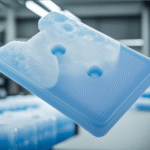
بعبارات واضحة, ضغط الجل البارد مسطح, شكل هلام مرن يمكن وضعه على الكراتين, الصواني, أو جدران الحقيبة بدلاً من الحفاظ على شكل من الطوب الصلب. في العديد من سلاسل التوريد، يعمل بمثابة مادة تبريد قابلة لإعادة الاستخدام أو يمكن التخلص منها بدلاً من استخدامه كنظام شحن مستقل. يمكن أن يطلق عليه مبرد هلامي مرن, إدراج المبرد, أو اسم تجاري آخر حسب الصناعة. ما يهم المشتري هو أقل من التسمية وأكثر من مزيج الحجم, ملء الكتلة, سلوك المرحلة, متانة الفيلم, وكيف تتناسب العبوة مع الحاوية المعزولة.
معظم عبوات هلام الطعام عبارة عن مبردات ذات أساس مائي ومغلقة في فيلم بلاستيكي. إنها تمتص الحرارة أثناء ذوبان الجليد وتساعد على استقرار تقلبات درجة الحرارة داخل العبوة المعزولة. يعتمد أدائها على كتلة العبوة, درجة حرارة البداية, العزل, حجم المربع, تحميل المنتج, والتعرض المحيطي. الحزمة نفسها مهمة, لكن النظام المحيط به هو الذي يقرر ما إذا كان الطعام سيبقى في النطاق أم لا. درجة الحرارة المناسبة تعتمد على فئة الطعام: حزمة من البروتين الخام, شحنة الألبان, وطلب الشوكولاتة الصيفية لا يحتاج إلى نفس العبوة.
في كثير من الحالات, تعتبر عبوات الضغط الهلامية الباردة مفيدة للغاية عندما تحتاج الفرق إلى مصدر بارد يمكن وضعه بشكل متكرر, يتم التعامل معها بشكل نظيف, وتحجيمها عبر شحنات متعددة. تشمل الحمولات النموذجية الوجبات الجاهزة, منتجات الألبان, عبوات اللحوم والدواجن, جبن, حلويات, وتوصيل البقالة. هذا لا يعني أن كل حمولة تحتاج إلى نفس الحزمة. وهذا يعني أنه يمكن تعديل التنسيق إذا قام المشتري بتحديد المسار وقيود المنتج بوضوح.
كيف يعمل في الشحنات الحقيقية
يلتف الشكل المسطح أو يوضع بالقرب من عبوات الطعام غير المنتظمة, مما يجعلها مفيدة عندما تكون منطقة الاتصال أكثر أهمية من الهندسة الصلبة. تعمل معظم أشكال الجل القياسية عن طريق تخزين الطاقة الباردة أثناء تكييف الفريزر ثم امتصاص الحرارة أثناء ذوبان الجليد. يعتمد وقت الانتظار العملي على أكثر من العبوة وحدها: جودة العزل, كتلة المنتج, درجة حرارة المنتج الأولية, وضع الحزمة, والتعرض الخارجي كل ذلك يغير النتيجة.
عادة ما يحتاج المشترون إلى التخطيط لتضمين التكثيف على الكراتين الخارجية, تقلبات درجة الحرارة في تسليم الطرود, سحق المنتج إذا كانت العبوة قاسية جدًا أو ثقيلة جدًا, الارتباك عند الاتصال بالطعام, والأداء الضعيف على الطرق الدافئة الطويلة. عندما يكون التنسيق متطابقًا جيدًا مع المسار, الفوائد الرئيسية هي الاتصال السطحي الجيد, وضع مرن في البريد والبطانات, حماية مبردة فعالة من حيث التكلفة, من السهل التوسع من الطرود الصغيرة إلى الصناديق الكرتونية متعددة العبوات, ومتوفر بأشكال خالية من العرق ومطبوعة حسب الطلب.
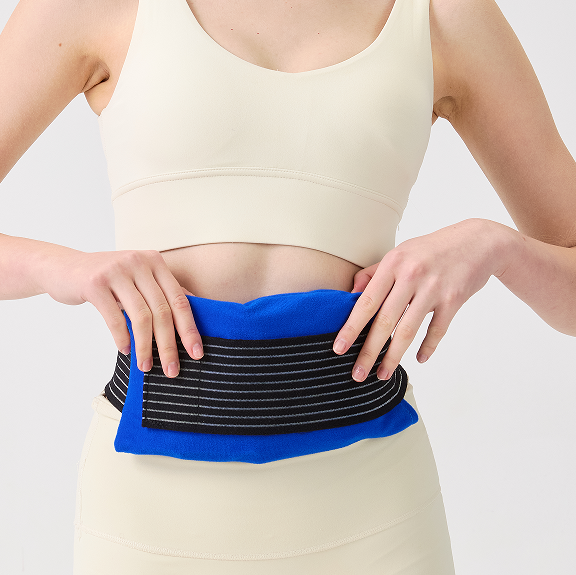
في نفس الوقت, يجب على المشترين احترام الحدود: يمكن أن تشير كلمة ضغط إلى الحزم الطبية بالإضافة إلى منصات الشحن, لذا يجب أن تكون المواصفات واضحة; يمكن أن تتحرك العبوات المرنة الرقيقة أثناء ذوبان الجليد; لا ينبغي أن توضع كل المواد الغذائية مباشرة على عبوة هلام مجمدة بالكامل; وقد تحتاج الأطعمة المجمدة إلى ثلج جاف أو أنظمة أثقل.
من المهم أيضًا فصل العبوة الخارجية الواقية عن العبوة المؤهلة نظام شحن يتم التحكم بدرجة حرارته. يمكن أن تساعد عبوة الجل أو الطوب في التحكم في درجة الحرارة, ولكنها لا تجعل الشحنة متوافقة أو تم التحقق من صحتها تلقائيًا. قد تختلف المتطلبات حسب المنتج, طريق, ظروف التعامل, وإجراءات الجودة الخاصة بالشاحن.
المكان الذي يناسبه بشكل أفضل - وأين لا يناسبه
شحنة حلويات مبردة, صندوق أدوات الوجبات الذي يحتوي على البروتينات والمنتجات, ويمكن لأخذ عينات الأطعمة الجاهزة المتميزة استخدام عبوات الجل, ومع ذلك، فإن التعبئة الصحيحة ليست هي نفسها. يحتاج بعض المشترين إلى تغطية حائط واسعة في جهاز إرسال الخطوط الملاحية المنتظمة. ويحتاج البعض الآخر إلى وضع الطوب بشكل منظم لحماية الكراتين الثقيلة أثناء مناولة الطرود. الموضوع الشائع هو أن تنسيق الحزمة يجب أن يتطابق مع حساسية المنتج وهندسة الصندوق.
أحد الأخطاء المتكررة هو افتراض أن البرودة هي الأفضل دائمًا. يمكن أن تتفتح طبقات الشوكولاتة, الأطعمة المستحلبة يمكن أن تعاني من تلف الملمس, ويمكن أن تسبب المنتجات الطازجة مشاكل في الجودة إذا كان الاتصال المباشر باردًا جدًا. يهدف برنامج الغذاء الأفضل إلى نطاق درجة الحرارة المناسب, ليست أدنى درجة حرارة يمكن أن يخلقها الفريزر.
لا يحتاج كل منتج غذائي إلى أبرد عبوة ممكنة. الشوكولاتة, الصلصات المستحلب, وقد تحتاج بعض الأطعمة الجاهزة للأكل إلى تبريد معتدل, عدم الاتصال المباشر بالتجميد الشديد.
مقارنة التنسيق العملي
| خيار | تناسب نموذجي | ميزة | الحذر الرئيسي |
| الجليد السائب | بعض توزيع المواد الغذائية المبردة المحلية | مألوفة وباردة جدا | يخلق مياهًا ذائبة ويضعف العديد من الكراتين |
| عبوة جل مسطحة | أطقم الوجبات, عناصر لذيذة, وبطانات الطرود | وضع مرن وسهولة التعامل | يمكن أن يتحرك وقد لا يناسب الصناديق الثقيلة |
| جل طوب جليدي | كرتونة ذات حمولة أعلى وهندسة حزمة قابلة للتكرار | وضع أكثر اتساقًا وقابلية للتكديس | يضيف وزنًا وقد يخلق بقعًا باردة دون انفصال |
| الجليد الجاف | الأطعمة المجمدة وطرق تجميد أطول | يحافظ على ظروف تجميد أقوى | القيود التشغيلية وليست مثالية للعديد من الأطعمة المبردة |
ما يجب على المشترين التحقق منه قبل الطلب بكميات كبيرة
تكون القائمة المختصرة للموردين أسهل عندما تقارنهم بالشحنة الحقيقية بدلاً من مقارنتهم باللغة التسويقية العامة. الأسئلة الأكثر فائدة هي تلك التي تربط بين تصميم المنتج, التعامل التشغيلي, وموثوقية العرض.
قبل وضع طلب بالجملة, يجب على المشترين ترجمة مشكلة الشحن إلى ملخص مكتوب للتغليف. يجب أن يغطي هذا الموجز نطاق درجة الحرارة المستهدف, نوع الحمولة, أبعاد الشاحن, وقت العبور المتوقع, الإجهاد المحيطي, تسلسل التحميل, وشروط الاستلام. بمجرد كتابة هذه النقاط, مناقشات حول موك, الأدوات, التخزين, أو يصبح السعر أكثر إنتاجية لأن الجميع يتحدثون عن نفس الهدف الفني.
- التأكد من الأبعاد الداخلية والخارجية بعد التجميد, ليس فقط الأبعاد الاسمية في درجة حرارة الغرفة.
- اطلب ملء التسامح الوزن, كتلة باردة قابلة للاستخدام, وطريقة التكييف المستهدفة قبل الشحن.
- التحقق من هيكل الراتنج أو الفيلم, تصميم التماس, وتوقعات مقاومة التسرب تحت ضغط التعامل الحقيقي.
- تحقق من مدى ملاءمة العبوة للشاحن المعزول, بما في ذلك تغطية الجدار, تدخل الغطاء, وفصل المنتج.
- مراجعة قابلية التكديس, التعشيش, وإرجاع الكفاءة إذا كان سيتم استخدام الحزمة في برامج قابلة لإعادة الاستخدام أو حلقات حمل.
- نسأل كيف التسميات, باركود, ترميز التاريخ, أو يتم تطبيق إمكانية تتبع الكمية والتحكم فيها.
- اطلب دليلاً على أن جودة العينة تتوافق مع جودة الإنتاج, بما في ذلك أي عملية للتحكم في التغيير للمواد أو الأبعاد.
- تحقق موك, مهلة, والخيارات المخصصة فقط بعد أن يكون الملاءمة الفنية واضحة, لذا فإن الملاءمة التجارية لا تتجاوز ملاءمة المسار.
- وضح ما إذا كان المورد يقصد وسادة تبريد الشحن أو عبوة جل علاج الجسم, لأن المواصفات يمكن أن تختلف بشكل كبير.
- اسأل عن الفيلم المضاد للعرق إذا كانت كرتونتك, الأكمام, أو أن الملصقات المطبوعة حساسة للرطوبة.
- تحقق مما إذا كان بإمكان المورد اقتراح أوزان عبوات مختلفة للبروتينات المبردة, ألبان, مخبز, أو الحلويات الحساسة للحرارة.
نصيحة الاختيار العملي
سعر الوحدة ليس سوى جزء واحد من الاقتصاد. قد تؤدي الحزمة الأكبر أو الأرخص إلى زيادة تكلفة الشحن, تقليل حمولة المنتج, خطوط تعبئة بطيئة, أو خلق المزيد من النفايات عند الاستلام. على النقيض من ذلك, يمكن أن تؤدي الحزمة الأفضل في بعض الأحيان إلى خفض التكلفة الإجمالية لأنها تقلل من فقدان المنتج, يتجنب التعبئة الزائدة, ويبسط التعامل معها. وبالتالي فإن المحادثات الجيدة مع الموردين تقارن التكلفة الإجمالية للاستخدام, ليس فقط سعر العبوة الواحدة.
وينبغي أيضًا النظر في سعة التخزين والتجميد مبكرًا. يمكن أن يصبح البرنامج الذي يبدو جذابًا على الورق أمرًا صعبًا إذا كانت بصمة العبوة تهدر مساحة الفريزر, يتطلب أوقات تكييف طويلة, أو يحتاج إلى مساحة تخزين أكبر مما يمكن أن يدعمه الموقع. الملاءمة التشغيلية في الأصل هي جزء من ملاءمة المنتج.
شروط الاستلام مهمة أكثر مما يتوقعه العديد من المشترين. إذا تم فتح الكراتين في حوض ساخن, ترك على الأرض قبل التفتيش, أو إعادة تعبئتها في درجة حرارة الغرفة, يجب أن يعوض المبرد المختار التباين التشغيلي وكذلك التعرض العابر. هذا هو السبب في الشراء, العمليات, ويجب على فرق الجودة مراجعة سير عمل الوجهة معًا بدلاً من التعامل مع مادة التبريد كقرار شراء فقط.
التفاصيل التشغيلية التي لا ينبغي تجاهلها
أقوى البرامج عادة ما تكون متعددة الوظائف. قد يؤدي الشراء إلى عملية تحديد المصادر, لكن مهندسي التعبئة والتغليف, موظفي العمليات, فرق الجودة, وغالبًا ما تشهد مواقع الاستقبال مخاطر مختلفة. يساعد تجميع وجهات النظر هذه معًا مبكرًا على منع الحزمة المقبولة تقنيًا من أن تصبح إحباطًا تشغيليًا.
تعد الموسمية سببًا آخر لعدم تجميد المواصفات ونسيانها. تحتاج العديد من المسارات إلى عدد حزم مختلف, طريقة التكييف, أو تكوين الشاحن في ذروة الصيف عما يفعلونه في الطقس المعتدل. غالبًا ما يكون المورد الذي يمكنه دعم التعديلات الموسمية دون فقدان الاتساق أكثر قيمة من المورد الذي يبيع حزمة مخزون واحدة بسعر رخيص جدًا.
حيث تكون مخاطر المنتج عالية, يجب على المشترين الانتقال من الفحص إلى التأهيل على مراحل: قم أولاً بتأكيد المواصفات المادية, ثم قم بتجربة الحزمة في ظل الظروف المتوقعة, وعندها فقط قم بقياس الحجم. ويقلل هذا التسلسل من فرصة إبرام اتفاقية تجارية حول مادة تبريد تبدو جيدة في عزلة ولكن أداءها ضعيف في الشاحن النهائي.
بمجرد الموافقة على الحزمة, يصبح التحكم في التغيير أمرًا بالغ الأهمية. اختلافات صغيرة في مورد الفيلم, نسبة هلام, حجم التعبئة, تخطيط الطباعة, أو يمكن أن تؤدي إعدادات خط التصنيع إلى تغيير الأبعاد, مقاومة التسرب, أو سلوك التعبئة. يقوم الموردون المحترفون بتوثيق هذه التغييرات وإبلاغها قبل أن تؤثر على الشحنات الحية.
التعليمات
هل عبوات الجل آمنة لشحن المواد الغذائية؟?
يتم استخدامها على نطاق واسع حول شحنات المواد الغذائية, ولكن لا يزال يتعين على المشترين التحقق من ملاءمة المواد, مقاومة التسرب, وما إذا كان أي مكون يمكنه ملامسة الطعام أو سطح ملامس للطعام.
هل تحتاج جميع الأطعمة المبردة إلى نفس تنسيق العبوة؟?
لا. عناصر المخابز, وجبات جاهزة, المأكولات البحرية, ألبان, ويمكن أن تتفاعل الحلويات بشكل مختلف مع التعرض للبرد ووقت العبور.
متى يكون الثلج الجاف أفضل من علبة الجل?
غالبًا ما يكون الثلج الجاف أفضل للمنتجات التي يجب أن تظل مجمدة, خاصة على الطرق الأطول أو الأكثر دفئًا.
إغلاق الوجبات الجاهزة
يأتي قرار الشراء الأكثر أمانًا من خلال مطابقة ضغط الجل البارد مع المنتج, الطريق, والتعبئة بدلاً من الشراء بحجم العبوة وحده. إذا كان المورد يستطيع إعطاء أبعاد واضحة, توجيه التكييف, وجودة متسقة, أنت أقرب كثيرًا إلى برنامج سلسلة التبريد القابل للتكرار.
حول Tempk
و Tempk, نحن نركز على التعبئة والتغليف للتحكم في درجة الحرارة شحن السلسلة الباردة. تأسست في 2011 كعلامة تجارية لشركة Shanghai Huizhou Industrial, نحن نقدم عبوات جل الثلج, طوب شحن المواد الغذائية, الصناديق المعزولة, وبطانات للخدمات اللوجستية للأغذية المبردة. يتم دعم أعمالنا التطويرية بواسطة R&مركز D يعمل بممارسات CNAS وISTA المتوافقة, وتشمل شبكة التصنيع لدينا مرافق حاصلة على شهادة ISO في الصين. يساعدنا هذا المزيج في دعم تنسيقات العرض القياسية والحزم المخصصة للتوزيع الحساس لدرجة الحرارة.
الخطوة التالية: قبل أن تقوم بالارتقاء, قم بمحاذاة تنسيق الحزمة مع مسارك, حمولة, وشروط الاستلام، لذا تعتمد التوصية على الشحنة الحقيقية بدلاً من خط الكتالوج العام.
| شرط 2: عميق |
الواقع الفني وراء ضغط الجل البارد في شحن المواد الغذائية
عادة ما يصف المشترون الذين يستخدمون عبارة ضغط الهلام البارد للطعام وسادة تبريد مرنة, ليس منتج العلاج. السؤال الحقيقي هو ما إذا كانت هذه الوسادة تحافظ على الأطعمة المناسبة باردة دون نقع الصندوق أو التسبب في تلف يمكن تجنبه بالتجميد. تُظهر المراجعة الفنية بسرعة أن العبوة نفسها ليست سوى متغير واحد داخل مشكلة أكبر لإدارة الحرارة.
عادةً ما يتم اختيار عبوة هلامية باردة أو علبة ثلج هلامية في شحن المواد الغذائية عندما تريد منظفًا, مبرد أكثر قابلية للإدارة من الثلج السائب وخيار أبسط من الثلج الجاف للعديد من الأطعمة المبردة. إنه يعمل بشكل جيد عندما يكون الهدف هو إبطاء ارتفاع درجة الحرارة في الكراتين المعزولة, بريدية بطانة, وحزم نمط مجموعة الوجبات. والمفتاح هو أن البرامج الغذائية تختلف على نطاق واسع. بعض العناصر تحتاج فقط إلى الحماية من الحرارة المعتدلة, بينما يجب على الآخرين البقاء مبردين بشكل موثوق, وغالبًا ما تحتاج الأطعمة المجمدة تمامًا إلى استراتيجية أكثر برودة مما يمكن أن توفره عبوات الجل القياسية على الطرق الأطول. ولذلك يجب أن تبدأ المراجعة الفنية بالنطاق المستهدف, كتلة الحمولة, وهندسة التعبئة الفعلية بدلاً من صورة الكتالوج أو مطالبة وقت الانتظار الواحدة.
السلوك الحراري يأتي أولاً
معظم عبوات هلام الطعام عبارة عن مبردات ذات أساس مائي ومغلقة في فيلم بلاستيكي. إنها تمتص الحرارة أثناء ذوبان الجليد وتساعد على استقرار تقلبات درجة الحرارة داخل العبوة المعزولة. يعتمد أدائها على كتلة العبوة, درجة حرارة البداية, العزل, حجم المربع, تحميل المنتج, والتعرض المحيطي. الحزمة نفسها مهمة, لكن النظام المحيط به هو الذي يقرر ما إذا كان الطعام سيبقى في النطاق أم لا. درجة الحرارة المناسبة تعتمد على فئة الطعام: حزمة من البروتين الخام, شحنة الألبان, وطلب الشوكولاتة الصيفية لا يحتاج إلى نفس العبوة.
يلتف الشكل المسطح أو يوضع بالقرب من عبوات الطعام غير المنتظمة, مما يجعلها مفيدة عندما تكون منطقة الاتصال أكثر أهمية من الهندسة الصلبة. تعمل معظم أشكال الجل القياسية عن طريق تخزين الطاقة الباردة أثناء تكييف الفريزر ثم امتصاص الحرارة أثناء ذوبان الجليد. يعتمد وقت الانتظار العملي على أكثر من العبوة وحدها: جودة العزل, كتلة المنتج, درجة حرارة المنتج الأولية, وضع الحزمة, والتعرض الخارجي كل ذلك يغير النتيجة. من وجهة نظر هندسية, يقوم المشتري بالفعل بإدارة تدفق الحرارة من خلال حزمة التغليف الكاملة. قد يؤدي الجدار السميك أو البطانة الأفضل إلى تقليل عدد حزم المبردات ضروري, في حين أن الشاحن المعزول بشكل سيئ يمكن أن يمحو ميزة المبرد الأثقل.
درجة الحرارة المناسبة تعتمد على فئة الطعام: حزمة من البروتين الخام, شحنة الألبان, وطلب الشوكولاتة الصيفية لا يحتاج إلى نفس العبوة.
مواد, شكل, وحزمة البناء
عندما يقوم المشترون بمقارنة عبوات ضغط الجل البارد, تستحق مجموعة المواد اهتمامًا أكبر مما تحصل عليه عادةً. تحدد صيغة الجل السلوك الحراري الواسع, لكن الفيلم أو الغلاف الخارجي يحدد ما إذا كانت العبوة ستنجو من التجميد, الثناء, تكديس, والتعامل المتكرر دون تسرب. جودة التماس مهمة لأن العبوات المجمدة غالبًا ما تصبح أقل تسامحًا تحت التأثير. إن العبوة التي تعمل بشكل جيد في عينة الفريزر ولكنها تفشل بعد اهتزاز النقل لا تعتبر نجاحًا تقنيًا. لأشكال الحقيبة والوسادة, إن السلوك المسطح المتجمد وشكل الزاوية مهمان لأن تغيير الهندسة يمكن أن يغير تغطية الجدار داخل الصندوق.
بعبارات واضحة, ضغط الجل البارد مسطح, شكل هلام مرن يمكن وضعه على الكراتين, الصواني, أو جدران الحقيبة بدلاً من الحفاظ على شكل من الطوب الصلب. في العديد من سلاسل التوريد، يعمل بمثابة مادة تبريد قابلة لإعادة الاستخدام أو يمكن التخلص منها بدلاً من استخدامه كنظام شحن مستقل. يمكن أن يطلق عليه مبرد هلامي مرن, إدراج المبرد, أو اسم تجاري آخر حسب الصناعة. ما يهم المشتري هو أقل من التسمية وأكثر من مزيج الحجم, ملء الكتلة, سلوك المرحلة, متانة الفيلم, وكيف تتناسب العبوة مع الحاوية المعزولة.
تكييف, التعبئة والتغليف, والتدفق الحراري
التكييف هو متغير آخر لا يحظى بالتقدير. حتى الكمادات الهلامية الباردة المصممة جيدًا يمكن أن تؤدي أداءً سيئًا إذا قام المشغلون بتجميدها لفترة قصيرة جدًا, ذوبان الجليد بشكل غير متناسق, أو قم بتحميله في الشاحن عند درجة حرارة البدء الخاطئة. في العديد من العمليات, إن الفرق بين الشحنة المستقرة ورحلة درجة الحرارة التي يمكن تجنبها يرجع إلى تعليمات واضحة للتعامل: نقطة ضبط الفريزر, الحد الأدنى لمدة التكييف, يشعر سطح الهدف, مواد الفصل, والحدود الزمنية بين الانتقاء والإرسال.
اطلب البيانات التي تعكس العبوة الكاملة بدلاً من اختبار مادة التبريد المستقلة. عادةً ما تُظهر مجموعة البيانات المفيدة نوع الشاحن, مستوى العزل, كتلة الحمولة, التحدي المحيطي, وضع الحزمة, ومدة الاختبار. بدون هذا السياق, يمكن لموردين تقديم مطالبات مماثلة بشأن وقت الانتظار مع وصف ظروف اختبار مختلفة تمامًا. يريد المشترون الجادون فهم شروط الحدود, ليس فقط النتيجة الرئيسية.
حيث تكون مخاطر المنتج عالية, يجب على المشترين الانتقال من الفحص إلى التأهيل على مراحل: قم أولاً بتأكيد المواصفات المادية, ثم قم بتجربة الحزمة في ظل الظروف المتوقعة, وعندها فقط قم بقياس الحجم. ويقلل هذا التسلسل من فرصة إبرام اتفاقية تجارية حول مادة تبريد تبدو جيدة في عزلة ولكن أداءها ضعيف في الشاحن النهائي.
حدود الامتثال ومراقبة المخاطر
تتعلق إرشادات نقل الأغذية الصادرة عن إدارة الغذاء والدواء الأمريكية (FDA) بالرقابة الصحية أثناء النقل, لذلك ينبغي تقييم المبردات كجزء من نظام شحن المواد الغذائية الكامل. للتطبيقات الغذائية, يجب على المشترين التحقق من مدى ملاءمة مواد العبوة للاستخدام المقصود وكيفية عزل العبوة عن الاتصال المباشر بالأغذية عند الحاجة. لا تزال إدارة سلامة وتفتيش الأغذية والإرشادات العامة لطلبات الطعام عبر البريد توجه المشترين نحو التغليف الخارجي القوي, العزل, ومصدر بارد مناسب. للشحنات المنظمة أو الحساسة للجودة, يجب قراءة مطالبات التغليف بعناية. أ حزمة المبرد يمكن أن تدعم أهداف الامتثال, ولكنه عادةً ما يكون جزءًا واحدًا فقط من العملية الموثقة. تمرين, تعليمات التعبئة, استلام الشيكات, تأهيل الطريق, والمتطلبات الخاصة بالمنتج كلها تؤثر على ما إذا كانت الشحنة مناسبة بالفعل.
ومن المهم أيضًا فصل العبوة الخارجية الواقية عن نظام الشحن المؤهل الذي يتم التحكم في درجة حرارته. يمكن أن تساعد عبوة الجل أو الطوب في التحكم في درجة الحرارة, ولكنها لا تجعل الشحنة متوافقة أو تم التحقق من صحتها تلقائيًا. قد تختلف المتطلبات حسب المنتج, طريق, ظروف التعامل, وإجراءات الجودة الخاصة بالشاحن.
أوضاع الفشل الأكثر شيوعًا مألوفة: حزم تحت مكيفة, عدد الحزمة غير صحيح, اتصال مباشر مع حمولة حساسة للتجميد, تسرب التماس بعد التعامل الخام, التكثيف المفرط عند الاستلام, والتغييرات في ملاءمة الكرتون بعد تمدد العبوة المجمدة أو تحركها. لا يتم حل أي من هذه المشكلات عن طريق لغة الكتالوج وحدها. يتم حلها عن طريق مراجعة التصميم, الانضباط التشغيلي, واتساق الموردين.
لا يحتاج كل منتج غذائي إلى أبرد عبوة ممكنة. الشوكولاتة, الصلصات المستحلب, وقد تحتاج بعض الأطعمة الجاهزة للأكل إلى تبريد معتدل, عدم الاتصال المباشر بالتجميد الشديد.
ما الذي يطلبه المشترون المعتمدون على البيانات من الموردين؟
تكون القائمة المختصرة للموردين أسهل عندما تقارنهم بالشحنة الحقيقية بدلاً من مقارنتهم باللغة التسويقية العامة. أفضل محادثات الشراء تربط بين تصميم المنتج, التعامل مع الواقع, وتوفير الموثوقية في بطاقة أداء واحدة بدلاً من التعامل معها كقرارات منفصلة.
- التأكد من الأبعاد الداخلية والخارجية بعد التجميد, ليس فقط الأبعاد الاسمية في درجة حرارة الغرفة.
- اطلب ملء التسامح الوزن, كتلة باردة قابلة للاستخدام, وطريقة التكييف المستهدفة قبل الشحن.
- التحقق من هيكل الراتنج أو الفيلم, تصميم التماس, وتوقعات مقاومة التسرب تحت ضغط التعامل الحقيقي.
- تحقق من مدى ملاءمة العبوة للشاحن المعزول, بما في ذلك تغطية الجدار, تدخل الغطاء, وفصل المنتج.
- مراجعة قابلية التكديس, التعشيش, وإرجاع الكفاءة إذا كان سيتم استخدام الحزمة في برامج قابلة لإعادة الاستخدام أو حلقات حمل.
- نسأل كيف التسميات, باركود, ترميز التاريخ, أو يتم تطبيق إمكانية تتبع الكمية والتحكم فيها.
- اطلب دليلاً على أن جودة العينة تتوافق مع جودة الإنتاج, بما في ذلك أي عملية للتحكم في التغيير للمواد أو الأبعاد.
- اطلب بيانات التعبئة أو الأداء الحراري التي تعكس كتلة حمولتك, نوع الشاحن, وملف تعريف محيطي واقعي.
- توضيح ماذا يحدث إذا كانت المواد الخام, صياغة هلام, سمك الفيلم, أو يتغير موقع التصنيع بعد الموافقة.
- وضح ما إذا كان المورد يقصد وسادة تبريد الشحن أو عبوة جل علاج الجسم, لأن المواصفات يمكن أن تختلف بشكل كبير.
- اسأل عن الفيلم المضاد للعرق إذا كانت كرتونتك, الأكمام, أو أن الملصقات المطبوعة حساسة للرطوبة.
- تحقق مما إذا كان بإمكان المورد اقتراح أوزان عبوات مختلفة للبروتينات المبردة, ألبان, مخبز, أو الحلويات الحساسة للحرارة.
بمجرد الموافقة على الحزمة, يصبح التحكم في التغيير أمرًا بالغ الأهمية. اختلافات صغيرة في مورد الفيلم, نسبة هلام, حجم التعبئة, تخطيط الطباعة, أو يمكن أن تؤدي إعدادات خط التصنيع إلى تغيير الأبعاد, مقاومة التسرب, أو سلوك التعبئة. يقوم الموردون المحترفون بتوثيق هذه التغييرات وإبلاغها قبل أن تؤثر على الشحنات الحية.
تفسير مطالبات الأداء بعناية
أحد الأخطاء المتكررة هو افتراض أن البرودة هي الأفضل دائمًا. يمكن أن تتفتح طبقات الشوكولاتة, الأطعمة المستحلبة يمكن أن تعاني من تلف الملمس, ويمكن أن تسبب المنتجات الطازجة مشاكل في الجودة إذا كان الاتصال المباشر باردًا جدًا. يهدف برنامج الغذاء الأفضل إلى نطاق درجة الحرارة المناسب, ليست أدنى درجة حرارة يمكن أن يخلقها الفريزر.
شروط الاستلام مهمة أكثر مما يتوقعه العديد من المشترين. إذا تم فتح الكراتين في حوض ساخن, ترك على الأرض قبل التفتيش, أو إعادة تعبئتها في درجة حرارة الغرفة, يجب أن يعوض المبرد المختار التباين التشغيلي وكذلك التعرض العابر. هذا هو السبب في الشراء, العمليات, ويجب على فرق الجودة مراجعة سير عمل الوجهة معًا بدلاً من التعامل مع مادة التبريد كقرار شراء فقط.
التفاصيل التشغيلية التي لا ينبغي تجاهلها
تعد الموسمية سببًا آخر لعدم تجميد المواصفات ونسيانها. تحتاج العديد من المسارات إلى عدد حزم مختلف, طريقة التكييف, أو تكوين الشاحن في ذروة الصيف عما يفعلونه في الطقس المعتدل. غالبًا ما يكون المورد الذي يمكنه دعم التعديلات الموسمية دون فقدان الاتساق أكثر قيمة من المورد الذي يبيع حزمة مخزون واحدة بسعر رخيص جدًا.
وينبغي أيضًا النظر في سعة التخزين والتجميد مبكرًا. يمكن أن يصبح البرنامج الذي يبدو جذابًا على الورق أمرًا صعبًا إذا كانت بصمة العبوة تهدر مساحة الفريزر, يتطلب أوقات تكييف طويلة, أو يحتاج إلى مساحة تخزين أكبر مما يمكن أن يدعمه الموقع. الملاءمة التشغيلية في الأصل هي جزء من ملاءمة المنتج.
وينبغي مناقشة التخطيط للطوارئ قبل أمر الشراء الكبير الأول. إذا ارتفع الطلب, الطقس يقطع النقل, أو تغيير جوهري يتطلب إعادة الموافقة, يجب على المشتري معرفة ما إذا كان المخزون الاحتياطي, مستودعات بديلة, أو تتوفر تنسيقات بديلة. تعد مرونة العرض جزءًا من ملاءمة المنتج.
سعر الوحدة ليس سوى جزء واحد من الاقتصاد. قد تؤدي الحزمة الأكبر أو الأرخص إلى زيادة تكلفة الشحن, تقليل حمولة المنتج, خطوط تعبئة بطيئة, أو خلق المزيد من النفايات عند الاستلام. على النقيض من ذلك, يمكن أن تؤدي الحزمة الأفضل في بعض الأحيان إلى خفض التكلفة الإجمالية لأنها تقلل من فقدان المنتج, يتجنب التعبئة الزائدة, ويبسط التعامل معها. وبالتالي فإن المحادثات الجيدة مع الموردين تقارن التكلفة الإجمالية للاستخدام, ليس فقط سعر العبوة الواحدة.
التعليمات
هل عبوات الجل آمنة لشحن المواد الغذائية؟?
يتم استخدامها على نطاق واسع حول شحنات المواد الغذائية, ولكن لا يزال يتعين على المشترين التحقق من ملاءمة المواد, مقاومة التسرب, وما إذا كان أي مكون يمكنه ملامسة الطعام أو سطح ملامس للطعام.
هل تحتاج جميع الأطعمة المبردة إلى نفس تنسيق العبوة؟?
لا. عناصر المخابز, وجبات جاهزة, المأكولات البحرية, ألبان, ويمكن أن تتفاعل الحلويات بشكل مختلف مع التعرض للبرد ووقت العبور.
متى يكون الثلج الجاف أفضل من علبة الجل?
غالبًا ما يكون الثلج الجاف أفضل للمنتجات التي يجب أن تظل مجمدة, خاصة على الطرق الأطول أو الأكثر دفئًا.
الوجبات الجاهزة الفنية
من الناحية الفنية, أفضل ضغط جل بارد هو الذي يكون سلوكه المرحلي, هندسة, مواد, وتتوافق ضوابط الجودة مع الشحنة الحقيقية. بيانات, الانضباط تكييف, والتحكم في التغيير عادة ما يكون أكثر أهمية من مطالبات الأداء الواسعة.
حول Tempk
و Tempk, نحن نركز على التعبئة والتغليف للتحكم في درجة الحرارة لشحن السلسلة الباردة. تأسست في 2011 كعلامة تجارية لشركة Shanghai Huizhou Industrial, نحن نقدم عبوات ثلج هلامية, طوب شحن المواد الغذائية, الصناديق المعزولة, وبطانات للخدمات اللوجستية للأغذية المبردة. يتم دعم أعمالنا التطويرية بواسطة R&مركز D يعمل بممارسات CNAS وISTA المتوافقة, وتشمل شبكة التصنيع لدينا مرافق حاصلة على شهادة ISO في الصين. يساعدنا هذا المزيج في دعم تنسيقات العرض القياسية والحزم المخصصة للتوزيع الحساس لدرجة الحرارة.
أدوات اتخاذ القرار مفيدة
تحقق من التفاصيل قبل اختيار التغليف
يمكن أن تساعدك هذه الأدوات السريعة في مقارنة مخاطر المسار, احتياجات التحجيم, خيارات المبرد, وتفاصيل التعبئة والتغليف قبل أن تطلب عرض أسعار.
حاسبة الثلج الجاف
تقدير احتياجات الثلج الجاف للشحنات المجمدة أو شديدة البرودة قبل التعبئة.
تقدير الثلج الجافمقاومة سقوط المواد العازلة
مراجعة مقاومة السقوط وعوامل المناولة قبل اختيار المواد العازلة.
تحقق من المقاومةمحدد التعبئة والتغليف
قارن بين خيارات التغليف المعزولة حسب المنتج, طريق, ودرجة الحرارة اللازمة.
البحث عن التعبئة والتغليفالخطوة التالية: إذا كنت تقارن الخيارات, شارك نطاق درجة الحرارة المستهدف, وقت العبور, حجم الشاحن, وشروط المناولة قبل تقديم طلب بالجملة.
| شرط 3: الويب |
لماذا يقوم المشترون بإعادة تقييم ضغط الجل البارد في شحن المواد الغذائية
عادة ما يصف المشترون الذين يستخدمون عبارة ضغط الهلام البارد للطعام وسادة تبريد مرنة, ليس منتج العلاج. السؤال الحقيقي هو ما إذا كانت هذه الوسادة تحافظ على الأطعمة المناسبة باردة دون نقع الصندوق أو التسبب في تلف يمكن تجنبه بالتجميد. وهذه الحاجة العملية هي أيضًا سبب تحول السوق نحو أسئلة أفضل حول المصادر بدلاً من مقارنات المنتجات العامة.
عادةً ما يتم اختيار عبوة هلامية باردة أو علبة ثلج هلامية في شحن المواد الغذائية عندما تريد منظفًا, مبرد أكثر قابلية للإدارة من الثلج السائب وخيار أبسط من الثلج الجاف للعديد من الأطعمة المبردة. إنه يعمل بشكل جيد عندما يكون الهدف هو إبطاء ارتفاع درجة الحرارة في الكراتين المعزولة, بريدية بطانة, وحزم نمط مجموعة الوجبات. والمفتاح هو أن البرامج الغذائية تختلف على نطاق واسع. بعض العناصر تحتاج فقط إلى الحماية من الحرارة المعتدلة, بينما يجب على الآخرين البقاء مبردين بشكل موثوق, وغالبًا ما تحتاج الأطعمة المجمدة تمامًا إلى استراتيجية أكثر برودة مما يمكن أن توفره عبوات الجل القياسية على الطرق الأطول. وهذا هو السبب أيضًا وراء تحول نقاشات السوق اليوم بعيدًا عن شراء مصدر بارد عام ونحو الحصول على مكون نظام يناسب المسار, المنتج, وسير العمل المتلقي.
لماذا ينظر المشترون إليه الآن
لقد غيرت التجارة الإلكترونية للأغذية توقعات المشتري. تهتم فرق المشتريات الآن بالعرض التقديمي, خطر التسرب, مظهر الكرتون, والحصول على الراحة, ليس فقط الاحتفاظ بالبرد الأساسي. هذا هو السبب وراء الأفلام الخالية من العرق, تنسيقات أكثر تملقًا, وتحظى عمليات التعبئة الخاصة بالمسار باهتمام أكبر مما كانت عليه عندما كان الشحن البارد في الغالب نشاطًا داخليًا بالجملة. غالبًا ما تدور محادثات المشترين الحالية في هذا القطاع حول التجارة الإلكترونية للأغذية، مما أدى إلى زيادة الطلب على العبوات المسطحة التي تناسب شركات البريد والعلب الكرتونية ذات العلامات التجارية; يطلب المشترون عبوات أقل فوضوية تحمي طريقة عرض التغليف وكذلك درجة الحرارة; والموردين الذين يمكنهم تصميم الحزم على مستوى النظام يتفوقون على البائعين الذين يستخدمون الكتالوج فقط.
أصبحت استراتيجية السوق الآن أكثر أهمية مما كانت عليه قبل بضع سنوات لأن المشترين يقومون بموازنة التكلفة, صمود, وسرعة التغيير. تريد بعض البرامج مخزونًا محليًا أو إقليميًا من أجل سرعة الحركة, بينما يحتفظ الآخرون بتنسيق مخصص في الإنتاج الخارجي ويحميون مستويات الخدمة من خلال المخزون الاحتياطي. خطة المصادر الأقوى هي تلك التي تدعم مواصفات المنتج من خلال تقلبات الطلب الموسمية وانقطاع العرض.
حالات الاستخدام في العالم الحقيقي في السوق الحالية
شحنة حلويات مبردة, صندوق أدوات الوجبات الذي يحتوي على البروتينات والمنتجات, ويمكن لأخذ عينات الأطعمة الجاهزة المتميزة استخدام عبوات الجل, ومع ذلك، فإن التعبئة الصحيحة ليست هي نفسها. يحتاج بعض المشترين إلى تغطية حائط واسعة في جهاز إرسال الخطوط الملاحية المنتظمة. ويحتاج البعض الآخر إلى وضع الطوب بشكل منظم لحماية الكراتين الثقيلة أثناء مناولة الطرود. الموضوع الشائع هو أن تنسيق الحزمة يجب أن يتطابق مع حساسية المنتج وهندسة الصندوق.
في كثير من الحالات, تعتبر عبوات الضغط الهلامية الباردة مفيدة للغاية عندما تحتاج الفرق إلى مصدر بارد يمكن وضعه بشكل متكرر, يتم التعامل معها بشكل نظيف, وتحجيمها عبر شحنات متعددة. تشمل الحمولات النموذجية الوجبات الجاهزة, منتجات الألبان, عبوات اللحوم والدواجن, جبن, حلويات, وتوصيل البقالة. هذا لا يعني أن كل حمولة تحتاج إلى نفس الحزمة. وهذا يعني أنه يمكن تعديل التنسيق إذا قام المشتري بتحديد المسار وقيود المنتج بوضوح.
عادة ما يحتاج المشترون إلى التخطيط لتضمين التكثيف على الكراتين الخارجية, تقلبات درجة الحرارة في تسليم الطرود, سحق المنتج إذا كانت العبوة قاسية جدًا أو ثقيلة جدًا, الارتباك عند الاتصال بالطعام, والأداء الضعيف على الطرق الدافئة الطويلة.
كيف تتغير أولويات المصادر
لقد غيرت التجارة الإلكترونية للأغذية توقعات المشتري. تهتم فرق المشتريات الآن بالعرض التقديمي, خطر التسرب, مظهر الكرتون, والحصول على الراحة, ليس فقط الاحتفاظ بالبرد الأساسي. هذا هو السبب وراء الأفلام الخالية من العرق, تنسيقات أكثر تملقًا, وتحظى عمليات التعبئة الخاصة بالمسار باهتمام أكبر مما كانت عليه عندما كان الشحن البارد في الغالب نشاطًا داخليًا بالجملة.
من ناحية الاستدامة والعمليات, غالبًا ما يقدر المشترون أن العبوات المرنة ذات الحجم المناسب يمكن أن تقلل من وزن الشحن; يفضل بعض المشترين خيارات الجل الآمنة للتصريف أو ذات العبء المنخفض; ويمكن للوسادات القابلة لإعادة الاستخدام أن تعمل في حلقات محلية مغلقة ولكن ليس دائمًا في برامج الطرود ذات الاتجاه الواحد. في الممارسة العملية, يقوم المشترون بشكل متزايد بتقييم التأثير التشغيلي الإجمالي: وزن الشحن, مساحة التخزين في الفريزر, سهولة الاستلام, التعامل مع النفايات, وخطر فقدان المنتج إذا أصبح المسار غير مستقر. يمكن أن تكلف الحزمة الأكثر متانة أو الأفضل استهدافًا في بعض الأحيان مبلغًا أكبر مقدمًا مع الاستمرار في خفض التكلفة الحقيقية لبرنامج الشحن.
سعر الوحدة ليس سوى جزء واحد من الاقتصاد. قد تؤدي الحزمة الأكبر أو الأرخص إلى زيادة تكلفة الشحن, تقليل حمولة المنتج, خطوط تعبئة بطيئة, أو خلق المزيد من النفايات عند الاستلام. على النقيض من ذلك, يمكن أن تؤدي الحزمة الأفضل في بعض الأحيان إلى خفض التكلفة الإجمالية لأنها تقلل من فقدان المنتج, يتجنب التعبئة الزائدة, ويبسط التعامل معها. وبالتالي فإن المحادثات الجيدة مع الموردين تقارن التكلفة الإجمالية للاستخدام, ليس فقط سعر العبوة الواحدة.
قائمة مختصرة عملية للموردين
تكون القائمة المختصرة للموردين أسهل عندما تقارنهم بالشحنة الحقيقية بدلاً من مقارنتهم باللغة التسويقية العامة. الأسئلة الأكثر فائدة هي تلك التي تربط بين تصميم المنتج, التعامل التشغيلي, وموثوقية العرض.
قبل وضع طلب بالجملة, يجب على المشترين ترجمة مشكلة الشحن إلى ملخص مكتوب للتغليف. يجب أن يغطي هذا الموجز نطاق درجة الحرارة المستهدف, نوع الحمولة, أبعاد الشاحن, وقت العبور المتوقع, الإجهاد المحيطي, تسلسل التحميل, وشروط الاستلام. بمجرد كتابة هذه النقاط, مناقشات حول موك, الأدوات, التخزين, أو يصبح السعر أكثر إنتاجية لأن الجميع يتحدثون عن نفس الهدف الفني.
- التأكد من الأبعاد الداخلية والخارجية بعد التجميد, ليس فقط الأبعاد الاسمية في درجة حرارة الغرفة.
- اطلب ملء التسامح الوزن, كتلة باردة قابلة للاستخدام, وطريقة التكييف المستهدفة قبل الشحن.
- التحقق من هيكل الراتنج أو الفيلم, تصميم التماس, وتوقعات مقاومة التسرب تحت ضغط التعامل الحقيقي.
- تحقق من مدى ملاءمة العبوة للشاحن المعزول, بما في ذلك تغطية الجدار, تدخل الغطاء, وفصل المنتج.
- مراجعة قابلية التكديس, التعشيش, وإرجاع الكفاءة إذا كان سيتم استخدام الحزمة في برامج قابلة لإعادة الاستخدام أو حلقات حمل.
- نسأل كيف التسميات, باركود, ترميز التاريخ, أو يتم تطبيق إمكانية تتبع الكمية والتحكم فيها.
- اطلب دليلاً على أن جودة العينة تتوافق مع جودة الإنتاج, بما في ذلك أي عملية للتحكم في التغيير للمواد أو الأبعاد.
- تحقق موك, مهلة, والخيارات المخصصة فقط بعد أن يكون الملاءمة الفنية واضحة, لذا فإن الملاءمة التجارية لا تتجاوز ملاءمة المسار.
- وضح ما إذا كان المورد يقصد وسادة تبريد الشحن أو عبوة جل علاج الجسم, لأن المواصفات يمكن أن تختلف بشكل كبير.
- اسأل عن الفيلم المضاد للعرق إذا كانت كرتونتك, الأكمام, أو أن الملصقات المطبوعة حساسة للرطوبة.
- تحقق مما إذا كان بإمكان المورد اقتراح أوزان عبوات مختلفة للبروتينات المبردة, ألبان, مخبز, أو الحلويات الحساسة للحرارة.
ما يتجنبه المشترون الأذكياء
أحد الأخطاء المتكررة هو افتراض أن البرودة هي الأفضل دائمًا. يمكن أن تتفتح طبقات الشوكولاتة, الأطعمة المستحلبة يمكن أن تعاني من تلف الملمس, ويمكن أن تسبب المنتجات الطازجة مشاكل في الجودة إذا كان الاتصال المباشر باردًا جدًا. يهدف برنامج الغذاء الأفضل إلى نطاق درجة الحرارة المناسب, ليست أدنى درجة حرارة يمكن أن يخلقها الفريزر.
تعد الموسمية سببًا آخر لعدم تجميد المواصفات ونسيانها. تحتاج العديد من المسارات إلى عدد حزم مختلف, طريقة التكييف, أو تكوين الشاحن في ذروة الصيف عما يفعلونه في الطقس المعتدل. غالبًا ما يكون المورد الذي يمكنه دعم التعديلات الموسمية دون فقدان الاتساق أكثر قيمة من المورد الذي يبيع حزمة مخزون واحدة بسعر رخيص جدًا.
بمجرد الموافقة على الحزمة, يصبح التحكم في التغيير أمرًا بالغ الأهمية. اختلافات صغيرة في مورد الفيلم, نسبة هلام, حجم التعبئة, تخطيط الطباعة, أو يمكن أن تؤدي إعدادات خط التصنيع إلى تغيير الأبعاد, مقاومة التسرب, أو سلوك التعبئة. يقوم الموردون المحترفون بتوثيق هذه التغييرات وإبلاغها قبل أن تؤثر على الشحنات الحية.
التفاصيل التشغيلية التي لا ينبغي تجاهلها
أقوى البرامج عادة ما تكون متعددة الوظائف. قد يؤدي الشراء إلى عملية تحديد المصادر, لكن مهندسي التعبئة والتغليف, موظفي العمليات, فرق الجودة, وغالبًا ما تشهد مواقع الاستقبال مخاطر مختلفة. يساعد تجميع وجهات النظر هذه معًا مبكرًا على منع الحزمة المقبولة تقنيًا من أن تصبح إحباطًا تشغيليًا.
وينبغي مناقشة التخطيط للطوارئ قبل أمر الشراء الكبير الأول. إذا ارتفع الطلب, الطقس يقطع النقل, أو تغيير جوهري يتطلب إعادة الموافقة, يجب على المشتري معرفة ما إذا كان المخزون الاحتياطي, مستودعات بديلة, أو تتوفر تنسيقات بديلة. تعد مرونة العرض جزءًا من ملاءمة المنتج.
يمكن أن يؤثر أيضًا استخدام منصات التحميل وسلوك الكرتون الخارجي على الاختيار الصحيح. عندما تكون كرتونة مكدسة بإحكام, ضغط الجدار الجانبي, ضغط الغطاء, وقد يؤدي انخفاض تدفق الهواء إلى تغيير طريقة بقاء العبوات المجمدة وذوبان الجليد. وهذا سبب آخر لتقييم مادة التبريد داخل وحدة الشحن الفعلية وليس كعنصر مستقل.
يجب أن تتبع الموافقة على العينة تسلسلاً: مراجعة مقاعد البدلاء, فحص التجميد والملاءمة, محاكمة الشحنة, ومن ثم تأكيد الإنتاج. يعد التخطي مباشرة من عينة في درجة حرارة الغرفة إلى طلب كبير أمرًا محفوفًا بالمخاطر لأن بعض العبوات تتصرف بشكل مختلف تمامًا بمجرد تجميدها, محملة, ويتعرضون لضغوط العبور.
تعد معالجة نهاية العمر جزءًا من تجربة المشتري أيضًا. قد يهتم المستلمون بما إذا كان من الممكن إعادة استخدام العبوة, مقدار السائل المتبقي تحت التصرف, وما إذا كان الصرف أو التعامل مع النفايات يصبح مصدر إزعاج في منطقة الاستقبال. نادرًا ما تظهر هذه التفاصيل في أعلى ورقة الأسعار, ومع ذلك، فهي تؤثر بقوة على رضا الموردين بعد طرحها.
وينبغي أيضًا النظر في سعة التخزين والتجميد مبكرًا. يمكن أن يصبح البرنامج الذي يبدو جذابًا على الورق أمرًا صعبًا إذا كانت بصمة العبوة تهدر مساحة الفريزر, يتطلب أوقات تكييف طويلة, أو يحتاج إلى مساحة تخزين أكبر مما يمكن أن يدعمه الموقع. الملاءمة التشغيلية في الأصل هي جزء من ملاءمة المنتج.
يجب التحقق من سير العمل الأصلي قبل الموافقة التجارية. إذا احتاج المشغلون إلى اختيار العبوات المجمدة من مجمدات متعددة, انتظر التدريج, ثم قم ببناء كرتون على عدة مقاعد, قد تؤدي العملية نفسها إلى تسخين مادة التبريد بشكل غير متساو. غالبًا ما يؤدي التنسيق الصحيح من الناحية الفنية ولكنه غير ملائم من الناحية التشغيلية إلى حدوث تباين في الشحنات الحية.
شروط الاستلام مهمة أكثر مما يتوقعه العديد من المشترين. إذا تم فتح الكراتين في حوض ساخن, ترك على الأرض قبل التفتيش, أو إعادة تعبئتها في درجة حرارة الغرفة, يجب أن يعوض المبرد المختار التباين التشغيلي وكذلك التعرض العابر. هذا هو السبب في الشراء, العمليات, ويجب على فرق الجودة مراجعة سير عمل الوجهة معًا بدلاً من التعامل مع مادة التبريد كقرار شراء فقط.
حيث تكون مخاطر المنتج عالية, يجب على المشترين الانتقال من الفحص إلى التأهيل على مراحل: قم أولاً بتأكيد المواصفات المادية, ثم قم بتجربة الحزمة في ظل الظروف المتوقعة, وعندها فقط قم بقياس الحجم. ويقلل هذا التسلسل من فرصة إبرام اتفاقية تجارية حول مادة تبريد تبدو جيدة في عزلة ولكن أداءها ضعيف في الشاحن النهائي.
مقارنة التنسيق العملي
| خيار | تناسب نموذجي | ميزة | الحذر الرئيسي |
| الجليد السائب | بعض توزيع المواد الغذائية المبردة المحلية | مألوفة وباردة جدا | يخلق مياهًا ذائبة ويضعف العديد من الكراتين |
| عبوة جل مسطحة | أطقم الوجبات, عناصر لذيذة, وبطانات الطرود | وضع مرن وسهولة التعامل | يمكن أن يتحرك وقد لا يناسب الصناديق الثقيلة |
| جل طوب جليدي | كرتونة ذات حمولة أعلى وهندسة حزمة قابلة للتكرار | وضع أكثر اتساقًا وقابلية للتكديس | يضيف وزنًا وقد يخلق بقعًا باردة دون انفصال |
| الجليد الجاف | الأطعمة المجمدة وطرق تجميد أطول | يحافظ على ظروف تجميد أقوى | القيود التشغيلية وليست مثالية للعديد من الأطعمة المبردة |
الوجبات الجاهزة في السوق
في سوق اليوم, يحصل المشترون على نتائج أفضل عندما يتعاملون مع ضغط الهلام البارد كجزء من استراتيجية التوريد والعمليات, ليس فقط كمواد استهلاكية. صالح الطريق, توريد المرونة, والتعامل الأنظف مع الاستخدام النهائي يشكل بشكل متزايد قرار الشراء.
حول Tempk
و Tempk, نحن نركز على التعبئة والتغليف للتحكم في درجة الحرارة لشحن السلسلة الباردة. تأسست في 2011 كعلامة تجارية لشركة Shanghai Huizhou Industrial, نحن نقدم عبوات ثلج هلامية, طوب شحن المواد الغذائية, الصناديق المعزولة, وبطانات للخدمات اللوجستية للأغذية المبردة. يتم دعم أعمالنا التطويرية بواسطة R&مركز D يعمل بممارسات CNAS وISTA المتوافقة, وتشمل شبكة التصنيع لدينا مرافق حاصلة على شهادة ISO في الصين. يساعدنا هذا المزيج في دعم تنسيقات العرض القياسية والحزم المخصصة للتوزيع الحساس لدرجة الحرارة.
الخطوة التالية: قبل أن تقوم بالارتقاء, قم بمحاذاة تنسيق الحزمة مع مسارك, حمولة, وشروط الاستلام، لذا تعتمد التوصية على الشحنة الحقيقية بدلاً من خط الكتالوج العام.
| شرط 4: برو الأمثل |
دليل الشراء العملي لضغط الجل البارد لشحن المواد الغذائية
عادة ما يصف المشترون الذين يستخدمون عبارة ضغط الهلام البارد للطعام وسادة تبريد مرنة, ليس منتج العلاج. السؤال الحقيقي هو ما إذا كانت هذه الوسادة تحافظ على الأطعمة المناسبة باردة دون نقع الصندوق أو التسبب في تلف يمكن تجنبه بالتجميد. عادةً ما يأتي الاختيار الأكثر موثوقية من الجمع بين المسار العملي المناسب, الانضباط الفني, وفحص واقعي للموردين.
عادةً ما يتم اختيار عبوة هلامية باردة أو علبة ثلج هلامية في شحن المواد الغذائية عندما تريد منظفًا, مبرد أكثر قابلية للإدارة من الثلج السائب وخيار أبسط من الثلج الجاف للعديد من الأطعمة المبردة. إنه يعمل بشكل جيد عندما يكون الهدف هو إبطاء ارتفاع درجة الحرارة في الكراتين المعزولة, بريدية بطانة, وحزم نمط مجموعة الوجبات. والمفتاح هو أن البرامج الغذائية تختلف على نطاق واسع. بعض العناصر تحتاج فقط إلى الحماية من الحرارة المعتدلة, بينما يجب على الآخرين البقاء مبردين بشكل موثوق, وغالبًا ما تحتاج الأطعمة المجمدة تمامًا إلى استراتيجية أكثر برودة مما يمكن أن توفره عبوات الجل القياسية على الطرق الأطول. يصبح القرار أسهل بكثير بمجرد الفصل بين الأسئلة الثلاثة: ما هي درجة الحرارة التي يحتاجها المنتج حقًا, كيف يتصرف الطريق, ومدى قدرة المورد على إعادة إنتاج التنسيق المختار باستمرار.
ما الذي يجب أن تفعله الحزمة المناسبة بالفعل؟
بعبارات واضحة, ضغط الجل البارد مسطح, شكل هلام مرن يمكن وضعه على الكراتين, الصواني, أو جدران الحقيبة بدلاً من الحفاظ على شكل من الطوب الصلب. في العديد من سلاسل التوريد، يعمل بمثابة مادة تبريد قابلة لإعادة الاستخدام أو يمكن التخلص منها بدلاً من استخدامه كنظام شحن مستقل. يمكن أن يطلق عليه مبرد هلامي مرن, إدراج المبرد, أو اسم تجاري آخر حسب الصناعة. ما يهم المشتري هو أقل من التسمية وأكثر من مزيج الحجم, ملء الكتلة, سلوك المرحلة, متانة الفيلم, وكيف تتناسب العبوة مع الحاوية المعزولة.
يلتف الشكل المسطح أو يوضع بالقرب من عبوات الطعام غير المنتظمة, مما يجعلها مفيدة عندما تكون منطقة الاتصال أكثر أهمية من الهندسة الصلبة. تعمل معظم أشكال الجل القياسية عن طريق تخزين الطاقة الباردة أثناء تكييف الفريزر ثم امتصاص الحرارة أثناء ذوبان الجليد. يعتمد وقت الانتظار العملي على أكثر من العبوة وحدها: جودة العزل, كتلة المنتج, درجة حرارة المنتج الأولية, وضع الحزمة, والتعرض الخارجي كل ذلك يغير النتيجة. من وجهة نظر هندسية, يقوم المشتري بالفعل بإدارة تدفق الحرارة من خلال حزمة التغليف الكاملة. قد يؤدي وجود جدار أكثر سمكًا أو بطانة أفضل إلى تقليل عدد عبوات غاز التبريد المطلوبة, في حين أن الشاحن المعزول بشكل سيئ يمكن أن يمحو ميزة المبرد الأثقل.
معظم عبوات هلام الطعام عبارة عن مبردات ذات أساس مائي ومغلقة في فيلم بلاستيكي. إنها تمتص الحرارة أثناء ذوبان الجليد وتساعد على استقرار تقلبات درجة الحرارة داخل العبوة المعزولة. يعتمد أدائها على كتلة العبوة, درجة حرارة البداية, العزل, حجم المربع, تحميل المنتج, والتعرض المحيطي. الحزمة نفسها مهمة, لكن النظام المحيط به هو الذي يقرر ما إذا كان الطعام سيبقى في النطاق أم لا.
درجة الحرارة المناسبة تعتمد على فئة الطعام: حزمة من البروتين الخام, شحنة الألبان, وطلب الشوكولاتة الصيفية لا يحتاج إلى نفس العبوة.
ومن المهم أيضًا فصل العبوة الخارجية الواقية عن نظام الشحن المؤهل الذي يتم التحكم في درجة حرارته. يمكن أن تساعد عبوة الجل أو الطوب في التحكم في درجة الحرارة, ولكنها لا تجعل الشحنة متوافقة أو تم التحقق من صحتها تلقائيًا. قد تختلف المتطلبات حسب المنتج, طريق, ظروف التعامل, وإجراءات الجودة الخاصة بالشاحن.
كيفية اختيار الطريق, منتج, والتعامل مع الواقع
في كثير من الحالات, تعتبر عبوات الضغط الهلامية الباردة مفيدة للغاية عندما تحتاج الفرق إلى مصدر بارد يمكن وضعه بشكل متكرر, يتم التعامل معها بشكل نظيف, وتحجيمها عبر شحنات متعددة. تشمل الحمولات النموذجية الوجبات الجاهزة, منتجات الألبان, عبوات اللحوم والدواجن, جبن, حلويات, وتوصيل البقالة. هذا لا يعني أن كل حمولة تحتاج إلى نفس الحزمة. وهذا يعني أنه يمكن تعديل التنسيق إذا قام المشتري بتحديد المسار وقيود المنتج بوضوح.
عادة ما يحتاج المشترون إلى التخطيط لتضمين التكثيف على الكراتين الخارجية, تقلبات درجة الحرارة في تسليم الطرود, سحق المنتج إذا كانت العبوة قاسية جدًا أو ثقيلة جدًا, الارتباك عند الاتصال بالطعام, والأداء الضعيف على الطرق الدافئة الطويلة.
شحنة حلويات مبردة, صندوق أدوات الوجبات الذي يحتوي على البروتينات والمنتجات, ويمكن لأخذ عينات الأطعمة الجاهزة المتميزة استخدام عبوات الجل, ومع ذلك، فإن التعبئة الصحيحة ليست هي نفسها. يحتاج بعض المشترين إلى تغطية حائط واسعة في جهاز إرسال الخطوط الملاحية المنتظمة. ويحتاج البعض الآخر إلى وضع الطوب بشكل منظم لحماية الكراتين الثقيلة أثناء مناولة الطرود. الموضوع الشائع هو أن تنسيق الحزمة يجب أن يتطابق مع حساسية المنتج وهندسة الصندوق.
أحد الأخطاء المتكررة هو افتراض أن البرودة هي الأفضل دائمًا. يمكن أن تتفتح طبقات الشوكولاتة, الأطعمة المستحلبة يمكن أن تعاني من تلف الملمس, ويمكن أن تسبب المنتجات الطازجة مشاكل في الجودة إذا كان الاتصال المباشر باردًا جدًا. يهدف برنامج الغذاء الأفضل إلى نطاق درجة الحرارة المناسب, ليست أدنى درجة حرارة يمكن أن يخلقها الفريزر.
في نفس الوقت, يجب على المشترين احترام الحدود: يمكن أن تشير كلمة ضغط إلى الحزم الطبية بالإضافة إلى منصات الشحن, لذا يجب أن تكون المواصفات واضحة; يمكن أن تتحرك العبوات المرنة الرقيقة أثناء ذوبان الجليد; لا ينبغي أن توضع كل المواد الغذائية مباشرة على عبوة هلام مجمدة بالكامل; وقد تحتاج الأطعمة المجمدة إلى ثلج جاف أو أنظمة أثقل.
لقطة التحديد
| خيار | حيث يناسب أفضل | القوة الرئيسية | ما يجب التحقق منه |
| الجليد السائب | بعض توزيع المواد الغذائية المبردة المحلية | مألوفة وباردة جدا | يخلق مياهًا ذائبة ويضعف العديد من الكراتين |
| عبوة جل مسطحة | أطقم الوجبات, عناصر لذيذة, وبطانات الطرود | وضع مرن وسهولة التعامل | يمكن أن يتحرك وقد لا يناسب الصناديق الثقيلة |
| جل طوب جليدي | كرتونة ذات حمولة أعلى وهندسة حزمة قابلة للتكرار | وضع أكثر اتساقًا وقابلية للتكديس | يضيف وزنًا وقد يخلق بقعًا باردة دون انفصال |
| الجليد الجاف | الأطعمة المجمدة وطرق تجميد أطول | يحافظ على ظروف تجميد أقوى | القيود التشغيلية وليست مثالية للعديد من الأطعمة المبردة |
قائمة مراجعة الموردين التي تهمك بالفعل
تكون القائمة المختصرة للموردين أسهل عندما تقارنهم بالشحنة الحقيقية بدلاً من مقارنتهم باللغة التسويقية العامة. أفضل محادثات الشراء تربط بين تصميم المنتج, التعامل مع الواقع, وتوفير الموثوقية في بطاقة أداء واحدة بدلاً من التعامل معها كقرارات منفصلة.
قبل وضع طلب بالجملة, يجب على المشترين ترجمة مشكلة الشحن إلى ملخص مكتوب للتغليف. يجب أن يغطي هذا الموجز نطاق درجة الحرارة المستهدف, نوع الحمولة, أبعاد الشاحن, وقت العبور المتوقع, الإجهاد المحيطي, تسلسل التحميل, وشروط الاستلام. بمجرد كتابة هذه النقاط, مناقشات حول موك, الأدوات, التخزين, أو يصبح السعر أكثر إنتاجية لأن الجميع يتحدثون عن نفس الهدف الفني.
- التأكد من الأبعاد الداخلية والخارجية بعد التجميد, ليس فقط الأبعاد الاسمية في درجة حرارة الغرفة.
- اطلب ملء التسامح الوزن, كتلة باردة قابلة للاستخدام, وطريقة التكييف المستهدفة قبل الشحن.
- التحقق من هيكل الراتنج أو الفيلم, تصميم التماس, وتوقعات مقاومة التسرب تحت ضغط التعامل الحقيقي.
- تحقق من مدى ملاءمة العبوة للشاحن المعزول, بما في ذلك تغطية الجدار, تدخل الغطاء, وفصل المنتج.
- مراجعة قابلية التكديس, التعشيش, وإرجاع الكفاءة إذا كان سيتم استخدام الحزمة في برامج قابلة لإعادة الاستخدام أو حلقات حمل.
- نسأل كيف التسميات, باركود, ترميز التاريخ, أو يتم تطبيق إمكانية تتبع الكمية والتحكم فيها.
- اطلب دليلاً على أن جودة العينة تتوافق مع جودة الإنتاج, بما في ذلك أي عملية للتحكم في التغيير للمواد أو الأبعاد.
- اطلب بيانات التعبئة أو الأداء الحراري التي تعكس كتلة حمولتك, نوع الشاحن, وملف تعريف محيطي واقعي.
- توضيح ماذا يحدث إذا كانت المواد الخام, صياغة هلام, سمك الفيلم, أو يتغير موقع التصنيع بعد الموافقة.
- وضح ما إذا كان المورد يقصد وسادة تبريد الشحن أو عبوة جل علاج الجسم, لأن المواصفات يمكن أن تختلف بشكل كبير.
- اسأل عن الفيلم المضاد للعرق إذا كانت كرتونتك, الأكمام, أو أن الملصقات المطبوعة حساسة للرطوبة.
- تحقق مما إذا كان بإمكان المورد اقتراح أوزان عبوات مختلفة للبروتينات المبردة, ألبان, مخبز, أو الحلويات الحساسة للحرارة.
اطلب البيانات التي تعكس العبوة الكاملة بدلاً من اختبار مادة التبريد المستقلة. عادةً ما تُظهر مجموعة البيانات المفيدة نوع الشاحن, مستوى العزل, كتلة الحمولة, التحدي المحيطي, وضع الحزمة, ومدة الاختبار. بدون هذا السياق, يمكن لموردين تقديم مطالبات مماثلة بشأن وقت الانتظار مع وصف ظروف اختبار مختلفة تمامًا. يريد المشترون الجادون فهم شروط الحدود, ليس فقط النتيجة الرئيسية.
تتعلق إرشادات نقل الأغذية الصادرة عن إدارة الغذاء والدواء الأمريكية (FDA) بالرقابة الصحية أثناء النقل, لذلك ينبغي تقييم المبردات كجزء من نظام شحن المواد الغذائية الكامل. للتطبيقات الغذائية, يجب على المشترين التحقق من مدى ملاءمة مواد العبوة للاستخدام المقصود وكيفية عزل العبوة عن الاتصال المباشر بالأغذية عند الحاجة. لا تزال إدارة سلامة وتفتيش الأغذية والإرشادات العامة لطلبات الطعام عبر البريد توجه المشترين نحو التغليف الخارجي القوي, العزل, ومصدر بارد مناسب. للشحنات المنظمة أو الحساسة للجودة, يجب قراءة مطالبات التغليف بعناية. يمكن أن تدعم حزمة المبرد أهداف الامتثال, ولكنه عادةً ما يكون جزءًا واحدًا فقط من العملية الموثقة. تمرين, تعليمات التعبئة, استلام الشيكات, تأهيل الطريق, والمتطلبات الخاصة بالمنتج كلها تؤثر على ما إذا كانت الشحنة مناسبة بالفعل.
من ناحية الاستدامة والعمليات, غالبًا ما يقدر المشترون أن العبوات المرنة ذات الحجم المناسب يمكن أن تقلل من وزن الشحن; يفضل بعض المشترين خيارات الجل الآمنة للتصريف أو ذات العبء المنخفض; ويمكن للوسادات القابلة لإعادة الاستخدام أن تعمل في حلقات محلية مغلقة ولكن ليس دائمًا في برامج الطرود ذات الاتجاه الواحد. في الممارسة العملية, يقوم المشترون بشكل متزايد بتقييم التأثير التشغيلي الإجمالي: وزن الشحن, مساحة التخزين في الفريزر, سهولة الاستلام, التعامل مع النفايات, وخطر فقدان المنتج إذا أصبح المسار غير مستقر. يمكن أن تكلف الحزمة الأكثر متانة أو الأفضل استهدافًا في بعض الأحيان مبلغًا أكبر مقدمًا مع الاستمرار في خفض التكلفة الحقيقية لبرنامج الشحن.
أخطاء الشراء الشائعة
لا يحتاج كل منتج غذائي إلى أبرد عبوة ممكنة. الشوكولاتة, الصلصات المستحلب, وقد تحتاج بعض الأطعمة الجاهزة للأكل إلى تبريد معتدل, عدم الاتصال المباشر بالتجميد الشديد.
بمجرد الموافقة على الحزمة, يصبح التحكم في التغيير أمرًا بالغ الأهمية. اختلافات صغيرة في مورد الفيلم, نسبة هلام, حجم التعبئة, تخطيط الطباعة, أو يمكن أن تؤدي إعدادات خط التصنيع إلى تغيير الأبعاد, مقاومة التسرب, أو سلوك التعبئة. يقوم الموردون المحترفون بتوثيق هذه التغييرات وإبلاغها قبل أن تؤثر على الشحنات الحية.
شروط الاستلام مهمة أكثر مما يتوقعه العديد من المشترين. إذا تم فتح الكراتين في حوض ساخن, ترك على الأرض قبل التفتيش, أو إعادة تعبئتها في درجة حرارة الغرفة, يجب أن يعوض المبرد المختار التباين التشغيلي وكذلك التعرض العابر. هذا هو السبب في الشراء, العمليات, ويجب على فرق الجودة مراجعة سير عمل الوجهة معًا بدلاً من التعامل مع مادة التبريد كقرار شراء فقط.
سعر الوحدة ليس سوى جزء واحد من الاقتصاد. قد تؤدي الحزمة الأكبر أو الأرخص إلى زيادة تكلفة الشحن, تقليل حمولة المنتج, خطوط تعبئة بطيئة, أو خلق المزيد من النفايات عند الاستلام. على النقيض من ذلك, يمكن أن تؤدي الحزمة الأفضل في بعض الأحيان إلى خفض التكلفة الإجمالية لأنها تقلل من فقدان المنتج, يتجنب التعبئة الزائدة, ويبسط التعامل معها. وبالتالي فإن المحادثات الجيدة مع الموردين تقارن التكلفة الإجمالية للاستخدام, ليس فقط سعر العبوة الواحدة.
التفاصيل التشغيلية التي لا ينبغي تجاهلها
تعد معالجة نهاية العمر جزءًا من تجربة المشتري أيضًا. قد يهتم المستلمون بما إذا كان من الممكن إعادة استخدام العبوة, مقدار السائل المتبقي تحت التصرف, وما إذا كان الصرف أو التعامل مع النفايات يصبح مصدر إزعاج في منطقة الاستقبال. نادرًا ما تظهر هذه التفاصيل في أعلى ورقة الأسعار, ومع ذلك، فهي تؤثر بقوة على رضا الموردين بعد طرحها.
أقوى البرامج عادة ما تكون متعددة الوظائف. قد يؤدي الشراء إلى عملية تحديد المصادر, لكن مهندسي التعبئة والتغليف, موظفي العمليات, فرق الجودة, وغالبًا ما تشهد مواقع الاستقبال مخاطر مختلفة. يساعد تجميع وجهات النظر هذه معًا مبكرًا على منع الحزمة المقبولة تقنيًا من أن تصبح إحباطًا تشغيليًا.
التعليمات
هل عبوات الجل آمنة لشحن المواد الغذائية؟?
يتم استخدامها على نطاق واسع حول شحنات المواد الغذائية, ولكن لا يزال يتعين على المشترين التحقق من ملاءمة المواد, مقاومة التسرب, وما إذا كان أي مكون يمكنه ملامسة الطعام أو سطح ملامس للطعام.
هل تحتاج جميع الأطعمة المبردة إلى نفس تنسيق العبوة؟?
لا. عناصر المخابز, وجبات جاهزة, المأكولات البحرية, ألبان, ويمكن أن تتفاعل الحلويات بشكل مختلف مع التعرض للبرد ووقت العبور.
متى يكون الثلج الجاف أفضل من علبة الجل?
غالبًا ما يكون الثلج الجاف أفضل للمنتجات التي يجب أن تظل مجمدة, خاصة على الطرق الأطول أو الأكثر دفئًا.
الكلمة النهائية
عادة ما تأتي النتيجة الأقوى من الجمع بين الاختيار العملي للحزمة, الانضباط الفني, وفحص واقعي للموردين. وهذا هو ما يحول ضغط الجل البارد من مصدر بارد عام إلى جزء يمكن الاعتماد عليه في عملية التوزيع الخاصة بك.
حول Tempk
و Tempk, نحن نركز على التعبئة والتغليف للتحكم في درجة الحرارة لشحن السلسلة الباردة. تأسست في 2011 كعلامة تجارية لشركة Shanghai Huizhou Industrial, نحن نقدم عبوات ثلج هلامية, طوب شحن المواد الغذائية, الصناديق المعزولة, وبطانات للخدمات اللوجستية للأغذية المبردة. يتم دعم أعمالنا التطويرية بواسطة R&مركز D يعمل بممارسات CNAS وISTA المتوافقة, وتشمل شبكة التصنيع لدينا مرافق حاصلة على شهادة ISO في الصين. يساعدنا هذا المزيج في دعم تنسيقات العرض القياسية والحزم المخصصة للتوزيع الحساس لدرجة الحرارة.
الخطوة التالية: إذا كنت تقارن الخيارات, شارك نطاق درجة الحرارة المستهدف, وقت العبور, حجم الشاحن, وشروط المناولة قبل تقديم طلب بالجملة.