كيفية استخدام كيس الثلج الجل للعلاج البارد?
عندما تصل إلى أ حزمة هلام الجليد لتهدئة الألم, أنت تستفيد من شكل بسيط من العلاج بالتبريد الذي يقلل الألم والتورم عن طريق تضييق الأوعية الدموية وتثبيط نشاط الأعصاب. يعد العلاج البارد جزءًا أساسيًا من نظام R.I.C.E. (استراحة, الجليد, الضغط والارتفاع) نهج للإصابات الحادة وساعد الأجيال على إدارة كل شيء بدءًا من التواء الكاحل وحتى التهاب ما بعد الجراحة. في 2025 من المتوقع أن تبلغ قيمة السوق العالمية لأكياس الثلج الهلامية أكثر من دولار أمريكي 311 مليون, حيث تمثل العبوات القابلة لإعادة الاستخدام أكثر من نصف إجمالي المبيعات، وهي علامة على تزايد شعبيتها. هذا الدليل, تم تحديثه لـ 2025, يظهر أنت كيفية الاستخدام عبوات جل الثلج بشكل صحيح, بأمان وبطريقة تناسب نمط حياتك.
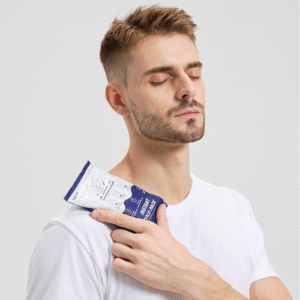
ما هو العلاج البارد وكيف يساعد كيس الثلج الهلامي؟? - استكشاف علم تضيق الأوعية, تخدير الأعصاب ولماذا تعتبر عبوات الجل المرنة مثالية.
كيف تقوم بتحضير وتطبيق كيس الثلج الهلامي بشكل آمن؟? - تعليمات خطوة بخطوة مع نصائح عملية وأداة لاتخاذ القرار.
متى يجب أن تستخدم (أو تجنب) علبة ثلج هلامية? – التعرف على الإصابات والظروف الأكثر ملاءمة للعلاج البارد وفهم موانع الاستعمال.
كم من الوقت يجب أن تستمر الجلسة? – تعلم فترات الجلسة الموصى بها وتكرارها لأجزاء الجسم المختلفة.
كيف يمكنك صيانة وإعادة استخدام عبوات الجل? - تخزين, إرشادات التنظيف والاستبدال لطول العمر.
ما هي أحدث الاتجاهات في العلاج البارد في 2025? – اكتشاف مواد صديقة للبيئة, الحزم الذكية ورؤى السوق.
الأسئلة المتداولة – إجابات موجزة للأسئلة الشائعة حول العلاج البارد.
ما هو العلاج البارد وكيف يساعد كيس الثلج الهلامي؟?
إجابة مباشرة
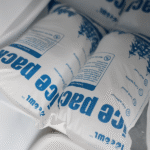
العلاج البارد, ويسمى أيضًا العلاج بالتبريد, يستخدم التبريد المتحكم فيه لتقليل الألم, التورم والالتهاب عن طريق انقباض الأوعية الدموية وإبطاء الإشارات العصبية. تعتبر عبوة الثلج الهلامية أداة مريحة لأن الجل يظل مرنًا عند تجميده, مما يسمح لك بتشكيله بشكل مريح حول المنطقة المصابة. توفر عبوات الجل تبريدًا ثابتًا دون الفوضى الناتجة عن ذوبان الجليد ويمكن إعادة استخدامها عدة مرات, مما يجعلها خيارًا عمليًا للرعاية المنزلية والإصابات الرياضية.
التفسير الموسع
تؤدي الإصابات إلى استجابة التهابية ترسل الدم والمواد الكيميائية الالتهابية إلى المنطقة المصابة, مما يسبب التورم وعدم الراحة. العلاج البارد يعمل عن طريق تضييق (انقباض) الأوعية الدموية القريبة وخفض درجة حرارة الجلد, مما يقلل من تدفق الدم, يقلل من النشاط الأيضي ويساعد في السيطرة على التورم والألم. كما أن تأثير التبريد يضعف التوصيل العصبي, لذلك تشعر بألم أقل. تعمل أكياس الثلج الهلامية على تسهيل هذه العملية لأن الجل شبه الصلب يظل مرنًا حتى عند تجميده. على عكس مكعبات الثلج الصلبة, يمكن لحزمة الجل أن تحيط بركبتك, الكتف أو الكاحل دون ترك فجوات, توفير تبريد متساوي في جميع أنحاء المنطقة. تستخدم العديد من عبوات الجل الحديثة مواد هلامية غير سامة ومواد خارجية متينة, لذا فهي آمنة لوضعها بجوار الجلد بحاجز وقائي. القدرة على التجميد, كما أن ذوبان العبوة نفسها وإعادة استخدامها عدة مرات يقلل أيضًا من الهدر والتكلفة مقارنةً بالعبوات الكيميائية التي تستخدم لمرة واحدة. في ملخص, العلاج البارد يقاطع سلسلة الالتهابات, وحزمة الثلج الهلامية هي ببساطة نظام توصيل سهل الاستخدام لهذا التبريد.
فهم العلم: تضيق الأوعية وتخفيف الآلام
إن فعالية العلاج البارد متجذرة في علم وظائف الأعضاء الأساسي. عند تطبيق كمادة باردة, تنخفض درجة حرارة بشرتك وتنقبض الأوعية الدموية, الحد من كمية السوائل والوسائط الالتهابية الواصلة إلى الإصابة. هذا تضيق الأوعية يقلل من التورم (وذمة) ويبطئ عملية التمثيل الغذائي الخلوي, والتي يمكن أن تمنع تلف الأنسجة الثانوية. العلاج بالتبريد يقلل أيضًا من سرعة التوصيل العصبي, مما يعني أن إشارات الألم تنتقل بشكل أبطأ إلى الدماغ. بعد حوالي خمس إلى عشر دقائق, ظاهرة تسمى رد فعل صيد لويس قد يحدث ذلك، حيث تتناوب الأوعية الدموية بين الانقباض والتمدد للحفاظ على صحة الأنسجة. إذا استمر التبريد الماضي 15 دقائق أو أن تكون العبوة أبرد من 10 درجة مئوية, قد يتفاعل الجسم عن طريق توسيع الأوعية, مما يتعارض مع الفوائد ويمكن أن يؤدي إلى قضمة الصقيع. ولهذا السبب يوصي معظم الخبراء بقصر جلسات العلاج البارد على 10-20 دقيقة.
طاولة 1: فترات الجلسة الموصى بها وتكرارها للمناطق المشتركة
| جزء من الجسم أو الإصابة | طول الجلسة (دقائق) | تكرار | ماذا يعني هذا بالنسبة لك |
| التواء الكاحل أو المعصم | 10-15 دقيقة | كل 1-2 ساعة خلال 24-72 ساعة الأولى | قصير, تساعد الجلسات المتكررة في السيطرة على التورم في وقت مبكر دون التسبب في تلف الأنسجة. |
| ركبة, الكوع أو الكتف | 15-20 دقيقة | ما يصل إلى ثلاث مرات في اليوم الواحد, متباعدة لمدة ساعة واحدة على الأقل | تتطلب المفاصل الأكبر حجمًا تبريدًا أطول قليلاً; تباعد الجلسات يمنع توسع الأوعية. |
| منطقة ما بعد الجراحة | 20 دقائق | اتبع الإرشادات الطبية; في كثير من الأحيان 2-3 جلسات يوميا | الجمع بين البرد والضغط قد يعزز النتائج; استخدم دائمًا حاجزًا. |
| الظهر أو الورك | 15 دقائق | مرتين أو ثلاث مرات يوميا | تبرد الأنسجة العميقة ببطء; جلسات أقصر لتجنب تخدير الجلد بشكل مفرط. |
| المفاصل الصغيرة أو الأصابع | 5– 10 دقائق | حسب الحاجة, مع فترات راحة طويلة | تحتوي الأصابع على القليل من الأنسجة الرخوة; الحد من التبريد لتجنب إصابة الأعصاب. |
نصائح عملية واقتراحات المستخدم
استخدم حاجزًا وقائيًا: قم دائمًا بلف كيس الثلج الهلامي بقطعة قماش رقيقة أو منشفة ورقية قبل وضعه على جلدك لمنع قضمة الصقيع أو التهيج.
تعيين مؤقت: التزم بـ 10-20 دقيقة لكل جلسة; يمكن أن يؤدي البرد لفترات طويلة إلى توسع الأوعية الدموية وعكس الفوائد.
افحص بشرتك: إذا تحول لون بشرتك إلى اللون الأحمر, باهت, حكة أو وخز, قم بإزالة العبوة على الفور.
تجنب الجروح المفتوحة: لا تضع كمادة باردة على الجروح, بثور أو حروق.
الراحة والارتقاء: الجمع بين العلاج البارد والراحة, الضغط والارتفاع لتحقيق أقصى قدر من الانتعاش.
انتظر بين الجلسات: اترك ما لا يقل عن ساعة إلى ساعتين حتى تعود بشرتك إلى درجة حرارتها الطبيعية قبل النقع.
لا تضع الثلج أبدًا أثناء النوم: يزيد النوم باستخدام عبوة هلامية من خطر الإصابة بقضمة الصقيع وتلف الأعصاب.
مثال واقعي: بعد مباراة كرة قدم نهاية الأسبوع, قمت بتحريف كاحلك. إن وضع كيس ثلج مرن لمدة 10-15 دقيقة يقلل من التورم ويخدر الألم. قم بلف العبوة بمنشفة وكرر العملية كل ساعتين أثناء الراحة مع رفع قدمك. في غضون يوم واحد ينحسر التورم, وستكون قادرًا على بدء حركة لطيفة – بفضل العلاج البارد المناسب والراحة.
كيفية تحضير وتطبيق كيس الثلج الهلامي بشكل آمن?
إجابة مباشرة
لتحضير وتطبيق كيس ثلج هلامي بأمان, قم بتجميد العبوة لمدة ساعتين على الأقل, فحصها عن التسريبات, لفها بقطعة قماش رقيقة وضعها على المنطقة المصابة لمدة 10-20 دقيقة. راقب بشرتك بحثًا عن الخدر أو تغيرات اللون, وانتظر ساعة واحدة على الأقل قبل التكرار. لا تضع أبدًا أي شيء مجمد مباشرة على الجلد العاري, ولا تستخدم العلاج البارد إذا كنت تعاني من حالات تؤثر على الإحساس أو الدورة الدموية.
تطبيق خطوة بخطوة: دليل عملي
تجميد أو البرد: قم بتخزين عبوة الجل في الثلاجة حتى تكون جاهزة عند الحاجة. تصل معظم العبوات إلى درجة الحرارة العلاجية بعد ساعتين إلى ثلاث ساعات. يجب أن يصبح الجل ثابتًا ولكنه لا يزال مرنًا.
افحص العبوة: قبل كل استخدام, تحقق من وجود ثقوب أو تسربات. تخلص من أي عبوة ذات طبقات تالفة أو مادة هلامية متسربة.
التفاف للحماية: ضع عبوة الجل داخل منشفة رقيقة, وسادة أو قطعة قماش. يمنع هذا الحاجز الاتصال المباشر بالجلد ويقلل من خطر قضمة الصقيع.
ضع العبوة: الجلوس أو الاستلقاء بشكل مريح, إراحة الجزء المصاب من الجسم. ضع عبوة الجل المغلفة على المنطقة, صبها لتتبع ملامح ركبتك, الكتف أو الكاحل.
تعيين مؤقت: استخدم هاتفك أو مؤقت المطبخ لتتبع 10-20 دقيقة من العلاج. توقف عاجلاً إذا شعرت بعدم الراحة, وخز أو احمرار شديد.
تتحد مع الضغط والارتفاع: استخدم ضمادة مرنة أو كمًا ضاغطًا إذا أوصى بذلك مقدم الرعاية الصحية الخاص بك. رفع الطرف المصاب فوق مستوى القلب لتقليل التورم.
تنظيف وتخزين: بعد الاستخدام, امسح عبوة الجل بمحلول صابون خفيف وماء, جففيه جيدًا ثم ضعيه مرة أخرى في كيس بلاستيكي محكم الغلق في الفريزر. وهذا يمنع الروائح والتلوث المتبادل.
كرر بمسؤولية: انتظر ساعة أو ساعتين على الأقل قبل التكرار. الإفراط في تناول الطعام يمكن أن يؤخر الشفاء ويسبب تلف الأنسجة.
متى يتم استخدام كيس الثلج الهلامي مقابل العلاج الحراري
قد يكون الاختيار بين البرد والحرارة أمرًا مربكًا. الطريقة السهلة لاتخاذ القرار هي التفكير التوقيت والأعراض:
هل كانت الإصابة حديثة؟ (في الاخير 72 ساعات)? إذا كانت الإجابة بنعم, اختر العلاج البارد للحد من التورم والألم.
هل هناك تورم أو التهاب واضح? استخدم علبة ثلج هلامية. يمكن أن تؤدي الحرارة إلى تفاقم التورم عن طريق توسيع الأوعية الدموية.
هل الألم مزمن بدون تورم؟ (على سبيل المثال, تصلب العضلات أو الإصابات القديمة)? قد تساعد الحرارة اللطيفة على استرخاء العضلات المشدودة; تجنب العلاج البارد في هذه الحالة.
هل أنت حساس للبرد, الإصابة بمرض رينود أو ضعف الدورة الدموية? تجنب العلاج البارد والتحدث مع أخصائي الرعاية الصحية.
هذه المبادئ التوجيهية ليست مطلقة. عندما تكون في شك, استشر أخصائيًا طبيًا - خاصة إذا كنت تعاني من حالات صحية كامنة أو إذا استمر الألم.
متى يجب أن تستخدم (أو تجنب) علبة ثلج هلامية?
الظروف المناسبة للعلاج البارد
العلاج البارد هو الأكثر فعالية لإصابات الأنسجة الرخوة الحادة وبعض الحالات المزمنة. تشمل الحالات المحددة:
الالتواء, السلالات والكدمات: التواء الكاحل, تستفيد إجهادات المعصم والكدمات البسيطة من فترات التبريد القصيرة لتقليل التورم.
التهاب الأوتار واعتلال الأوتار: إصابات الإفراط المتكررة تستجيب للعلاج البارد المتقطع, مما يقلل الالتهاب والألم.
آلام الركبة والمفاصل عند العداء: يمكن تهدئة الحالات مثل متلازمة الألم الرضفي الفخذي باستخدام عبوات الجل بعد النشاط.
تفاقم التهاب المفاصل: تبريد المفاصل الملتهبة يمكن أن يخفف من الانزعاج, وخاصة في هشاشة العظام والتهاب المفاصل الروماتويدي.
التعافي بعد الجراحة: بعد استبدال الركبة أو الورك, غالبًا ما يوصي الجراحون بالعلاج البارد لإدارة الألم والتورم.
آلام أسفل الظهر أو تهيج الأعصاب: يمكن لجلسات التبريد القصيرة أن تقلل مؤقتًا من نشاط الأعصاب وتوفر الراحة.
إجراءات الأسنان والصداع: الكمادات الباردة يمكن أن يخدر عضلات الوجه أو يخفف من آلام الصداع; تنطبق بعناية والحد من الوقت.
موانع والمخاطر
في حين أن العلاج البارد آمن بشكل عام, هناك ظروف يمكن أن تضر فيها أكثر مما تنفع:
أدوات اتخاذ القرار مفيدة
تحقق من التفاصيل قبل اختيار التغليف
يمكن أن تساعدك هذه الأدوات السريعة في مقارنة مخاطر المسار, احتياجات التحجيم, خيارات المبرد, وتفاصيل التعبئة والتغليف قبل أن تطلب عرض أسعار.
منشئ قائمة التحقق من الامتثال
قم ببناء قائمة مرجعية عملية لمراجعة التغليف, شحن, والتوثيق.
بناء قائمة مرجعيةمقاومة سقوط المواد العازلة
مراجعة مقاومة السقوط وعوامل المناولة قبل اختيار المواد العازلة.
تحقق من المقاومةبطانة الصندوق & تحجيم غطاء البليت
تحقق من منطق تحديد حجم بطانة الصندوق وغطاء منصة التحميل لمشاريع التغليف المعزولة.
تقدير الحجمالحالات التي تؤثر على الدورة الدموية أو الحساسية للبرد: الناس مع أمراض الأوعية الدموية الطرفية, مرض رينود, الجلوبيولين البردي في الدم أو الشرى البارد يجب تجنب العلاج البارد.
تلف الأعصاب أو تخدير الجلد: إذا كان لديك تنميل أو ضعف في الإحساس في المنطقة المصابة, قد لا تشعر إذا تعرض الجلد للتلف.
ضعف الإدراك, صغار جدًا أو كبار السن: الإشراف الإضافي ضروري; تقليل مدة الجلسة.
الجروح المفتوحة أو إصابات الجلد الحديثة: تطبيق البرد على الجلد المكسور, البثور أو الحروق تزيد من خطر العدوى.
الاضطرابات الحسية أو مرض السكري: غالبًا ما يعاني مرضى السكري من انخفاض الإحساس في الأطراف; العلاج البارد يمكن أن يسبب قضمة الصقيع دون سابق إنذار.
أمراض القلب أو ارتفاع ضغط الدم: توخي الحذر, حيث أن البرد الشديد يمكن أن يؤثر على معدل ضربات القلب.
إذا كان أي من هذه ينطبق عليك, استشر مقدم الرعاية الصحية قبل استخدام كيس الثلج الهلامي. توقف عن العلاج فورًا إذا شعرت بألم شديد, تلون الجلد, خدر يتجاوز الإحساس بالتبريد الطبيعي أو إذا تفاقم الألم بعد الجلسات المتكررة.
كم من الوقت يجب عليك الاحتفاظ بعلبة الثلج الهلامية؟?
الفترات والترددات الموصى بها
ال المدة المثالية تعتمد جلسة كيس الثلج الهلامي على الإصابة ومنطقة الجسم:
المبدأ التوجيهي القياسي: ينصح معظم الخبراء بالاحتفاظ بالعلبة لمدة 10-20 دقيقة. للمفاصل الصغيرة مثل أصابع اليدين والقدمين, 5– 10 دقائق قد تكون كافية.
متقطع مقابل. التطبيق المستمر: تشير الأبحاث إلى ذلك تبريد متقطع— 10 دقائق, 10 دقائق, ثم آخر 10 دقائق - يقلل الألم بشكل أكثر فعالية من جلسة متواصلة مدتها 20 دقيقة. من الناحية العملية, يمكنك تطبيق حزمة هلام ل 10 دقائق, إزالته ل 10 دقائق ثم أعد التقديم مرة أخرى.
جلسات تباعد: يترك على الأقل 30 دقائق إلى ساعتين بين الجلسات للسماح للبشرة بالعودة إلى درجة حرارتها الطبيعية.
إجمالي مدة العلاج: لإصابات طفيفة, تطبيق العلاج البارد لأول مرة 24-72 ساعة بعد الإصابة. يقترح WebMD استخدام كيس من الثلج 15– 20 دقيقة كل ساعتين إلى ثلاث ساعات خلال الأول 24-48 ساعة.
التوقيت والتكرار لمناطق الجسم المختلفة
الجدول أعلاه (طاولة 1) يلخص التوصيات العامة. لكن, يختلف تحمل الجميع للبرد. عوامل مثل حجم الجسم, سمك الجلد, يؤثر موقع الإصابة والراحة الشخصية على المدة التي يجب عليك فيها استخدام الثلج. يجب على الأشخاص الذين يعانون من حالات مثل مرض رينود أو الاعتلال العصبي استخدام جلسات أقصر ومراقبة الجلد عن كثب.
صيانة وإعادة استخدام عبوات الثلج الهلامية
عبوات جل قابلة لإعادة الاستخدام مصممة للاستخدام المتكرر, لكن الرعاية المناسبة تطيل حياتهم:
تخزين, التنظيف والاستبدال
تخزين الفريزر: احتفظ بأكياس الجل في الثلاجة في كيس بلاستيكي محكم الغلق. وهذا يمنع التلوث ويساعد العبوة على البقاء في درجة حرارة ثابتة.
تنظيف بعد كل استخدام: امسح سطح العبوة بصابون خفيف وماء فاتر, ثم جففيها جيداً قبل إعادتها إلى الفريزر. تجنب المواد الكيميائية القاسية التي يمكن أن تؤدي إلى تدهور المادة الخارجية للعبوة.
تحقق من التآكل: فحص طبقات وغطاء لعلامات الشقوق, الدموع أو التسريبات قبل كل جلسة. يجب التخلص من عبوة الجل المتسربة على الفور; معظم المواد الهلامية غير سامة ولكنها قد تهيج الجلد.
تجنب إعادة التجميد في حالة ثقبها: لا تستمر في استخدام العبوة التالفة. استبدله بآخر جديد لضمان العلاج الآمن والفعال.
منفصلة عن الطعام: قم بتخزين عبوات الجل في قسم مخصص بالفريزر بعيدًا عن الطعام للحفاظ على نظافته.
متوسط العمر المتوقع: العديد من عبوات الجل عالية الجودة تدوم لسنوات عندما يتم الاعتناء بها بشكل صحيح. لكن, استبدلها عندما تصبح قاسية, تغير لونها أو تظهر عليها علامات التدهور.
سيناريوهات الاستخدام تتجاوز الإصابات
عبوات الثلج الهلامية ليست مخصصة للالتواءات فقط. فهي مفيدة ل:
إدارة الحالات المزمنة مثل التهاب المفاصل أو آلام أسفل الظهر بين النوبات.
التبريد أثناء الحمى أو الصداع النصفي عندما لا يكون الدواء كافيا.
تقليل التورم بعد العمليات التجميلية مثل حقن الحشو الجلدي (اتبع دائمًا نصيحة طبيبك).
تهدئة الانزعاج بعد الولادة من خلال وضع عبوة هلامية مغلفة على منطقة العجان لفترات قصيرة.
حفظ وجبات الغداء المرزومة أو الأدوية باردة أثناء السفر (تأكد من عدم تسربها إلى الطعام أو الدواء). Reusable packs for temperaturesensitive transport are common in سلسلة التبريد logistics.
2025 أحدث التطورات والاتجاهات في عبوات الثلج الهلامية
نظرة عامة على الاتجاه
تطورت صناعة عبوات الثلج الهلامية بشكل ملحوظ في السنوات الأخيرة. وفقا لأبحاث السوق, تقدر قيمة السوق العالمية لأكياس الثلج الهلامية بـ دولار أمريكي 311.2 مليون في 2025 ومن المتوقع أن يصل دولار أمريكي 572.5 مليون بواسطة 2032, تعكس قوة 9.1 % معدل النمو السنوي المركب (CAGR). تهيمن العبوات القابلة لإعادة الاستخدام على السوق من خلال أ 55.6 % يشارك, بينما تمثل المواد الهلامية غير السامة 56.8 %. التعافي بعد الجراحة هو الجزء الأكبر من التطبيقات (32.1 %), وأمريكا الشمالية تقود السوق بـ 36.3 % يشارك, على الرغم من أن منطقة آسيا والمحيط الهادئ هي المنطقة الأسرع نموا. وتؤكد هذه الأرقام الطلب المتزايد على الأجهزة الموثوقة, حلول العلاج البارد القابلة لإعادة الاستخدام.
أحدث التطورات في عبوات الثلج الهلامي
مواد صديقة للبيئة: شجع الوعي البيئي المتزايد الشركات المصنعة على تطوير عبوات الهلام باستخدام المواد الهلامية النباتية أو القابلة للتحلل بدلاً من المواد المشتقة من النفط.. تحافظ هذه العبوات على أداء التبريد مع تقليل التأثير البيئي.
أجهزة استشعار درجة الحرارة الذكية: تشتمل الحزم المتقدمة الآن على مؤشرات درجة حرارة مدمجة أو أجهزة استشعار Bluetooth تتصل بتطبيق هاتف ذكي, ضمان البقاء ضمن النطاق العلاجي (عادة 0-10 درجة مئوية). تُعلمك التنبيهات عندما يحين وقت إزالة الحزمة.
وحدات الضغط البارد الخالية من الجليد: تجمع الأجهزة المحمولة بين العلاج البارد والضغط باستخدام الماء المبرد المتداول أو مواد تغيير الطور. إنها توفر تبريدًا ثابتًا دون الفوضى الناتجة عن ذوبان الجليد وتحظى بشعبية خاصة في الطب الرياضي.
مرن, تصاميم خاصة بالجسم: تقدم الشركات المصنعة عبوات هلامية مصممة للركبتين, الكتفين, رقاب وظهور. الأشرطة المريحة تثبت العبوة في مكانها, مما يسمح لك بالتحرك أثناء العلاج.
التكامل مع برامج العلاج الطبيعي: توصي منصات إعادة التأهيل الرقمية الآن بجلسات وضع أكياس الثلج الهلامية جنبًا إلى جنب مع التمارين. يدعم هذا التكامل الالتزام ويتتبع تقدم عملية الاسترداد.
تحسينات لوجستية لسلسلة التبريد: أبعد من الاستخدام الشخصي, تلعب عبوات الجل دورًا حاسمًا في نقل الأدوية الحساسة للحرارة. توفر حزم IoTenabled مراقبة درجة الحرارة في الوقت الفعلي لضمان بقاء اللقاحات والمواد البيولوجية ضمن النطاقات الآمنة.
رؤى السوق
مع نمو الاضطرابات العضلية الهيكلية في جميع أنحاء العالم، فإنها تؤثر على أكثر من 1.71 مليار شخص وفقًا لمنظمة الصحة العالمية، فإن الطلب على العلاجات المنزلية آخذ في الارتفاع. تتوافق عبوات الجل القابلة لإعادة الاستخدام مع هذا الاتجاه من خلال توفير إمكانية الوصول إليها, خيار منخفض التكلفة لإدارة الألم. بالإضافة إلى ذلك, the expansion of biologics and vaccine logistics during the COVID19 era has increased the need for reliable gel packs in سلسلة التبريد transport. تدفع اللوائح البيئية وتفضيلات المستهلكين للمنتجات المستدامة الشركات نحو المواد القابلة لإعادة التدوير والحد الأدنى من التغليف.
الأسئلة المتداولة
س 1: هل يمكنك النوم مع كيس ثلج هلامي؟? لا. يزيد النوم باستخدام كيس ثلج هلامي من خطر الإصابة بقضمة الصقيع أو تلف الأعصاب. يجب عليك وضع الثلج فقط عندما تكون مستيقظًا ويمكنك مراقبة الأحاسيس.
Q2: كم مرة يمكنني استخدام كيس الثلج الهلامي؟? للإصابات الحادة, ضع العبوة لمدة 10-20 دقيقة وانتظر لمدة ساعة إلى ساعتين على الأقل قبل التكرار. لا تتجاوز خمس أو ست جلسات في اليوم دون استشارة طبية.
س 3: هل العلاج البارد يبطئ الشفاء؟? قصير, التبريد المتقطع يقلل من الألم والتورم. قد يؤدي استخدام الثلج لفترة طويلة أو مستمرة إلى توسع الأوعية الدموية وقد يؤخر الشفاء. حدد الجلسات بأول 48-72 ساعة بعد الإصابة وتجنب الإفراط في تناولها.
س 4: هل يمكنني استخدام نفس عبوة الجل للعلاج الحراري؟? تم تصميم بعض عبوات الجل للاستخدام الساخن والبارد. إذا كان الأمر كذلك, اتبع تعليمات الشركة المصنعة للتسخين في الميكروويف أو الماء الدافئ. لا تقم أبدًا بتسخين العبوة ما لم يتم تصنيفها على أنها آمنة للاستخدام الساخن.
س 5: هل العلاج البارد آمن أثناء الحمل؟? عمومًا, نعم، يعد استخدام كيس ثلج هلامي على الإصابات الطفيفة أو تورم الكاحلين أمرًا آمنًا. لكن, تجنب وضع البرد على البطن واستشر مقدم الرعاية الصحية الخاص بك للحصول على إرشادات محددة.
س6: كيف أعرف إذا كان يجب علي استخدام الحرارة بدلاً من البرودة؟? إذا كان الألم مزمناً, لا يوجد تورم, أو تشعر بتصلب العضلات, الحرارة قد تحسن المرونة وتدفق الدم. استخدم البرد في الإصابات الحديثة المصحوبة بالتورم والالتهاب.
س7: هل عبوات الثلج الهلامي آمنة للأطفال وكبار السن؟? نعم, لكن جلدهم الرقيق وانخفاض الدورة الدموية يعني أنهم أكثر عرضة للإصابة بالبرد. استخدم جلسات أقصر, أضف طبقات إضافية من القماش وأشرف عليها عن كثب.
Q8: هل يمكنني صنع كمادة ثلج هلامية في المنزل؟? يمكنك إنشاء عبوة هلامية بسيطة عن طريق خلط جزأين من الماء مع جزء واحد من الكحول المحمر أو صابون الأطباق, ختم الخليط في كيس من البلاستيك القوي وتجميده. يمنع الكحول التجميد الكامل, الحفاظ على مرونة العبوة. دائما حقيبة مزدوجة لمنع التسربات ووضع علامة عليها بوضوح.
ملخص وتوصيات
العلاج البارد مع أ حزمة هلام الجليد هي طريقة مجربة لتقليل الألم والتورم عندما تعرف كيفية استخدامها بشكل صحيح. لقد تعلمت أن عبوات الجل تظل مرنة وتوفر تبريدًا موحدًا; أنه يجب عليك لف العبوة بقطعة قماش وتحديد مدة الجلسات بـ 10-20 دقيقة; وأن الانتظار لمدة ساعة على الأقل بين الجلسات يمنع تلف الأنسجة. لقد اكتشفت أيضًا الحالات التي تستفيد من العلاج البارد وتلك التي تتطلب الحذر. أخيراً, لقد استكشفنا اتجاهات السوق التي تشير إلى المواد الصديقة للبيئة والذكية, تصاميم قابلة لإعادة الاستخدام.
الخطوات التالية القابلة للتنفيذ
اختر الجودة: اختر كيس ثلج هلامي قابل لإعادة الاستخدام يناسب جزء الجسم الذي ترغب في علاجه. ابحث عن مادة هلامية غير سامة وبنية متينة.
الاستعداد بشكل صحيح: أبقِ حقيبتك مجمدة, لفه قبل الاستخدام واضبط المؤقت لمدة 10-20 دقيقة.
مراقبة جسمك: راقب تغيرات الجلد وتوقف عن الاستخدام إذا شعرت بالخدر بعد البرد الخفيف. استشر مقدم الرعاية الصحية إذا استمر الألم.
الجمع بين العلاجات: إقران العلاج البارد مع الراحة, الضغط والارتفاع واتبع أي تمارين إعادة تأهيل أوصى بها طبيبك.
ابق على اطلاع: مواكبة أحدث الابتكارات, مثل العبوات الصديقة للبيئة وأجهزة استشعار درجة الحرارة الذكية, لتحقيق أقصى قدر من السلامة والفعالية.
حول Tempk
Tempk متخصص في سلسلة التبريد solutions وتقنية عبوات الثلج الهلامية. مع سنوات من الخبرة في خدمة الرعاية الصحية, الخدمات اللوجستية الغذائية والطب الرياضي, نقوم بتصميم عبوات هلامية قابلة لإعادة الاستخدام توفر تبريدًا ثابتًا مع تقليل التأثير البيئي. تستخدم منتجاتنا المواد الهلامية النباتية والمتينة, مواد خالية من مادة BPA, تقديم المرونة, مقاومة للتسرب ومؤشرات درجة الحرارة الذكية للاستخدام المنزلي الآمن. نقوم أيضًا بتوريد أنظمة الضغط البارد المتقدمة للعيادات والفرق الرياضية. و Tempk, نحن نعطي الأولوية للجودة, الاستدامة والابتكار لمساعدتك على التعافي بشكل أسرع والحفاظ على سلامة البضائع الحساسة.
بحاجة إلى إرشادات? Reach out to our team for personalized recommendations on cold therapy products or to discuss custom سلسلة التبريد solutions that meet your specific needs.