الشركة المصنعة لتوزيع صناعة المواد الغذائية: إطار اختيار الموردين القائم على الأدلة
تبدأ الإجابة الصحيحة على الشركة المصنعة لتوزيع صناعة علب الثلج بحالة استخدام خاضعة للرقابة, ليس نموذج الكتالوج. تحديد الحمولة, الشرط المطلوب, طريق, التعرض المحيطي, عبوة, التعامل, تنظيف, شهادة, والحجم التجاري قبل اختيار الصندوق. وينبغي الحكم على المنتج النهائي على أساس القدرة القابلة للاستخدام, بناء, تناسب التشغيلية, اتساق الإنتاج, وإجمالي تكلفة التسليم.
الهدف العملي هو ما إذا كان من الممكن دمج الصندوق في عملية توزيع متكررة بدلاً من مجرد الظهور بمظهر قوي في غرفة العينة. يجمع إطار القرار التالي المنتج الأكثر فائدة, اِصطِلاحِيّ, امتثال, التشغيلية, واعتبارات الشراء مع إبقاء جميع بيانات الأداء مرتبطة بالشروط التي تدعمها فعليًا.
القشرة, العزل, المفاصل, والتجهيزات تعمل معًا
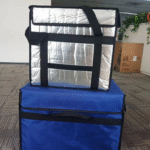
يمكن للصندوق المعزول النموذجي أن يجمع بين أغلفة البوليمر, هياكل الرغوة المصبوبة, بطانات معزولة, أو الإنشاءات المركبة المختارة وفقًا للتأثير, صحة, وزن, واحتياجات إعادة الاستخدام. يحمي الهيكل الخارجي من الصدمات ويوفر نقاط ربط. العزل يبطئ التوصيل والحمل الحراري. مفصل الغطاء, بالُوعَة, التعامل مع الزعماء, السحابات, ويمكن لحواف الألواح إنشاء جسور حرارية أو مسارات تسرب. لهذا السبب, اسم المادة وحده لا يتنبأ بالأداء. قد يتصرف الصندوقان المصنوعان من نفس البوليمر الاسمي بشكل مختلف بسبب سمك الجدار, جودة الرغوة, هندسة, والتجمع. في القرار النهائي, ربط هذا القرار الخاص ببرنامج توزيع الأغذية بالرسمة والعبوة المعتمدة.
الخيارات المشتركة تحمل مقايضات مختلفة. يمكن أن تكون أغلفة البوليمر الصلبة قابلة للتنظيف ومتينة, لكنها تضيف وزنًا وتتطلب صبًا متحكمًا فيه. يمكن أن يوفر EPP وزنًا خفيفًا, هيكل مرن للتعامل المتكرر, بينما قد تحتاج الأسطح الرغوية المكشوفة إلى نظافة دقيقة ومراجعة الأضرار. يمكن أن يكون EPS فعالاً من حيث التكلفة للاستخدام المحمي في اتجاه واحد ولكنه قد يتشقق تحت المعالجة القاسية المتكررة. يمكن أن توفر رغوة PU عزلًا صلبًا داخل الغلاف. يمكن للألواح المعزولة بالفراغ أن تقلل من انتقال الحرارة عبر الأسطح العريضة, لكن تأثيرات الحافة, حماية ثقب, وتصبح مراقبة التصنيع حاسمة. للحصول على موافقة المورد, قم بمراجعة هذه النقطة لبرنامج توزيع الغذاء من حيث العمليات والجودة.
يجب أن تحدد مواصفات المواد المخاطر المقصودة: اتساق الأبعاد, غطاء مناسب, المفصلي ومزلاج الحياة, سلوك تأثير الزاوية, التحكم في الرائحة, عيوب السطح, والراتنجات الموثقة أو تغييرات المكونات. يجب أن تتحكم في الراتنج الأساسي أو درجة الرغوة, أصباغ, إضافات, مادة طوقا, مواد لاصقة, الأجهزة, وأي طلاء داخلي أو تسمية. عندما يسمح بالبدائل, تحديد أدلة الموافقة. خلاف ذلك, يمكن أن يؤثر تغيير الإنتاج الذي يبدو بسيطًا تجاريًا على حالة ملامسة الغذاء, رائحة, المرونة, الموصلية الحرارية, ملائم, أو المتانة على المدى الطويل. عند إطلاق الإنتاج, تأكد من نطاق الأدلة لبرنامج توزيع الأغذية قبل الشراء.
حدد مهمة التوزيع قبل المنتج
يجب أن تصف المواصفات الأولى مهمة التشغيل: نقل المواد الغذائية المعبأة من خلال إرسال المصنع, إرساء السفن, تجديد المتجر, تسليم الطريق, أو التدريج المؤقت مع الحد من اكتساب الحرارة وحماية الحمل من التلف. يحتاج إلى تحديد المستخدمين, موقع التحميل, مكان الاستلام, عمليات التسليم المتوقعة, واللحظة التي تتغير فيها مسؤولية درجة الحرارة. وهذا يمنع المورد من ملء المجهول بالافتراضات. كما يسمح بالعمليات, جودة, وفرق المشتريات لمراجعة نفس المتطلبات بدلاً من الاحتفاظ بنسخ منفصلة غير رسمية.
يحتاج تعريف الحمولة إلى تفاصيل أكثر من الوزن أو الحجم الاسمي. قم بتسجيل أبعاد العبوة الأساسية, حدود التوجه, عدد الوحدات, الحالة الحرارية عند التعبئة, مساحة الرأس, المناطق الهشة, وما إذا كان يجب أن يظل الحمل منفصلاً عن سائل التبريد. قد تشتمل الحمولة المخططة على علب كرتونية, الصواني, أكياس مختومة, عبوات الألبان, حزم المأكولات البحرية, مجموعات الوجبات, أو غيرها من المواد الغذائية المعبأة التي قد تشغل المساحة بشكل مختلف تمامًا. يمكن للتجويف الذي يبدو كبيرًا بدرجة كافية أن يصبح غير صالح للاستخدام إذا كانت الفتحة ضيقة, الزوايا مشعة بشكل كبير, أو سلة ومقسم تستهلك الأبعاد الحرجة.
رسم خرائط الطريق لا يقل أهمية. من المصنع إلى مركز التوزيع, من المحور إلى المتجر, طريق الخدمات الغذائية, وممرات تسليم الميل الأخير مع فتح الأبواب وعمليات التسليم بشكل متكرر, لاحظ وقت العبور المخطط له, التأخير المحتمل, درجة حرارة التدريج, الشمس المباشرة, دوران الهواء في السيارة, الفتح المتكرر, النقل بين الناقلات, واستلام الفحص. لا تنتج هذه المدخلات وقت انتظار مضمونًا من تلقاء نفسها, ولكنها تحدد الشروط التي يجب على المورد أو مختبر الاختبار إعادة إنتاجها. بدونهم, يمكن أن يغطي عرض الأسعار صندوقًا عامًا فقط, ليست عملية توزيع موثوقة. في القرار النهائي, قم بتضمين هذا الحد في تعليمات التشغيل الخاصة ببرنامج توزيع الأغذية.
اجعل الحزمة الصحيحة سهلة التكرار
يتحرك الصندوق عبر الأشخاص والأماكن, ليس فقط من خلال الغرفة الحرارية. يجب أن تغطي خطة التشغيل الشروط المسبقة, التعبئة, إنهاء, وضع العلامات, مراقبة التنشيط, تسليم, تلقي, التفريغ, تنظيف, تجفيف, تقتيش, تخزين, والعودة. من المصنع إلى مركز التوزيع, من المحور إلى المتجر, طريق الخدمات الغذائية, وممرات تسليم الميل الأخير مع فتح الأبواب وعمليات التسليم بشكل متكرر, قد يكون الخطر الأكبر هو رصيف التحميل أو فشل التسليم بدلاً من وقت السيارة المخطط له. في القرار النهائي, تأكد من نطاق الأدلة لبرنامج توزيع الأغذية قبل الشراء.
يجب أن تكون التعليمات مرئية وتكوينًا محددًا. إظهار موقف المبرد, اتجاه المنتج, وضع المقسم, مراقبة الموقع, تسلسل الإغلاق, ومعايير الرفض. استخدم الملصقات التي تصمد أمام بيئة التنظيف والتوجيه. إذا كان الصندوق به مصارف, الأشرطة, عجلات, جوانات قابلة للاستبدال, أو مقابض الحبل, وتشمل نقاط التفتيش لتلك المكونات. يجب تقليل التعقيد حيثما أمكن ذلك لأن المستخدمين العرضيين لا يتذكرون الإجراءات الطويلة. في القرار النهائي, ربط هذا البند لبرنامج توزيع الأغذية بمعيار قبول قابل للقياس.
تحتاج فرق الاستقبال إلى مسار اتخاذ القرار. يجب أن يعرفوا كيفية فحص الختم, قراءة الشاشة, تحديد الضرر, سجل رحلة, عزل الحمولة, واتصل بشخص الجودة المسؤول. يجب ألا تعود الصناديق المرتجعة تلقائيًا إلى الأسطول النظيف. خطوة الحجر والفحص البسيطة تمنع تشقق القذائف, المقابس المفقودة, مقابض ملوثة, أو تم تغيير سائل التبريد بسبب إضعاف النظام بصمت. قبل الإصدار النهائي, توثيق القيود المفروضة على برنامج توزيع الغذاء بدلا من الإشارة إلى الملاءمة الشاملة.
كيف يبدو القرار في الممارسة العملية
النظر في هذا الوضع النموذجي: يحتاج منتج الأطعمة الجاهزة الذي يقوم بتوريد العديد من مستودعات المدينة إلى صندوق يتم تكديسه بشكل آمن في الشاحنات, يمكن تنظيفها بين الطرق, ويسمح بتصميم قياسي لسائل التبريد دون سحق صواني الوجبات. يجب على الفريق قياس الحمولة, بناء الحزمة المقترحة, خريطة الطريق, ولاحظ كيف يرفع المستخدمون, يؤمن, يفتح, ينظف, وإرجاع الصندوق. لا ينبغي أن تكون الاستجابة الأولى هي تحديد حجم الكتالوج. يؤدي هذا إلى إنشاء سجل مشترك للقيود الحقيقية. عند إطلاق الإنتاج, تحقق من نقطة برنامج توزيع الغذاء مقابل الحمولة الفعلية.
التالي, يجب على المشتري أن يطلب بديلين أو ثلاثة بدائل خاضعة للرقابة بدلاً من كتالوج طويل. قد يعطي أحد الخيارات الأولوية للوزن الأقل, متانة متكررة أخرى, ومقاومة حرارية أعلى أخرى أو حجم أكثر قابلية للاستخدام. يجب أن يسرد كل خيار ما تم تضمينه, ما هي الأدلة الموجودة, ما لا يزال يحتاج إلى اختبار, وما هي تغييرات التشغيل التي يتطلبها. يستطيع الفريق بعد ذلك مقارنة المفاضلات بدلًا من الجدال حول ميزات معزولة. عند إطلاق الإنتاج, اذكر الشروط المطبقة لبرنامج توزيع الأغذية في رد المورد.
أكمل التسلسل من خلال عينة هندسية, محاكمة الحزمة, الإنتاج التجريبي, والإفراج الرسمي. للاستخدامات الحساسة لدرجة الحرارة, قم بتأكيد الحزمة الكاملة ضمن ملف تعريف مناسب وحدد كيفية التعامل مع الرحلات. تسجيل قياسات الأبعاد والتعامل مع الملاحظات, ليس فقط الصور الفوتوغرافية. والنتيجة هي قرار شراء مرتبط بالأدلة وسير العمل, وليس إلى وعد لا يمكن إعادة إنتاجه لاحقًا. للحصول على موافقة المورد, تأكد من نطاق الأدلة لبرنامج توزيع الأغذية قبل الشراء.
مطالبات الحاويات المنفصلة عن مطالبات الحزم
يوفر صندوق الثلج لتوزيع الطعام حاجزًا أمام تدفق الحرارة وغلافًا واقيًا. لا يولد درجة حرارة يمكن التحكم فيها من تلقاء نفسه. الأداء السلبي يعتمد على العزل, نوع المبرد والتكييف, كتلة المبرد, كتلة الحمولة, درجة حرارة بدء المنتج, الترتيب الداخلي, ملف تعريف المحيط, السلوك الافتتاحي, ومعايير القبول. يمكن أن يؤدي التغيير في أي من هذه العناصر إلى تغيير النتائج حتى عندما لا يتغير الصندوق الخارجي. للحصول على موافقة المورد, سجل هذه النقطة لبرنامج توزيع الغذاء كمتطلب خاضع للرقابة.
هذا الاختلاف في النطاق مهم بشكل خاص بالنسبة للطعام, الأدوية, مصل, واستخدامات التجارب السريرية. قد يُظهر الاختبار الهيكلي أن المقبض أو الفتحة تتحمل حملًا محددًا. قد يوضح إعلان المادة أن المكون مناسب لحالة الاتصال المقصودة. قد يُظهر التقرير الحراري كيفية تصرف حزمة واحدة ضمن ملف تعريف واحد. قد يقوم مؤهل المسار بعد ذلك بتقييم حارة التشغيل. تجيب هذه المستندات على أسئلة مختلفة ولا ينبغي استبدال بعضها البعض. قبل الإصدار النهائي, ربط هذا القرار الخاص ببرنامج توزيع الأغذية بالرسمة والعبوة المعتمدة.
اطلب من المورد أن يذكر كل مطالبة الأداء مع تكوينه. يجب أن يحدد البيان حجم الصندوق والمراجعة, حمولة, سائل التبريد, تكييف, مخطط التحميل, موقف المراقبة, ملف تعريف المحيط, مدة, ومدى القبول. إذا لم يتمكن المورد من توفير هذا السياق, التعامل مع المطالبة كمؤشر فحص فقط. الهدف ليس المطالبة بتقرير مختبري لكل محادثة مبكرة, ولكن لمنع العنوان غير المدعوم من أن يصبح مواصفات شراء. للحصول على موافقة المورد, قم بتضمين هذا الحد في تعليمات التشغيل الخاصة ببرنامج توزيع الأغذية.
يجب أن تتطابق أدلة الامتثال مع الاستخدام المقصود
تعتمد الأدلة ذات الصلة على حالة ملامسة الطعام حيث يمكن للصندوق أو المكونات الداخلية أن تلامس الطعام بشكل معقول, بالإضافة إلى ضوابط النظافة للمعدات القابلة لإعادة الاستخدام; لا ينبغي التعامل مع الأغذية المعبأة والاتصال المباشر بالأغذية على أنها نفس حالة الاستخدام. في الاتحاد الأوروبي, تندرج المواد الملامسة للأغذية المطروحة في السوق ضمن الإطار التنظيمي ومتطلبات ممارسات التصنيع الجيدة, مع قواعد إضافية لمجموعات مادية معينة. في الولايات المتحدة, ترتبط حالة ملامسة الغذاء بالمواد المصرح بها وشروط الاستخدام المقصودة, بما في ذلك نوع الطعام ودرجة الحرارة. وبالتالي فإن الإعلان العام بأن البلاستيك هو "صنف غذائي" ليس سوى نقطة بداية.
تضيف الاستخدامات الطبية والصيدلانية طبقة مختلفة. تحدد علامات المنتج وإجراءات الراعي أو الجودة الحالة المطلوبة. الناتج المحلي الإجمالي, Google Cloud Platform, توجيهات التحصين, قواعد الشحن الجوي, أو قد يتم تطبيق مواصفات البرنامج الوطني اعتمادًا على الشحنة. لا تصبح الوحدة المعزولة متوافقة لمجرد أن البوليمر الخاص بها مقبول لملامسة الطعام أو لأنه قابل لإعادة الاستخدام. قد تحتاج العملية الكاملة إلى تعليمات التعبئة المؤهلة, مراقبة معايرة, معالجة الانحراف, تمرين, وسلسلة الحضانة الموثقة. للحصول على موافقة المورد, اختبار هذا الافتراض لبرنامج توزيع الأغذية مقابل المسار المقصود.
أنشئ خريطة أدلة بأربعة أعمدة: مطالبة, هدف, حالة, والوثيقة. النظر في هذه الحالة: تنتمي المطالبة المادية إلى راتينج مسمى والاستخدام المقصود; تنتمي المطالبة الهيكلية إلى التصميم النهائي وطريقة التحميل; تنتمي المطالبة الحرارية إلى التكوين الكامل والملف الشخصي; تنتمي مطالبة الطريق إلى حارة التشغيل. تكشف هذه الخريطة عن الثغرات وتمنع شهادة واحدة من التوسع خارج نطاقها. في القرار النهائي, قم بتضمين هذا الحد في تعليمات التشغيل الخاصة ببرنامج توزيع الأغذية.
أسئلة الموردين التي تكشف عن القدرة الحقيقية
السؤال المركزي الذي يطرحه المورد هو ما إذا كان من الممكن دمج الصندوق في عملية توزيع متكررة بدلاً من مجرد الظهور بمظهر قوي في غرفة العينة. يجب أن تكون الشركة المصنعة ذات المصداقية قادرة على ترجمة هذا المتطلب إلى رسومات, تعريفات المواد, نقاط التفتيش, وخطة الاختبار. يجب أن تنتقل المحادثة من المطالبات العامة إلى التفاصيل الخاضعة للرقابة. اسأل من يملك القالب, ما هي العمليات التي يتم تنفيذها داخليا, كيف تتم الموافقة على موردي المكونات الهامة, وكيفية الحفاظ على فاتورة المواد. قد يساعدك الكتالوج الواسع, ولكنها ليست دليلا على التحكم في العملية. للحصول على موافقة المورد, تعيين المالك وطريقة القبول لبرنامج توزيع المواد الغذائية.
استخدام أكثر من بوابة عينة واحدة. تؤكد العينة الأولى الأبعاد الأساسية وبيئة العمل. تؤكد العينة الهندسية المنقحة المواد, التجهيزات, تسميات, وتناسب الحزمة. تقوم المجموعة التجريبية بفحص أدوات الإنتاج, حَشد, تقتيش, التغليف, والتنوع عبر وحدات متعددة. من الأفضل ربط العينة الذهبية المعتمدة بالرسومات ومعايير القبول القابلة للقياس. تعد الموافقة على عينة واحدة معدة خصيصًا بدون هذا الجسر مصدرًا شائعًا لمفاجآت الإنتاج الضخم. للحصول على موافقة المورد, التأكيد على أن ضوابط الإنتاج تحافظ على هذه النقطة لبرنامج توزيع الغذاء.
أدوات اتخاذ القرار مفيدة
تحقق من التفاصيل قبل اختيار التغليف
يمكن أن تساعدك هذه الأدوات السريعة في مقارنة مخاطر المسار, احتياجات التحجيم, خيارات المبرد, وتفاصيل التعبئة والتغليف قبل أن تطلب عرض أسعار.
منشئ قائمة التحقق من الامتثال
قم ببناء قائمة مرجعية عملية لمراجعة التغليف, شحن, والتوثيق.
بناء قائمة مرجعيةمقاومة سقوط المواد العازلة
مراجعة مقاومة السقوط وعوامل المناولة قبل اختيار المواد العازلة.
تحقق من المقاومةأداة تقييم مخاطر المسار
قم بمراجعة ظروف المسار قبل اختيار التغليف لمتطلبات التشغيل الحقيقية.
فحص مخاطر المساريجب أن تركز مراجعة الجودة على اتساق الأبعاد, غطاء مناسب, المفصلي ومزلاج الحياة, سلوك تأثير الزاوية, التحكم في الرائحة, عيوب السطح, والراتنجات الموثقة أو تغييرات المكونات. اسأل عن كيفية تحديد الوحدات غير المطابقة, سواء تم تسجيل القياسات, كيف يتم التحقيق في الشكاوى, وكيفية توصيل التغييرات الهندسية. لبرامج التحكم العالية, تتطلب موافقة مسبقة قبل الاستبدالات. للاستخدام الاستهلاكي الأقل خطورة, يمكن أن يكون النظام أبسط, ولكن أبعادا حرجة, مواد, ولا تزال ميزات السلامة بحاجة إلى معايير قبول موضوعية. في القرار النهائي, اختبار هذا الافتراض لبرنامج توزيع الأغذية مقابل المسار المقصود.
إطار القرار النهائي
| بوابة | سؤال | الافراج عن الأدلة |
|---|---|---|
| بوابة حالة الاستخدام | هي الحمولة, طريق, حالة, وعملية التعامل محددة? | متطلبات المستخدم المعتمدة |
| بوابة صالح | هل تتناسب العبوة النهائية مع الرفع والإغلاق الآمن؟? | رسم العبوة والعينة المقاسة |
| بوابة الأدلة | هل المطالبات مرتبطة بالمواد الصحيحة, صندوق, عبوة, أو حارة? | خريطة الأدلة وتقارير الاختبار |
| بوابة الجودة | هل يمكن للإنتاج إعادة إنتاج التكوين المعتمد? | خطة مراجعة وفحص القطعة التجريبية |
| بوابة التكلفة | هل تم تطبيع عروض الأسعار لنفس النطاق وأساس التسليم? | نموذج تكلفة الهبوط ودورة الحياة |
| بوابة العمليات | يمكن للمستخدمين حزمة, يستلم, ينظف, فحص, وإعادته بشكل صحيح? | تعليمات مدروسة وخطة تدريبية |
| تغيير البوابة | هل ستتطلب البدائل المراجعة؟? | فاتورة المواد واتفاقية التحكم في التغيير |
| بوابة التطبيق | ما إذا كان من الممكن دمج الصندوق في عملية توزيع متكررة بدلاً من مجرد المظهر القوي في غرفة العينة | المتطلبات الموقعة وقائمة الافتراضات التي لم يتم حلها |
يكون للجدول أكبر قيمة عندما يجمع المشتريات, العمليات, هندسة, والجودة. إنه يحول التفضيلات العامة إلى أدلة قابلة للمراجعة ويكشف الافتراضات المفقودة قبل التفاوض على السعر. ليس كل مشروع يحتاج إلى نفس العمق, ولكن كل مطالبة حاسمة يجب أن يكون لها مالك وطريقة محددة للتحقق منها. عند إطلاق الإنتاج, تحقق من هذه النقطة على الوحدات التمثيلية المستخدمة لبرنامج توزيع الغذاء.
تعتمد الاستدامة على حلقة التشغيل
سؤال الاستدامة ذو الصلة هو ما إذا كان الأسطول القابل لإعادة الاستخدام قد تم إرجاعه بالفعل, تفتيشها, تنظيفها, وظل في الخدمة لفترة كافية لتعويض المواد الإضافية والجهد اللوجستي العكسي. قد يكون من الأفضل استخدام نظام خفيف الوزن أحادي الاتجاه على حارة متفرقة حيث تكون معدلات العودة منخفضة. يمكن للصندوق القابل لإعادة الاستخدام أن يقلل من استهلاك التغليف على حلقة مغلقة مستقرة, ولكنه يتطلب أيضًا المزيد من المواد, تنظيف, تخزين, ونقل العودة. يجب أن يتم الاختيار من خلال شبكة التشغيل وليس من خلال سمة تسويقية واحدة.
غالبًا ما يكون الحجم الصحيح هو التحسين الأسرع. الأجهزة المفرطة في البناء تضيف كتلة. الحجم الزائد يزيد من مساحة العزل, الطلب المبرد, مكعب الشحن, ومساحة المستودع. تفشل المنتجات غير المبنية مبكرًا وتؤدي إلى نفايات بديلة. التصميم الجيد يستخدم ما يكفي من المواد في الأماكن الصحيحة, يحمي أجزاء التآكل القابلة للاستبدال, ويسمح بالفحص قبل عودة الوحدة التالفة إلى الخدمة. قبل الإصدار النهائي, سجل هذه النقطة لبرنامج توزيع الغذاء كمتطلب خاضع للرقابة.
تتبع مجموعة صغيرة من المؤشرات العملية: معدل العودة, الرحلات لكل أصل, سبب الضرر, وقت الغسيل, وقت التجفيف, المكونات المفقودة, مكعب العودة فارغة, وطريق التقاعد. تظهر هذه البيانات ما إذا كان النظام يتحسن. يجب تحديث مطالبات الاستدامة عندما يتغير المسار. الصندوق المستخدم لخمسين رحلة محلية خاضعة للرقابة له بصمة مختلفة عن نفس الصندوق الذي تم شحنه مرة واحدة عبر ممر دولي ولم يتم إعادته أبدًا. عند إطلاق الإنتاج, تأكد من نطاق الأدلة لبرنامج توزيع الأغذية قبل الشراء.
قارن تكلفة الهبوط وتكلفة دورة الحياة, ليس اقتباس وحدة معزولة
يتضمن هيكل التكلفة نوع القالب, بناء العزل, سمك الجدار, التجهيزات, الطباعة, حجم الطلب, تعبئة الصادرات, مكعب الشحن, وتكلفة غسل وإعادة الصناديق الفارغة. يمكن للموردين تقديم أسعار مختلفة تمامًا بينما يبدو أن الجميع يقدمون نفس الحجم. قد تأتي الاختلافات من سمك العزل, الصف المادي, عملية, الأجهزة, تقتيش, التغليف, أو ببساطة من العناصر المستبعدة. تتطلب المقارنة العادلة ورقة تكوين واحدة وجدول مقارنة تجاري واحد. قبل الإصدار النهائي, ضع هذا المطلب الخاص ببرنامج توزيع الأغذية في قائمة الاستلام.
فصل التكاليف لمرة واحدة عن التكاليف المتكررة. الأدوات, قوالب, عمل فني, هندسة, وبعض الاختبارات قد تكون لمرة واحدة أو مطفأة. بناء الوحدة, مُكَمِّلات, تقتيش, كرتون, ويتكرر الشحن. ثم افصل تكلفة الاقتناء عن تكلفة التشغيل: تبريد التكييف, غسل, تجفيف, تخزين, تتبع الأصول, نقل العودة, ضرر, بصلح, والاستبدال. قد يكون أفضل مقياس هو التكلفة لكل مسار ناجح بدلاً من سعر الشراء لكل صندوق. للحصول على موافقة المورد, حل هذه النقطة لبرنامج توزيع الغذاء قبل التأهيل الحراري.
الشحن يستحق الاهتمام المبكر لأنه الصناديق المعزولة يمكن أن تكون ضخمة. الأبعاد الخارجية, التعشيش, قابلية الانهيار, كمية الكرتون, نمط البليت, وقد يؤدي تحميل الحاويات إلى تغيير تكلفة الهبوط بأكثر من فرق بسيط في سعر المصنع. اطلب من الموردين أن يذكروا نفس مدة التسليم وتكوين التعبئة. عندما تعود الصناديق القابلة لإعادة الاستخدام فارغة, يجب أيضًا أن يدخل المكعب العكسي وعمالة المناولة إلى النموذج. للحصول على موافقة المورد, قم بتضمين هذا الحد في تعليمات التشغيل الخاصة ببرنامج توزيع الأغذية.
اختصارات المشتريات التي تزيد من المخاطر
النقاط أدناه تستحق التدقيق قبل الأدوات أو الإنتاج الضخم. يمكن لكل واحد إنشاء إعادة صياغة يمكن تجنبها عندما تظل دون حل أثناء اختيار المورد. قبل الإصدار النهائي, تعيين المالك وطريقة القبول لبرنامج توزيع المواد الغذائية.
- الافراج عن مانع: الشراء باللترات الخارجية مع تجاهل هندسة الحمولة النافعة القابلة للاستخدام.
- الافراج عن مانع: معالجة القشرة القوية كدليل على أداء درجة الحرارة.
- الافراج عن مانع: باستخدام مطالبة الاتصال المباشر لكل نوع من أنواع الطعام وكل حالة درجة الحرارة.
- الافراج عن مانع: نسيان العمل والمساحة اللازمة للغسيل, جاف, فحص, وإرجاع الصناديق القابلة لإعادة الاستخدام.
- الافراج عن مانع: الموافقة على عينة مصنوعة يدوياً دون وجود خطة لمراقبة الإنتاج.
تصبح المخاوف المتعلقة بالمشتريات قابلة للإدارة عندما يتمكن المورد من توثيق الإجابة. يجب أن يؤدي إلى توضيح محدد, فحص العينة, أو طلب الأدلة. والنتيجة المقصودة هي حل حالة عدم اليقين في حين أن التغييرات لا تزال غير مكلفة. المورد الذي يستجيب بالرسومات, شروط, والإجراءات التصحيحية أكثر فائدة من تلك التي تكرر مطالبة واسعة النطاق. قبل الإصدار النهائي, قم بتضمين هذا الحد في تعليمات التشغيل الخاصة ببرنامج توزيع الأغذية.
مقابلة القائمة المختصرة
لصندوق الثلج لتوزيع الطعام, الأسئلة التالية تخلق قيمة أكبر من السؤال عما إذا كان المورد موثوقًا به. إنهم يجبرون المناقشة على الاستخدام المقصود, مواصفات قابلة للقياس, والأدلة. عند إطلاق الإنتاج, قم بمراجعة هذه النقطة لبرنامج توزيع الغذاء من حيث العمليات والجودة.
- الافراج عن السؤال: ما هي تنسيقات الطعام التي سيتم تحميلها, وهل سيلمس أي طعام غير معبأ الصندوق?
- الافراج عن السؤال: ما هي الأبعاد الداخلية الصالحة للاستخدام بعد العزل؟, المقسمات, ويتم تثبيت المبرد?
- الافراج عن السؤال: كم عدد عمليات التسليم, فتحات الأبواب, وتحدث فترات التدريج المؤقتة على الطريق?
- الافراج عن السؤال: يمكن للمورد توثيق الراتنج, تلوين, طوقا, وملاءمة البطانة لظروف ملامسة الغذاء المقصودة?
- الافراج عن السؤال: كيف يتم ملاءمة الغطاء, التعامل مع القوة, تكديس, تنظيف, والتحكم في اتساق العينة إلى الإنتاج?
- الافراج عن السؤال: ما هو تكوين كرتونة التصدير والبليت الذي سيحدد تكلفة الشحن?
قد تكون الإجابة الكاملة رسمًا, طاولة, عينة, خطة الاختبار, أو القيد الموثق. لا يحتاج البائع المحتمل إلى الحصول على كل تقرير نهائي قبل التطوير المبكر, ولكن ينبغي أن يكون قادرا على ذكر ما هو معروف, ما يفترض, ما يمكن تخصيصه, وما يجب اختباره. تعد هذه الشفافية إشارة خطر أفضل من القائمة الطويلة من الشهادات غير المدعومة. في القرار النهائي, اذكر الشروط المطبقة لبرنامج توزيع الأغذية في رد المورد.
تغيير التحكم بعد الأمر الأول
قبل إطلاق دفعة جديدة, تحقق أكثر من المظهر. تأكيد الأبعاد الداخلية الهامة, إغلاق الغطاء, الأجهزة, تسميات, مُكَمِّلات, والتعبئة والتغليف وفقا للمواصفات المعتمدة. حدد وحدات متعددة من كرتونة مختلفة. قم بتسجيل النتائج بحيث يمكن مقارنة الشكاوى اللاحقة بالدفعة الأصلية بدلاً من الذاكرة أو عينة واحدة. عند إطلاق الإنتاج, تعيين المالك وطريقة القبول لبرنامج توزيع المواد الغذائية.
تحتاج فرق الخدمة إلى حدود الضرر المحددة مسبقًا. الشقوق, الأختام المشوهة, المقابس المفقودة, مقابض متوترة, المراسي فضفاضة, الأسطح الملوثة, لوحات مثقوبة, أو يجب أن يؤدي المبرد غير المعتمد إلى الحجر الصحي. يمكن إصلاح بعض العناصر بأجزاء خاضعة للرقابة; يجب أن يتقاعد الآخرون. تمنع القاعدة الواضحة المستخدمين من الاحتفاظ بالصندوق الذي يبدو تالفًا بشكل واضح في الخدمة لمجرد أنه لا يزال مغلقًا. عند إطلاق الإنتاج, تعيين المالك وطريقة القبول لبرنامج توزيع المواد الغذائية.
الاحتفاظ بسجل تغيير موجز للمواد, مزود, قالب, عملية, أبعاد, تسميات, التغليف, والحزم. راجع ما إذا كان كل تغيير يؤثر على حالة جهة الاتصال, الأدلة الحرارية, الاختبارات الهيكلية, الشحن, تنظيف, أو تعليمات المستخدم. لا يقتصر هذا الانضباط على البرامج المنظمة. إنه يحمي أي مشتري من الانجراف التدريجي للتكوين عبر الطلبات المتكررة. في القرار النهائي, تحقق من هذه النقطة على الوحدات التمثيلية المستخدمة لبرنامج توزيع الغذاء.
الأسئلة المتداولة
هو صندوق ثلج لتوزيع الطعام يكفي للتحكم في درجة الحرارة?
لا. الصندوق يبطئ نقل الحرارة, لكن النتيجة الكاملة تعتمد على سائل التبريد, حمولة, درجة حرارة البداية, نمط التحميل, التعرض المحيطي, التعامل, والرصد. يجب أن تحدد أي مدة محددة التكوين الذي تم اختباره ومعايير القبول. للمنتجات الخاضعة للتنظيم أو ذات القيمة العالية, قد تكون هناك حاجة إلى حزمة إضافية أو تأهيل حارة. قبل الإصدار النهائي, التأكيد على أن ضوابط الإنتاج تحافظ على هذه النقطة لبرنامج توزيع الغذاء.
ما الذي يجب الموافقة عليه قبل الإنتاج الضخم?
الموافقة على الرسم, مواد, فاتورة المواد, الأبعاد الحرجة, مُكَمِّلات, وضع العلامات, التغليف, معايير القبول, وعينة تمثيلية ذهبية. يجب أن تؤكد الدفعة التجريبية أن وحدات الإنتاج تتوافق مع الهدف الهندسي قبل إصدار طلب كبير. عند إطلاق الإنتاج, اذكر الشروط المطبقة لبرنامج توزيع الأغذية في رد المورد.
هل يمكن استخدام نتيجة مختبرية واحدة لوقت الانتظار لكل مسار?
سيكون ذلك غير آمن دون مقارنة الشروط. تنطبق النتيجة المختبرية على ملف التعريف المحيط الذي تم اختباره, حمولة, سائل التبريد, مراقبة المواقف, ومدى القبول. يمكن أن يدعم تخطيط الطريق, ولكن هناك اختلافات كبيرة في التأخير, الشمس المباشرة, تردد الافتتاح, ظروف السيارة, أو قد تتطلب الحمولة مزيدًا من التقييم أو التأهيل. للحصول على موافقة المورد, اذكر الشروط المطبقة لبرنامج توزيع الأغذية في رد المورد.
ما هو أفضل اختبار العينة الأولى?
يجب أن تركز مراجعة العينة الأولى على الملاءمة وسير عمل المستخدم. تحميل الحمولة الفعلية, سائل التبريد, مقسم, شاشة, تسميات, والاكسسوارات. تحقق من الإغلاق, رفع, وصول, تنظيف, ووقت التعبئة. بمجرد أن يكون التكوين المادي مستقرًا, يصبح الاختبار الحراري والهيكلي أكثر أهمية وأقل احتمالا للتكرار بعد تغيير التصميم. قبل الإصدار النهائي, اختبار هذا الافتراض لبرنامج توزيع الأغذية مقابل المسار المقصود.
كيف ينبغي للمشترين إدارة تغييرات الإنتاج?
السيطرة على المواد الهامة, أبعاد, والمكونات من خلال فاتورة المواد. مطالبة المصنع بإخطار التغييرات قبل التنفيذ وتقديم الأدلة للمراجعة. التغييرات في العزل, سائل التبريد, الحشيات, أصباغ, تسميات, مقابض, أو يمكن أن تؤثر عملية التصنيع على الملاءمة, حالة الاتصال, متانة, أو الأداء المؤهل. في القرار النهائي, ضع هذا المطلب الخاص ببرنامج توزيع الأغذية في قائمة الاستلام.
قبل أن تقوم بتحرير الأمر
يجب أن يجتاز الاختيار النهائي للشركة المصنعة لتوزيع صناعة علب الثلج ستة اختبارات: تناسب حالة الاستخدام, القدرة القابلة للاستخدام, شهادة, اتساق الإنتاج, بساطة التشغيل, والتكلفة الإجمالية. البائع المحتمل الذي ينص على الافتراضات, قيود الوثائق, ويدعم التحقق التجريبي أكثر قيمة من الذي يقدم مطالبات عالمية. قم بتحرير الأمر فقط عندما يكون التكوين والمسؤوليات واضحة بما يكفي للتكرار.
حول Tempk
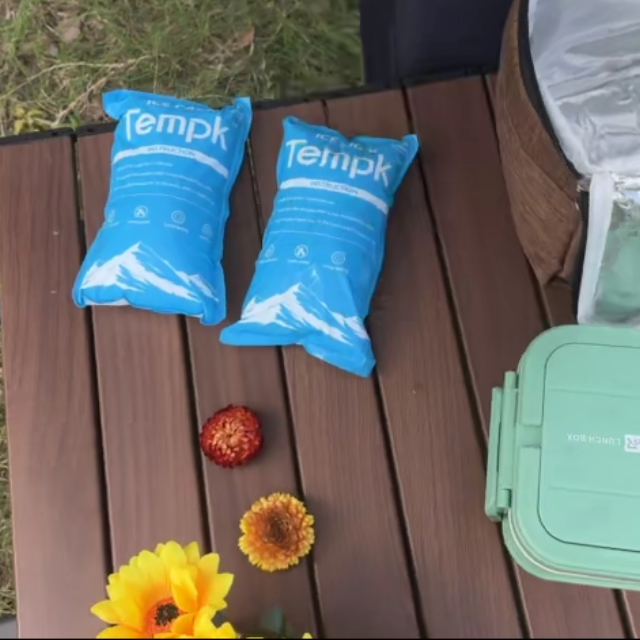
تيمبك هو تغليف السلسلة الباردة العلامة التجارية لشركة شنغهاي تيمبك الصناعية., المحدودة. تقوم الشركة بتطوير وتوريد المنتجات بما في ذلك حزم هلام, جامد طوب الجليد, أكياس معزولة, صناديق إي بي بي, صناديق تبريد طبية, بطانات معزولة, وأغطية البليت. للمشاريع التي تنطوي على صناديق معزولة, يمكن لـ Tempk مناقشة القدرات, هيكل العزل, توافق المبرد, الميزات المخصصة, ومتطلبات الحزمة. يجب التأكد من ملاءمة المنتج وأدائه مقابل الحمولة المحددة, طريق, حالة درجة الحرارة, والأدلة التي يطلبها المشتري. قبل الإصدار النهائي, اذكر الشروط المطبقة لبرنامج توزيع الأغذية في رد المورد.
الخطوة التالية
قبل الاختيار النهائي للموردين, مشاركة شكل الغذاء, مدة الطريق, درجة الحرارة المستهدفة, عملية التنظيف, والكمية الشهرية حتى يتمكن Tempk من مناقشة الصندوق العملي واتجاه العبوة.